Full Day Q’eswachaka Inca Rope Bridge Tour from Cusco
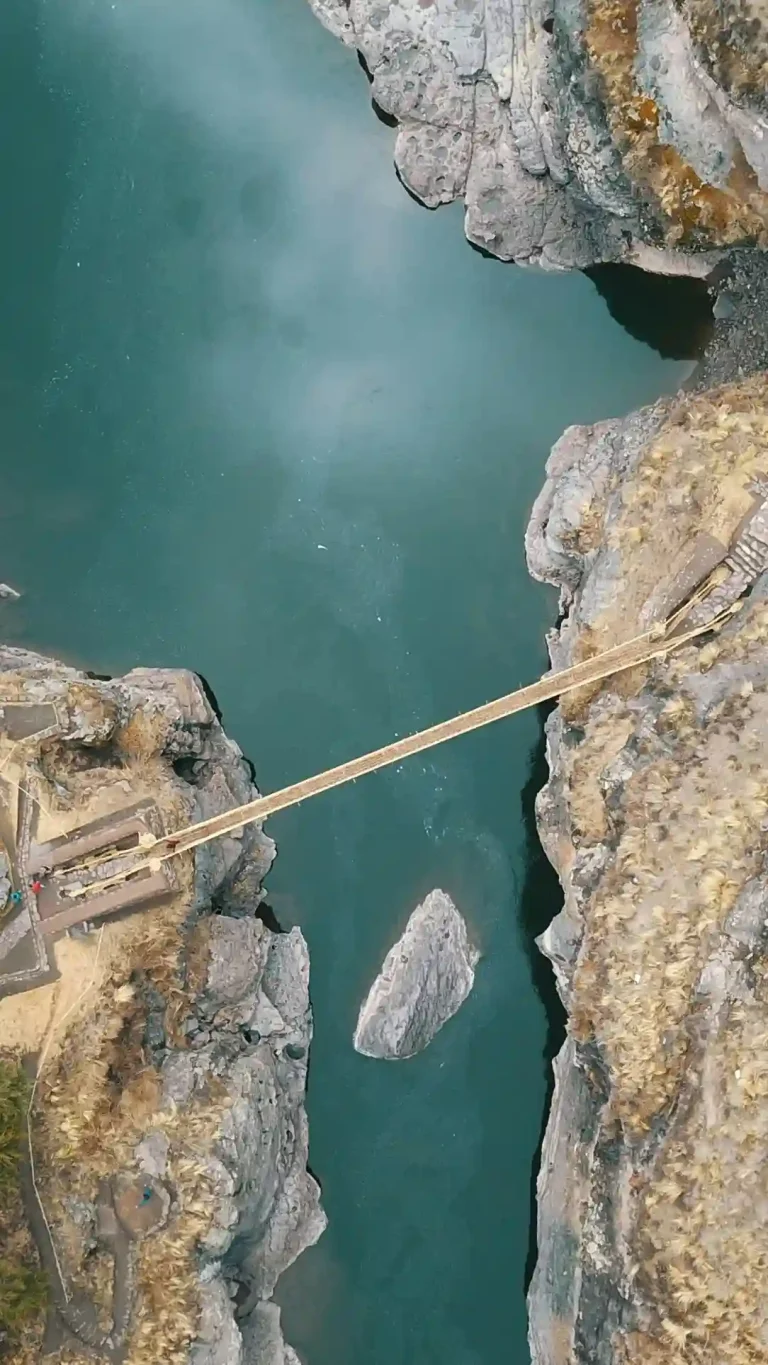
Our full day Q’eswachaka tour travels from Cusco through the southern Andes to the Four Lagoons and the handwoven Inca rope bridge spanning the Apurímac River. The experience begins with hotel pickup at approximately 5:00 a.m. and finishes with your return to Cusco at around 6:00 p.m.
This cultural day trip is recommended for travelers interested in living Andean traditions, rural landscapes and Inca engineering. Most of the day is completed by vehicle, with short walks over uneven and sloping terrain near the bridge.
Crossing Q’eswachaka is optional and depends on local access, weather and safety conditions. The service combines round trip transportation, a professional guide, admission to the bridge, a picnic breakfast, buffet lunch and basic safety support. What makes our operation different is the complete Four Lagoons route and the cultural interpretation of how neighboring Quechua communities renew the bridge each year using hand-braided plant fibers and knowledge passed down through generations.
Itinerary
Day 1
Full Day Route to Q’eswachaka and the Four Lagoons
The times shown below are approximate. Traffic, weather, road conditions, and the pace of the group may affect the schedule.
5:00 a.m. Hotel Pickup in Cusco
We’ll pick you up from your hotel in Cusco at approximately 5:00 a.m. and travel south through rural towns, farmland, and open Andean landscapes.
The journey is long, but the changing scenery provides a good introduction to this less-visited part of the Cusco region.
Morning Drive Through the Four Lagoons
The route continues past Pomacanchi, Acopia, Asnaqocha, and Pampamarca. These lakes are primarily viewed from the vehicle rather than visited separately.
We’ll make one panoramic stop where you can get out, take photographs, and appreciate the wider lake landscape. During this stop, our team will serve a picnic breakfast before continuing toward the province of Canas.
Late Morning Arrival at the Apurímac Canyon
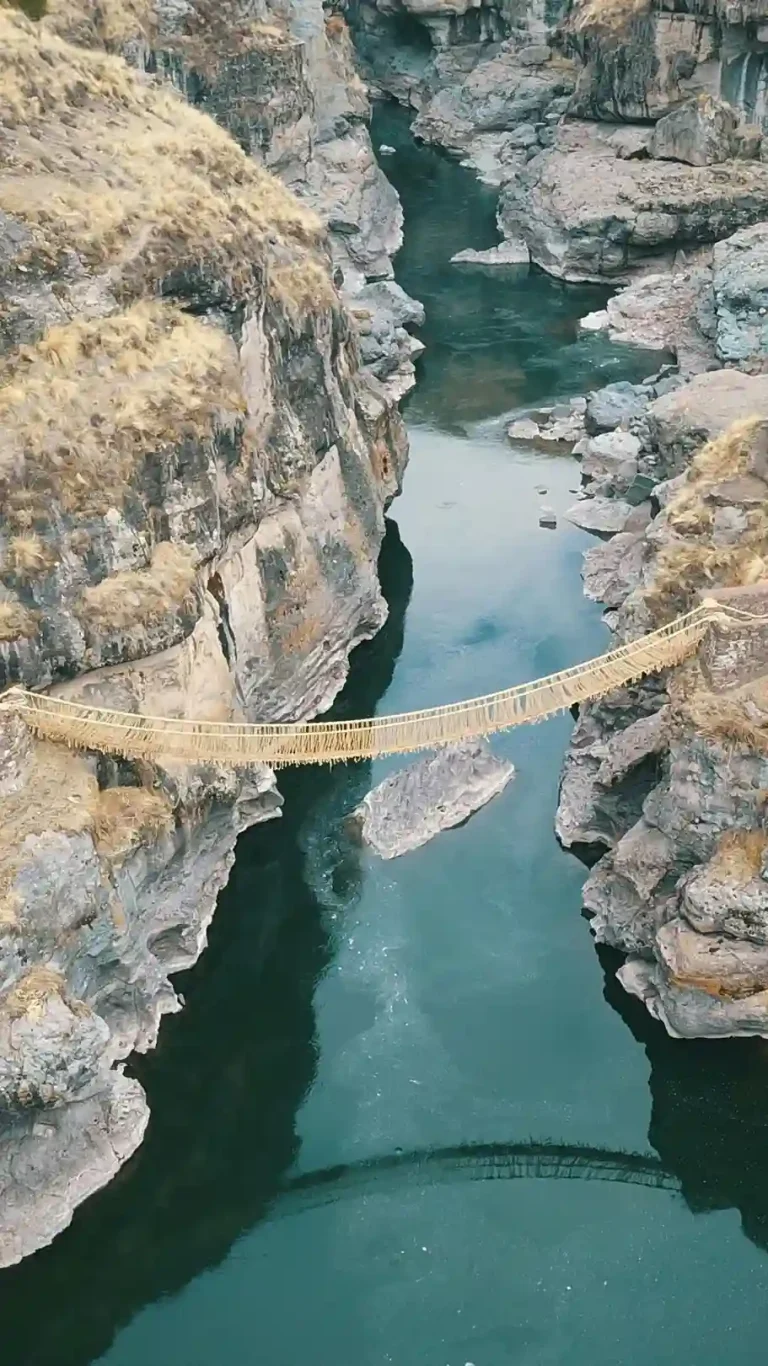
After breakfast, we continue through the highlands toward the district of Quehue. The final stretch follows winding mountain roads before descending into the Apurímac Canyon.
Q’eswachaka is located at approximately 3,700 meters (12,139 feet) above sea level. Reaching the viewing area involves a short walk over slopes and uneven ground, so a steady pace is recommended.
Guided Visit to the Inca Rope Bridge
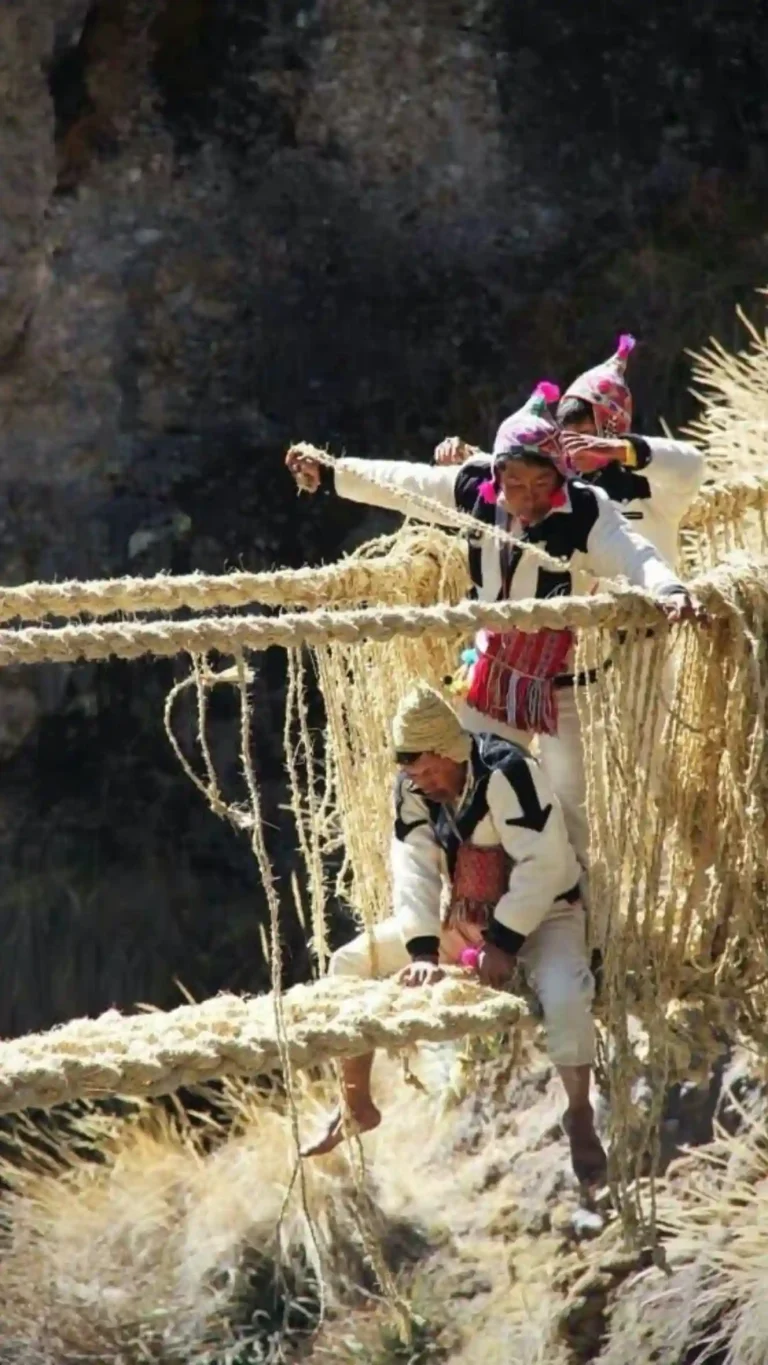
At the bridge, your guide will explain how local plant fibers are prepared and braided, how the structure was connected to the Inca road network, and why neighboring communities rebuild it every year.
You’ll have time to observe the woven deck, handrails, stone anchor points, and the canyon from different viewpoints.
Crossing the bridge is optional. Travelers who prefer not to cross can remain at the viewing areas and take photographs. Access to the bridge may also depend on weather, maintenance work, community instructions, and local safety conditions.
1:30 p.m. Lunch and Return to Cusco
After visiting the bridge, we stop for a buffet lunch. You’ll have time to eat and rest before beginning the drive back through the southern highlands.
Arrival at your hotel in Cusco is expected at approximately 6:00 p.m., although the exact time will depend on traffic and road conditions.
Tour at a Glance
- Pickup: Approximately 5:00 a.m.
- Duration: Approximately 13 hours
- Maximum altitude: 3,700 m (12,139 ft)
- Four Lagoons circuit: Panoramic drive with one viewpoint stop
- Walking: Short sections over slopes and uneven ground
- Bridge crossing: Optional and subject to local conditions
- Difficulty: Moderate
- Return to Cusco: Approximately 6:00 p.m.
Inclusions
Inclusions
What Is Included
- Cusco Hotel Transfer: Pickup and return to your hotel.
- Tourist Transportation: Private or small-group vehicle, according to the service booked.
- Professional Guide: English-speaking local guide.
- Entrance Fee: Admission to Q’eswachaka and the local community access fee.
- Picnic Breakfast: Served at the panoramic lagoon viewpoint.
- Buffet Lunch: Vegetarian and vegan options available with advance notice.
- Safety Equipment: First-aid kit and emergency oxygen.
- Walking Poles: Available upon request.
What Is Not Included
- Travel insurance
- Water and additional snacks
- Dinner
- Personal expenses and souvenirs
- Tips for the guide and driver
Bridge crossing is optional and subject to local access, weather, maintenance, and safety conditions.
Packing List
Packing List for the Q’eswachaka Tour
Bring a small daypack with only the essentials for the full-day trip:
- Passport or Photo ID
- Comfortable Walking Shoes with good grip
- Warm Jacket or Fleece for the early morning
- Lightweight Clothing for warmer midday temperatures
- Rain Jacket or Poncho
- Sun Hat and Sunglasses
- Sunscreen with SPF 50 or higher
- Reusable Water Bottle
- Personal Medication
- Motion-Sickness Medication if needed for winding roads
- Peruvian Soles for restrooms, handicrafts, or tips
- Phone or Camera with a power bank
- Optional Extra Snack
Walking poles are available upon request. Avoid sandals, heavy luggage, and large backpacks.
Price
Pricing Tour
All rates are in US dollars and apply per person.
Small Group Tour (Personalized Experience)
| Travelers | Price per Person |
|---|---|
| 2–3 people | US$120 |
| 4 or more people | US$110 |
| Children and students | US$100 |
Travel with other visitors while sharing transportation and guiding services.
Exclusive Private Tour
| Travelers | Price per Person |
|---|---|
| 2–3 people | US$160 |
| 4 or more people | US$150 |
| Children and students | US$140 |
Your guide and transportation are reserved for your party, providing greater flexibility during the day.
Child and student rates are subject to eligibility confirmation.
FAQs
Frequently Asked Questions
Are Q’eswachaka, Qeswachaka, and Queshuachaca the same bridge?
Yes. These are different spellings of the same Inca rope bridge. The variations come from writing Quechua words using the Spanish alphabet.
Is Q’eswachaka located in the Sacred Valley?
No. The bridge is located in the district of Quehue, in Canas Province, south of Cusco. This tour follows a different route from the traditional Sacred Valley tours to Pisac and Ollantaytambo.
Do I need an Inca Trail permit for this tour?
No. This is a full-day cultural road trip and does not follow the regulated Classic Inca Trail. The required local admission to the bridge is arranged as part of your tour.
Can I book this tour as a solo traveler?
Yes, you may request a place on a confirmed small-group departure. Because the group service requires a minimum of two travelers, availability must be checked for your selected date. A private departure may also be arranged upon request.
How far in advance should I reserve?
We recommend booking as soon as your travel date is confirmed. Advance reservations are especially helpful for weekends, Peruvian holidays, and the busiest travel months. Last-minute requests are welcome but remain subject to guide and transportation availability.
What happens if crossing the bridge is temporarily suspended?
If the site remains open, you may still visit the authorized viewpoints and learn about the bridge from your guide. If access to the area is restricted, our team will contact you with the available options. Local community authorities always make the final access decision.
Can I visit during the annual bridge renewal?
Visits may be possible, but normal access can change during the renewal period. This is an important community tradition rather than a performance organized for tourists, so participation and unrestricted viewing cannot be guaranteed.
Can you pick me up outside Cusco?
The standard service includes pickup from accessible hotels in Cusco. Transfers from the Sacred Valley, the airport, or accommodations outside the regular pickup area must be requested and confirmed before booking.
Can road conditions affect the schedule?
Yes. Rural traffic, weather, community activities, and road conditions can change the order of stops or the return time to Cusco. Your guide will adjust the day when necessary while preserving the main visit whenever conditions allow.
How does my visit support the local community?
Your tour includes the local admission fee associated with visiting the bridge. You may also support residents by purchasing handicrafts directly from community vendors, although these purchases are entirely optional.
Concierge & Local Guide
Available in Cusco

John Taqquere
Local Tour Guide
Travel specialist in Machu Picchu
“I grew up surrounded by the Andes, and I love sharing the history, traditions, and hidden stories of my home with travelers from around the world.”Text John Taqquere on WhatsApp → (opens in a new tab)
Contact us
Book or inquire
No obligation