Inca Kola Ingredients and What Is the Golden Soda Made Of

Table of Contents

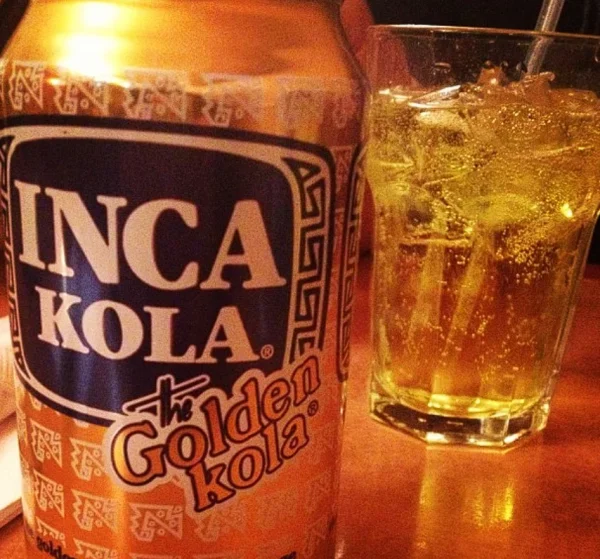
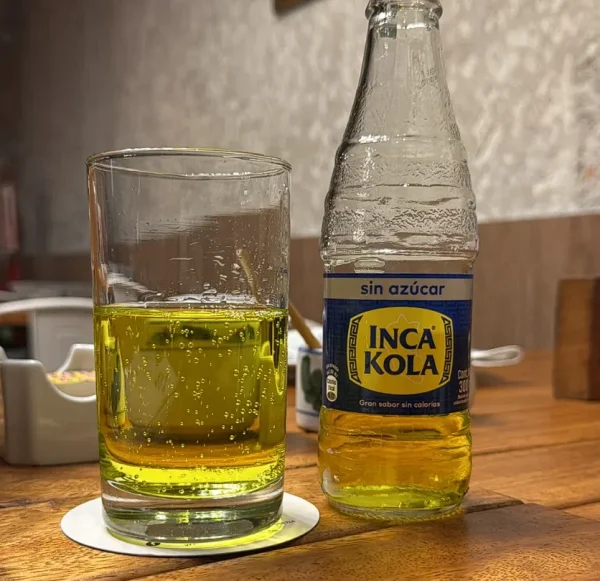
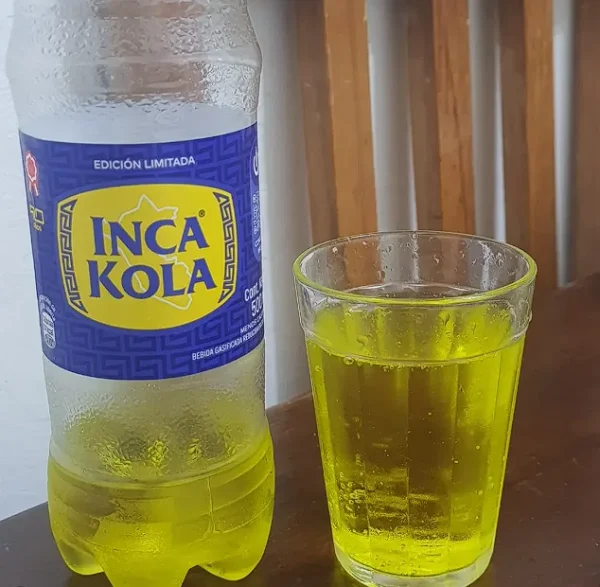
Travelers and locals exploring the gastronomy of Peru eventually face the golden bottle. This guide digs deep into the inca kola ingredients to understand the chemistry of the “National Flavor.” Asking what is inca kola is asking about the liquid companion to every Pollo a la Brasa.

To truly understand what are the ingredients in inca kola we must analyze the industrial formula and the homemade methods used to replicate it. This article breaks down exactly what inca kola made of is and provides a practical guide utilizing tables and lists to clarify the components that create its distinct profile.

Detailed Analysis of Inca Kola Main Ingredients and Recipe

Detailed Analysis of Inca Kola Main Ingredients and Recipe

While the industrial formula is a secret locked away by the Lindley corporation we can reconstruct a detailed inca kola recipe based on its flavor profile for those wanting to experiment at home. The inca kola main ingredients for a homemade version require specific ratios to balance the sweetness and the herbal notes. To understand the ingredients in inca kola you need to focus on the syrup production.

Here is a detailed breakdown of the components needed to recreate the ingredients of inca kola syrup in your kitchen:

Ingredient CategoryRecommended QuantityFunction in the Recipe
Fresh Lemon Verbena1 large bunch (approx 50 leaves)Provides the essential inca kola flavor and aroma
White Granulated Sugar2 cups (400 grams)Creates the syrup base and sweetness profile
Filtered Water2 cups (500 milliliters)Acts as the solvent for the herbal infusion
Fresh Lemon Juice1 tablespoonAdds acidity to balance the sugar density
Yellow Food Coloring5 to 8 dropsEssential for the visual inca kola description
Carbonated Water1 liter (chilled)Provides the fizz for the final mix

Step by Step Preparation of Homemade Inca Kola:

  • Herbal Infusion (12 Minutes): Begin by bringing the filtered water to a gentle rolling boil over medium heat. Add the fresh Lemon Verbena leaves and immediately reduce the heat to the lowest setting. Cover the pot to trap the essential oils and let it simmer for exactly twelve minutes. The water should turn a pale greenish hue similar to herbal tea.
  • Syrup Creation and Dissolving (5 Minutes): Turn off the heat and strain the liquid through a fine mesh sieve to remove all leaves and organic matter. Return the clear herbal water to the stove on low heat. Gradually pour in the white sugar while stirring continuously with a wooden spoon for about five minutes. It is crucial not to let the mixture boil vigorously at this stage or the sugar will caramelize and ruin the fresh inca kola flavor profile.
  • Acid and Color Integration (2 Minutes): Remove the pot from the heat source completely. Stir in the fresh lemon juice or citric acid which cuts through the sugar density and brightens the taste. Add the yellow food coloring drop by drop stirring constantly until you achieve the signature electric gold color. This is the moment the mixture transforms visually into what looks like inca kola made of industrial concentrate.
  • Cooling and Thickening (2 Hours): Allow the hot syrup to sit at room temperature for at least thirty minutes. Once it is warm but not scalding transfer it to a sterilized glass jar or bottle. Place it in the refrigerator for a minimum of two hours. The syrup needs to be completely cold and slightly thickened before mixing to ensure it binds well with the carbonated water.
  • Final Mixing and Serving: Fill a tall glass with ice cubes. Pour one part of the chilled syrup followed by four parts of cold carbonated water. Stir gently with a long spoon to mix the syrup without killing the carbonation bubbles. Serve immediately to enjoy the homemade inca kola recipe experience.

The Lemon Verbena or Hierba Luisa That Creates the Flavor

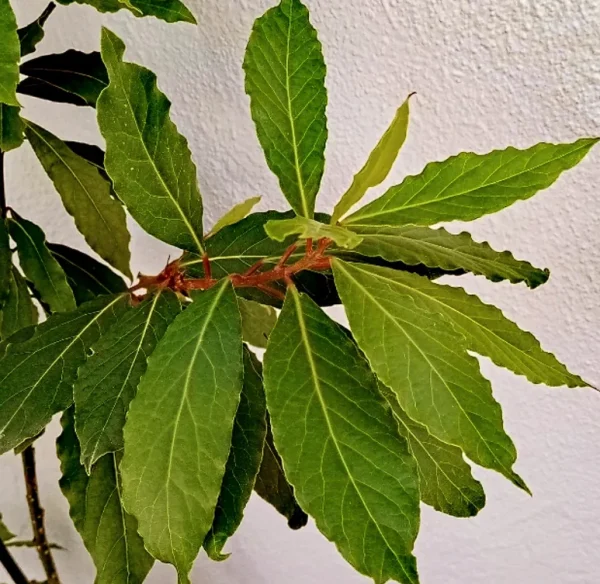
Hierba Luisa

The distinct inca kola flavor profile relies heavily on an indigenous plant called Aloysia citrodora which is known throughout the Andes as Hierba Luisa. The unique inca kola taste is chemically driven by citral which is the essential oil found in the leaves of this plant.

This compound delivers a powerful lemon scent without the sour acidity of actual citrus fruit which often confuses the palate. Many consumers mistake this herbal sweetness for bubblegum or champagne cola leading to the persistent myth of inca kola pineapple flavoring. However the official inca kola description confirms that no tropical fruit extracts are involved. The herb is the critical aromatic backbone because without the high concentration of Hierba Luisa the syrup would be nothing more than colored sugar water.

Tartrazine Yellow 5 and the Source of the Golden Color

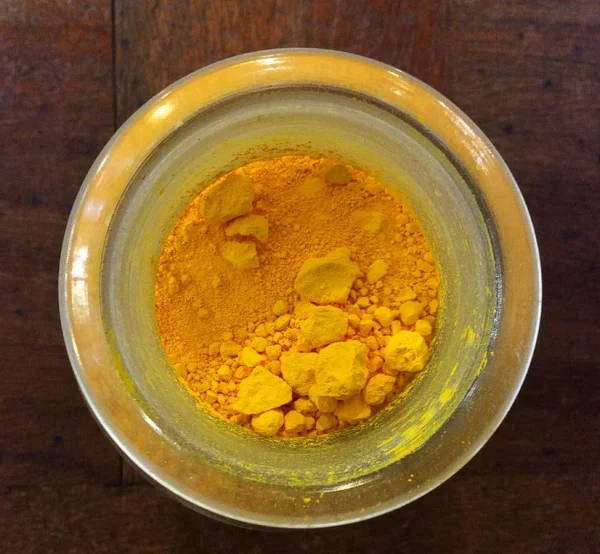
Tartrazine Yellow

The visual impact of the soda is scientifically engineered using Tartrazine also known as FD&C Yellow Number 5 or E102. Investigating what inca kola made of visually proves that the golden hue is entirely synthetic because the natural Hierba Luisa infusion produces a dull brownish green liquid that is unappealing for a commercial soft drink.

This specific artificial additive is the most controversial yet essential item on the inca kola ingredientes list. Asking what’s inca kola implies seeing that neon glow because the color primes the brain to expect a specific sweetness intensity. In our homemade recipe table we specified yellow drops because without this precise artificial tint the consumer experience feels incomplete and the brain fails to register the drink as the authentic “Golden Kola.”

Carbonated Water High Fructose Corn Syrup and Preservatives

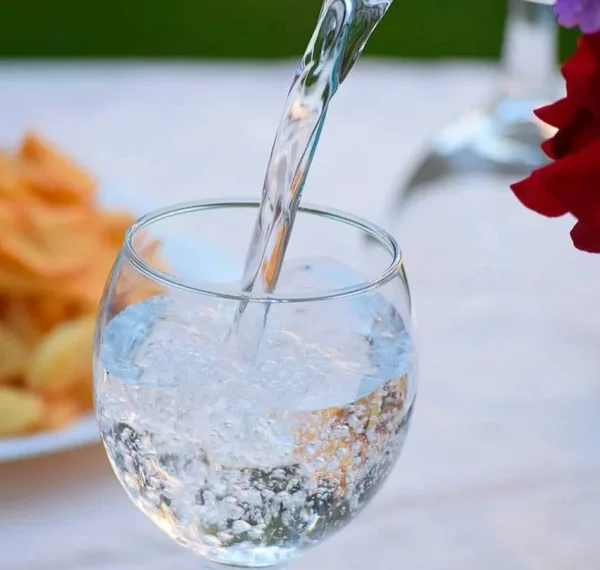
Carbonated Water

The physical body of the beverage relies on a high volume of dissolved carbon dioxide to create an acidic bite that cuts through the sugar. The official inca kola description requires a high level of effervescence to balance the syrup density. There is a distinct chemical difference between markets as the inca kola ingredientes peru production uses sucrose from cane sugar which provides a crisp finish.

In contrast the United States bottling plants often substitute this with High Fructose Corn Syrup which creates a thicker and more viscous mouthfeel. The inca kola azucar concentration sits at approximately 11 Brix meaning sugar constitutes 11 percent of the total liquid mass. Commercially Sodium Benzoate is added to the vats as an antimicrobial agent to prevent yeast growth. For the home cook consuming the drink immediately eliminates the need for preservatives but the carbonation must be aggressive to match the sharp sensory bite of the original.

Inca Kola Nutrition Facts and Health Impact Information

Inca Kola Nutrition

We need to look closely at the hard numbers to understand the metabolic cost of this beverage. Reviewing the inca kola nutrition facts is essential for diabetics and health conscious eaters who need to track their glycemic intake. The question is inca kola healthy is definitively answered by the data which classifies it as a high calorie recreational treat rather than a functional drink.

The inca kola nutrition label reveals that it is purely a source of rapid carbohydrate energy derived almost exclusively from added sugars. Unlike fruit juice which contains fiber or vitamins the calories here are liquid and absorbed immediately by the system.

Nutritional Breakdown per Standard 12 Ounce Can (355 ml):

Nutrient ComponentAmount per ServingDaily Value Percentage
Total Calories140N/A
Total Fat0 grams0%
Sodium45 milligrams2%
Total Carbohydrates39 grams14%
Total Sugars39 gramsIncludes 39g Added Sugars (78% of Daily Limit)
Protein0 grams0%
Caffeine38 milligramsN/A

We address the concern regarding whether is inca kola bad for you by analyzing the sugar density. The 39 grams of sugar listed above is equivalent to approximately ten teaspoons of white sugar dissolved in a single glass. This delivers a massive and rapid spike in blood glucose known as a high glycemic load.

This is why the soda is often consumed during the active hours of the day rather than late at night. For context the American Heart Association recommends a daily limit of about 36 grams of added sugar for men and 25 grams for women meaning a single can of Inca Kola exceeds the entire daily allowance for most adults.

Does Inca Kola Have Caffeine and Is It a Stimulant

Does it give you energy beyond the sugar rush? The query does inca kola have caffeine is frequent among parents and late night workers. The answer to is there caffeine in inca kola is a definitive yes and the amount is carefully calculated. As shown in the data a standard can contains approximately 38 milligrams of caffeine which places the inca kola drink exactly on par with major competitors like Pepsi or Mountain Dew.

While this is significantly less than a cup of coffee which averages 95 milligrams the combination of this stimulant with the high glucose load creates a potent energy spike. This functional chemistry explains why the soda is the preferred pairing for heavy carbohydrate meals like Tacu Tacu or Arroz Chaufa as it helps combat the physiological fatigue or food coma that follows a large feast.

Calorie Count and Sugar Levels in a Standard Serving

Here are the precise numbers that health conscious consumers need. The inca kola calories count is 140 calories per 355 milliliter can which is standard for the industry. However if you drink the 500 milliliter personal plastic bottle which is the most popular format in Peru the count jumps to nearly 200 calories per sitting. The inca kola azucar content is the most alarming statistic sitting at approximately 39 to 41 grams of sugar per can.

To visualize this impact you are drinking the equivalent of ten heaping teaspoons of pure sugar in a single serving. Analyzing the inca kola nutrition breakdown per 100 milliliters shows it contains roughly 42 calories and 10.8 grams of sugar making it physically denser than many fruit juices. This high caloric density qualifies it as a liquid dessert rather than a simple thirst quencher.

Dietary Information Is Inca Kola Gluten Free or Vegan

For those with restrictions the news is good. The formula is inca kola gluten free as the coloring and flavoring agents are not derived from grains. Asking is inca kola good for a vegan diet brings a yes because the yellow color is synthetic and not derived from insects like carmine.

However do not rely on inca kola vitamins because there are none. The label lists 0 percent for Vitamin A C Calcium and Iron. It is a product designed purely for enjoyment and hydration not for nutritional supplementation.

Diet Inca Kola Ingredients and Zero Sugar Options

inca kola zero and golden kola zero

The global market has aggressively shifted towards health conscious choices forcing classic brands to adapt or lose customers. The diet inca kola ingredients were engineered specifically to retain the loyalty of consumers who grew up with the flavor but can no longer process the extreme glycemic load of the original.

The inca kola diet version utilizes a completely different chemical architecture to simulate sweetness. We examine the diet inca kola nutrition facts to understand how the calorie count is obliterated while attempting to preserve the iconic golden identity of the beverage.

Comparison Table: Original vs Diet Inca Kola

FeatureOriginal Inca KolaDiet Inca Kola (Zero)
Total Calories1400
Sugar Content39 grams0 grams
Sweetener SourceHigh Fructose Corn Syrup or Cane SugarAspartame and Acesulfame Potassium
MouthfeelThick Syrupy and HeavyLight Watery and Crisp
AftertasteLingering Sweet Herbal NoteShort with Mild Metallic Note

This comparison highlights the fundamental trade off. While the inca kola diet formulation successfully removes the metabolic risk of sugar it alters the sensory experience. The original relies on the physical density of the dissolved sugar to coat the tongue which amplifies the herbal notes.

The diet version lacks this viscosity making it feel “thinner” or more watery on the palate which is a common characteristic of zero calorie beverages.

Artificial Sweeteners Used in Inca Kola Zero Sugar

The food science behind inca kola zero and inca kola diet involves a precise chemical balancing act. The diet inca kola ingredients list relies on a synergistic blend of Aspartame and Acesulfame Potassium often abbreviated as Ace K. These are classified as high intensity sweeteners because they are approximately 200 times sweeter than sucrose.

Because only a microscopic amount is needed to match the sweetness of the original recipe the physical volume of dissolved solids in the liquid drops dramatically. This significantly alters the viscosity or body of the inca kola diet drink. While the Lemon Verbena aroma remains identical the liquid feels slightly “thinner” or more watery in the mouth compared to the heavy syrupy texture of the full sugar original which coats the tongue.

Nutritional Comparison Between Original and Diet Versions

The mathematical difference is stark. The inca kola calories count drops from 140 in the classic version to exactly zero in the diet alternative. When patients ask nutritionists is inca kola healthy the zero sugar option is logically the clear winner for weight loss and blood sugar management.

However the diet inca kola nutrition profile relies entirely on processed synthetic chemicals to trick the brain. The original version uses simple carbohydrates which the body knows how to process immediately. The consumer choice ultimately represents a trade off between consuming natural cane sugar which carries a heavy metabolic cost in terms of insulin spikes versus consuming artificial sweeteners which have zero caloric impact but are synthetic additives with a different safety profile.

Origin and Production History of the Inca Kola Brand

Origin and Production History of the Inca Kola Brand

The inca kola origin story is a classic example of immigrant entrepreneurship that became a national symbol. The narrative begins with Joseph Robinson Lindley a British immigrant who established a bottling plant in the Rímac district of Lima in 1910. However the golden soda was not born until 1935.

Asking where does inca kola come from leads us to that specific year when the Lindley family created the formula to celebrate the 400th anniversary of the founding of Lima. They marketed it with the slogan “The Drink of National Flavor.” Understanding where is inca kola made today involves a complex global network but the soul of inca kola from the early 20th century was a small family operation that managed to capture the palate of a nation by creating a drink that perfectly complemented the local cuisine.

The Dispute Between Inca Kola Peruvian and Inca Kola Ecuador

The question is inca kola peruvian is a matter of fierce national pride and the answer is definitively yes. However inca kola ecuador is a massive parallel market. The brand is incredibly strong in Ecuador where it is consumed almost as frequently as in Peru.

Fans often debate the inca kola origin flavor differences between the two nations. Connoisseurs claim the Ecuadorian version is sweeter due to different sugar sourcing while the Peruvian version has a more pronounced herbal bite from the Lemon Verbena.

This friendly rivalry highlights the immense success of the brand across the Andes proving that the flavor profile resonates deeply with South American consumers regardless of borders.

The Strategic Partnership Between Inca Kola and Coca Cola

In the late 1990s the local underdog achieved the impossible. The inca kola coca cola deal signed in 1999 is a case study in business schools worldwide because it represents one of the few times the red giant could not defeat a local competitor. Coca Cola realized they could not outsell the golden soda in Peru so they bought 50 percent of the company for roughly 200 million dollars.

This partnership manages the production of inca kola from Peru for export while the Lindley family retains control of the brand within the country. This explains where is inca kola made for the US market often in Coca Cola facilities in the northeast using the concentrate sent from Lima.

Where to Buy Inca Kola in the USA and Worldwide

Where to Buy Inca Kola in the USA

For the millions of Peruvians living abroad finding inca kola where to buy is essential for feeling connected to home. You can inca kola buy the drink in almost any major metropolis with a Latino population from Paterson New Jersey to Miami Florida.

The demand for inca kola usa products has ensured its permanent presence on shelves. It has transitioned from a niche ethnic product to a mainstream beverage available in many standard supermarkets across North America and Europe.

Availability at Major Retailers Like Walmart and HEB

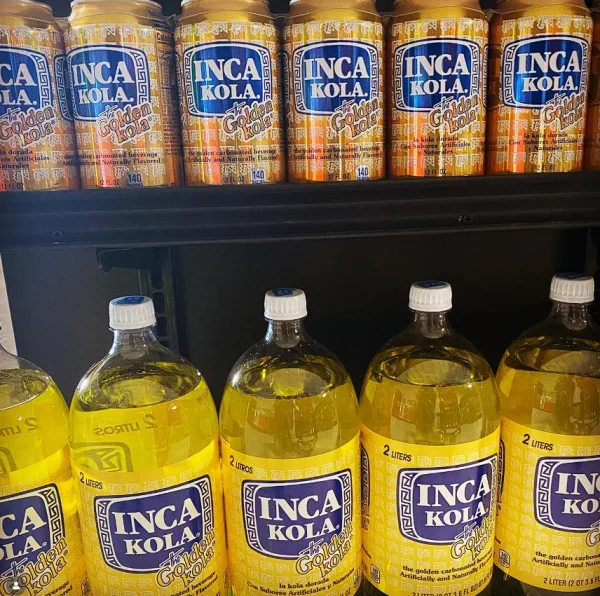
The distribution network is now mainstream. You can find inca kola walmart inventory stocked reliably in the international or Latino food aisles of their Supercenters. In states like Texas inca kola heb carries both the glass bottles and the aluminum cans.

The inca kola usa supply chain is stable meaning you rarely have to hunt for it in specialty bodegas anymore. Major retailers recognize the purchasing power of the Hispanic community and keep the golden soda in stock alongside other staples like corn flour and hot sauces.

Buying Inca Kola Bulk Orders and Large 2 Liter Bottles

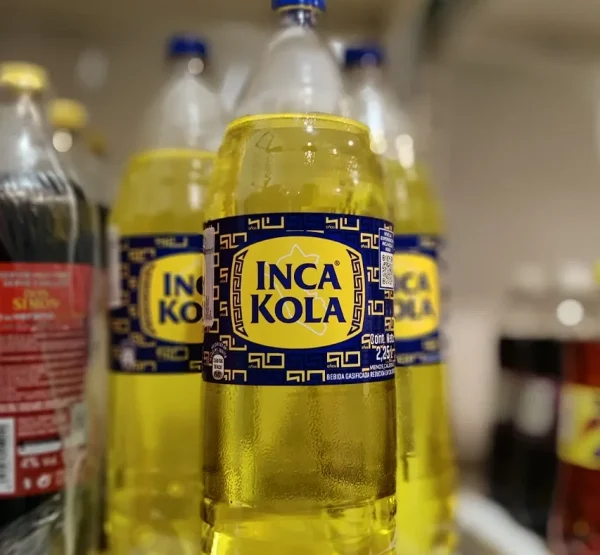
For economy and events look for inca kola bulk packs at warehouse clubs. The inca kola 2 liter plastic bottle is the standard format for Sunday family meals or “Polladas.” When you inca kola buy the big bottle you are participating in the Peruvian tradition of sharing a meal family style.

It is the most cost effective way to serve the drink reducing the price per ounce significantly compared to the individual glass bottles. Many restaurants also offer the 2 liter format for takeout orders to complete the dining experience at home.

Clarifying That Inca Kola Is Not an Alcohol Product

Finally we must clarify a common confusion for new consumers. The inca kola drink is strictly a non alcoholic soft drink. The question is inca kola alcohol is a misunderstanding because the soda is frequently used as a mixer. It is the essential ingredient in cocktails like the “Inca Wasi” or simply mixed with Pisco.

However the kola inca itself is a soft soda safe for kids and universally loved as a family beverage suitable for breakfast lunch and dinner.

frequently asked questions

The primary ingredients in Inca Kola include carbonated water, high fructose corn syrup (or sucrose in the Peruvian version), citric acid, sodium benzoate, caffeine, artificial and natural flavorings, and Yellow 5 (Tartrazine). While the full formula is a trade secret, the distinct taste profile relies heavily on the essential oils derived from Lemon Verbena, a plant native to South America. This combination creates the drink’s signature sweetness and acidity balance that pairs perfectly with Peruvian cuisine.

Inca Kola tastes like a sweet combination of bubblegum, cream soda, and tropical fruits, with a distinct herbal finish from the Lemon Verbena. Unlike spicy or caramel heavy dark colas, the golden soda has a “tutti frutti” profile that is often compared to champagne cola. This high sugar content and fruity aroma make it an ideal palate cleanser for spicy Peruvian dishes like Ceviche or Lomo Saltado.

Yes, Inca Kola contains caffeine, with approximately 37 mg of caffeine per 12-ounce (355 ml) can, which is roughly equivalent to the amount found in a can of Coca Cola or Pepsi. This stimulant content classifies it as an energy-boosting soft drink. However, because the flavor is so sweet and lacks the bitterness of dark colas, the caffeine “kick” is often masked by the sugar profile.

Inca Kola is yellow because it contains the artificial food coloring Yellow 5 (Tartrazine), designed to symbolize the gold of the ancient Inca Empire. When Joseph Robinson Lindley created the drink in 1935, he wanted a color that would evoke national pride and the legacy of the Tahuantinsuyo. The golden hue is essential to its branding as “The Golden Kola” (La Kola Dorada) and makes it instantly recognizable on any dining table in Peru.

The Inca Kola brand is owned by The Coca-Cola Company in all countries except Peru, where it remains a joint venture with the Lindley family (Corporación Lindley). In a historic business move in 1999, Coca Cola realized it could not beat Inca Kola in the Peruvian market the only country where Coke was not the number one soda so they bought a 50% stake in the company. This allows Coca-Cola to manufacture and distribute the soda globally while respecting its local heritage.

The main difference is that Peruvian Inca Kola is sweetened with real cane sugar, whereas the American version is typically sweetened with High Fructose Corn Syrup (HFCS). Connoisseurs of the soda often claim the Peruvian glass-bottle version has a cleaner, crisper finish compared to the syrup-heavy American canned version. Additionally, the carbonation levels can vary slightly depending on the bottling plant, with the Peruvian version generally being considered the “authentic” experience.

December 14, 2025

Inca Empire Religions and the Sacred Beliefs of the Andean Civilization

Inca Empire religions formed a sophisticated theological system that integrated astronomy, agriculture, and statecraft into a unified worldview known as the Andean Cosmovision. The...
December 13, 2025

Most Popular Food in Peru

The most popular food in Peru is a complex culinary mosaic that reflects the country’s biodiversity, fusing ancient Andean ingredients like potatoes and corn with Spanish, Af...
December 12, 2025

Inca Culture Today and the Living Legacy in the Modern Andes

Inca culture today is defined not by the ruins of the past, but by the enduring social, linguistic, and spiritual practices of approximately 10 million people inhabiting the Andean...
December 11, 2025

Geographical Location of the Incas and the Vast Tahuantinsuyo Empire

The geographical location of the Incas constitutes one of the most physically diverse and challenging territories ever managed by a pre industrial civilization. Historically, the g...
December 10, 2025

Inca Quipus Definition in World History

The Inca quipus represent one of the most sophisticated intellectual achievements in world history. While ancient civilizations in Mesopotamia and Egypt developed cuneiform and hie...
December 9, 2025

Inca Kola Ingredients and What Is the Golden Soda Made Of

Travelers and locals exploring the gastronomy of Peru eventually face the golden bottle. This guide digs deep into the inca kola ingredients to understand the chemistry of the R...
December 6, 2025

Inca Poems and the Literary Legacy of the Andean Empire

The literary history of the Andes is often misunderstood because the civilization did not use a traditional alphabet like the Europeans. However inca poetry was a vibrant and essen...
December 5, 2025

Complete List of animals of machu picchu and Guide to Wildlife Species

The biodiversity within the Historic Sanctuary is staggering and often surprises visitors who come only for the archaeology. This guide provides a scientifically accurate list of m...
December 4, 2025

Ausangate Hotel Machupicchu Guide and Current Room Rates

Searching for the ideal hotel machupicchu property can be overwhelming given the sheer number of options available online. This guide specifically reviews the ausangate hotel machu...
December 3, 2025

Hotel Taypikala Boutique Machupicchu Review 2026 and Complete Hotel Guide

Aguas Calientes is often chaotic and noisy due to the constant arrival of trains and buses but the right accommodation changes the entire experience of the trip. The Taypikala Bout...
November 14, 2025

Palcoyo vs Pallay Punchu

Palcoyo vs Pallay Punchu: Which Rainbow Mountain Is Better to Visit? High in the Peruvian Andes, south of Cusco, lie two incredible natural wonders that rival the famous Vinicunca ...
November 3, 2025

Palcoyo vs Vinicunca

Palcoyo vs Vinicunca – Which Rainbow Mountain Should You Visit in Peru?When travelers think of Rainbow Mountain in Peru, they usually picture the famous Vinicunca—a stunning, mul...

Contact us with Machu Picchu Tours

Contact Form Demo
Need Help? Chat with us