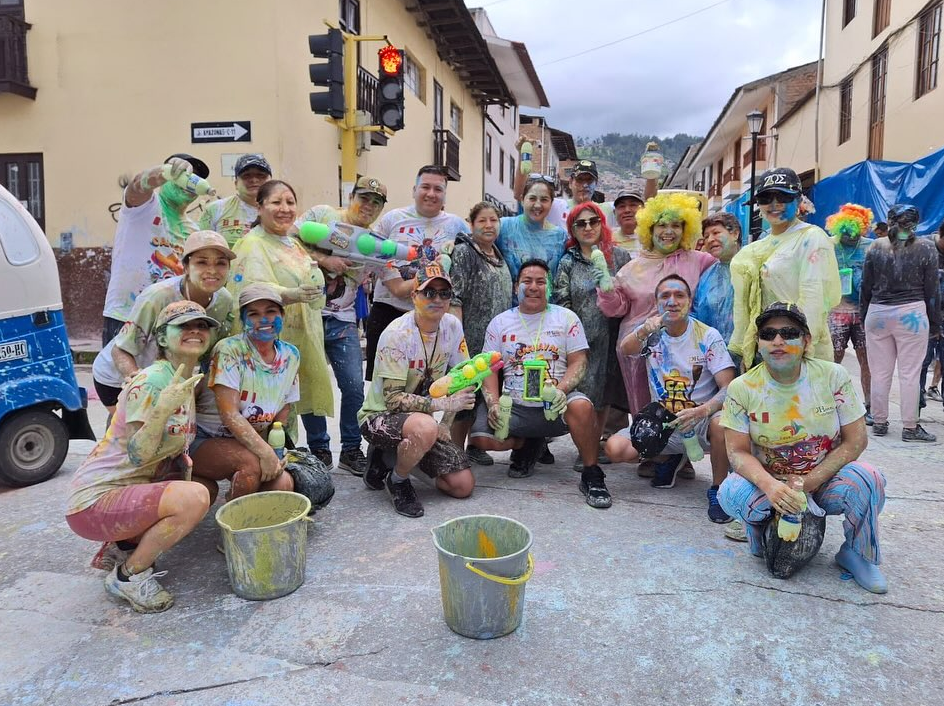
The Cajamarca Carnival is widely recognized as the “Capital of the Peruvian Carnival” for a reason: it is the only festival in Peru where the boundary between spectator and participant completely dissolves. Unlike the folkloric parades in Puno or Cusco, where you watch from a distance, the Carnival in Cajamarca requires you to enter the “game.” It is a month long immersive experience of joy, music, water, and paint that takes over the northern Andes.
For travelers planning to attend the Cajamarca Carnival Peru in 2026, it is crucial to understand that this is a massive, city wide event involving over 60 neighborhoods. It blends Spanish masquerade traditions with Andean agricultural rituals. The atmosphere is euphoric, sometimes chaotic, and incredibly welcoming. Whether you are dancing with a “patrulla” or drinking chicha de jora with locals, the Carnival Cajamarca offers a level of social integration that is rare in modern tourism.
History and Meaning Behind the Celebration of the Cajamarca Carnival
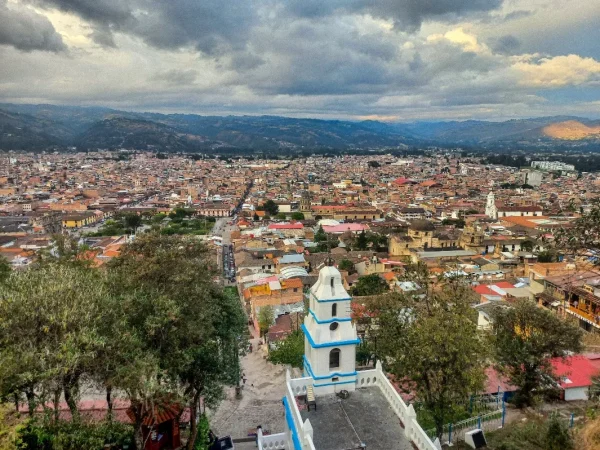
To understand what is the Cajamarca Carnival, we must look at the Andean agricultural calendar. February coincides with the peak of the rainy season in the Andes, a time of maturation for the crops. Historically, Cajamarca Carnival history is deeply tied to the Pawkar Raymi (Festival of Flowering). The abundance of water and rain was celebrated as a blessing from the earth, and the carnival became a ritual of gratitude expressed through excess eating, drinking, and dancing before the austerity of the harvest and the Catholic Lent.
Why is the Cajamarca Carnival celebrated with such intensity? It serves as a “social valve.” During the carnival days, the rigid social hierarchies of colonial and republican Peru were suspended. The rich and the poor, the landowner and the farmer, would hide behind masks and paint, becoming equals in the chaos. This tradition of “social inversion” remains the heartbeat of the festival today, allowing the community to release the tensions of the year through satire and collective partying
Understanding the Spanish and Andean Origins of the Carnival in Cajamarca
The origins of the festival are a textbook example of cultural syncretism. The Carnival Cajamarca history began when Spanish colonizers brought the European tradition of “Carnestolendas” (festivities of meat) to the Andes. They introduced the concept of the masquerade, the courtly costumes, and the satirical verses. However, these European elements were absorbed by the indigenous population, who infused them with their own pentatonic musical scales and agricultural symbolism.
Today, the Peruvian Carnival Cajamarca is distinct from other carnivals in Latin America because of the “Coplas.” These are rhyming, often improvised verses sung by the neighborhoods. While the costumes may look European (with capes and crowns), the music and the “Coplas” are deeply Andean, often featuring mischievous or biting lyrics about love, politics, and daily life. This fusion created a unique identity where the Spanish court jester became the Andean “Clon.”
The Legend of Ño Carnavalón as the Main Cajamarca Carnival Symbol
The absolute center of the Carnival de Cajamarca is “Ño Carnavalón,” also affectionately known as “King Momo.” He is the main Cajamarca Carnival symbol, represented as a large headed, jovial doll dressed in colorful silk. According to local legend, he is not just a character but a deity of joy who descends from the hills to rule the city for five days. His presence grants the citizens permission to break social norms, drink excessively, and play with water.
While there is a King and Queen of Carnival Cajamarca (real people elected to preside over the corso), they are secondary to the figure of Ño Carnavalón. His narrative arc drives the entire schedule: his arrival brings life, his partying brings chaos, and his death on Ash Wednesday restores order. He is treated as a living entity; people sing to him, offer him drinks, and genuinely mourn him when the festival ends.
Who Are Doña Carnavalona and El Cilulo in Local Folklore
Among the essential Cajamarca Carnival facts is the identity of “Doña Carnavalona.” She is the wife of King Momo and is typically portrayed by a man in drag during the funeral procession. She represents the “grieving widow,” a satirical character who wails loudly about her husband’s death while making flirtatious jokes with the crowd. She embodies the comedy of the festival, turning a funeral into a farce.
Another crucial term is “El Cilulo.” Many tourists mistake this for a character, but it is actually the most famous song of the region (“The Cilulo”). However, in local folklore, the characters of the carnival also include the “Virreyes” (Viceroys), who wear heavy, embroidered capes and crowns, mocking the Spanish nobility of the colonial era. Understanding these characters adds depth to what might otherwise look like just a colorful parade.
Official Schedule and Cajamarca Carnival Date Start 2026
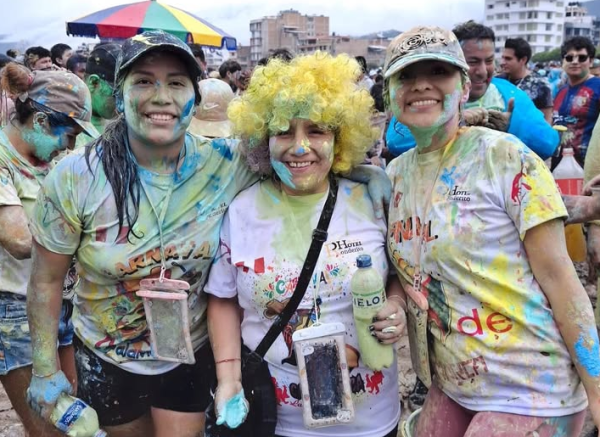
If you are wondering when is Cajamarca Carnival in 2026, you must calculate it based on Easter. Since Ash Wednesday falls on February 18, 2026, the main “Central Days” of the carnival will occur from February 14 to February 18. While pre carnival activities like the “Globeadas” (water balloon fights) begin in mid January, the tourist centric events are concentrated in these specific dates.
The Cajamarca Carnival date start for visitors is effectively Saturday, February 14, 2026. However, to get the full experience of the Cajamarca Carnival 2026, it is highly recommended to arrive by Friday, February 13, to acclimatize and witness the spontaneous street parties that erupt in the Plaza de Armas before the official calendar begins.
- Feb 14 (Sat): Entrance of Ño Carnavalón.
- Feb 15 (Sun): Patrols and Comparsas Contest.
- Feb 16 (Mon): Great Carnival Corso.
- Feb 18 (Wed): Burial of Ño Carnavalón.
Grand Entrance of Ño Carnavalón and the Start of Festivities on February 14
The start of festivities explodes on Saturday, February 14, 2026. This is the entrance of King Momo (Ño Carnavalón). Unlike the organized parades of later days, this event is pure, unadulterated chaos. The King is brought down from the heights of Santa Apolonia or the surrounding hills, followed by a massive tide of people singing and dancing towards the Qhapaq Ñan complex.
This marks the Cajamarca Carnival date start for the “paint war.” On this day, it is culturally acceptable for anyone to paint anyone. Locals mix water, flour, and aniline paint to create a paste that is smeared on faces. If you attend the Entrance, do not wear nice clothes. You will become a canvas. It is the most euphoric day of the year in Cajamarca, where thousands of strangers bond through the shared experience of getting messy.
The Contest of Patrols and Comparsas at the Stadium on Sunday
On Sunday, February 15, the atmosphere shifts from chaotic to artistic. The carnival of Cajamarca hosts the Patrols contest at the Héroes de San Ramón Stadium. This stadium event is a formal competition where the neighborhoods (barrios) like Cumbemayo and San Sebastián present their best costumes to a panel of judges.
This is the best day for photography. The “Patrullas” (Patrols) showcase costumes that can cost thousands of dollars, featuring heavy velvet capes embroidered with gold thread and giant headdresses. Unlike the street parades where the dancers are moving fast, here they perform specific choreographies. Tickets for the stadium sell out days in advance, so buying them early is essential if you want a seated view of the craftsmanship.
Experiencing the Great Carnival Corso Parade 2026 on the Main Day
Monday, February 16, is the main day of carnival. The Great Corso Cajamarca is a massive parade that stretches for kilometers, usually moving along the wide Avenida Atahualpa. This parade features everything: the winning Patrols from Sunday, the neighborhood Comparsas, the Carnival Queens, and the “Carros Alegóricos” (massive floats).
The carnival parade can last up to 6 hours. It is more family friendly than Saturday’s entrance. While spectators still play with water and foam, they usually respect the dancers in the expensive costumes. The highlight is the interaction; dancers will often pull spectators out of the crowd to dance a few steps of the “Cashua” before releasing them. It is a marathon of energy that showcases the sheer scale of the festival.
Burial of Ño Carnavalón and the End of the Party on Ash Wednesday
The end of carnival arrives on Ash Wednesday, February 18, 2026. The Burial of Ño Carnavalón takes place in the district of Baños del Inca. This event is a piece of satirical theater. The doll of the King is placed in a coffin and carried through the streets, followed by the “widows.”
The widowers of the carnival are local men dressed in black veils and skirts, holding fake babies, wailing and screaming comically about the loss of their “husband.” They read the “Testamento” (Will), a document filled with biting political satire and jokes about local authorities. Finally, the doll is burned, symbolizing the death of excess and the purification of the community as they enter the holy period of Lent.
Traditional Dances and Cajamarca Carnival Colors You Will See
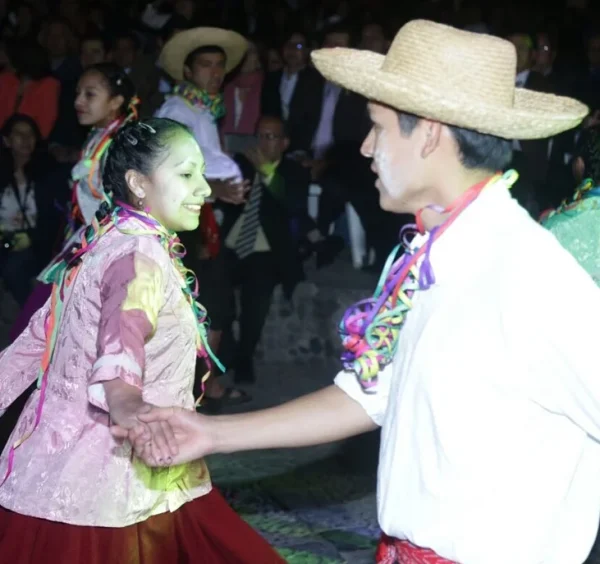
The Cajamarca Carnival colors are neon and high contrast. The costumes do not follow a subtle palette; they use bright pinks, electric blues, and deep yellows to stand out against the green Andean landscape. This visual intensity is matched by the auditory experience. The music is not varied; it is a relentless, hypnotic loop of the “Carnaval de Cajamarca” melody played on trumpets, tubas, and percussion.
Cajamarca Carnival traditions dictate that the dance is communal. Groups do not just perform for a stage; they circle around themselves and the crowd. You will see specific traditional characters that date back to the colonial era, each with a specific role in maintaining the order and disorder of the party.
- The Virrey: Represents Spanish authority but dances to Andean rhythms.
- The Abuelo (Grandfather): Represents wisdom and the ancestors.
- The Clon: The chaotic spirit of the party.
Meaning of the Clones and Their Wire Mesh Masks in the Parade
The “Clon” is the most distinct figure of the festival. The Clones of Cajamarca wear large, cones haped hats (cucuruchos) adorned with flowers and ribbons, and baggy clothes that make them look larger than life. The most critical element of the costumes of Cajamarca for the Clon is the mask: it is made of finely woven wire mesh, painted pink with blue eyes and a small mustache.
In carnival traditions, the wire mesh allows the dancer to see, breathe, and drink without removing the mask, maintaining their anonymity for days. The Clone carries a “binza” (a leather whip). Historically, this was used to clear the streets for the patrol, but today it is used to keep the rhythm, cracking it against the asphalt to create a percussion sound that accompanies the music. The Clone represents the playful, bird like spirit of the festival, often mimicking the movements of a rooster.
Difference Between Patrols and Comparsas Groups in the Festival
Travelers often confuse the two types of groups. Here are the key Carnival Cajamarca facts to distinguish them:
- Patrols (Patrullas): These are smaller, exclusive groups (usually 10-20 members). They wear the “Trajes de Lujo” (Luxury Costumes). A Patrol is structured hierarchically: it is led by a Virrey, followed by the Clones and other characters. Their focus is on the splendor of the costume.
- Comparsas: These are larger groups representing an entire neighborhood. Patrols vs Comparsas differ in that Comparsas wear “Trajes de Disfraz” (themed costumes) that are identical for all members (e.g., a group of 50 people all dressed as sunflowers or miners). Their focus is on uniformity, singing coplas, and choreography.
Dancing Around the Unsha or Yunza Tree Tradition with Locals
The Unsha tradition (known as Cortamonte or Yunza in other parts of Peru) is the heart of the neighborhood celebration. A large tree usually a capulí or willow is replanted in a plaza or intersection. It is adorned with gifts: buckets, blankets, fruits, and balloons.
Among the Cajamarca Carnival traditions, the ritual involves couples dancing around the tree to the sound of a live band. As they circle, they take turns swinging a machete or axe at the trunk. The tree does not fall quickly; it takes hours. The couple that lands the final blow that brings the tree down becomes the “Padrinos” (Godparents) for the next year. They are culturally obligated to provide a new tree and better gifts for the next carnival, ensuring the festival’s economic survival through reciprocity.
Surviving the Cajamarca Water Carnival and Paint Wars
The Cajamarca water carnival is aggressive and joyful. It is not just about water balloons; locals use high pressure water guns and buckets. In recent years, the “Globeadas” have become organized events in the Plaza de Armas where thousands of people gather solely to throw water at each other.
The painting tradition is distinct to Cajamarca. It is not just face painting; it is a mixture of water, flour, and aniline dyes. Be aware that this paint can stain clothes permanently. Regarding water fights safety, tourists are welcomed targets. To survive, do not wear contacts (paint can irritate eyes), buy plastic safety goggles (sold on every street corner), and cover your hair if you have blonde or dyed hair, as the aniline can stain it for weeks.
Best Food in Cajamarca and What to Eat During Carnival

Cajamarca is the dairy capital of Peru, but during Carnival, the diet shifts to high energy protein. The food in Cajamarca during February is designed to coat the stomach for heavy drinking and provide warmth against the rain. The typical dishes are heavy, savory, and communal. You will see locals eating at all hours, as the party requires constant refueling.
Tasting the Famous Frito Cajamarquino for Breakfast
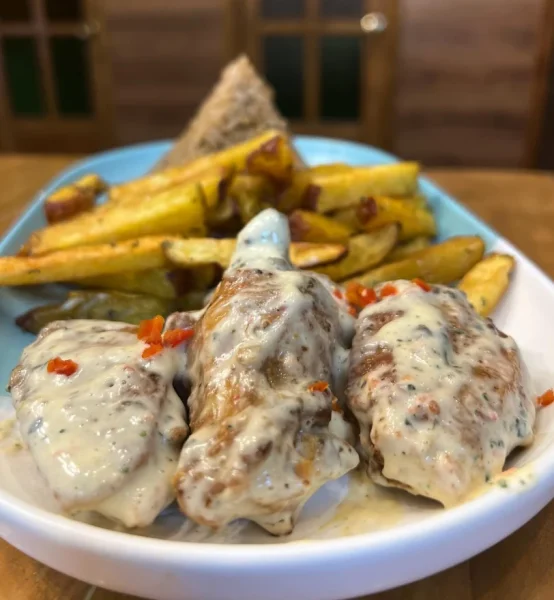
The most iconic dish is Frito Cajamarquino, and uniquely, it is a carnival breakfast. You do not eat this for dinner; you eat it at 7:00 AM after a night of partying or before the parade starts.
The dish consists of pork entrails and ribs fried in their own fat. The key flavor profile comes from fried pork with saffron (or turmeric/palillo), which gives the meat a distinctive yellow color and earthy flavor. It is served with “ceviche de papa” (boiled potatoes mixed with lemon and chili) and tamales. This heavy, greasy meal is considered the secret to surviving the days of drinking chicha de jora without getting sick.
Recover Energy with the Traditional Sancochado or Puchero Stew
For lunch, the standard is Sancochado Cajamarquino, locally known simply as “Puchero.” This is not a light soup; it is a feast. The puchero soup is prepared in massive pots to feed entire families or neighborhoods.
The carnival lunch version of Sancochado includes three meats: beef, pork, and lamb, along with cabbage, carrots, potatoes, sweet potatoes, and yucca. It is traditionally served in two parts: first, the broth is drunk to warm the body, and second, the meats and vegetables are served on a plate, topped with a spicy rocoto cream. It is the ultimate comfort food for the wet Andean weather.
Drinking Chicha de Jora and Frutillada During the Celebrations
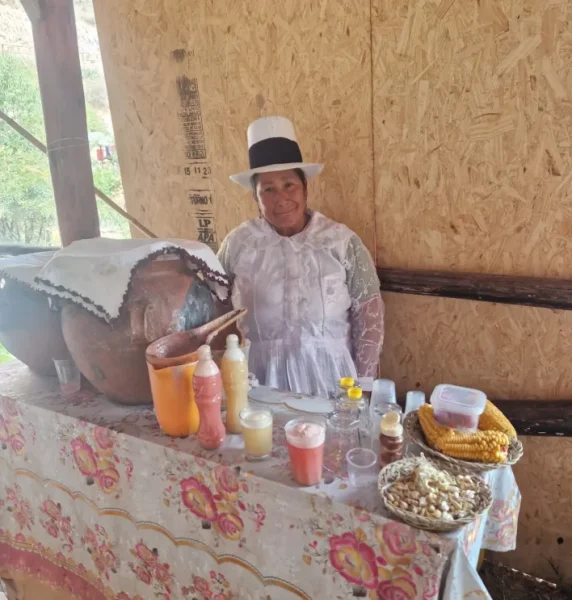
You cannot experience carnival without chicha. Chicha de Jora is a fermented corn beer that has been the staple of the Andes for millennia. In Cajamarca, it is served in “potos” (giant gourds). It is sour, earthy, and refreshing.
However, the specific drink of the carnival is Frutillada Cajamarca. This is Chicha de Jora that has been blended with “frutilla” (a type of wild strawberry) or beets, giving it a bright purple color and a sweeter taste. These Peruvian drinks are low in alcohol but are consumed in massive quantities over long periods. Be careful: the sweetness masks the fermentation, and it can catch you off guard.
Travel Guide and Logistics for Visiting Cajamarca in February
Tourism in Cajamarca explodes in February. The city’s population swells, and infrastructure is tested. Planning is not just recommended; it is mandatory. If you show up without a plan, you might find yourself sleeping in a park (which happens to many unprepared backpackers). Knowing how to get to Cajamarca and navigate the city during road closures is vital.
Travel tips Cajamarca essentials:
- Cash is King: ATMs often run out of money during the carnival weekend. Bring cash from Lima.
- Rain Gear: It rains almost every afternoon in February. A high quality poncho is better than an umbrella, which can’t be used in crowds.
- Connectivity: Cell networks often crash during the Corso due to the density of people. Agree on meeting points with your group.
How to Get to Cajamarca by Flight or Bus from Lima
Flights: The most efficient way is via flights to Cajamarca (Major General FAP Armando Revoredo Iglesias Airport). Airlines like LATAM and Star Peru fly daily. The flight takes 1 hour and 15 minutes. Warning: Flight prices for carnival dates can triple if not booked 3-4 months in advance.
Bus: Taking a bus to Cajamarca is cheaper but grueling. It takes 15 hours from Lima. The route goes up the coast to Pacasmayo and then turns inland up the mountains. This transport guide warns that the road (Carretera a Cajamarca) is winding and prone to landslides during the rainy season. Only choose top tier companies like Cruz del Sur or Civa for safety.
Where to Stay and Hotel Recommendations for the Carnival Week
Hotel availability reaches 100% capacity by January.
- City Center: Staying near the Plaza de Armas means you never need a taxi, but you will not sleep before 3 AM due to the noise.
- Baños del Inca: Located 6km from the center, this district offers thermal resorts. It is the best accommodation tips choice for families or those who want to escape the chaos at night.
- Booking in Advance: You must book hotels in Cajamarca by November or December for the 2026 carnival. Many locals rent out rooms in their houses (hospedajes) once hotels fill up, but these are hard to find online and usually require being there in person.
Safety Tips for Tourists During the Water and Paint Fights
Safety in Cajamarca carnival is less about crime (which is relatively low compared to big cities) and more about protecting your body and gear.
- Eye Protection: The mix of flour and paint can cause eye infections. Wear sunglasses or buy industrial goggles.
- Water Proof Gear: Do not bring a professional camera unless you have a rain sleeve. Your phone should be in a waterproof pouch around your neck.
- Clothing: Do not wear jeans (they get heavy when wet). Wear quick dry synthetic fabrics. Most tourists buy a cheap white t shirt in the market to let it get painted as a souvenir.
- Respect: If you are painted, laugh. Getting angry makes you a bigger target. The carnival is about letting go of ego. Follow these travel tips and you will be embraced by the locals as one of their own.
Frequently Asked Questions About Cajamarca Carnival 2026
The carnival season officially runs throughout January and February, but the Central Days for tourists are from Saturday, February 14th to Wednesday, February 18th, 2026.
-
Feb 14: Entrance of Ño Carnavalón (The wildest day).
-
Feb 15: Patrols Contest (The best day for photos).
-
Feb 16: The Grand Corso (The main parade).
-
Feb 18: Burial of Ño Carnavalón (The end of the party).
Yes, it is generally safe and locals are incredibly welcoming to foreigners. However, the paint and water fights can be aggressive. You will be targeted with water balloons and paint regardless of who you are. In terms of crime, violent crime is rare, but pickpocketing is a real risk in the massive crowds during the entrance and the Corso. Leave your passport and credit cards in the hotel safe and carry only the cash you need in a zippered pocket or money belt.
Do not wear your regular travel clothes. You need a “survival outfit.”
-
Clothing: Wear old clothes that you are willing to throw away after the trip. A cheap white t-shirt is a popular choice as it collects the colors like a souvenir.
-
Footwear: Wear old sneakers or rubber boots. The streets get muddy with water and paint.
-
Protection: Wear sunglasses or industrial safety goggles (sold on the street) to protect your eyes from flour and paint. If you have blonde or dyed hair, wear a hat or bandana, as the aniline dye can stain hair for weeks.
The fastest way is by plane (1 hour 15 minutes) with airlines like LATAM, Star Peru, or JetSmart. Flights for carnival dates often sell out or triple in price, so book at least 3–4 months in advance. The budget option is a bus (14–16 hours). It is a long, winding journey through the Andes. If you choose this, book a “Bus Cama” (sleeper seat) with reputable companies like Cruz del Sur or Civa for safety and comfort.
Absolutely. This is the single most critical logistical tip. Cajamarca’s hotel capacity reaches 100% occupancy during the central days. You should book your accommodation by November or December 2025. If you wait until you arrive, you might end up paying exorbitant prices for a basic room or finding absolutely no vacancies near the city center.
You cannot officially march inside the organized Patrols or Comparsas (groups) unless you have been invited and practiced with them, as they are competing. However, on Saturday (The Entrance of Ño Carnavalón), the entire city is one giant parade and everyone participates. During the Grand Corso (Monday), you can dance on the sidelines, and dancers will frequently pull you into the street for a moment of joy before continuing their route.