Is It Inka or Inca The Quick Answer to the Historic Spelling Debate
Both spellings are technically correct depending on the language you are using, but one is culturally preferred. When people ask is it inka or inca, the answer comes down to colonial history versus modern indigenous identity.
The spelling with a "C" is the traditional Spanish and English adaptation, while the spelling with a "K" is the authentic Quechua spelling. If you are still wondering is it inca or inka, knowing the background will help you understand why local Peruvian guides and native communities heavily prefer using the "K" today. Let's break down how this inca or inka split actually happened.
Why the Spanish Conquistadors Used the C in Early Chronicles
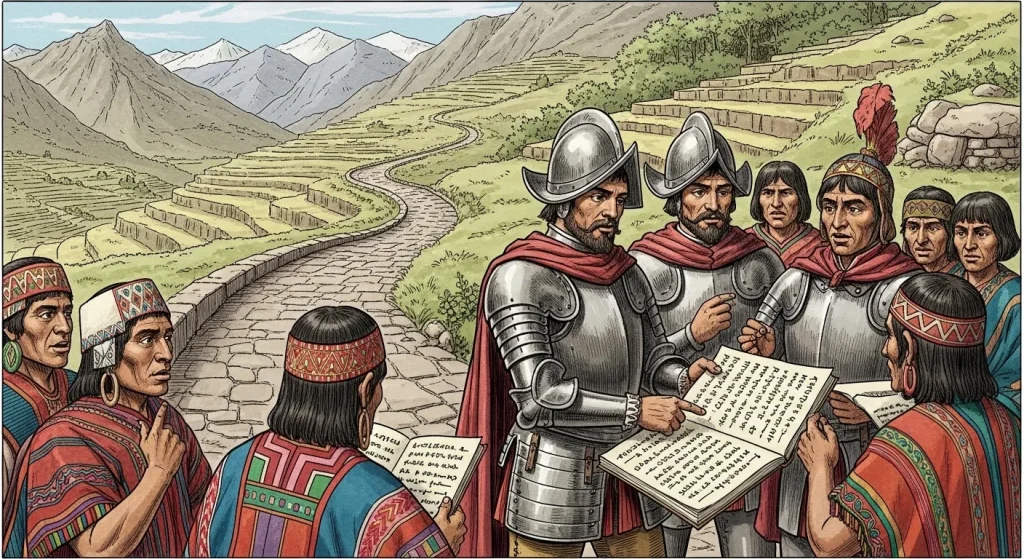
When the Spanish arrived in the Andes in the 1530s, the native Quechua language was entirely spoken. There was no written alphabet. The Spanish chroniclers had to write down the sounds they were hearing using their own linguistic rules. In Spanish, the hard "K" sound is often written with a "C" or "QU".
Because of this, they documented the empire as "Inca." This version stuck for centuries in history books, which is why most of the world still questions whether it is inca or inka. For hundreds of years, the inka or inca debate did not exist because the Spanish spelling was the only one officially printed and taught in schools.
The Modern Quechua Alphabet and the Cultural Return of the Letter K
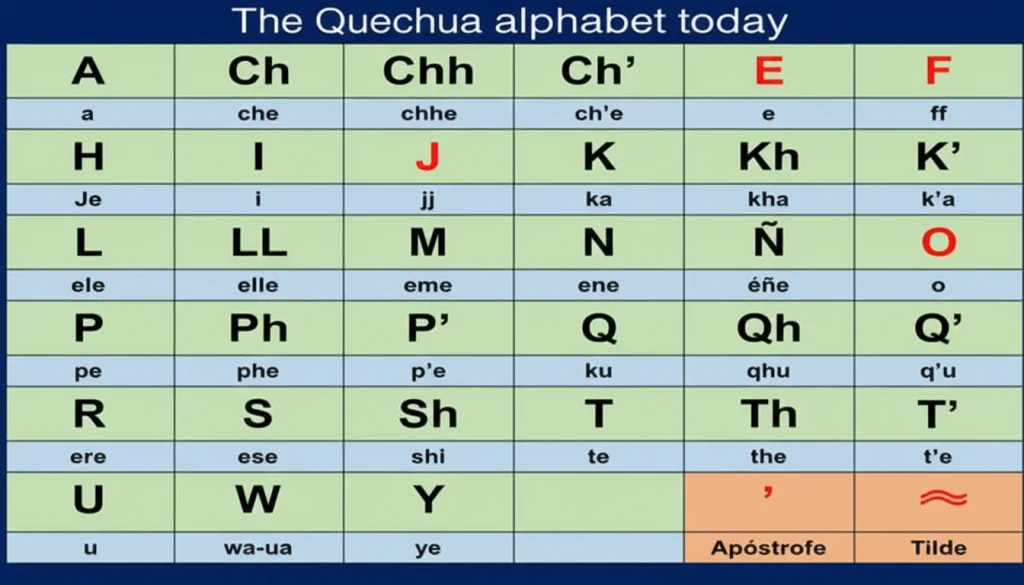
In the late 20th century, linguists and indigenous leaders worked to standardize the written Quechua alphabet. They determined that the letter "K" represents the authentic, hard phonetic sound of the native tongue much better than the Spanish "C".
So, is it inka or inca in the official Quechua dictionary? It is definitely with a "K". This shift was not just about grammar; it was a massive cultural movement to reclaim their indigenous identity. When travelers ask is it inca or inka today, locals proudly point to the "K" as a symbol of cultural resistance and historical accuracy.
Exploring the Inca or Inka Society Structure and Daily Andean Life
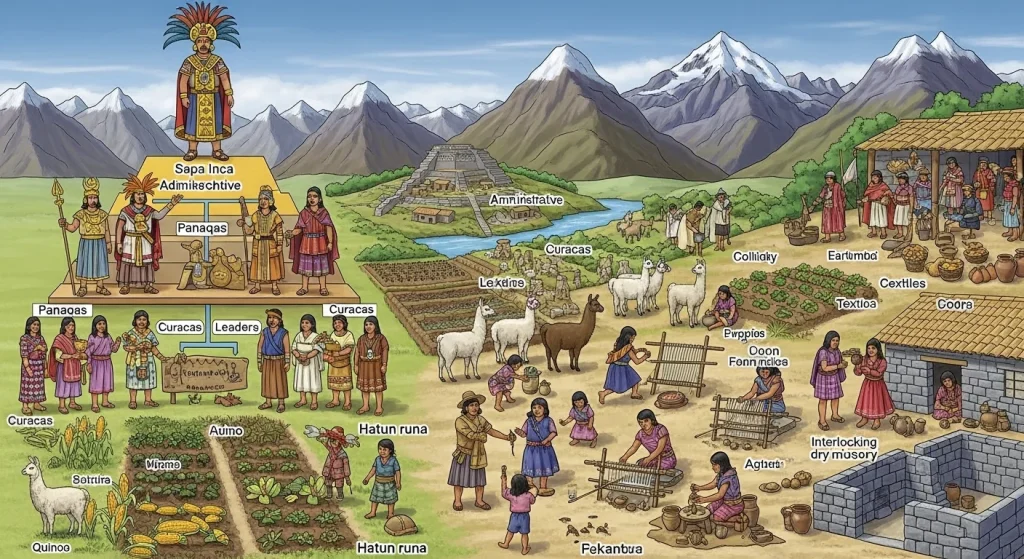
Beyond the spelling, understanding the actual inca or inka society is what makes visiting places like Machu Picchu and the Sacred Valley so fascinating. This was the largest empire in pre Columbian America, built entirely without the wheel, iron tools, or a written language.
No matter if you read about the inca or inka, their incredibly organized social structure is what allowed them to conquer the harsh Andean mountains, engineer massive stone cities, and successfully feed millions of citizens.
The Supreme Role of the Sapa Inka Over the Vast South American Territory
At the very top of the inca or inka society was the Sapa Inka, the supreme emperor. He was not just a political king; he was worshipped as the direct living descendant of the Sun God.
When you read through the inka or inca history, you learn that his word was absolute law. He controlled a massive territory called the Tawantinsuyu, stretching from modern day Colombia all the way down to Chile, keeping it all connected by a genius network of stone roads.
Social Classes Agriculture and Organization Within the Inca or Inka Society
The daily life of the inca or inka society was strictly organized into social classes. Below the royal family and the high priests were the commoners, who paid their taxes not with money, but with physical labor.
This community labor system, called "Ayni" and "Mita," built the massive agricultural terraces you will tour today. Whether you search for the history of the inca or inka, their ability to organize farming at high altitudes remains one of their greatest and most visible achievements.
Inka or Inca Which Word Should Travelers Use When Visiting Peru
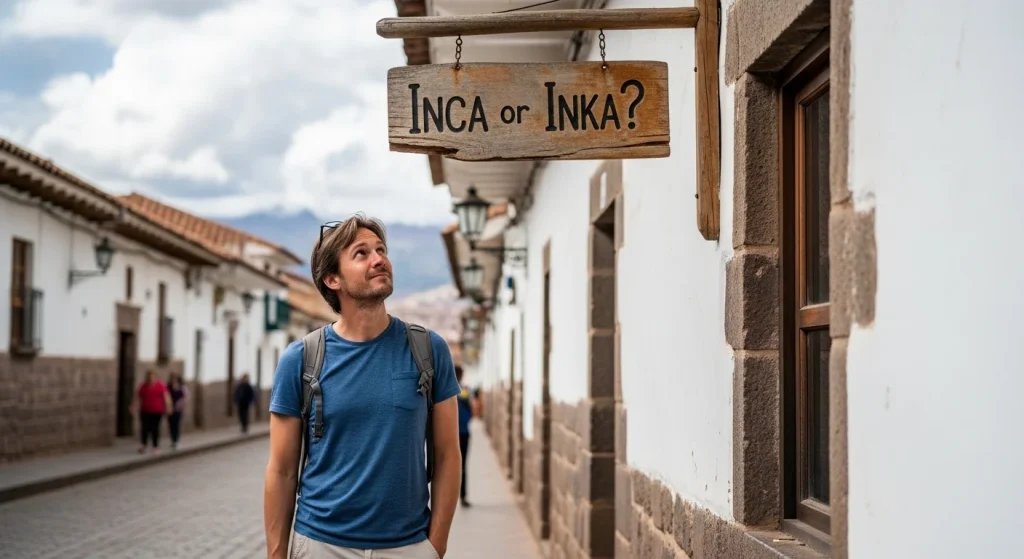
As you book your train tickets, hotels, and guided tours, you will see both words used constantly. You might buy an "Inca Rail" train ticket but then book a tour on the classic "Inka Trail."
So, inka or inca, which one should you actually use when speaking to locals? Both are universally understood, but choosing the right one shows that you have done your homework. Using inca or inka correctly is a simple but great way to show respect to your guides and the local communities you visit.
How Locals Pronounce and Write the Word in Historic Cusco Today
In terms of speaking, the pronunciation is exactly the same: "EEN-kah." But when writing, you will notice a massive shift as you walk around Cusco. If you ask a local guide, is it inka or inca, they will almost always write it out with a "K".
Many local businesses, native tour agencies, and official government signs in Cusco have officially switched to the Quechua spelling. You will see inca or inka used interchangeably on tourist restaurant menus, but the "K" is the undisputed local favorite.
Understanding the Cultural Identity and Respect Behind the Spelling Choice
Ultimately, knowing if is it inca or inka comes down to showing respect for the indigenous roots of the Andes. Using the "K" directly acknowledges the original Quechua language over the colonial Spanish adaptation.
While nobody will be offended if you use the "C" (as it is still standard in English dictionaries), choosing the inka or inca spelling with a "K" shows your tour guides that you respect their heritage and are making a real effort to connect with the authentic culture of Peru.