
4 Day Classic Inca Trail Tour to Machu Picchu
Our four day trekking service follows the historic route from Kilometer 82 to Machu Picchu, combining mountain passes, original Inca pathways, archaeological sites, and three nights of camping. The experience begins with pickup from your hotel in Cusco and covers approximately 42 km (26 miles) before reaching the citadel through the Sun Gate.
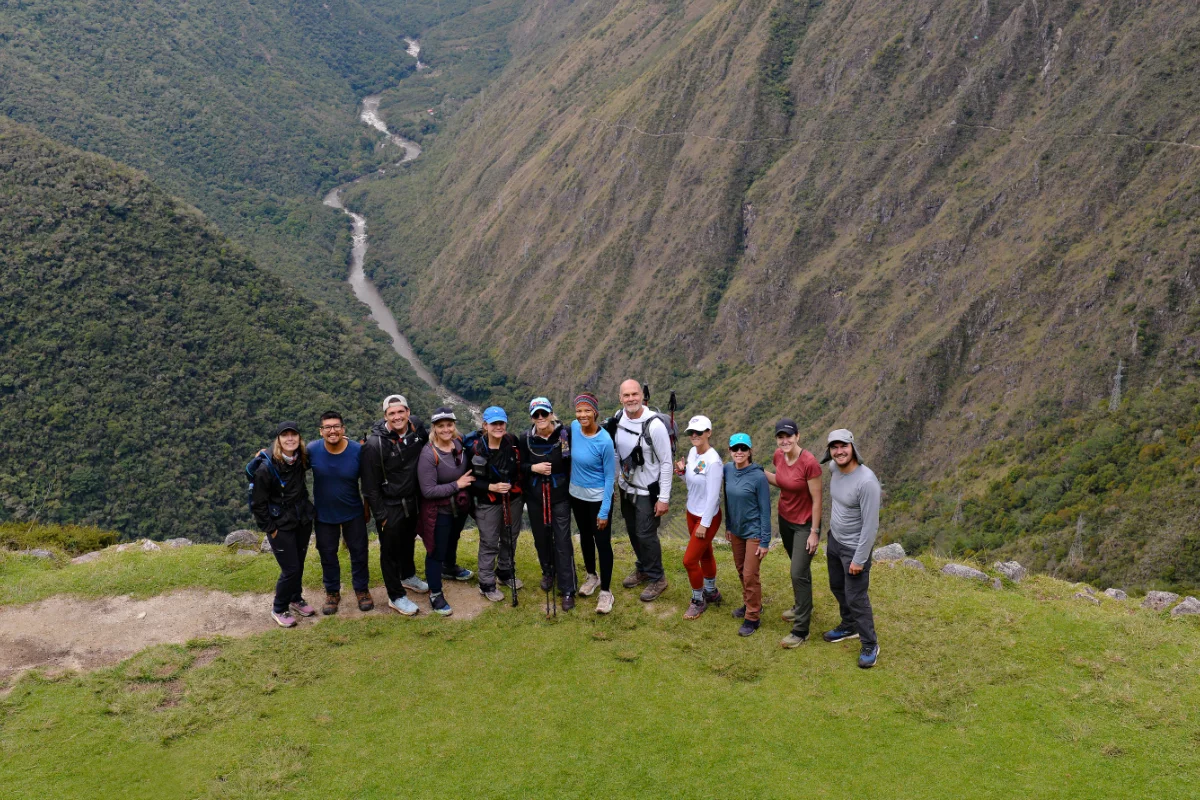
The route crosses several ecosystems, from open Andean valleys to high mountain terrain and cloud forest. Along the way, you will visit sites such as Llactapata, Runkurakay, Sayacmarca, Phuyupatamarca, and Wiñay Wayna. The most demanding section is Warmi Wañusqa, or Dead Woman’s Pass, which reaches 4,215 meters (13,829 feet).
This tour is recommended for active travelers who are prepared for four consecutive days of hiking and camping at altitude. Previous trekking experience is helpful but not required when supported by adequate training and at least two or three days of acclimatization in Cusco.
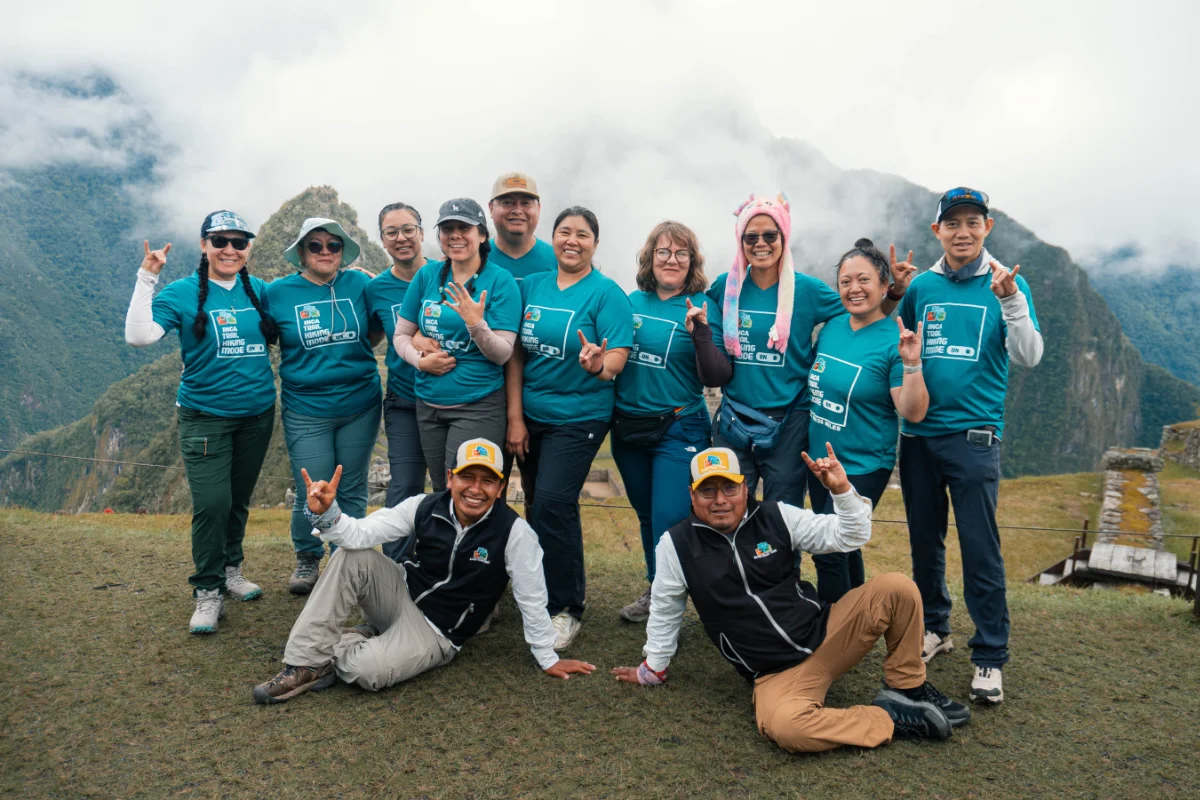
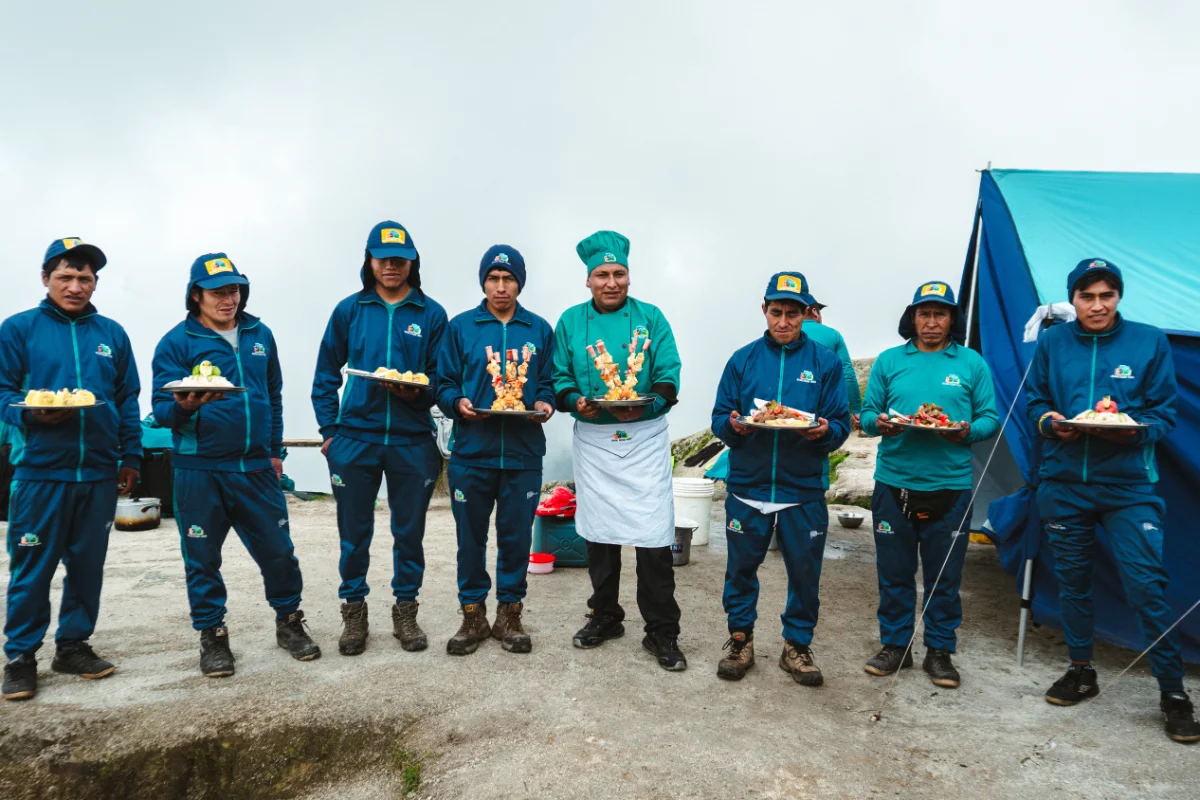
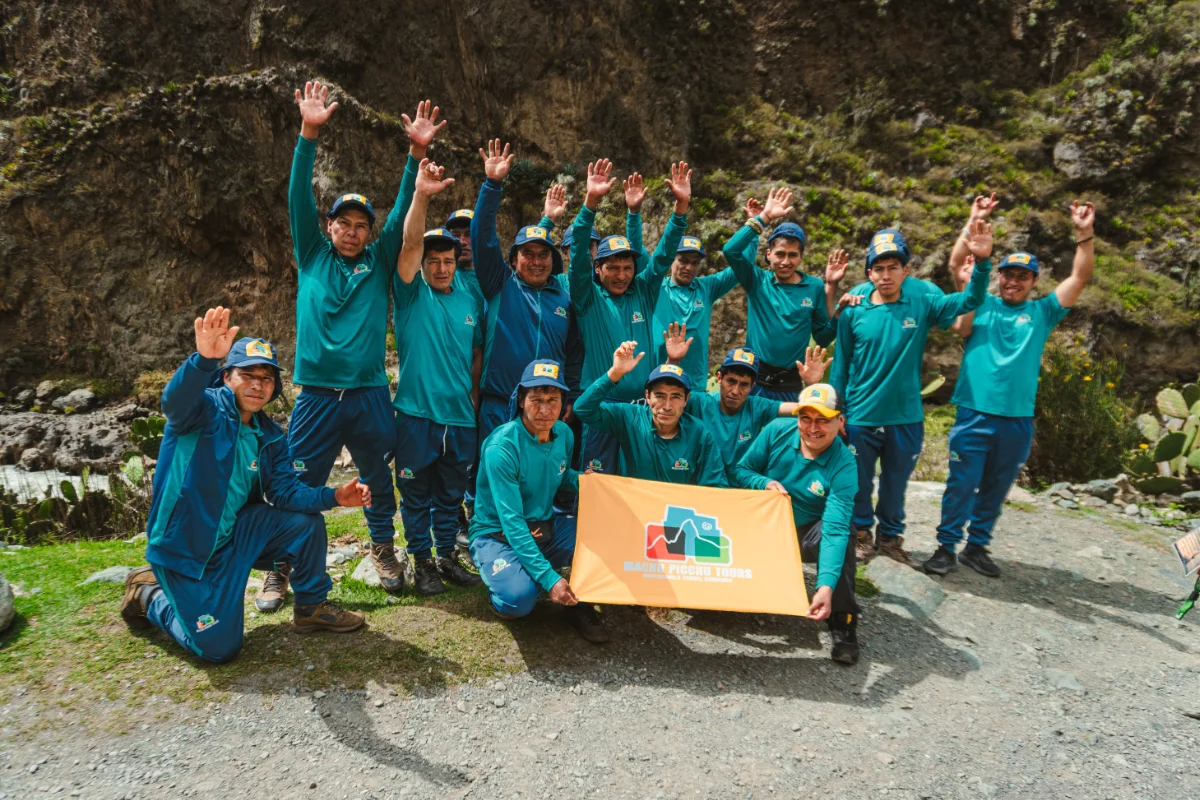
We organize the permits, transportation, professional guide, camping equipment, chef-prepared meals, and support team required for the journey. A personal porter allowance of up to 7 kg is also included. As a local operator based in Cusco, we manage the trail logistics directly and operate limited group departures to provide consistent support throughout the trek.
Tour Highlights
- Begin the hike at Kilometer 82, the traditional starting point of the four-day route.
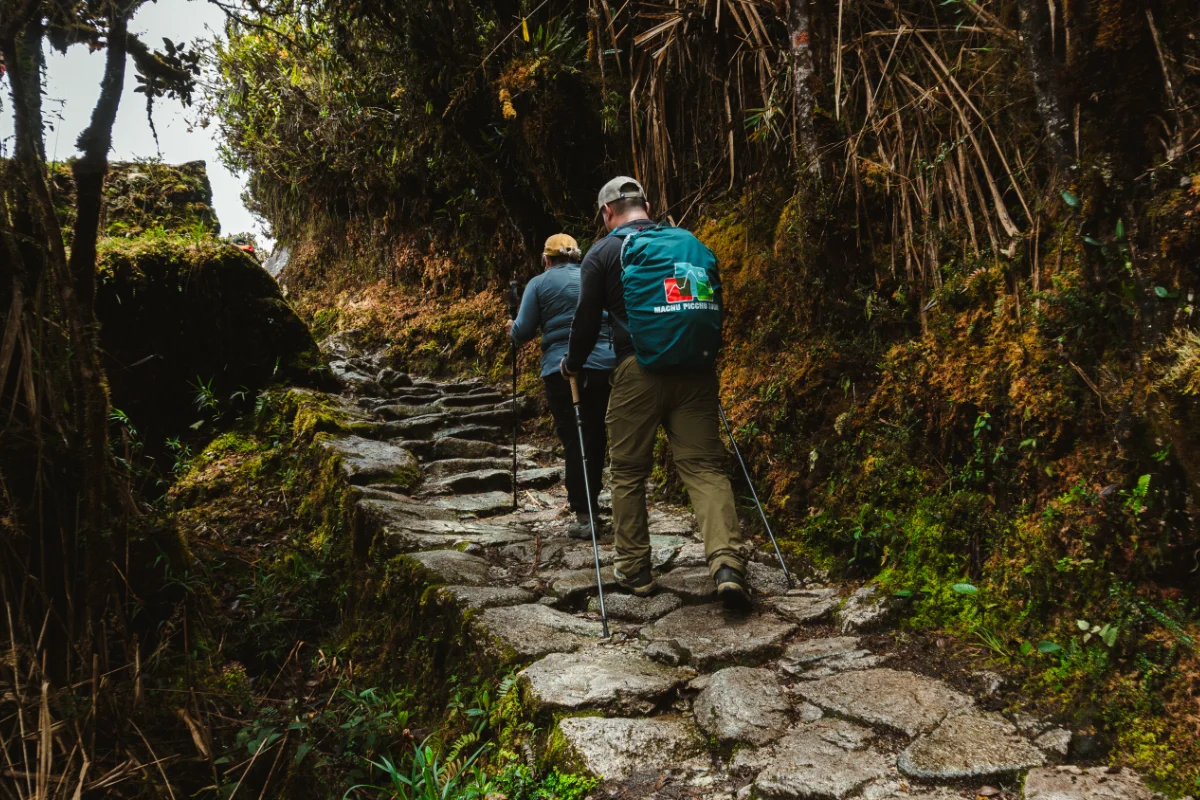
- Follow preserved Inca stone paths through valleys, mountain passes, and cloud forest.
- Reach Warmi Wañusqa at 4,215 m (13,829 ft), the highest point of the trek.
- Visit Llactapata, Runkurakay, Sayacmarca, Phuyupatamarca, and Wiñay Wayna.
- Camp for three nights at designated sites along the protected trail.
- Approach Machu Picchu through Inti Punku, the historic Sun Gate.
- Enjoy fresh meals prepared at camp by a professional mountain chef.
- Hike with an experienced guide, porters, and organized campsite support.
- Carry a lighter daypack with a personal porter allowance of up to 7 kg.
- Complete the route with a guided visit to Machu Picchu on the final day.
Itinerary
Itinerary trip
Click any day to expand/collapse
Day 1
Cusco to Km 82 and Ayapata
Highlight of the day Begin the historic route at Kilometer 82 and see Llactapata and Veronica Mountain.
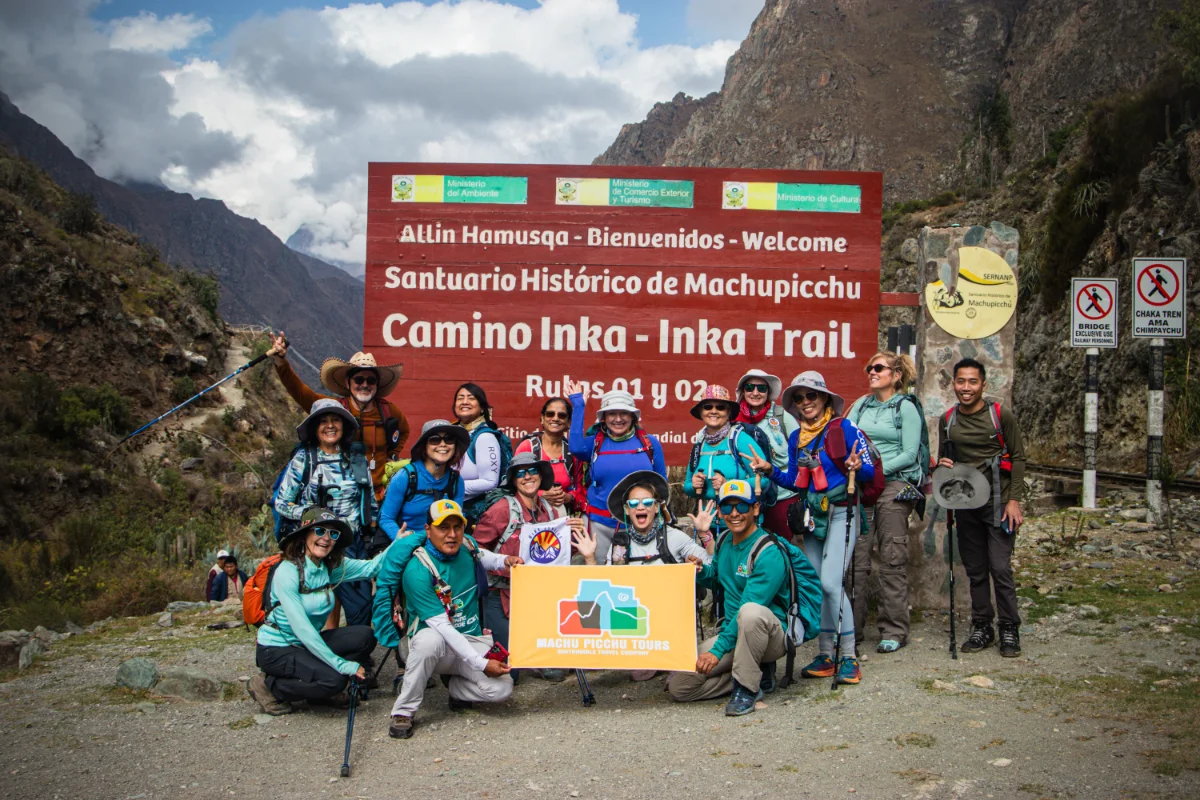
We will pick you up from your hotel in Cusco at approximately 4:30 a.m. and travel through the Sacred Valley toward Ollantaytambo. After stopping for breakfast, we will continue by road to Piscacucho, better known as Kilometer 82 and the official starting point of the hike.
At the trailhead, you will meet the guides, chefs, and porters who will support the group during the next four days. Your original passport will be checked against the information registered on your permit before we cross the Urubamba River and begin walking.
The first section follows relatively gradual terrain beside the river. Along the way, your guide will explain the history of the route and point out the snowcapped Veronica Mountain. We will also stop above Llactapata, the first major archaeological site of the trek.
After a freshly prepared lunch, we will continue through the Wayllabamba Valley. The trail becomes steeper during the afternoon as we approach Ayapata, our first campsite. Your tent will be ready when you arrive, giving you time to rest before dinner and prepare for the more demanding second day.
| Trek Details | Information |
|---|---|
| Walking distance | Approximately 14 km / 8.7 miles |
| Hiking time | 6–7 hours |
| Starting elevation | 2,700 m / 8,858 ft |
| Highest elevation | 3,300 m / 10,827 ft |
| Campsite | Ayapata |
| Campsite elevation | 3,300 m / 10,827 ft |
| Difficulty | Moderate |
| Meals | Breakfast, lunch, and dinner |
| Accommodation | Camping |
Day 2
Ayapata to Dead Woman’s Pass and Chaquicocha
Highlight of the day Reach Warmi Wañusqa, the highest point of the route at 4,215 meters.
We will begin the day with a hot drink and an early breakfast at camp. The first section is a sustained uphill climb toward Warmi Wañusqa, commonly known as Dead Woman’s Pass. The guide will maintain a steady pace and make several stops so the group can rest and adjust to the increasing elevation.
The landscape changes as we climb from the valley into exposed high-mountain terrain. After approximately four hours of hiking, we will reach the pass at 4,215 meters (13,829 feet). When conditions are clear, the summit offers wide views of the surrounding mountains and the trail below.
From the pass, we will descend along stone steps toward Pacaymayu, where the team will serve lunch. After resting, we will begin a second climb toward Runkurakay, a circular archaeological site built above the valley, and continue toward the second mountain pass.
The afternoon route passes Sayacmarca, a hillside complex connected by narrow stone paths and stairways. Your guide will explain the purpose of the site before we continue through cloud forest and high-altitude terrain toward Chaquicocha.
At the campsite, you will have time to change, rest, and enjoy a hot drink before dinner. This is generally the coldest night of the trek, so keep your warm layers accessible.
| Trek Details | Information |
|---|---|
| Walking distance | Approximately 16 km / 10 miles |
| Hiking time | 9–10 hours |
| Highest elevation | 4,215 m / 13,829 ft |
| Main mountain passes | Dead Woman’s Pass and Runkurakay Pass |
| Archaeological sites | Runkurakay and Sayacmarca |
| Campsite | Chaquicocha |
| Campsite elevation | Approximately 3,600 m / 11,811 ft |
| Difficulty | Challenging |
| Meals | Breakfast, lunch, and dinner |
| Accommodation | Camping |
Day 3
Chaquicocha to Phuyupatamarca and Wiñay Wayna
Highlight of the day Walk through the cloud forest and visit Phuyupatamarca, Intipata, and Wiñay Wayna.
After breakfast, we will leave Chaquicocha and continue along one of the most scenic sections of the route. The morning begins with a gradual climb through cloud forest, where changing vegetation surrounds the original stone pathway.
We will reach Phuyupatamarca, a Quechua name commonly translated as “Town Above the Clouds.” The archaeological complex contains terraces, ceremonial structures, and water channels overlooking the surrounding mountains and valleys.
From Phuyupatamarca, the route begins a long descent along original Inca stairways. This section includes thousands of stone steps, so trekking poles can provide additional stability and reduce pressure on the knees.
As the trail enters warmer and denser vegetation, we will stop at Intipata. Its extensive agricultural terraces were built into the mountainside and offer open views over the Urubamba Valley.
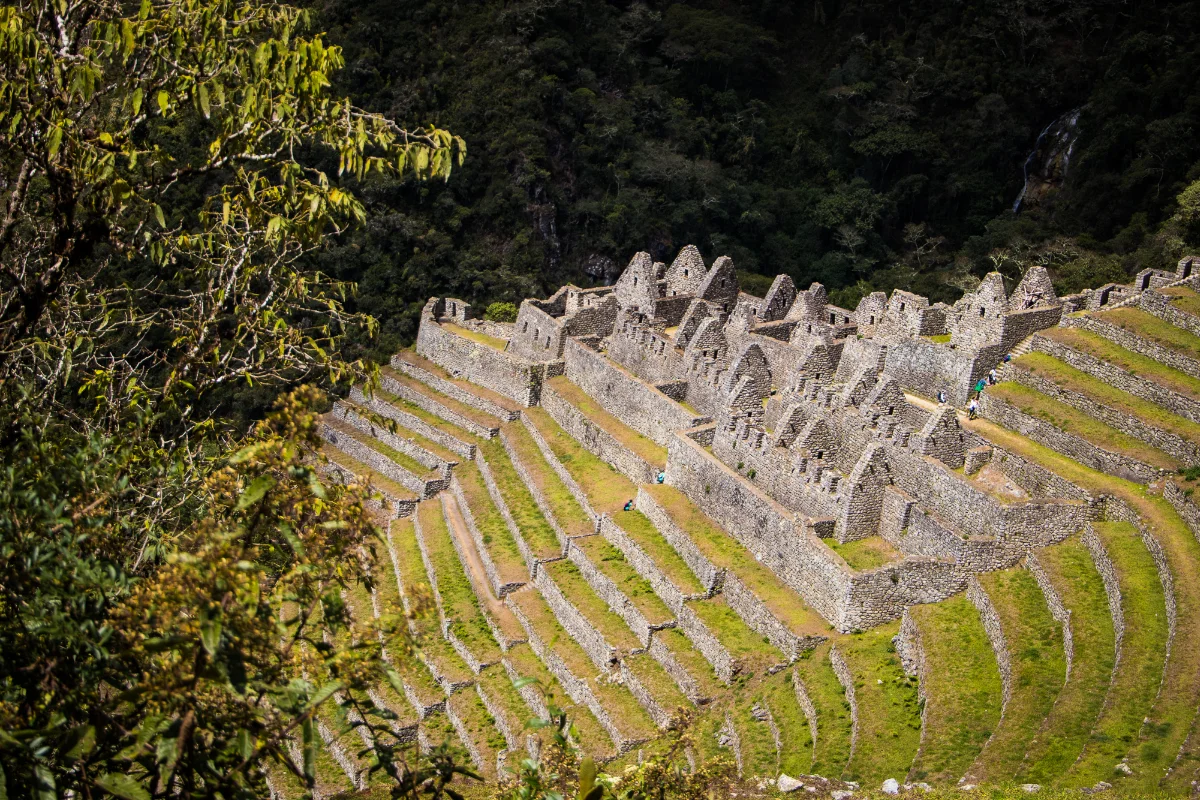
We will then continue toward our planned campsite near Wiñay Wayna. After lunch and some time to rest, your guide will take you through the nearby archaeological site, known for its terraces, residential structures, and flowing water channels.
In the evening, we will share our final dinner with the trekking team. This is the traditional opportunity to thank the chefs and porters before preparing for the early departure to Machu Picchu.
| Trek Details | Information |
|---|---|
| Walking distance | Approximately 10 km / 6.2 miles |
| Hiking time | 5–6 hours |
| Highest elevation | Approximately 3,680 m / 12,073 ft |
| Archaeological sites | Phuyupatamarca, Intipata, and Wiñay Wayna |
| Campsite | Wiñay Wayna |
| Campsite elevation | Approximately 2,680 m / 8,792 ft |
| Difficulty | Moderate |
| Meals | Breakfast, lunch, and dinner |
| Accommodation | Camping |
Day 4
Wiñay Wayna to Machu Picchu and Cusco
Highlight of the day Enter Machu Picchu through Inti Punku and complete a guided visit to the citadel.
We will wake before dawn, have an early breakfast, and prepare for the final section of the hike. The group will wait at the checkpoint until the protected trail opens and then continue toward Inti Punku, the Sun Gate.
This section includes narrow paths and a short but steep set of stone steps. Upon reaching the Sun Gate, you will receive your first elevated view of Machu Picchu, weather permitting. We will pause here before following the path down toward the archaeological complex.
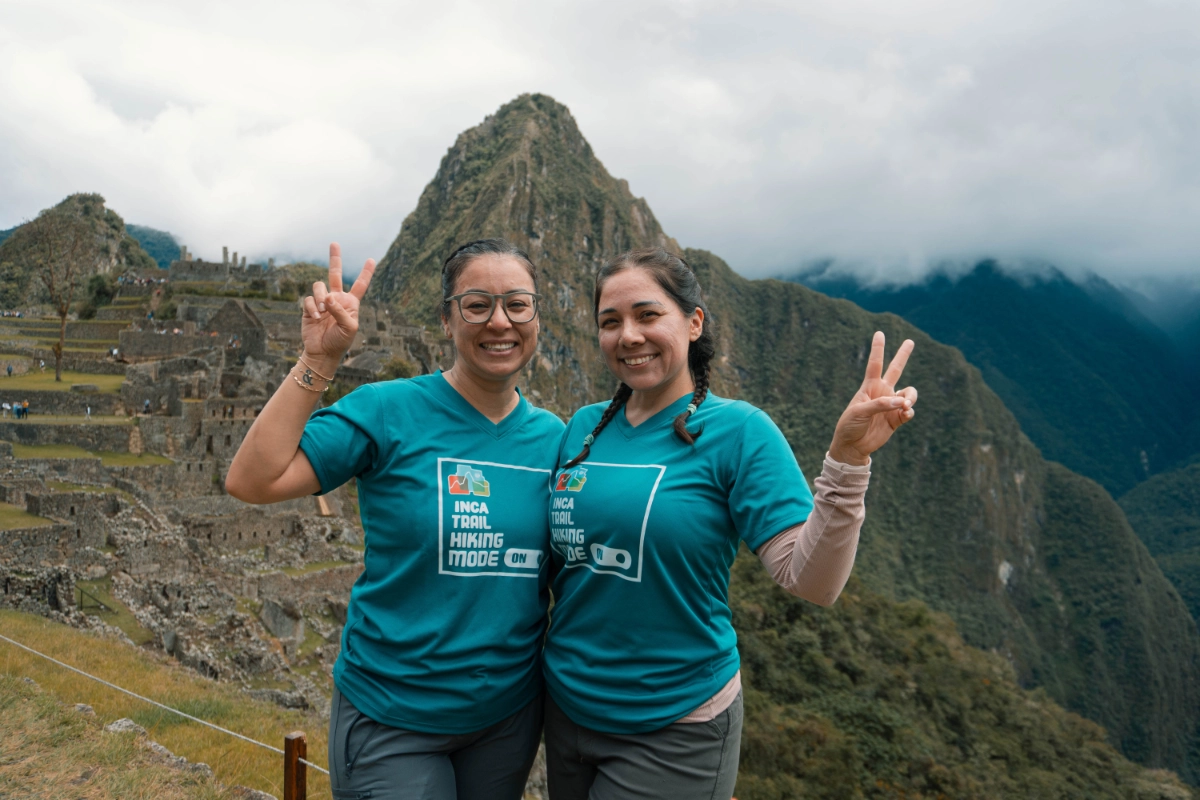
The descent from Inti Punku takes approximately 40 minutes and leads to the upper terraces, where the classic panoramic view of the citadel can be seen. We will then continue to the main checkpoint and prepare for the guided visit.
Your guide will lead an approximately two-hour tour along the route assigned to your entrance ticket. During the visit, you will learn about the agricultural terraces, residential areas, temples, and ceremonial spaces included within that circuit.
Optional hikes to Huayna Picchu or Machu Picchu Mountain require separate admission tickets. They must be requested when booking and need to be compatible with your assigned entrance time and return train.
After completing the visit, we will take the bus to Aguas Calientes. Lunch is not included, but you will have time to eat at a local restaurant before boarding the train to Ollantaytambo.
A driver will be waiting at the train station for the final transfer to your hotel in Cusco. Arrival is generally expected at approximately 7:00 p.m., although the exact time depends on the confirmed train schedule and road conditions.
| Trek Details | Information |
|---|---|
| Walking distance | Approximately 6 km / 3.7 miles |
| Hiking time | Approximately 2–3 hours before the guided visit |
| Sun Gate elevation | Approximately 2,720 m / 8,924 ft |
| Machu Picchu elevation | 2,430 m / 7,972 ft |
| Main sites | Sun Gate and Machu Picchu |
| Difficulty | Easy to moderate |
| Meals | Breakfast |
| Guided visit | Approximately 2 hours |
| Return transportation | Bus, train, and tourist vehicle |
| Estimated arrival in Cusco | Approximately 7:00 p.m. |
Inclusions
What Is Included in the 4 Day Tour
We coordinate the permits, transportation, camping equipment, meals, and trekking staff required for the journey. Review the following details so you know exactly what is covered by your reservation.
What Is Included
Inca Trail Permit and Machu Picchu Admission
- Official permit registered under your name for the confirmed departure date
- Entrance ticket to Machu Picchu
- Admission route assigned according to ticket availability and current regulations
- Approximately two-hour guided visit to Machu Picchu
Permits are limited and issued using your passport information. Your reservation is subject to availability until the permit has been secured.
Professional Trekking Team
- Professional English-speaking tour guide
- Mountain chef responsible for preparing meals at camp
- Porters to carry tents, food, cooking equipment, and group supplies
- Personal porter allowance of up to 6 kg / 13.2 lb
You will only need to carry a daypack with water, personal documents, clothing layers, and the items required while hiking.
Duffel Bag and Camping Equipment
- One duffel bag for the belongings carried by your personal porter
- Two-person tent shared by two travelers
- Sleeping mattress
- Dining tent with tables and chairs
- Kitchen and cooking equipment
- Three nights at designated campsites
Your main suitcase should remain at your hotel in Cusco. Pack only the clothing and personal items required for the four-day trek.
Meals and Drinking Water
- Three breakfasts
- Three lunches
- Three afternoon snacks
- Three dinners
- Additional snacks during the hiking days
- Hot drinks served at camp
- Boiled drinking water for refilling your reusable bottle
Breakfast on Day 1 and lunch in Aguas Calientes on Day 4 are not included. Travelers should bring enough water for the beginning of the hike and follow the guide’s instructions regarding refill points.
Transportation
- Pickup from your hotel in Cusco
- Private transportation to Piscacucho at Kilometer 82
- Bus ticket from Machu Picchu to Aguas Calientes
- Tourist train from Aguas Calientes to Ollantaytambo
- Tourist transportation from Ollantaytambo to your hotel in Cusco
Train departure times and categories are subject to availability. Your confirmed schedule will be provided before departure.
Safety and First Aid
- First-aid kit carried by the guide
- Emergency oxygen bottle
- Daily route and safety briefings during the trek
- Support from the guide, chef, and porter team throughout the journey
What Is Not Included
Optional Equipment
| Optional Item | Price |
|---|---|
| Sleeping bag rental | US$30 |
| Trekking-pole rental | US$8 |
| Additional porter allowance up to 6 kg / 13.2 lb | US$80 |
Optional equipment should be requested before departure so availability can be confirmed.
Optional Admission Tickets
- Huayna Picchu entrance ticket
- Machu Picchu Mountain entrance ticket
- Admission to any additional route not listed in the confirmed itinerary
Optional mountain tickets have limited availability and must be requested when booking. Their entrance times must be compatible with your Machu Picchu circuit and return train.
Meals Not Included
- Breakfast on Day 1
- Lunch in Aguas Calientes on Day 4
- Dinner after returning to Cusco
- Additional food and beverages not listed in the itinerary
Personal and Additional Expenses
- Travel insurance
- Personal medication
- Souvenirs and personal purchases
- Tips for the guide, chef, porters, and driver
- Expenses resulting from delays or itinerary changes outside the operator’s control
Packing List
Essential Packing List for the 4 Day Classic Inca Trail
Pack light and prepare for cold mountain passes, warmer valleys, rain, and three nights of camping. We provide a duffel bag with a personal porter allowance of up to 6 kg / 13.2 lb. You will carry your own daypack during the hike.
Luggage and Documents
- Comfortable 20–25-liter daypack
- Original passport used to reserve your permit
- Valid student ID if you received a discount
- Travel insurance information
- Cash in Peruvian soles
- Waterproof pouch for documents
- Reusable water bottle or hydration bladder
Leave your main suitcase at your hotel in Cusco. Pack spare clothing and overnight items in the provided duffel bag.
Hiking Clothing
- Three or four quick-drying shirts
- Two pairs of hiking pants
- Thermal base layer
- Fleece or lightweight insulated jacket
- Waterproof jacket or rain poncho
- Warm hat and lightweight gloves
- Sun hat or cap
- Hiking socks and underwear for each day
- Comfortable sleepwear
- Lightweight camp shoes
Wear broken-in hiking boots or trekking shoes with good traction. Avoid cotton clothing because it absorbs moisture and dries slowly.
Sleeping and Trekking Equipment
- Sleeping bag rated to approximately −10°C / 14°F
- Headlamp with spare batteries
- Trekking poles with rubber tips
- Waterproof backpack cover
- Optional sleeping bag liner
- Optional lightweight gaiters
A sleeping mattress is included. Sleeping bags and trekking poles can be rented if requested before departure.
Sun, Rain, and Insect Protection
- Broad-spectrum sunscreen with SPF 50 or higher
- Sunglasses with UV protection
- Lip balm with sun protection
- Insect repellent
- Rain jacket or poncho
- Resealable bags for electronics and dry clothing
Weather can change quickly, so keep your rain gear and warm layer inside your daypack rather than in the porter duffel.
Personal Care and Health
- Prescription medication
- Blister treatment and adhesive bandages
- Toothbrush and toothpaste
- Biodegradable wet wipes
- Hand sanitizer
- Toilet paper or tissues
- Quick-drying towel
- Small bags for personal waste
Your guide carries a group first-aid kit and emergency oxygen, but you should bring any medication or personal treatment you normally require.
Electronics and Personal Items
- Smartphone or camera
- Compact power bank
- Charging cables
- Spare batteries or memory cards
- Small amount of preferred snacks or electrolytes
There are no reliable charging facilities at the campsites, so begin the trek with all devices fully charged.
Equipment Provided by Our Team
- Duffel bag with a 6 kg / 13.2 lb porter allowance
- Two-person tent shared by two travelers
- Sleeping mattress
- Dining and kitchen equipment
- Meals and snacks listed in the itinerary
- Drinking water during the trek
- Group first-aid kit and emergency oxygen
Keep your luggage simple. Everything placed in your duffel bag must remain within the porter weight allowance, while your passport, water, rain gear, warm layer, sun protection, and camera should stay with you in your daypack.
Price
Pricing
4-Day Inca Trail Tour Prices
Choose between a shared departure or a private service for your travel party. All prices are listed in US dollars and are charged per person.
| Tour Service | 2–3 Travelers | 4 or More Travelers | Eligible Children and Students |
|---|---|---|---|
| Small Group Tour | US$790 | US$770 | US$740 |
| Private Tour | US$990 | US$940 | US$930 |
Small Group Tour
Join a shared departure with other travelers following the established four-day itinerary. This option includes the same permits, guide, trekking team, camping equipment, meals, transportation, and personal porter allowance listed in the inclusions.
Adult price from US$770 per person
Private Tour
Travel exclusively with your own party and a dedicated guide. A private departure provides more personal attention and greater flexibility with the walking pace and rest stops, while permit schedules, campsites, and Machu Picchu admission times remain regulated.
Adult price from US$940 per person
Children and Student Rates
Discounted prices are subject to government eligibility requirements. A valid passport and qualifying student identification must be submitted before the permit is purchased.
Discounts cannot be added after permits and admission tickets have been issued.
Important Pricing Information
- All rates are per person and quoted in US dollars.
- Prices apply to the confirmed number of travelers in the reservation.
- The services listed in the tour inclusions are covered by the rate.
- Optional equipment rentals and additional mountain tickets are not included.
- Permits and departure dates remain subject to availability.
- The final price will be confirmed before payment and permit processing.
FAQs
Frequently Asked Questions – 4 days Classic Inca Trail Trek
How many kilometers is the Classic Inca Trail 4-day trek?
Scenery along the trail changes dramatically, from high Andean valleys and mountain passes to lush cloud forest rich in flora and fauna. Most days require hiking between 10 and 12 kilometers (6–7 miles), so a good fitness level and reliable hiking boots are essential to enjoy the journey safely.
What is the highest altitude reached on this trek?
The highest point on the Classic Inca Trail is Dead Woman’s Pass (Warmi Wañusqa), which reaches an altitude of about 4,215 meters (13,829 ft) above sea level. This section is considered the trek’s most demanding climb due to the long, steep ascent and thinner air at high altitude.
Once at the top, hikers are rewarded with panoramic views of the surrounding valleys and snowcapped peaks before descending into greener, milder landscapes. Because of the altitude, it’s recommended to spend at least two days acclimatizing in Cusco beforehand and to wear warm clothing for the cold conditions found at this pass.
What is the difficulty level of the 4 day trek?
The Classic Inca Trail is rated moderate to challenging. While no technical climbing skills are needed, hikers should have solid physical endurance to handle 5 - 8 hours of trekking per day, tackle countless Inca stone staircases, and adapt to varying altitudes and climates.
Some parts of the trail can be narrow or uneven, and during the rainy season the path can become slippery and muddy. Previous hiking experience and some training to build leg strength and cardio endurance are highly recommended to fully enjoy the adventure.
Why aren’t pack animals allowed on the entire trail?
The use of horses, mules, or llamas is prohibited on most of the Classic Inca Trail to protect the original stone paving and the delicate archaeological sites along the route. Heavy pack animals could damage the ancient infrastructure and disturb the fragile natural environment of the trail.
Instead, licensed porters carry camping equipment and supplies. These porters follow strict regulations from the Peruvian Ministry of Culture, ensuring the preservation of this UNESCO World Heritage site for future generations while making the trek possible for travelers.
How far in advance should I book and how do permits work?
Reservations should be made 3 to 6 months ahead, especially in peak season (May–October).
Permits are limited and must be processed through licensed tour operators who coordinate with the Ministry of Culture.
Your passport number must be provided at booking, as permits are tied to it and cannot be transferred.
Concierge & Local Guide
Available in Cusco

John Taqquere
Local Tour Guide
Travel specialist in Machu Picchu
“I grew up surrounded by the Andes, and I love sharing the history, traditions, and hidden stories of my home with travelers from around the world.”Text John Taqquere on WhatsApp → (opens in a new tab)
Contact us
Book or inquire
No obligation