Classic 4-Day Inca Trail to Machu Picchu Overview
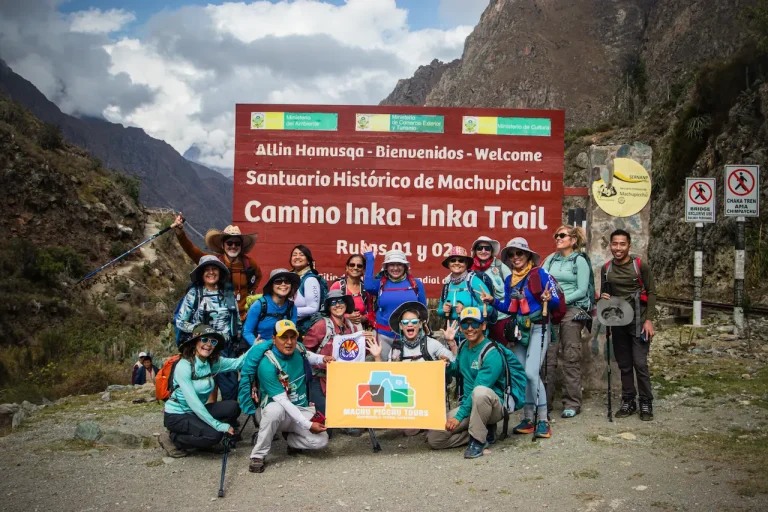
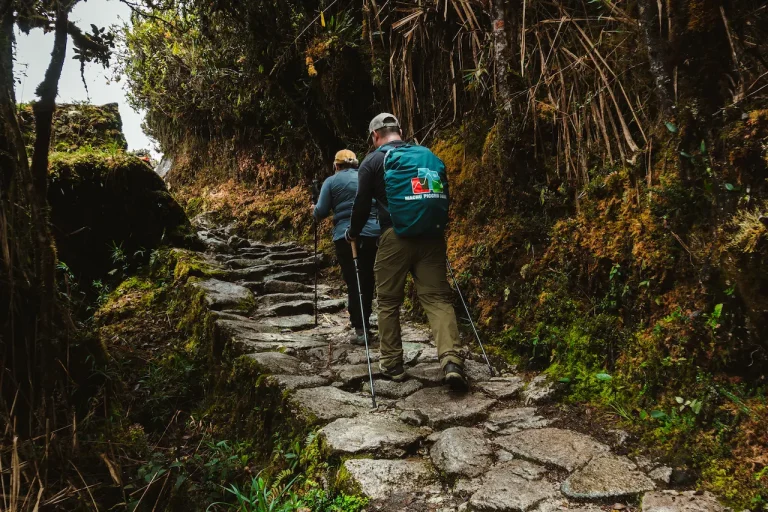
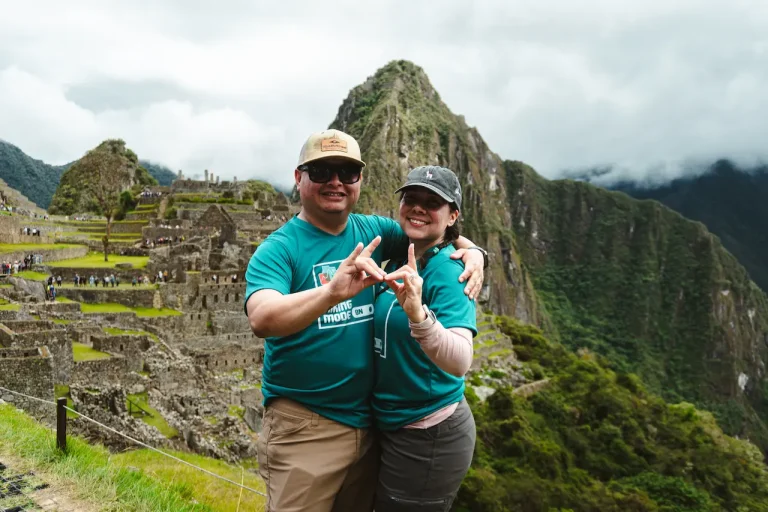
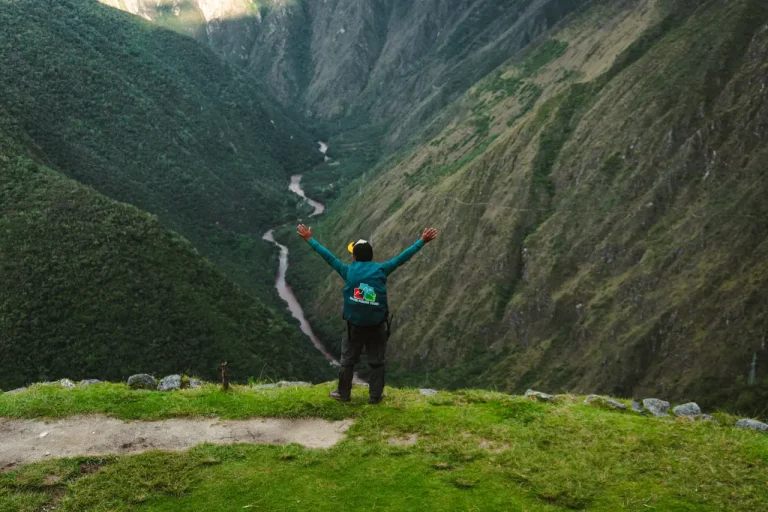
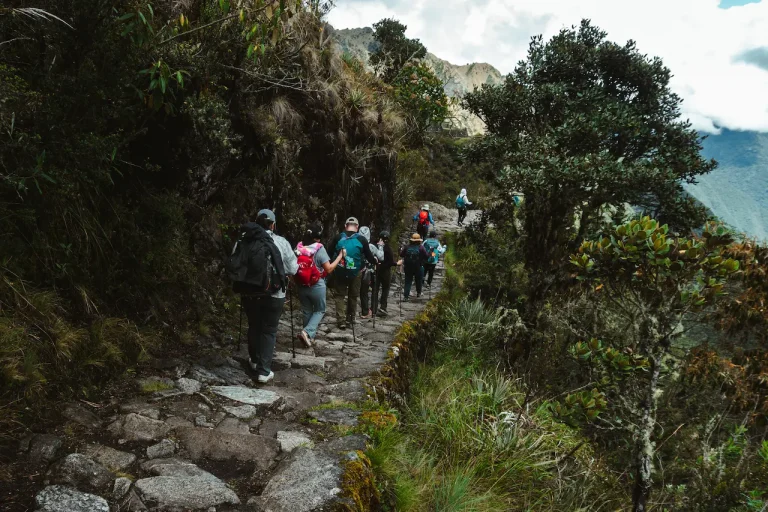
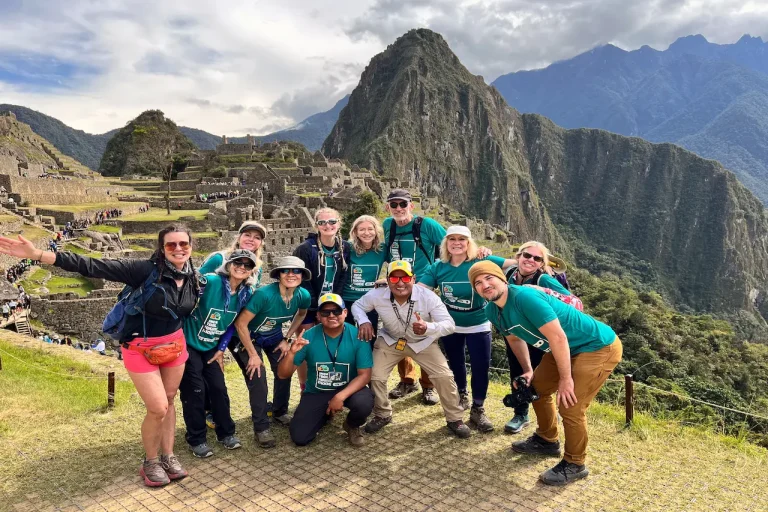
The Classic Inca Trail 4 days 3 nights is globally recognized as the most iconic trekking adventure in South America. This is not just a hike; it is a profound journey through time into the heart of the Inca Empire. Following the original stone pathways laid by the ancients over 500 years ago, our 4 day Inca Trail trek offers an unparalleled connection to Peru’s history, diverse Andean ecosystems, and mystical cloud forests.
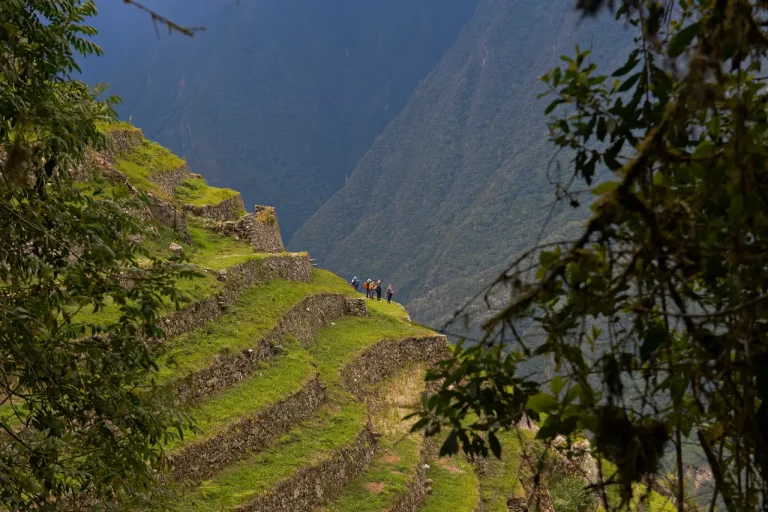
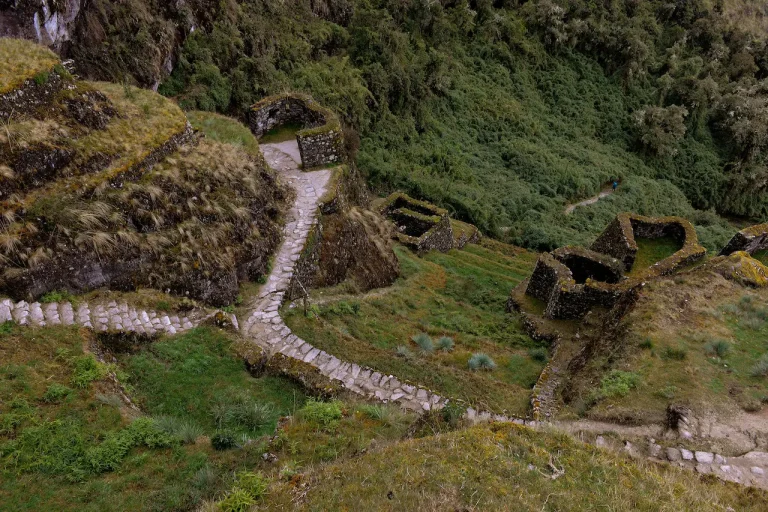
Accompanied by our elite English-speaking trail experts, you will discover hidden archaeological treasures like Wiñay Wayna and Sayacmarca sites accessible only to Inca Trail permit holders. While Machu Picchu is the grand finale, the experience along the way is where the true magic happens. You will witness the landscape transform from high mountain peaks to lush subtropical jungle, all while gaining deep insight into the enduring Andean way of life.
This is a life-changing, high-altitude experience. Because we reach elevations over 4,200 meters, we strictly recommend spending 3 to 4 days in Cusco prior to departure to properly acclimatize and ensure you enjoy every moment of this legendary Inca Trail to Machu Picchu 4 days expedition.
Expedition Highlights:
- Inti Punku (Sun Gate): Walk through the Sun Gate for the iconic first glimpse of Machu Picchu at sunrise.
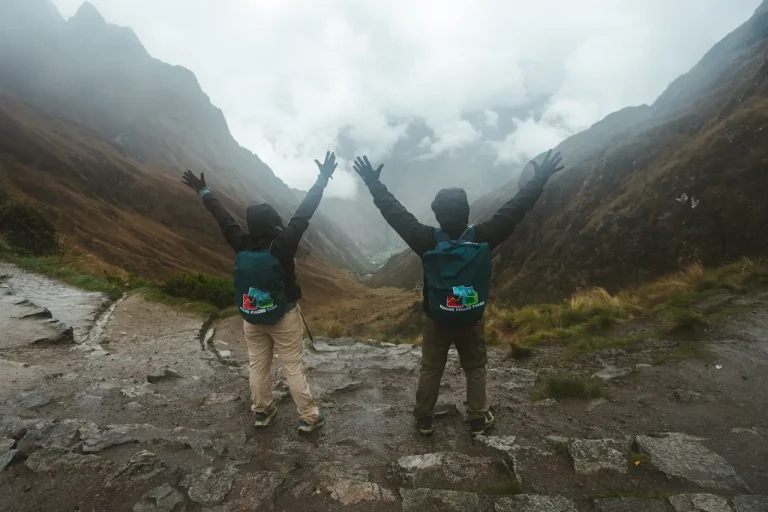
- Dead Woman’s Pass: Conquer the legendary Warmi Wañusqa, the trek’s highest elevation point at 4,215m (13,829 ft).
- Exclusive Inca Ruins: Explore majestic sites like Phuyupatamarca and Wiñay Wayna that can only be reached on foot.
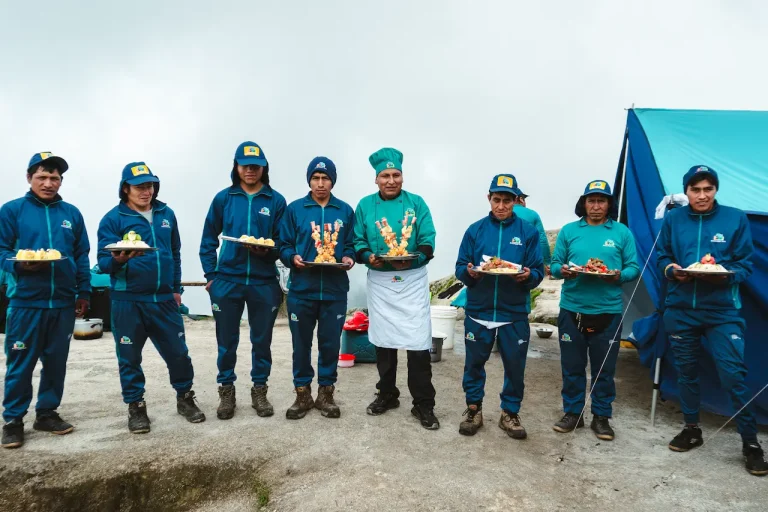
- Gourmet Andean Cuisine: Enjoy high-energy, delicious meals prepared by our professional mountain chefs using fresh local ingredients.
- Personal Porter Included: Benefit from a dedicated porter included in your package to carry 7kg (15 lbs) of your gear, ensuring a comfortable hike.
Why Choose Machu Picchu Tours?
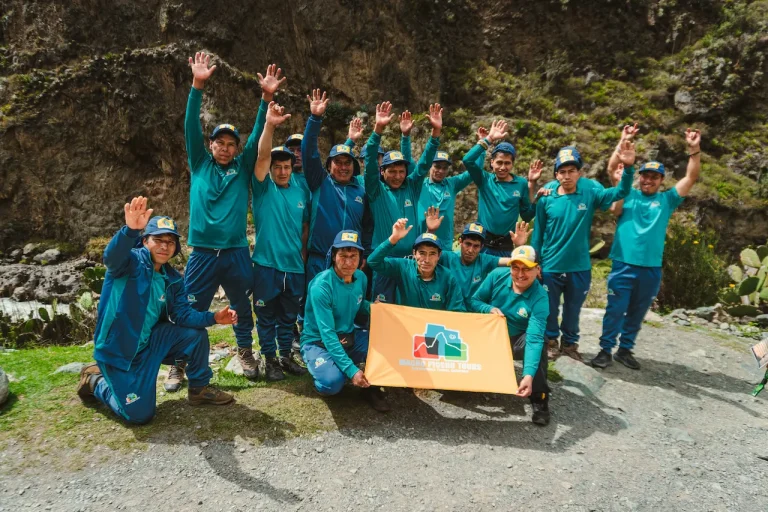
Machu Picchu Tours is a fully licensed, direct Inca Trail operator based in Cusco. Unlike many travel agencies, we manage our own logistics, equipment, and expert staff. Our guides are passionate lead specialists with over 14 years of experience bringing the history and culture of Peru to life. We are committed to ethical treatment for our porters, sustainable trekking practices, and delivering a 5-star service that turns a challenging 4 day inca trail hike into a seamless adventure of a lifetime.
Looking for a shorter option? Check out our exclusive 2-Day 1-Night Inca Trail itinerary.
Classic Inca Trail 4 Days – Essential Packing List
Preparing for the Classic Inca Trail 4 Days requires proper gear to handle long trekking distances, high-altitude weather, and camping conditions. This complete packing list ensures comfort, safety, and a successful hike all the way to Machu Picchu.
1. Documents & Essentials
-
Original passport — required at the checkpoint and to enter Machu Picchu.
-
Inca Trail permit & Machu Picchu ticket — keep digital and printed copies.
-
Train tickets (return) — essential for the journey back to Cusco.
-
Cash in small bills (PEN) — useful for snacks, water, restrooms, and tips for porters/guides.
-
Travel insurance information — recommended for altitude issues and emergencies.
-
Personal ID & emergency contacts — carry photocopies as backup.
2. Clothing
-
Lightweight trekking shirts (3–4) — breathable and quick-drying for long hiking days.
-
Hiking pants (3 pairs) — flexible and suitable for steep, rocky terrain.
-
Warm mid-layer (fleece or insulated jacket) — for cold Andean nights and early mornings.
-
Waterproof jacket or poncho — essential for unpredictable mountain rain.
-
Thermal base layers — necessary for cold nights at the campsites.
-
Comfortable hiking boots — broken-in, durable, and with good traction.
-
Camp shoes (sandals or light sneakers) — to rest your feet after trekking.
-
Sun hat/cap — protects from intense UV exposure.
-
Warm beanie & gloves — for chilly mornings at high altitude.
-
Extra socks (3–4 pairs) — moisture-wicking to prevent blisters.
-
Sleepwear — for warmth and comfort at night.
3. Camping & Sleeping Gear
-
Sleeping bag (–10°C / 14°F comfort rating) — needed for cold campsites.
-
Sleeping pad/mat — adds insulation and comfort.
-
Headlamp with extra batteries — essential for early starts and night use.
-
Travel pillow (optional) — for better sleep during camping nights.
-
Earplugs (optional) — helpful in communal campsites.
4. Daypack Items
-
20–30L daypack — carries daily essentials while porters carry main bags.
-
Hydration system (1.5–2.5L) — stay hydrated during long trekking days.
-
Sunscreen SPF 70+ — UV rays are strong at altitude.
-
Sunglasses with UV protection — reduces glare on high-mountain trails.
-
Insect repellent — for mosquito-prone areas in the cloud forest.
-
Rain cover for your daypack — essential for protecting gear.
-
Snacks (energy bars, nuts, chocolate) — boosts energy on steep climbs.
-
First-aid basics — blister care, bandages, pain relievers, altitude pills.
-
Hand sanitizer — useful before meals and at campsites.
-
Personal medication — prescriptions and altitude-related treatments.
5. Toiletries & Personal Care
-
Biodegradable wet wipes — for cleaning when showers aren’t available.
-
Travel-sized toiletries — toothpaste, toothbrush, biodegradable soap.
-
Toilet paper — not always available at rest stops.
-
Quick-dry towel — compact and convenient at campsites.
-
Sunscreen lip balm — prevents chapped lips at high altitude.
-
Small trash bag — follow Leave No Trace principles.
6. Electronics & Extras
-
Fully charged phone — photos, communication, and emergency use.
-
Power bank — campsites have no charging stations.
-
Camera or GoPro — capture iconic Inca sites and landscapes.
-
Extra batteries or memory cards — useful for long days of filming.
-
Trekking poles (recommended) — supports knees during uphill/downhill.
-
Reusable water bottle — eco-friendly and allowed on the trail.
-
Notebook & pen (optional) — for journaling the experience.
7. Optional but Useful
-
Lightweight gaiters — helpful in muddy or rainy sections.
-
Portable mini fan (USB) — for warm nights in the cloud forest.
-
Ziplock bags — protect electronics and documents from humidity.
-
Small sewing kit — useful for gear emergencies.
Useful Info
- Level of difficulty: Moderately difficult to Challenging
- Accommodation: Camping
- Walking Distance – 45 km / 26 miles
- Consideration: Entrance fee required
- Tour availability: Daily departures min 2 people
- Weather: dry from May to October, wet from November to April
- To climb Huayna Picchu mountain you need to book in advance
- 2 or 3 days Acclimatization is Recommended
- Service offered: Group service, Private Service and Luxury Service
- Tour Operator: Machu Picchu Tours & Treks
Pricing
Small Group Tour (Personalized Experience) :
2 -3 People – 790US$ Per person
4+ People – 770US$ Per person
Children/students 740US$ Per person
Exclusive Private Tour:
2 -3 People – 990US$ Per person
4+ People – 940US$ Per person
Children/students 930US$ Per person
Frequently Asked Questions – 4 days Classic Inca Trail Trek
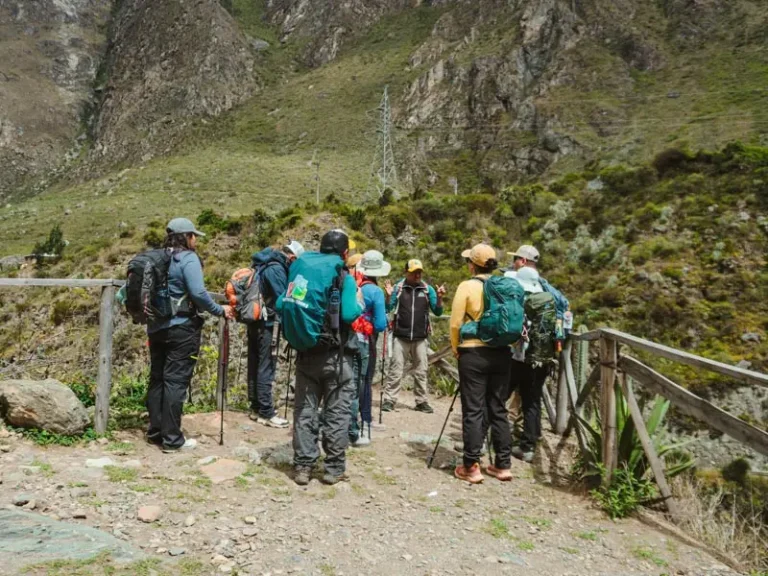
Scenery along the trail changes dramatically, from high Andean valleys and mountain passes to lush cloud forest rich in flora and fauna. Most days require hiking between 10 and 12 kilometers (6–7 miles), so a good fitness level and reliable hiking boots are essential to enjoy the journey safely.
The highest point on the Classic Inca Trail is Dead Woman’s Pass (Warmi Wañusqa), which reaches an altitude of about 4,215 meters (13,829 ft) above sea level. This section is considered the trek’s most demanding climb due to the long, steep ascent and thinner air at high altitude.
Once at the top, hikers are rewarded with panoramic views of the surrounding valleys and snowcapped peaks before descending into greener, milder landscapes. Because of the altitude, it’s recommended to spend at least two days acclimatizing in Cusco beforehand and to wear warm clothing for the cold conditions found at this pass.
The Classic Inca Trail is rated moderate to challenging. While no technical climbing skills are needed, hikers should have solid physical endurance to handle 5 – 8 hours of trekking per day, tackle countless Inca stone staircases, and adapt to varying altitudes and climates.
Some parts of the trail can be narrow or uneven, and during the rainy season the path can become slippery and muddy. Previous hiking experience and some training to build leg strength and cardio endurance are highly recommended to fully enjoy the adventure.
The use of horses, mules, or llamas is prohibited on most of the Classic Inca Trail to protect the original stone paving and the delicate archaeological sites along the route. Heavy pack animals could damage the ancient infrastructure and disturb the fragile natural environment of the trail.
Instead, licensed porters carry camping equipment and supplies. These porters follow strict regulations from the Peruvian Ministry of Culture, ensuring the preservation of this UNESCO World Heritage site for future generations while making the trek possible for travelers.
Reservations should be made 3 to 6 months ahead, especially in peak season (May–October).
Permits are limited and must be processed through licensed tour operators who coordinate with the Ministry of Culture.
Your passport number must be provided at booking, as permits are tied to it and cannot be transferred.