
The Peruvian Hairless Dog known natively as the Perro Sin Pelo del Perú stands as a living testament to pre Columbian history, recognized globally as one of the most ancient and unique breeds in existence. Often referred to by cynologists and enthusiasts as Peruvian Inca Orchid hairless dogs due to their exotic, floral appearance and their documented presence in Inca royal courts, these canines are far more than a curiosity. Unlike many modern breeds that were “created” by mixing dogs in the 19th century, the Peruvian Hairless Dog is a primitive breed. This means it developed naturally in the isolation of the Peruvian coast and Andes over 3,000 years ago, evolving to survive specific climatic conditions long before European arrival.
Beyond their striking lack of fur, these dogs are celebrated for their distinctive sighthound temperament. They possess the anatomy of an elite athlete: a deep chest for maximum lung capacity, a tucked waist, and powerful, slender legs. This physical structure makes them exceptionally fast and agile. Mentally, they are complex; they are not instant friends with everyone. They maintain a dignified aloofness with strangers but form an unbreakable, intense bond with their owners. They are vigilant guardians of the home and sensitive emotional companions, often described by owners as having a almost human like understanding of their family’s moods.
Physical Traits and the Coated Peruvian Hairless Dog with Hair
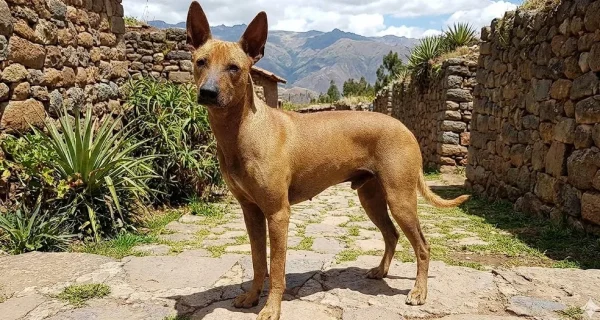
While the breed is defined globally by its nakedness, the genetics that create this trait are fascinatingly complex. The “hairless” gene is dominant but lethal when homozygous (two copies). This biological reality means that nature prevents a “pure” hairless lineage; every living hairless dog carries one gene for hairlessness and one for a coat. Consequently, in every litter born, there is a genetic probability (roughly 33%) of producing a coated Peruvian Hairless Dog. Far from being “defective,” a Peruvian Hairless Dog with hair is fully recognized by international kennel clubs like the FCI and is absolutely vital to the breed’s survival, providing a genetic reservoir that strengthens the overall health and dentition of the population.
When you examine Peruvian Hairless Dog images, the visual contrast between the two varieties is stark. The hairless variety boasts skin that is smooth, elastic, and radiates heat, often feeling like a hot water bottle to the touch. This “warmth” is a myth of temperature (they have the same body temp as other dogs) but feels hotter due to the lack of insulation. In contrast, the coated variety can sport short, sleek hair or longer, soft flowing locks known as “powderpuff.” Regardless of the exterior covering, both types share the exact same elegant bone structure and noble carriage, marking them undeniably as members of the same sighthound family.
Differences Between Small Medium and Large Peruvian Hairless Dog
The Peruvian hairless dog breed is unique in the canine world because it is recognized as a single breed that naturally occurs in three distinct size categories. This is not a case of “miniature” or “toy” breeding, but a natural variation that has existed for centuries. Whether one desires a compact apartment companion or a robust partner for endurance running, there is a size that fits. The Large Peruvian Hairless Dog is an impressive animal, standing up to 65cm at the withers, possessing the strength and stamina to act as a functional watchdog and an intimidating visual deterrent despite its lack of fur.
The Peruvian Inca hairless dog is strictly categorized by height and weight to ensure breeding consistency. The Small variety (25-40 cm) is delicate and quick, perfect for indoor living. The Medium variety (41-50 cm) offers a sturdy middle ground, robust enough for rough play but small enough for easy travel. Finally, the Large variety (51-65 cm) captures the true essence of a sighthound, displaying a long stride and powerful drive. Despite these size differences, the temperament remains consistent: alert, lively, and deeply affectionate with their pack.
Understanding Skin Colors from Black to Pink Peruvian Hairless Dog
The skin of this breed acts as a dynamic canvas, displaying a spectrum of colors that is rare in the animal kingdom. A Pink Peruvian Hairless Dog is visually arresting, typically featuring a base of copper or flesh tone, often covered in erratic spots. These “flowered” dogs are stunning and highly sought after for their exotic look. However, this beauty comes with a cost; the lack of melanin makes them extremely susceptible to sunburn and environmental damage. Owners of pink or light skinned dogs must be diligent about applying sunscreen and limiting exposure during peak UV hours.
Historically, the most prized and functional color is the Black Peruvian Hairless Dog (often called Elephant Grey or Slate). The high concentration of dark pigment provides a natural shield against the intense Andean sun. Other standard colors include the Grey Peruvian Hairless Dog, chocolate brown, and bronze. Interestingly, their skin color can shift with the seasons, “tanning” to a darker shade in the summer and lightening in the winter, a phenomenon that often surprises new owners.
The Myth of the Hairless Peruvian Dog Kissing Spot on Head
One of the breed’s most endearing quirks is the hairless Peruvian dog kissing spot on head. Known in Peru as “El Besito” (The Little Kiss), this is a patch of coarse, bristly hair located centrally on top of the skull. It is not a scar or a flaw, but a genetic remnant allowed by the breed standard. In folklore, it was said to be the spot where the gods kissed the dog to bless it. While the body remains naked, this tuft adds a distinct character to the dog’s expression.
The hairless Peruvian dog kissing spot on head besito can vary from a few stray hairs to a lush, punk rock style mohawk. In the show ring, this hair is acceptable and even desirable, provided it does not extend too far down the neck or cover the eyes. It gives the dog a unique silhouette and serves as a signature trait of the Inca Orchid, distinguishing it from other hairless breeds that may be completely bald.
Peruvian Hairless Dog Temperament and Living with Families
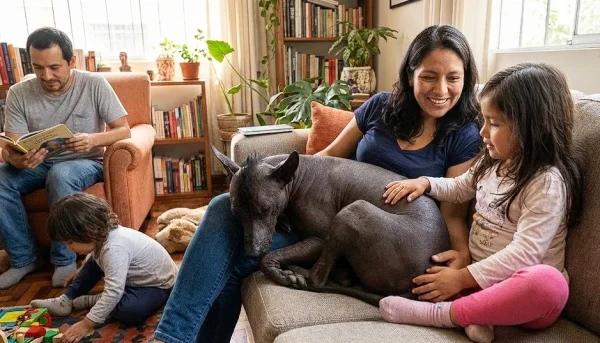
The Peruvian Hairless Dog temperament is best described as primitive, intelligent, and fiercely loyal. Unlike domesticated breeds that have been selected for centuries to be universally friendly (like Retrievers), the Peruvian retains a survivalist instinct. They are naturally suspicious of strangers and will alert their owners to anything unusual in their environment. However, this aloofness melts away with their family. They are known to be incredibly affectionate, often bonding intensely with one person in the household whom they will shadow relentlessly.
One of the most important facts about the Peruvian Hairless Dog is their intolerance for isolation. They are “velcro dogs” in the truest sense; they suffer from separation anxiety if left alone for long periods. They crave skin to skin contact, often burrowing under blankets to sleep against their owner’s body. Regarding the Peruvian Hairless Dog hypoallergenic claim, they are indeed an excellent choice for allergy sufferers. While no dog is 100% allergen free, the lack of fur and undercoat means there is virtually no dander floating in the air, making life livable for those who typically sneeze around dogs.
Is the Peruvian Hairless Dog Hypoallergenic and Good for Allergies
For many households, the Peruvian Hairless Dog hypoallergenic quality is the deciding factor in ownership. Because they do not have hair to shed, they do not spread allergens like pollen, dust, and mold spores that typically get trapped in a dog’s coat. Furthermore, the absence of fur means they are not carriers of fleas or ticks in the way coated dogs are, reducing the chemical load needed for pest control. For someone with asthma or allergies, a Peruvian Inca Orchid can be a life changing companion.
However, prospective owners with Peruvian Hairless Dog allergies should still test their sensitivity. The dog still produces proteins in its urine and saliva, which can trigger reactions in highly sensitive individuals. Additionally, a cute Peruvian Hairless Dog requires frequent bathing to keep its skin healthy, which naturally washes away surface allergens. With a strict hygiene routine, most allergy sufferers find they can co exist happily with this breed.
Socialization and Training a Peruvian Hairless Dog Puppy
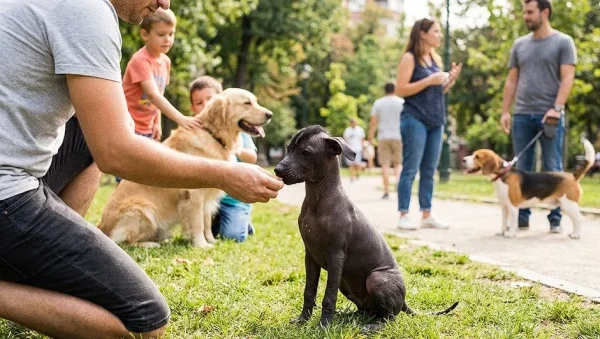
Raising a Peruvian Hairless Dog puppy is a task that requires a gentle, patient, and consistent approach. These dogs are highly intelligent and learn quickly, but they are emotionally sensitive. Harsh discipline or yelling can cause a Peruvian puppy to shut down or become fearfully defensive. Peruvian Hairless Dog 101 dictates that positive reinforcement using treats, praise, and play is the only effective method.
When you find Peruvian Hairless Dog puppies for sale, you must be prepared to start socialization immediately. Because of their natural wariness, an undersocialized Peruvian can become skittish or aggressive towards strangers. You must expose them to different people, noises, and environments during their critical developmental windows. A well socialized Peruvian is a confident and elegant companion, capable of excelling in dog sports like agility and lure coursing.
Comparison of Peruvian Hairless Dog vs Mexican Hairless Dog
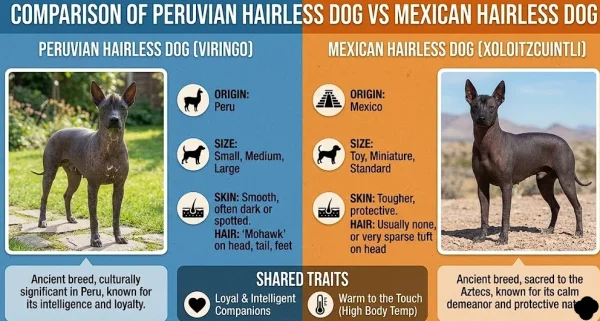
A frequent point of confusion is the Peruvian Hairless Dog vs Mexican Hairless Dog (Xoloitzcuintli) comparison. While both are hairless breeds from the Americas with ancient roots, they are genetically and structurally distinct. The difference between Peruvian and Mexican Hairless Dog lies primarily in their body type. The Peruvian is a sighthound: square, elegant, and built for speed with a tucked waist. The Xolo is a working/guard type: rectangular, heavier bone, and built for endurance and strength.
The Mexican Hairless Dog vs Peruvian debate also involves movement. The Peruvian moves with a springy, light footed gait typical of a sprinter, while the Xolo has a more grounded, trotting gait. Recognizing these structural differences is key for enthusiasts who want to show their dogs, as mixing up the two types is a major fault in the ring.
Distinguishing the Peruvian Hairless Dog vs Xoloitzcuintli
Beyond structure, the Peruvian Hairless Dog vs Xolo distinction extends to personality. The Xoloitzcuintli is often described as stoic, calm, and serious a silent observer. In contrast, the Peruvian Hairless Dog vs Xoloitzcuintli comparison reveals the Peruvian to be more “electric.” They are higher energy, more prone to “zoomies,” and generally more reactive to their environment.
Another subtle nuance in the Mexican vs Peruvian Hairless Dog comparison is skin texture. Many owners report that the Peruvian’s skin feels softer and smoother, more akin to human skin, whereas the Xolo’s skin can feel thicker and more protective, like a hide. If you want a dog for active sports and high engagement, the Peruvian is the better fit; if you want a calm guardian, the Xolo may be preferable.
Peruvian Hairless Dog Health Problems and Skin Care Needs
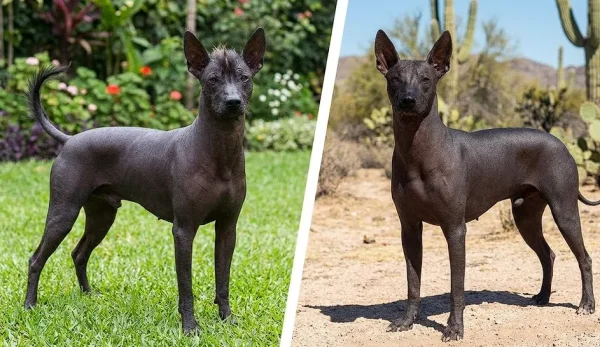
The Peruvian Hairless Dog lifespan is notably long, typically 12 to 14 years, owing to its status as a robust primitive breed. However, Peruvian Hairless Dog health problems do exist and are mostly related to their unique genetics. Skin issues are the most common complaint; without hair, the skin is exposed to the elements, leading to dry skin, acne (especially in adolescence), and cuts from rough play.
Owners frequently ask: can a Peruvian Hairless Dog take Interceptor? The answer is generally yes. Unlike Collies, Peruvians do not typically carry the MDR1 gene mutation that causes sensitivity to certain parasite medications. Therefore, standard heartworm preventatives like Interceptor are usually safe. However, because their metabolism can be faster and their skin absorbs topical chemicals rapidly, it is crucial to consult a vet familiar with hairless breeds to ensure the correct dosage and administration method.
Dental Care and Missing Teeth in the Hairless Variety
A peculiar genetic trait of the hairless Peruvian dog is its incomplete dentition. The gene that strips the dog of its hair is linked to the development of teeth. Consequently, a Peruvian dog hairless specimen will almost always be missing premolars and sometimes molars. This is not a sign of poor health or old age; it is a breed standard characteristic.
In contrast, the coated variety must have a full set of teeth. For the hairless dog Peruvian owner, this means paying extra attention to dental hygiene. The remaining teeth must be kept clean to prevent gum disease. Additionally, diet choices should accommodate their missing teeth; while they can eat kibble, many owners prefer to feed a softer diet or soak the kibble to reduce wear on the gums.
Sun Protection and Skincare for the Peruvian Inca Orchid
Caring for Peruvian Inca Orchid hairless dogs is more like caring for a human child than a typical dog. Their skincare routine is paramount. They require regular baths with gentle, oatmeal based shampoos to keep pores clean and prevent blackheads. Exfoliation is also necessary to remove dead skin cells that would normally be shed with hair. In the summer, broad spectrum, dog safe sunscreen is mandatory for any time spent outdoors to prevent painful burns.
In the winter, the care shifts to thermal protection. They have zero natural insulation. Looking at images of Peruvian Hairless Dog wardrobes online, you’ll see it is a necessity, not a luxury. They need fleece pajamas for sleeping and waterproof, windproof coats for walks. Without this protection, they are susceptible to hypothermia and frostbite in temperatures that a coated dog would find mild.
Peruvian Hairless Dog Price and Where to Buy
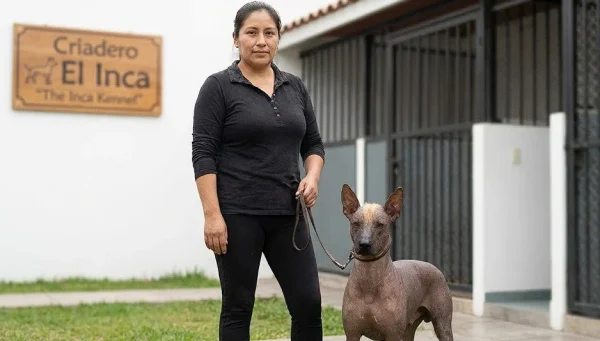
As we navigate through , the Peruvian Hairless Dog price remains high due to their scarcity. They are rare outside of South America, and the community of preservation breeders is small. The cost of Peruvian Hairless Dog ownership must also factor in the ongoing expense of specialized clothing and high end skincare products, which can add up significantly over the dog’s life.
When calculating the initial Peruvian Hairless Dog cost, prospective owners should be wary of “bargains.” A cheap puppy usually comes from a backyard breeder with no health testing. Paying a premium upfront for a puppy from a reputable breeder ensures you are getting a dog with a stable temperament and known health history, which is invaluable for a primitive breed.
How Much Does a Peruvian Hairless Dog Cost from Reputable Breeders
So, how much does a Peruvian Hairless Dog cost in today’s market? In North America and Europe, the Peruvian Hairless Dog average price for a pet quality puppy sits between $2,500 and $4,000 USD. Show quality prospects can easily command $5,000 USD or more.
If you ask how much do Peruvian Hairless Dogs cost in their native Peru, the price is lower often $500 to $1,500 USD. However, importing a dog involves significant bureaucratic hurdles, export permits, quarantine fees, and cargo flights. By the time the dog arrives in your home country, the total expenditure often equals or exceeds the cost of buying locally, with the added stress of international transport.
Finding Peruvian Hairless Dog Breeders and Puppies for Sale
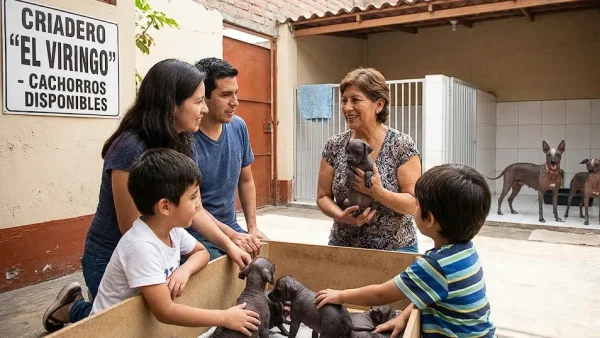
Locating ethical Peruvian Hairless Dog breeders is a task that requires research. You should look for breeders who register their dogs with the AKC (USA), KC (UK), or FCI organizations. When searching for a Peruvian Hairless Dog for sale, look for health clearances on parents (eyes, heart, and skin).
A legitimate hairless Peruvian dog for sale will never be sold in a pet store. Responsible breeders will interview you extensively to ensure you understand the breed’s needs. They will also provide a contract stating they will take the dog back if you can no longer keep it, ensuring their dogs never end up in shelters.
Peruvian Hairless Dog for Sale Near Me and USA Locations
Typing Peruvian Hairless Dog for sale near me into a search engine often yields few results because the breed is not regionally dense. You will likely need to travel or arrange transport. However, searching for Peruvian Hairless Dog for sale in USA reveals hotspots of activity.
There is a dedicated community of enthusiasts who buy Peruvian Hairless Dog in California, as the climate there is ideal for the breed. Florida and the Northeast also have active breed clubs. Attending a major dog show is the best way to meet breeders face to face and get on a waiting list for a future litter.
Importing a Peruvian Hairless Dog for Sale UK and Australia
For those looking for a Peruvian Hairless Dog for sale UK, the options are limited but high quality. The UK has a passionate club that adheres to strict welfare standards. Importing is possible but requires a pet passport and adherence to DEFRA rules.
Attempting to bring a Peruvian Hairless Dog Australia is a much more complex endeavor. Australia has some of the strictest biosecurity laws in the world. If you want a Peruvian Hairless Dog Adelaide or Melbourne, you must be prepared for a mandatory quarantine period of at least 10 days (often more) and costs that can exceed $10,000 AUD. Only the most dedicated enthusiasts pursue this route.
Peruvian Hairless Dog Adoption and Rescue Organizations
Peruvian Hairless Dog adoption is a noble path, though opportunities are rare. Because reputable breeders take their dogs back, they rarely end up in public shelters. Peruvian Hairless Dog rescue efforts are often coordinated by Sighthound rescue groups (like those for Greyhounds) who understand the specific needs of thin skinned, high prey drive dogs.
When deciding to buy or adopt Peruvian Hairless Dog, consider your lifestyle. Rescue dogs may be adults who are already house trained but may carry trauma or shyness typical of the breed. They require a patient owner willing to earn their trust slowly. Once bonded, however, a rescue Peruvian is profoundly loyal.
History of the Peruvian Hairless Dog Origin and Ancient Culture
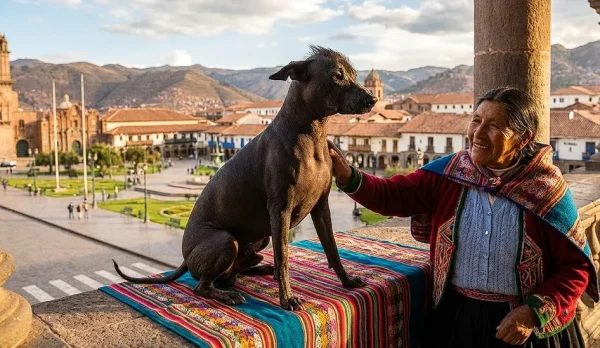
The Peruvian Hairless Dog history is woven into the very fabric of South American civilization. Depictions of these dogs appear on the ceramics and pottery of the Moche, Chimú, Vicús, and Chancay cultures, proving they existed thousands of years before the Inca Empire rose to power. The Peruvian Hairless Dog origin is debated, but most agree they arrived across the Bering Strait with early human migrations and evolved their hairlessness in the warm coastal deserts of Peru.
Today, they are declared a National Patrimony of Peru. The government mandates that every archaeological site museum along the coast must house and care for a pair of these dogs. Among the native Peruvian Hairless Dog animals Peru preserves, this canine is unique a living artifact that has walked alongside humans for three millennia uninterrupted.
The Role of the Inca Orchid Peruvian Hairless Dog in History
The Inca Orchid Peruvian Hairless Dog held a special place in ancient society. While it is believed that some dogs were used for food in times of crisis, the ancient Inca dogs were primarily cherished companions of the nobility. They were kept indoors, protected from the sun during the day, and allowed to sleep in the beds of their masters at night.
Their warm skin was valued medicinally. They acted as living heating pads, used to soothe the aches of arthritis, rheumatism, and respiratory illnesses. As survivors of the Native American dogs Peruvian Hairless Dog lineage, they are a testament to indigenous resilience, having survived the Spanish Conquest which wiped out many other native breeds.
Celebrating the Peruvian Hairless Dog Day and Heritage
The breed is so culturally significant that June 12th is officially Peruvian Hairless Dog Day in Peru. In Peru Peruvian Hairless Dog festivities include parades, educational school trips, and exhibitions where the finest examples of the breed are displayed. It is a day of national pride.
Global awareness has also increased, thanks to documentaries like BBC Peruvian Hairless Dog specials that highlight their unique history. This attention has helped transform the breed from a street curiosity into a valued symbol of Peruvian heritage, ensuring their preservation for future generations.