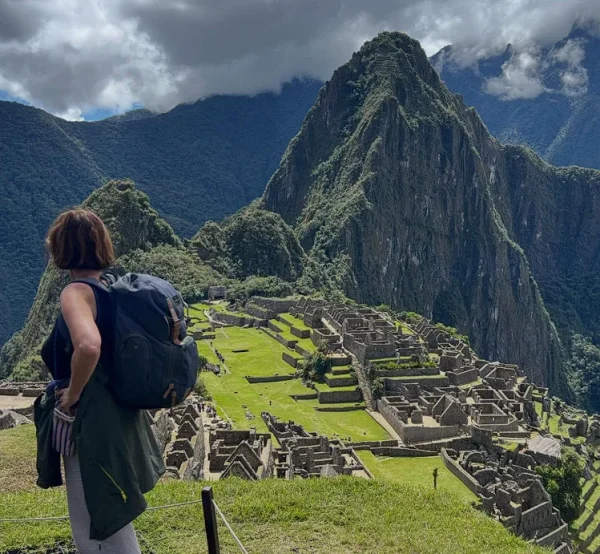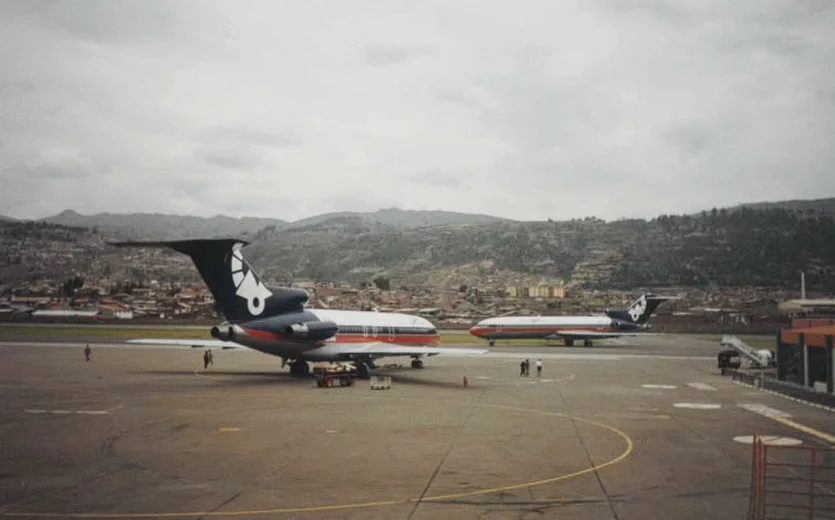
For the vast majority of international travelers dreaming of walking the Inca Trail or seeing Machu Picchu, the adventure officially begins at Cusco Airport. As the primary aerial gateway to the Sacred Valley and the ancient Inca capital, this hub processes millions of passengers annually, serving as the critical link between the modern world and the Andean highlands. While it is technically designated as a Cusco international airport, it currently functions primarily as a domestic hub receiving flights from Lima, Arequipa, Juliaca, and Puerto Maldonado. However, its importance cannot be overstated; almost every itinerary to the Seven Wonders of the World passes through these gates.
Navigating the Cusco Airport can be an overwhelming experience for first-time visitors due to the high altitude, the sheer volume of tourists, and the unique logistics of Peruvian transportation. Upon landing, travelers are immediately thrust into a bustling environment where taxi drivers shout for business and oxygen tanks are a common sight. This comprehensive guide covers everything you need to know about Cusco Airport, from handling the thin air upon arrival to selecting the safest transfer options to the city center, ensuring your trip starts on the right foot.
Essential Information About Alejandro Velasco Astete Cusco International Airport
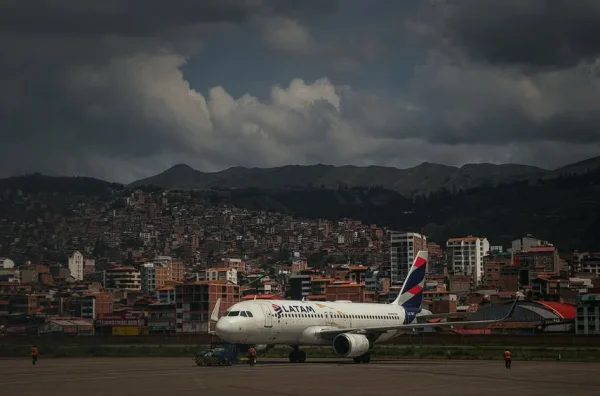
The official Cusco airport name is the Alejandro Velasco Astete Cusco International Airport. It was named in honor of Alejandro Velasco Astete, a pioneering Peruvian pilot who was the first person to fly across the Andes from Lima to Cusco in 1925, a feat that was considered impossible at the time due to the treacherous mountain winds. His legacy lives on in this facility, which is currently the second busiest airport in Peru after Lima’s Jorge Chávez International Airport. Despite its single runway, it manages a high frequency of flights, requiring precise piloting skills to navigate the surrounding mountainous terrain.
Located surprisingly close to the urban sprawl, the Cusco Airport sits within the city limits rather than on the outskirts. The Cusco airport address is technically listed as Avenida Velasco Astete, situated between the Wanchaq and San Sebastian districts. This location is only about 5.5 kilometers (3.4 miles) southeast of the historic Plaza de Armas. Because the airport is practically in the city, the landing is one of the most spectacular in the world; passengers look out the window to see red-tiled roofs and colonial churches passing just below the wings as the plane banks sharply into the valley to align with the runway.
What Is the Cusco Peru Airport Code and Exact Location
When booking your flights online, it is crucial to use the correct airport code for Cusco to avoid any confusion with other regional airports in South America. The International Air Transport Association (IATA) Cusco airport code is CUZ. You will see this printed on your baggage tags and boarding passes. In aviation terms, the International Civil Aviation Organization (ICAO) code used by pilots and air traffic control is SPZO. Ensuring your ticket reads “CUZ” confirms you are heading to the Imperial City of the Incas.
The Cusco Peru airport code represents a facility with a very specific geographic reality. The exact location places the terminal at coordinates 13°32′08″S 71°56′37″W. Because the city has grown around the airport over the last few decades, there is no room for a second runway or significant expansion. This geographical constraint is why flights are strictly scheduled during daylight hours and why the airport code Cusco is often associated with strict departure slots. Travelers should be aware that this central location, while convenient for short taxi rides, contributes to significant noise pollution in the city.
Cusco Airport Elevation and Handling Altitude Sickness upon Arrival
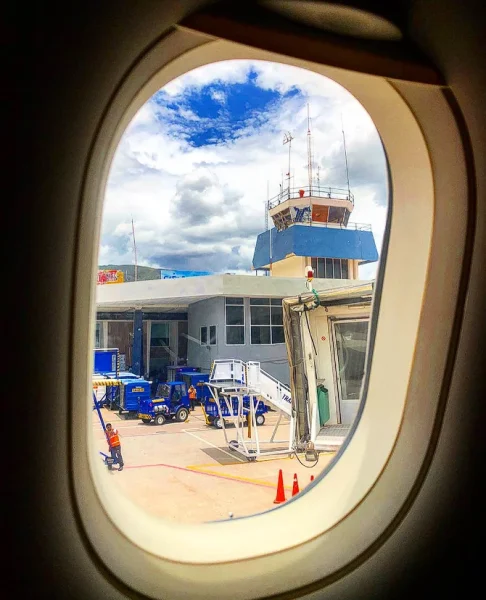
One of the most critical factors every traveler must consider is the Cusco airport elevation. The runway sits at approximately 3,400 meters (11,152 feet) above sea level. To put this in perspective, this is significantly higher than Machu Picchu itself, which sits at around 2,430 meters. This makes the airport in Cusco Peru one of the highest commercial airports in the world. Stepping off the plane is often the first time visitors feel the “thin air,” and it is common to feel slightly breathless just by walking from the gate to the baggage claim area.
Is Cusco airport dangerous? In terms of flight safety, absolutely not; pilots receive specialized high-altitude training to land here, and modern aircraft are equipped for these conditions. However, for passengers, the danger lies in Soroche, or altitude sickness. The Cusco airport altitude can trigger symptoms like dizziness, headache, and nausea within minutes of arrival. To mitigate this, move slowly through the terminal, avoid heavy lifting, and look for the medical stations offering oxygen if you feel faint. Many hotels also offer “oxygen shots” upon check-in, but the best advice is to hydrate immediately and avoid alcohol during your flight.
Operating Hours for Cusco Airport Arrivals and Departures
Unlike major international hubs that operate 24/7, Cusco airport departures and arrivals are limited by specific weather patterns and geography. Strong tailwinds usually pick up in the Cusco valley in the late afternoon, making landings difficult and potentially unsafe. Therefore, the vast majority of airport Cusco arrivals are scheduled for the morning and early afternoon. The airport generally opens its doors at 5:00 AM and ceases flight operations around 4:00 PM or 5:00 PM, although some departures may leave slightly later during peak summer months if weather permits.
It is extremely important to check your Cusco airport flight status frequently, especially during the rainy season (January to March), as delays due to morning fog or afternoon storms are common. If you are returning from the citadel on the last train from Machu Picchu to Cusco, which often arrives in Poroy or Ollantaytambo late at night, bear in mind that you cannot fly out that same evening. You will inevitably need to book a hotel in Cusco for the night and schedule your flight for the following morning, as the Cusco Airport will be firmly closed by the time your train pulls into the station.
Options for Cusco Airport Transportation to City Center and Hotels
Figuring out how to get from Cusco airport to hotel accommodation is the first logistical hurdle you will face upon retrieving your luggage. The Cusco airport transportation ecosystem is a chaotic mix of official services, aggressive street taxis, and ride-sharing apps. The drive from Cusco airport to city center is relatively short, usually taking 20 to 30 minutes depending on the heavy traffic that clogs the narrow streets of the historic district.
The best way to get from Cusco airport to hotel depends entirely on your budget, your patience for negotiation, and your comfort level. To help you decide, we have compiled a table comparing the most common options based on price, safety, and convenience for 2025/2026.
Comparison of Transportation Options
| Transport Option | Avg. Price (USD) | Safety Level | Convenience | Ideal Traveler |
| Official “Llama” Taxi | $15 – $20 | Very High | High | Families & Safety-Conscious |
| Street Taxi | $5 – $8 | Moderate | Medium | Budget Backpackers |
| Uber / DiDi | $7 – $12 | High | Low (Connectivity) | Tech-savvy Solo Travelers |
| Private Transfer | $25 – $35 | Very High | Very High (Meet & Greet) | Groups & First-timers |
| Shared Shuttle | $5 – $8 | Moderate | Low (Waiting time) | Solo Budget Travelers |
Analyzing the data above, the Cusco airport transportation choice becomes clearer. While street taxis are the cheapest on-demand option, the safety trade-off and the need to speak Spanish to haggle make them less attractive for first-time visitors. The Official Taxi (Llama) represents the best balance of speed and safety for small groups. However, for those who value peace of mind above all else, the Private Transfer—where a driver waits with a sign—is the undisputed winner, eliminating the chaos of the arrivals hall entirely.
Official Taxi from Cusco Airport to City Center Price and Safety
The safest on-demand option is to use an official Cusco airport taxi. You will see their counters located inside the baggage claim area and just before you exit the restricted zone to the street. These companies are authorized by the airport administration. The official taxi from Cusco airport to city center price is higher than street rates, typically costing around 50 to 60 Soles ($15-$18 USD). While this is more expensive than the street rate, the premium covers a modern vehicle, a vetted driver, and the security of having a record of your ride.
When you ask for a taxi from Cusco airport via these desks, you will pay a fixed rate at the counter and receive a ticket to give to the driver. This eliminates the stress of haggling and the fear of being overcharged or taken on a “scenic route” to increase the fare. The Cusco airport taxi price for these official cars is non-negotiable, but for many travelers, the peace of mind of getting into a registered, safe vehicle immediately after a long flight is well worth the extra few dollars.
Difference Between Llama Taxi Inside and Street Taxis
If you browse any Cusco airport taxi Reddit thread or travel forum, you will see frequent debates about “Llama Taxis” versus street taxis. “Llama Taxi” is the colloquial name for one of the main official companies operating inside (often branded as Shuttle or Airport Taxi). These vehicles are usually black sedans or SUVs with ample trunk space for luggage. They are permitted to park right outside the arrivals sliding doors, meaning you don’t have to drag your bags far.
In contrast, to catch a regular taxi from Cusco airport, you must walk with your luggage outside the terminal building and through the parking lot gate to the main avenue. Here, you will be swarmed by dozens of drivers shouting “Taxi! Taxi!”. You can negotiate a ride here for 15-25 Soles ($4-$7 USD). However, these cars are often old, small (sometimes the tiny Daewoo Ticos), and may lack seatbelts in the back. While usually safe, there is a higher risk of petty theft or scams with unofficial drivers.
Using Uber at Cusco Airport and Wi-Fi Connection Availability
Many travelers ask: Can you use a Cusco airport Uber? Yes, ride-sharing apps like Uber and Cabify do operate in Cusco. However, the relationship between these apps and local drivers is complicated. Local drivers often prefer cash and may cancel the ride if they realize you intend to pay by credit card through the app, or they may arrive and ask you to cancel the booking to pay them cash directly. Furthermore, Uber drivers are banned from the official pickup curb, so you will likely have to meet them in the parking lot or outside the gate.
To successfully use ride hailing apps Cusco, you need a reliable internet connection. The Cusco airport wifi is notoriously unreliable and slow. It is technically free for a limited time (often 15-30 minutes), but the signal is weak and often disconnects due to the high volume of users. It is highly recommended to have international data roaming active or to buy a physical SIM card immediately if you plan to rely on an app to call your ride. Do not bank on the Cusco airport Wi-Fi being strong enough to track your driver’s location.
Private Cusco Airport Transfer Services vs Shared Shuttle Vans

For a completely stress-free arrival, booking a private Cusco airport transfer in advance is the superior choice. With a pre-booked airport transfer Cusco, a driver will be waiting for you at the arrivals gate holding a sign with your name. They assist with your luggage and already know the exact location of your hotel, which can be tricky to find in the labyrinthine streets of Cusco. This service typically costs between $20 and $35 USD, offering the highest level of convenience.
Alternatively, there are airport shuttle Cusco services, which are shared minivans. These are cheaper, often costing around $5-$8 per person. However, they are significantly slower. You must wait for the van to fill up with other passengers before departing, and the driver will make multiple stops to drop people off at different hotels. This can prolong the Cusco airport to hotel journey by an hour or more. If you are prone to motion sickness or altitude sickness, the stop-and-start nature of a shared shuttle might be uncomfortable.
Car Rental Cusco Airport Peru Companies and Requirements
There are global Cusco airport car rental desks located inside the terminal, including Hertz, Budget, and Alamo, as well as some local Peruvian agencies. You can rent SUVs and pickup trucks here, which might seem appealing for exploring the Sacred Valley independently. To rent, you will generally need a valid driver’s license from your home country (an International Driving Permit is recommended but not always strictly mandatory), a credit card for the deposit, and a passport.
However, renting a car rental Cusco airport Peru vehicle is generally discouraged for the average tourist. Driving in Cusco is chaotic; traffic rules are often ignored, signage is poor, and finding parking near the Plaza de Armas is nearly impossible and expensive. Unless you are planning a specific road trip to very remote areas where tours don’t go, a car rental Cusco airport vehicle is often more of a burden than a convenience. If you do rent, ensure you buy full insurance coverage, as minor scrapes are very common in Peruvian traffic.
Routes from Cusco Airport to Ollantaytambo and Machu Picchu
Many knowledgeable travelers choose to bypass the city of Cusco entirely upon arrival, heading immediately to lower elevations to acclimatize better. Looking at a Cusco airport map, you will see that the airport serves as the central hub for various Cusco airport destinations like Urubamba, Pisac, and Ollantaytambo. These towns are located in the Sacred Valley, which sits at a lower altitude than Cusco city, making it easier on the body.
The route from Cusco airport to Sacred Valley is visually stunning, winding past Chinchero and offering views of snow-capped peaks. However, it requires logistical planning because there is no direct public transport bus from the airport terminal to these valley towns. You effectively have to choose between a private taxi/transfer or navigating to a secondary bus terminal in Cusco city to catch public transport.
Travel from Cusco Airport to Ollantaytambo Train Station
To go directly from Cusco airport to Ollantaytambo, which is the main train station for Machu Picchu, you have two main choices. First, be aware that there is no direct public bus from Cusco airport to Ollantaytambo that leaves from the terminal curb. To catch a cheap local bus (colectivo), you would first have to take a taxi to Pavitos Street in Cusco city and catch a shared van there. This is cheap (about 10-15 Soles) but inconvenient with heavy luggage.
The most efficient method is to hire a private Cusco airport to Ollantaytambo taxi. You can arrange this at the official taxi counters inside the airport or pre-book a transfer. This trip typically costs between $30 and $50 USD. The driver takes you directly from the arrivals hall to the train station door or your hotel in the valley. This is highly recommended if you have a train to catch the same day, as it removes the uncertainty of public transport schedules.
Travel Time and Distance for the Airport to Ollantaytambo Route
The distance from the airport to the valley is about 60 km (37 miles), but due to winding mountain roads and traffic leaving the city, the travel time is longer than the distance suggests. A private Cusco airport transfer to Ollantaytambo takes approximately 1 hour and 30 minutes to 1 hour and 45 minutes. The road is fully paved and scenic, passing through the high plains of Chinchero before dropping down into the Urubamba Valley.
If you are trying to catch a train immediately after landing, you must leave a buffer. We recommend allowing at least 3 to 4 hours from your landing time to your train departure. This accounts for potential flight delays, luggage retrieval, and traffic jams. The Cusco airport to Ollantaytambo train station route is the most critical link in the Machu Picchu logistics chain, so it is better to arrive early and have a coffee in Ollantaytambo than to miss your train.
Getting from Cusco Airport to Poroy Station for the Train
The Cusco airport to Poroy station route is much shorter and is an alternative for those who don’t want to drive all the way to the Sacred Valley. Poroy is the secondary train station located on the plateau just above Cusco city, about 20-30 minutes from the airport by taxi. A taxi from Cusco airport to Poroy costs about $10-$15 USD.
However, travelers must be careful with schedules. Poroy offers fewer train departures than Ollantaytambo, and most of them are luxury or premium services (like the Hiram Bingham or Vistadome). Crucially, during the rainy season (January through April), the Cusco airport to Poroy train station route is often closed for safety reasons, and all trains depart exclusively from Ollantaytambo (the Bimodal service). Always check your ticket to confirm the departure station before heading to Cusco airport to Poroy station.
Is There Direct Transport from Cusco Airport to Machu Picchu
A very common misconception among first-time visitors involves the Cusco airport to Machu Picchu route. It is vital to understand that there is no road connecting Cusco to Machu Picchu; therefore, you cannot take a taxi, bus, or Uber directly from the airport to the ruins. The Cusco airport to Machu Picchu distance is about 75 km in a straight line, but the geography requires a multi-leg journey: Taxi to Train Station -> Train to Aguas Calientes -> Bus to Ruins.
The only way to get “direct” transport is to book a helicopter (which is extremely expensive and rare) or to book a package that includes all the transfers. If you are returning from Aguas Calientes to Cusco airport, you must take the train back to Ollantaytambo or Poroy, and then organize a transfer from the station to the airport. Allow at least 4 to 5 hours for this return journey to ensure you do not miss your flight home.
Services and Facilities Inside the Airport in Cusco Peru
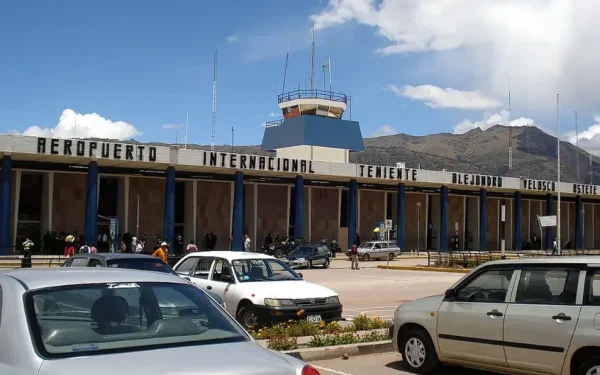
As a key regional hub, the airport near Cusco Peru is small but functional, designed to handle high tourist traffic efficiently. The terminal is split into two floors. The ground floor handles all arrivals, baggage claim, and airline check-in counters. The second floor houses the security checkpoint, Cusco airport shops, and the departure gates. Do not expect the amenities of a massive international hub; there are no showers or sleeping pods, but the facilities are sufficient for a short wait.
The airport is equipped with basic necessities including restrooms, a small chapel, and medical services. Cusco airport shops on the second floor sell high-end alpaca clothing (brands like Kuna and Sol Alpaca), silver jewelry, and typical souvenirs. While convenient, the prices here are significantly higher than in the artisan markets of Pisac or Cusco city. If you forgot to buy a gift, the airport is a good last resort, but budget-conscious travelers should buy in town.
Luggage Storage and Lockers at Cusco Airport for Travelers
Is there Cusco airport luggage storage? Yes, this is a lifesaver for travelers heading to Machu Picchu for a quick trip who don’t want to drag large suitcases on the train (which has strict luggage limits). There is a “Left Luggage” (Guardarropa) service located on the ground floor near the main entrance/check-in area. Left luggage Cusco services charge a daily fee per bag, usually reasonable, and the facility is secure.
If you lose an item, the Cusco airport lost and found office is managed by the airport authority (CORPAC). It is located in the administrative offices. However, retrieving lost items can be a bureaucratic process. It is best to keep a close eye on your belongings at all times. If you lose something on the plane, you must contact the airline directly at their check-in counter, not the airport administration.
Where to Buy a Cusco Airport Sim Card and Money Exchange
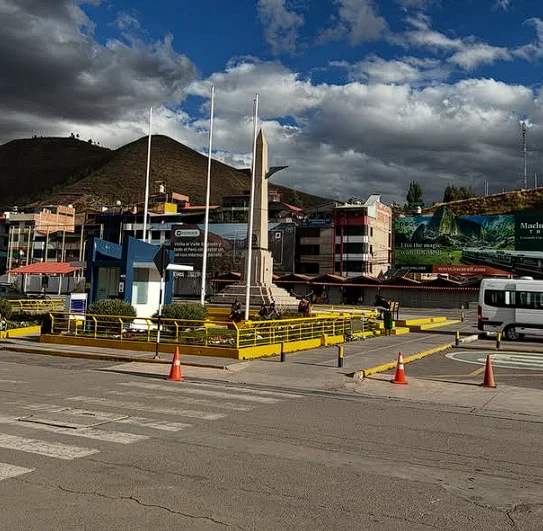
Accessing money is easy upon arrival. You can find Cusco airport ATM machines (GlobalNet, BCP, Scotiabank) in both the arrivals and departures halls. They dispense Peruvian Soles and often US Dollars. There are also currency exchange booths (Money Gram / Interbank), but be warned that the exchange rates at the airport are generally poor compared to the “casas de cambio” on Avenida El Sol in the city center. Exchange only a small amount for taxis and tips here.
Regarding connectivity, finding a Cusco airport SIM card can be tricky. There are sometimes kiosks for providers like Claro or Movistar in the arrivals hall, but they are not always staffed, and they often sell “tourist packages” that mark up the prices significantly. If the kiosk is closed or too expensive, it is usually better and cheaper to buy a SIM card at a shop in the city center where you can get a standard local rate.
Restaurants and Shops Available in Cusco Airport Departures
Once you pass through security to the gate area, options for Cusco airport food are limited but decent. There is no full-service restaurant, but there are several snack bars and cafes selling empanadas, sandwiches, coffee, and cakes. Prices are higher than in the city. For a more comfortable wait, there is a small Cusco airport lounge (often the VIP Club) available for Priority Pass holders or for a fee. It offers better Wi-Fi, comfortable seating, and complimentary snacks and drinks.
The Cusco airport shops in the departure area are perfect for last-minute purchases. You can find bookstores, chocolatiers selling Peruvian cacao, and duty-free style perfumes. Note that while it is an “international” airport, the duty-free selection is very limited compared to Lima, as most flights are domestic connections.
Best Hotels Near Cusco Airport and Accommodation Options
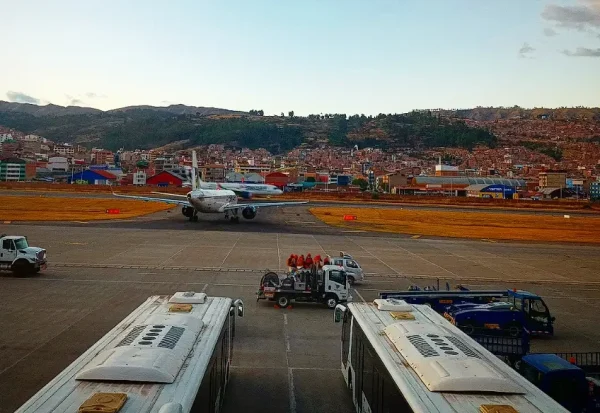
Staying at a Cusco airport hotel is a strategic move if you have a very early flight departing Cusco or if you land late at night and want to avoid the trek to the city center immediately. While there is no hotel physically attached to the terminal building, there are several hotels near Cusco airport reachable by a 5-minute walk or a very short taxi ride.
Cusco hotels near airport tend to be more modern and significantly quieter than those in the busy historic center, which can be noisy due to nightlife and traffic. Staying in this area (Wanchaq/San Sebastian) gives you a local feel and easy access to the terminal, removing the stress of morning rush hour traffic when you are trying to catch a flight. We have compiled a list of top-rated options below.
Top Rated Hotels Near the Airport
| Hotel Name | Approx. Distance | Rating | Ideal Guest |
| Wayqey Hotel | 500m (Walking) | 4.5/5 | Comfort Seekers (Rooftop Bar) |
| Sonesta Hotel | 1.2km (Taxi) | 4.5/5 | Luxury Travelers |
| Hospedaje El Chaski | 300m (Walking) | 3/5 | Budget Layovers |
| Mustapha’s House | 1km (Taxi) | 3.5/5 | Backpackers |
Based on the table above, the Wayqey Hotel stands out as the premier choice for convenience and quality, offering a blend of modern amenities within walking distance. The Sonesta Hotel provides a more upscale experience but requires a short taxi ride. For budget travelers, simple guesthouses like El Chaski offer a clean bed for a fraction of the price, proving that you don’t need to sacrifice your budget for proximity to the terminal.
Top Rated Hotels Within Walking Distance of Cusco Airport
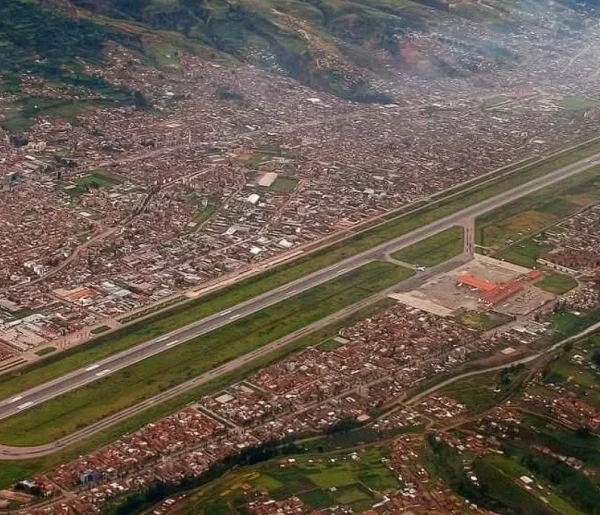
If you want the absolute closest airport to Cusco accommodation, consider the Wayqey Hotel. It is arguably the best-rated among hotels near Cusco airport and includes a rooftop bar with views of the city. Another solid option is the Sonesta Hotel Cusco, which is a short 5-minute drive away. These hotels offer reliable shuttle services and are accustomed to international travelers’ needs.
Walking from Cusco airport to hotel accommodation like Wayqey is possible and generally safe during the day, as it is just across the main avenue. However, at night, a taxi is highly recommended even for short distances due to dimly lit streets and the general rule of safety in a new city. The cost for this short ride should be minimal (5-10 Soles).
Travel from Cusco Airport to Plaza de Armas and Historic Center Hotels
Most visitors ultimately head to the historic center. The route from Cusco airport to Plaza de Armas takes about 20 to 30 minutes, depending on traffic. This is where the majority of tourist hotels, restaurants, and agencies are located. The taxi ride is the standard way to bridge this gap.
If you are staying at a luxury property like the Cusco airport to JW Marriott (which is located in the historic center, not at the airport), the hotel will usually arrange a private luxury pick-up for you. The drive from Cusco airport to Cusco city center takes you through the modern districts of Wanchaq before entering the cobbled, narrow streets of the colonial core. Be prepared for traffic jams during rush hour (7-9 AM and 5-7 PM), which can double the travel time.
Future Developments and the New Chinchero Cusco International Airport
The current Velasco Astete airport is operating well over its intended capacity. To address this and to drive economic growth, the Peruvian government is currently building the Chinchero Cusco International Airport. This Cusco new airport is located in the Sacred Valley town of Chinchero, approximately 30km northwest of Cusco city. The project is ambitious, designed to be a larger, modern facility capable of handling direct international flights from major cities like Miami, Madrid, or Sao Paulo, bypassing the current bottleneck in Lima.
This airport near Cusco is controversial but proceeding. Proponents argue it will boost tourism and export capabilities for the region. Opponents worry about the environmental impact, noise pollution in the Sacred Valley, and the threat to the archaeological integrity of the Chinchero area. Regardless of the debate, it represents the future of travel to Machu Picchu.
Status of the New Airport Construction and Expected Opening
The Chinchero airport project has faced numerous delays over the years due to contract disputes, archaeological findings, and political instability. However, as of 2025, construction is actively ongoing with earthworks largely completed and terminal structures beginning to rise. The new airport is tentatively scheduled to begin operations around late 2026 or 2027, though dates in Peruvian public works are often subject to change.
Until the Chinchero facility officially opens its doors, the Alejandro Velasco Astete airport remains the closest international airport to Cusco Peru. Travelers planning trips for 2025 and 2026 should continue to plan their logistics around the current city-center airport, but keep an eye on news for future trips.
How the New Airport Will Change International Flights to Cusco
Currently, almost all flights to Cusco airport must connect through Lima’s Jorge Chávez International Airport. This adds travel time and logistical complexity (collecting bags, re-checking). The new Chinchero airport will change this dynamic entirely. Cusco airport international flights will be able to land directly in the Sacred Valley.
This shift will significantly reduce travel time for tourists, allowing for “breakfast in Miami, dinner in the Sacred Valley.” It will likely increase the volume of flights to Cusco airport and change the flow of tourism, with more people potentially staying in the Sacred Valley first rather than Cusco city. This evolution will reshape the tourism landscape of the Andes in the coming decade.
frequently asked questions
No. Unlike major international hubs, the Alejandro Velasco Astete Cusco International Airport is not open 24 hours a day. Flight operations typically run from 5:00 AM to approximately 8:00 PM or 9:00 PM, depending on the season. The terminal building closes at night, so you cannot sleep inside the airport overnight.
The airport is located surprisingly close to the city center, approximately 5.5 kilometers (3.4 miles) away. A taxi ride from Cusco Airport to the Plaza de Armas usually takes between 20 to 30 minutes, depending on traffic.
Yes, there is a luggage storage service (called “Guardarropa”) located on the ground floor near the check-in area. It is a convenient option if you are traveling to Machu Picchu for a few days and do not want to carry your large suitcases on the train. They charge a daily fee per bag.
Yes, Uber and other apps operate in Cusco. However, drivers are not allowed to pick up passengers directly at the arrivals curb. You will likely need to exit the terminal building and meet your driver in the parking lot or on the main avenue outside. Be aware that the airport Wi-Fi is often unreliable for tracking your ride.
The Cusco Airport elevation is approximately 3,400 meters (11,152 feet) above sea level. This is significantly higher than Machu Picchu. Passengers often feel the effects of the altitude immediately upon landing, so it is recommended to walk slowly and hydrate right away to prevent altitude sickness (soroche).