Romantic Inca Poems or Harawis About Love and Loss
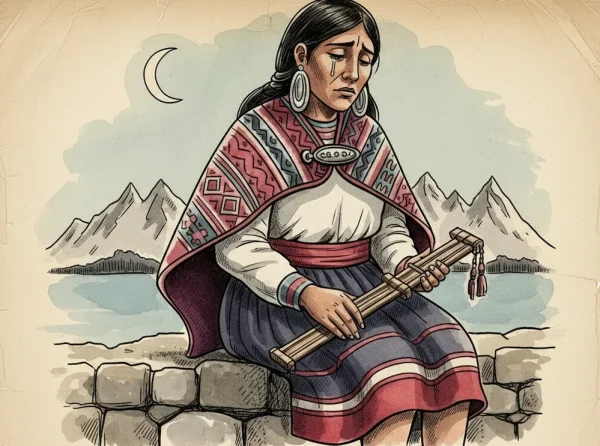
The Harawi is the most famous genre of inca poetry. It focuses on themes of melancholy love distance and the pain of separation. Unlike the epic verses that celebrate kings the inca poems in the Harawi style are intimate and personal. They often use nature metaphors to describe the feelings of the lover.
The inca full form of emotional expression is found in these verses which later evolved into the mestizo musical genre known as the Yaraví. Critics of inca poetry note that the sadness in these verses is profound. The concept of love in the Andes was often linked to suffering or "khuyay" which implies a mix of passion and compassion.
The inca poems belonging to this category do not shy away from the reality of heartbreak. When studying the inca full form of the Harawi we see that it was usually sung in a high register accompanied by the mournful sound of the quena flute. It represents the private voice of the individual within a highly collective society.
The Famous Quechua Poem Urpi Which Means The Dove
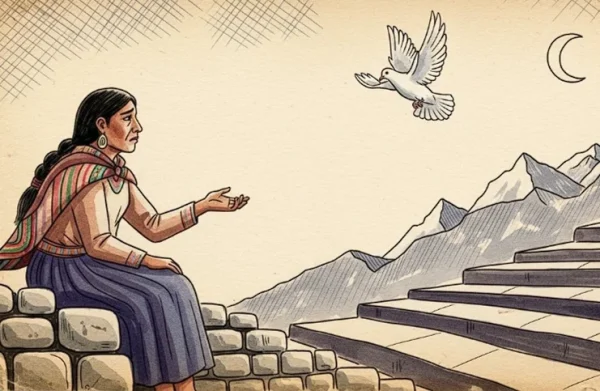
One of the most recurring symbols in inca poetry is the "Urpi" or dove. In the Andean worldview the dove represents the wandering lover or the beloved woman who is elusive. The inca poems dedicated to the Urpi often describe the bird flying away leaving the poet in solitude.
This metaphor is powerful because it connects human emotion with the natural world. The inca poetry regarding the Urpi is tender and delicate. The poet asks the dove not to fly over the mountains or to return to the nest. These inca poems are still recited today in rural communities.
The image of the dove captures the essence of fleeting beauty and the fragility of romantic relationships. It is a testament to how the Incas used simple observation of nature to explain complex emotional states.
The Tragic Love Story in the Poem Manchay Puito
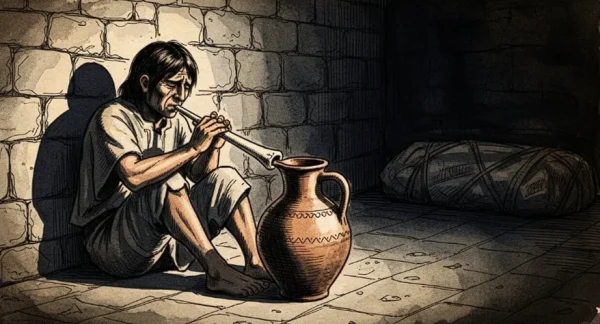
The Manchay Puito is perhaps the darkest and most intense example of inca poems. The title translates roughly to "Terrifying Hell" or "Pot of Terror" and refers to a legend of a lover who could not accept the death of his beloved. In the realm of inca poetry this narrative stands out for its gothic elements.
The story tells of a priest or a noble who digs up the body of his lover and plays a flute made from her bone to stay connected to her soul. This piece of inca poetry illustrates the desperate side of Quechua literature. It is not just about sadness but about madness driven by grief.
The inca poems within this tradition serve as a warning about the dangers of excessive attachment. The melody associated with the Manchay Puito was forbidden in some areas because it was believed to be so sad that it could cause death or summon spirits.
The Verse of the Separated Lover in the Harawi Tradition
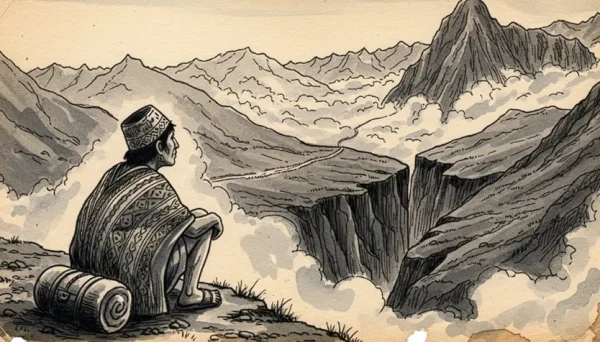
The core theme of the Harawi inca poetry is the "Ayataqui" or the song of the dead but it is also the song of the distance. The separated lover is a stock character in inca poems. The verses describe the physical geography that separates the couple.
Mountains rivers and valleys become obstacles that the poet laments. In these inca poems the lover often asks the elements to carry a message. The wind or the river becomes a messenger. This demonstrates the animistic view of the world found in inca poetry.
Everything is alive and can help or hinder the lovers. The pain expressed is raw and honest making the Harawi a timeless genre that resonates even with modern readers who have experienced long distance relationships.
War Poems and Heroic Victory Songs Known as Hayllis
In contrast to the sad Harawi the Haylli represents the triumphant side of the culture. People often ask is it inca or incan when referring to these songs. Grammatically "Inca" is the noun and "Incan" is the adjective but scholars prefer using Inca for both. The inca full form of military celebration is encapsulated in the Haylli.
These were choral songs performed by the army and the community to celebrate a victory in battle or a successful harvest. The Haylli was a collective expression of joy. While the Harawi was for the individual the Haylli was for the state. When discussing is it inca or incan literature the Haylli is the genre that served the political interests of the empire.
The inca full form of the Sapa Inca was glorified in these verses. They were loud rhythmic and often accompanied by drums and dancing. This duality between the sad Harawi and the joyous Haylli shows the balance or "Yanantin" in Andean life.
The Haylli Dedicated to the Triumph Over the Enemies
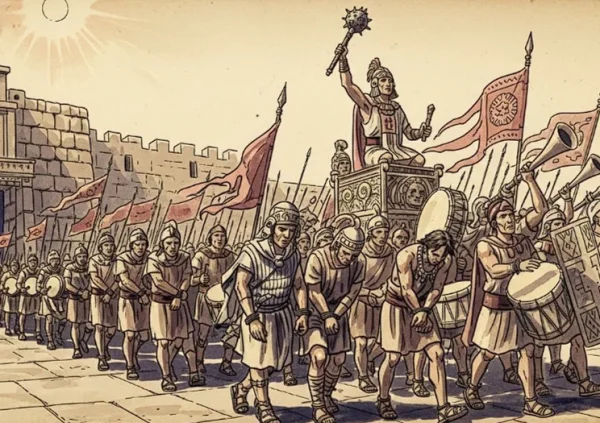
The military Haylli was designed to boost morale. These inca poems recounted the bravery of the soldiers and the strategic genius of the generals. When asking is it inca or incan history we must look at these oral records. They functioned as propaganda ensuring that the population knew about the expansion of the empire.
The lyrics of these inca poems often mocked the defeated enemy and praised the protection of the Sun God. They were performed in the main plaza of Cusco upon the return of the army. The structure of the poem often involved a call and response between the men and the women making it a participatory event.
Chants Celebrating the Power of the Sapa Inca Warrior
The ruler was the central figure in inca poetry related to war. The inca full form of his title was "Sapa Inca" or "The Only Inca" and the poems elevated him to a divine status. The chants described him not just as a king but as a force of nature. His anger was like thunder and his mercy like the rain.
These inca poems were carefully composed by the court poets. They ensured that the legacy of the ruler was preserved. In a society without writing the inca poetry acted as the history book. By memorizing these chants the people learned the genealogy and the deeds of their leaders ensuring that the inca full form of their authority was respected across the four regions of the Tawantinsuyu.
Sacred Verses Dedicated to the 3 Inca Gods Viracocha Inti and Pachamama
Religion was the foundation of the state and inca poetry was the language of prayer. The 3 inca gods that appear most frequently in the sacred verses are Viracocha the creator Inti the sun and Pachamama the earth. These poems are distinct from the Harawi and Haylli because they are solemn and reverent.
They were usually recited by the High Priest during major festivals like Inti Raymi. The inca poetry directed at the divine is complex. It uses high theology and philosophical concepts. The poets asked the 3 inca gods for order balance and sustenance. These verses reveal that the Incas were not just sun worshippers but had a sophisticated understanding of the cosmos and the invisible forces that govern the universe.
The Prayer to Viracocha Lord of the Universe or Apu Kon Titi Wiraqucha
Viracocha is the abstract creator figure in the Andean pantheon. The inca poems dedicated to him are among the most beautiful and philosophical. He is often addressed as "Apu Kon Titi Wiraqucha." In these verses the 3 inca gods hierarchy places Viracocha at the very top as the source of all power.
One famous prayer asks Viracocha to let the sun and moon remain young and to keep the world from falling into chaos. This inca poetry shows a fear of the universe ending. The language used is formal and archaic. It reflects a deep desire for stability and permanence. The inca poems to Viracocha are less about asking for favors and more about acknowledging his supreme authority over existence.
Salutation to the Sun God Inti for Protection and Strength
Inti was the visible patron of the empire. The inca poetry dedicated to the Sun is filled with gratitude. The verses thank Inti for the warmth that allows crops to grow. Among the 3 inca gods Inti was the most politically important because the Sapa Inca claimed to be his son. The inca poems for Inti were recited at dawn.
They ask for "heat and light" and for the protection of the royal family. The imagery in this inca poetry focuses on gold brilliance and energy. It is a celebration of life and vitality connecting the celestial body directly to the prosperity of the human realm.
Devotional Verses to Mother Earth or Pachamama for the Harvest
Pachamama is the deity closest to the common people. The vine poems and agricultural chants are often directed at her. While Viracocha is distant Pachamama is present in the soil. The 3 inca gods triad is completed by her feminine energy. The verses ask for permission to break the ground and plant the seeds.
These vine poems or nature verses describe the earth as a mother who nurses her children. The inca poetry for Pachamama is humble. It acknowledges that humans are dependent on her generosity. The rituals involving these poems often include offerings of coca leaves and chicha showing the reciprocal relationship between the Andean people and their environment.
Nature Imagery and Agricultural Vine Poems in Quechua
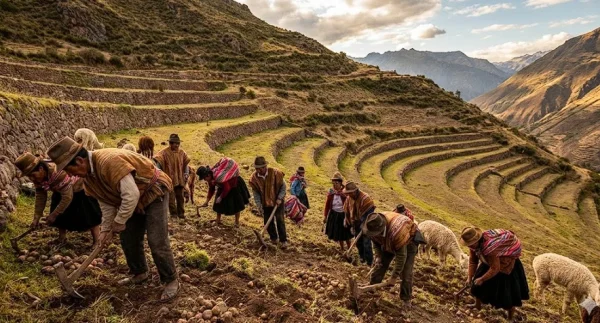
The Quechua language is inherently connected to the landscape. Inca poetry is saturated with references to water stone plants and animals. The term vine poems refers to the verses that describe the growth of plants and the entanglement of nature. The Incas saw the world as a living organism and their literature reflects this biological connection.
In these vine poems the growth of corn or potatoes is treated with the same reverence as the birth of a child. Inca poetry does not separate man from nature. The metaphor of the vine climbing the wall represents the connection between the earth and the sky. These poems were utilitarian as well helping farmers remember the timing for planting and harvesting.
The Beautiful Legend of the Rain Princess in the Poem Sumaq Ñusta
One of the most preserved inca poems is "Sumaq Ñusta" or "Beautiful Princess." It tells the story of a princess in the sky whose brother breaks her water jug causing thunder and rain. This fits into the category of vine poems because it explains the irrigation from the heavens that allows the vines and crops to grow.
The inca poems like Sumaq Ñusta served as meteorological myths. They explained weather phenomena through narrative. The poetry is lyrical and soft mimicking the sound of falling rain. It is a prime example of how vine poems and nature myths were used to educate the population about the water cycle in the Andes.
Songs for the Corn Planting Season and Vine Poems
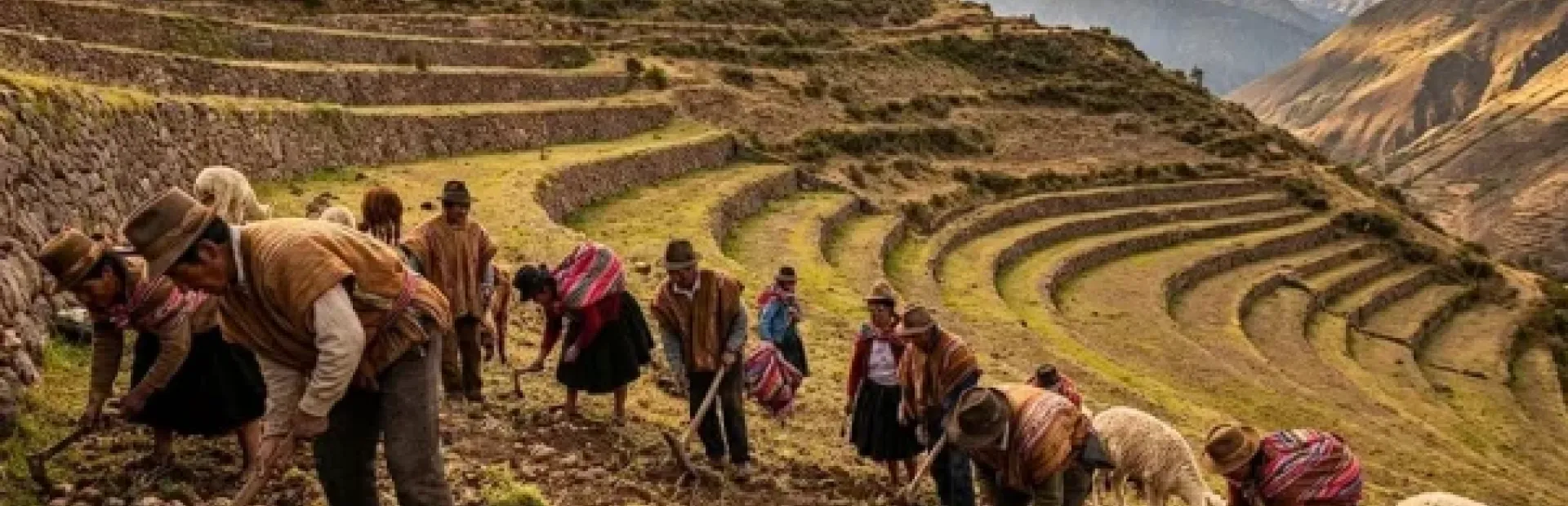
Corn or Sara was a sacred crop. The vine poems dedicated to the planting season are rhythmic to match the work of the hoe. Inca poetry was often functional. People sang while they worked to keep the rhythm and make the labor lighter. These vine poems celebrate the "Mama Sara" or Mother Corn.
They describe the green shoots rising from the earth. The imagery is vibrant and green. The inca poems for planting are optimistic full of hope for a bountiful future. They remind the workers that their labor is a sacred duty to sustain the community and honor the gods.
Famous Elegies and Historical Poems of the Incas
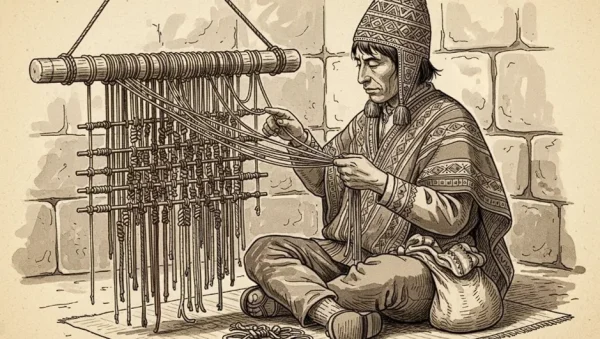
The Incas used poetry to remember the past. Since they had no writing people often ask what is quipus from the inca and how it related to literature. The Quipu was a system of knots used for accounting but the "Amautas" or wise men used them as mnemonic devices to recite historical inca poems.
These elegies recorded the lives and deaths of the kings. The historical inca poetry was serious and factual but often embellished with mythological elements. When a king died the poets composed elegies to mourn his passing and celebrate his achievements. Understanding what is quipus from the inca helps us appreciate the complexity of this oral library where a knot could represent a battle or a year of reign.
The Elegy Apu Inca Atawallpaman Mourning the Death of the Emperor
The most famous elegy is "Apu Inca Atawallpaman" which mourns the death of Atahualpa the last emperor executed by the Spanish. This piece of inca poetry is heartbreaking. It describes the sun turning black and the earth refusing to bear fruit. The inca poems written after the conquest are filled with apocalyptic imagery.
This elegy marks the end of an era. It uses the structure of the traditional Harawi but applies it to the death of the empire itself. The inca poems from this period capture the trauma of the collision between two worlds. They are essential for understanding the indigenous perspective of the conquest.
How These Stories Were Preserved via What Is Quipus from the Inca
To answer what is quipus from the inca we must look at the "Quipucamayoc" or the keeper of the knots. These specialists used the cords to trigger their memory. While the knots recorded numbers the texture and color could help them recall specific inca poems or historical events.
The inca full form of recording history was a combination of tactile data and oral performance. The what is quipus from the inca system was unique in the world. It allowed the administration to keep track of tribute and the poets to keep track of verses. Unfortunately many Quipus were destroyed by the Spanish who thought they were unholy. This loss makes the surviving oral inca full form of poetry even more valuable as a link to the past.
Educational Activities and 8 Inca Facts for Students
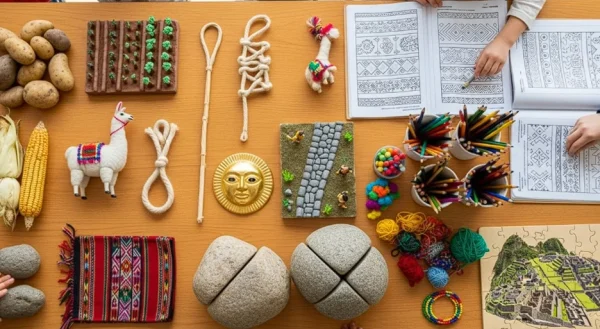
Teaching inca poetry in the classroom is a great way to connect history with literature. We have compiled 8 inca facts that highlight the ingenuity of this civilization and we explore them in detail below.
8 Inca Facts About How They Memorized Poetry Without Writing
These facts demonstrate how the inca full form of communication thrived without the written word.
Fact 1 The Role of the Amautas as Philosophers
The Amautas were the wise men and teachers of the empire. They were responsible for composing and preserving the inca poems. Unlike common citizens they were educated in the "Yachaywasi" or House of Knowledge. They ensured that the 8 inca facts about history were passed down accurately.
Fact 2 The Quipu as a Mnemonic Device
The question of what is quipus from the inca answers how they stored data. While mostly for numbers specific colors and knot positions helped the poets remember the structure of a narrative. This tactile memory aid was crucial for reciting long epic inca poems.
Fact 3 The Importance of Repetition and Rhythm
Oral societies rely on rhythm. The inca full form of poetry used repetitive stanzas to make memorization easier. By chanting the inca poems to a steady beat the brain could retain thousands of lines without effort.
Fact 4 Music as a Companion to Verse
Inca poetry was almost always sung. The melody acted as the glue for the words. Instruments like the tinyas (drums) and quenas (flutes) provided the background for the 8 inca facts of their history to be performed rather than just spoken.
Fact 5 Oral Tradition and State Control
The state controlled the narrative. The inca poems recited in public were approved by the Sapa Inca. This ensured that the inca full form of the official history was consistent across the empire preventing rebellion through propaganda.
Fact 6 Quechua Language Structure
Quechua is an agglutinative language meaning words are built by adding suffixes. This feature made it easy to create rhymes and meters in inca poetry. The structure of the language itself facilitated the creation of complex vine poems.
Fact 7 The Yanantin or Duality in Poetry
Inca thought is based on duality. Inca poems often pair opposites like male and female or sun and moon. This reflects the balance of the universe. The 8 inca facts about their philosophy show that poetry was a way to harmonize the world.
Fact 8 Punishment for Historical Inaccuracy
Reciting history was a serious duty. If an official poet made a mistake or changed the inca full form of a historical event they could face severe punishment. Accuracy in inca poetry was a matter of state security.
Step by Step Guide on How to Write an Inca Acrostic Poem
Writing an inca acrostic poem is a simple way to apply this knowledge.
Choosing Your Core Word
First select a word related to the Andean world. Common choices for an inca acrostic poem include INCA CUSCO or LLAMA. Write these letters vertically on a page.
Brainstorming Themes and Vocabulary
Next think of words associated with inca poems. Use terms like "Sun" "Gold" "Mountains" or "Empire". This step helps you connect the letters to the 8 inca facts you have learned.
Constructing the Verses
Finally create a sentence starting with each letter. For example I is for Inti. N is for Nature. C is for Civilization. A is for Andes. This inca acrostic poem exercise encourages creativity and helps retain the information about the inca poetry tradition.