Navigating the dramatic, high-altitude topography from the cobblestone streets of the Inca capital to the massive, sapphire expanses of the world’s highest navigable lake is a cornerstone of any South American itinerary. Travelers have four distinctly different transportation methods to bridge the gap between these iconic regions.
Whether you prioritize maximizing your vacation hours with a domestic flight, indulging in the golden age of rail travel aboard a luxury train, commanding your own schedule with a private overland expedition, or utilizing the highly efficient commercial bus network, the journey itself is spectacular. This comprehensive guide breaks down the visceral experiences, strict logistical realities, and precise transit data to help you select the optimal route for your specific travel standards.
Flights From Cusco To Lake Titicaca
For travelers operating on a rigid schedule where every vacation hour counts, securing a flight from cusco to lake titicaca is undeniably the most time-efficient strategy. It is imperative to understand that there are no direct, non stop flights bridging the Andes between these two hubs. All commercial aviation routes require a mandatory connection at Jorge Chávez International Airport in Lima (LIM).
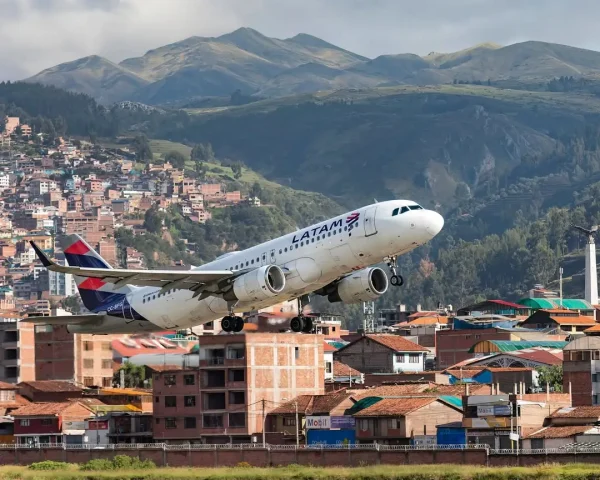
A standard itinerary involves a 90-minute flight descending from the highlands to the coast, a brief terminal layover, and a subsequent 100-minute flight ascending back into the high mountains. Even when factoring in terminal security protocols and connection times, the entire transit averages between four and six hours. Airlines like LATAM operate modern Airbus A320 fleets on this route, offering early morning departures that allow you to reach the lakeside with plenty of daylight left to acclimatize.
Juliaca Airport Arrival And Private Transfers
A critical logistical detail that frequently catches international travelers off guard is that Puno, the primary gateway city for the lake, does not possess a commercial aviation facility. Your flight will ultimately touch down at the Inca Manco Cápac International Airport, located in the sprawling, industrial city of Juliaca (JUL). Because Juliaca is situated approximately 44 kilometers (27 miles) across the flat altiplano from Puno, securing reliable ground transportation in advance is a strict necessity.
The drive takes roughly 45 to 60 minutes. Rather than haggling with unauthorized taxi operators outside the chaotic arrival terminal, high-value travelers must pre-arrange a private transfer. A professional driver waiting with a placard guarantees a seamless, secure, and climate-controlled transition directly from the baggage carousel to the lobby of your lakeside resort.
Luxury Train Ride From Cusco To Lake Titicaca
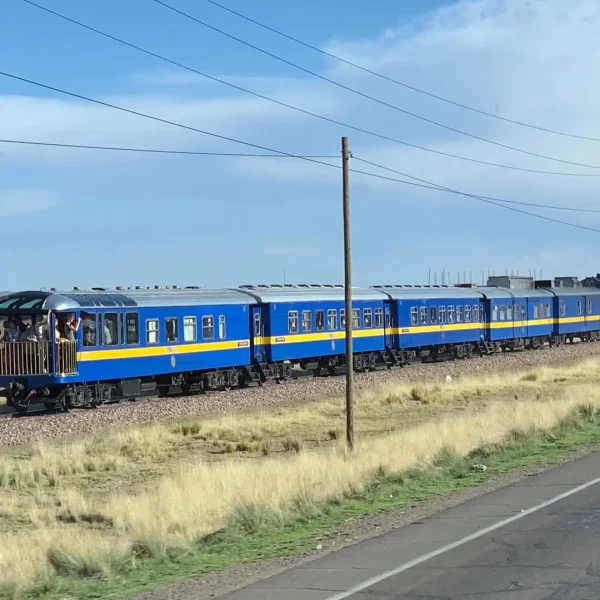
If you believe the journey holds as much significance as the destination, the train ride from cusco to lake titicaca provides a profoundly elegant, cinematic way to traverse the Peruvian highlands. Operating out of the Wanchaq Station, premium rail services like the Belmond Andean Explorer transform a standard 380-kilometer transit into a 10-hour rolling masterpiece.
This train to lake titicaca from cusco operates on a highly exclusive schedule—often departing only three times a week—making advanced reservations mandatory for those seeking to travel surrounded by 1920s-style Pullman carriages, polished mahogany paneling, and impeccable hospitality.
Onboard Experience And Dining
The onboard amenities are meticulously crafted to satisfy the most discerning luxury travelers. Passengers are granted exclusive access to an open-air observation car located at the rear of the train. This provides an unobstructed, glass-free balcony perfect for feeling the crisp mountain wind and photographing the sweeping altiplano, snow-capped peaks, and grazing alpaca herds.
The gastronomic offering rivals top-tier international restaurants. You will be served a three-course gourmet lunch featuring premium, locally sourced Andean ingredients—think tender alpaca tortellini, native organic tubers, and rich quinoa risottos. Accompanied by live traditional Peruvian music, an afternoon high-tea service, and a sophisticated lounge car serving expertly crafted Pisco Sours, this journey elevates overland travel into an unforgettable, mobile five-star hotel.
Private Tours From Cusco To Lake Titicaca
Travelers who demand total autonomy, privacy, and a highly personalized schedule should heavily consider booking tours from cusco to lake titicaca via a private vehicle. Securing a private tour from cusco to lake titicaca entirely eliminates the friction and rigid itineraries associated with commercial group transport.
You are not bound by strict 6:30 AM departure times or crowded cabins. Utilizing a modern, spacious SUV or an executive Mercedes Sprinter van, accompanied by a dedicated professional driver and an expert bilingual guide, ensures that your personal comfort and intellectual curiosity are the only factors driving the day’s events.
Customized Stops And Andean Landscapes
The absolute greatest advantage of utilizing private transit is the unparalleled ability to dictate your own timeline and explore lesser-known archaeological wonders deeply. Without the pressure of a 40-person tour group rushing you back to the bus, you can allocate ample time to wander beneath the towering, 12-meter-high adobe columns of the Temple of Wiracocha at Raqchi.
Furthermore, you can stop at the breathtaking La Raya pass to stretch your legs. At 4,335 meters, you can actually feel the bite of the thin air, photograph the dramatic glacial peaks, and purchase hand-woven textiles directly from indigenous artisans for as long as you desire, effectively turning a standard transit day into a deeply enriching cultural expedition.
Bus Travel From Cusco To Lake Titicaca
For those seeking the most commercially accessible and economically viable method, bus travel from cusco to lake titicaca provides highly reliable infrastructure. However, travelers must recognize that the bus from cusco to lake titicaca is distinctly divided into two entirely separate categories: full-day touristic excursions meant for comprehensive sightseeing, and direct transit routes designed purely for point-to-point efficiency.
Touristic Bus With Guided Excursions
Frequently marketed by local agencies as the “Route of the Sun,” this option serves as an excellent hybrid between overland transportation and a guided historical tour. Operated by reputable companies such as Turismo Mer and Inka Express, these modern, double-decker coaches turn the 10-hour drive into a highly educational adventure.
Departing early in the morning, the itinerary includes scheduled, professionally guided stops at major historical landmarks, including the ornate colonial church of Andahuaylillas—often dubbed the Sistine Chapel of the Andes—and the pre-Incan museum in Pucará. Crucially, the ticket includes a robust buffet lunch featuring regional cuisine in the rural town of Sicuani. It is the perfect logistical solution for travelers who wish to absorb the rich history of the southern corridor without the premium expense of a private vehicle.
Direct Bus Route Efficiency
If your primary objective is simply to reach the lake as quickly and affordably as possible, direct commercial bus services offer unmatched pragmatism. Leading transport companies such as Cruz del Sur and Transzela provide non-stop transit without any touristic detours, completing the drive in approximately 7 to 7.5 hours. For maximum efficiency, many travelers opt for the VIP night buses.
These premium coaches are equipped with fully reclining 160-degree “cama” (bed) seats, personal entertainment touchscreens, USB charging ports, privacy curtains, and thick thermal blankets. Booking an overnight transit is a highly effective strategy for budget-conscious travelers aiming to save the cost of a hotel room while sleeping comfortably through the journey, allowing them to arrive fresh and ready to explore the Uros floating islands at dawn.
Travel Logistics And Route Overview
Once you have determined your preferred method of getting to lake titicaca from cusco, mastering the technical logistics of the journey becomes paramount. Proper preparation regarding exact distances, high-altitude health management, and strict baggage restrictions will prevent any unexpected logistical hurdles regarding your transportation from cusco to lake titicaca.
Distance And Travel Time
The overland highway connecting the two regions covers a total distance of approximately 380 kilometers (about 236 miles) across paved, mostly well-maintained infrastructure. To aid in your trip planning, the table below outlines the precise time from cusco to lake titicaca and the distance from cusco to lake titicaca based on the transport method chosen.
| Transport Method | Route Distance | Estimated Travel Time | Comfort Level |
| Commercial Flight | N/A (via Lima) | 4.5 – 6 Hours | Moderate |
| Direct Express Bus | 380 km | 7 – 7.5 Hours | Moderate to High |
| Private Tour Van | 380 km | 8 – 9 Hours | Premium |
| Touristic Day Bus | 380 km | 10 Hours | Moderate |
| Luxury Train | 380 km | 10.5 Hours | Ultra-Luxury |
Altitude Considerations And Health
Altitude represents a serious physiological factor on this specific route, as you will be traveling through some of the highest continuously inhabited elevations in the Western Hemisphere. The absolute apex of the overland journey is the La Raya pass, peaking at a staggering 4,335 meters (14,222 feet) above sea level. Furthermore, the final destination of Puno is situated at 3,827 meters (12,555 feet), which is noticeably higher than the starting elevation in the Sacred Valley.
To prevent the onset of Acute Mountain Sickness (AMS), it is imperative to maintain aggressive hydration levels, consume traditional coca tea, and avoid heavy, difficult-to-digest meals or excessive alcohol during the transit. If you are particularly susceptible to altitude issues, consult a medical professional about carrying preventative medication, such as Acetazolamide, prior to beginning the ascent.
Luggage Policies For Transport
Luggage restrictions vary dramatically depending on the specific transit operator you select, making your packing strategy a vital component of the trip. If you are flying, domestic Peruvian airlines strictly enforce checked baggage weight limits—usually capped at exactly 23 kilograms (50 lbs)—and excess weight fees at the check-in counter can be exorbitant.
Aboard the luxury train, cabin space is treated at an absolute premium; passengers are strongly advised to bring only a soft-sided overnight duffel bag to keep with them, while larger, heavy hardshell suitcases must be checked into a completely separate baggage storage car for the duration of the ride.
Commercial bus companies are generally more accommodating, allowing up to 20 kilograms in the lower storage compartments, but travelers must ensure their bags are securely tagged and should permanently keep all valuable electronics, passports, and essential travel documents in a small carry-on backpack at their seat.
Frequently Asked Questions (FAQ)
No, there are no direct, non-stop flights bridging these two hubs. All commercial flights require a mandatory connection at Jorge Chávez International Airport in Lima (LIM). The entire transit, including the layover, averages between 4.5 and 6 hours.
You will need to fly into the Inca Manco Cápac International Airport, located in the city of Juliaca (JUL). Puno, the primary gateway city for the lake, does not have its own airport and is roughly a 45 to 60-minute drive from Juliaca. Pre-arranging a private ground transfer is highly recommended.
The direct bus is designed purely for point-to-point efficiency, taking about 7 to 7.5 hours with no detours (frequently offering VIP overnight options with lie-flat seats). The touristic bus (often marketed as the “Route of the Sun”) takes around 10 hours and includes professionally guided stops at historical landmarks along the way, plus a robust buffet lunch.
Yes. You can book a luxury train ride, such as the Belmond Andean Explorer. The journey takes approximately 10.5 hours and features an open-air observation car, a three-course gourmet lunch, and live music. Because it operates on an exclusive schedule (often just three times a week), advanced reservations are mandatory.
The overland highway connects the two regions over a distance of approximately 380 kilometers (236 miles). Travel times vary depending on the method:
- Direct Express Bus: 7 – 7.5 Hours
- Private Tour Van: 8 – 9 Hours
- Touristic Day Bus / Luxury Train: 10 – 10.5 Hours
It is a serious factor to consider. The highest point of the journey is the La Raya pass at 4,335 meters (14,222 feet), and Puno sits at an elevation of 3,827 meters (12,555 feet). To prevent Acute Mountain Sickness (AMS), travelers should stay aggressively hydrated, drink traditional coca tea, and avoid heavy meals and alcohol. Consult a medical professional regarding preventative medication if you are susceptible.
Luggage policies vary significantly by operator:
- Flights: Domestic airlines strictly enforce a checked bag limit of 23 kilograms (50 lbs), with steep fees for excess weight.
- Luxury Train: Cabin space is limited. Passengers are advised to keep only a soft-sided duffel bag with them, as large hardshell suitcases must be checked into a separate baggage car.
- Buses: Generally accommodate up to 20 kilograms in the lower storage compartments. Always keep passports, electronics, and valuables in a small carry-on with you at your seat.