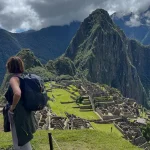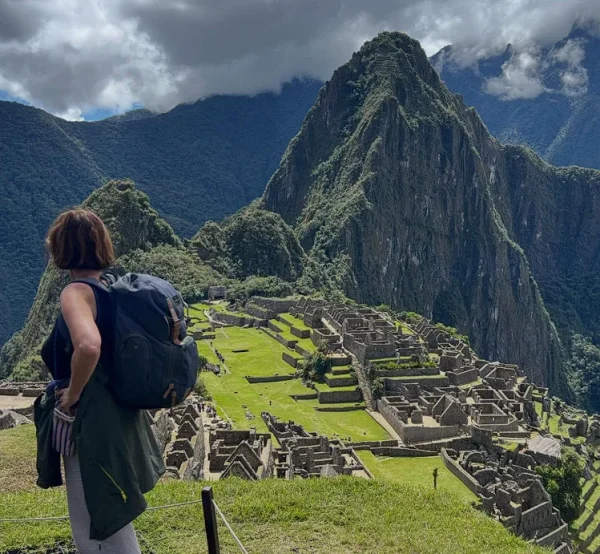
Historically, the primary reason why was machu picchu abandoned is that the Spanish invasion and a devastating Inca civil war in the 1530s completely destroyed its vital supply lines from Cusco. Without food, military protection, or elite funding, the remaining workers were forced to flee into the deep jungle to survive, leaving the royal estate to the wild cloud forest.
In the present day, the reason why machu picchu was abandoned during recent news events is entirely different. Authorities are frequently forced to evacuate and lock down the site due to severe structural sinking caused by mass tourism erosion, as well as violent local protests that physically blockade the only access railway.
Historical Theories On Why Machu Picchu Was Abandoned
Archaeologists have spent over a century analyzing soil samples artifacts and royal chronicles to solve this mountain mystery. The leading theories on why machu picchu was abandoned completely rule out alien invasions or sudden mass suicides. Instead the most scientifically backed reason for machu picchu why it was abandoned points to a brutal economic and political collapse. The mountaintop city was not self sustaining and relied heavily on constant imports from the capital which abruptly stopped arriving.
The Death of Pachacutec and the Decline of the Royal Estate
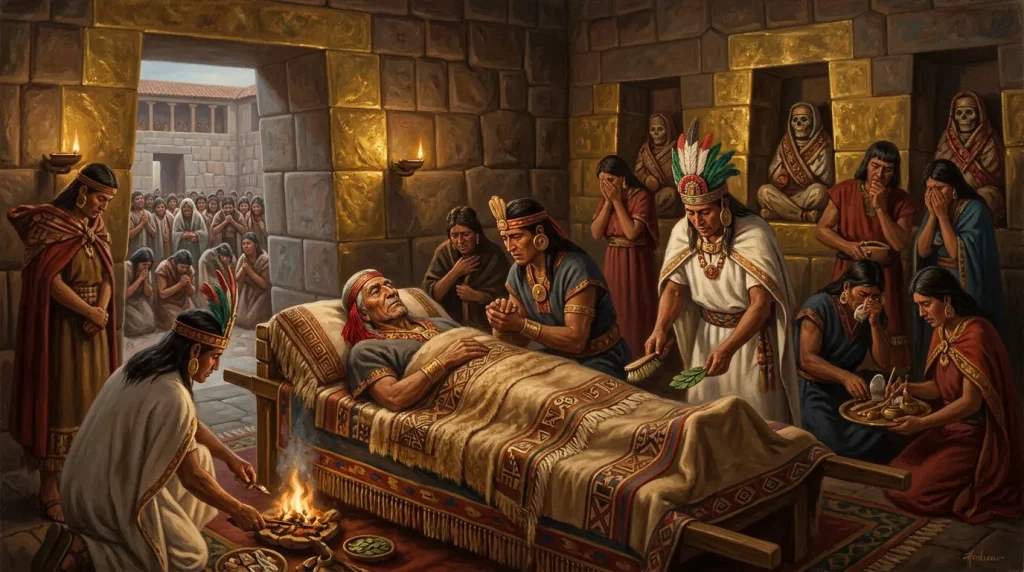
The magnificent citadel served as a private luxury vacation resort for Emperor Pachacutec. When people investigate why did the incas abandon machu picchu they must look closely at royal inheritance laws. Upon an emperors passing his property did not go to the next ruler. The new king had to build his own lavish palace elsewhere using new resources. Over the decades the maintenance funds for Pachacutecs estate simply dried up. This helps explain why did the inca abandon machu picchu gradually as fewer and fewer servants stayed behind to care for an aging empty retreat.
The Manco Inca Rebellion and the Siege of Cusco
Many history lovers want to know the exact timeline of when and why was machu picchu abandoned during the conquest. Around 1536 the rebel leader Manco Inca gathered every available man to fight the Spanish conquerors in Cusco. If you ask when was machu picchu abandoned by the inca why the answer points directly to this bloody uprising. The farmers and builders left the mountain terraces to join the rebellion or fled to the secret jungle city of Vilcabamba to hide from the European cavalry.
The Inca Civil War and the Spanish Invasion Impact
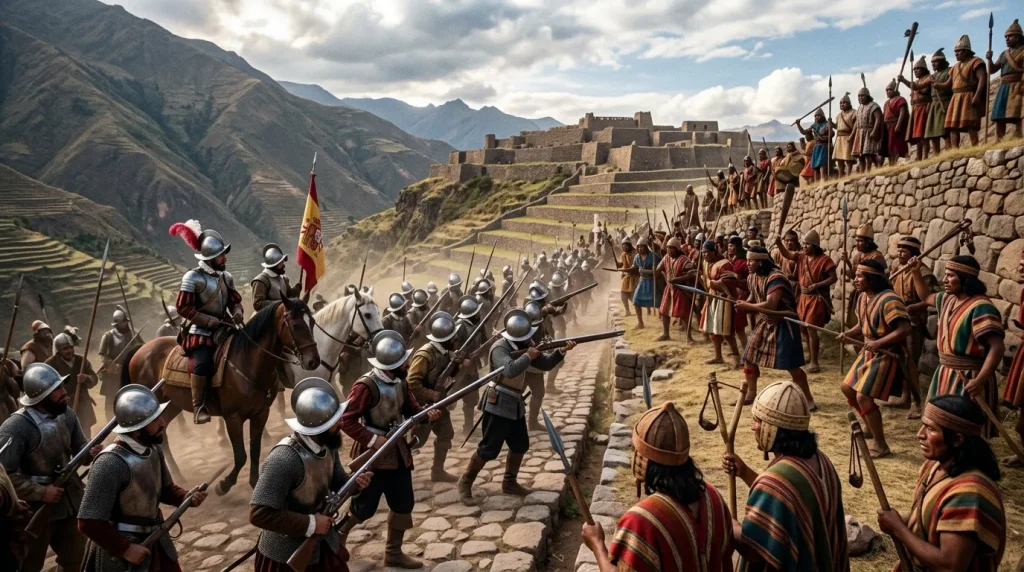
Before the Spanish galleons even arrived the empire was already bleeding from the inside. Two royal brothers Huascar and Atahualpa waged a devastating civil war for the throne. Understanding why was the city of machu picchu abandoned requires looking at this internal destruction which wiped out the agricultural workforce.
By the time Francisco Pizarro marched into the Andes the supply chains were completely broken. Why did they abandon machu picchu forever because the surviving elites retreated into the thick cloud forest leaving the magnificent stone temples to be swallowed by wild vegetation.
Machu Picchu Rediscovery and Ongoing Restoration Efforts
For nearly four hundred years the citadel slept silently under a massive canopy of vines orchids and thick moss. The primary reason why was machu picchu abandoned and forgotten by the outside world is its brilliant camouflage. The fleeing Incas deliberately destroyed the connecting mountain trails to ensure the Spanish conquistadors would never find their sacred temples.
Hiram Bingham Expeditions and Clearing the Overgrown Jungle
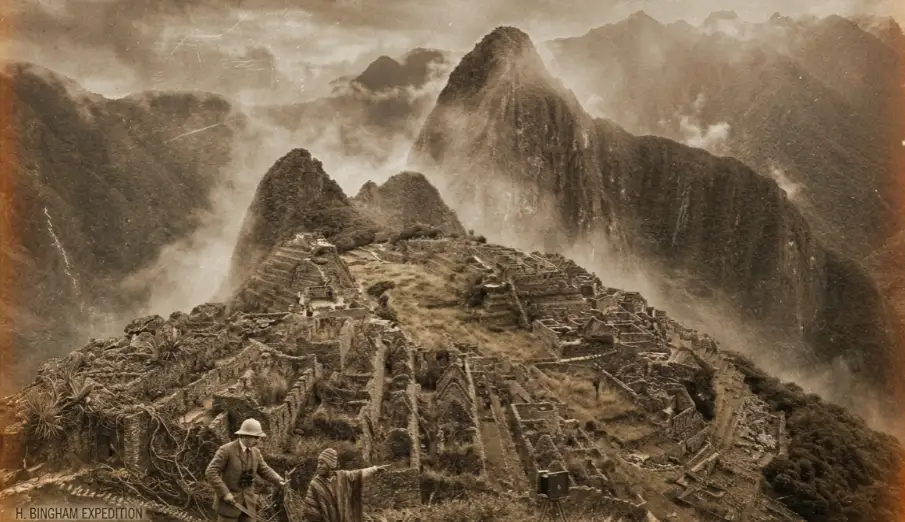
When American explorer Hiram Bingham arrived in 1911 guided by local indigenous farmers he found a jungle wasteland. His excavation team discovered compelling evidence revealing why did the incas abandon machu picchu in such an absolute panic. They uncovered half carved granite boulders left sitting in the quarries and unfinished temple walls proving the builders dropped their heavy tools and ran. Clearing the site took decades of brutal manual labor to reveal the stunning urban planning hidden underneath.
Modern Architectural Preservation and Stone Consolidation Work
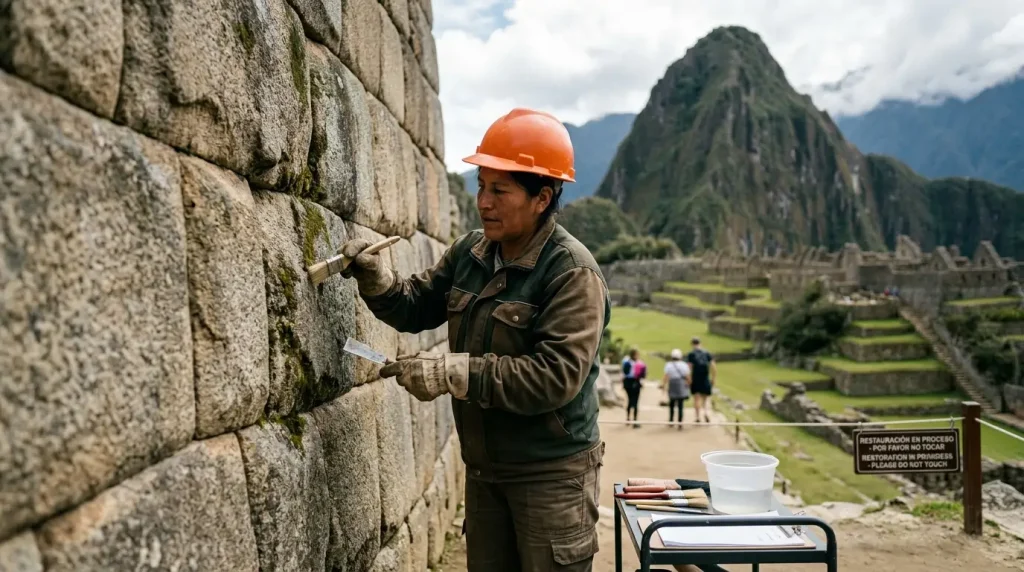
Today preserving the ruins requires a massive team of full time engineers and geologists. If you ever wonder why does the abandoned town of machu picchu draw admiration from modern architects it is because the Incas built the city directly on top of two active earthquake fault lines. They engineered a brilliant underground drainage system that prevented landslides for centuries. Modern preservationists work daily to consolidate these mortarless retaining walls so they do not collapse into the Urubamba river below.
Physical Deterioration and Structural Risks to the Inca Citadel
The cruel irony of the historic sanctuary is that modern global tourism now threatens to destroy what the wild jungle protected for hundreds of years. When researchers study why did machu picchu get abandoned originally they point to ancient warfare but the modern threat is purely physical destruction. The incredible weight of thousands of daily visitors is pushing the fragile agricultural terraces to their absolute breaking point.
Mass Tourism Soil Erosion and the Annual Sinking Process
Geologists have uncovered a terrifying modern reality. If you ask why is machu picchu abandoned by tourists during certain maintenance months the answer is that the ground is literally sinking. Over one million pairs of hiking boots pound the soft soil every year creating severe micro vibrations. This heavy foot traffic causes massive soil erosion leading travelers to search machu picchu why abandoned when they find out their favorite temples are permanently cordoned off with ropes to prevent the granite floors from caving in.
UNESCO Conservation Warnings and Site Capacity Restrictions
The United Nations has repeatedly threatened to place the site on the List of World Heritage in Danger. Understanding why was the machu picchu abandoned to the jungle originally motivates authorities to prevent a modern collapse. To halt the physical decay the Peruvian government implemented strict ticketing circuits and heavy daily capacity limits.
| Modern Conservation Risk | Physical Impact on the Ruins | Official Government Solution |
|---|---|---|
| Heavy Foot Traffic | Sinking floors and dangerous micro fractures in the stone temples | Implementation of five strict one way walking circuits |
| Excessive Rainfall | Mudslides threatening to wash away the steep agricultural terraces | Closing the Inca Trail entirely every February for heavy maintenance |
| Harmful Vibrations | Weakening and shifting of the mortarless stone walls | Banning high heels camera tripods and heavy backpacks inside the ruins |
Modern Social Conflicts and Temporary Closures in Aguas Calientes
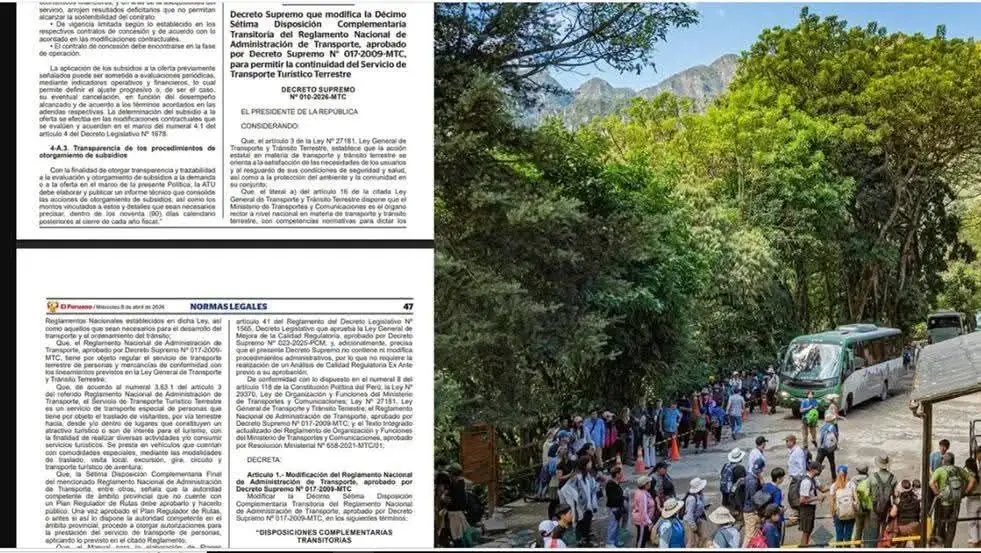
Beyond the structural decay the region suffers from intense political and social instability. Searching online for why machu picchu abandoned today often brings up breaking news reports of international tourists stranded in the town of Aguas Calientes. Severe local protests frequently force the entire archaeological park to shut its gates completely protecting visitors from potential violence.
Local Strikes and the Concetur Bus Contract Disputes
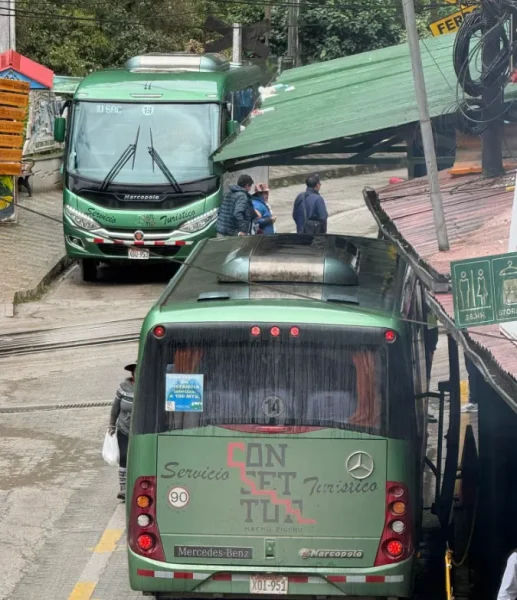
The only way to reach the entrance gates from the valley below without hiking is by taking a specific bus fleet operated by a local monopoly called Consettur. Violent local strikes frequently erupt over who controls this highly lucrative transportation route. During these protests the mountain roads are physically blocked with large rocks and burning tires. This explains exactly why was machu picchu abandoned by tour operators for days at a time while government officials negotiate with angry local transportation unions.
Ticketing Management Issues and Railway Blockades
In early 2024 the Peruvian Ministry of Culture attempted to privatize the electronic ticketing system to better control overcrowding. The local communities revolted aggressively arguing that foreign tech companies were stealing their indigenous heritage profits. The townspeople marched directly to the train tracks and blocked the only railway connecting Cusco to the ruins. For several days the trains stopped running providing a very real modern example of why was machu picchu abandoned as tourists had to evacuate the sacred valley by foot leaving the legendary stone city completely empty once again.