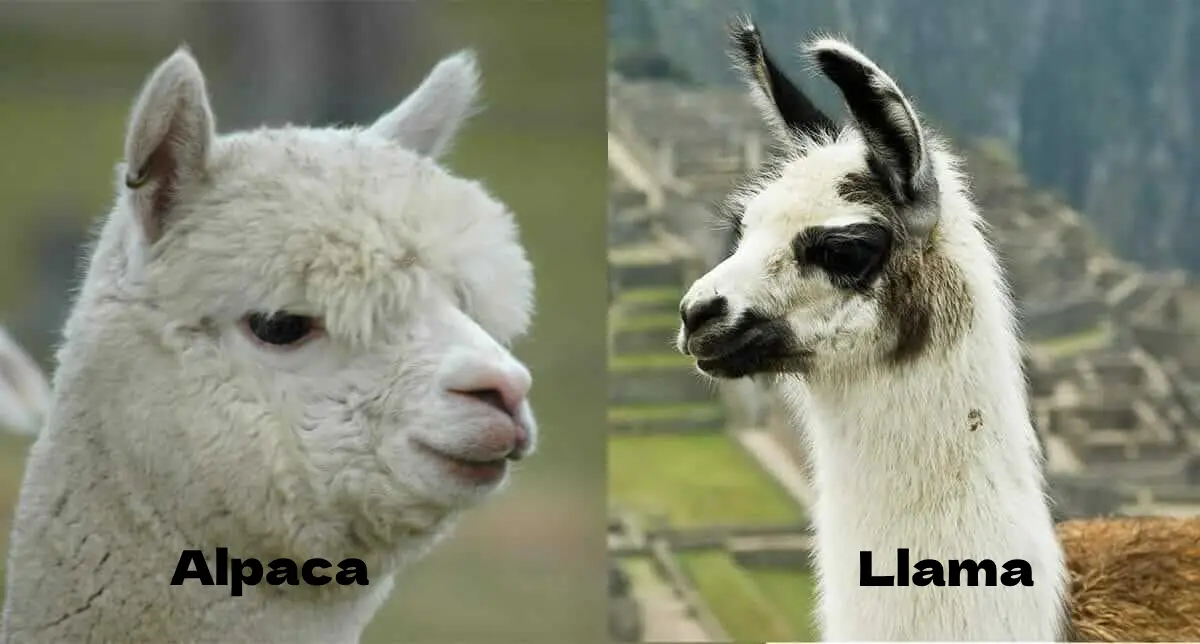
The primary difference between an alpaca and a llama comes down to their physical size their fleece texture and their historical working purpose. Llamas act as large sturdy pack animals built for carrying heavy cargo across high mountain passes. Alpacas remain much smaller and farmers breed them exclusively for their ultra soft luxury wool. Both belong to the camelid family but they play entirely different roles for Andean communities.

Are Llamas And Alpacas The Same Animal
They are absolutely not the same animal. Even though they look similar from a distance they evolved into two distinct species over thousands of years of domestication.
Andean communities selectively bred them to enhance specific physical traits ensuring each animal served a unique agricultural need.
Are Llamas And Alpacas Related
Yes they are closely related cousins. Both animals belong to the South American camelid family which also includes wild vicunas and guanacos.
They share a common genetic ancestor that adapted perfectly to the harsh high altitude environments of the Andes mountains.
| Feature | Llama | Alpaca |
|---|---|---|
| Average Weight | Up to 400 pounds | Around 150 pounds |
| Ear Shape | Long and curved like a banana | Short straight and pointy |
| Face Profile | Long snout with very little hair | Short blunt snout covered in thick fluff |
| Main Purpose | Carrying heavy cargo on treks | Producing high quality fine fleece |
| Temperament | Independent brave and protective | Shy gentle and herd oriented |
How To Tell The Difference Between Llamas And Alpacas
You can easily tell the difference between llamas and alpacas by looking at their ears and snouts. A llama has long curved ears shaped exactly like bananas and a longer face with very little hair.
An alpaca features short straight ears and a blunt face covered completely in thick fluffy wool. Size is another immediate indicator since a fully grown llama stands almost six feet tall easily towering over any alpaca.

Do Llamas And Alpacas Spit
Yes both animals will spit when they feel threatened annoyed or when fighting over food. Llamas are highly protective by nature and are much more likely to spit at humans if you invade their personal space.
Alpacas possess a shy gentle temperament and usually only spit at other herd members to establish dominance. Approaching them calmly ensures neither animal will bother you.

Can A Llama And Alpaca Breed
Because they share a close genetic background an alpaca and llama mix is entirely possible. Locals call this specific hybrid a huarizo.
A huarizo typically inherits the smaller body of an alpaca but keeps the long bare face of a llama. Farmers rarely breed them intentionally because their fleece quality drops significantly compared to a purebred alpaca.

What Is The Difference Between Alpaca And Llama Wool
The main difference in alpaca and llama wool lies entirely in softness and commercial value. Alpaca fleece is incredibly fine warm and lightweight making it a highly prized luxury material in the global fashion industry.
Llama wool feels much coarser and lacks that premium soft texture. Andean weavers use llama fiber strictly for heavy durable rugs or strong ropes while relying exclusively on alpacas for high end clothing.
What Do Llamas And Alpacas Eat
Both species are strict herbivores grazing on natural mountain grasses across the high altitude plains. Because llamas are larger they possess a robust digestive system capable of processing tough dry brush and thorny plants.
Alpacas have much more sensitive stomachs and strongly prefer eating soft tender pasture. Caretakers separate their feeding grounds based on these specific dietary requirements to keep the herds healthy.

Where To Find Pictures Of Llamas And Alpacas In Real Life
Viewing images of llamas and alpacas side by side online is helpful but interacting with them in person is a truly unforgettable experience. Throughout Peru you will easily spot both species roaming the Sacred Valley grazing near Rainbow Mountain or resting in the historic streets of Cusco.
Visiting a traditional community weaving center provides the absolute best opportunity to feed them safely and feel the exact texture difference in their fleeces.

Are You Ready To Meet Them
During your upcoming trip through the Andes take time to appreciate these magnificent creatures. Knowing how to tell the difference between llamas and alpacas is a fantastic way to understand the rich agricultural history of Peru and connect with local rural communities.
Frequently Asked Questions About Llamas And Alpacas
They are absolutely not the same thing. Llamas and alpacas are two entirely different species within the South American camelid family. While they share a common genetic background Andean communities domesticated them for completely different purposes over thousands of years.
The llama is significantly bigger and taller than the alpaca. A fully grown llama can weigh up to 400 pounds and stand nearly six feet tall at the head. An alpaca usually weighs around 150 pounds and is much shorter making the size difference instantly noticeable when they stand side by side.
Yes they can successfully breed to create a hybrid animal known as a huarizo. This llama and alpaca mix usually inherits the smaller body of the alpaca and the longer bare face of the llama. Farmers rarely produce them intentionally because their wool lacks the premium luxury quality found in purebred alpacas.
Both animals spit primarily as a natural defense mechanism when they feel threatened stressed or scared. They also use spitting to establish social dominance within their herds or to compete for food. Llamas are much more likely to spit at humans if provoked while alpacas generally reserve this behavior exclusively for other herd members.
The main difference lies entirely in softness and global commercial value. Alpaca fiber is incredibly soft fine and highly prized for making luxury clothing and warm blankets. Llama wool is much coarser and thicker making it suitable only for weaving heavy rugs strong ropes and sturdy carrying bags.