What Are Guinea Pigs Called in Peru and What Is Cuy
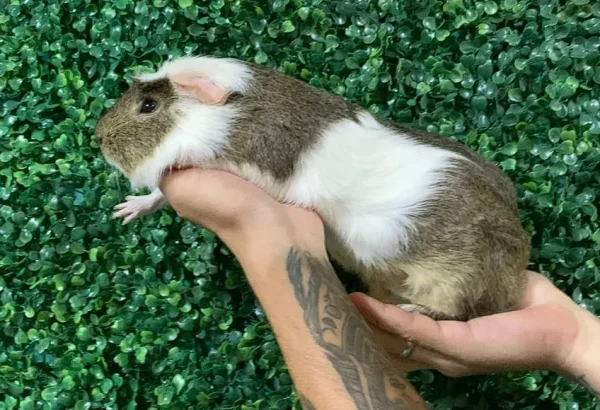
When traveling through the Andes, you will rarely hear the term "guinea pig" used by locals unless they are speaking English to tourists. So, what are guinea pigs called in Peru? The universal term is "Cuy" (plural: Cuyes). This name is onomatopoeic, derived from the indigenous Quechua language, mimicking the high pitched bird like sound (kwee kwee) the animal makes. If you are looking for guinea pig in Spanish Peru menus, simply look for the word "Cuy," often listed under "Platos de Fondo" (main courses) or distinct regional specialties.
The term Cuy guinea pig Peru represents more than just a biological classification; it represents the animal's function as livestock. In scientific terms, it is Cavia porcellus, but culturally, it is food and medicine. While "Cobaya" is another word for guinea pig en español Peru textbooks might use, in daily life, marketplaces, and restaurants, "Cuy" is the exclusive terminology. Understanding this distinction helps travelers navigate menus and respectful conversations with locals, acknowledging the animal's place in their agricultural history.
Why Do People in Peru Eat Guinea Pigs and Inca History
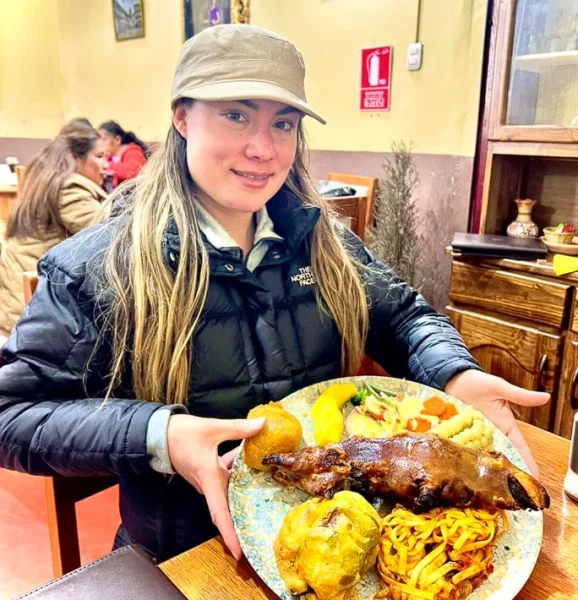
A common question from visitors is: why do people in Peru eat guinea pigs? The answer lies in the harsh geography of the Andes. High altitude farming makes raising large livestock like cows difficult and resource intensive. The history of guinea pigs in Peru stretches back over 5,000 years. These animals are small, reproduce rapidly, and can thrive on vegetable scraps and alfalfa in small indoor spaces. For the ancestors of the Incas, the Cuy was a highly efficient protein converter, providing essential nutrition without requiring vast grazing lands.
When asking "do they eat guinea pigs in Peru today?" the answer is a resounding yes, though it is often reserved for special occasions rather than daily consumption. The relationship between Peru and guinea pigs is woven into the spiritual fabric of the culture; they were often sacrificed in religious ceremonies to read the future or diagnose illnesses. Contrary to some misconceptions asking did guinea pigs come to Peru from Europe, the trajectory was the opposite. Spanish explorers discovered the animal in the Andes and brought it back to Europe, where it eventually became a pet, while it remained a vital food source in its homeland.
Are Guinea Pigs Native to Peru and Do They Live in the Wild
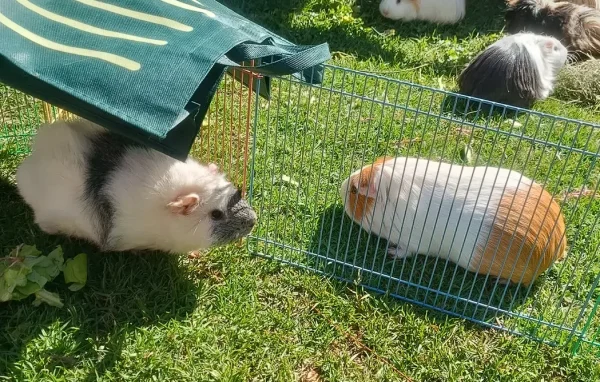
Yes, are guinea pigs native to Peru? Absolutely. The domesticated Cuy we see today descends from wild species that still inhabit the South American continent. The native guinea pig Peru boasts is specifically linked to the Cavia tschudii, a wild montane guinea pig found in the wetlands and rocky areas of the Andes. These animals were domesticated as early as 5000 BC by tribes in the Altiplano region around Lake Titicaca.
Regarding wild guinea pigs in Peru today, you are unlikely to see them scurrying across the Plaza de Armas, but they do exist in rural ecosystems. Wild guinea pigs Peru hosts are generally smaller, leaner, and more skittish than the plump domesticated varieties bred for consumption. Travelers hiking in remote areas or near agricultural fields in the highlands might occasionally spot these elusive ancestors, though the wild guinea pigs in Peru mostly stay hidden in tall grasses to avoid predators like eagles and foxes.
The Last Supper Peru Guinea Pig Painting in Cusco Cathedral
One of the most famous examples of religious syncretism (the blending of beliefs) is the Last Supper Peru guinea pig painting found in the Cathedral Basilica of Cusco. Painted by the indigenous artist Marcos Zapata in 1753, this masterpiece depicts Christ and his disciples dining not on bread and wine alone, but on a feast centered around a roasted Cuy. The Peru guinea pig Last Supper is a powerful symbol of how local artists adapted Catholic imagery to make it relatable to the indigenous population.
In the painting, the Last Supper with guinea pig Peru style shows the animal lying paws up on a platter in the center of the table. For the Andean people, a sacred feast without their most treasured meat would have been inconceivable. By replacing the traditional Passover lamb with a Cuy, Zapata elevated the status of the local food to something divine. This artwork is a must see for tourists in Cusco, perfectly illustrating the cultural fusion that defines the region, You can witness this masterpiece firsthand on our City Tour Cusco.
Traditional Peruvian Guinea Pig Dishes and How They Are Cooked
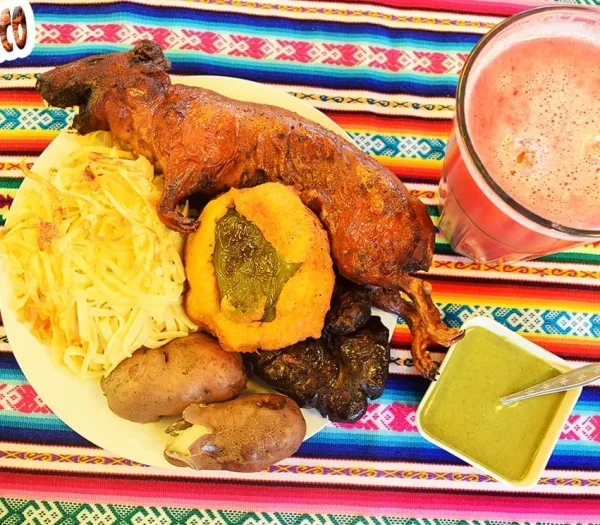
When ordering a guinea pig dish Peru style, be prepared for the presentation. In traditional guinea pig cuisine Peru restaurants, the animal is typically served whole head, teeth, paws, and all. For locals, seeing the head is a sign of freshness and authenticity. The meat is dark, rich, and closer to wild game than poultry. While modern fusion restaurants in Lima might debone the meat for a more "tourist - friendly" presentation, the authentic experience in the highlands involves navigating the bones yourself.
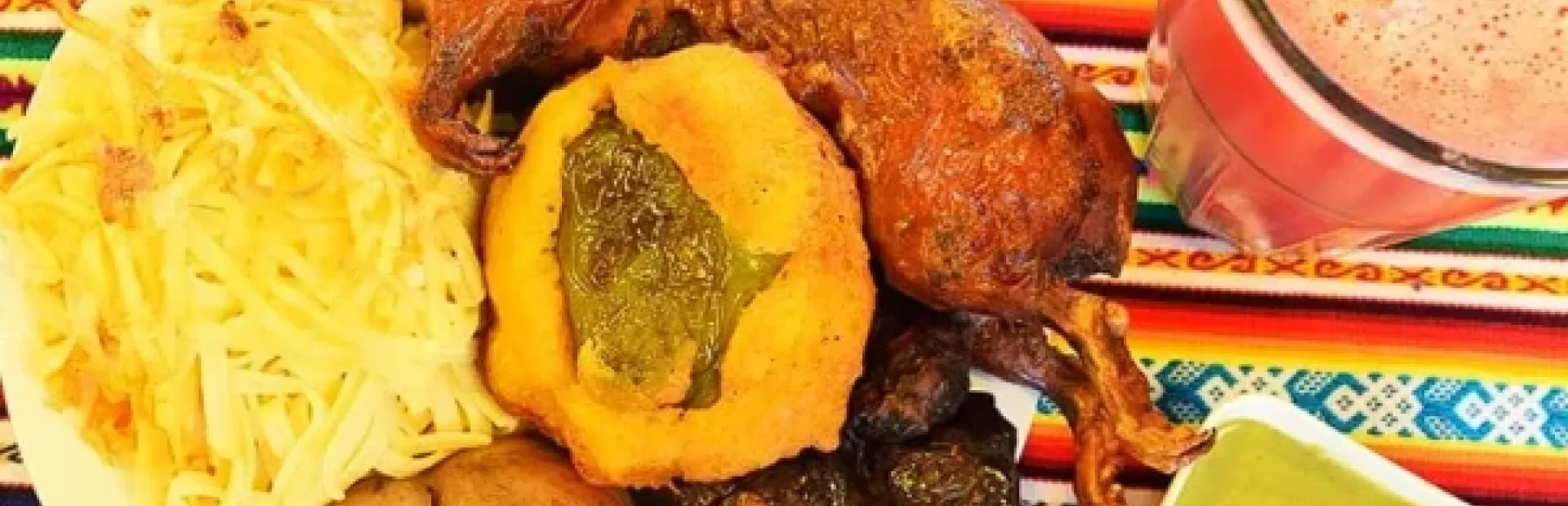
There are many guinea pig dishes in Peru, varying by region. In the north, it might be served in a stew with peanuts and chili peppers. However, the most iconic cooked guinea pig Peru offers is usually roasted or fried. A standard guinea pig recipe Peru chefs follow involves marinating the meat in garlic, salt, cumin, and ají panca (red pepper) for several hours to remove any gamey taste before cooking. Whether you choose the Peru guinea pig dish known as Chactado or Al Horno, expect it to be served with potatoes, corn, and spicy salsa.
Cuy Chactado: The Famous Deep Fried Guinea Pig Peru Style
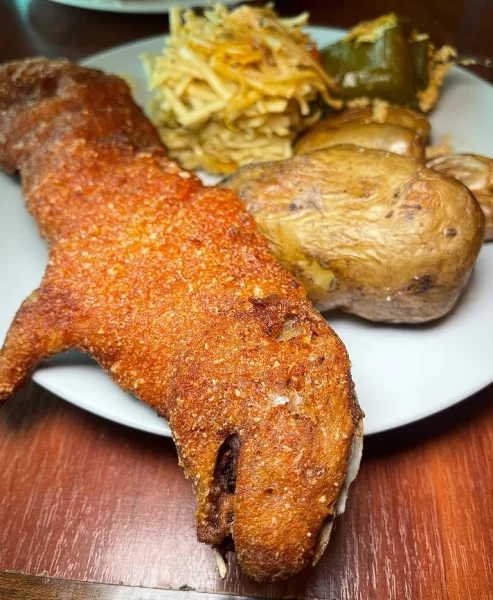
The most famous version in the Arequipa region is Cuy Chactado fried guinea pig Peru. The word "Chactado" refers to the method of cooking, where the animal is flattened. When cooking fried guinea pig Peru style, the chef places a heavy stone (chaquena) on top of the carcass while it fries in boiling oil. This weight ensures the skin cooks evenly and becomes incredibly crispy, similar to pork crackling (chicharrón).
Deep fried guinea pig Peru dishes are beloved for their texture. The meat inside remains moist, while the exterior is crunchy and golden. A proper Peru fried guinea pig is usually breaded with seasoned corn flour before hitting the oil. If you order this, you are meant to eat it with your hands, pulling the meat from the bones, making it a tactile and messy but delicious dining experience.
Cuy al Horno: Roasted Guinea Pig Peru and Oven Recipes
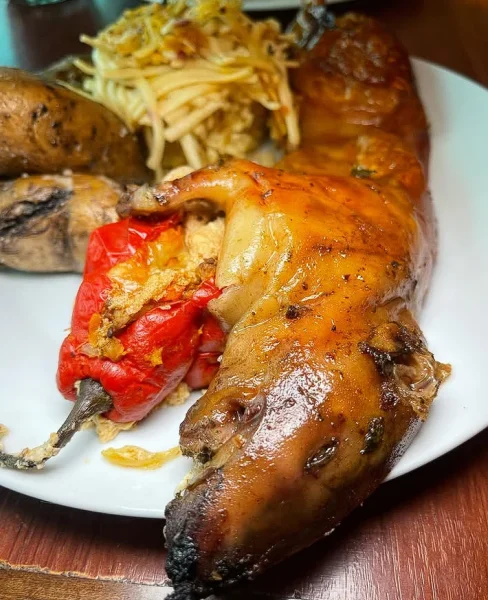
In Cusco and the Sacred Valley, the preferred preparation is Cuy al Horno, or roasted guinea pig Peru. This method involves baking the marinated animal in a wood fired clay oven. The Peru roast guinea pig is celebrated for its smoky flavor and tender meat. Unlike the fried version, roasting allows the fat to render slowly, basting the meat as it cooks.
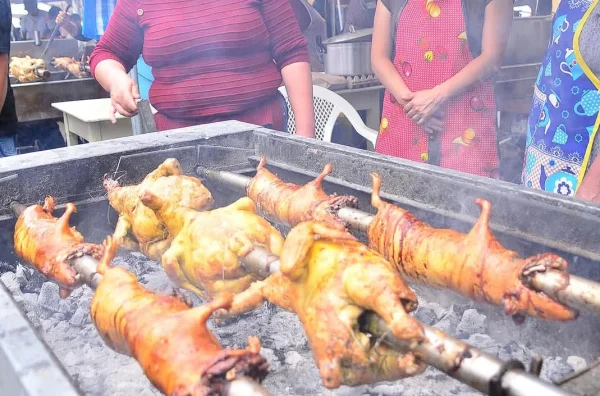
Sometimes, you may see guinea pig BBQ Peru style, where the animal is placed on a spit and rotated over open coals. This guinea pig roasted Peru technique is common in street markets and festivals. The result is a skin that is slightly chewy but flavorful, often stuffed with indigenous herbs like huacatay (black mint) to infuse the cavity with aromatic notes.
What Does Guinea Pig Taste Like and Is It Safe for Tourists
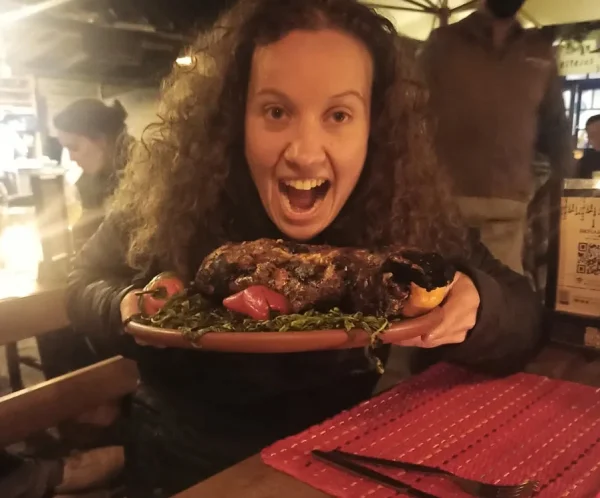
The million dollar question for adventurous eaters is: what does it taste like? Guinea pig meat Peru chefs prepare is often described as a cross between rabbit and the dark meat of a turkey or duck. It is not white meat like chicken; it has a richer, gamier profile. The texture is stringy but tender when cooked well. The skin is gelatinous and fatty, prized for its flavor. Indeed, is guinea pig a delicacy in Peru? Yes, it is considered a prestige food, served to honor guests or celebrate milestones.
Regarding health concerns, is it safe to eat guinea pig in Peru? generally, yes. It is a farmed animal, fed a vegetarian diet of alfalfa and grasses. As long as you eat at a reputable restaurant where the meat is fully cooked, there is little risk. The Peru delicacy guinea pig is high in protein and lower in fat than pork. However, diners should be careful with the tiny bones, which can be sharp. It requires patience to eat, but for those willing to try, it offers a true taste of the Andes.
Where to Eat the Best Guinea Pig in Peru and Cusco
Finding the best place to eat guinea pig in Peru depends on your comfort level. For a refined experience, a top tier restaurant Lima Peru guinea pig menu (like at Astrid y Gastón or Maido) might serve confit Cuy leg or Cuy tacos, removing the "shock value" of the face. This is often the best entry point for hesitant travelers.
However, for the most authentic guinea pig meal Peru has to offer, you must head to the highlands. The best guinea pig in Cusco Peru is often found in local "Picanterías" or specialized rustic restaurants. Here, the experience is traditional: whole roasted animals, large portions of potatoes, and chicha morada. If you want to eat guinea pig in Peru the way locals do, avoid the tourist traps on the main square and venture to the countryside or specialized towns.
Tipón: The World Capital of Guinea Pig Cuisine
Just 45 minutes south of Cusco lies Tipón, known unofficially as the guinea pig town Peru. This small municipality is the undisputed heartland of eating guinea pig in Peru. The main street is lined with dozens of massive, open air restaurants, each displaying roasted Cuys.
In this guinea pig village Peru, the competition is fierce, which ensures high quality and consistent turnover of fresh food. A trip to this Peru guinea pig village is a pilgrimage for foodies. The dishes here are larger than in the city, often accompanied by baked noodles (tallarín al horno) and stuffed rocoto peppers. It is the definitive place to experience the dish in its most celebrated form.
The Guinea Pig Festival Peru and Cultural Curiosities
The cultural connection goes beyond food. The Guinea Pig Festival Peru (Festival del Cuy) takes place in various towns, most notably in Huacho and parts of the southern highlands. These events feature the surreal spectacle of dressing up guinea pigs Peru style. Owners create elaborate miniature costumes traditional Andean ponchos, tiny hats, and even superhero outfits for their animals.
This guinea pig fashion show Peru is judged on creativity and the calmness of the animal. It reflects the deep affection locals have for the Cuy, even though they are livestock. The Peru guinea pig festival usually culminates in a culinary competition, highlighting the duality of the relationship: the Peru guinea pig dress up winner may eventually become dinner, illustrating a cycle of life that is viewed pragmatically in Andean culture.