For the civilization of the Andes, color was not merely a decorative choice; it was a language, a hierarchy, and a direct link to the divine. In a society that did not possess a written alphabet in the traditional sense, the meaning of Inca colors became a primary method of communication. From the intricate tunics of the nobility to the coded strings of the quipus, every shade held a specific significance that governed social status, religious rituals, and political administration. To understand the Inca Empire colors is to understand the Andean worldview itself a realm where the physical and spiritual worlds were woven together in vibrant threads.
The study of Inca colors reveals a civilization deeply attuned to their environment. Unlike European heraldry which relied on arbitrary symbols, the Andean palette was drawn directly from the cosmos and the earth. Gold wasn’t just wealth; it was the physical manifestation of the Sun God. Red wasn’t just passion; it was the color of conquest and blood lineage. As referenced in resources like the Ancient History Encyclopedia Inca colors sections, the manipulation of color through textiles was considered a higher art form than metallurgy, demonstrating that for the Incas, the mastery of pigment was the ultimate expression of power.
The Sacred Inca Color Code
- Puka (Red)
- The color of political power, conquest, and the blood of the lineage. Used in the Mascapaicha (imperial crown).
- Qori (Gold/Yellow)
- Represented the “Sweat of the Sun” (Inti). It was a divine color, never used as money, but as a link to the gods.
- Yuraq (White)
- Symbolized the Apus (mountain spirits), snow-capped peaks, and purity. Associated with white llamas and peace.
- Anqas (Blue)
- Represented the cosmic space and the life-giving waters of Mama Cocha (the sea and lakes).
- Q’omer (Green)
- The color of agriculture, the Antisuyu (jungle), and the sacred coca leaf.
The Sacred Inca Color Palette: What Each Color Represented

The ancient inca color palette was distinctively bold favoring high contrast combinations that vibrated with visual energy. To truly understand these textiles is to uncover deep inca symbols and meanings. The ancient weavers used these vibrant hues to fill in the sacred symbols of the incas transforming ordinary wool into a visual language.
Exploring these peruvian symbols and meanings reveals how every garment communicated an individual’s deep connection to the earth and the empire. The ancient inca cloth colors used in the tunics of the elites often featured geometric designs called Tocapus acting as a heraldic code for the wearer.
These squares of color were effectively a heraldic code, telling the viewer exactly where the wearer stood in the strict social hierarchy.When we analyze the color Inca textiles displayed in museums today, we see a dominance of reds, yellows, blacks, and whites. However, the sophistication lay in the meaning.
A specific checkerboard pattern of black and white might denote a military officer, while a vibrant vampire |red was reserved for the Sapa Inca (Emperor) himself. For Spanish chroniclers describing the colores que usaban los Incas (colors the Incas used), the visual impact of an Inca army or procession was overwhelming a sea of deliberate, standardized color designed to project the organized might of the empire.
What does the checkerboard pattern on an Inca textile indicate?
An Incan tunic divided into four parts with a checkerboard pattern of dark and vibrant red colors indicates that the wearer is a military officer or a royal escort. This design served as a standardized military uniform, projecting the power of the Tawantinsuyu (Inca Empire) and representing the land of the four quarters.
The Metallic Colors: Divinity and Astronomy

In the Andean worldview, metals were not economic commodities but sacred colors solidified into form. The colors of Inca metallurgy were strictly divided by their celestial associations. The duality of the universe male/female, sun/moon, day/night was reflected in the use of yellow and white metals. These were the most guarded Inca culture colors, restricted almost entirely to the religious and royal classes.
To wear these colors was to claim a direct lineage to the heavens. While commoners might wear dyed wool, the nobility adorned themselves in sheets of metal that reflected the light, literally turning their bodies into glowing beacons. This usage underscores that for the Incas, color was an active force, capable of channeling divine energy.
Inca Gold Color (Qori): The Sweat of the Sun God Inti

The Inca gold color (known as Qori in Quechua) was considered the most sacred hue in existence because it represented the “Sweat of the Sun.” Gold was the earthly physical state of Inti, the Sun God and father of the Inca lineage. Therefore, the Inca sun color was not used as currency; you could not buy a llama with a piece of gold. Instead, it was used to cover the walls of the Coricancha (Temple of the Sun) in Cusco, creating a blinding radiant sanctuary that mirrored the heavens.
When modern designers look for an Inca gold paint color or Inca yellow, they are trying to replicate this spiritual intensity. The Sapa Inca often wore golden jewelry and breastplates, ensuring that he shone with the same brilliance as his celestial father. This deep, warm yellow signified life, regeneration, and the masculine power that fertilized the earth.
Inca Silver Color (Qolqe): The Tears of the Moon Mama Quilla

Balancing the sun was the moon, represented by the Inca silver color (Qolqe). Silver was believed to be the “Tears of the Moon,” associated with Mama Quilla, the Moon Goddess and wife of the Sun. This Inca moon color represented the feminine aspect of the universe, the night, and the calendar cycles.
In terms of modern palettes, this shade is sometimes interpreted as a color greige Inca tone a natural, earthy metallic grey rather than a chrome polish. Silver objects were often used by the Coya (the Queen) and priestesses. The duality of Gold (Sun) and Silver (Moon) was central to Inca cosmology, representing the perfect balance required for agricultural fertility.
The Colors of Power and Nature
Beyond the metals, the ancient Inca Empire cloth colors carried heavy political weight. While there are similarities in Aztec and Inca art color usage both prizing red and turquoise the Inca usage was far more regimented regarding state administration. The dyes used for these colors were difficult to source, meaning that wearing a deeply saturated garment was a display of the empire’s trade reach and command over nature.
Inca Red (Puka): Blood, Conquest, and the Royal Mascapaicha

The power of this vibrant red is best seen in the military and royal garments of the era. For example when examining ancient artifacts you might study an incan tunic. The tunic is divided into four parts and is in a checkerboard pattern with darker and vibrant red colors. Which of the following describes the symbolism of the tunic above.
The symbolism is incredibly rich and covers multiple aspects of Andean society. The four part motif may refer to the land of the four quarters known as Tawantinsuyu. Additionally the checkerboard patterns are thought to designate military officers and royal escorts. Finally the colors and patterns appear to have been standardized like uniforms. Therefore all of the above elements perfectly describe how the inca civilization colors were used to project the organized might of the state.
However, its most vital role was in the Mascapaicha, the royal fringe or tassel worn on the Sapa Inca’s forehead. This red wool fringe was the Andean equivalent of a European crown. To “take the tassel” meant to assume the throne.
As the ultimate imperial Inca color, red dye (sourced from cochineal) was valued more highly than gold. Fine textiles dyed in deep crimson, known as cumbi, were given as gifts to loyal lords and conquered chieftains. Receiving a piece of red ancient Inca cloth colors was a diplomatic sign of favor, integrating the recipient into the Inca family while reminding them of the blood that would be spilled if they rebelled.
The Symbolism of the Checkerboard Tunic
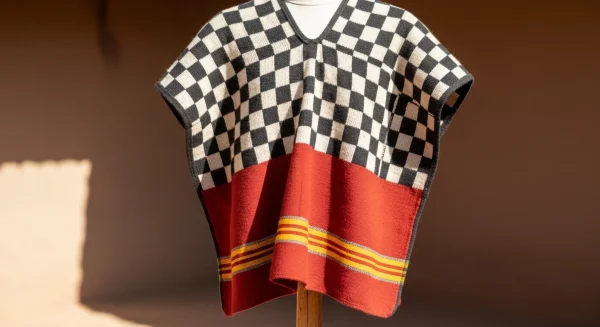
When studying the ancient garments of the nobility researchers often analyze specific and highly detailed artifacts. For example you might study an incan tunic. The tunic is divided into four parts and is in a checkerboard pattern with darker and vibrant red colors. When encountering such a striking piece of clothing many students and historians ask what does the checkerboard pattern on this inca textile indicate about the person wearing it.
The answer reveals the absolute genius of Andean political organization. Far from being a simple artistic preference this intricate design functioned as a strict visual hierarchy. The checkerboard patterns are thought to designate elite military officers and the most trusted royal escorts who protected the supreme leader.
Furthermore the specific four part motif may refer to the land of the four quarters known in the native language as the Tawantinsuyu. The colors and patterns appear to have been standardized like uniforms projecting the organized military might of the state. When someone wore this specific inca color combination everyone instantly recognized their high rank and their vital role in defending the empire.
Inca Black (Yana): The Concept of Time, Space, and the Milky Way

In Western culture, black is often associated with death or evil, but the Inca black color (Yana) held a profound, distinct meaning. In Andean astronomy, observers looked at the “Dark Cloud Constellations” the black spaces between the stars in the Milky Way (such as the Black Llama or the Toad). Therefore, black represented the tangible spaces in the universe, dimensions, and time.
Furthermore, Yana symbolized symmetry and duality (as seen in the Yanantin concept). Black was often paired with white in checkerboard military tunics to symbolize order and dominance over chaos. It was a color of structure and existence, rather than a void or negation of life.
Inca Blue (Anqas) and Green (Q’omer): Water, Rain, and Agriculture

The Inca blue color (Anqas) and Inca green color (Q’omer) were deeply tied to the physical survival of the empire. Green represented the rainforests (the Antisuyu region), maize crops, and the coca leaf, which was sacred. It symbolized growth and the tangible results of the earth.
The authentic inca blue was exceptionally rare in textiles but held immense significance among the beautiful colores incas. Achieving this specific hue required complex knowledge of native plants making it a highly prized element of inca traditional clothing. Together with vibrant greens these colores incaicos represented the vast sky and the life giving waters of the high mountains. They were deeply tied to the physical survival of the empire invoking the favor of the rain gods.
It represented the sky, but more importantly, water and rain the lifeblood of the high Andes. In a landscape often threatened by drought, the color blue invoked the favor of the rain gods. It linked the celestial lakes (the Milky Way) with the earthly lakes (like Titicaca) and the irrigation canals that fed the terraces.
Inca White (Yuraq): Clouds, Snow Peaks (Apus), and Peace

The Inca white color (Yuraq) was associated with the divine spirits of the mountains, the Apus. The snow capped peaks surrounding Cusco were considered powerful deities, and white symbolized their purity and power. White llamas were highly prized in the high Andes prompting many modern historians to ask what does a silver or white llama symbolize in the inca culture. The answer encompasses several sacred elements of the Andean worldview.
First and foremost these magnificent creatures represented absolute purity. Because of their rare unblemished coats they were considered the most perfect offering to the inca gods especially the Sun God Inti. Furthermore a silver or white llama was intrinsically linked to the inca ruler himself and was often paraded before military campaigns as a divine omen to ensure victory. By embodying purity the supreme leader the gods and military success these animals were the ultimate expression of the color white.
White also played a role in the legend of the Pururaucas the mythical stone soldiers that came to life to help the Inca Pachacuti defend Cusco. In various ceremonies, white signified peace, truce, and the clouds that brought the necessary rain, bridging the gap between the metallic gold sun and the green earth.
What does a silver or white llama symbolize in Inca culture?
In the Inca culture, a silver or white llama symbolizes purity, the Inca ruler, and victory. These rare animals were considered sacred omens and the most perfect offerings to the Sun God Inti, often paraded before military campaigns to ensure divine favor.
The Visual Language of Inca Civilization Colors
To truly comprehend the Andean past we must understand that inca civilization colors acted as a silent but immensely powerful language. The vibrant incan colors worn by the people dictated their exact place in society. A simple glance at the incas colors woven into a traditional mantle could immediately reveal a person’s home province their social standing and their specific profession.
The rich inca colours were strictly regulated by sumptuary laws meaning that commoners were absolutely forbidden from wearing the highly prized dyes that were reserved for the nobility. Every single thread had a purpose turning the bustling stone markets and royal plazas into a living breathing tapestry of inca empire colors that projected divine order.
Whether it was the deep crimson of a warrior or the golden yellow of a priest the mastery of an inca color was the ultimate display of harmony between human society and the natural world.
How Did the Incas Create These Colors? Natural Dyes

The brilliance of color Inca textiles is a testament to their advanced knowledge of chemistry and botany. Without synthetic chemicals, they managed to create dyes that have remained vibrant for over 500 years. The production of Inca dyes was a major industry, with tribute paid to the state in the form of raw dye materials. This required a deep botanical knowledge of the diverse ecosystems within the empire, from the coastal deserts to the Amazonian jungle.
To fix these colors to the wool (alpaca and vicuña) and cotton, they used mordants natural chemical binding agents like alum, copper sulfate, or even urine. This chemical process ensured that the dye bonded molecularly with the fiber, preventing fading. This technical mastery turned weaving into a technology as important as masonry.
The Cochineal Beetle: The Secret to the Inca Red
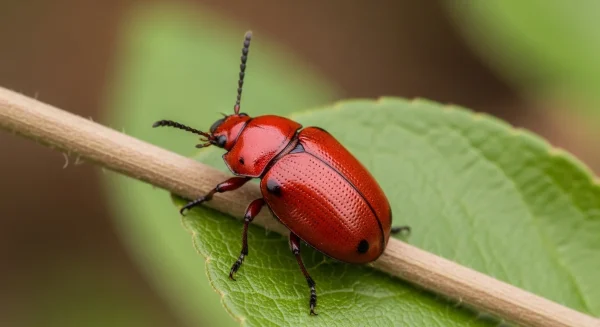
The secret behind the intense crimson found in ancient Inca cloth colors was a tiny parasitic insect: the cochineal (Dactylopius coccus). These insects live on the prickly pear cactus. To create cochineal dye, thousands of females had to be harvested by hand, dried in the sun, and crushed into a fine powder.
When mixed with water, the powder produces a deep, vibrant red. By altering the pH level of the dye bath (adding lime juice or wood ash), Inca dyers could shift the shade from a bright scarlet to a deep purple. This dye was so valuable that after the Spanish conquest, cochineal became the second most valuable export from the Americas to Europe, surpassed only by silver.
Plants and Minerals: Indigo, Molle, and Chilca

While red came from insects, other colors came from the flora. The Inca blue color was derived from the Indigo plant (Indigofera), which grew in the warmer valleys. Extracting indigo is a complex fermentation process that requires precise timing to turn the green plant extract into a permanent blue dye upon exposure to oxygen.
For yellows and greens, natural pigments Peru provided an abundance of options. The Chilca bush was boiled to create vibrant yellows and olive greens. The Molle tree (Peruvian pepper tree) provided a yellow dye, and when combined with other minerals, could produce shades of green. These plant based dyes connected the textile directly to the geography of the Andes.
The “Inca Flag” Controversy: Wiphala vs. The Seven Colors of Cusco

It is a common mistake to believe the Incas had a rainbow flag. Historically, the Incas used rigid standards (Unancha). The 7-colored rainbow flag seen today in Cusco was actually created in 1973 by a local radio station. For an authentic Inca color experience, one must look at the Wiphala grid used by Andean indigenous people, which symbolizes the unity of the four regions.
A common sight in modern Cusco is a rainbow flag flying over the Plaza de Armas. Many tourists assume this represents the original inca flag colors or the authentic inca empire flag. However this is a modern historical misconception. The true colores de los incas were displayed on rigid military standards and painted on shields but the concept of a rectangular waving national flag is a European invention that did not exist in the pre Hispanic Andes.
However, this is a modern historical misconception. The Inca colores were displayed on standards and painted on shields, but the concept of a rectangular national flag is a European invention that did not exist in the pre Hispanic Andes.
The debate over Inca colores is complex. The current flag of Cusco (the rainbow flag) was introduced in the 1970s by a local radio station to celebrate the city’s anniversary. It is often confused with the LGBTQ+ pride flag, though the color order is different. It serves as a symbol of modern Cusqueño identity, but it is not a historical artifact of the Inca Empire.
Did the Incas Have a Flag? Debunking the Myth
So, did the Incas have a flag? The answer is no, not in the vexillological sense of a waving cloth representing the nation state. The Inca Empire flag concept is anachronistic. Instead, the Incas used the Unancha, which were small, stiff, square standards usually carried on a staff.
These standards featured specific symbols or the royal rainbow (arcoiris) associated with the Inca lineage, but they were personal royal standards or military battalion markers, not a national flag. The idea that the empire had a unified “flag” is a projection of modern nationalism onto an ancient culture.
When discussing the true inca flag colors modern historians always emphasize that the ancient empire relied on rigid personal standards rather than fabric flags fluttering in the wind. Understanding how these ancient military emblems were crafted helps us separate modern cultural pride from the authentic historical use of sacred colors in the ancient Andes.
The Meaning of the Wiphala Grid Colors
Distinct from the striped Cusco flag is the Wiphala, a checkered square flag representing the indigenous peoples of the Andes (Aymara and Quechua). The Inca flag colors meaning in the context of the Wiphala is profound. It consists of a 7×7 grid where each color has a specific philosophy.
As a widely recognized indigenous flag Andes, the Wiphala’s colors represent:
- Red: The Earth and the Andean man.
- Orange: Society and culture.
- Yellow: Energy and strength.
- White: Time and dialectics.
- Green: Economy and agricultural production.
- Blue: Cosmic space.
- Violet: Andean policy and ideology. This flag represents unity and the integration of the four Suyus (regions) of the empire.
The Quipus: Using Color as Data and Code

One of the most fascinating uses of color was in the Quipu (Khipu), the knot record system used for accounting. Since the Incas had no written script, they used strings. If you look at a picture of knotted colored quipu strings in inca museums, you will notice they aren’t just beige. The quipu colors meaning was the primary way to categorize the data being recorded.
The color of the string told the reader what was being counted, while the knots told them how many. This turned the quipu into a complex Excel spreadsheet made of cotton and wool, capable of recording census data, military inventory, and tax obligations across a massive empire.
Decoding the Quipu: What Did Each String Color Mean?
Although much of the knowledge was lost, chroniclers have helped us reconstruct parts of the quipu color code. The Inca accounting colors were logical based on the object’s nature:
- Yellow String: Represented gold inventory.
- White String: Represented silver or peace/truce data.
- Red String: Represented warriors, armies, or bloodshed.
- Green String: Represented conquest or agricultural lands.
- Brown/Crimson String: often represented the Inca government or potatoes (color of the earth). This system allowed an administrator to pick up a bundle of strings and instantly know which sector of the economy he was analyzing simply by looking at the dye.
Educational Resources: Inca Coloring Pages for History Students

For teachers and parents, introducing children to Andean history is best done through visual arts. Inca coloring pages are excellent tools for visualizing the descriptions of the chroniclers. A single Inca coloring page can spark a conversation about why the sun is drawn with a face or why the llamas are wearing tassels.
There are many resources available online, including specific dibujos de los incas a color (drawings of Incas for coloring) that depict the intricate geometric patterns of the textiles. Additionally, for broader context, a mapa de los mayas incas y aztecas para colorear helps students locate the Inca Empire geographically in South America, distinguishing it from the Mesoamerican civilizations.
Coloring Pages of Inca Gods (Inti and Viracocha)
Using dioses incas para colorear (Inca gods to color) allows students to explore the mythology. A coloring sheet sun moon inca art usually features Inti (the Sun) with golden rays and a human face, and Mama Quilla (the Moon) often depicted in silver shades. These activities help solidify the connection between the colors (Gold/Yellow) and the deities they represented in the Inca cosmology.
Coloring Pages of Daily Life and Machu Picchu
To understand the lifestyle, a dibujo de los incas para colorear focusing on agriculture or architecture is vital. Specific sheets like dibujos para colorear de niño inca en machu picchu (coloring pages of an Inca boy in Machu Picchu) help humanize history. Coloring the agricultural terraces green and the stone walls grey helps students understand the integration of the Inca civilization with the natural environment of the Andes.
Frequently Asked Questions About Inca Colors and Symbolism
While Gold (Yellow) was the most sacred color because it represented the Sun God (Inti), Red (Puka) was the color of absolute political power. The Sapa Inca (Emperor) wore the Mascapaicha, a red wool fringe across his forehead, which served as the imperial crown.
Yes. In the Quipus (the system of knotted strings), the color of the thread was a code indicating what object was being counted. For example, a yellow string might represent gold, a white string could represent silver or peace, and a red string often represented warriors or war.
This is a common confusion for tourists. The rainbow flag seen in Cusco today is the official flag of the city of Cusco, created in 1978. It is not an ancient Inca symbol. Historically, the Incas did not use waving flags but rather rigid standards called Unancha.
The Wiphala is a square, checkered emblem representing the indigenous peoples of the Andes. Each of its seven colors has a specific meaning: Red (Earth), Orange (Society/Culture), Yellow (Energy/Force), White (Time/Dialectic), Green (Economy/Production), Blue (Space/Cosmos), and Violet (Politics/Ideology).
Blue was one of the most difficult colors to achieve in ancient Andean textiles. The Incas used plants containing indigo (such as the Indigofera species) and sometimes specific minerals. Because of the difficulty in producing it, blue was often associated with the high nobility, the sky, and water (Mama Cocha).
The most significant hues in the ancient Andean world were deep crimson red golden yellow pure white profound black and vibrant blue or green. These specific shades were never chosen randomly but rather represented sacred elements of nature such as the sun the moon the earth and the vast sky.
The nobility strictly regulated these traditional palettes to communicate political power and spiritual devotion. How were the vibrant pigments sourced for ancient Inca art and textiles Master dyers extracted brilliant pigments entirely from their natural surroundings.
They crushed thousands of tiny cochineal insects to achieve the imperial red and boiled native plants like indigo and the molle tree to produce deep blues and earthy greens. They used natural minerals and ash to fix these dyes into the alpaca and cotton fibers ensuring the colors remained incredibly vibrant for centuries.
The striking geometry and bold tones of ancient Andean garments continue to inspire global designers today. Many contemporary clothing lines and boutique brands incorporate these historical palettes to bring a sense of earthy warmth and bold contrast to modern apparel.
Travelers and fashion enthusiasts often seek out naturally dyed clothing or accessories inspired by these pre Columbian designs to carry a piece of this rich cultural heritage with them.
The timeless beauty of the Andes has made its way into modern interior design. Many specialized home decor retailers now offer woven textiles blankets and rugs that faithfully recreate the sacred geometry and warm tones of the ancient empire.
Additionally various premium paint companies and boutique art suppliers offer curated paint collections allowing decorators to bring authentic golden yellows and deep reds into modern living spaces. Are there digital color palettes based on Inca colors for graphic design Yes the profound visual legacy of the Andes has been gracefully adapted for the digital age.
Graphic designers and digital artists frequently search for specialized palettes that replicate the exact color codes of ancient natural dyes. These curated digital swatches allow modern creators to infuse their digital artwork websites and global branding with the authentic and historic energy of the largest empire in the ancient Americas.