Agricultural Techniques of the Incas and Engineering Systems
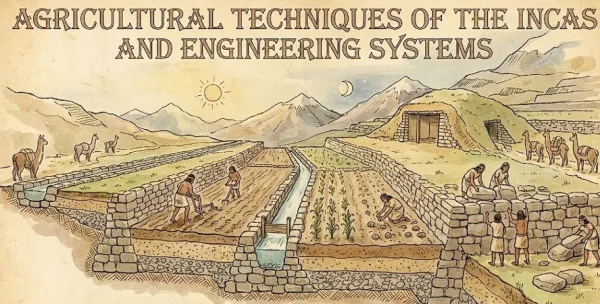
The foundation of Incan farming rested on a system known as the Vertical Archipelago. Instead of forcing one type of crop to grow everywhere, Inca farmers brilliantly exploited the different microclimates or "ecological floors" of the Andes. They grew tropical fruits and coca leaves in the humid lower valleys, vast fields of corn in the temperate mid elevations, and highly resilient tubers in the freezing highlands above 4,000 meters.
Students of history frequently ask what specific farming and building techniques did the Incas use to achieve this. It is important to note that the Incas did not invent all these systems from scratch. When looking at how did the Andean peoples influence Inca agriculture, we see that the Incas adopted and perfected the canal and terracing concepts created by older cultures like the Wari and the Tiwanaku, expanding them on a massive imperial scale.
Because the challenging terrain made the wheel useless and they had no strong draft animals like horses or oxen, Inca farmers relied entirely on human strength and specialized tools. The ultimate Inca foot plow was called the Chaquitaclla. This was a long wooden pole with a curved handle and a footrest near the bottom. The farmer would use their entire body weight to drive the heavy stone or bronze point deep into the tough mountain soil. This tool was so effective for high altitude farming that many traditional Andean communities still use variations of the Chaquitaclla today.
What Type of Agriculture Did the Incas Use in the Andes?
When asking what type of agriculture did the Incas use, the technical answer is "intensive, high altitude terrace farming combined with state managed redistribution." It was a highly organized, collective effort rooted in the concept of Mita (mandatory labor tax). The land was not privately owned in the modern sense but was divided into three parts: lands for the Sun (religion/priests), lands for the Inca (state/government), and lands for the Ayllu (community). This structure ensured that agriculture was the foundation of the economy Maya Aztec Inca societies all shared, but the Inca implementation was uniquely centralized. The state dictated planting schedules based on astronomy, optimizing the caloric output of every microclimate in the empire to support a massive standing army and bureaucracy.
A Major Agricultural Advancement of the Incas Was the Terrace (Andenes)
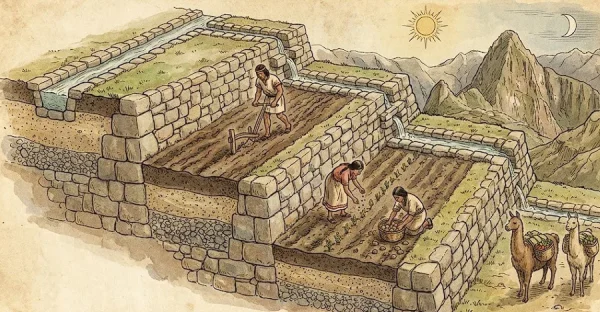
When analyzing Machu Picchu Inca engineering techniques, terrace farming stands out as their absolute masterpiece. Known locally as Andenes, Incan terrace farming transformed useless 45 degree mountain slopes into highly productive agricultural lands. These terraces were much more than just giant green staircases.
They were sophisticated microclimate generators. Each level was built with a sturdy stone retaining wall leaning slightly inward to fight gravity and prevent landslides. These thick stones absorbed the intense heat of the Andean sun throughout the day. At night, when the mountain temperatures plummeted to freezing levels, the stones slowly released that trapped heat, keeping the roots of the crops warm and preventing frostbite. Behind the visible stone walls, Inca agricultural engineering continued.
They filled the bottom layer with large loose rocks, covered that with a layer of gravel and sand, and finally brought up rich topsoil from the valleys below. This multi layered drainage system was pure genius. During the heavy torrential rains of the wet season, the water filtered smoothly through the layers instead of accumulating and washing the entire mountainside away.
Water Management and Irrigation Canals
While the terraces provided the land, the hydraulic engineering provided the lifeblood. The Incas were master hydrologists. They channeled meltwater from snow capped peaks (Apus) down through miles of stone lined canals and aqueducts to irrigate the terraces.
This precise control of water illustrates how the agricultural systems of Aztecs Incas and Mayans unique adaptations differed. While the Mayans relied on natural cenotes and seasonal rains, and the Aztecs utilized the standing water of lakes, the Incas mastered the flow of gravity. They built "Amunas" pre Inca water retention systems adopted by the empire
to capture rain in the highlands, filter it into the mountain rock, and harvest it from springs lower down the mountain months later during the dry season.
Important Agricultural Products of the Inca Empire
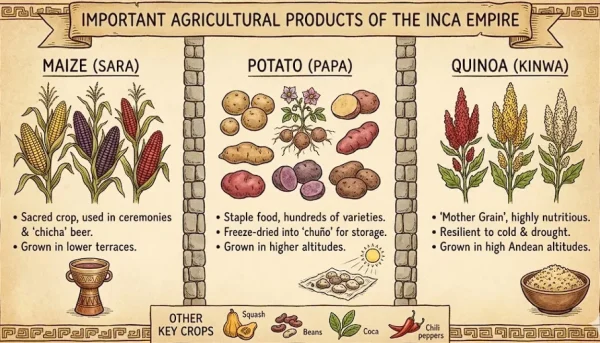
The biodiversity of the Andes is staggering, and the Incas harnessed it all, turning their empire into a genetic laboratory. Important agricultural/non agricultural products of the Inca Empire included cotton for textiles, medicinal herbs like quinine (cinchona), and massive quantities of food crops.
When discussing what were some important agricultural products of the Incas, the list is dominated by tubers and grains. They cultivated over 3,000 varieties of potatoes, hundreds of types of corn, quinoa, amaranth (kiwicha), oca, mashua, and ulluco. This immense variety was not accidental; it was a deliberate strategy to protect the food supply from blight and disease.
What Foods Did the Incas Eat and Grow
The biodiversity managed by the empire was staggering. If you need to list 3 crops grown by the Incas, the most crucial ones were potatoes, corn, and quinoa. However, the reality of the Inca environment allowed them to domesticate dozens of species through advanced Inca farming techniques like Andenes (terraces).
This wasn't just agriculture; it was a sophisticated nutritional system designed to build the physical endurance of an expanding army and millions of citizens.
The Foundation of the Andean Diet and Inca Tuber Farming
The most vital part of the Inca food supply came from underground. Tubers were the "energy batteries" of the empire, capable of being stored for years in Qullqas (storehouses) thanks to the natural freeze drying process of the high Andes.
Inca tuber farming was an absolute necessity because these crops grow perfectly in the extreme high altitude Puna regions where other plants would perish.
The Imperial Potato or Papa
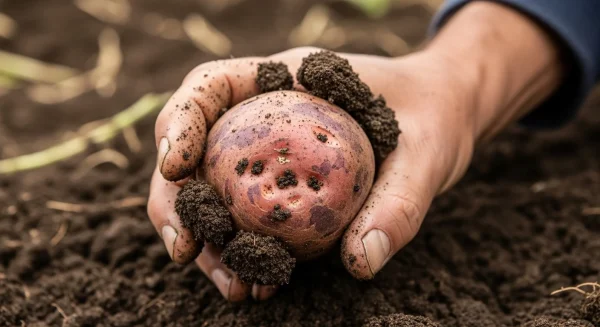
The potato (Solanum tuberosum) was the daily caloric engine of the Tawantinsuyu. Rich in Vitamin C, B6, and potassium, it provided the complex carbohydrates needed for the exhausting labor of building stone citadels.
Inca farmers cultivated over 3,000 varieties, ensuring that even if a plague hit one type, the empire would never face famine. It was the ultimate insurance policy for a civilization living among the clouds.
Oca the Natural Energy Booster
This colorful, elongated tuber is a treasure trove of iron and calcium. When the Incas sun dried the Oca, its starches transformed into glucose, creating a sweet, high energy snack.
This was the ancient equivalent of an "energy bar" for workers moving massive stones across the mountains.
Mashua the Ancient Immune System Protector
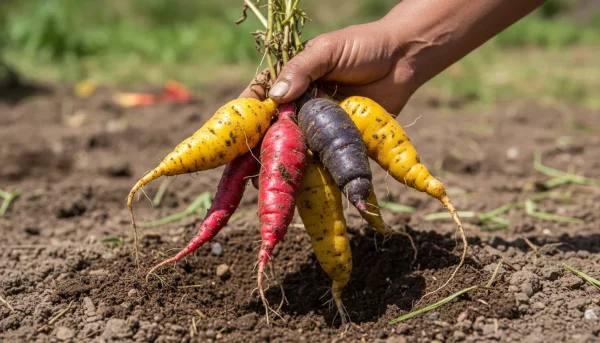
Hardy and peppery, the Mashua was a medicinal marvel. It possesses high antibacterial and anti inflammatory properties. Inca chroniclers mention that it was frequently included in the diet of the soldiers to keep them healthy during long military campaigns in damp or freezing environments.
Maca the Secret of Inca Stamina
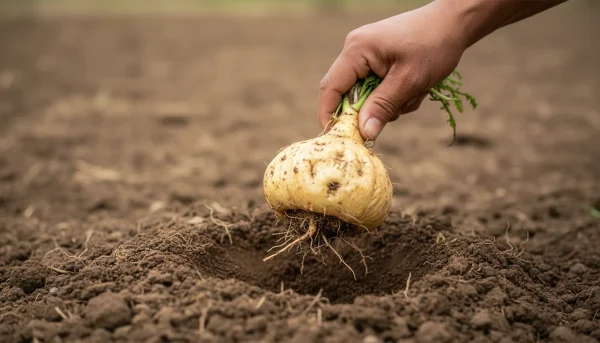
Grown at altitudes above 4,000 meters where the air is thin and freezing, Maca is a powerful adaptogen. Prized for boosting physical stamina, hormonal balance, and mental focus, it was the primary supplement for the Chaskis (imperial messengers) who ran hundreds of miles across the Qhapaq Ñan.
Sacred Grains and the Science of Inca Grain Farming
Beyond tubers, the Incas mastered the cultivation of high protein grains. Inca grain farming provided the "superfoods" that allowed their population to develop incredible lung capacity and muscle strength in oxygen thin environments.
Quinoa the Sacred Mother Grain
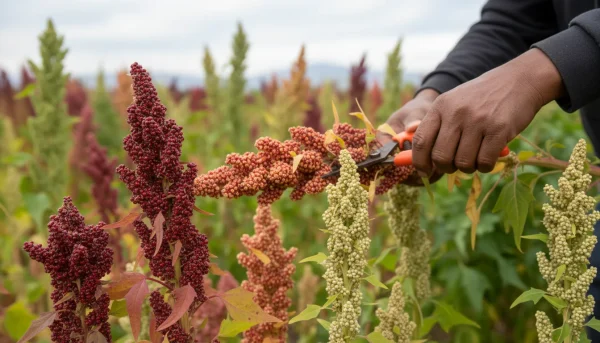
More than just a plant, Quinoa was considered sacred. It is a complete protein, containing all nine essential amino acids a rarity in the vegetable kingdom.
This was the backbone of the Inca military diet, allowing soldiers to recover muscle mass quickly after intense battles.
Kiwicha or Amaranth the Brain Power Food
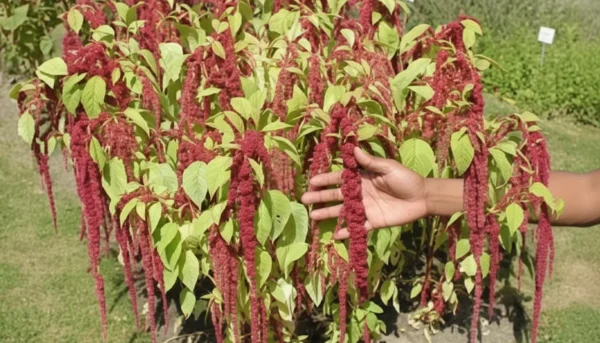
These tiny seeds are packed with lysine, an amino acid essential for brain development and calcium absorption. The Incas used Kiwicha to ensure that their children and elders remained strong and mentally sharp, creating a society with high longevity and cognitive health.
Tarwi the High Protein Andean Legume

Often called the "Soy of the Andes," Tarwi contains nearly 40% protein. It was essential for bone health due to its massive calcium content. In terms of Inca farming, Tarwi was genius; it naturally fixed nitrogen into the soil, acting as a living fertilizer for the next crop cycle.
Tropical Fruits and Superfoods from the High Jungle
While the highlands provided the calories, the warmer valleys contributed essential vitamins and antioxidants through specialized Inca fruit farming.
Lucuma the Gold of the Incas
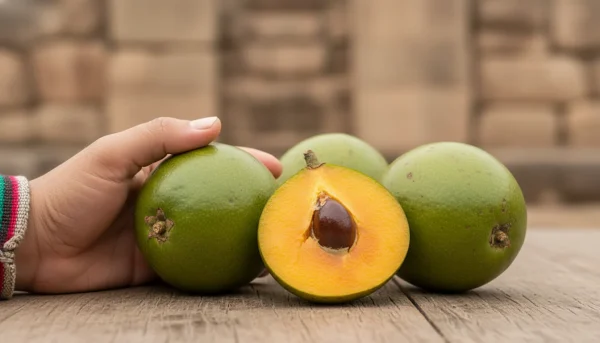
A fruit with a creamy texture and a maple like flavor, the Lucuma is packed with beta carotene, fiber, and zinc. It was a powerful skin healing agent and a natural sweetener, often represented in Moche and Inca pottery as a symbol of fertility and life.
Aguaymanto or Golden Berry the Immune Shield
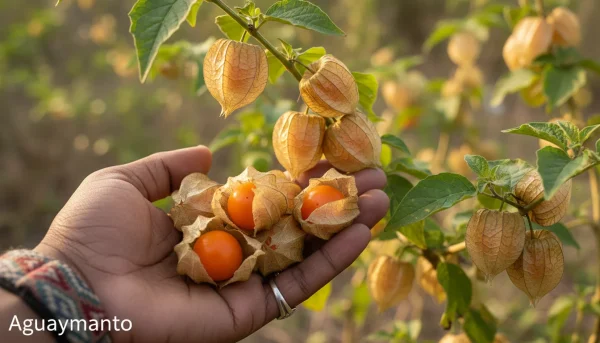
This "lost crop" is a vitamin powerhouse. Extremely high in Vitamin A and C, it acted as a natural shield against respiratory illnesses. For an Inca citizen living in the cold Andean nights, the Aguaymanto was the best defense against the environment.
Sacha Inchi the Jungle Omega Seed
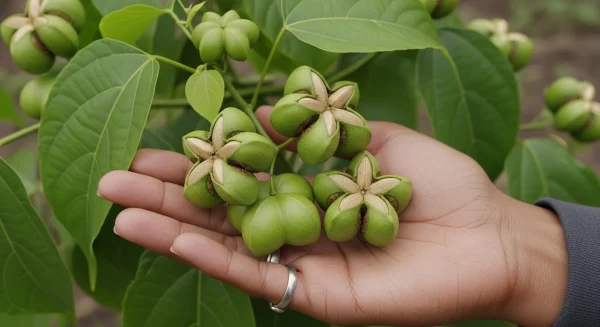
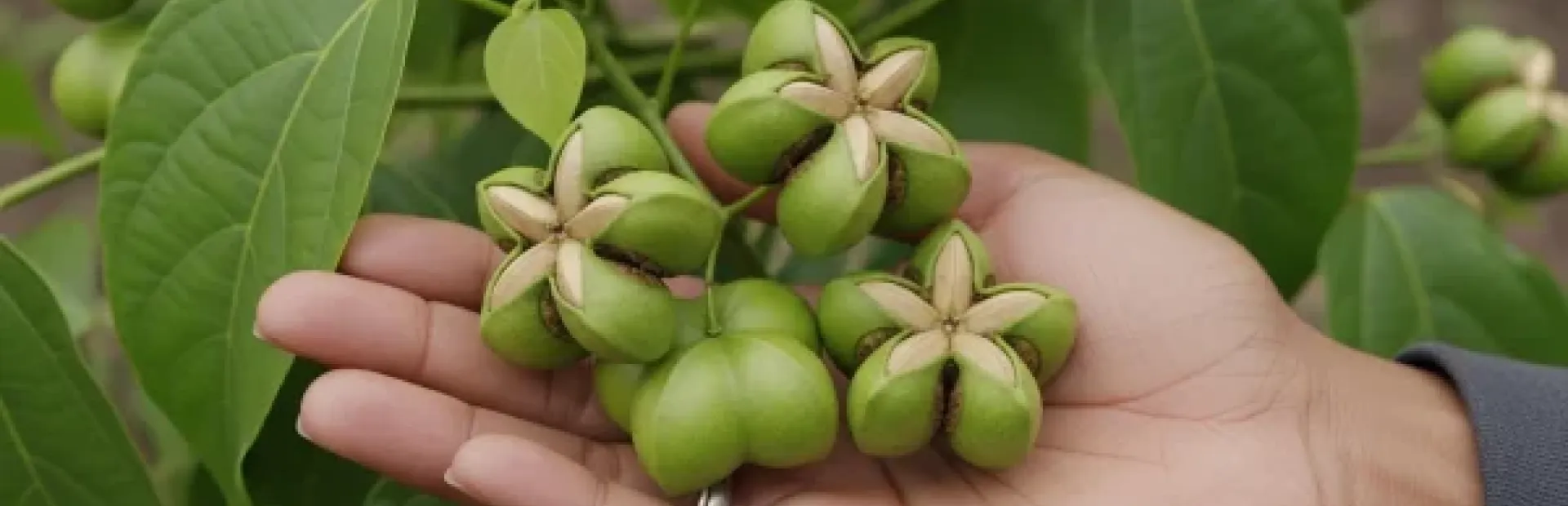
Harvested in the high jungle, these star shaped pods contain seeds rich in Omega 3, 6, and 9. These healthy fats were vital for heart health and brain function, proving that the Inca diet was balanced even at a neurological level.
Food Preservation and The Inca Economy
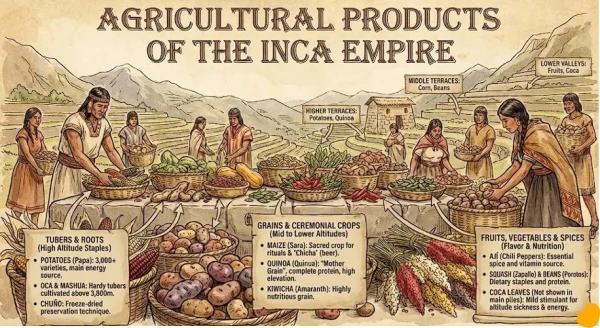
The absolute brilliance of the Inca economy and agriculture was their ability to preserve food for decades. When asked how did the Incas protect against famine and poor harvests, the answer is their massive state sponsored storage system and the invention of freeze drying. The Inca freeze drying food process was a revolutionary survival tactic.
By utilizing the dramatic temperature swings of the Andes, they created Chuño. Farmers would spread potatoes on the ground during the freezing nights to freeze the water inside them. The next morning, under the blazing sun, the potatoes would thaw, and the farmers would trample them with their bare feet to squeeze out all the moisture.
After repeating this cycle for several days, the potato was completely dehydrated into a rock hard, lightweight chunk. This Chuño could be stored in stone warehouses called Qolqas for up to ten years without rotting. They applied a similar drying technique to llama and alpaca meat, creating Charqui (the origin of the modern word for jerky). This massive surplus of preserved food meant that if a drought hit a specific province, the government simply opened the storehouses and fed the population, securing total loyalty to the empire.
The Inca Government Maintained Storehouses of Agricultural Surplus (Qolqas)
To manage this distribution, the Inca government maintained storehouses of agricultural surplus for the military and the public. These silos, called Qolqas, were built on hillsides where the cool winds and ventilation kept the contents dry and fresh. Spanish chroniclers were astounded to find that some storehouses held enough supplies (clothing, tools, and freeze dried food) to last for ten years. These reserves were the "savings account" of the empire, ensuring stability even during the worst El Niño weather events.
Chuño and Charqui: The First Freeze Drying Method
The agricultural systems of the Incas included the invention of Chuño. By leaving potatoes out in the freezing Andean night and then exposing them to the intense sun the next day, they dehydrated the tubers. They would tread on them to squeeze out moisture, repeating the cycle until the potato became a lightweight, rock hard substance that could be stored for decades without spoiling. They applied a similar process to llama and alpaca meat to create Charqui (the origin of the English word "jerky"). This technology allowed the Incas to transport lightweight, high protein food across the thousands of miles of the Inca Road, fueling their expansion.
Comparing Ancient Agriculture: Maya, Aztec, and Inca
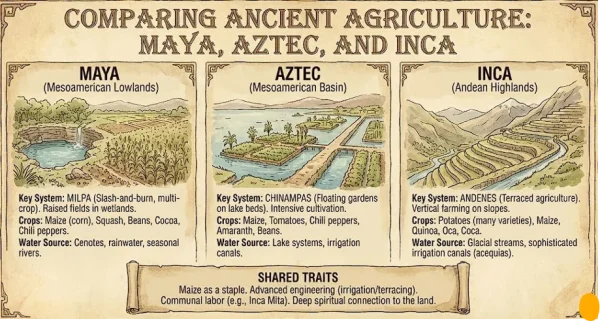
Although agriculture was the foundation of the economy Maya Aztec Inca civilizations shared, their methods were distinct responses to their specific geography. The Mayans utilized "slash and burn" agriculture in the dense rainforests; the Aztecs built artificial islands on shallow lakes; and the Incas carved the mountains. Analyzing how the agricultural systems of Aztecs Incas and Mayans unique approaches evolved shows that the Incas arguably faced the most challenging terrain, requiring the most extensive physical alteration of the landscape to survive.
Differences Between Agriculture of the Aztecs and the Incas
The differences between agriculture of the Aztecs and the Incas are stark and defined by water vs. stone. The Aztecs (Mexica) lived in the swampy environment of Lake Texcoco. Their primary challenge was excess water and a lack of solid land. The Incas lived in the sky, dealing with thin air, scarce water, and vertical slopes. When you compare the Mexica and Inca methods of agriculture, the Aztecs focused on hydrology to create land (Chinampas), while the Incas focused on terracing (Andenes) to stabilize land and prevent it from sliding into the jungle below.
Chinampas vs. Andenes: Adaptation to Environment
To compare the Mexica and Inca methods of agriculture is to compare two masterpieces of human adaptation. The Aztec Chinampas were "floating gardens" rafts of reed and mud anchored by willow trees that were incredibly fertile, allowing for up to seven harvests a year due to constant water access. The Inca Andenes were "hanging gardens" stone steps that generated heat. Both civilizations proved that geography is not destiny, using engineering to feed populations that rivaled the size of European cities of the same era, proving that American indigenous agriculture was among the most advanced in the ancient world.
Maya Aztec and Inca Farming Methods Compared
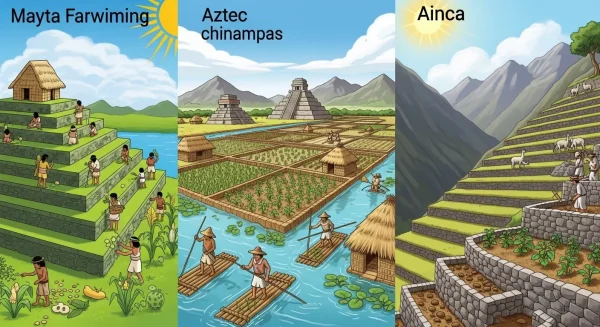
When studying ancient civilizations, a common question arises regarding how different empires manipulated their environment. The Aztec, Maya, and Inca relied on maize (corn) as a main agricultural staple for spiritual and elite consumption, but their daily farming methods were completely dictated by their local geography.
Many people wonder did the Inca use slash and burn techniques. The answer is no. Slash and burn agriculture was primarily used by the Maya civilization, who lived in dense Central American rainforests. They needed to cut down thick jungle and burn the vegetation to enrich the poor tropical soil with nutrient heavy ash. Another frequent question is did the Incas use chinampas. Again, the answer is no. Chinampas were the brilliant invention of the Aztec empire.
The Aztecs settled in the swampy Valley of Mexico and lacked solid ground. To survive, they built artificial floating islands made of woven reeds and lake mud, creating an incredibly fertile environment surrounded by water. In stark contrast, the Incas had too much solid rock and not enough flat land. While the Aztecs mastered water to create land, the Incas mastered stone to conquer the sky. The terrace farming Inca civilization remains one of the greatest examples of human agricultural engineering in world history.