History of the Foundation of the "City of Kings" (Ciudad de los Reyes)
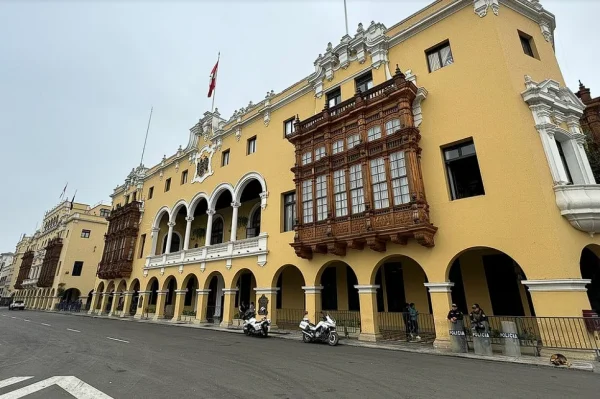
To understand the magnitude of the celebrations, one must delve into the history of Lima. The city was not always the sprawling metropolis we see today. It began as a strategic colonial outpost designed to connect the riches of the Inca Empire with the Spanish Crown. The anniversary of the foundation of Lima Peru commemorates the official act of establishing the capital, a decision that shifted the political and economic center of South America from the high Andes to the Pacific coast.
The title "Ciudad de los Reyes" (City of Kings) was bestowed upon the city because the decision to found it was made during the religious feast of the Epiphany (Three Kings' Day) in early January. Over the centuries, the history of Lima has seen it survive massive earthquakes, wars, and rapid urban expansion, yet it retains a colonial heart that is recognized as a UNESCO World Heritage site. This resilience and historical depth are exactly what is honored during the anniversary festivities.
Francisco Pizarro and the Foundation on January 18, 1535
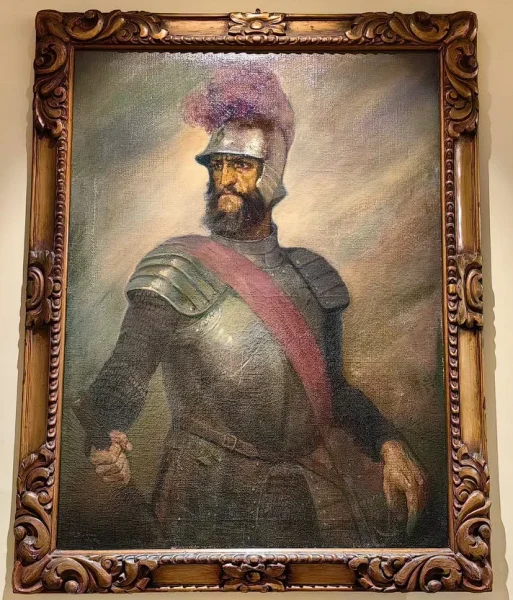
The pivotal moment in the history of Lima Peru occurred on January 18, 1535. On this date, the Spanish conquistador Francisco Pizarro officially drafted the act of the foundation of Lima in the main square, which is now the Plaza de Armas. Pizarro, seeking a capital that offered better access to the sea than the Andean cities, laid out the city in a traditional grid pattern known as a "damero" (checkerboard), which still defines the streets of the Historic Center today.
Francisco Pizarro Lima history is complex and often debated, but his role in the city's inception is undeniable. He designated the locations for the Cathedral, the Government Palace (which was built upon the residence of the indigenous leader Taulichusco), and the Cabildo (City Hall). The foundation ceremony was a solemn affair, planting the "Picota" (a wooden trunk) in the center of the square to symbolize Spanish justice and authority, marking the birth of the political heart of the Viceroyalty of Peru.
Why Was Lima Chosen as the Capital Instead of Jauja or Cusco?
A common question among history enthusiasts is: why is Lima the capital? Originally, Pizarro had established the capital in Jauja, located in the central Andes. However, the Spanish quickly realized that the high altitude, cold climate, and rugged terrain made Jauja difficult for logistics and unsuitable for the European lifestyle. Furthermore, Jauja was too far from the sea, making it vulnerable to isolation if the connection to Spain was severed.
The capital of Peru history shifted towards the coast for strategic naval reasons:
- Proximity to the Port: Lima was chosen because of its closeness to a natural deep water harbor (Callao), allowing for easy export of gold and silver to Spain.
- Climate and Agriculture: The Rímac valley offered a moderate climate and fertile land that guaranteed food and water, unlike the harsh conditions of the high Andes.
- Defense: Cusco, the imperial capital of the Incas, was too deep in the mountains and difficult to defend or supply by sea, whereas Lima provided a quick escape route to the ocean.
The Indigenous Legacy of Taulichusco Before the Spanish Arrival
It is a misconception that the city was built on an empty desert. The indigenous history Lima holds is rich and predates Pizarro by millennia. Before the Spanish arrived, the area was a flourishing agricultural valley ruled by the Curaca (chieftain) Taulichusco. The history of the valley of Lima is rooted in the Ichma culture and later the Inca administration. The land where the Government Palace sits today was originally the palace of Taulichusco, proving that the Spanish built their power directly on top of existing indigenous power structures.
During the anniversary, it is vital to acknowledge this indigenous history Lima preserves. The intricate irrigation canals (huaticas) that greened the desert were built by these pre Hispanic civilizations. Today, a commemorative stone dedicated to Taulichusco stands in a small passage next to the Government Palace, reminding visitors and locals that the "City of Kings" has deep indigenous roots that supported its foundation.
The "Serenata de Lima": The Main Celebration on January 17th
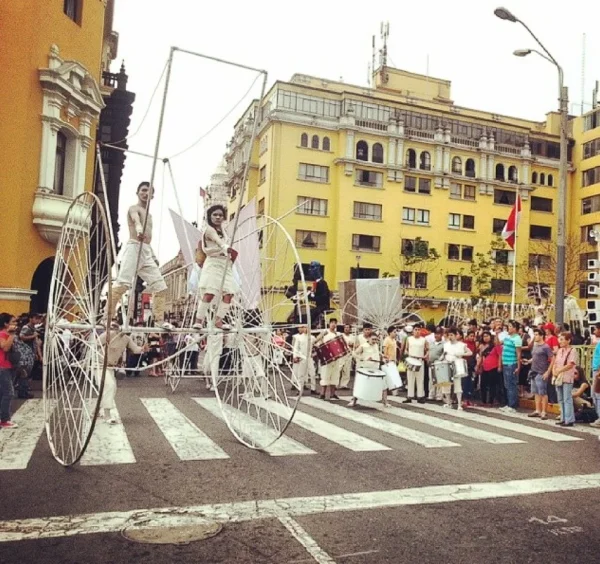
The highlight of the anniversary of Lima celebration is undoubtedly the "Serenata de Lima." This event takes place on the eve of the anniversary, on the night of January 17th. It is a massive, open air party where the city comes alive with energy, anticipation, and pride. Among the many events in Lima, the Serenata is the one that draws the largest crowds, filling the Historic Center with tens of thousands of people eager to sing "Happy Birthday" to their city at midnight.
Fireworks and Live Concerts at the Plaza de Armas
As midnight approaches on January 17th, the energy peaks. The Plaza de Armas celebration offers a sensory overload that defines nightlife in Lima anniversary style:
- The Midnight Spectacle: The sky above the Government Palace and Cathedral erupts in a massive display of fireworks in Lima, bathing the colonial architecture in flashes of red and white (national colors) and yellow (the color of the city).
- A List Concerts: The main stage hosts a mix of rock, cumbia, salsa, and folklore bands. Famous Peruvian artists often headline the event, turning the historic square into a massive concert venue with high quality sound systems.
- Video Mapping: In recent years, the facade of the Cathedral has served as a canvas for 3D projection mapping, telling the visual history of the city before the pyrotechnics begin.
Traditional "Jarana Limeña" and Creole Music Performances
You cannot celebrate Lima without musica criolla Peru. This genre is the soundtrack of the city, a blend of Spanish, African, and Andean rhythms born in the working class neighborhoods.
- The "Jarana" Atmosphere: The stage recreates a "Jarana Limeña" (a traditional party), featuring Cajón drums, guitars, and passionate vocals that invite everyone to dance.
- Chabuca Granda Tribute: Performers always pay tribute to the city's most famous composer, singing Chabuca Granda songs like "La Flor de la Canela," which is considered the unofficial anthem of Lima.
- Dance Duels: You will witness skilled Marinera dancers and singers engaging in musical duels, preserving traditional music Lima for the younger generation.
Best Things to Do: Fairs and Festivals During the Anniversary
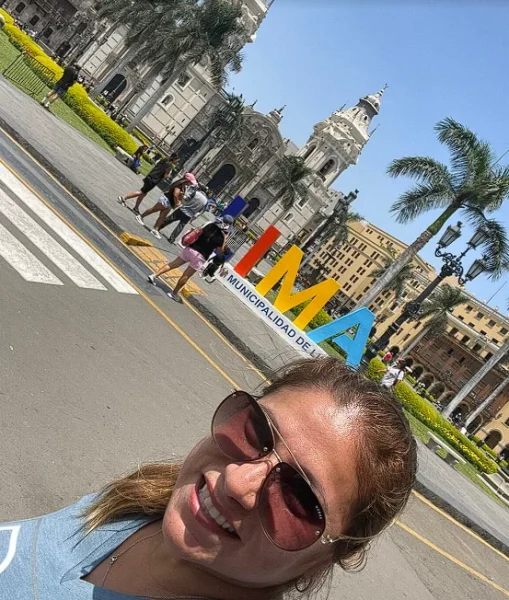
If you are looking for things to do in Lima anniversary week, you will be spoiled for choice. The city government sets up numerous fairs in Lima, specifically along the Jirón de la Unión and the Alameda Chabuca Granda. These spaces are transformed into bustling marketplaces where culture, commerce, and gastronomy meet. It is the best time to experience the city's vibrant street life in a safe and organized environment.
Gastronomic Fairs: Where to Eat the Best Street Food
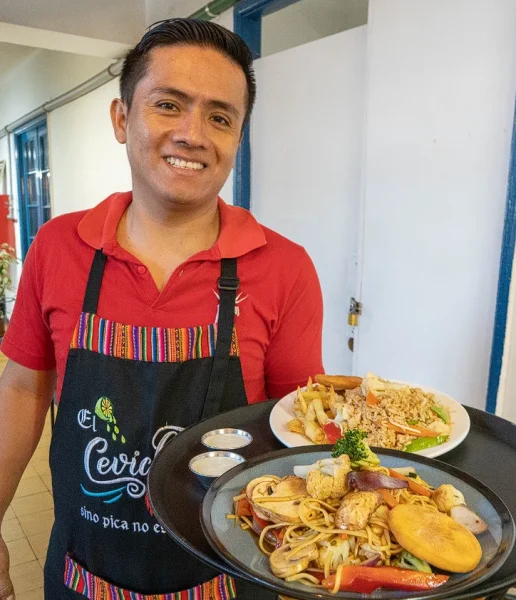
Lima is the gastronomic capital of Latin America, so naturally, food festivals Lima are central to the celebration. Pop up stalls take over designated streets offering the very best of Peruvian street food:
- Anticuchos (Beef Heart Skewers): These are the kings of street food. Marinated in vinegar, cumin, and aji panca, the skewers are grilled over open flames. Don't let the ingredients scare you; the meat is tender, flavorful, and a must try.
- Picarones: The perfect dessert to end a street meal. These are donut like rings made from squash and sweet potato dough, deep fried until crispy, and drenched in a warm, spiced fig molasses syrup (chancaca).
- Papa Rellena: A fried mashed potato dough stuffed with seasoned ground beef, onions, olives, and hard boiled eggs, usually served with a side of spicy "salsa criolla" (onion salad).
Tasting the "Suspiro a la Limeña" and "Mazamorra Morada" Desserts
For those with a sweet tooth, the anniversary is a paradise of traditional desserts Lima is famous for. You must try the "Suspiro a la Limeña," a silky caramel custard topped with port wine meringue that is intensely sweet and representative of the colonial era's culinary excess.
Another staple is "Mazamorra Morada," a purple corn pudding spiced with cinnamon and cloves, often served mixed with "Arroz con Leche" (rice pudding) in a combination known locally as "El Clásico" (like the football derby). These limeño desserts are more than just food; they are nostalgia in a bowl for locals.
The Festival of the Chilcano and Pisco Sour Tasting
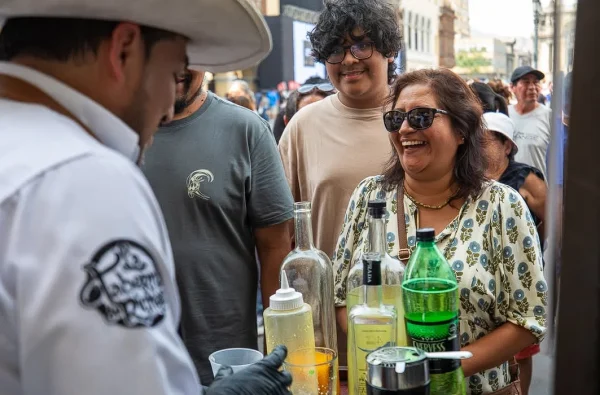
January coincides with the height of summer, making refreshing Peruvian drinks highly sought after. The anniversary often overlaps with Chilcano Week Lima, a festival celebrating the Chilcano, a cocktail made with Pisco, ginger ale, and lime.
While the Pisco Sour festival officially happens in February, tastings are rampant during the Lima anniversary. You can find stands offering samples of Peru's national drink. Whether you prefer the frothy, citrusy punch of a Pisco Sour or the bubbly, refreshing kick of a Chilcano, the anniversary creates the perfect atmosphere to toast to the city's health.
Artisan Markets and Souvenirs in the Historic Center
The anniversary is the prime time to support local artists at the artisan markets Lima sets up in the city center. Artisans from all over Peru travel to the capital to sell their wares. You can find high quality textiles, silver jewelry, and wood carvings at prices often lower than in the tourist boutiques of Miraflores. If you are looking for unique souvenirs from Peru, look for handicrafts Lima style, such as the "Tapadas Limeñas" figurines (depicting the veiled women of colonial Lima) or intricate leatherwork.
What to Visit in Lima? Top Attractions During the Anniversary
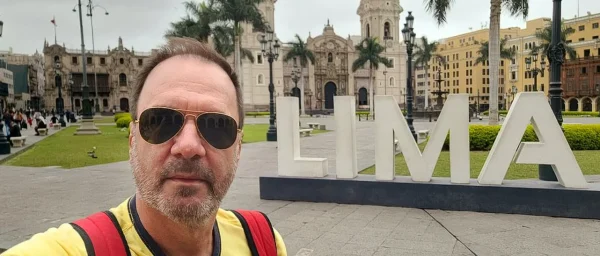
While the parties and parades are exciting, the anniversary of Lima is the perfect excuse to explore the permanent landmarks that define the city. Many of these locations offer extended hours or special exhibits during the celebration week.
Plaza Mayor (Plaza de Armas): The Heart of the City
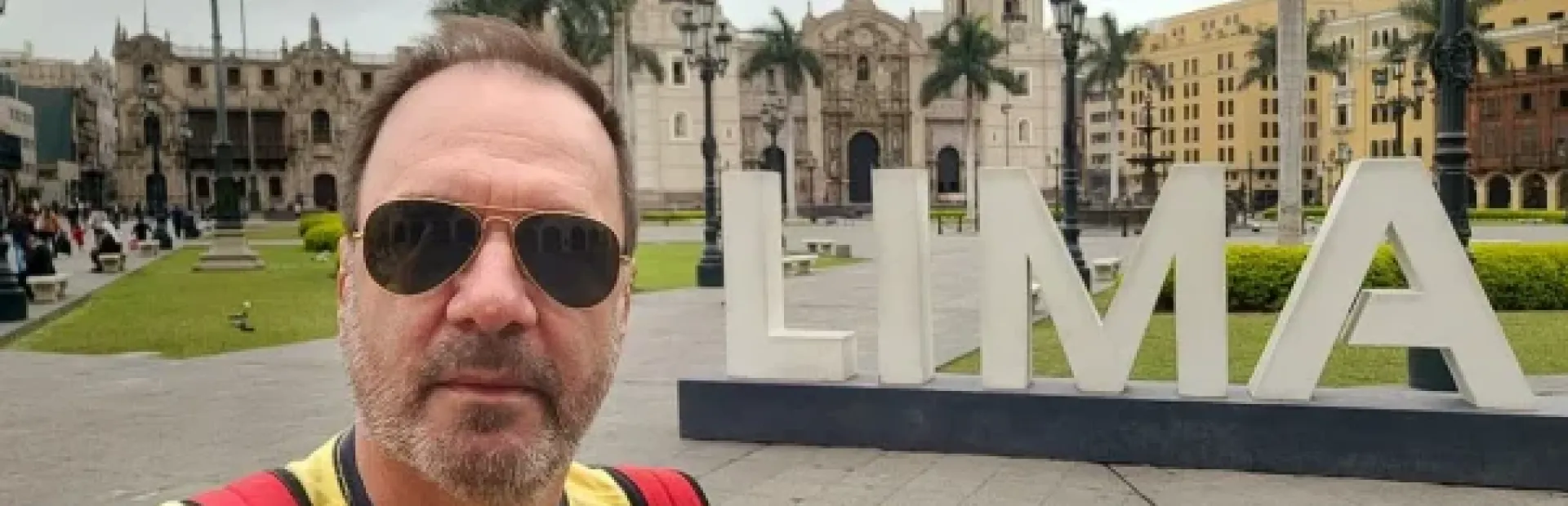
This is the birthplace of the city and the epicenter of the anniversary. Surrounded by the Cathedral, the Government Palace, and the Archbishop's Palace, it is a masterclass in colonial architecture. During the anniversary, the central fountain is illuminated, and the buildings are decked out in flags. It is the best place to feel the pulse of the tourism in Lima.
Convent of San Francisco and the Catacombs
Just a few blocks from the main square lies one of the most fascinating places to visit in Lima Peru. The Convent of San Francisco is famous for its yellow baroque facade, its ancient library filled with thousands of texts, and, most notably, its catacombs. These underground ossuaries hold the remains of an estimated 25,000 people and offer a spooky yet fascinating look into the colonial past.
Huaca Pucllana: Pre Inca History in Miraflores
To understand the indigenous legacy of Lima, you must visit Huaca Pucllana. Located in the modern district of Miraflores, this adobe pyramid built by the Lima culture (200–700 AD) stands in stark contrast to the surrounding glass skyscrapers. Seeing this ancient temple illuminated at night is a reminder that Lima was a holy city long before the Spanish arrived.
Barranco: The Bohemian and Arts District
For a break from the crowds of the center, head to Barranco. This district is the artistic soul of the city, filled with colorful colonial mansions, street art murals, and the famous "Puente de los Suspiros" (Bridge of Sighs). During the anniversary week, the bars and peñas (traditional music venues) in Barranco host incredible live Creole music shows.
Larcomar and the Malecon of Miraflores
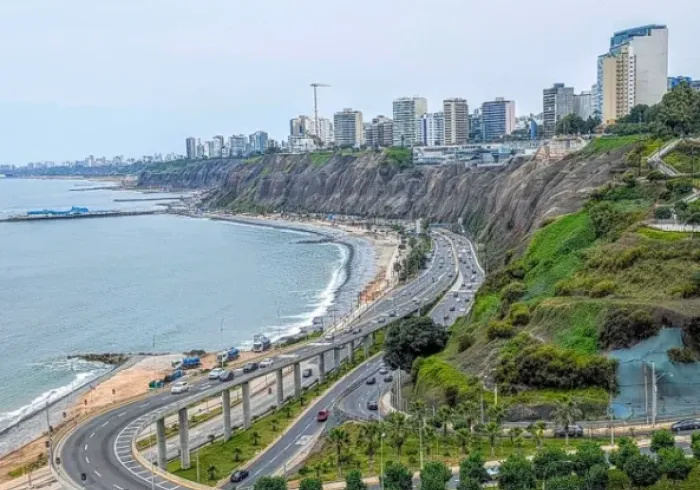
For the best views of the Pacific Ocean, walk along the Malecon in Miraflores. You can visit Larcomar, a shopping center built into the cliffside, which offers great dining and shopping options. It is the perfect place to watch the sunset over the ocean before heading downtown for the night's festivities.
Cultural Activities and Parades for the Anniversary of Lima
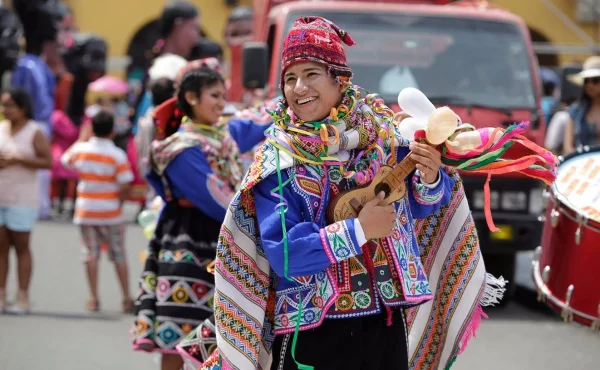
The official agenda for the anniversary always includes a robust program of cultural events Lima is proud to present. Beyond the parties, there is a strong focus on formal culture.
- The Great Corso: This folklore parade Lima hosts features hundreds of dancers and musicians winding their way through the historic streets. It is a moving exhibition of the traditional dances of Peru, bringing the culture of the highlands and the jungle to the asphalt of the coast.
- Free Museums: To encourage cultural education, many museums in Lima free entry policies are enacted on January 18th. Institutions like the Bodega & Quadra Museum and the Metropolitan Museum of Lima often open their doors at no cost.
- Protocol Activities: The official ceremony Lima conducts includes the flag raising Plaza de Armas event and the traditional Te Deum Mass at the Cathedral, attended by the Mayor and government officials.
Practical Tips for Tourists Visiting Lima in January
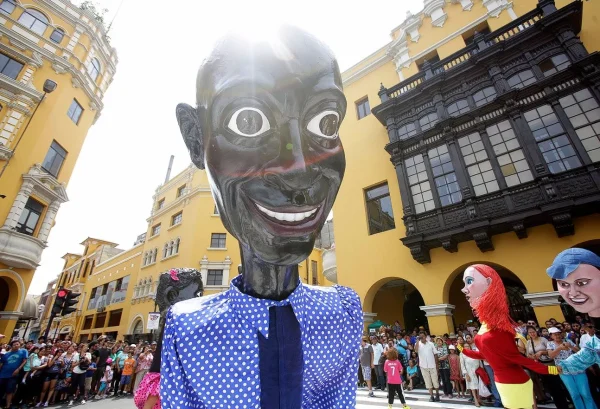
Visiting during the anniversary is exciting, but it requires some planning. These travel tips Lima January guide will help you navigate the city during its busiest and hottest time. Summer in Lima is intense, and the city functions differently than in the misty winter months.
Weather in January: Preparing for the Summer Heat
The weather in Lima January is hot, humid, and sunny. Temperatures usually range from 24°C to 30°C (75°F - 86°F), but the humidity makes it feel hotter.
- Sun Protection: The UV radiation in Peru is extremely high. Carry high SPF sunscreen, a wide brimmed hat, and sunglasses at all times.
- Clothing: Your summer outfit Lima strategy should focus on light, breathable fabrics like cotton or linen. Comfortable walking shoes are essential.
- Hydration: Carry a refillable water bottle, as staying hydrated during the parades and fairs is crucial to avoid heat exhaustion.
Safety Recommendations for Crowds in Plaza de Armas
While the anniversary is a joyous occasion, large crowds can attract pickpockets. Safety tips Plaza de Armas include wearing your backpack on your front, leaving expensive jewelry at the hotel, and keeping your phone secured. The authorities deploy a significant number of officers during the festivities. You will see the Tourist Police Lima (dressed in white shirts) stationed throughout the Historic Center; do not hesitate to approach them if you need assistance.
Best Spots and Rooftops to Watch the Anniversary Fireworks
For the best view of Lima fireworks without getting crushed in the crowd below, booking a spot on a rooftop is the pro move. The trend of rooftops Plaza de Armas Lima has exploded in recent years. Places like the rooftop bars around Plaza San Martín or the hotels directly facing the main square offer exclusive packages for the night of the Serenata. Reservations open weeks in advance and sell out quickly, so plan ahead to secure your spot.