The Famous Camelids and Pack Animals Seen Around Machu Picchu
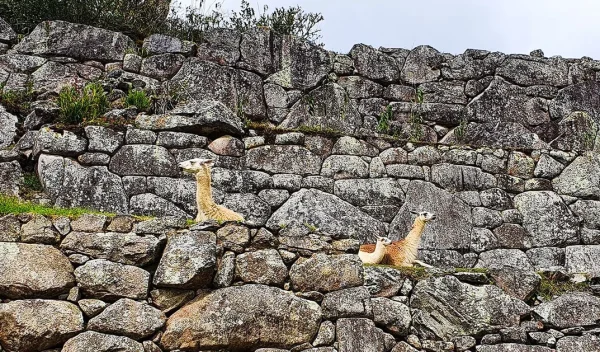
The most visible residents are the camelids. The park management maintains a small herd of approximately 25 to 30 llamas within the citadel itself to keep the grass trimmed naturally. These are the classic pack animal seen around machu picchu that appear in countless tourist photos.
Historically the Incas used these animals to transport goods across the empire because they can carry roughly 25 to 30 percent of their body weight. Today the machu picchu pack animals are symbols of that past engineering marvel. They are tagged with colored ribbons in their ears to help rangers monitor their health and lineage.
It is important to note that while the llama is the primary pack animal around machu picchu ruins you might see others on the trek. Mules and horses are used on the lower trails but they are generally banned from the archaeological site to protect the original stone paths. The llamas you see grazing on the terraces are semi domesticated.
They are used to human presence but they are not tame pets. Watching a pack animal scene around machu picchu where a line of llamas walks along a terrace edge gives you a glimpse into the daily life of the 15th century inhabitants who relied on these creatures for wool meat and transport.
The Llama or Lama Glama Which Is the Symbol of the Andes
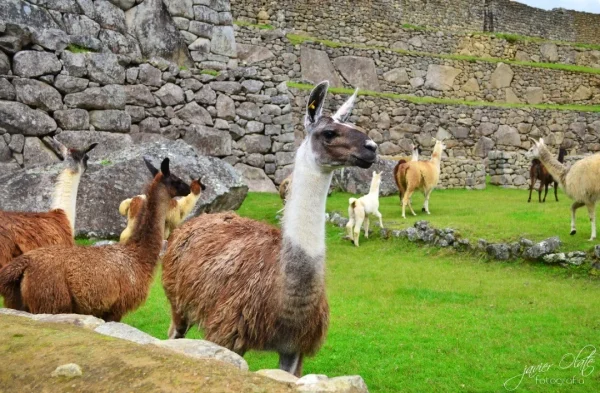
The Lama glama is the largest South American camelid and the quintessential machu picchu animal. An adult male can stand up to 1.8 meters tall and weigh between 130 and 200 kilograms. When visitors ask what animals are in machu picchu the llama is the guaranteed sighting.
Their thick double coat protects them from the variable weather and their blood has a high hemoglobin content to absorb oxygen efficiently at high altitude. The animals at machu picchu graze on the ichu grass and various shrubs found on the terraces. Travelers often search for the most iconic machu picchu animal and it is almost always the llama.
They are highly social animals that live in herds. If you observe them closely you will notice a hierarchy. The dominant male often stands guard while the others eat. The machu picchu animal population inside the ruins is managed to prevent overgrazing. Seeing their quirky behavior in person is entertaining. They communicate with ear positions and humming noises that warn the herd of danger or express annoyance.
Differences Between the Alpaca and the Vicuña in the Highlands
Distinguishing between the camelids is a key skill for any naturalist. The alpaca vs llama comparison is common. Alpacas (Vicugna pacos) are significantly smaller standing around 90 centimeters at the shoulder and weighing roughly 60 to 70 kilograms. They were bred by the Incas specifically for their fiber which is softer and warmer than sheep wool.
While less common inside the ruins than llamas you can see animals native to machu picchu like the alpaca grazing near the guardhouse. Their faces are woolier and their ears are straight unlike the banana shaped ears of the llama. The vicuna machu picchu presence is a different story. The vicuña (Vicugna vicugna) is the wild ancestor of the alpaca and is a protected species.
They are slender elegant and much lighter weighing only about 40 to 50 kilograms. They produce the finest wool in the world which was once reserved solely for the Inca royalty. These are animals native to machu picchu regions but they prefer the higher puna grasslands above 4000 meters. You are unlikely to see them inside the citadel but you might spot them on the high mountain passes during the Salkantay Trek.
Why You Should Respect the Llamas Roaming the Citadel
There is a growing concern regarding animal abuse in machu picchu. Tourists often try to hug the llamas or force them into selfies which causes stress. One of the most critical facts about machu picchu animals is that they have a defense mechanism where they spit a foul smelling mix of saliva and gastric juices.
Attempting machu picchu animal riding is strictly forbidden and dangerous for the animal. A llama spine is not designed to support the weight of a rider and trying to mount one is considered a serious offense by the park wardens. Respecting the machu picchu animals means letting them approach you on their terms.
If a llama walks towards you on a narrow path simply step aside against the wall and let it pass. This coexistence is part of the magic of the sanctuary. The rangers will intervene if they see harassment. Remember these are living creatures with boundaries and keeping a safe distance prevents accidents and ensures the welfare of the herd.
The Spectacled Bear or Andean Bear Tremarctos Ornatus
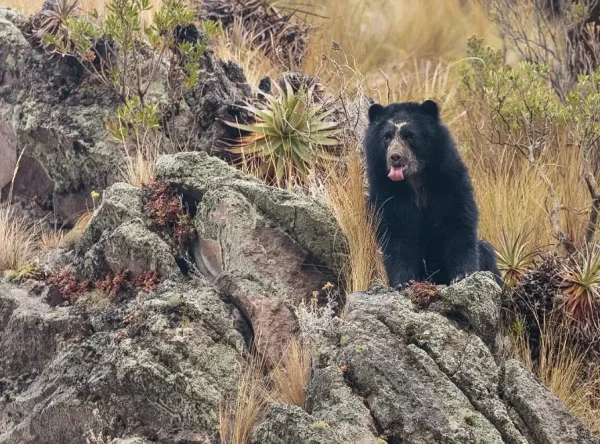
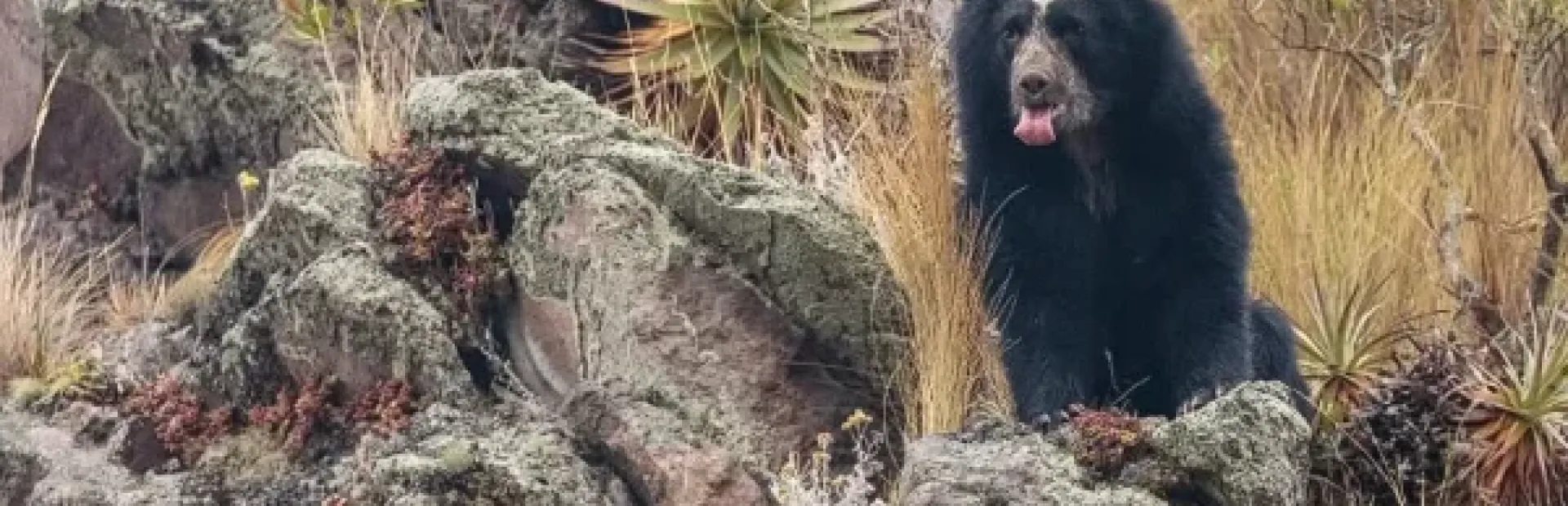
The Andean Bear or Tremarctos ornatus is the only bear species in South America. Visitors often fear machu picchu dangerous animals but the spectacled bear is a shy vegetarian that poses little threat to humans. The population density in the sanctuary is estimated to be healthy with researchers identifying several individuals using camera traps.
They are relatively small bears with males weighing up to 175 kilograms and females being much lighter. Finding wild animals in machu picchu like this bear is a highlight because they are vulnerable to extinction. When discussing what endangered animals live in machu picchu this bear is the primary focus of conservation efforts.
They are critical for the ecosystem because they disperse seeds from the fruits they eat. The machu picchu dangerous animals tag is misleading. They are elusive and prefer the dense cloud forest where they build platforms in trees to sleep. The "spectacles" are beige markings across the face and chest which are unique to each individual bear allowing researchers to track them.
Why the Spectacled Bear Is Known as the Real Life Paddington
The character of Paddington Bear originates from "Darkest Peru" which is a direct reference to the habitat of the spectacled bear. This connection has made the animal machu picchu famous worldwide. The real machu picchu animal facts are fascinating.
These bears are excellent climbers. The Andean bear is agile and can scale tall trees to reach bromeliads. They have powerful jaws designed to crack open tough fibrous plants. Seeing one is rare but not impossible. The link to Paddington helps raise awareness and funding for the protection of their habitat which is under threat from agricultural expansion outside the park boundaries.
Best Places to Spot the Andean Bear in the Cloud Forest
If you want to know where to see bears in machu picchu look towards the humid forests near the Inkaterra hotel grounds or the hike to Mandor waterfalls. Inside the park they are occasionally spotted on the path to the Sun Gate or climbing the steep slopes of Huayna Picchu. Animals in machu picchu are most active in the early morning.
Sightings of machu picchu wild animals like the bear have increased in recent years suggesting that the protection measures are working. To find animals in machu picchu you need to scan the tree line. The bears have black fur which stands out against the green canopy. The real bears blend into the shadows.
If you are lucky enough to see one maintain a safe distance and use a telephoto lens. They are the guardians of the forest and spotting one is a sign of a healthy environment.
The Northern Viscacha Lagidium Peruanum That Looks Like a Rabbit
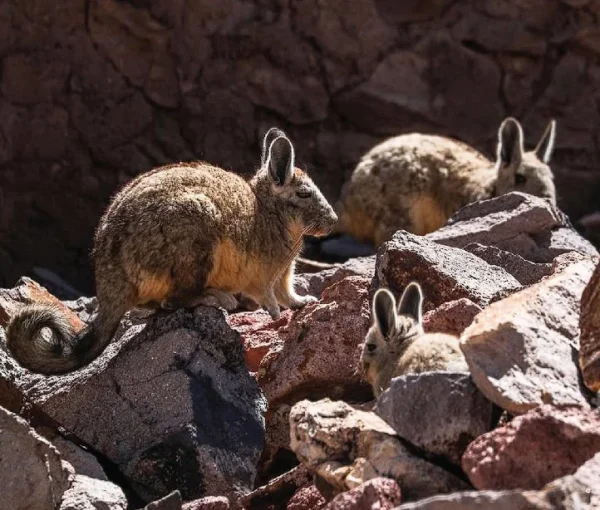
The Northern Viscacha is often described as an animal like a rabbit at machu picchu. Scientifically known as Lagidium peruanum it belongs to the Chinchillidae family. They have soft grey fur long ears and a long curled tail that distinguishes them from rabbits. The machu picchu animal shape of the viscacha is unmistakable once you know what to look for.
They are about the size of a large cat weighing up to 3 kilograms. Travelers often ask what animal is machu picchu shaped like regarding the mountains but the viscacha is the animal that physically mimics the rocks. Their camouflage is incredible. When they sit still they look exactly like the granite stones of the Inca walls.
You can find this animal like a rabbit at machu picchu basking in the sun on the rocky outcrops. They are diurnal and social living in family groups called colonies.
Behavior of the Viscacha and Where They Hide in the Rocks
To answer what animals live in machu picchu you must look into the cracks of the architecture. The viscacha uses the spaces between the stones as safe houses. If you search a machu picchu animals wiki you will find that they are herbivores feeding on the hard grasses and lichens that grow on the rocks.
They are incredibly agile jumpers. You might see them leaping from one terrace to another with ease. Knowing the machu picchu animals names like "Viscacha" impresses the guides. They are often found near the Guard House and the quarries. They are not bothered by the tourists and will often pose for photos if you move slowly.
They are a vital part of the machu picchu animals list representing the smaller mammals that have adapted perfectly to the rocky high altitude environment.
The Andean Condor Vultur Gryphus and Other Bird Species
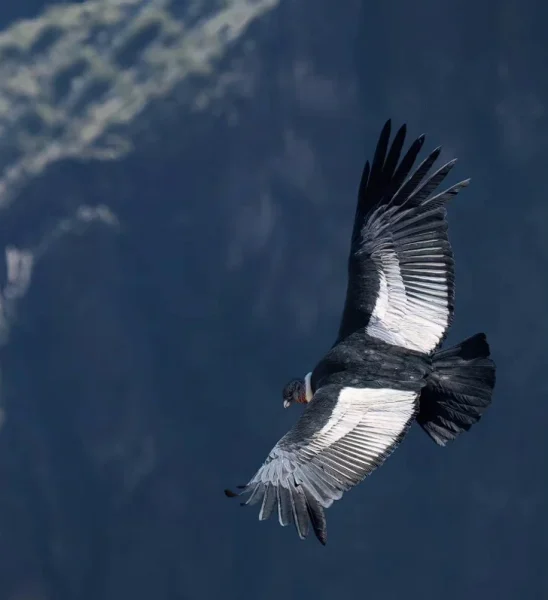
The Andean Condor (Vultur gryphus) is one of the largest flying birds in the world with a wingspan of up to 3.2 meters. When listing animals found in machu picchu the condor is the most spiritually significant. The birds of machu picchu include over 420 species but the condor is the king.
They are scavengers that clean up the environment. You might wonder what animals can you find in machu picchu looking at the sky. Condors use the thermal updrafts to glide for hours without flapping. While they are more common in the Colca Canyon they do patrol the skies above the Sacred Valley. Seeing one is a matter of luck. They are animals renown in machu picchu mythology representing the connection to the upper world or Hanan Pacha.
Spotting the Andean Condor Flying Over the Sacred Valley
The condor is a symbol of animals renown in machu picchu. They are currently classified as near threatened. The machu picchu peru animals experience is incomplete without scanning the horizon for their massive silhouette. These birds are strictly scavengers and are wary of humans.
The Andean Cock of the Rock Rupicola Peruvianus National Bird
The Andean Cock of the Rock is the national bird of Peru. These machu picchu native animals are famous for the male's intense orange plumage and disk like crest. Females are a dull brown to avoid predators while nesting. The animals of machu picchu list highlights this bird as a dweller of the lower cloud forest.
You can hear their distinct guttural calls near the river. Searching for peru machu picchu animals often leads birdwatchers to the area near the Mandor gardens where these birds gather in leks to perform mating dances. They are vibrant and noisy. Seeing a flash of neon orange in the deep green forest is a highlight for anyone interested in animals of machu picchu.
The Giant Hummingbird Patagona Gigas Among the Orchids
The Giant Hummingbird is the size of a swallow measuring about 23 centimeters long. It is a key player in the machu picchu plants and animals interaction. The sanctuary contains over 400 species of orchids and the hummingbirds are the primary pollinators.
Observing wildlife in machu picchu means watching the flowers. These birds beat their wings slower than smaller hummingbirds allowing you to see them clearly.
Other Native Mammals Like the Puma and Andean Fox
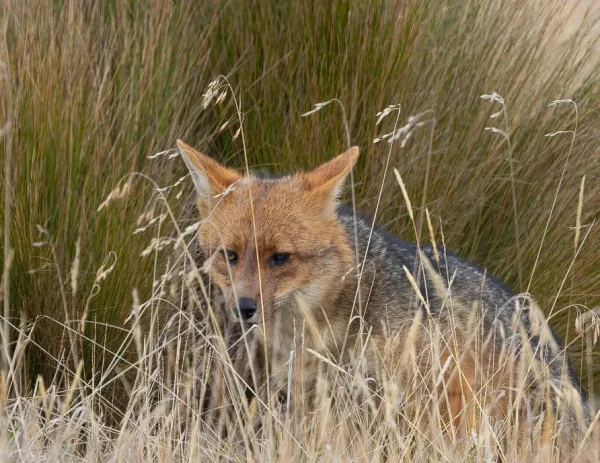
The wild animals in machu picchu include elusive predators. The Puma (Puma concolor) is the top predator in the ecosystem. People worry about dangerous animals in machu picchu but pumas are nocturnal and avoid humans.
They are solitary hunters that regulate the populations of deer and viscachas. Asking what animals are on machu picchu must include the puma even if you never see one.
The Puma Concolor or Mountain Lion in Incan Mythology
The puma is central to the animal shape machu picchu mythology. The Incas respected the puma for its strength. While machu picchu dangerous animals stories exist attacks are incredibly rare. The puma moves silently through the forest. Researchers know they are there thanks to motion sensor cameras. They are the ghosts of the sanctuary.
The Andean Fox Lycalopex Culpaeus and the White Tailed Deer
The Andean Fox (Lycalopex culpaeus) is often seen at dusk. When discussing types of animals at machu picchu the fox is the scavenger that cleans up around the edges of the park. The White Tailed Deer (Odocoileus virginianus) is another resident.
Travelers asking what kind of animals live in machu picchu are often surprised to see deer grazing near the hotel grounds. They are shy but can be spotted in the quiet hours.
Insects and Reptiles Native to the Historic Sanctuary
The smaller animals that live in machu picchu are vital. The machu picchu animals and plants ecosystem depends on the thousands of insect species found here. From stick insects that look like bamboo to iridescent beetles the variety is endless.
Butterflies of Machu Picchu and the Jergon Snake
The butterfly diversity is world class. You will see animal life in machu picchu in the form of Blue Morphos and Glasswing butterflies. The Jergon snake (Bothrops andianus) is a pit viper and one of the few truly dangerous animals in machu picchu. It blends into the leaf litter. While rare on the tourist trail it is a reminder that this is a wild place. The animals in machu picchu deserve respect and distance to ensure a safe visit for everyone.