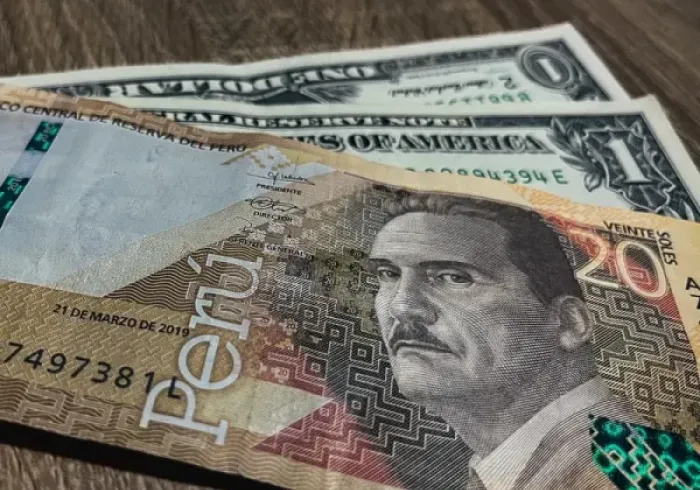
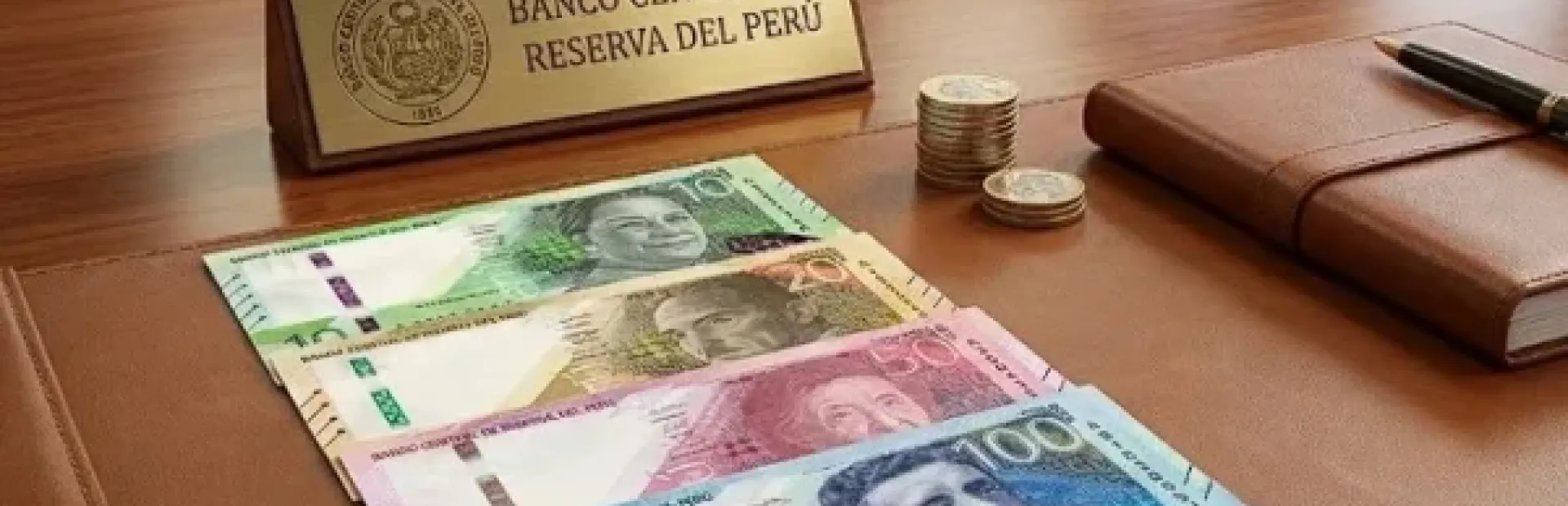
What Is the Official Currency of Peru and Its Modern Name
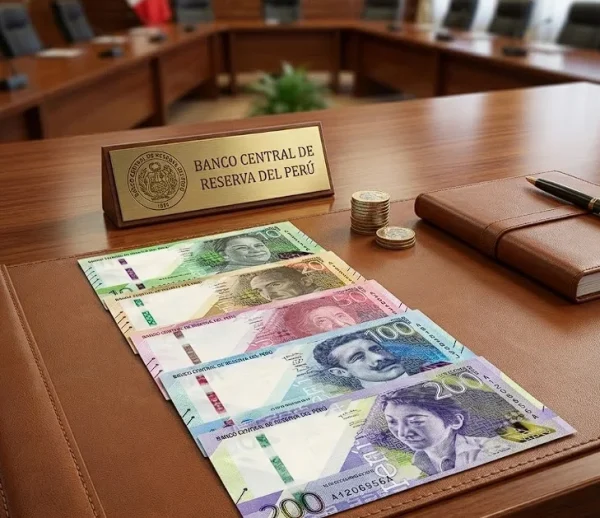
The official currency of peru is the Sol, a sovereign fiat currency issued exclusively by the Central Reserve Bank of Peru (BCRP). Unlike neighboring economies like Ecuador or Panama that have adopted the US Dollar, Peru maintains its monetary independence, allowing it to control inflation effectively through its own policies.
When asking what is the currency in peru called, travelers must update their vocabulary: from 1991 until 2015, the currency was legally known as the "Nuevo Sol" to distinguish it from past economic failures. However, since 2015, the peru currency name is simply "Sol." This change is not just semantic; it reflects the asset's maturity into one of the most stable and respected currencies in Latin America, often dubbed the "Latin American Dollar" by investors.
Why the Peru Money Currency Changed Its Name from Nuevo Sol to Sol
The renaming of the peru money currency was enacted through Law No. 30381 to project an image of permanent economic stability. Originally, the term "Nuevo" (New) was attached to the peru sol currency in 1991 to psychologically distance the new money from the disastrous, hyper inflated "Inti" of the 1980s.
By 2015, with inflation controlled under 3% annually for over a decade, the "New" prefix became redundant. For tourists asking what is peru currency called when looking at their change, it is vital to know that coins minted before 2016 still bear the inscription "Nuevo Sol," while post 2016 coins simply say "Sol." Both versions are valid legal tender, circulate simultaneously, and hold the exact same value.
Understanding the Peru Currency Symbol and the ISO Code PEN
The peru currency symbol is officially represented as S/, and it is always placed before the numerical amount (e.g., S/ 100.00). It is crucial for travelers to distinguish this from the dollar sign ($), as prices in tourist areas may be listed in both. In the context of international finance and global Forex markets, the currency unit of peru is strictly identified by the ISO 4217 code PEN.
When using banking apps or checking exchange rates online, recognizing what is the currency for peru codes is vital to avoid errors; older codes like "PEI" (for the defunct Inti) or "PES" (for the old Sol de Oro) often still appear in outdated databases, but PEN is the only valid code representing the current, stable Peruvian Sol.
Denominations of the Sol Banknotes and Coins in Circulation
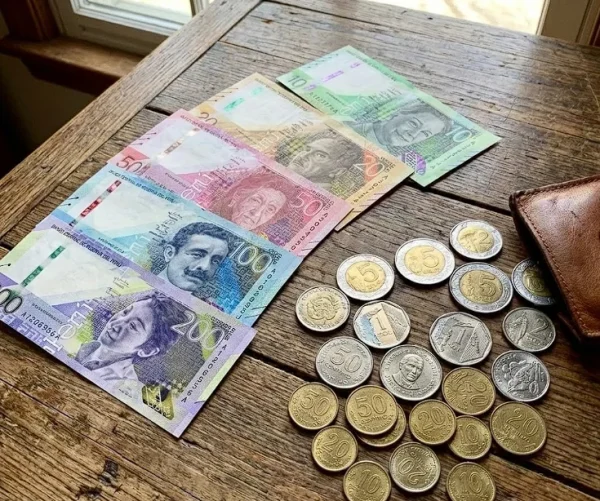
The currency of peru operates on a decimal system where 100 Céntimos equal 1 Sol. Unlike many countries that have switched to polymer (plastic) notes, the currencies of peru are printed on a high quality 100% cotton substrate, giving them a distinct texture and "crackle" similar to US Dollars and Euros, which serves as a primary security feature.
Understanding the physical coin peru currency is equally important for daily economics; the higher denominations (2 and 5 Soles) utilize bi metallic technology (a steel core with a brass ring) to prevent counterfeiting. Travelers should note that these coins carry significant purchasing power compared to US quarters or Euro cents; a single 5 Soles coin is not merely "loose change," but sufficient funds to purchase a light meal or cover a taxi ride in many provincial towns.
Current Banknotes and How to Identify the Currency of Lima Peru
The currency unit of peru in metallic form is the backbone of the micro economy, comprising denominations of 10, 20, and 50 céntimos, alongside the 1, 2, and 5 Soles coins. (Note that 1 and 5 céntimo coins were withdrawn from circulation years ago). The 1, 2, and 5 Soles coins are particularly important for daily logistics.
- Bi metallic Design: The 2 and 5 Soles coins utilize advanced bi metallic technology to deter fraud. The 5 Soles coin features a brass (yellow) core with a steel (silver) ring, while the 2 Soles coin reverses this pattern.
- Usage: When determining what is the currency used in peru for street vendors, buses, and small tips, coins are preferred over bills. A single S/ 5 coin represents approximately $1.35 USD, holding substantial utility; in many provinces, it is sufficient to buy a full lunch. Always verify that the currency used in peru coins display the National Coat of Arms on the reverse and have clear, sharp reliefs; blurred stamping or a "soapy" texture are common indicators of a counterfeit.
Coins Used in Daily Transactions and the Currency Unit of Peru
The peru currency exchange rate is determined by a macroeconomic regime known technically as a "managed float" or "dirty float." Unlike a purely free floating currency, the market dictates the price, but the Central Reserve Bank of Peru (BCRP) actively intervenes by buying or selling millions of dollars in the spot market to mitigate extreme volatility. This proactive interventionism renders the peru currency exchange environment remarkably stable and predictable compared to other emerging markets.
For travelers converting peru currency to usd, it is crucial to understand the "spread" the gap between the buying and selling price. Specialized "Casas de Cambio" (Exchange Houses) and registered street exchangers operate with extremely tight margins (approx. 0.5% to 1%), whereas major commercial banks often impose a wide spread of up to 5% to cover administrative costs, significantly reducing the final amount of Soles you receive for your Dollars.
Peru Currency Exchange Rate and Converting Dollars to Soles
Historically, the peru currency to usd pair has maintained a resilient fluctuation band roughly between 3.50 and 3.70 PEN per 1 USD over the last five years. This relative flatline contrasts sharply with the drastic devaluation seen in neighboring currencies like the Colombian Peso or Chilean Peso, making the Sol a "safe haven" asset in the region.
- Economic Implications: At a standard rate of 3.45, exchanging $100 yields S/ 345. While this may seem numerically small compared to currencies with thousands of units, the local purchasing power is high.
- Monitoring: For official purposes, the peru currency to us dollars reference rate is published daily by the Superintendency of Banking, Insurance and AFP (SBS), which serves as the legal standard for accounting.
- Trend: The enduring peru currency to dollar strength is structurally supported by Peru’s status as a global mining powerhouse; massive exports of copper and gold ensure a constant liquidity of dollars entering the local market, which naturally buoys the Sol’s value against external economic shocks.
Understanding the Current Peru Currency to USD Exchange Rate
The peru currency to usd exchange rate is an economic anomaly in South America; historically, it has maintained a resilient fluctuation band roughly between 3.60 and 3.90 PEN per 1 USD over the last five years. This "flatline" stability contrasts sharply with the drastic devaluation seen in neighboring currencies like the Colombian Peso or Chilean Peso, positioning the Sol as a regional "hard currency."
- Economic Implications: At a standard rate of 3.45, exchanging $100 yields S/ 345. While this numerical value might seem low compared to currencies with thousands of units (like the Guarani or Peso), the local purchasing power is substantial; S/ 345 covers a high end dinner for two with wine in Lima or nearly three days of budget accommodation in Cusco.
- Monitoring: For official accounting, the peru currency to us dollars reference rate is published daily by the SBS (Superintendency of Banking), though travelers should use the "Parallel Market" (street/house rate) for better deals.
- Trend: The enduring peru currency to dollar strength is structurally supported by Peru’s status as a top global producer of copper and gold. The massive export of these metals ensures a constant inflow of dollars into the economy, which the Central Bank uses to buy Soles, naturally buoying the local currency's value against external economic shocks.
How to Calculate USD to Peru Currency Before Your Trip
To calculate usd to peru currency mentally without constantly reaching for your phone, use the "Times Four Minus" rule. Simply multiply the dollar amount by 4 and then subtract roughly 5% to 7%.
- The Math: For $10 USD: $10 x 4 = 40. Subtract a small amount (S/ 2 or S/ 3) > Result is approx S/ 37 38. This mental trick is faster than an app when haggling in a market.
- Avoiding the "Tourist Tax": Comparing us to peru currency prices is your best defense against overpaying. Vendors often apply a "bad exchange rate" to tourists paying in greenbacks. For example, if a taxi driver asks for $10 USD for a ride that usually costs S/ 15, performing the dollar to peru currency math ($10 = S/ 38) reveals he is charging you more than double the actual fare. Always convert the price to Soles in your head to see the real cost before agreeing to pay in foreign cash.
Where to Find the Best Peru Currency Exchange Rate in Cusco and Lima
The market for lima peru currency is unique in South America because it is decentralized, legal, and highly competitive, which benefits the consumer. While commercial banks offer safety, their rates often include a 3 - 5% spread. The best rates are historically found in the "Jirón Ocoña" in downtown Lima (the informal financial district) or with registered street exchangers ("Cambistas") in Miraflores (specifically around Parque Kennedy and Av. Larco).
These Cambistas wear municipal vests with QR codes and offer a spread as low as 0.2%. In the Imperial City, the currency of cusco peru is best exchanged along Avenida El Sol, just a few blocks from the Plaza de Armas, where dozens of "Casas de Cambio" compete side by side, driving margins down. Conversely, knowing where is peru currency exchanged most poorly is vital for your budget: avoid exchanging money inside Lima’s Jorge Chávez Airport or at hotel front desks, where predatory rates can cause you to lose up to 15% of your capital compared to street values.
Practical Guide on Using Money in Peru South America
Navigating peru south america currency requires a strategic approach to a mixed economy that is rapidly modernizing yet deeply traditional. While credit card adoption (Visa and Mastercard) is high in Lima exceeding 80% in formal businesses like supermarkets and chain restaurants rural areas and the Sacred Valley remain 90% cash based.
The currency in peru south america infrastructure features widespread ATMs, but travelers must be wary of the chronic "change shortage" (falta de sencillo). Small vendors and taxi drivers rarely have change for S/ 100 or even S/ 50 bills. Therefore, knowing what currency does peru use for specific contexts is a key travel skill: keep US Dollars for high ticket items like real estate or luxury tour packages, but strictly accumulate small denomination Soles (coins and S/ 10 bills) for taxis, water, and entry fees to archaeological sites.
Can You Pay with US Dollars or Is Local Currency Required
Although the Peruvian economy is technically "bi monetary" (meaning you can open bank accounts or buy real estate in dollars), what currency do they use in peru for retail is strictly the Sol. You cannot pay for groceries at Metro or Plaza Vea, buy bus tickets, or purchase street food with dollar currency in peru. If you try to hand a $10 bill to a bodega owner, it will likely be rejected.
While upscale tourist restaurants and hotels do accept USD, they apply a "convenience fee" by offering a terrible exchange rate (often 5 - 10% below the market value). Therefore, when asking what currency is used in peru for daily life, the practical answer is: carry Soles for all spending and keep Dollars only as a backup savings reserve or for exchanging at specialized houses.
Using Credit Cards Versus Cash and Peru Currency Withdrawal
Using cards in Peru requires navigating hidden fees. When paying by credit card, the POS terminal will often ask: "Charge in USD or PEN?" Always select Soles (PEN). Selecting "Dollars" triggers Dynamic Currency Conversion (DCC), a legal trap where the merchant’s bank converts the money at an inflated rate, often costing you an extra 6 8%.
- ATM Fees: A peru currency withdrawal varies wildly by bank. GlobalNet ATMs (Yellow machines, often found in airports/hotels) are the most expensive, charging up to S/ 30-35 (approx. $9 USD) per withdrawal. BCP charges similar fees for non partner cards. For the lowest fees, look for Banco de la Nación (MultiRed) ATMs, which are often fee free or charge minimal amounts, though lines can be longer. Scotiabank is a great option if your home bank is part of the "Global ATM Alliance" (like Bank of America), as fees are often waived.
- Limits: Most ATMs cap withdrawals at S/ 400 to S/ 700 per transaction. If you need S/ 2000, you will need to perform multiple transactions and pay the fee each time.
- Planning: Knowing what currency in peru ATMs dispense is vital; most offer both USD and Soles. Always verify what currency is peru using for the dispensed cash to ensure you don't accidentally withdraw US Dollars and pay double conversion fees later.
Tipping Etiquette and How Much Is 100 in Peru Currency
Understanding the local value of money is critical to avoid over-tipping or under-estimating costs. How much is $100 in peru currency? At a street exchange rate of roughly 3.80, S/ 380 is a substantial sum.
- Context: With the minimum wage set at S/ 1,130 per month (as of 2025), a S/ 100 bill represents approximately 35% of a worker's weekly earnings. It is considered a "high-value" note.
- Purchasing Power: S/ 100 can purchase a high-quality baby alpaca scarf, a full tank of gas for a compact sedan, or a premium dinner for two with drinks.
- Comparison: Unlike currencies with high inflation where 100 units buy nothing (like 100 peru currency to naira comparisons might suggest), the Sol is a "heavy" currency. S/ 100 is the second-highest denomination in circulation.
- Tipping: Tipping is not mandatory but expected in tourism. For small services (porters, bellboys), coins are what is the peru currency standard S/ 2 to S/ 5 is generous. In restaurants, 10% is the polite standard, but check if a "service charge" was already added.
Safety Tips for Handling Peru Country Currency
Counterfeiting is a sophisticated industry in Peru; in fact, Lima has been historically identified by the US Secret Service as the world's leading producer of counterfeit US Dollars. Therefore, vigilance with peru country currency is mandatory.
- Vigilance: Scrutinize every bill you receive. If a taxi driver or vendor tries to swap your bill (claiming the one you gave them is "fake" and handing back a different, actually fake note), refuse immediately. This is a classic scam.
- Security Features: Authentic currency from peru bills feature SPARK® Live technology the number indicating the value (e.g., 100) changes color from purple to green when tilted. They also have a distinct watermark and a security thread.
- Dollars: Be equally careful with US currency received as change. Knowing what is currency in peru security protocols (checking the texture and color-shifting ink) protects your wallet from being stuck with worthless paper.
How to Spot Counterfeit Bills in the Currency of Peru
Legitimate currency of peru bills feature advanced security technology comparable to the Euro or Swiss Franc. To verify authenticity, use the "Touch, Look, Tilt" method:
- SPARK® Live: On the 200, 100, 50, and 20 Soles notes, the number indicating the value changes color (e.g., from gold to green or purple to green) when the bill is tilted. This optical variation is the hardest feature to counterfeit.
- Watermark: Hold the bill against the light. A sharp, multi-tonal image of the character (e.g., Chabuca Granda) should appear, along with the denomination value and a triangle.
- Texture: Real currency of peru is printed on 100% cotton. It should feel rough and make a distinct "crackle" sound (traqueo) when snapped. Fakes often feel waxy, smooth, or silent. If you are unsure what is peru's currency supposed to look like, download the official free app called "Billetes y Monedas" by the Central Reserve Bank. Always verify what is the currency of peru bills you receive before walking away from a counter, as once you leave, you cannot claim a refund.
Why You Should Avoid Damaged or Torn Peru Money Currency
Peruvian banks and merchants enforce a rigid, zero-tolerance policy for damaged peru money currency that shocks many Western tourists. A bill with a mere 2mm tear, a piece of scotch tape, heavy wrinkles, or excessive ink stamps is legally classified as "deteriorated" and will be rejected in 99% of daily trades.
- The Risk: While damaged Soles can technically be exchanged at the Banco de la Nación (a hassle involving long lines), damaged foreign currency (USD) is practically worthless in Peru. No local bank will accept a torn US Dollar because they cannot export it back to the Fed easily.
- Tourist Strategy: This applies strictly to both money currency of peru (Soles) and especially Dollars. You must meticulously inspect every bill given to you as change. If a waiter hands you a bill with a small rip or tape, reject it immediately and politely ask for a pristine one. If you accept it, you will likely be stuck with it for the rest of your trip.
Historical Evolution of the Currency Used in Peru
The remarkable stability of the currency used in peru today is a direct institutional response to the deep economic trauma of the 1980s, a decade often referred to as the "Lost Decade." Understanding what's the currency of peru history is essential to grasping the local mindset; many Peruvians prefer holding savings in hard assets (land, gold) or US Dollars because they vividly remember a time when their local money evaporated overnight.
The evolution of the currency of peru from a worthless piece of paper to the region's "hard currency" tells an incredible story of recovery, driven by a Constitution (1993) that granted absolute autonomy to the Central Bank to prevent politicians from printing money to fund deficits.
The Transition from the Inti to Peru Sol Currency in 1991
Between 1985 and 1990, the peru sol currency predecessor, the "Inti," suffered one of the worst cases of hyperinflation in world history, peaking at over 7,600% in 1990. Prices in supermarkets changed hourly, and people carried backpacks of cash just to buy bread. In 1991, as part of a radical stabilization program ("Fujishock"), the government introduced the "Nuevo Sol" to reset the economy.
- Conversion: 1 Nuevo Sol replaced 1,000,000 Intis.
- Legacy: This monetary reset effectively erased six zeros from the currency. Peru's currency 1985 banknotes (the Intis) are now worthless and are sold only as souvenirs to tourists on the streets of Cusco. Knowing what's peru's currency past helps travelers appreciate why the modern Sol is managed with such fierce discipline today.
Economic Stability and the Peru Currency vs US Dollar History
Since the turn of the 21st century, the peru currency vs us dollar performance has been the strongest in Latin America, outperforming the Brazilian Real, Chilean Peso, and Colombian Peso. While neighbors often see their currencies crash by 10-20% in a single year, the Sol typically maintains its value due to the Central Bank's massive international reserves (exceeding $70 billion), which act as a financial shield.
- Volatility: The peru currency rate rarely moves more than 2-3% annually. In 2024, for instance, while the Brazilian Real depreciated by over 10%, the Sol remained nearly flat.
- Investment: This unique stability makes the peru currency vs usd pair attractive for foreign investors, as their capital does not erode due to sudden devaluation, earning the Sol the nickname "The Dollar of the Andes."
Common Questions About the Currency From Peru for Travelers
Logistical nuances regarding currency from peru often confuse first-time visitors. Below are technical, authoritative answers to common queries regarding what is the currency in peru regulations. Knowing what currency do peru use legally versus practically prevents friction at checkout and ensures you don't lose value on unnecessary conversions.
Is the Official Currency in Peru the Only Accepted Payment Method
By law (specifically the Consumer Protection Code), the official currency in peru (the Sol) must be accepted for all debts and transactions within the national territory.
- The Right to Pay in Soles: Even if a hotel, tour agency, or restaurant lists prices in US Dollars (common in Cusco), you have the legal right to pay in peru official currency at the official exchange rate of the day. You are never obligated to pay in foreign currency.
- Government Mandate: For all government fees such as entrance tickets to Machu Picchu, museum fees, or airport taxes peru official currency is mandatory. They generally do not accept cash dollars.
- Receipts: When wondering what's the currency in peru for official tax receipts (Boletas or Facturas), the total is almost always expressed in Soles for tax reporting, even if you paid in dollars.
How to Exchange 1000 Peru Currency to USD Safely
Converting 1000 peru currency to usd (approximately $260-$265 USD at current rates) is a common task before leaving the country. This should be done in city centers, not at the airport.
- Procedure: Go to a secure "Casa de Cambio" (Exchange House) rather than a bank to avoid long queues. For amounts under $5,000, you typically do not need to show a passport.
- Spread: Expect to "lose" about 1% to 1.5% on the spread when performing a currency exchange peru to us. (Selling Soles back for Dollars is always slightly more expensive than buying Soles).
- The "Stamp" Warning: When receiving your dollars, check them specifically for small ink stamps. Peruvian banks and exchange houses often stamp bills to verify authenticity. While accepted in Peru, stamped bills are often rejected by banks in the USA or Europe. Explicitly ask for "clean bills without stamps" (billetes limpios sin sellos).
- Denominations: Always count your us dollar to peru currency return immediately in front of the teller. Requesting $20 bills is smart if you are returning to the US, as they are easier to spend there than $100s.