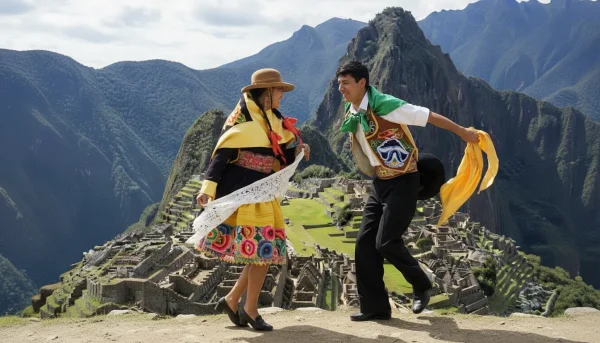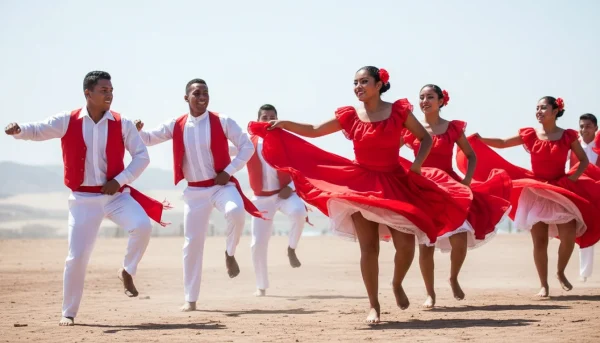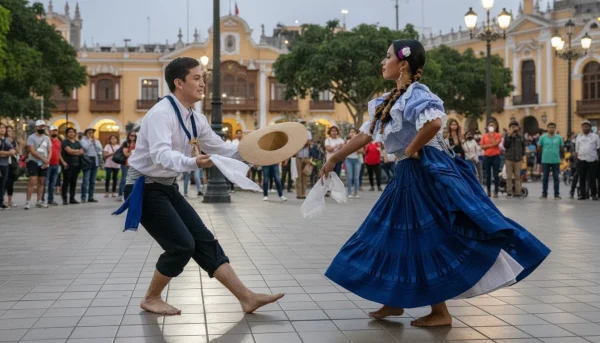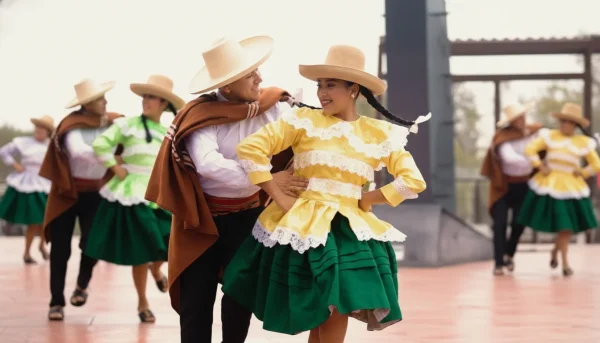
Tipping in Peru Guide and Travel Etiquette

Submitted by admin on

Tipping in Peru is a widespread practice within the tourism industry where a gratuity of 10% is the standard in restaurants, while guides and trekking staff typically receive $5 to $15 USD per day depending on the service level. Although tipping in Peru remains voluntary by law, it serves as a critical income supplement for service workers who often earn the minimum wage. Understanding how to tip in Peru requires knowing when to use the local currency for small daily interactions and when to use pristine US Dollars for significant gestures at the end of a trip.

The landscape of tips in Peru can be confusing for travelers because it operates on a dual system where locals might simply round up the bill while tourists are expected to leave a percentage. This guide aims to clarify these nuances so you can navigate social situations with confidence. By following these guidelines, you ensure that your contributions go directly to the people who serve you, supporting the local economy in a respectful and meaningful way.

Understanding the Deep Tipping Culture in Peru

Understanding the tipping culture in peru requires looking at the broader economic picture of the Andes. For many service workers hospitality professionals and local guides gratuities form a highly substantial part of their monthly livelihood. The peru tipping culture is incredibly welcoming and deeply rooted in a traditional concept of reciprocity.

Whether you call it a propina in native Spanish a general gratuity in English or peru trinkgeld as many visiting European travelers refer to it the gesture of leaving a little extra is universally appreciated. Leaving tips in peru goes far beyond simply rewarding good service it is about actively participating in a culture of mutual respect and directly supporting the local families who make your vacation unforgettable.
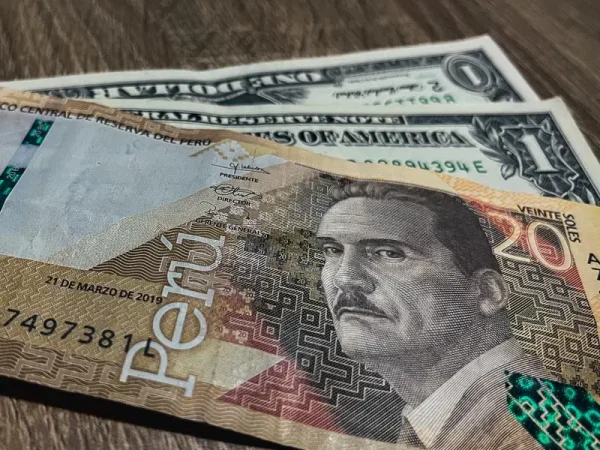
Image
tipping-peru-currency-soles-dollars

Is Tipping Customary in Peru and What Travelers Need to Know
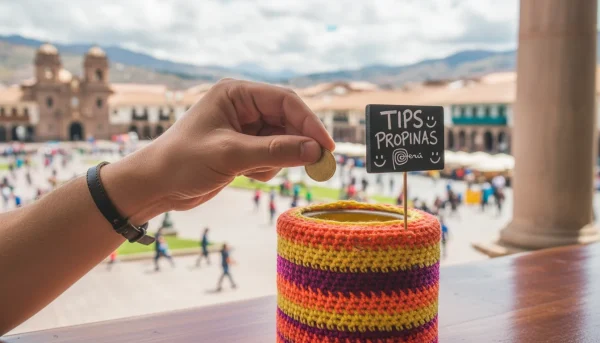
Image
tourist leaving a tip at a restaurant in Peru

Is tipping customary in Peru? Yes, specifically in the hospitality and tourism sectors where international travelers interact with locals, although it is less common in non tourist establishments. Is tipping expected in Peru from foreigners? Absolutely, as there is a general economic understanding that visitors possess higher purchasing power than the average local resident.

The tipping culture in Peru functions as a gesture of personal gratitude known as "propina" rather than a mandatory fee, meaning it is flexible based on the quality of service you receive. While is tipping common in Peru among locals might be limited to leaving small loose change, travelers play a significant role in the livelihood of waiters, porters, and guides.

Do You Have to Tip in Peru or Is It Considered Voluntary

Do you need to tip in Peru according to the law? No, there is no legislation that forces a customer to leave a gratuity, which means is tipping mandatory in Peru is technically a negative. However, do people tip in Peru as a social rule? Yes, it is considered a basic standard of etiquette in restaurants, hotels, and tours.

When you ask do you tip in Peru, the answer is that while you will not be confronted for failing to tip, habitually skipping this gesture is perceived as rude and negatively impacts the workers who work long hours for modest pay.

The social pressure to tip is largely confined to the service industry, where base wages are often quite low. In these contexts, the tip is not seen as a bonus for extraordinary performance but rather as a necessary component of a living wage.

Therefore, while you technically have the right to walk away without paying extra, doing so after receiving adequate service is considered a breach of the unspoken social contract between the traveler and the host.

Can You Tip in US Dollars in Peru or Should You Use Soles

Can you tip in US dollars in Peru? Yes, but it is critical that you only use bills that are in absolutely perfect condition because Peruvian banks will reject any foreign currency with even the slightest tear, ink mark, or heavy crease.

Proper tipping in Peru for daily interactions like taxis or bellhops requires the use of Peruvian Soles, as low wage workers often struggle to exchange small denomination foreign currency like $1 or $5 bills. If I go to Peru should I tip in dollars? You should reserve US currency only for high value tips given to private guides or trekking chefs at the end of a multi day expedition.

Using Soles is always the safer and more practical option for the receiver. When you hand a waiter a 10 Soles coin, they can use it immediately to buy lunch or pay for their bus fare. In contrast, if you give them a $5 USD bill, they must take time out of their day to find a "Casa de Cambio" to convert it, and they will likely lose value on the exchange rate. Therefore, keeping a pocket full of local coins and small bills is the hallmark of a considerate traveler.

Image
tipping-peru-currency-soles-dollars

Mental Tip Calculator How Much to Tip in Peru

Many international travelers constantly search their phones for a reliable tip calculator how much to tip in peru to avoid awkward situations at the end of a meal or tour. Instead of relying on a digital app you can use a very simple mental formula to navigate any scenario.

For sit down meals simply move the decimal point of your total bill one place to the left to instantly find your ten percent base. From there you can add a few extra soles for exceptional service. For daily services like hotel bellhops or luggage assistance keep a mental rule of one sol per minor task and five soles for heavy lifting. Following this mental peru tipping guide will help you handle almost any financial interaction effortlessly.

How Much to Tip in Peru Restaurants and Understanding the Bill
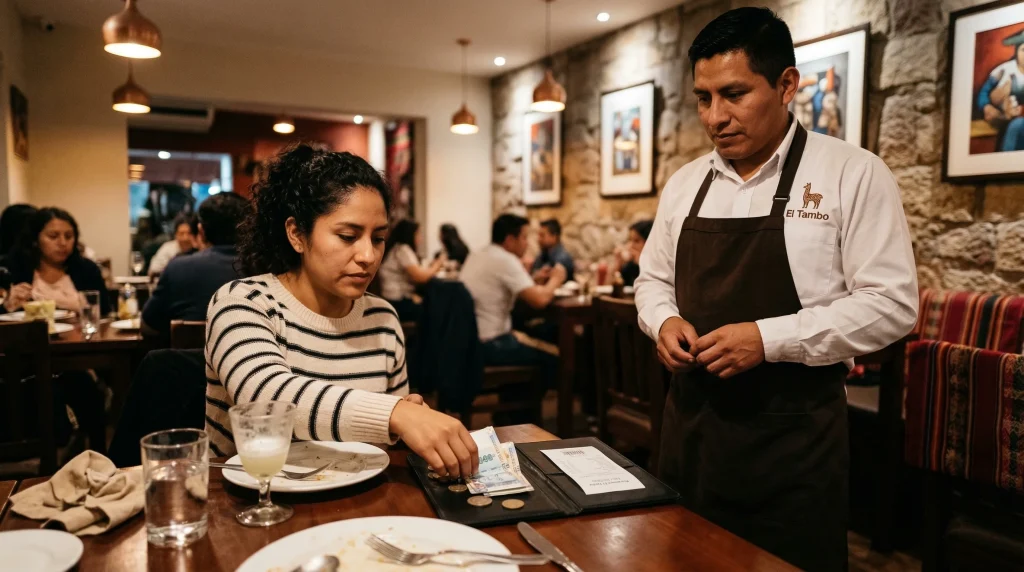
Image
person-leaving-a-tip-in-a-restaurant-in-Peru

A very frequent question among newly arrived visitors is do you tip in peru restaurants. The answer is a definitive yes especially in metropolitan areas and cities frequented by international travelers. When engaging in peru tipping at dining establishments you will notice that the local custom differs slightly from North American standards. While a twenty percent gratuity is rarely expected leaving a solid ten percent in cash directly on the table is the perfect way to show your appreciation for a wonderful culinary experience.

Restaurant tipping in Peru generally adheres to a 10% standard for almost all sit down dining experiences, whereas street food vendors do not expect any gratuity. When determining how much to tip in peru restaurant scenarios, you should always try to leave the money in cash directly on the table to ensure the specific waiter receives it rather than it being absorbed into the restaurant's general revenue. Do you tip in restaurants in Peru even if the service was just average? It is still polite to leave at least a few Soles, but you can reserve the full 10% or more for service that is attentive and professional.

Venue TypeRecommended Tip AmountPreferred Method
Street Stalls / MarketsNo tip expectedVerbal "Gracias"
Menú del Día (Budget Lunch)1 to 2 Soles per personCoins on table
Casual Sit Down / Cafés5% to 10% of the billCash Soles
Fine Dining / Upscale10% to 15% of the billCash Soles or USD

Checking If Tip Is Included in Peru and the Service Charge
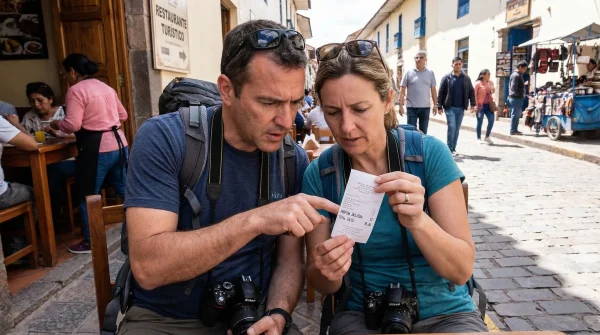
Image
2 tourists checking whether the service charge includes a tip

Is tip included in Peru bills automatically? Sometimes you will see a line item labeled "Servicio" or "Recargo de Consumo" which is usually 10%, but the standard tip in Peru etiquette suggests leaving an additional 5% to 10% in cash regardless. Is service in Peru a tip that goes to the waiter? Legally it is supposed to be distributed among all staff, but in reality, many owners use it to cover administrative costs or breakage, meaning the waiter sees very little of it.

Do you tip in Peru at restaurants that have this charge? Yes, adding a small cash tip personally ensures that your server is directly rewarded for their effort. By handing cash directly to your server or leaving it under a glass on the table, you bypass the restaurant's accounting system. This small act guarantees that the person who actually refilled your water and took your order takes home the reward they earned.

Do You Tip Waiters in Peru for Cheap Lunch Menus versus Fine Dining

Do you tip servers in Peru differently depending on the cost of the meal? Yes, because for a cheap set lunch known as a "Menú" costing 15 Soles, a percentage tip is not calculated; instead, leaving 1 or 2 Soles is sufficient. Regarding tip in restaurants Peru for high end gastronomic experiences, the expectations change significantly as the level of service is much more demanding.

How much should I tip in Peru for a luxury dinner? You should budget for a solid 10% to 15% because the service at these establishments is a professional career, and the staff relies on these gratuities as a primary income source.

At a fine dining venue in Lima, the staff are trained sommeliers and culinary experts who provide an experience, not just a meal. Rewarding this expertise with a proper percentage is standard practice, whereas the casual lunch spot is more about a friendly gesture of loose change.

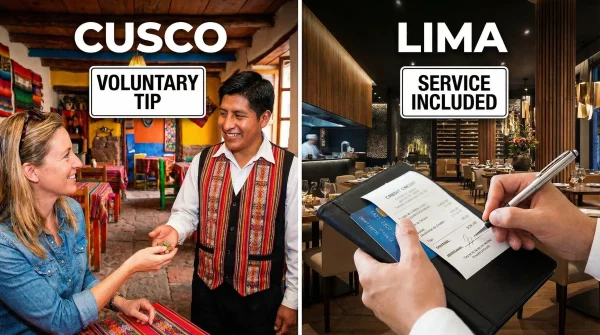
Tipping in Lima Peru vs Tipping in Cusco Peru Restaurants
Image
Tipping in Lima Peru vs Tipping in Cusco Peru Restaurants

Tipping in Lima Peru follows the standard metropolitan protocol where 10% is the accepted norm across the board for business and leisure dining. Do you tip in Lima Peru? Yes, it is a consistent part of the city's dining culture, utilized by locals and visitors alike. The scene in Lima is cosmopolitan, so failing to tip at a nice restaurant can be seen as a faux pas.

In contrast, tipping in Cusco Peru is heavily influenced by the influx of international tourists who often tip more generously. Do you tip in Cusco Peru? Yes, and because the Cusco economy is almost entirely dependent on seasonal tourism, staying close to the 10% to 15% range is a vital way to support the local families who sustain the industry. The seasonality of work in the Andes means that the tips earned during the high season often have to sustain workers through the slower rainy months.

Comprehensive Guide to Tipping Tour Guides and Trekking Staff

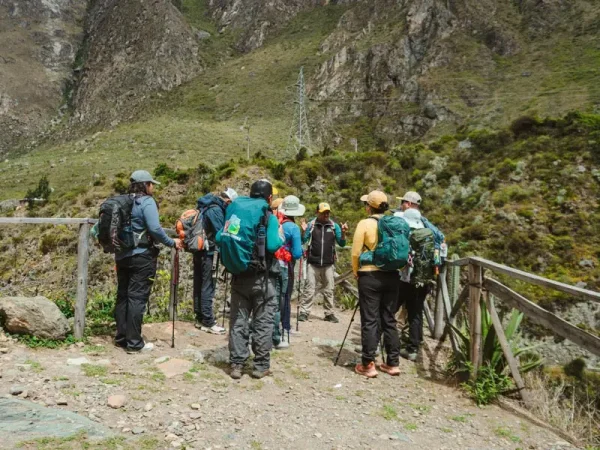
Tipping tour guides in Peru involves much larger sums than restaurants, typically ranging from $5 to $15 USD per person per day for guides and separate amounts for support staff. Tipping guides in Peru is a deeply ingrained custom because these professionals work on a freelance basis with no job security during the off season. When calculating how much to tip a tour guide in Peru, you must distinguish between the "Intellectual Guide" who leads the tour and the "Operational Team" like drivers and cooks who work behind the scenes.
Image
tipping-in-peru-inca-trail-guide

How Much to Tip Private Tour Guide in Peru and Driver for Day Tours

For private excursions, how much to tip private tour guide in Peru increases to reflect the exclusive service, with a benchmark of $10 to $15 USD per traveler per day. Tipping tour guides in Peru on private tours acts as a performance bonus for their English fluency and historical knowledge. Since a private guide is not splitting their attention among 20 people, the gratuity should reflect the personalized care and flexibility they provided to your specific group.

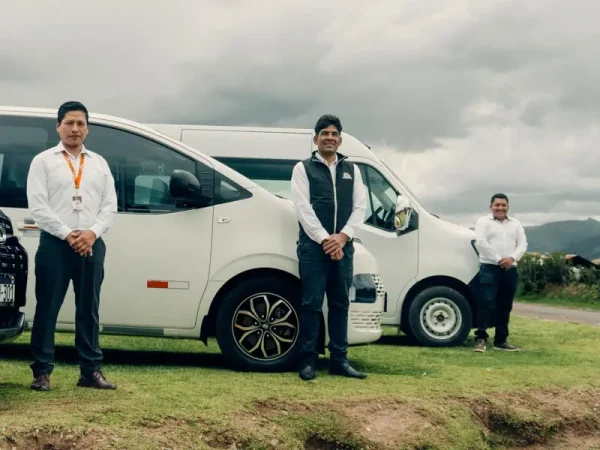
Do you tip drivers in Peru who navigate the difficult Andean roads? Yes, it is important to acknowledge their safety record and focus. How much to tip driver in Peru? A standard amount is 20 to 30 Soles per day provided directly to them at the end of the service.

Drivers often go unnoticed, but they are responsible for your life on winding mountain passes, so a direct tip is a meaningful way to say thank you for a safe journey.
Image
tipping-in-peru-private-drivers

Tipping Etiquette for Porters and Chefs on Hiking and Trekking Routes

Hiking in Peru tips are essential because the porters and chefs on trails like the Inca Trail perform grueling physical labor, carrying equipment and preparing meals in remote locations. How much to tip on tours in Peru for this support crew? The general rule is to contribute about 50 to 80 Soles for each staff member from the entire group pool. These workers are often farmers from local communities who rely on trekking income to support their families, making your tip a direct investment in the rural economy.

How much to tip guide in Peru? The lead guide is always tipped separately and receives a higher amount. How much do we tip guides in peru specifically? You should plan for approximately 150 to 200 Soles ($40 to $55 USD) per hiker for a 4 day trek for the lead guide alone. The guide carries the responsibility for the entire group's health and safety, managing emergencies and logistics, which justifies the higher individual gratuity compared to the support team.

Understanding the Group Pot Tipping System for Multi Day Treks

Standard tipping in Peru for multi day treks utilizes a "Group Pot" system where all hikers contribute a total sum of 200 to 300 Soles ($50 to $80 USD) on the final evening to be divided among the porters and chefs.

As frequently discussed in tipping in Peru Reddit threads, this method ensures that every member of the support team receives a fair share regardless of their visibility to the clients. It prevents favoritism and ensures that the shy porter washing dishes gets the same reward as the outgoing porter serving tea.

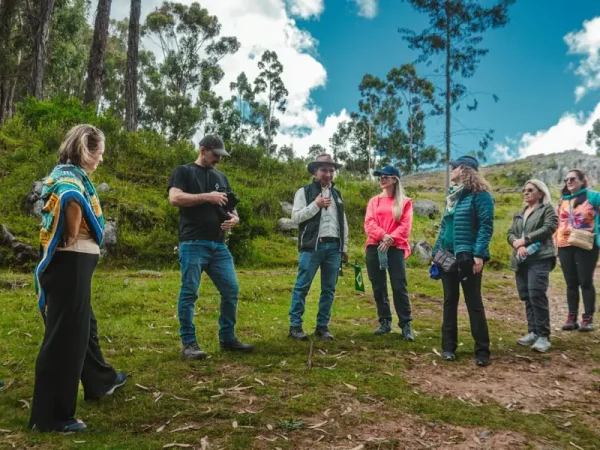
How much to tip guides in Peru is distinct from this pot; the main guide expects to receive their gratuity personally in an envelope or handshake to preserve the professional hierarchy. It is customary to present the "pot" to the chef and porters during the final dinner speech, while the guide is usually tipped quietly after the final tour of Machu Picchu or upon returning to the hotel.
Image
satisfied-clients-tipping-a-local-tour-guide-in-cusco

Tipping for Daily Services like Gas Stations and Public Restrooms

Tipping customs in Peru for small daily services rely entirely on coins, so travelers should always make an effort to hoard small change in Peru like 1 and 2 Sol coins. Large bills are often impossible to use for tips in Peru because small vendors and attendants rarely have sufficient change. Keeping a coin purse accessible is the most practical travel tip for navigating these micro transactions smoothly.

Should You Tip Gas Station Attendants for Pumping Fuel and Cleaning Windows

Do you tip in Peru when buying gas? It is customary tipping in Peru to give 1 or 2 Soles to the attendant only if they perform additional services such as cleaning your windshield or checking your tire pressure. Tipping etiquette in Peru does not dictate a mandatory tip just for pumping fuel since it is their basic job description.

However, given the low wages in this sector, a small coin is always received with gratitude and ensures better service if you return. These attendants work long shifts standing on concrete, and unlike in some countries, they provide a full service experience. A small coin is a polite acknowledgement of the extra care they take with your vehicle.

Why You Always Need Coins for Public Restrooms and Toilet Attendants

Proper tipping in Peru for public restrooms acts effectively as a mandatory entry fee of 1 Sol, paid to the attendant seated at the entrance. Travel tips Peru experts emphasize that bathrooms in bus terminals and markets are almost never free.

Tips for comfortable travel in southern Peru involve keeping a supply of coins specifically for this purpose, as the attendant will provide you with a small amount of toilet paper in exchange for your payment.

The reality of travel in Peru is that public infrastructure is often maintained by these private individuals who rely on your 1 Sol coin to buy cleaning supplies and toilet paper. If you do not pay, you will likely be denied entry or find a bathroom with no supplies. Viewing this not as a "tip" but as a service fee will save you frustration during long bus rides or market visits.

Etiquette for Tipping at Hotels in Peru and Transportation

Tipping at hotels in Peru is a polite gesture that involves small amounts, such as 3 to 5 Soles per bag for bellhops and a similar amount for housekeeping staff per night. Tipping etiquette in Peru suggests leaving the housekeeping tip on the pillow or nightstand to indicate clearly that it is for them. Housekeepers often have the physically hardest job in the hotel, and a small daily tip ensures your room receives extra attention and fresh supplies.

Tipping concierge in Peru is reserved for when the staff goes above and beyond, such as securing difficult reservations or changing flights, where a tip of 10 to 20 Soles is appropriate. This is not for answering simple questions like "where is the museum," but for tasks that required them to use their personal connections or spend significant time solving a problem for you.

Do You Tip Taxi Drivers in Peru or Just Negotiate the Fare

Do you tip taxi drivers in Peru? No, the standard practice is to negotiate the total fare before you enter the vehicle, and that agreed price is final without a tip. Is it custom to tip taxi drivers in Peru? No, it is not part of the local culture. Taxis in Peru do not use meters, so the "haggling" process determines the fair market value of the ride before the wheels even move.

Do you tip taxis in Peru in any situation? Regarding tipping in peru taxi interactions, you should only add 2 to 5 Soles if the driver actively helps you load heavy luggage or waits for you while you run an errand. In these cases, you are paying for the extra time and physical labor, not just the transportation. It is a kindness to round up the fare if the driver navigated particularly heavy traffic with patience and safety.

How Much to Tip for Transfers in Peru and Hotel Bellhops

How much to tip for transfers in Peru for private airport pickups? A tip of 10 to 15 Soles is standard because these drivers typically wait for you with a sign and assist with luggage. Unlike a street taxi, a transfer is a scheduled service where the driver is dedicated to your arrival, often waiting if your flight is delayed. This reliability merits a gratuity.

What is a good tip in Peru for general assistance? A 5 Sol coin is universally considered a generous tip for minor tasks. Customary tipping in Peru for hotel bellhops is 2 to 3 Soles per suitcase, which acknowledges the physical effort of moving your gear to your room. If you are traveling with heavy trekking gear, increasing this to 5 Soles per bag is a great way to show appreciation for the heavy lifting.

What to Do When Confronted with an Unexpected Tipping Situation

Is tipping normal in Peru for random interactions on the street? Yes, especially in high traffic tourist areas where locals may offer unasked assistance or perform small services. In the landscape of tipping in Peru, you must trust your judgment. Should you tip in Peru in these moments? If the interaction provided you with value or help, a small coin is a kind response; if the interaction was aggressive or unwanted, you are under no obligation to pay.

Peru is a culture of reciprocity. If someone helps you find your way when you are lost, they likely do not expect money. However, if someone spends 20 minutes walking you to your destination, offering a soda or a few coins is a polite way to balance the favor. Being aware of the distinction between genuine help and a hustle is a skill you will quickly develop.

Handling Requests for Tips After Photos with Locals or Street Performers

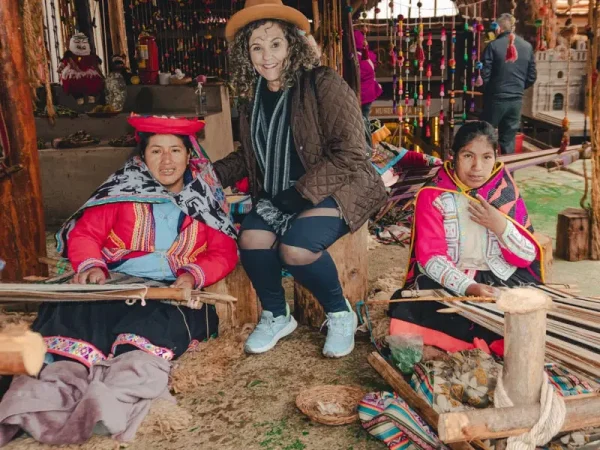
Do you have to tip in Peru when taking photos of locals in traditional dress with alpacas? Yes, this is a transactional service and a key part of their livelihood. The tipping culture in Peru dictates a payment of 2 to 5 Soles per person that appears in the photograph. You should view these locals not as random bystanders, but as street performers who have dressed up specifically to provide this photo opportunity for tourists.

The standard tip in Peru for street performers like musicians or dancers is voluntary, but if you stop to watch and enjoy the performance, contributing a few coins is the respectful thing to do. If you film a video of a musician to post on social media, it is etiquette to drop a larger coin (5 Soles) in their hat, as you are essentially using their talent for your content.
Image
tipping-local-at-the-sacred-valley-peru

How to Politely Decline Tipping if Service Was Poor or Unasked For

Should I tip in Peru if the service was rude or negligent? No, you should strictly reserve gratuities for satisfactory service. Is tipping a thing in Peru regardless of quality? No, it is not an automatic tax. Tipping loses its meaning if it is given for bad service. By withholding the tip, you are sending a clear message that the service did not meet the basic standard.

Do they tip in Peru for unasked help? You are not obligated to open your wallet if someone forces a service on you, such as aggressively wiping your shoes or grabbing your bag to carry it without permission. A firm "No, gracias" is the correct and polite response to end the interaction. You should never feel intimidated into giving money; maintain a confident posture and keep moving.

Final Thoughts on Peru Tipping

Ultimately knowing exactly how much to tip in peru comes down to reading the situation and appreciating the hard work of your hosts. While the numbers and percentages provide a solid framework the most important aspect of peru tipping is the gratitude behind the gesture. By keeping small change available and recognizing excellent service you ensure that your journey through the Andes is filled with warm smiles and genuine connections.
Show in Travel Guide (Home)
No

Traditional Peruvian Dances History Rhythm and Culture

Submitted by admin on

Peruvian dances are a profound expression of a country rich in history and diversity. When you explore Peru music and dance, you quickly realize that every movement, costume, and rhythm tells an ancestral story. From the warm Pacific coast to the freezing Andes and the lush Amazon, dance in Peru blends Indigenous roots with African and Spanish influences into a vibrant cultural mosaic.

In many local communities, a traditional Peruvian dance is not just a performance. It is a sacred ritual to honor the earth, celebrate agricultural harvests, and preserve history. In this guide, we break down the most popular dances in Peru to help you understand the true soul of Peruvian dancing.

Image
traditional-dance-of-the-anaconda-jungle

The Most Famous Dances of Peru

Every region in the country has its own specific style of Peru traditional dance. Here are the essential performances that define the nation's folkloric identity.

Marinera The National Dance of Peru

Image
Peruvian-dance-the-marinera

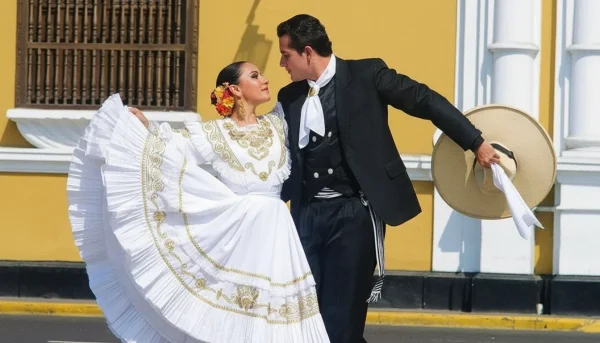
Originating from the northern coast, the Marinera is widely considered the crown jewel of traditional Peruvian dances. It is an elegant and complex romantic chase between a couple.

  • The Technique: The woman dances barefoot to symbolize her connection to the earth, managing heavy skirts, while the man circles her gallantly with a straw hat.
  • The Symbolism: Both dancers use white handkerchiefs to communicate, creating an incredible display of elegance and rhythm.

Huayno The Heartbeat of the Andes

Image
traditional Peruvian huaino dance from the Andes

The Huayno is the most widespread and beloved peruvian folk dance across the Andean highlands. It is the definitive soundtrack of daily life, performed at Patron Saint festivals and local weddings.

  • The Music: Driven by high pitched vocals and traditional instruments like the quena flute, harp, and charango.
  • The Movement: Famous for its energetic footwork known as the zapateo, an earth-shaking rhythmic stomp that honors the Pachamama (Mother Earth).

Festejo Afro Peruvian Heritage

Image
Peruvian Afro dance celebration

Rooted in the central and southern coast, specifically around Ica and Chincha, the Festejo is an explosion of rhythm. Born from the African communities who made Peru their home, this dance celebrates freedom and resilience.

  • The Rhythm: Powerfully driven by the Cajón Peruano (a wooden box drum) and the quijada (a donkey jawbone).
  • The Style: Dancers move with an athletic, loose energy involving rapid hip movements, making it one of the most vibrant styles of peruvian dancing.

Tondero Northern Peru's Rural Expression

Image
people dancing in a plaza the Peruvian dance tondero

Born in the scorching heat of Piura the Tondero is the rebellious and earthy cousin of the Marinera. This traditional Peruvian dance represents everyday life as it exists in rural coastal communities. It is raw passionate and almost always danced barefoot because the performers need to feel the burning ground beneath them.

The choreography mimics a rooster chasing a hen starting with a slow soulful guitar intro before suddenly exploding into a fast foot stomping rhythm. The Tondero illustrates themes of working finding romance and adhering to local customs with freedom and creativity.

Cajamarca Carnival Dance

Image
traditional-dance-of-Cajamarca-Peru

The Cajamarca Carnival is one of the most joyful and communal expressions of Peru dances. During February, entire neighborhoods form troupes and flood the streets to dance to live bands.

  • The Experience: It is a spontaneous celebration that blends European carnival customs with deep Andean traditions, featuring vibrant costumes and playful rhymes.

Scissors Dance Danza de las Tijeras

Image
Peruvian-scissors-dancers

Originating in the highlands of Ayacucho and Apurímac, this is one of the most intense dances in Peru. It combines artistry, spirituality, and extreme physical endurance.

  • The Performance: The dancers, called Danzaq, perform acrobatic jumps and contortions while aggressively clicking two heavy metal blades in their hands.
  • The History: This traditional dance of Peru began centuries ago as a ritual competition between Andean priests and remains a mesmerizing symbol of cultural resistance.

Diablada Puneña Cultural Identity of Puno

Image
traditional diablada dance from Puno, Peru

Puno is known as the folkloric capital of the country, and the Diablada is its most visually stunning performance, showcased massively during the Virgen de la Candelaria Festival.

  • The Meaning: It acts out the eternal battle between the Archangel Michael (representing good) and an army of Demons (representing evil).
  • The Attire: Dancers wear massive, terrifying devil masks with huge horns and heavily embroidered capes.

Shapis of Chupaca

Image
Peruvian-dance-by-Shapis-of-Chupaca

If you head into the central Andes specifically the Junín region you’ll find a dance of Peru that is pure pride and resilience. The Shapis isn't just a performance; it’s a history lesson about survival.

The backstory is epic: it represents Wanka warriors who fled to the jungle to avoid being conquered, and then returned home years later, triumphant and changed. That’s why the costumes are so unique they mix mountain styles with "exotic" elements to show where they’ve been. The dancers wear masks that look like fierce elders with beards, strutting with an air of absolute confidence and elegance. Accompanied by upbeat huaynos, it is a proud, strutting display that stands out among traditional peruvian dances. It’s a powerful reminder that dance in Peru is often how people keep their history alive.

Puno Pandilla

Image
traditional-dance-from-Puno-Padilla

If the Marinera is a formal date, the Pandilla Puneña is the best street party you’ve ever been to. This is the definition of joy in the high Andes. Unlike other traditional dances in Peru that might require strict rehearsals, the Pandilla is all about community, spontaneity, and just letting go.

During Carnival season, the streets of Puno explode with life. Picture this: endless rows of dancers men and women holding hands snaking through the city, waving streamers, throwing flowers, and spraying water. It’s chaotic in the best way possible. And they aren't just dancing; they’re singing cheeky, flirtatious, and often hilarious verses to each other as they move. It captures the playful soul of Peru music and dance, proving that dance in Peru isn't always about serious rituals sometimes, it’s just about having a really, really good time with your neighbors.

Amazonian Dances The Anaconda Dance

Image
traditional-dance-of-the-anaconda-jungle

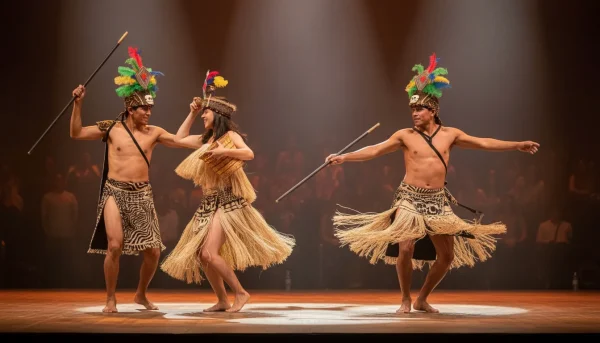
In the lush heart of the jungle, Amazonian dances are a deeply spiritual act used to thank nature. The Anaconda dance is a perfect example of this connection.

  • The Representation: Dancers form long, undulating lines to mimic the movement of the massive serpent through the water, celebrating fertility and the cycle of nature.
  • The Costumes: Made entirely from natural materials like plant fibers, feathers, and organic dyes.

The Evolution of Peruvian Dance Styles

The landscape of music and dance in Peru is constantly evolving. In recent decades, Peruvian cumbia (locally known as Chicha) has taken the nation by storm. By blending traditional Andean huayno melodies with tropical guitar sounds, cumbia has become the modern rhythm of the working class.

For travelers eager to connect with the culture, taking Peruvian dance classes in cities like Lima or Cusco is highly recommended. Whether you want to learn the steps of the coastal Marinera or feel the energy of Andean dancers, experiencing these rhythms firsthand provides a deeper understanding of Peru's living heritage.

Global Pop Culture and Peruvian Music

The enchanting sounds of the Andes have even made their way into global pop culture. Many international audiences were first introduced to the hypnotic sounds of the pan flute through popular television shows.

A famous example is the episode featuring characters observing a Peruvian flute band performance which sparked a surge of online searches for traditional Andean music. While these pop culture moments are often humorous they highlight just how recognizable and universally appealing Peruvian music and dance have become around the world.

Where to Experience Peruvian Dance Classes

For those inspired by these rhythmic traditions taking Peruvian dance classes is an incredible way to connect with the culture. Many cultural centers in cities like Lima and Cusco offer workshops for travelers eager to learn the basic steps of the Marinera or the Festejo.

For those outside of South America the growing Peruvian diaspora means you can often find dedicated instructors teaching these passionate dances in major cities worldwide keeping the vibrant heritage of Peru dancing alive across the globe.

Show in Travel Guide (Home)
No

Why visit Peru in November 2026?

Submitted by admin on

Peru in November is a special month that offers a travel experience different from the peak season. With a more temperate climate, fewer tourists, and a series of traditional festivities, this month becomes the ideal time to discover the diversity of this South American country. If you’re looking for a more peaceful experience without sacrificing the magic of Peru’s wonders, November in Peru is the perfect month for your adventure.

During this month, temperatures are much more pleasant, making it a true delight to explore the country’s cities, mountains, and jungles. Additionally, since it’s no longer peak season, you can enjoy the main tourist attractions without the crowds that tend to fill them in the summer months. Imagine walking around Machu Picchu or strolling through the streets of Cusco in a more relaxed atmosphere, allowing you to enjoy every corner at your own pace.

Peru in November is also the month when the country’s most representative festivities come to life. From All Saints' Day to other colorful and traditional celebrations, you’ll have the opportunity to immerse yourself in Peruvian culture in an authentic way. And the best part: you can enjoy these celebrations while the country offers you the best climate for exploring and relaxing.

So, if you're looking for an escape to a destination full of history, nature, and culture, without the hustle and bustle of tourists, Peru in November is waiting for you with open arms. It's the perfect time to have a unique experience in one of the world’s most fascinating destinations!

Image
The-Peruvian-Amazon
Image
peru-in-november

Climate of Peru in November

The climate of Peru in November is one of the key factors that makes it an excellent travel option. While the weather at other times of the year can be more unpredictable, in November in Peru, the conditions are much more stable, allowing you to enjoy outdoor activities and explore the country comfortably.

Temperatures and weather in the coast, highlands, and Amazon of Peru

Peru is a country of climatic contrasts, and each region offers a unique climate, especially in Peru in November. This month has the advantage of more stable and pleasant weather throughout the country, making Peru in November one of the best times to explore its natural and cultural wonders. Below, we detail what you can expect in each region:

Image
Peruvian-Coast

Peruvian Coast

The temperatures on the Peruvian coast in November are mild and pleasant, with sunny days perfect for enjoying the beaches and exploring the cities. Lima, for example, enjoys a temperate climate, with temperatures ranging between 18°C and 22°C. This climate is perfect for walking through colonial streets, exploring the colorful neighborhoods of Barranco and Miraflores, or relaxing on nearby beaches.

If you decide to visit other coastal cities like Paracas or Ica, the weather is equally pleasant, with temperatures ranging from 22°C to 26°C, perfect for outdoor activities like boat tours, water sports, or a visit to the famous Nazca Lines.

Additionally, November in Peru is an excellent month to enjoy Peruvian cuisine, from famous ceviches to the rich variety of seafood found along the coasts. Local markets offer the freshest and most delicious ingredients, making your culinary experience just as memorable as your journey through the country.

Image
Peruvian-Highlands

Peruvian Highlands

In the highland regions such as Cusco, Arequipa, and Puno, Peru in November is the perfect month to explore without the discomfort of extreme heat or constant rain from other months. During the day, temperatures range from 18°C to 22°C, allowing you to enjoy walks through the ancient colonial streets, visit local markets, and explore the impressive Inca ruins. However, nights are cooler, with temperatures dropping to around 8°C, so we recommend bringing warm clothing for the evenings.

It’s a great time to tour the Sacred Valley or visit the historic cities of Ollantaytambo and Pisac, where the cool weather allows you to enjoy panoramic views of the mountains without the stifling heat of summer.

Moreover, if you wish to visit Machu Picchu, November is an ideal month: the climate is perfect for trekking, and the weather in the Inca citadel is warmer than in the winter months, but with fewer tourists, giving you the opportunity to enjoy the place more peacefully.

Image
Peruvian-Amazon

Peruvian Amazon

The Peruvian Amazon, famous for its biodiversity and lush landscapes, has a tropical climate throughout the year. However, Peru in November is considered one of the best months to visit due to the reduced frequency of rainfall. In the jungles of Iquitos or Puerto Maldonado, the weather is warm, with temperatures ranging from 24°C to 32°C, but in November, the rains begin to decrease, making the jungle exploration more enjoyable.

You can tour the Pacaya Samiria National Reserve or take a trip along the Amazon River and experience the region’s unique flora and fauna, without having to deal with the heavy rains that characterize the winter season. Additionally, nights are usually warm, making nighttime excursions and jungle walks more pleasant.

In November, boat tours along the Amazon rivers and jungle hikes are much more accessible, and you’ll be able to see a variety of animals and tropical plants without the inconveniences that rainfall brings during other times of the year.

Festivals in Peru in November

Traveling to Peru in November also offers you the opportunity to immerse yourself in its rich culture through its traditional festivals. During this month, celebrations in various regions of the country provide a deep insight into Peruvian history and customs.

All Saints' Day and the Traditional Day of the Dead Fair

On November 1st, Peru celebrates All Saints' Day, a holiday to honor the deceased. On this day, families gather in cemeteries to pay tribute to their loved ones, placing flowers, candles, and offerings on the graves. Additionally, many cities organize Day of the Dead fairs, where you can enjoy music, dances, and the traditional “chicha morada”. This celebration allows you to see how death is honored with respect and joy, and you’ll be immersed in one of the most meaningful customs of the country.

The Feast of the Virgin of Candelaria

Although the Feast of the Virgin of Candelaria is officially celebrated in February in Puno, the festivities begin in November with a series of celebrations and rituals. This religious and cultural festival is one of the most important in the country, full of music, dances, and traditional costumes. If you travel to Peru in November, you’ll have the chance to experience the religious fervor and joy of this celebration that brings together thousands of people.

Image
Colca-Canyon

The best of Peru in November

While the climate and festivals are reason enough to visit Peru in November, this month also offers a variety of perfect destinations to explore. From historical and natural sites to vibrant cities, November is ideal for enjoying the country’s wonders without the crowds of tourists that typically fill the high season.

Arequipa and the Colca Canyon

The White City of Arequipa is another destination that comes to life in Peru in November. With an ideal climate for exploring its impressive colonial churches and charming streets made of white volcanic stone, Arequipa offers a perfect blend of history, architecture, and nature. From here, you can take a trip to the Colca Canyon, home to the majestic Andean condors. In Peru in November, the weather is perfect for enjoying these landscapes without the rains that usually arrive at other times of the year.

The Colca Canyon is one of the deepest canyons in the world, and in Peru in November, you can hike its trails with pleasant temperatures, making the walk much more comfortable. The condors, which usually fly in the early hours of the day, are easier to spot without the humidity that affects other seasons.

Additionally, Arequipa is known for its gastronomy, and in November in Peru, you can enjoy delicious food without the crowds. Try rocoto relleno, adobo arequipeño, and the famous queso helado while strolling through the Plaza de Armas or exploring the Santa Catalina Convent, one of the city’s architectural gems.

Image
The-Peruvian-Amazon

The Peruvian Amazon

The Peruvian Amazon is another highlighted destination in Peru in November. In this month, the rains are less frequent, making jungle excursions much more enjoyable. Visiting Iquitos or Puerto Maldonado offers you the chance to explore one of the richest and most biodiverse ecosystems in the world without the inconveniences of the rainy season.

You can take boat trips along the Amazon River, hike through the Pacaya Samiria National Reserve, or even spot wildlife like monkeys, caimans, and an incredible variety of birds. Without the extreme heat and humidity of peak season, the weather is much more tolerable for walks and outdoor activities. If you're looking for an authentic experience, this is the perfect time to connect with nature and enjoy the peace that only the Peruvian jungle can offer.


Cusco and the Sacred Valley

The Sacred Valley of the Incas is another place that comes to life in Peru in November. During this month, the weather is perfect for exploring the archaeological sites without the scorching heat of summer. You can visit the site of Ollantaytambo, with its impressive Inca fortress, or discover the temples and terraces of Pisac.

In Cusco, the ancient capital of the Inca Empire, you can walk through its cobbled streets and enjoy its unique mix of colonial and Inca architecture. In Peru in November, the weather is ideal for enjoying everything Cusco has to offer, from its markets to its stunning architecture, without the crowds that usually fill the city in high season.

Image
Sacred-valley in cusco peru

Puno and Lake Titicaca

If you’re looking for a unique and mystical experience, Puno and Lake Titicaca are an excellent choice in November in Peru. During this month, the weather is more moderate, making it much more pleasant to navigate the lake and explore the floating islands of the Uros or Taquile Island. Additionally, you’ll have the chance to interact with the local communities and learn about their traditions, without the crowds that fill the area in other months of the year.

Lake Titicaca, with its serene beauty, offers a cultural experience you can’t miss. Visit the islands and learn about the customs of the communities that have inhabited the area for centuries. The temperate weather in November in Peru makes it one of the best times to explore this fascinating destination.

Peru in November is not only a great time for the climate but also for the variety of destinations you can explore more peacefully and without the crowds. Whether you're drawn to natural wonders, ancient civilizations, or rich local culture, this month has something for everyone. Ready for your adventure in Peru?

Tips for Traveling to Peru in November

If you decide to travel to Peru in November, here are some useful tips that will help you make the most of your experience.

Prepare for variable weather: While November in Peru has favorable weather, it’s important to be ready for the variability of the climate. Bring light clothing for coastal areas and warmer clothes if you're heading to the highlands. Don’t forget to pack a raincoat just in case, as rain can be unpredictable in some areas.

Take advantage of off-season prices: November is an off-season month, which means you can find lower prices on accommodations, tours, and flights. This will allow you to make the most of your budget while enjoying an incredible experience at a more affordable price.

Why choose Peru in November?

Visiting Peru in November is an excellent option for those looking for a more relaxed, less touristy experience with the perfect climate to explore the country. During this month, you can enjoy the magic of Peru without the crowds that fill it during peak season. From traditional festivals that fill the streets with color and music to natural and cultural destinations you can explore at your own pace, November in Peru is the perfect month for a unique adventure.

Moreover, the weather in November in Peru is ideal: not too hot nor too cold, making this month the best time for hiking, exploring ancient Inca ruins, or simply relaxing in the beautiful landscapes of the mountains and jungle. The off-season allows you to enjoy lower prices on accommodations and tours, making your trip more affordable without sacrificing quality.

If you’re looking for a way to experience Peru in its most authentic form, November in Peru gives you the opportunity to do so in a more intimate and unhurried way. Whether it’s enjoying a walk through Machu Picchu, exploring the stunning Amazon, or getting lost in the charming streets of Arequipa, this month has everything a traveler needs for an unforgettable experience.

So, don’t hesitate! In November in Peru, the country is waiting for you with open arms, offering the best of its culture, history, nature, and gastronomy. It’s the perfect time to discover everything this wonderful country has to offer and create memories that will last a lifetime.

Show in Travel Guide (Home)
No

Travel Tips in Peru

Submitted by admin on

Handling High Altitude: Take It Easy!

Heading to high places in Peru like Cusco (around 3,399m / 11,152ft). Plan for at least a full day, maybe two, just taking it easy before doing anything strenuous, especially if you fly straight in from somewhere low like Lima (coastal, near sea level).


Image
visit-to-the-Titicaca-Lake-Floating-Islands

Tips to Avoid Soroche:

  • Go Slow: When trekking, don't push yourself too hard on the first days
  • Rest Up: Build rest days into your itinerary.
  • Hydrate: Drink plenty of water.
  • Eat Light: Avoid big heavy meals and alcohol when you first arrive at altitude.
  • Local Remedies: Locals often chew coca leaves or drink muña tea. Give them a try; they can help! You can also get altitude sickness pills (like Diamox, consult a doctor first).

Money Matters: Cash, Cards, and Condition

You'll need Peruvian Soles (S/ PEN). You can exchange money back home or when you arrive in Peru.

  • Cash is Handy: ATMs (cajeros automáticos), banks, and money exchange places (casas de cambio) are easy to find in cities and tourist areas. But in remote villages or at ancient sites? Not so much. Always carry some cash (efectivo) for small purchases like meals, souvenirs, entrance fees, or taxis. Just don't carry huge wads of it.
  • Cards Work Too: Major credit cards are accepted in many hotels, restaurants, and shops, especially in tourist zones. Just ask beforehand if they add any extra fees or what exchange rate they use – sometimes it's not the best.
  • Bill Condition: This is a thing in Peru! Make sure your Peruvian Soles bills are clean and not torn or damaged. Shops or vendors might refuse them if they look too beat up. Same applies if you happen to pay with US dollars (sometimes accepted, especially for tours) – use crisp, clean bills. Avoid the CB-B2 series of $100 US bills as they might not be accepted.

Peru's Weather: What to Expect Where

Peru's got three main zones, each with its own climate vibe. And remember: pack strong sunblock (high SPF), a hat, and sunglasses everywhere. The sun can be brutal, especially at altitude.

  1. The Coast (La Costa): Desert Vibes & Pacific Beaches
    Stretching along the Pacific, Peru’s coast is mostly desert. Key spots:
  • Lima (sea level):
  • Tumbes (23 ft / 7 masl)
  • Ica (1,332 ft / 406 m).

Must-sees: Ballestas Islands (dubbed "Budget Galapagos"), the ancient Pachacamac ruins near Lima, northern beaches, and the mind-blowing Nazca Lines.

Seasons:

  • April–mid-Sept: Cooler ("winter"). Lima gets grey and misty (garúa fog).
  • Mid-Sept–March: Hotter ("summer"), hitting 86°F (30°C). Rain’s rare except in the far north, which stays warm year-round.
  1. The Andes (La Sierra): High-Altitude Wonders
    Think epic peaks and Inca history. Top spots:
  • Cusco (11,152 ft / 3,399 m)
  • Arequipa (7,661 ft / 2,335 m)
  • Puno (12,556 ft / 3,827 m)

Seasons:

  • Dry (April–Oct): Sunny days, freezing nights (below 32°F / 0°C).
  • Wet (Nov–March): Afternoon rain bursts, muddy trails, but lush green views.

Pro tip: "Altitude hits hard. Take it slow, sip coca tea, and save that trek for Day 2!"

  1. The Amazon (La Selva): Jungle Heat & Wildlife
    Steamy and wild. Main hubs:
  • Iquitos (348 ft / 106 m).
  • Puerto Maldonado (600 ft / 183).

Wildlife spots: Manu National Park (monkeys, macaws), Tambopata Reserve (river tours, jungle lodges).

Climate: Sweltering year-round (up to 104°F / 40°C). Rain comes in heavy bursts – quick-dry clothes are a must.

Packing Tips for Peru: Keep it Simple

Alright, packing for Peru? Less is definitely more here.

Luggage Limits: Heads up – domestic flights usually have a limit around 50 lbs (that's 23 kg). Taking the train to Machu Picchu (Altitude: approx. 7,972 ft / 2,430 m)? You can generally only bring one medium bag plus your carry-on. Packing too much? It'll cost you extra soles – those fees add up fast.

Travel Light: You'll be dealing with stairs, hopping on buses, walking on bumpy cobblestone streets... trust me, you'll be glad you didn't bring that massive suitcase.

Daypack Stuff: What you really need easy access to is water, sunscreen, a rain jacket (just in case), and maybe some snacks. Pro tip: bring a reusable water bottle. Tap water's a no-go for drinking, so you'll want to refill from safe sources.

Lock Your Bag: Throw a small lock on your main bag. And make sure everything has a tag with your name – mix-ups can happen, especially on buses or tours.

Clothes: Think Layers

Peru's weather is kinda crazy, especially up in the Andes like around Cusco (Altitude: approx. 11,152 ft / 3,399 m). Because of the altitude, it can go from sunny and warm to pretty chilly real quick when the sun dips or clouds appear.

So, what's the secret? Layers! Pack stuff you can easily put on or take off:

  • T-shirts (the quick-dry kind are awesome)
  • Long-sleeved shirts (good for sun and when it gets cool)
  • Comfy pants (hiking pants are great 'cause they work for almost everything)
  • A warm fleece or sweater
  • A decent jacket that blocks wind and rain

Basically, be ready for strong sun and chilly mornings or evenings. Oh yeah, and toss in a swimsuit if your hotel has a pool or you might hit up some hot springs (baños termales).

Shoes You'll Need

You're gonna walk a ton in Peru. A lot of it will be on uneven cobblestone streets in towns or dirt paths at ruins.

Hiking Boots/Shoes: Good, sturdy shoes with decent grip are essential. Seriously, don't skimp here – you need them for safety and just being comfortable. Make sure they're broken in before you leave home! Getting blisters miles from anywhere is the worst. A bit of ankle support is nice for rough trails.

Other Shoes: Closed-toe shoes are generally best. Maybe bring some comfy sneakers or sandals for walking around cities like Lima (Altitude: approx. 509 ft / 155 m) on the coast or just chilling out.

Your Important Papers

Don't forget the essentials:

Passport: It must be valid for at least 6 months after the day you enter Peru. No wiggle room on this.

Carry Your ID: It's actually the law in Peru to have your passport (or at least a clear copy) with you. You might get asked for it at checkpoints or when checking into hotels. Keep copies – paper and digital – separate from your real passport just in case.

Medical Notes: If you have any health stuff or allergies, bring a note from your doctor and a list of meds you take.

Don't Forget Travel Insurance

Seriously, get travel insurance. Don't leave home without it. Make sure it covers the important stuff like:

  • If your trip gets canceled or cut short
  • Doctor visits or hospital stays abroad
  • Getting flown out in a serious emergency (super important if you're hiking or way out there)
  • Lost or stolen bags and passport
  • Your bags being delayed

What is the Coca Leaves?

You'll see coca leaves everywhere in the Andes. Locals have been chewing them or drinking coca tea (mate de coca) for ages.

Why? They give you a bit of energy (kinda like strong coffee) and are the traditional way to deal with altitude sickness symptoms. They also say it helps with hunger and tiredness.

Should you try it? Go for it! Especially if you're feeling the altitude kicking in or going on a tough hike. Tour guides often offer them. It's part of the culture and it might genuinely make you feel better.

Best Time to Visit Peru?

When to go really depends on Peru's dry and rainy seasons, especially for the mountains and the jungle.

Dry Season (around April to October): This is your best shot for sunny days, especially up high. Perfect for hiking. It's also peak tourist season

Rainy Season (around November to March): Expect rain, yeah, but usually it's just heavy showers in the afternoon, not always raining all day. Everything looks super green and lush (they call it the "green season"). Usually fewer tourists, and sometimes you find better deals.

There's no single "perfect" time it just depends on what matters most to you – weather, crowds, or cost – and where exactly you're planning to go.

Shots and Health Stuff

Check the Basics: First off, make sure your routine shots (like Tetanus, MMR) are up to date.

Recommended: Most travel docs will tell you to get shots for Hepatitis A and Typhoid before traveling to Peru.

Depends Where You Go:

  • Yellow Fever: Good idea (and sometimes you need proof you got it) if you're heading into the Amazon jungle regions below 7,546 ft (2,300 m), like near Iquitos (Altitude: approx. 348 ft / 106 m) or Puerto Maldonado (Altitude: approx. 607 ft / 185 m).
  • Malaria: There's a risk in jungle areas below about 4,921 ft (1,500 m), mainly the Amazon basin. Talk to your doctor about pills or bug spray if you're going there. The risk is super low or basically zero in Lima, Cusco, Machu Picchu, Lake Titicaca (Altitude: approx. 12,507 ft / 3,812 m), and Arequipa (Altitude: approx. 7,661 ft / 2,335 m).
  • Rabies: Think about this one if you'll be spending a lot of time way out in the countryside or working near animals.

Talk to a Pro: Best thing is to see your doctor or a travel clinic 4-6 weeks before your trip. They can give you advice based on exactly where you're going and your health.

Handling High Altitude: Sun & Stuff

Up high, the sun is no joke, even when it feels cool or looks cloudy. The air is also really dry, and the wind can chap your skin bad.

Skin & Lips: Use lots of sunscreen with a high SPF often. Don't forget your ears, neck, and hands! Lip balm with SPF is a must. Wear a hat with a wide brim. It's smart to pack a good moisturizer for night time too. Maybe bring some aloe vera gel just in case you get burned.

Eyes: Those UV rays are strong. Wear good quality sunglasses. The wrap-around kind are best because they block glare from the sides. This is extra important if you'll be near snow or salt flats where the reflection is super bright.

Seriously, Get Good Travel Insurance (Worth Saying Twice!)

Yeah, we mentioned it, but it's super important: you need good travel insurance.

What It Needs to Cover: Make sure it includes the big things: medical emergencies (including getting evacuated if needed!), trip cancellation/interruption, and lost, stolen, or damaged bags.

Medical is Key: Your regular health insurance back home probably won't cover you in Peru. If something bad happens, medical costs can be massive. Make sure your policy covers getting you to a decent hospital and even flying you home if necessary.

Luggage Cover: If the airline loses your bag, insurance helps you buy clothes and toiletries. This is extra important if you packed special hiking gear. (Hot tip travelers share: wear your hiking boots on the plane and keep medicine or anything critical in your carry-on!)

Credit Card Insurance: Some credit cards give you travel insurance if you book your trip with them. Check what it covers – it's often pretty basic and might not be enough by itself, but it could be a helpful extra layer.

Keeping Safe in Peru: The Basics

So you're heading to Peru awesome! Generally it's a safe spot for travelers yeah? But like anywhere else you gotta keep your wits about you.

  • Be Aware: Pay attention when you're in those busy areas. Keep your phone money and passport zipped up and hidden Dont flash cash or expensive gadgets around it just makes you look like a target you know?
  • Traveling Solo: If you're on your own just be a little extra watchful Stick to well-lit streets at night maybe shoot a message to someone back home letting them know your rough plans. Peruvian people are often super helpful like "¡qué amable!" (how kind!) but remember your safety is mainly up to you.
  • Taxis: Getting a taxi? Its usually safer if your hotel or restaurant calls a registered one for you or if you use a ride app you trust just make sure the driver and car match the app! Always agree on the price before you get in ask "cuánto cuesta?" (how much does it cost?) cause taxis here dont really use meters. Try not to just hail a random cab off the street especially late at night it can sometimes be iffy.

Tips for Women Traveling Alone

Okay ladies if you're traveling solo you might sometimes get unwanted comments from guys maybe whistles or call-outs ("piropos"). It's mostly just annoying honestly. Dressing a bit more modestly especially when you leave big cities like Lima (approx. 150m / 492ft) might cut down on it maybe maybe not its hard to say for sure.

Gotta be real though unfortunately sexual assault can happen even in tourist areas. So please be extra careful:

  • Try not to walk around alone after dark.
  • Be aware when getting taxis or hanging around bus terminals.
  • Be smart about strangers or people you just met especially if they're offering drinks rides or inviting you somewhere private. Trust your gut feeling if something feels off it probably is.
  • In some very rare cases even tour guides have been involved in bad situations so try to pick tour companies with a solid reputation.
  • If anything bad does happen contact the police right away. The Tourist Police ("Policía de Turismo") often have officers who speak some English.

Adventure Activities: Staying Safe

Peru is like a dream for adventure lovers right hiking trekking climbing! But these activities always have risks you gotta know that.

Hiking Trekking Climbing: Accidents do happen sometimes they're really serious even fatal on popular spots like Huayna Picchu (that peak overlooking Machu Picchu) or while climbing in areas like the Cordillera Blanca mountains near Huaraz (around 3,052m / 10,013ft). Good info: the classic 4-day Inca Trail is closed for maintenance every February. Some other trails might not be marked super clearly people have gotten lost. Also watch out steep drop-offs often dont have fences or railings.

Sometimes getting to Rainbow Mountain (Vinicunca) can be tricky because of disputes between the local communities managing the routes. Best check the current situation with your tour operator before you go.

Water Fun:

White-water rafting is popular but accidents have happened especially on the Urubamba River near Cusco (Cusco city itself is high up around 3,399m / 11,152ft). Just be aware that the gear the guide training and the rescue services might not be exactly the same high standard you're used to back home. Choose your rafting company carefully maybe ask around for recommendations.

Thinking About Ayahuasca? Be Careful

You might hear about ayahuasca tourism people going to ceremonies led by shamans. If this is something you're considering please be extremely careful.

  • The Risks: Taking ayahuasca can cause serious medical problems especially if you have existing health conditions or take certain medications. It can really mess with your thinking and physical coordination. There are documented cases where tourists have gotten very sick injured had severe psychological problems been sexually assaulted or even died during or after these ceremonies.
  • No Rules: This stuff often happens in remote places with no easy access to doctors or mental health help if things go wrong. The facilities might lack even basic first aid or emergency plans. It's an unregulated industry so it's basically impossible to know for sure if an operator or shaman is safe or legit. It's a complex thing approach with extreme caution or maybe just decide the risks aren't worth it.

Getting Around Peru: Public Transport Tips

Buses (General): Buses are the main way people travel between cities and towns in Peru.

Local Buses: Inside cities like Lima you'll see local buses called "micros" or "combis". They can be old crowded and sometimes the drivers are pretty aggressive. Definitely keep an eye on your stuff for pickpockets on these – "¡Cuidado con los choros!" (Watch out for thieves!).

Intercity Buses: For longer trips between cities buses can be a good option. Try to stick with the well-known companies like Cruz del Sur Oltursa or Movil Tours people generally say they're more reliable. Bus accidents are a concern though sometimes due to speed poor maintenance or tired drivers. Night buses used to have a slightly higher risk of robbery but the better companies have improved security. It’s always smart to book tickets ahead especially for popular routes.

Trains: Trains aren't as common as buses. They mostly run on the big tourist routes: Cusco to Machu Picchu (the station's in Aguas Calientes town approx 2,040m / 6,693ft) and the scenic route linking Cusco Puno (around 3,827m / 12,556ft) and Arequipa (around 2,335m / 7,661ft). Train services can sometimes be disrupted by strikes or technical problems. Definitely book your train tickets way in advance especially for Machu Picchu they sell out fast.

Taxis: Taxis are easy to find in cities. Remember no meters! Always agree on the fare before you get in ("cuánto cuesta?"). Asking at your hotel what a normal price should be is a good way to avoid getting ripped off paying "un ojo de la cara" (an arm and a leg). Try to carry small bills because drivers often claim they dont have change. Like mentioned before using registered taxis called by your hotel or a reliable app is generally safer than just flagging one down off the street especially at night.

Flying Within Peru

Flying is often the fastest way to cover the long distances here like Lima to Cusco or Lima to Iquitos way out in the Amazon jungle (Iquitos is pretty low altitude around 106m / 348ft). There are several domestic airlines that fly these routes.

Book flights ahead if you can especially during peak tourist season prices will be better. Pay attention to their rules for checked bags and carry-ons they can be quite strict. Its also worth knowing that international safety standards arent always independently checked for these domestic airlines like they are for major international carriers just something to keep in mind it's hard to know the exact details on compliance.

Show in Travel Guide (Home)
No

5 things to do in Lima: before your Andean trip

Submitted by admin on

Is it your first time in Peru? You probably already made a lot of plans about your 3 Machu Picchu Tour from Lima, about trekking, doing sandboarding or a million other things. I bet you chose Peru guided tours for your Andean adventure and you are eager for it to begin but, before that, you arrived in the capital of Peru, and you are clueless about what things to do in Lima. Don't worry my mate, we got you.

Lima must not be a city for you to just wait for the next flight, get out of the airport, go on the streets and I can assure you that you will find a lot of things to do in Lima. There are many restaurants, parks, malls, and historic sites that you can visit, even if you are here for just one day. If you want to know where to go and what things to do in Lima, keep reading!

Image
punta-hermosa-beach-in-lima
Image
things-to-do-in-Lima

What is the weather in Lima?

Ok, before we dive right into your adventure and tell you the things to do in Lima, we considered really important for you to be prepared to the kind of wether you will be dealing with in this city. The capital of Peru is know for its nickname "Lima, la gris", that translates as gray Lima or Lima, the gray; and it basically means that this city is cloudy most of the time, and if you wondered, it almost never rains, since it is a coastal desert city.

Summer time starts in December and lasts until March, the temperatures go from 25 °C (77 °F) to 30 °C (86°F) and the days are usually sunny, people love going to the south beaches in summer. From April to May the autumn comes and the temperatures go down from 18 °C (64°F) to 22 °C (72 °F). After that, the winter starts on June and lasts until september, during this months Lima la gris is really showing, the humidity rise and the city is covered in a misty fog. Finally, the spring comes on October and November, in this months the weather is really nice, it it a little sunny but not to hot, I would say the perfect wether.

But, don't worry, it doesn't really matter in what month you visit this city, there will be always a lot of things to do in Lima.

Top 5 best activities in Lima

Now, let's find out what places you can visit, what activities or things to do in Lima there are, believe me, there are a ton of them but today we have listed for you the best ones. Turists and locals recommend this top of things to do in Lima, let's get into it!

1. Visit Peruvian restaurants

As you may have heard, this country is known as a grastronomic destiny because Peruvian food is simply amazing. So, one of the main things to do in Lima is to visit restaurants, one of the most outstanding is Central, a restaurant that was recognized as the best in the world in 2023. It is located in the district of Barranco, it is a place that uses ingredients from all over Peru and has a very interesting culinary proposal, it sells you an experience full of culture and you leave there knowing everything about the origin of Peruvian ingredients.

If you prefer something more classic, to try the traditional ceviche, lomo saltado, causa rellena, seafood dishes and others; Gaston Acurio's restaurants, such as Astrid y Gaston, Tanta or La Mar offer you a unique experience with dishes, which are a true tribute to Peruvian gastronomy. Also, if you are looking for a Peruvian breakfast, one of the tops things to do in Lima is go to La Lucha or El Chinito, restaurants known for their chicharrón sandwich. This is an icon of Peruvian food as well, it is a crunchy bread, pork chicharrón, fried sweet potato and creole sauce.

Image
peruvian-restaurants

2. Go to the historic centre of Lima

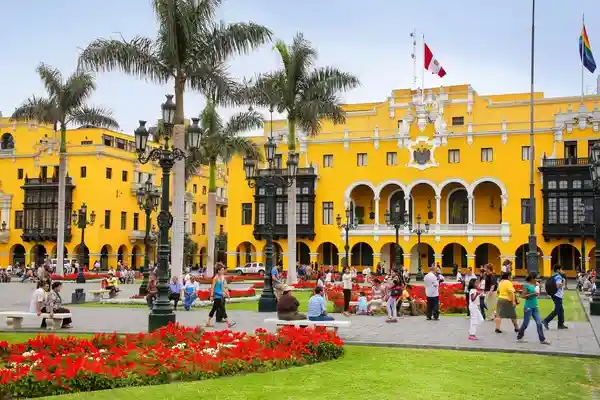
Another one of the things to do in Lima is visit the Historic Center, it is a space full of history and colonial architecture in this city. You should definitily start your tour in the Plaza Mayor, where you can see the majestic Cathedral of Lima and the Government Palace, two icons that stand out for their imposing architecture. A few steps away, you can not miss the Convent of San Francisco, known for its catacombs and its impressive baroque church.

A visit to Jiron de la Union is a must, one of the main pedestrian streets of Lima, full of stores, cafes and historic buildings. If you are passionate about history, the Museo de la Inquisición and the Palacio de la Unión are perfect for learning more about the colonial era and the city's past.

For a panoramic view, climb the Torre Tagle, a colonial-era building with architectural details that showcase the grandeur of old Lima. If you are looking for more culture, the Museo de Arte de Lima (MALI) is ideal to appreciate Peruvian art from various periods. Like I said, the things to do in Lima never end.

Image
historic-center-of-lima

3. Visit the districts in Lima

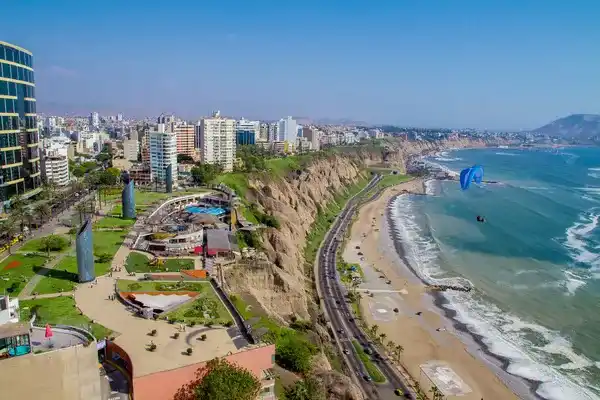
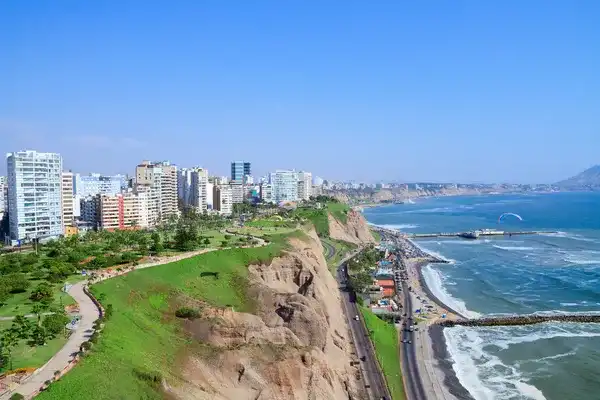
There are some districts that are really pretty in this city, and if you are looking for a more paceful day, this may be one of the things to do in Lima that yo should try. In Miraflores, for example, you can walk along the Malecón and enjoy the ocean views, or if you prefer to move faster, you can rent a bicycle at one of the available points in the district. It is an ideal way to tour the area and visit places like Larcomar, the favorite shopping mall for most people who visit Lima, because it is outdoors and has an incredible view of the ocean.

Barranco, known for its artistic atmosphere and colorful streets, is also perfect for walking and discovering its nooks and crannies. Don't forget to visit the famous Bridge of Sighs and the art galleries that make this district a unique place to explore.

If you like beaches, San Miguel offers you the Circuito de Playas, where you can enjoy a nice coastal walk, and approaching the tranquility of the sea without leaving the city. Visiting this type of spots is ideal to go to see the sunset or go clear your head for a while.

Image
districts-in-lima

4. Go sandboarding in the Huacachina

If you are spending a few more days in this city, this plan of one of the things to do in Lima is ideal for you. While the city is incredible, there are also many interesting activities to try in the surrounding area. Especially if you are an adventure lover you should go on some Huacachina Tours. You will go to an oasis in the middle of the desert, located to the south. This place is famous for its incredible dunes, which are perfect for sandboarding.

It is very popular among tourists and locals to go to the Huacachina dunes to practice this exciting sport, especially when they want to take a break from the city itself. The tour begins with a ride in a buggy, a 4x4 vehicle that will take you over the high dunes before launching you onto your board to slide down at full speed. The views of the desert and the oasis in the middle make this experience really special. After an adrenaline rush, you can relax on the shores of the oasis and enjoy a good rest while taking in the scenery.

Image
sandboarding-in-lima

5. Go to the beaches on the south

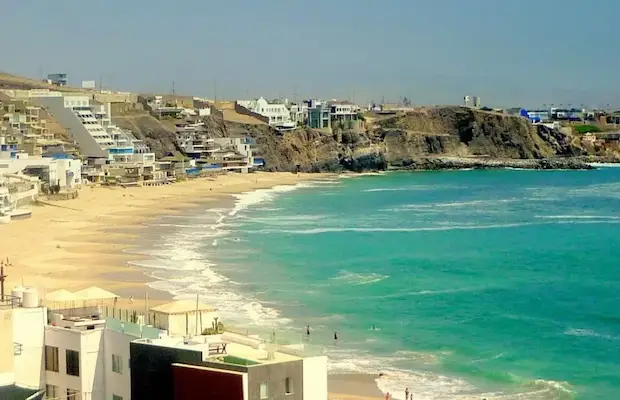
If you go to during summer, one of the favorite things to do in Lima is visit some of the best known and most visited beaches, perfect for enjoying the sea and the sun near the city. Among the most popular are Punta Hermosa and Asia, ideal destinations for both those looking for relaxation and water sports lovers.

Punta Hermosa is famous for its waves, making it one of the best places for surfing. However, its waters are cold, something typical of the central Peruvian coast. If you are looking for a quieter experience and without so much current, you can enjoy its calmer beaches, although always with cool waters.

On the other hand, Asia stands out for its lively social life and is known for being a fashionable place in summer, with bars, restaurants and nightclubs next to the beach. Although the atmosphere is ideal for fun, its waters are also cold. If you prefer a warmer climate and warm waters, we recommend traveling to the north of the country, where beaches like Mancora and Vichayito offer much more pleasant temperatures. Anyways, this is about things to do in Lima so, keep reading.

Image
punta-hermosa-beach-in-lima

Don't go to Lima without knowing this


Yes there are many things to do in Lima, but there are also several aspects to keep in mind to make your experience more comfortable and enjoyable. Here are some important considerations you musth want to know:

  • Traffic in Lima: The city is known for its heavy traffic, especially during rush hours (7:00 to 9:00 a.m. and 5:00 to 7:00 p.m.). If you plan to move around the city, it is advisable to leave early or use public transportation.
  • Public transportation: In addition to the Metropolitano and the Tren Eléctrico, which are fast and safe, Lima has a system of combis, small vans that travel fixed routes, although they can be chaotic and somewhat uncomfortable. Cabs do not use a meter, so it is important to agree on the price before getting into the vehicle. If you prefer more comfortable and safe options, there are many applications such as Uber or Indrive, which work more reliably.
  • Security: As in any big city, it is advisable to be attentive to your belongings, especially in tourist areas. Avoid showing valuables on public streets and opt to walk on well-lit streets.
  • Gastronomy: The food in Lima is excellent, but if you are not used to spicy food or local ingredients, ask before ordering. Some traditional dishes such as ceviche may be more intense than you imagine.
  • Currency: Peru's official currency is the sol (PEN). Although many places accept dollars, it is advisable to change to soles to avoid inconveniences. Exchange houses and banks are available in many tourist areas.
  • Drinking water: If you want to do things in Lima, you should know that it is recommended not to drink water directly from the tap, so it is best not to drink it directly from the tap.
Image
best-things-to-do-in-lima

Choose the best things to do in Lima

Like I said several times, there are a lot of thing to do in Lima, from eating, drinking, doing sports to just biking or taking a walk in a nice place. The capital of Peru is a really alive city, people there starts their routines really early and go back to their home late at night so, I assure you that you won't get bored. If you stay there just for one day or maybe some more, waiting for your flight or your next destination on your Machu Picchu Tour from Lima, don't miss on the opportunity of getting to know this costean Peruvian city.

If you are planning your next trip and you want to know what to do in other cities, you can chek out this travel guide to Cusco, and if you ever need this guide just come back to this article and you will keep finding the best things to do in Lima. Don't worry, mate, we got you!

Show in Travel Guide (Home)
No

Things to do in Huaraz Peru: Complete guide for your next adventure

Submitted by admin on

Things to do in Huaraz if you’ve ever asked yourself this question, the answer is simple: plenty! Peru is a country that truly has it all, from breathtaking natural wonders to a rich history that comes alive in every corner. While most people know about iconic places like Machu Picchu and the Sacred Valley, there are many other fascinating destinations that you may not have heard of, but will leave you completely amazed.

In this post, I’ll share some of the best things to do in Huaraz Peru, going beyond the usual tourist routes. If you’re searching for a different kind of adventure, spots filled with history, or experiences that connect you with nature, keep reading. Here you’ll find options that let you enjoy the authenticity and magic of Peru in a whole new way.

Image
Practical-tips-for-traveling-to-Huaraz-Peru
Image
things-to-do-in-huaraz

Huaraz and the Cordillera Blanca

Huaraz is known as the mountaineering capital of Peru, and for good reason. Sitting at more than 3,000 meters above sea level, this city is the gateway to the mighty Cordillera Blanca, a mountain range that captivates climbers, trekking enthusiasts, and travelers from all over the world. From here, some of the best things to do in Huaraz begin routes that lead to glaciers, turquoise lagoons, and snowcapped peaks that look like they belong on a postcard.

But the list of things to do in Huaraz goes beyond nature. The city is also about culture, tradition, and warm hospitality. Life here still carries that authentic Andean rhythm, where time seems to slow down and the smiles of its people make you feel right at home.

Things to do in Huaraz

Beyond its mountains, Huaraz hides corners that reflect its history, its people, and its traditions. Exploring these spots is among the most authentic things to do in Huaraz, especially if you want to connect with the city’s cultural side.

Image
Plaza-de-Armas-Huaraz

Plaza de Armas and local life

The Plaza de Armas of Huaraz is the perfect starting point for any traveler. Surrounded by modern buildings and local shops, this square symbolizes the city’s resilience after the devastating earthquake of 1970. From here, you can observe the daily life of the huaracinos, sip a coffee, and feel the relaxed rhythm of the Andean city.

Museo Arqueológico de Áncash

If you’re passionate about history, this museum is a true gem. It houses one of the most important collections of carved stones from the Recuay culture, as well as ceramics and textiles that reveal the cultural richness of the region. Visiting it is one of those things to do in Huaraz that let you dive deeper into its ancestral heritage.

Calle José Olaya, a walk through history

Strolling along Calle José Olaya feels like traveling back in time. It’s the only street that survived the earthquake, and it still preserves its traditional architecture. Here you’ll see adobe houses and tiled roofs that show what the city looked like before modern reconstruction.

Image
lake 69

Trekking routes in Huaraz for the most adventurous travelers

Huaraz is synonymous with adventure. And when it comes to trekking, this destination is a true paradise. For outdoor lovers, some of the most thrilling things to do in Huaraz are exploring its trails and lagoons. Here are the most emblematic routes and everything you need to know before setting off.

Laguna 69, the Jewel of the Andes

One of the most sought after spots for travelers is Laguna 69, located within Huascarán National Park. Its deep-blue waters, surrounded by snowcapped mountains, are absolutely spectacular. The hike takes about six hours round trip, and although it’s demanding, every step is worth it once you reach the breathtaking view.

  • How to get there: from Huaraz, take transport to the village of Cebollapampa (about three hours). The trek to the lagoon begins there.
  • What to bring: layered warm clothing, rain jacket, trekking poles, energy snacks, sunscreen, and plenty of water.
  • Travel tips: it’s best to spend one or two days acclimating in Huaraz before attempting this trek. Start early (between 5:00 and 6:00 a.m.) to avoid strong sun and enjoy the scenery at a relaxed pace.

Laguna Parón

Another gem of the Cordillera Blanca is Laguna Parón, the largest lagoon in the region. The best part is that you can reach its shores by vehicle, making it a great option if you want something accessible yet equally impressive. From here, you can admire the majestic Artesonraju peak, believed by many to be the inspiration for the Paramount Pictures logo.

  • How to get there: about three hours from Huaraz by car. Most people go on organized tours, but you can also arrange private transport or a shared ride from Caraz.
  • What to bring: comfortable walking shoes for strolling around the lagoon, warm clothing (the weather changes quickly), a camera, and some cash.
  • Travel tips: although you can drive right up to the shore, it’s worth taking short hikes in the area to get better panoramic views. Bring your own supplies, as there aren’t many services available nearby.
Image
lake Paron

Nevado Pastoruri

Nevado Pastoruri is more than just a glacier—it’s also a reminder of climate change. Visiting it allows you to walk near millennia-old ice, see the impressive Puya Raimondii plants (the largest bromeliad in the world), and experience the majesty of the Andes up close. For many adventurers, reaching this site is one of the most meaningful things to do in Huaraz, as it blends nature, science, and reflection.

  • How to get there: located about three hours from Huaraz. From the parking lot, it’s about a one-hour walk to the glacier.
  • What to bring: thermal clothing, gloves, a warm hat, UV-protection sunglasses, sunscreen, and plenty of water.
  • Travel tips: at over 5,000 meters above sea level, take it slow and make stops to avoid altitude sickness. Protect yourself from the sun—it’s very strong at this altitude despite the cold.

Tourism in Huaraz Peru

Not everything in Huaraz is about intense hikes. The city and its surroundings also offer experiences for those who seek relaxation, culture, and local flavors. Exploring these options is among the most rewarding things to do in Huaraz if you want to enjoy a different pace.

Monterrey hot springs

After a long day of trekking, nothing beats relaxing at the Monterrey Hot Springs. Their sulfur rich, volcanic waters are known for their therapeutic properties and are perfect for soothing tired muscles.

Local gastronomy

The food in Huaraz has that homemade, hearty flavor that comforts the soul. Dishes like picante de cuy (spicy guinea pig), pachamanca (a traditional Andean earth-oven meal), or a warm wheat soup are just some of the delights you’ll find in local markets and family-run restaurants. Tasting these specialties is one of those things to do in Huaraz that every traveler should include in their itinerary.

Andean fairs and traditions

If you’re lucky enough to be there during a patron saint festival or a local fair, you’ll experience the most authentic side of huaracino culture. Music, traditional dances, and handicrafts all come together in celebrations that connect visitors to the Andean identity.

Image
Nevado Pastoruri

Practical tips for traveling to Huaraz Peru

Before you set off on your adventure, keep these tips in mind to make your trip more comfortable and safe. Following them will help you enjoy the best things to do in Huaraz without setbacks.

How to get to Huaraz from Lima

The most common way is by bus, with a journey of 7 to 8 hours from Lima. Several companies offer different levels of comfort, from basic to premium services. There’s also a small airport in Anta, though flights are limited.

Best time to visit the Cordillera Blanca

The best season is between May and September, when the weather is drier and the clear skies allow you to fully appreciate the landscapes. This is also the ideal time for trekking and other outdoor activities in Huaraz. Planning your trip during these months ensures better conditions to experience the top things to do in Huaraz.

Recommendations for acclimating to the altitude

Huaraz sits at over 3,000 meters (9,800 feet) above sea level, so it’s important to take time to adjust. Avoid strenuous activity on your first day, stay hydrated, drink coca tea, and get plenty of rest before heading out on long hikes.

Image
Practical-tips-for-traveling-to-Huaraz-Peru

Sustainable tourism in Huaraz

Tourism in Huaraz isn’t just about visiting breathtaking landscapes it’s also about doing so responsibly. Choose local operators who promote sustainability, avoid leaving trash on the trails, and support communities that offer authentic experiences such as rural homestays or artisan workshops. In this way, your visit contributes to the preservation of nature and the well-being of the people who live in the region.

Things to do in Huaraz Peru in a few days

You don’t always have a full week to explore a destination, but that doesn’t mean you have to miss the highlights. If you’re wondering about the best things to do in Huaraz in just a few days, here’s an itinerary designed to help you make the most of your time without skipping the essentials.

2-Day itinerary in Huaraz

On a short trip, the key is to focus on the most representative parts of the city and at least one of its natural jewels:

  • Day 1: start with a tour of the Plaza de Armas, the main meeting point for both locals and visitors. From there, walk to Calle José Olaya, the only street that still preserves Huaraz’s traditional architecture. Wrap up the morning with a visit to the Museo Arqueológico de Áncash, where you’ll discover artifacts that tell the story of pre-Hispanic cultures in the region. In the afternoon, explore the local markets and taste traditional dishes such as pachamanca or picante de cuy.
  • Day 2: dedicate the entire day to an excursion to Laguna 69 or Laguna Parón. Both offer stunning landscapes: the first is ideal if you’re up for a challenging trek, while the second is more accessible and perfect if you prefer to arrive by vehicle and take shorter walks around the lagoon.

In just 48 hours, you’ll get a mix of culture, history, and nature that captures the essence of Huaraz.

3- to 4-Day itinerary in Huaraz

If you have a couple of extra days, you can go deeper into the Cordillera Blanca and experience even more unforgettable adventures.

  • Day 1 & 2: follow the same route as the two-day itinerary (city tour + Laguna 69 or Laguna Parón).
  • Day 3: head out on an excursion to Nevado Pastoruri, where you can walk near a glacier and enjoy unique scenery at more than 5,000 meters (16,400 feet) above sea level. It’s a must for those seeking both adventure and reflection on the impact of climate change.
  • Day 4: take time to relax at the Monterrey Hot Springs, perfect for unwinding after several days of hiking. Add a gastronomic stop at local restaurants and try dishes like sopa de chocho, charqui with mote, or a hearty chicken broth to recharge.

With four days, your trip to Huaraz becomes much more complete: you’ll experience both the cultural side of the city and some of the most spectacular landscapes of the Cordillera Blanca.

Practical tips for short itineraries

  • Acclimatization: even on short trips, take a few hours to adapt to the altitude before attempting long hikes.
  • Transportation: book your excursions in advance to make the most of your time. Tours usually depart very early in the morning and return by late afternoon.
  • Light packing: bring only the essentials, including warm clothing, sunscreen, snacks, and water. This will make it easier to move around comfortably.

With this plan, you’ll be able to enjoy the very best of Huaraz in just a few days, combining culture, gastronomy, nature, and relaxation. Whether you have 2, 3, or 4 days, there will always be something fascinating waiting for you in this corner of the Peruvian Andes.

Image
Sustainable-tourism-in-Huaraz

Your next adventure in Huaraz awaits

Huaraz is a destination full of surprises at every turn. From its majestic mountain landscapes to its vibrant culture, every experience here becomes an unforgettable memory. Whether you’re looking for adrenaline on trekking routes or prefer to immerse yourself in the city’s everyday life, you’ll find options for every style of traveler.

If you’re still wondering about the best things to do in Huaraz Peru, the answer is simple: just go and discover it. The Cordillera Blanca, its turquoise lagoons, and the warmth of its people are waiting to give you an experience you’ll carry with you forever.

Show in Travel Guide (Home)
No

The 7 best things to do in Peru in september

Submitted by admin on

Peru in September is one of those destinations that I always have in mind when I start planning my travels in advance. In fact, at the beginning of the year, I already have my destinations assigned according to the month, and I always choose places based on the season, the weather, and the festivities. For example, in July, I'll surely be in Peru, and in September, Chile is on the list! This way, I can make the most of my time (yes, I admit it, I'm a fan of order and planning).

Now, September is just around the corner, and since I already knew what my destination would be this month (I'm a digital nomad, so I tend to be a wanderer, which allows me to travel constantly), I'm excited to share everything that makes this month a special time to visit Peru. From its festivals to the unique climate of its provinces and major events, everything you need to know to enjoy this wonderful country in Peru in September.

I hope this information serves as inspiration for your next trip. Personally, I believe September is one of the best months to visit Peru (though, of course, July also has its charm, that's undeniable!).

Image
connection-with-the-Inca-Trail
Image
Peru-in-september

What is the weather like in Peru in september?

The weather in Peru in September varies depending on the region you decide to visit. The country has a diverse geography, from the coast to the Andes and the Amazon, which results in different types of weather throughout its territory. However, in general terms, September marks the end of winter in the Andean region and the coast, making the weather very pleasant.

Climate in the Andes

If you're planning to visit the Andean region of Peru in September, such as Cusco, Arequipa, or the Sacred Valley, this month is one of the best times to do so. During this time, temperatures are pleasant, and the rains, which are usually frequent during the summer season, decrease considerably.

During the day, temperatures range between 18°C and 22°C, allowing you to enjoy a cool climate that's not as cold as in the winter months (June and July). The sunlight is intense, making walks and outdoor activities even more enjoyable. However, nights can be quite chilly, with temperatures dropping to 5°C or 7°C, especially in places like Cusco or Puno. Therefore, it’s important to bring warm clothing for the nights and early mornings.

Why is it ideal for trekking?


This moderate climate is perfect for treks, such as the famous Inca Trail, the Salkantay Trek, or the Lares Trek. Peru in September offers a good balance between pleasant temperatures and clear skies, without the intense heat of the summer season or the rains that could hinder access to some destinations. It's a month in which you'll be able to explore Inca ruins with more comfort, from Machu Picchu to Ollantaytambo, without worrying about the scorching heat or slippery terrain.

Useful tip: Although the climate is generally dry, it’s a good idea to carry a light or waterproof jacket just in case, as rain is unpredictable in the mountains.

Image
Climate-on-the-Coast

Climate on the Coast

If your destination is the coast of Peru in September, especially cities like Lima, Paracas, or the Paracas National Reserve, you'll be happy to know that this month is very pleasant for enjoying the region. The weather is mild and cool, ideal for exploring its cities and enjoying its beautiful landscapes without the discomfort of high temperatures.

In cities like Lima, temperatures range between 12°C and 20°C, which may feel a bit cool, but it's perfect for sightseeing without the scorching heat of the summer. While it's not beach season, you can take advantage of this weather to explore Lima's urban wonders, such as its Historic Center, the Miraflores Malecón, or enjoy its world-renowned gastronomy at restaurants like Central or Maido.

What to do on the coast?

Peru in September is an ideal month for outdoor activities like bike rides along the coast of Lima, visiting the Parque de las Leyendas, or exploring Paracas and the Ballestas Islands, known for their impressive wildlife, including sea lions, penguins, and exotic birds. The mild weather will also allow you to enjoy traditional anticuchos and ceviche at local stalls.

Useful tip: If you plan to explore further south, such as Arequipa, the weather is similar to Lima, though temperatures can be slightly warmer during the day. It's perfect for strolling through the plazas and markets without sweating excessively.

Image
Climate-in-the-Amazon

Climate in the Amazon

If you want to experience the Peruvian jungle, places like Iquitos or Puerto Maldonado are perfect in Peru in September. During this month, the Amazon region begins to enter its driest season, which improves the conditions for enjoying outdoor activities without the heavy rains that are common in other months.

Temperatures in the Amazon hover around 30°C, with humidity higher than in the Andes or on the coast, but much more bearable than during the rainy season. Rainfall decreases significantly, making jungle excursions, hikes, and boat trips more pleasant and safe. Peru in September is undoubtedly a perfect time to explore the Tambopata National Reserve, Boca Manu, or take a wildlife observation tour in the various ecological lodges.

What to do in the Amazon?

September is an ideal month for nature and adventure lovers. Take advantage of excursions to observe birds, such as the scarlet macaw, or venture into the jungle for hiking and to witness the Amazonian biodiversity. Visits to indigenous communities are a unique experience, and the weather conditions this month make it much more comfortable.

Useful tip: Although rain is less frequent, it is recommended to bring light but waterproof clothing, especially for jungle walks. Mosquito repellents are essential to avoid insects.

Image
Feast-of-the-Virgin-of-Mercy

Festivals and events in Peru in september

1. Feast of the Virgin of Mercy (Cusco)

One of the most important festivals in Peru in September is the Feast of the Virgin of Mercy in Cusco. This religious festival is known for its processions, traditional dances, and cultural activities that take over the streets of the city. Locals celebrate with traditional music, typical food, and colorful parades, creating a unique festive atmosphere.

If you’re a fan of Andean culture, this is an excellent opportunity to experience Peruvian tradition at its fullest. In addition, you'll have the chance to explore the surroundings of Cusco, like the Sacred Valley, while immersing yourself in the vibrant festival atmosphere.

2. Harvest Festival (Ica)

Image
Harvest-Festival

If you're in the Ica region, September marks the beginning of the Harvest Festival, one of the most anticipated celebrations in this country’s wine-producing area. During this festival, grape harvests are celebrated with wine contests, folk dances, and cultural events related to the production of pisco, the national liquor.

It’s a great opportunity to enjoy local gastronomy and taste the best piscos and wines from the region while participating in the harvest celebration.

3. International Youth Song Festival (Lima)

Image
International-Youth-Song-Festival

In September, Lima hosts the International Youth Song Festival, a cultural event that brings together young musicians and singers from around the world. This festival has become a platform for new talents to showcase their music, and it’s a great way to enjoy a night of good music while exploring the Peruvian capital.

4. Tourism Week (Peru)

Although it’s not a traditional festival, Tourism Week is a prominent event on Peru’s tourist calendar. During this week, the country’s major cities offer promotions on tours, cultural activities, gastronomy, and more. If your visit coincides with this week, you’ll have the opportunity to take advantage of discounts and special offers to explore Peru at a more affordable price.

Image
connection-with-the-Inca-Trail

Recommended activities to do in Peru in september

5. Trekking on the Inca Trail

Peru in September is one of the best months to do the famous Inca Trail trek to Machu Picchu. The weather conditions are perfect: sunny days and cool nights. The Inca Trail is a unique experience that allows you to walk the same paths as the ancient Incas and reach the Machu Picchu citadel, one of the new wonders of the world.

If you can’t get permits for the Inca Trail, consider other popular treks, like Salkantay or Lares, which also offer stunning views of the Andes.

6. Gastronomic tour in Lima

Image
Gastronomic-tour-in-Lima

Lima is recognized as the gastronomic capital of Latin America. During your stay in September, don’t miss a gastronomic tour of the city. You can enjoy a tour of local markets, like the Surquillo Market, where you can try ceviche, anticuchos, and other Peruvian delicacies. Also, many high-end restaurants offer special menus during this time of the year.

7. Visit the Nazca Lines

Image
Visit-the-Nazca-Lines (1)

Although the Nazca Lines are a popular tourist destination year-round, September is a good time to visit them as the rains are minimal, and conditions for flying in a small plane are more favorable. The lines are one of the most fascinating mysteries of Peru, and you'll be amazed to see these geometric shapes and animals etched in the ground from the air.

Tips for traveling to Peru in september

Prepare for variable weather

Although Peru in September is a favorable month to travel, keep in mind that temperatures can vary significantly depending on the region. Bring light clothing for the coast and jungle, but don't forget something warmer for the highland areas.

Book in advance

September is not peak season in Peru, which means you can find more affordable prices for accommodations and flights. However, popular festivals like the Feast of the Virgin of Mercy and the Harvest Festival attract many local and international tourists. Therefore, it's recommended to book your accommodation and tours in advance.

Enjoy the cultural diversity

One of the best things about Peru is its cultural diversity. Take advantage of your visit during the September festivities and events to interact with locals and learn about their traditions. Participating in a local festival will allow you to experience the warmth and hospitality of the Peruvian people.

Peru in September is undoubtedly an excellent month to visit. With favorable weather, a variety of cultural festivals, and many outdoor activities, this month offers the perfect opportunity to discover the richness of this wonderful country. Whether exploring the Inca Trail, participating in the Harvest Festival, or enjoying Lima's gastronomy, Peru has something special to offer every type of traveler. Don’t hesitate to plan your trip to Peru in September; it’s an experience that will leave you with unforgettable memories.

Show in Travel Guide (Home)
No

How to deal with altitude sickness: Essential tips for a smooth trip to Peru

Submitted by admin on

How to deal with altitude sickness is a common concern for travelers heading to Cusco. Are you planning your trip but worried about how the high altitude might affect you? Or maybe you’ve heard about it but aren’t sure how to handle it? At over 3,400 meters (11,000 feet) above sea level, Cusco’s breathtaking landscapes can quite literally take your breath away. Altitude sickness can be challenging, but with the right preparation and simple precautions, you can minimize its effects and fully enjoy your adventure. In this guide, we’ll explore practical tips to help you acclimate smoothly and make the most of your trip.

Image
How-to-prevent-altitude-sickness

What Is altitude sickness?

Altitude sickness, also known as acute mountain sickness (AMS), occurs when you ascend to high elevations too quickly. The lack of oxygen at higher altitudes affects your body, leading to symptoms such as headaches, dizziness, nausea, and shortness of breath. This is especially common in destinations like Cusco (3,400m/11,152ft) and Machu Picchu (2,430m/7,970ft), where travelers from lower elevations may struggle to adjust.

Travelers flying from sea level, such as Lima or international destinations, are more likely to feel its effects within the first 24-48 hours at high elevation.

Common symptoms of altitude sickness

If you’re wondering how to deal with altitude sickness and what its common symptoms are, it’s important to understand how your body reacts to high elevations. Altitude sickness, also known as Acute Mountain Sickness (AMS), can range from mild discomfort to severe, life-threatening conditions. Symptoms typically begin within six to 24 hours of arriving at high altitudes and may worsen if left untreated. Recognizing the symptoms early is crucial for effective management and prevention, allowing you to take the necessary steps to acclimate and enjoy your trip without complications.

Image
How-to-deal-with-altitude-sickness

1. Mild Symptoms (Common Altitude Sickness – AMS)

Most travelers experience mild symptoms that can be managed with rest, hydration, and proper acclimatization. These symptoms typically improve within one to three days as the body adjusts to lower oxygen levels.

  • Headache – The most common symptom, often described as a persistent, dull ache that worsens with movement or exertion.
  • Dizziness or lightheadedness – A result of reduced oxygen flow to the brain, making balance and coordination more challenging.
  • Fatigue and weakness – Even simple activities can feel exhausting due to decreased oxygen levels.
  • Nausea ando loss of appetite – Many travelers experience mild nausea or a reduced desire to eat.
  • Shortness of Breath – Breathing may feel more difficult, especially during physical activity.
  • Trouble sleeping (Insomnia) – Oxygen deprivation can disrupt sleep, making it harder to rest and recover.
  • While these symptoms can be uncomfortable, they are not typically dangerous. Drinking plenty of water, avoiding alcohol, and getting adequate rest can help alleviate discomfort.

2. Moderate Symptoms (Worsening AMS – Requires Attention)

If mild altitude sickness is not properly managed, symptoms may intensify and interfere with daily activities. At this stage, descending to a lower altitude is strongly recommended to prevent severe complications.

  • Severe headaches that do not improve with hydration or pain relievers.
  • Persistent nausea and vomiting, making it difficult to eat or drink.
  • Increased shortness of breath, even when resting.
  • Confusion or difficulty concentrating, signaling a lack of oxygen to the brain.
  • Loss of coordination and balance, making it harder to walk.
  • If any of these symptoms appear, immediate descent and medical attention are necessary to prevent further complications.

How to prevent altitude sickness before your trip

Preventing altitude sickness before your trip is the best way to ensure a smooth and enjoyable experience, especially if you’re traveling to high-altitude destinations like Cusco, Machu Picchu, or the Andes Mountains. Since altitude sickness occurs due to lower oxygen levels at higher elevations, preparing your body in advance can make a significant difference. Whether you plan to explore Cusco at a relaxed pace or take on an adventurous trek like the Short Inca Trail to Machu Picchu, proper acclimatization and a few preventive measures can help you minimize the risk of altitude sickness before you even arrive.

  1. Train your body with pre-trip conditioning
    One of the best ways to prepare for high altitudes is to improve your cardiovascular endurance before your trip. Stronger lungs and a well-conditioned heart will help your body adjust to reduced oxygen levels more efficiently.

Engaging in regular aerobic exercise at least four to six weeks before your departure can be beneficial. Activities such as hiking, jogging, cycling, or swimming can help strengthen your respiratory system. If possible, training at a moderate altitude before your trip will give your body a chance to adjust gradually.

Practicing deep breathing exercises, such as diaphragmatic breathing, can also improve lung function and oxygen intake. Strengthening your body’s ability to use oxygen efficiently will help mitigate the effects of altitude sickness.

According to the Wilderness Medical Society, individuals who are physically fit may acclimatize more easily, but altitude sickness can still affect anyone, regardless of fitness level.

  1. Gradual ascent: Avoid rapid altitude gain
    The faster you ascend, the higher your risk of altitude sickness. If you are flying directly to a high-altitude city like Cusco (3,400m or 11,150ft), your body may struggle to adapt. Gradual ascent is one of the most effective ways to prevent symptoms.

Spending a few days at a moderate altitude of around 2,500m (8,200ft) before ascending higher can help. Travelers to Machu Picchu may benefit from staying in the Sacred Valley (2,800m or 9,186ft) before moving to higher elevations.

If you are trekking, it is recommended to follow a gradual ascent schedule, limiting altitude gains to no more than 300 to 500 meters (1,000 to 1,600 feet) in sleeping elevation per day. Taking rest days every few days allows your body to acclimate more effectively.

The Centers for Disease Control and Prevention (CDC) advises gradual ascent as a key strategy for reducing the risk of acute mountain sickness.

  1. Stay Hydrated and Maintain Proper Nutrition
    Dehydration can worsen altitude sickness symptoms, as the dry air and increased breathing rate at high altitudes cause the body to lose fluids more rapidly.

Increasing water intake before departure ensures that your body is properly hydrated upon arrival. Reducing alcohol and caffeine consumption in the days leading up to your trip is also beneficial, as both substances can contribute to dehydration.

Consuming a balanced diet rich in carbohydrates can support energy production and oxygen utilization. Foods high in iron, such as spinach, lean meats, and beans, can help boost red blood cell production, improving oxygen transport. Additionally, B-complex vitamins and magnesium may aid in energy metabolism and muscle function at high altitudes. If you prefer a more relaxed way to experience the Andes without intense physical exertion, Machu Picchu by train is a great option, allowing you to enjoy the breathtaking scenery while minimizing the effects of altitude.

Research from High Altitude Medicine & Biology suggests that maintaining proper hydration and nutrition plays a crucial role in successful acclimatization.

  1. Take preventive medications if necessary
    For travelers who are prone to altitude sickness or those who need to ascend quickly, preventive medications may help reduce the severity of symptoms.

Acetazolamide (Diamox) is commonly prescribed to help the body adjust by increasing the breathing rate. It is recommended to start taking it one to two days before ascent and continue for a few days at altitude.

Dexamethasone, a corticosteroid, is sometimes used to prevent severe altitude sickness in high-risk individuals. Additionally, over-the-counter pain relievers such as ibuprofen or aspirin can help alleviate altitude-related headaches.

Before taking any medications, it is important to consult a healthcare professional, as they may have potential side effects or interactions with other medications. The American College of Chest Physicians recommends acetazolamide as the primary preventive medication for altitude sickness.

  1. Avoid heavy meals before travel
    Alcohol and heavy meals can negatively impact acclimatization by causing dehydration and affecting digestion. Consuming alcohol before or during your ascent can lead to increased dehydration and worsen altitude sickness symptoms.

Avoiding alcohol and excessive caffeine at least 48 hours before travel is recommended. Instead, focusing on light, carbohydrate-rich meals such as pasta, rice, and bread can provide sustained energy and help the body adjust more effectively.

Heavy, greasy foods should be avoided, as they take longer to digest and may contribute to nausea at high altitudes. A study from the International Society for Mountain Medicine found that carbohydrate-rich diets help improve oxygen efficiency at high elevations.

Image
Common-symptoms-of-altitude-sickness

How do you deal with altitude sickness with Coca Tea?

One of the most traditional and natural remedies for dealing with altitude sickness in Peru is coca tea, known locally as mate de coca. Made from coca leaves, this herbal infusion has been used for centuries by Andean communities to help alleviate symptoms such as headaches, nausea, and fatigue caused by high altitudes. If you’re wondering how to deal with altitude sickness, incorporating natural remedies like coca tea, staying hydrated, and allowing time for acclimatization can make a significant difference in your overall experience.

Coca leaves contain alkaloids that stimulate the respiratory system, improve oxygen absorption, and provide a mild energy boost, making them especially beneficial for travelers adjusting to places like Cusco or Machu Picchu. While coca tea is widely available in hotels, restaurants, and markets in Peru, it is important to note that its consumption may result in positive drug test results due to the natural compounds found in the leaves. If you're planning to explore the Andes, our package tours to Peru include acclimatization days and recommendations to help you adjust smoothly to the altitude.

Image
How-to-prevent-altitude-sickness

Best ways to acclimate to high altitudes in Peru

  1. Take it slow and rest
    Upon arrival, avoid intense activities for the first 24–48 hours. If possible, spend your first night at a lower altitude, such as the Sacred Valley (2,800 m), before heading higher.
  2. Hydrate and avoid alcohol
    Drink plenty of water and herbal teas like coca tea, which can ease symptoms. Avoid alcohol and caffeine, as they dehydrate the body and can worsen headaches.
  3. Eat light and nutritious foods
    Opt for easily digestible, high-carb meals like quinoa, potatoes, and rice. Heavy meals can slow digestion and increase discomfort at high altitudes.
  4. Try natural remedies and oxygen therapy
    Coca tea is a traditional Andean remedy that stimulates oxygen intake. Chlorophyll drops or oxygen-enriched air (available at hotels in Cusco) can also help improve breathing.
  5. Consider acclimatization medications
    Acetazolamide (Diamox) can speed up acclimatization by improving oxygen absorption. Always consult a doctor before taking any medication.
  6. Control your breathing and pace yourself
    Deep, slow breaths increase oxygen intake. Avoid overexertion by moving at a comfortable pace, especially when hiking.
  7. Sleep at a lower altitude if possible
    If your itinerary allows, spend nights at lower altitudes, like the Sacred Valley, to help your body adjust gradually.

How to deal with altitude sickness in Cusco

Remember, traveler, everyone reacts differently to high altitude, so listen to your body and take it slow. By staying hydrated, getting plenty of rest, and allowing yourself time to acclimate, you’ll give yourself the best chance to enjoy Cusco without discomfort. If you're wondering how to deal with altitude sickness, simple precautions like gradual ascent, proper nutrition, and avoiding excessive alcohol can make a big difference. Don’t let altitude sickness hold you back from experiencing the rich history, stunning landscapes, and vibrant culture of this incredible city. With a little preparation and self-care, you’ll be ready to make unforgettable memories in the heart of the Andes!

Show in Travel Guide (Home)
No

Honeymoon in Peru

Submitted by admin on

A honeymoon in Peru was the perfect choice for my best friend, who got married recently. As a good maid of honor, I offered to plan her honeymoon (I just love doing these kinds of things for others!). Although I don’t have much time, I always make sure to stay organized, and I managed to get everything done. I took care of every detail of the trip, from the destination to the activities, so that she could simply enjoy those special days.

In the end, the trip was a resounding success, and I found everything I researched and organized so interesting that I decided to share it with you. If you already have your honeymoon date set and are thinking of a unique and magical destination, here’s all the information you need to consider Peru as your ideal place to celebrate the beginning of your life together. With reliable sources and practical details, I can assure you, you won’t regret it!

Image
Couple in the Andes near Cusco
Image
Paracas-and-Ballestas-Islands-honeymoon

Why choose honeymoon in Peru for your romantic getaway?

Peru is not only known for its archaeological wonders, like Machu Picchu, but also for its rich biodiversity, world-renowned gastronomy, and stunning natural landscapes. All of this combines to offer you a honeymoon in Peru full of unique experiences. But why exactly should you choose Peru for this special moment? Let us tell you why.

A destination with rich history and culture

One of Peru's greatest attractions is its incredible cultural heritage. As the cradle of the ancient Inca civilization, you can explore fascinating archaeological sites that not only have an impressive history but also offer the perfect atmosphere to enjoy with your partner. Machu Picchu, the most famous Inca citadel, is one of the Seven Wonders of the Modern World and an ideal place to start your honeymoon journey.

Diverse natural beauty

Peru's geography is so varied that in just one trip, you can experience different types of landscapes. From the towering mountains of the Andes to the lush Amazon rainforest and the warm beaches of the Pacific, Peru has something for every type of traveler. If you’re planning a honeymoon in Peru, you can trek in the Andes, explore the biodiversity of the Amazon, or relax on an exclusive beach. A honeymoon in Peru offers a perfect blend of adventure and relaxation, making it an ideal destination for couples.

Peruvian gastronomy

Peruvian cuisine has gained international popularity, and it’s no surprise. If you’re a food lover, Peru will amaze you with a variety of unique dishes. From fresh coastal ceviche to papa a la huancaína and the famous pachamanca of the Andes, every bite is a celebration of local flavors. Furthermore, Peru is home to some of the best restaurants in the world, where you can enjoy a luxurious dining experience with your partner.

Image
honeymoon-in-machu-picchu peru

The best honeymoon in Peru destinations for a romantic getaway


Now that you know why Peru is the perfect destination for a honeymoon, it’s time to discover the most romantic and spectacular places you simply can’t miss. Each corner of this country offers something unique, and you’re sure to find the ideal environment to enjoy your partner's company while exploring breathtaking landscapes.

The honeymoon destination par excellence

You can’t talk about a honeymoon in Peru without mentioning Machu Picchu. This ancient Inca citadel is surrounded by majestic mountains and a landscape that will leave you breathless. The experience of visiting Machu Picchu is undoubtedly one of the most impressive you’ll have. In addition to exploring the archaeological site, you can enjoy romantic walks along the Inca Trail, a route that will allow you to feel part of history while immersing yourself in nature.

If you prefer a more relaxed experience, the Vistadome train is perfect for enjoying the journey with spectacular views of the mountains and the Sacred Valley. This luxury train offers comfortable seats, large windows, and a perfect atmosphere to enjoy the scenery with your loved one. Machu Picchu is the ideal place to disconnect from everything and deeply connect with your partner, surrounded by the grandeur of Inca culture and natural wonders.

Image
Nature-and-serenity

Nature and serenity

If you prefer something quieter and more relaxing, the Sacred Valley is another must-visit destination for a honeymoon in Peru. This valley, considered a sacred place by the Incas, offers an atmosphere of peace and serenity, making it the perfect place to enjoy as a couple. Here, the fresh air of the Andes and the beautiful landscapes will invite you to completely disconnect from the daily stress.

Explore charming little towns like Ollantaytambo and Pisac, where you can learn more about local culture, visit artisan markets, and enjoy their traditional architecture. Additionally, the Sacred Valley is home to many luxury resorts and spas that will offer you wellness treatments, relaxing massages, and a total disconnecting experience. Many of these accommodations have panoramic views of the mountains and surrounding nature, allowing you to enjoy a romantic and relaxing environment with your partner.

Image
Peruvian-Amazon-honeymoon

The Peruvian Amazon

For couples looking for a more exotic and different experience, a honeymoon in Peru to the Peruvian Amazon rainforest offers a unique adventure in a tropical setting you can’t miss. Places like Puerto Maldonado and Iquitos provide the opportunity to immerse yourself in the richest biodiversity on the planet, surrounded by impressive vegetation and exotic wildlife.

You can take boat rides along the rivers, navigate the waters of the Amazon River, and observe animals like monkeys, caimans, and an incredible variety of birds. Additionally, the Peruvian Amazon is home to luxurious eco-lodges, perfect for relaxing in nature without sacrificing comfort. These accommodations offer personalized experiences, such as romantic dinners by the river and guided jungle excursions, making this destination full of adventure and romantic moments.

Image
Paracas-and-Ballestas-Islands-honeymoon

Paracas and Ballestas Islands

If you’re into sun and beaches, the southern coast of Peru is the ideal destination for your honeymoon in Peru. Paracas, a small coastal town, is famous for its beautiful turquoise waters and stunning landscapes. Additionally, the Ballestas Islands, known as the "Peruvian Galapagos," are the perfect place to enjoy a boat ride. On this tour, you’ll see sea lions, penguins, and a variety of exotic birds, making this excursion a memorable experience.

After a day of exploration, nothing better than enjoying a relaxing day at a boutique hotel by the sea, where you can disconnect with your partner while unwinding in a peaceful and romantic environment. Accommodations in Paracas often offer dinners with ocean views, and some have spas and activities like horseback riding on the beach, perfect for enjoying special moments with your partner.

Things to do in Peru during your honeymoon

In addition to exploring the best destinations, Peru offers a variety of activities to enjoy during your honeymoon in Peru.

Enjoy a hot air balloon ride

One of the most romantic activities you can do in Peru is a hot air balloon ride over the Sacred Valley. Imagine floating over the Andean mountains while enjoying a sunrise with your partner. This experience is perfect for nature lovers and those seeking a unique view.

Explore the Andean markets

If you enjoy local culture, you’ll love exploring the Andean markets. Here you can buy handcrafted artisan goods, textiles, and jewelry made by the local people. A stroll through the markets of Cusco or Pisac is a great way to get to know Peruvian culture and take home a unique souvenir.

Enjoy a spa day in the Andes

If you’re looking to relax, nothing beats a spa day in the heart of the Andes. Many resorts in the Sacred Valley and the Cusco region offer massages and relaxing treatments inspired by Peruvian traditions. It’s the perfect way to disconnect and enjoy a day of rest and wellness during your honeymoon in Peru.

Image
Things-to-do-in-Peru-during-your-honeymoon

Best time to visit for your honeymoon in Peru

The climate in Peru varies by region, so the best time to visit for your honeymoon in Peru depends on what you’re looking for during your trip.

Dry season (May to October)

If you plan on doing adventure activities like trekking the Inca Trail or exploring the jungle, the dry season (from May to October) is the best option. During these months, the weather is warmer, and rainfall is minimal, making it easier to explore the most famous attractions.
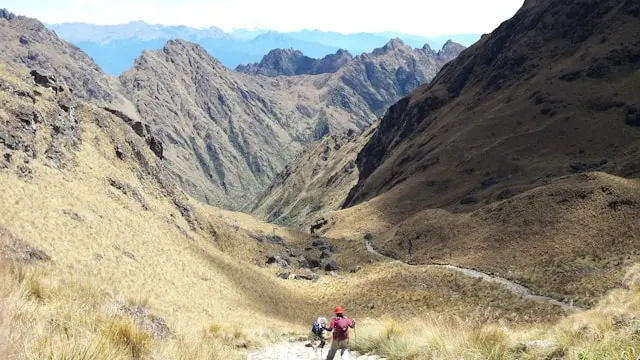
Rainy season (November to April)

If you prefer to avoid crowds and enjoy a more peaceful atmosphere, the rainy season (from November to April) is an excellent choice. While rain may be more frequent, the splendor of nature and lower prices can make this season appealing to some.

Make your honeymoon in Peru an unforgettable experience

In summary, a honeymoon in Peru offers a unique experience full of adventure, romance, and culture. With the perfect combination of natural landscapes, fascinating history, and world-class gastronomy, Peru is the ideal destination for couples looking for an unforgettable honeymoon. Whether you're drawn to the mountains of the Andes, the Amazon rainforest, or the beaches of the Pacific, Peru has something special for every type of traveler. Don’t hesitate to make Peru the backdrop of your honeymoon and live an experience you'll remember for a lifetime!

Show in Travel Guide (Home)
No

2 weeks in Peru itinerary

Submitted by admin on

2 weeks in Peru itinerary: If you ask me, there's nothing better than traveling with a clear plan, but without losing the essence of adventure. I’m the type of person who starts the year with dates already marked on the calendar, and when it comes to 2 weeks in Peru, you have to make the most of every minute, but also enjoy the process, no rush.

Peru has so much to offer that, although two weeks may seem like a lot of time, it might not be enough to see everything this diverse country has. From the wonders of Machu Picchu to the tranquility of the Sacred Valley, passing through the hustle and bustle of Lima and the magic of the Amazon jungle, every place has something unique that will surprise you.
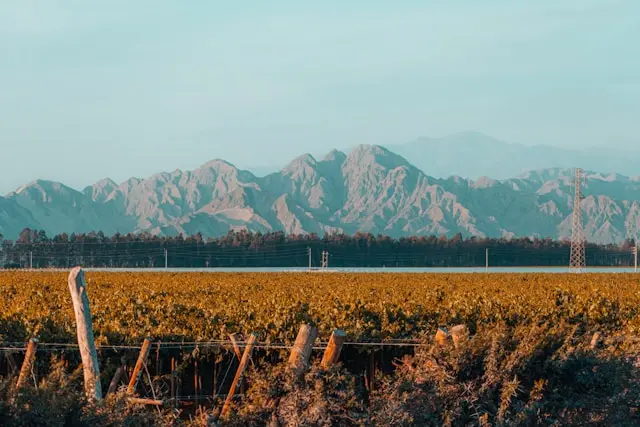
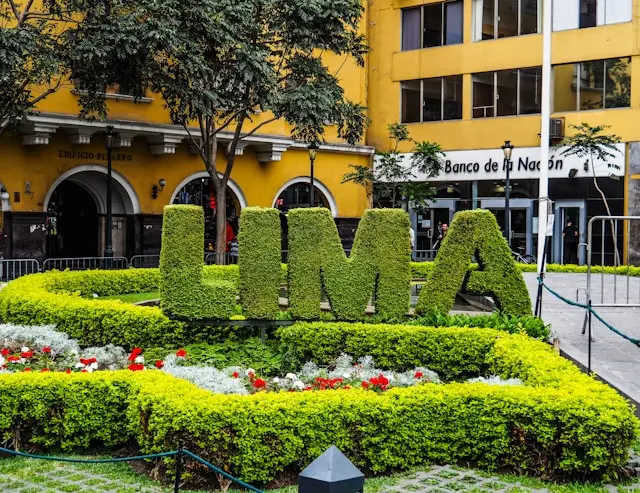
So, if you’re someone who wants to make the most of your time without leaving behind the authentic experience, here’s a 2 weeks in Peru itinerary designed to explore Peru in two weeks. Get ready to explore, walk, eat, and live each corner with an open heart, because in Peru, everything has something special!

Image
2-weeks-in-peru-itinerary
Image
Sacred-valley in peru

Your 2 weeks in Peru itinerary

With this 2 weeks in Peru itinerary, you will not only visit the most amazing places in Peru in 2 weeks, but you’ll also have time to enjoy its lesser-known wonders. From ancient Inca ruins to the urban life of Lima, each day will lead you to a new discovery. Let’s get started!

Day 1-3: Arrival in Lima

2 weeks in Peru itinerary: Your adventure begins in Lima, the capital of Peru and one of the most vibrant cities in Latin America. While some travelers rush off to more well-known destinations, spending a few days in Lima is a great way to acclimate and enjoy its incredible food and culture.

What to do in Lima:

  • Historic Center of Lima: If you’re a history fan, you can’t miss a walk through Lima’s Historic Center, declared a UNESCO World Heritage site. Here you’ll find the Plaza Mayor, surrounded by impressive colonial buildings like the Lima Cathedral and the Palace of Government.
  • Miraflores and the Malecón: Once you’ve explored the center, head to the Miraflores district, where you can stroll along the Malecón, enjoy the sea views, and visit Kennedy Park, filled with cats and cafés. Don’t forget to try the ceviche at one of the local restaurants!
  • Barranco: In the afternoon, visit Barranco, the bohemian neighborhood of Lima. Enjoy its colorful streets, street art, and of course, the nightlife in its bars and restaurants.
Image
Paracas-Peru

Day 4-5: Paracas and the Ballestas Islands

2 weeks in Peru itinerary: After exploring Lima, take a bus or flight to Paracas, a small but picturesque coastal town famous for its Paracas National Reserve and the Ballestas Islands.

What to do in Paracas:

  • Paracas National Reserve: If you’re a nature lover, don’t miss a visit to this reserve, where you can see a wide variety of flora and fauna. In addition to its beautiful beaches, the reserve is home to species like flamingos, sea lions, and a large number of birds.
  • Ballestas Islands: The Ballestas Islands are one of the main tourist attractions in Paracas. Take a boat tour to get up close to the Humboldt penguins, sea lions, and exotic birds like cormorants.
Image
Visit-the-Nazca-Lines

Day 6-7: Nazca and the Nazca Lines

2 weeks in Peru itinerary: From Paracas, head to Nazca, famous for its Nazca Lines, one of the most intriguing mysteries in the world. It's an excellent place to enjoy a day of history, archaeology, and desert landscapes.

What to do in Nazca:

  • Flight over the Nazca Lines: If you want to see the Nazca Lines in all their glory, taking a panoramic flight is your best option. You’ll see figures like the hummingbird, the monkey, and the spider from the air, and be amazed by the perfection of these geoglyphs, which remain a mystery for archaeologists.
  • Chauchilla Cemetery: If you’re interested in the history of ancient civilizations, visit the Chauchilla Cemetery, where you can see mummies and archaeological remains from the Nazca culture.

This is an essential stop on your 2 weeks in Peru itinerary, where you can immerse yourself in the fascinating history and culture of the Nazca people.

Image
Sacred-valley in peru

Day 8-10: Cusco and the Sacred Valley

2 weeks in Peru itinerary: After exploring the coast and desert, it's time to head to the Andean region of Cusco. This city, which was the capital of the Inca Empire, is the gateway to Machu Picchu and many other archaeological wonders. Take the opportunity to explore the city and its surroundings in the first few days.

What to do in Cusco:

  • Historic Center of Cusco: Visit the Plaza de Armas, the Cusco Cathedral, and the Temple of the Sun (Qorikancha). Take the time to walk through its cobblestone streets and enjoy its colonial architecture.
  • Sacred Valley: Take a day trip to the Sacred Valley of the Incas. You can visit towns like Ollantaytambo, with its impressive ruins, and Pisac, famous for its market and archaeological site.

This is one of the highlights of your 2 weeks in Peru itinerary, where you can enjoy the region’s rich history and culture.

Day 11-12: Machu Picchu and Aguas Calientes

Now, the moment you've been waiting for: Machu Picchu. There’s no way to visit Peru without seeing this wonder of the world. You can reach Aguas Calientes by train from Ollantaytambo and then take a bus to the entrance of Machu Picchu.

What to do in Machu Picchu:

  • Explore Machu Picchu: Dedicate at least a full day to explore the Inca citadel. Take a guided tour to learn about the history and significance of the temples, plazas, and terraces. If you're feeling adventurous, hike up Huayna Picchu or Machu Picchu Mountain for panoramic views.
  • Aguas Calientes: If you have time, explore Aguas Calientes, the small town near Machu Picchu. Enjoy the hot springs and stroll through its market.
Image
Arequipa-Peru

Day 13: Arequipa and the Colca Canyon

2 weeks in Peru itinerary: On your last stop before heading back to Lima, visit Arequipa, known as the "White City." Here, you’ll explore the city and also take an excursion to the impressive Colca Canyon.

What to do in Arequipa:

  • Historic Center of Arequipa: Visit Arequipa’s Plaza de Armas, the Cathedral, and the Santa Catalina Monastery, a true historical treasure.
  • Colca Canyon: If you have time, take a trip to Colca Canyon, where you can see the famous Andean condors in flight and enjoy the breathtaking views of the Andes.

Day 14: Return to Lima and farewell

Finally, return to Lima to catch your flight back. If you have time before you leave, take the opportunity to do some last-minute shopping or enjoy a final stroll around the city. This marks the end of your 2 weeks in Peru itinerary, a journey full of unforgettable moments.

This is one of the most anticipated moments in your 2 weeks in Peru itinerary, and undoubtedly, you’ll remember it as the highlight of your adventure. A day trip to Machu Picchu from Cusco isn’t just a visit; it’s a feeling, a culmination of everything that makes Peru so special. Standing among its ancient stones, surrounded by breathtaking landscapes and the whispers of history, you’ll realize why this site has captured the hearts of so many travelers from all around the world.

But remember, the magic of Machu Picchu is just one piece of your journey. Throughout your 2 weeks in Peru itinerary, you’ll have experienced a rich tapestry of cultures, landscapes, and experiences from the bustling streets of Lima to the serene beauty of the Sacred Valley, the mysterious Nazca Lines, and the warm hospitality of the Peruvian people. Each place offers something unique, and together, they create an unforgettable adventure.

As you bid farewell to Machu Picchu and continue with your journey, don’t forget to take a moment to appreciate the entire trip each destination, each step you took, and the memories that will stay with you long after you leave. The magic of Peru lingers in your heart, and every corner of this incredible country invites you to come back. So, take the time to truly absorb every experience, because this is more than just a vacation it’s a transformative journey within your 2 weeks in Peru itinerary.

Show in Travel Guide (Home)
No
Subscribe to Explore