Explore

Is 2 days in Urubamba enough acclimate before Inca trail?

Submitted by admin on

Planning a hike on the Inca Trail to Machu Picchu? Many trekkers wonder if two days in Urubamba, Peru, is a sufficient amount of time to acclimate to the altitude before embarking on this challenging journey. This article will explore this question in detail, providing valuable insights for those preparing for their Inca Trail adventure.

Is 2 days in Urubamba enough to acclimate before the Inca Trail?

Here’s how travelers can make the most of their time in Urubamba before embarking on the Inca Trail, utilizing the expertise of Machu Picchu Tours:

Benefits of Spending 2 Days in Urubamba for Acclimatization

Spending two days in Urubamba is a great way to acclimatize to the high altitude before starting the Inca Trail. Urubamba is situated at a lower elevation than Machu Picchu, offering a gradual acclimatization process.

AcclimatizationOne Day in UrubambaTwo Days in Urubamba
More time to adjust to the altitudeModerate time for acclimatizationMore time for acclimatization, reduces chances of altitude sickness
Explore Urubamba’s charmLimited time for explorationMore time to explore the charming town, visit markets, and enjoy local cuisine
Relaxation before the trekLess time for rest and relaxationMore time to relax, recharge, and prepare for the trek

Machu Picchu Tours: Your Gateway to Urubamba

Machu Picchu Tours understands the importance of acclimatization for a successful Inca Trail trek. We offer a variety of services to make your time in Urubamba enjoyable and beneficial:

  1. Customized tours: We provide customized itineraries tailored to your interests, whether you prefer exploring the Sacred Valley, indulging in local cuisine, or simply relaxing in the tranquil surroundings.
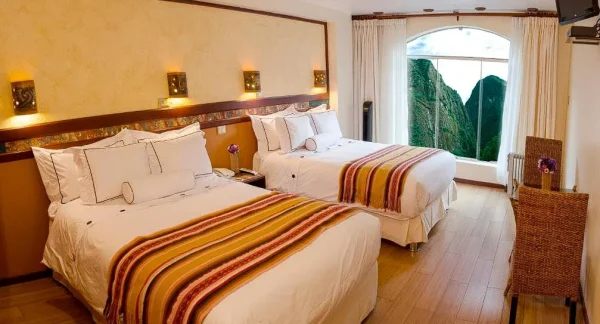
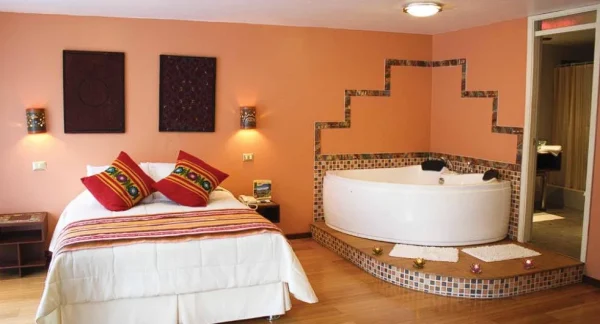
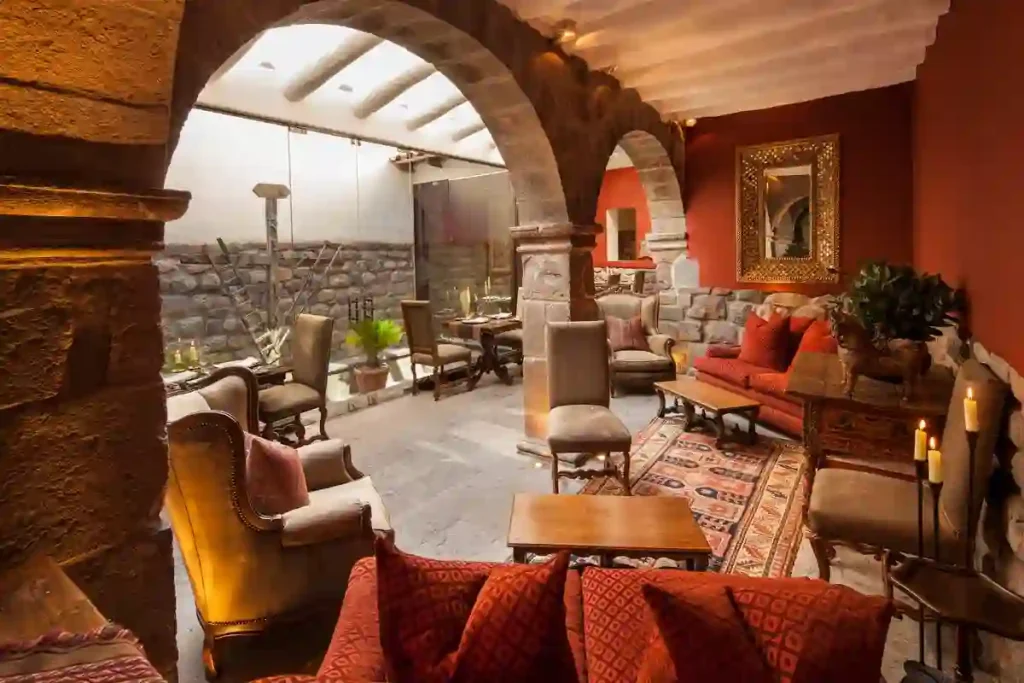
  2. Comfortable accommodations: We have partnered with carefully selected hotels in Urubamba that offer comfortable rooms and amenities, ensuring a restful stay before your trek.
  3. Local expertise: Our team of experienced guides is knowledgeable about the region, providing valuable insights into its history, culture, and the best spots to acclimatize.

Maximize Your Acclimatization with Machu Picchu Tours’ Inca Trail Packages

Our Inca Trail packages are designed to maximize your acclimatization and enhance your overall experience:

  1. Pre-trek acclimatization day trips: We offer day trips from Cusco, allowing you to experience the beauty of the Sacred Valley and gradually acclimatize before your trek.
  2. Guided walks in Urubamba: Our guides lead guided walks in the surrounding area, helping you adjust to the altitude while enjoying stunning scenery.
  3. Pre-trek briefing and equipment check: We provide a detailed briefing about the Inca Trail and ensure that you have the right gear for a safe and comfortable trek.

How many days to acclimate before the Inca trail?

Image
How-many-days-to-acclimate-before-the-Inca-trail

It’s generally recommended to spend at least two to three days acclimating to the altitude before trekking the Inca Trail. This allows your body to adjust to the thinner air and reduces the risk of altitude sickness. Machupicchu-tours can help you acclimate in several ways, making them the best choice for your Inca Trail journey:

Expert Advice and Planning

Machupicchu-tours offers expert advice and personalized planning to help you acclimate before your Inca Trail trek. Their team of experienced travel advisors can provide tailored recommendations based on your individual needs and preferences. They will help you choose the best accommodation, activities, and itineraries to ensure a comfortable and safe acclimatization process.

  1. Expert Travel Advisors: They have extensive knowledge of the region and can provide personalized recommendations for your acclimatization plan.
  2. Tailored Itineraries: They can create custom itineraries that include activities such as walking tours, hikes, and visits to high-altitude destinations to help you adjust gradually.
  3. Accommodation Advice: They can suggest hotels and hostels at various altitudes, allowing you to progressively acclimate to the higher elevation.

Guided Tours and Support

Machupicchu-tours offers guided tours throughout your journey, including during your acclimatization period. Their knowledgeable and experienced guides are equipped to provide support and guidance during your acclimatization hikes and activities. They can offer valuable insights into the region, answer your questions, and help you stay safe and comfortable.

  1. Experienced Guides: Their guides have extensive knowledge of the area and can provide valuable information and support during your acclimatization process.
  2. Guided Hikes: They offer guided hikes to high-altitude destinations, helping you adjust to the thinner air gradually.
  3. Safety and Support: Their guides are trained in first aid and can provide assistance if you experience any altitude-related symptoms.
Image
urubamba

How many days to acclimatize in Peru?

Here’s a detailed response focusing on how machupicchu-tours can help travelers with acclimatization in Peru, along with three subheadings detailing their services:

Acclimatization is crucial for a comfortable and enjoyable experience in Peru, especially when visiting high-altitude destinations like Machu Picchu.

While the ideal acclimatization period varies depending on individual factors, most travelers benefit from spending at least 2-3 days in Cusco before venturing to higher elevations. This allows your body to adjust to the thinner air and reduced oxygen levels, minimizing the risk of altitude sickness.

Machupicchu-tours understands the importance of acclimatization and offers comprehensive travel packages that prioritize your well-being. Their knowledgeable team is dedicated to ensuring you have a seamless and memorable journey.

What is the hardest day of the Inca trail?

The hardest day of the Inca Trail is Day 2, which is a long and challenging day with a steep climb to Dead Woman’s Pass (also known as Warmiwañusca), the highest point on the trail at 13,828 feet.

Frequently Asked Questions

Is 2 days in Urubamba enough to acclimatize before the Inca Trail?

It depends on your individual tolerance for altitude and your physical fitness level. While 2 days in Urubamba can provide some acclimatization, it may not be enough for everyone, especially if you are coming from a low altitude.

Urubamba is located at 2,800 meters (9,186 feet) above sea level, which is already higher than many cities. The Inca Trail itself reaches over 4,200 meters (13,780 feet) at its highest point.

To maximize your chances of acclimatizing effectively, we recommend staying in Urubamba for at least 3 days to allow your body to adjust to the altitude. Our expert guides at Machu Picchu Tours can provide personalized advice and guidance to help you choose the best acclimatization plan for your needs.

What activities can I do to help with acclimatization?

Urubamba offers a variety of activities that can aid in acclimatization while also providing an enjoyable experience. You can visit the charming Maras Salt Mines, which are situated at 3,300 meters (10,827 feet).

The Moray terraces, an ancient Inca agricultural site, offer another great opportunity to explore the area at higher altitudes. You can also choose to go on a guided hike in the surrounding countryside, allowing your body to gradually adjust to the altitude.

Our Machu Picchu Tours itineraries often include these activities, ensuring that you have ample time to acclimatize comfortably and explore the fascinating history and beauty of the Sacred Valley.

Can I book a guided tour of the Inca Trail through Machu Picchu Tours?

Yes, Machu Picchu Tours offers a range of guided tours of the Inca Trail, including various trek durations and options. Our expert guides are knowledgeable about the history, culture, and ecology of the region and will provide you with insights that enhance your trekking experience.

We also handle all the logistics of the trek, including permits, camping equipment, and meals, making it convenient and hassle-free for you. Our accommodations are carefully chosen to ensure comfort and safety, and our team is committed to providing excellent customer service throughout your journey.

What are the benefits of booking an Inca Trail tour with Machu Picchu Tours?

There are many benefits to booking an Inca Trail tour with Machu Picchu Tours. We offer flexible itineraries to suit different preferences and fitness levels, allowing you to choose the trek that best aligns with your needs.

Our experienced guides ensure your safety and provide you with valuable insights into the fascinating history and culture of the region. We also handle all the logistics of the trek, from permits and transportation to accommodation and meals, leaving you free to enjoy the experience without any stress.

Our commitment to sustainability means we prioritize responsible travel practices, minimizing our impact on the environment. Choosing Machu Picchu Tours ensures a seamless and unforgettable Inca Trail experience.

Show in Travel Guide (Home)
No

Short Inca Trail 2 Days to Machu Picchu Hike Packages and Price

Submitted by admin on

For adventurous travelers seeking a blend of history, nature, and comfort, the short inca trail 2 days stands out as the premier trekking option in the Cusco region. Unlike the arduous four day expedition, this condensed itinerary offers the perfect balance, allowing hikers to walk on the original Qhapaq Ñan (Inca Road) and arrive at the Sun Gate without the need for camping in harsh conditions. As we look toward the upcoming season, the variety of machu picchu hike packages available has expanded, offering everything from budget friendly group departures to exclusive luxury services. This route is particularly famous for its spectacular entrance into the citadel, a privilege reserved solely for those walking the trail, as opposed to tourists arriving by train who miss that initial, breathtaking panoramic reveal from above.

Planning for the future is essential, and understanding the short inca trail 2 days price 2025 is the first step for any prospective hiker. Prices have seen a slight adjustment due to increased government permit fees and strict conservation efforts aimed at preserving the archaeological sites along the route. Generally, travelers can expect to pay for a high quality service that ensures safety, fair wages for porters and guides, and seamless logistics. When booking an inca trail machu picchu tour, you are not just paying for a walk; you are investing in a comprehensive logistic operation that includes trains, permits, buses, hotels, and professional guidance through one of the world's most protected heritage sanctuaries.

Overview of the Short Inca Trail 2 Days Experience and Why It Is Worth It

Image
Overview-of-the-Short-Inca-Trail-2-Days-Experience-and-Why-It-Is-Worth-It

If you search for a short inca trail review online, you will consistently find glowing testimonials praising the trail’s high reward to effort ratio. But, is the short inca trail worth it compared to other treks? Absolutely. The experience is designed for those who want to feel the spirit of the Andes but may not have the time or physical endurance for a multi day camping expedition. This trail cuts through the National Park's most biodiverse zone, the cloud forest, where the Andes mountains drop into the Amazon basin. The sensation of walking past waterfalls, orchids, and ancient shrines, knowing you are following the footsteps of Inca royalty, creates a spiritual connection that a simple train ride cannot replicate.

The logistical convenience of the short inca trail 2 days to machu picchu is another major factor in its popularity. On the first day, you experience the thrill of the hike, visiting the stunning Wiñay Wayna ruins and arriving at the Sun Gate for sunset. On the second day, you return refreshed after a night in a hotel to explore the citadel in depth. This split itinerary allows you to appreciate the scenery without exhaustion clouding your experience. It serves as a perfect introduction to high altitude trekking, offering a rigorous challenge that is achievable for most people with a moderate fitness level, making it the "Goldilocks" option of Andean treks not too hard, not too easy, but just right.

Exploring the Highlights of the Short Version of Inca Trail to Machu Picchu

The short version of inca trail is often misunderstood as merely a "cheat" version, but it is actually a historically significant segment of the sacred path. So, what is the short inca trail in terms of geography? It begins at Kilometer 104 of the railway line, a location inaccessible by any other means than the train. From the moment you step off onto the trail, the inca trail short route immerses you in a landscape that changes rapidly. You start in the dry canyon vegetation and quickly ascend into the lush, mist covered tropical forest. This ecological transition is one of the main highlights, offering opportunities to spot hummingbirds, tanagers, and if you are lucky, the spectacled bear.

Beyond nature, the archaeological value is immense. You will visit Chachabamba, a site dedicated to water purification and religious ceremonies, which likely served as a checkpoint for pilgrims entering the sacred sanctuary. Later, the trail leads to Wiñay Wayna, an architectural marvel clinging to the mountainside. These sites are exclusive to hikers; regular tourists never see them. The short inca trail allows you to explore these hidden gems in relative solitude before you merge with the main path, providing a sense of exclusivity and discovery that defines the true essence of exploration.

Differences Between the Classic 4 Day Trek and the Short Inca Trail 2 Days

Image
Differences-Between-the-Classic-4-Day-Trek-and-the-Short-Inca-Trail-2-Days

The debate of classic inca trail vs short inca trail is one of the most common questions travel planners face. The classic version is a marathon of endurance, covering 43 kilometers (26 miles) and involving three nights of camping, often in freezing temperatures at altitudes exceeding 4,000 meters. In contrast, the short vs long inca trail comparison highlights the accessibility of the 2 day version. The short trail covers approximately 12 kilometers (7.5 miles) on the first day and bypasses the grueling "Dead Woman's Pass," staying at a lower, more oxygen rich elevation for the duration of the hike.

Another key difference lies in the overnight experience. The inca trail 2 days option eliminates the need for sleeping bags and tents. After hiking to the Sun Gate, you descend to the town of Aguas Calientes to sleep in a hotel with a hot shower and a real bed. This makes a massive difference in how you feel for the Machu Picchu tour the next morning. While the 4 day trekkers often arrive at the ruins exhausted and in need of rest, 2 day hikers arrive at the guided tour fresh, clean, and ready to absorb the history. Thus, the choice depends largely on your desire for "rugged adventure" versus "active comfort."

Complete Itinerary for the 2 Day Short Inca Trail Hike to Machu Picchu

A well executed short inca trail itinerary is a masterpiece of timing and logistics. Licensed operators optimize the schedule to ensure you aren't rushing through the sacred sites. Typically, the adventure begins before dawn with a pick up from your hotel, followed by a scenic train ride through the Sacred Valley. This 2 day inca trail tour is designed to maximize daylight hours; by starting the hike mid morning, you reach the most scenic points when the morning mist has lifted, but before the afternoon shadows lengthen too much.

The standard short inca trail to machu picchu 2d 1n package is structured to give you the best of both worlds. Day 1 is entirely dedicated to the physical challenge of the hike and the emotional arrival at the Sun Gate. Day 2 shifts the focus to cultural immersion with a comprehensive walking tour of the citadel. This separation of hiking and touring ensures that you have ample time for photography and contemplation on both days, without the pressure of having to rush back to catch a train immediately after arriving.

Day 1: Hiking from KM 104 Chachabamba to the Sun Gate (Intipunku)

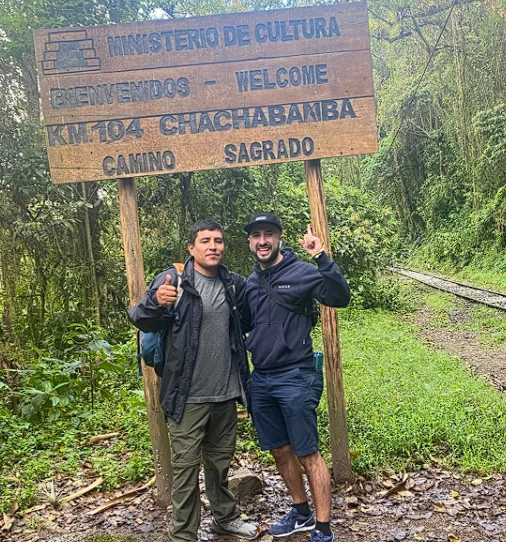
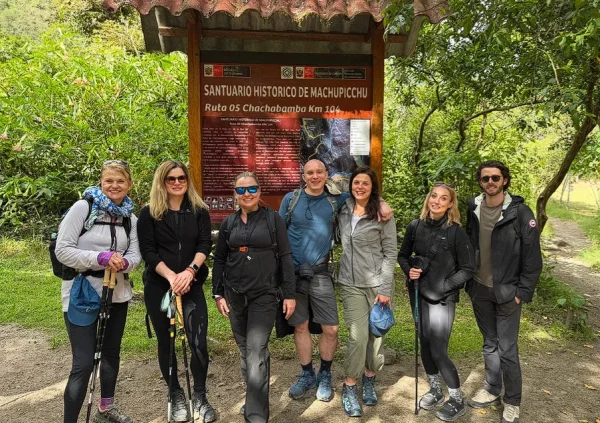
Your journey officially commences at the km 104 inca trail marker. This spot is more than just a trailhead; it is a government control point where your permits and passports are rigorously checked. Known simply as 104km in logistical terms, this is where civilization is left behind. Hiking the short inca trail starts by crossing a suspension bridge over the Vilcanota River, immediately leading you to the Chachabamba ruins. Here, your guide will explain the significance of this religious outpost before you begin the steady ascent into the mountains.

The path is a feat of engineering, carved directly into the granite cliffs. As you progress along the hiking trail machu picchu, the noise of the river fades and is replaced by the sounds of the jungle. The trail undulates but maintains a generally upward trajectory. You will be walking on original stones laid by the Incas over 500 years ago. This section of the hike is spectacular not just for the destination, but for the journey itself, offering panoramic views of the valley floor and the snow capped peaks that protect the sanctuary.

Visiting the Winay Wayna Archaeological Site Along the Trail

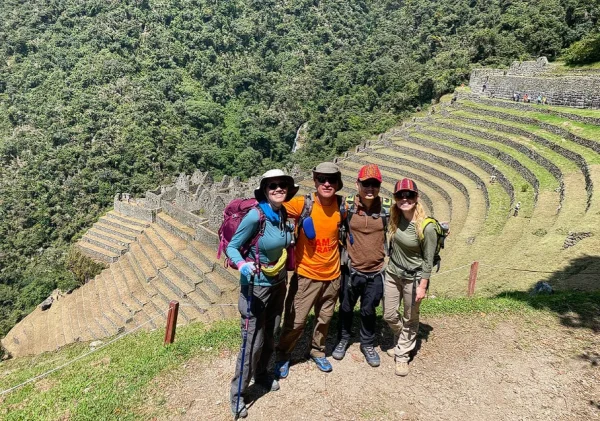
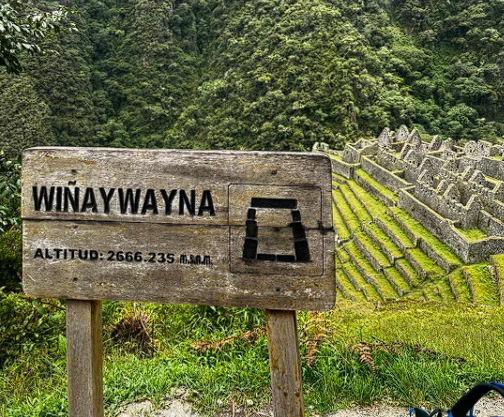
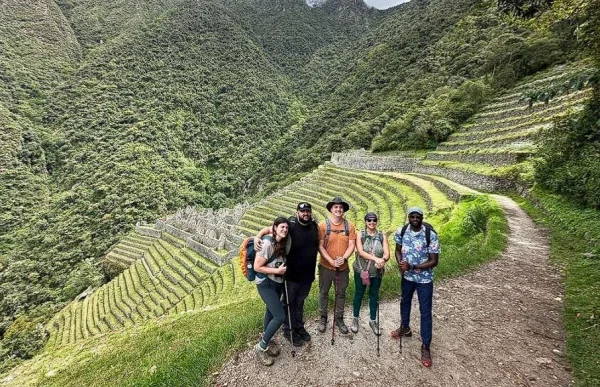
Approximately three to four hours into your trek, you will encounter the short inca trail hike crown jewel: Wiñay Wayna. Meaning "Forever Young" in Quechua, this site is often cited by guides and archaeologists as the most beautiful ruin on the entire network of inca trail hikes. It features a steep set of agricultural terraces that seem to drop endlessly into the abyss, flanked by a series of ritual baths and temples. Because it is only accessible on foot, it remains peaceful and uncrowded.

Navigating the inca trail map to machu picchu, you will notice that Wiñay Wayna serves as the perfect midpoint for lunch. Most tours stop here to allow hikers to eat and rest while overlooking the Urubamba River. The connection to the site is emotional; the architecture perfectly mirrors the surrounding mountains, demonstrating the Inca principle of living in harmony with nature rather than dominating it. It prepares your spirit for the grandeur of Machu Picchu that lies just ahead.

Arrival at the Sun Gate for the First Views of Machu Picchu

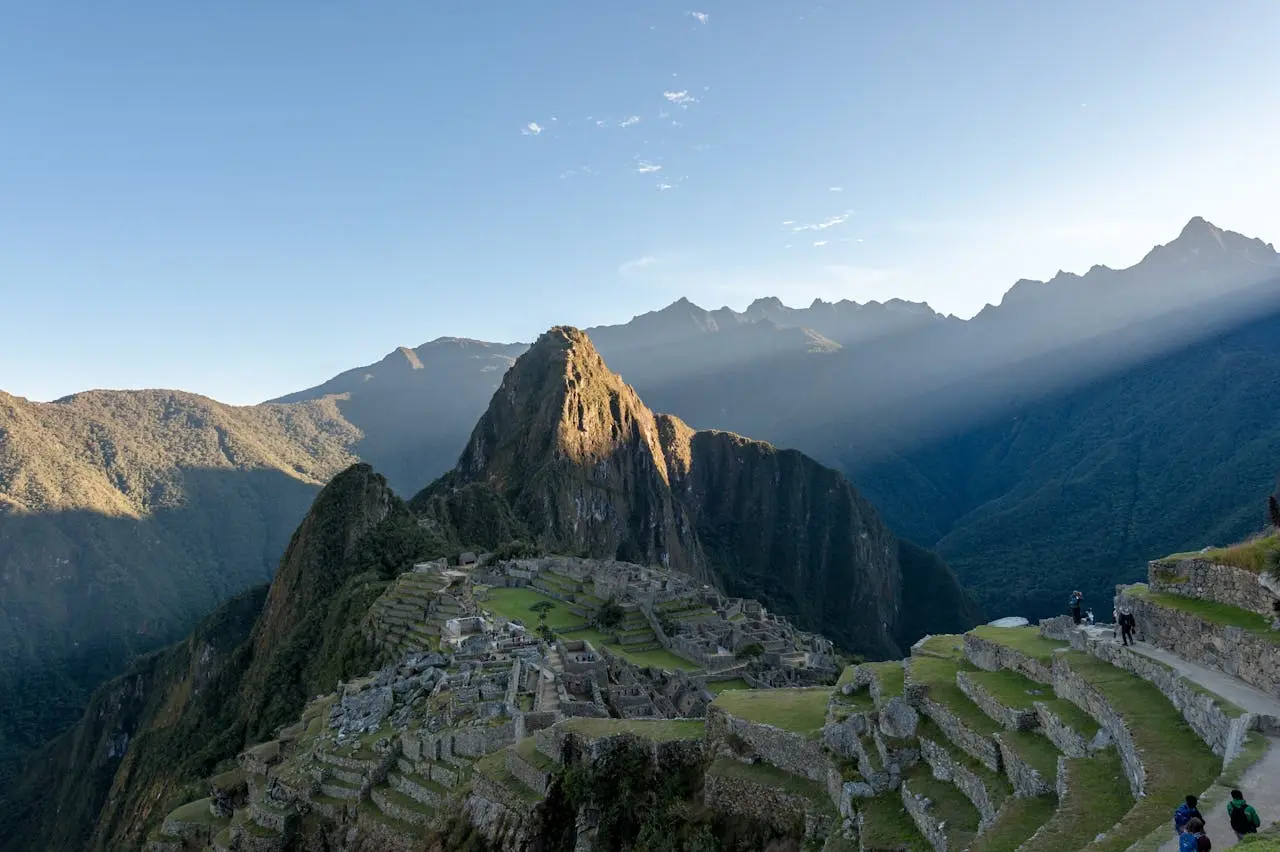
The final hour of the hike connects you with the main machu picchu hiking trails, where the path widens and the anticipation builds. The ultimate goal is the Intipunku, or Sun Gate. This stone threshold was the original imperial entrance to the city, and arriving here via the trail to machu picchu is a rite of passage. Unlike the bus arrival, which deposits you at the bottom, the Sun Gate offers a sweeping, high angle view of the entire citadel spread out between the peaks.

The feeling of seeing the Lost City for the first time from this vantage point is indescribable. On the inca trail machu picchu route, you typically arrive in the late afternoon. At this time, the majority of day trippers have left, and the lighting is soft and golden, casting long shadows over the terraces. It provides a moment of silence and awe that is rare in modern travel. After soaking in the view and taking the classic photos, you will descend the final leg to the main entrance and take the bus down to the town for a well deserved dinner.

Day 2: Private Machu Picchu Guided Tour and Return to Cusco

After a restful night, day two of your machu picchu 2 day tour begins early. You will board one of the first buses back up to the sanctuary to catch the morning light. A professional machu picchu two day tour includes a private guided visit lasting about 2 to 3 hours. Your guide will lead you through the intricate maze of stone, explaining the function of key sectors like the Industrial Sector, the Royal Tomb, and the Temple of the Condor.

These trips to inca trail packages emphasize education. You will learn how the Incas cut stone with such precision, how they engineered drainage systems to prevent the city from sliding off the mountain, and how they tracked the solstices. After the tour, you have some free time (depending on current circuit regulations) to absorb the energy of the place before descending to Aguas Calientes to begin the journey back to Cusco via train and bus.

Optional Hikes: Huayna Picchu or Machu Picchu Mountain

For those who still have energy after the previous day's trek, adding a machu picchu climb is a popular upgrade. You have two main choices: climb machu picchu Mountain, which sits opposite the Huayna Picchu peak and offers the highest possible view of the area, or the famous Huayna Picchu itself. Huayna Picchu is the steep, sugarloaf mountain seen in the background of every classic postcard photo.

These machu picchu hike options are not included in the standard ticket and must be booked months in advance due to limited capacity. Huayna Picchu is famous for its "Stairs of Death" and narrow tunnels, providing an adrenaline rush and a unique perspective of the ruins from directly above. Machu Picchu Mountain is a longer, wider hike that offers a broader view of the entire river valley and the distant Salkantay glacier. Both offer incredible rewards for the extra physical effort.

Accommodation Options: Short Inca Trail With Camping vs Hotel

Image
Accommodation-Options-Short-Inca-Trail-With-Camping-vs-Hotel

A unique aspect of this trek is the flexibility in accommodation. While some operators market the short inca trail with camping, it is important to understand the logistics. Camping is strictly prohibited inside the archaeological park or near the ruins. Therefore, short inca trail no camping (hotel accommodation) is the preferred choice for 99% of travelers. Camping options usually require you to descend all the way to Puente Ruinas near the town, which negates the rustic experience most people seek.

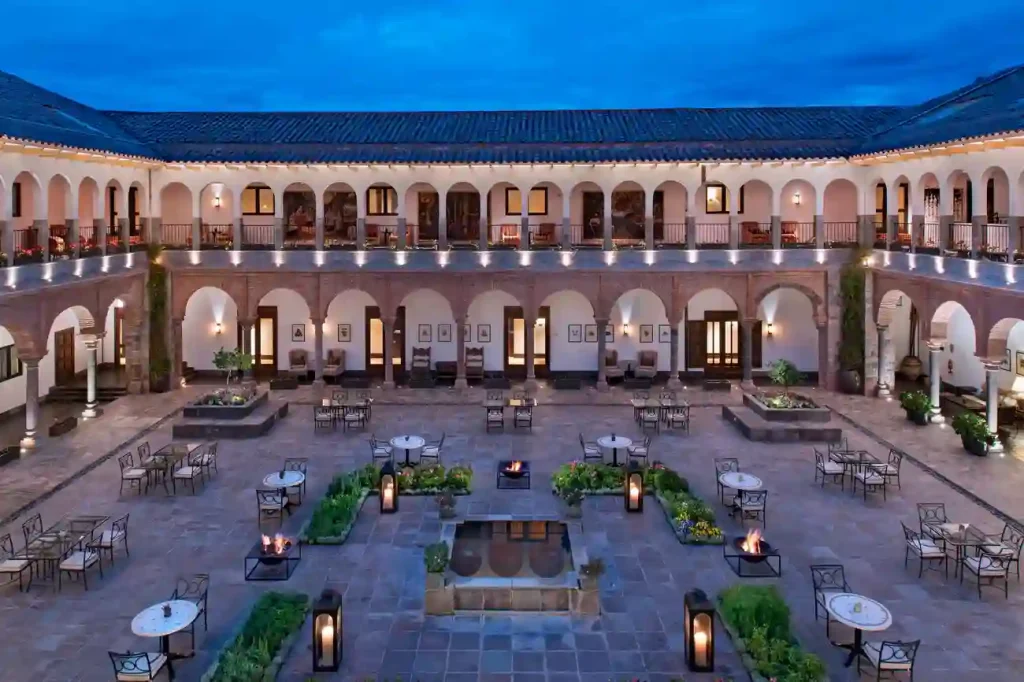
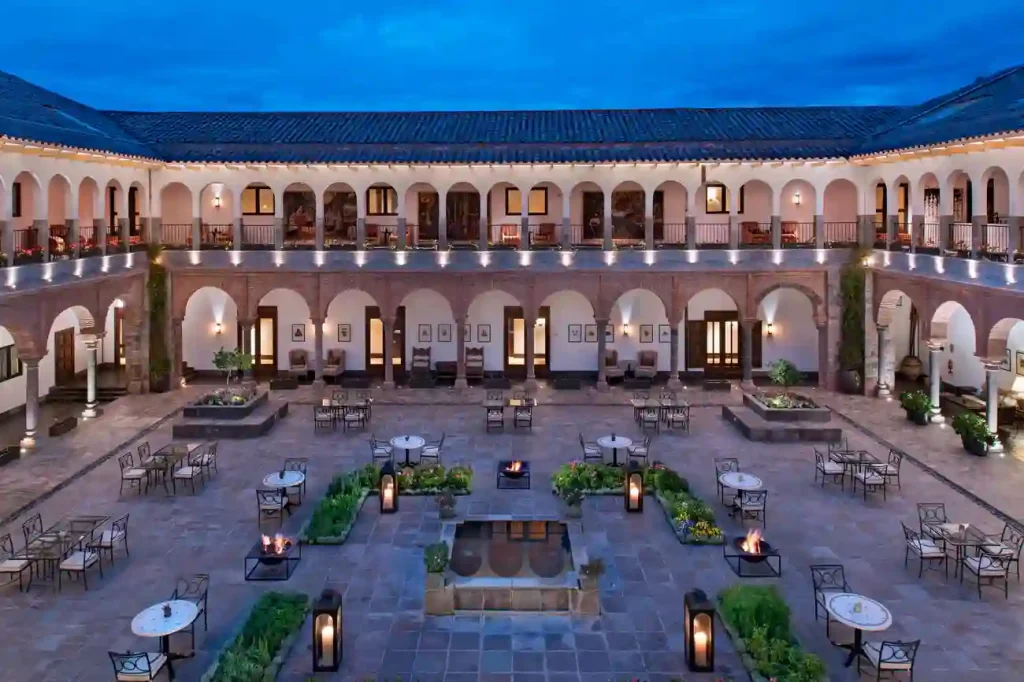
Deciding where to stay before short inca trail is also key. We recommend spending at least two nights in Cusco or the Sacred Valley to acclimatize. For the night of the tour itself, staying in a hotel in Aguas Calientes allows you to enjoy the town's amenities, such as restaurants, internet access, and hot springs, ensuring you are fully rested for the intensive tour of the citadel the following morning.

The Luxury Short Inca Trail Experience with Glamping and Gourmet Food

For the discerning traveler, the luxury short inca trail transforms the hike into a five star experience. The best short inca trail tour providers can customize the trip to include private luxury transport, a dedicated chef who prepares a gourmet hot lunch at the trailhead or a deluxe box lunch with champagne, and personalized concierge services.

A luxury inca trail package culminates with a stay at high end properties like the Inkaterra Machu Picchu Pueblo Hotel or the Belmond Sanctuary Lodge. These hotels offer exquisite dining, spa services, and serene gardens that allow you to relax in nature after your hike. This option is ideal for honeymooners, families seeking comfort, or anyone who wants to combine active adventure with world class indulgence.

Standard 2 Day Inca Trail Tour with Hotel Stay in Aguas Calientes

The standard short inca trail to machu picchu 2 days 1 night package balances cost and comfort perfectly. It typically includes a clean, comfortable 3 star hotel with private bathrooms and hot water. This machu picchu 2 day trek allows you to focus on the hike without worrying about setting up tents or sleeping on the ground.

Spending the overnight in aguas calientes is part of the fun. The town, nestled in a deep canyon, has a unique vibe with the train tracks running through the center. You can explore the artisan markets, try local cuisine like alpaca steak or trout, and relax in the thermal baths that give the town its name. It provides a comfortable base camp that bridges the gap between the wild trek and civilization.

Short Inca Trail 2 Days Price 2026, Costs and What Is Included

Image
Short-Inca-Trail-2-Days-Price-Costs-and-What-Is-Included

Costs and What Is Included Understanding the financial breakdown is the most critical step in planning your Andean adventure. When researching the short inca trail 2 days price 2026, travelers will generally find rates ranging from $500 to $750 USD per person.

This inca trail price variation is not arbitrary; it depends heavily on the level of service you select, specifically whether you opt for a standard group service or a customized private tour. It is important to realize that the Short Inca Trail cost is reflective of extremely complex logistics in a remote area: your payment covers premium train tickets, Ministry of Culture permits, bus transfers, hotel accommodations, and professional staff wages, all coordinated seamlessly to ensure a stress free experience.

As we look toward the upcoming season, the inca trail prices 2026 are also influenced by global inflation and annual increases in government entrance fees. When analyzing a quote, do not just look at the bottom line; investigate the value behind the inca trail price. Vital questions to ask include: Does the cost include the upgrade to the panoramic "Vistadome" train or just the standard "Expedition" service? Is the bus ticket down from Machu Picchu to Aguas Calientes on Day 1 included, or will you have to pay extra in cash? Does the package cover a celebratory dinner? Reputable agencies like inca trail agency  are fully transparent about these inclusions, providing a clear "all inclusive" inca trail price so there are no hidden fees or unpleasant surprises upon your arrival in Cusco.

Breakdown of the Short Inca Trail Cost and Permit Fees

The biggest driver of the inca trail cost is the government permit. The short inca trail tickets are among the most expensive entrance fees in South America because they grant access to both the Inca Trail network and the Machu Picchu citadel. The short inca trail permit itself costs significantly more than a standard entry ticket and is non refundable and non transferable.

Additionally, logistical costs are high. The train to and from Machu Picchu is one of the most expensive per kilometer rail journeys in the world. High quality operators also pay their guides and staff above average wages to ensure professionalism and retention. When you pay for a tour, you are funding a sustainable tourism ecosystem that supports local families and conservation efforts.

Do You Need a Permit for the Short Inca Trail and Availability

A very common query is: do you need a permit for the short inca trail? The answer is a strict yes. It is impossible to hike this trail independently; you must be accompanied by a licensed guide from an authorized agency. Short inca trail availability is capped at 250 spots per day. This sounds like a lot, but this number includes all the support staff, meaning the actual number of tourist spots is much lower.

Therefore, short inca trail booking strategy is essential. In peak months like June and July, permits can sell out 4 to 6 months in advance. Once the 250 spots for a specific date are gone, no amount of money can open a space. It is a rigid system designed to protect the fragile trail from over tourism and erosion.

How to Book the Short Inca Trail 2 Days in Advance

To book short inca trail spots, you need to plan ahead. The short inca trail 2 day booking process requires providing your full passport details (Name, Number, Nationality, DOB) exactly as they appear in your document. Agencies use this information to buy the permits from the Ministry of Culture.

Because inca trail machu picchu tours are in such high global demand, we recommend starting the booking process as soon as you have your flights confirmed. If your passport is about to expire, you should renew it before booking or consult with your agency about the procedure for updating passport numbers on the permit, which can be a complicated bureaucratic process.

Private Short Inca Trail Tour vs Group Service Prices

Travelers often face the choice between a private short inca trail and joining a group. A private short inca trail tour offers complete freedom. You walk at your own pace, stop for photos whenever you wish, and have the guide's full attention to answer every question. This is highly recommended for families with children, older hikers, or photography enthusiasts who don't want to feel rushed.

On the other hand, if you are looking for a cheap short inca trail option, group service is the way to go. By sharing the cost of the guide and private transport to the train station with 8 to 12 other travelers, the per person price drops significantly. Group tours are also a fantastic way to meet like minded people from around the world and share the excitement of the journey.

Difficulty Level: How Hard Is the Short Inca Trail to Machu Picchu?

Image
Difficulty-Level-How-Hard-Is-the-Short-Inca-Trail-to-Machu-Picchu

Managing expectations is key to enjoyment. So, how hard is the short inca trail? It is generally classified as "Moderate." The short inca trail difficulty comes primarily from the terrain and the humidity, not necessarily the distance. The trail involves uneven stone steps, some of which are quite steep. How difficult is the hike to machu picchu via this route really? If you can walk for 6 hours on uneven ground and climb several flights of stairs, you can do it.

The most challenging section is the ascent to Wiñay Wayna, which features a near vertical set of stairs that can be intimidating. However, because you are not carrying camping gear (only a daypack), the physical toll is much lower than the 4 day trek. Frequent breaks are taken, and the distraction of the beautiful scenery makes the physical effort feel much lighter.

Analysis of Short Inca Trail Elevation Gain and Altitude Sickness

The short inca trail elevation profile is favorable compared to other Andean treks. You start at Chachabamba at approximately 2,170 meters (7,120 feet). The short inca trail elevation gain is about 550 meters (1,800 feet) total to reach the Sun Gate at 2,720 meters (8,924 feet). This is significantly lower than Cusco City, which sits at 3,400 meters.

However, short inca trail altitude can still affect some people. Symptoms like shortness of breath, headache, or nausea can occur if you haven't acclimatized. While you are unlikely to suffer severe altitude sickness on the trail itself due to the lower elevation, it is crucial to spend time in Cusco beforehand to adjust your blood oxygen levels. Hydration and a slow pace are your best tools against the altitude.

Distance and Length of the Hike from KM 104

The total short inca trail distance is roughly 12 kilometers (7.5 miles). While this might not sound very long on flat ground, in the mountains, it translates to a full day of activity. The short inca trail length in terms of time varies by group speed, but generally takes between 6 to 7 hours.

How long is the short inca trail hiking time exactly? It usually breaks down to 3.5 hours to Wiñay Wayna, 1 hour for lunch and tour, and another 1.5 to 2 hours to the Sun Gate. The goal is not to race, but to enjoy. Guides pace the group to ensure everyone arrives at the Sun Gate with enough light for photos and enough energy to enjoy the view.

Physical Preparation for the 2 Day Short Inca Trail Hike

Many people ask, how hard is hiking machu picchu and do I need to be an athlete? You don't need to be an athlete, but you do need to be active. Hiking the inca trail to machu picchu uses muscles that you might not use in daily life, specifically your calves and quads for the steps.

Training for inca trail should ideally start 4 to 8 weeks before your trip. The best preparation is cardio exercise (running, swimming, cycling) combined with stair climbing. If you have access to a gym, the StairMaster is your best friend. Also, try to do some weekend hikes with the boots you plan to wear to break them in and prevent blisters on the big day.

Hiking the Short Inca Trail with Kids and Family Considerations

Taking the short inca trail with kids is an increasingly popular family vacation choice. But parents often worry, is the short inca trail worth it for children? Yes, it is a fantastic history lesson brought to life. Children tend to do well on this trail because it is engaging there are tunnels, bridges, and waterfalls to keep them interested.

Hiking in peru machu picchu with a family does require some planning. We recommend a minimum age of 7 or 8 years old. It is also highly advisable to book a private tour. This allows the family to take as many breaks as needed without feeling pressure from other hikers. Guides are great at keeping kids motivated with stories of Inca legends and spotting local wildlife.

Weather and Best Time to Hike the Short Inca Trail

Image
Weather-and-Best-Time-to-Hike-the-Short-Inca-Trail

Choosing the best time to hike inca trail can make or break your experience. The Andes have two distinct seasons. The weather and season you choose will dictate your gear and your views. The dry season (May to September) is the most popular because of the clear blue skies and low chance of rain. However, nights can be chilly. The wet season (November to March) is warmer but sees frequent rain showers.

Hiking the Short Inca Trail in May vs February Closures

Historical data is useful here. Looking at short inca trail may 2019 tour reports, May is consistently highlighted as a "sweet spot" the mountains are still lush and green from the rains, but the skies are clear. In contrast, the short inca trail february schedule is non existent. The trail closes completely every February for maintenance.

If you look at inca trail short may 2019 tour reviews or data from more recent years, you see that hikers in May often enjoy the best orchid blooms. It is the beginning of the peak season, so crowds begin to increase, but the weather stability makes it worth it. Avoiding February is non negotiable, but March and April can be excellent "shoulder season" alternatives with fewer people.

What to Pack and Wear for the Short Inca Trail Adventure

Packing efficiently is an art. Can you wear shorts on the inca trail? Yes, and in fact, they are often preferred. The trail is in the high jungle, and once the sun hits the canyon, it gets hot. Zip off hiking pants are the ultimate solution, allowing you to adapt to changing temperatures.

Your short inca trail guide will provide a packing list, but essentials include: a good daypack (20-30L), broken in waterproof hiking boots, a high quality rain poncho (weather changes fast), sun hat, sunglasses, and strong insect repellent. Do not forget your original passport; you cannot enter the trail without it. Proper hiking gear ensures that you focus on the views, not on your discomfort.

Extended Packages: Sacred Valley and Lares Trek Combinations

Extended Packages: Sacred Valley and Lares Trek Combinations

For those who want a deeper dive into Peru, stand alone hikes are often combined into larger machu picchu hike packages. Trips to machu picchu inca trail serve as the climax of a week long exploration. Combining the hike with other regions helps with acclimatization and gives a broader understanding of the Andean world.

Sacred Valley Tour and Short Inca Trail 3 Day Package

One of the most logical combinations is the sacred valley & short inca trail 3 day itinerary. This starts with a full day guided tour of the Sacred Valley, visiting the Pisac market and the Ollantaytambo fortress. This sacred valley tour and short inca trail combo allows you to sleep in Ollantaytambo, which is lower than Cusco, aiding in acclimatization.

By connecting the sacred valley and short inca trail, you follow the historical flow of the Incas, who used the valley for agriculture to support the religious center of Machu Picchu. It turns a simple hike into a comprehensive historical narrative, connecting the dots between how the people lived and how they worshiped.

The Lares Trek Plus Short Inca Trail 4 or 5 Days Itinerary

For a blend of culture and wilderness, the lares trek plus short inca trail is a top tier choice. The Lares valley is home to traditional weavers who live much as their ancestors did. The lares hike and short inca trail starts with 2 or 3 days of hiking in remote mountains, visiting hot springs and high altitude lakes, far from the tourist crowds.

Then, you transfer to the train for the lares trek to short inca trail connection. This offers the best of both worlds: the solitude and cultural interaction of the Lares trek, followed by the iconic archaeological finish of the Inca Trail. It is the perfect package for those who want to see the "real" living Peru before seeing the ancient dead city.

Huchuy Qosqo Trek Connection with the Short Inca Trail

A fantastic off the beaten path option is trekking inca trail machu picchu via Huchuy Qosqo. Huchuy Qosqo ("Little Cusco") is an Inca estate perched high above the Sacred Valley, accessible only by hike. These varied hikes in machu picchu combinations allow you to hike from the highlands down into the valley, explore a site few tourists see, and then connect to the KM 104 train the next day. It adds a layer of adventure and discovery that standard packages miss.

Show in Travel Guide (Home)
No

Sites to Visit on the short Inca Trail

Submitted by admin on

Inca Trail to Machu Picchu draws biggest hike crowds in Peru. You spot major Inca remains along, get initial look at Machu Picchu from sun door. Short on days or no want for 4 day slog? Short Inca path grabs main parts. What they are here, to see if suits.

Image
huayna-picchu-or-machu-picchu

Hike begins km104 control point. Waterfall first. Chance to pause, munch, dip in bottom pool maybe. Then Chachabamba, probably water worship with channels baths. On to Winay Wayna, path's top ruin.

  • Guide tells theories. Like farming for area, terraces show.
  • Then sun door, ancient Machu Picchu entry. First glimpse, views strike.
  • Down to guard house. Prime for Machu Picchu shots.
Image
machu-picchu-tours-reviews

Why take short Inca path?

Time short for multi day but itch for Inca path vibe. Spot on fix. Final segment only, but packs best ruin Winay Wayna. Visit Machu Picchu through sun door too.

Classic sells out lots, short often has spots.

Main spots on short Inca path.

Spot the 5 big ones. Nature wonderful, Andes mountains huge. Linger each, hit guide with history questions.

Winay Wayna.

Hands down, path's most standout Inca place. Built around late 1400s. Agreement on Pachacutec, famed Inca ruler, behind it.

Archeologists figure varied roles. Terraces, digs suggest big farm output, store for empire. Close to Machu Picchu, perhaps last chill before finish. Approximately 20 structures: living spots, store sheds, fountains, baths. Highlight Inca build skills, layout. Guide dives in with full past rundown.

Fact neat: Legend says woman Winay Wayna became orchid by gods, beauty forever.

Chachabamba Inca Site.

Opening stop, Chachabamba remains. Typical Inca enigma. Roles guessed. Popular: water rites, water elements abound.

  • Another: Pilgrim rest before Machu Picchu. Body cleanse. Trail watch good. 2021 finds with drones lasers: stone ways, 2 big patios, 14 baths jungle hid. Still under.
  • Classic Inca builds. Roofs ichu straw likely. Fertile valley spot, landscape sights.
  • Doubt if all theories hold, but fascinating.

Guard house.

At Machu Picchu setup, guard house eyed two ways in: classic Inca path sun door, Vilcabamba trail. Sun door path famous? Guard house Machu Picchu famous. Pics all you can, lifetime maybe once.

Sun Gate (Inti Punku ).

Inca days, sun door chief Machu Picchu access. Soldiers guarded strict, in out control. Path end, crucial. Machu Picchu first view spot. Stays with you. Photos tons.

Inca path hike lets sun door visit.

Image
machu-picchu-tours-reviews

Flora fauna in Machu Picchu.

People volume hides larger critters rare. Birds various, plant kinds many. Luck hits, see bright red cock-of-the-rock.

Fauna.

  • Cock of the rock: Red vibrant, jungle usual. Peru bird national.
  • Spectacled bear: Andean bear, hard spot, face patterns.
  • Puma: Called mountain lion too, home in continent mountains.
  • Andean condor: Inca holy, dead spirits to other world.

Not sure bears appear often, trekkers whisper sightings though.

Flora.

  • Orchids: Andean bloom colors designs, species wide in cloud forest Andes.
  • Queñual: Bush tall to 20 meters, 14 types Peru. See day one.
  • Schinus mole: Bush medium 8 meters, heal properties claimed. Andes most planted.
  • Puya: Large plant slow, flower tower big, 150 years approximate to bloom.
  • Hikers chat about orchid hunts fun.
Show in Travel Guide (Home)
No

Ancient Inca Agriculture and Farming Techniques in the Mountains

Submitted by admin on

To fully understand the magnitude of the largest empire in pre Columbian America, we must look past the gold of the temples and examine the soil beneath their feet. Ancient Inca agriculture was an extraordinary feat of geo engineering that defied all logical farming conventions of the time.

Unlike the flat, fertile river valleys that nourished ancient Egypt or Mesopotamia, the Inca civilization thrived in one of the most unpredictable and hostile environments on the planet. Visitors looking at Machu Picchu agriculture today are often left speechless wondering how an entire civilization managed to survive at such breathtaking altitudes.

The answer lies in their incredible capacity for adaptation. The Incas faced thin air, severe frosts, scarce water, and vertical mountain slopes. Yet, through collective labor and brilliant architectural planning, the Inca food supply was so secure that they successfully protected millions of citizens against famine and poor harvests.

By domesticating thousands of ancient Inca crops, carving perfectly angled terraces into solid rock, and inventing the world's first industrial freeze drying methods, they built a botanical empire. This comprehensive guide explores exactly how did the Incas farm in the mountains, the specific tools they used without the help of draft animals, and the ingenious Inca farming methods that transformed the rugged Andes into a flourishing breadbasket.

Image
Sacha-Inchi

Agricultural Techniques of the Incas and Engineering Systems

Image
Agricultural-Techniques-of-the-Incas-and-Engineering-Systems

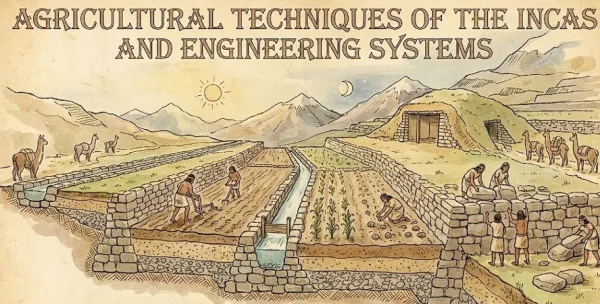
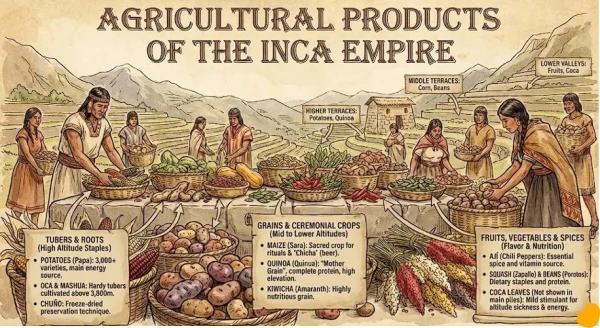
The foundation of Incan farming rested on a system known as the Vertical Archipelago. Instead of forcing one type of crop to grow everywhere, Inca farmers brilliantly exploited the different microclimates or "ecological floors" of the Andes. They grew tropical fruits and coca leaves in the humid lower valleys, vast fields of corn in the temperate mid elevations, and highly resilient tubers in the freezing highlands above 4,000 meters.

Students of history frequently ask what specific farming and building techniques did the Incas use to achieve this. It is important to note that the Incas did not invent all these systems from scratch. When looking at how did the Andean peoples influence Inca agriculture, we see that the Incas adopted and perfected the canal and terracing concepts created by older cultures like the Wari and the Tiwanaku, expanding them on a massive imperial scale.

Because the challenging terrain made the wheel useless and they had no strong draft animals like horses or oxen, Inca farmers relied entirely on human strength and specialized tools. The ultimate Inca foot plow was called the Chaquitaclla. This was a long wooden pole with a curved handle and a footrest near the bottom. The farmer would use their entire body weight to drive the heavy stone or bronze point deep into the tough mountain soil. This tool was so effective for high altitude farming that many traditional Andean communities still use variations of the Chaquitaclla today.

What Type of Agriculture Did the Incas Use in the Andes?

When asking what type of agriculture did the Incas use, the technical answer is "intensive, high altitude terrace farming combined with state managed redistribution." It was a highly organized, collective effort rooted in the concept of Mita (mandatory labor tax). The land was not privately owned in the modern sense but was divided into three parts: lands for the Sun (religion/priests), lands for the Inca (state/government), and lands for the Ayllu (community). This structure ensured that agriculture was the foundation of the economy Maya Aztec Inca societies all shared, but the Inca implementation was uniquely centralized. The state dictated planting schedules based on astronomy, optimizing the caloric output of every microclimate in the empire to support a massive standing army and bureaucracy.

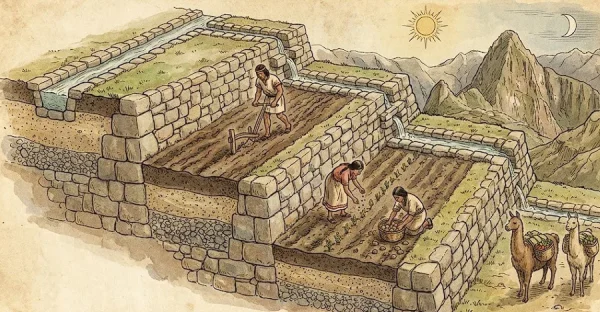
A Major Agricultural Advancement of the Incas Was the Terrace (Andenes)

Image
inca-terraces

When analyzing Machu Picchu Inca engineering techniques, terrace farming stands out as their absolute masterpiece. Known locally as Andenes, Incan terrace farming transformed useless 45 degree mountain slopes into highly productive agricultural lands. These terraces were much more than just giant green staircases.

They were sophisticated microclimate generators. Each level was built with a sturdy stone retaining wall leaning slightly inward to fight gravity and prevent landslides. These thick stones absorbed the intense heat of the Andean sun throughout the day. At night, when the mountain temperatures plummeted to freezing levels, the stones slowly released that trapped heat, keeping the roots of the crops warm and preventing frostbite. Behind the visible stone walls, Inca agricultural engineering continued.

They filled the bottom layer with large loose rocks, covered that with a layer of gravel and sand, and finally brought up rich topsoil from the valleys below. This multi layered drainage system was pure genius. During the heavy torrential rains of the wet season, the water filtered smoothly through the layers instead of accumulating and washing the entire mountainside away.

Water Management and Irrigation Canals

While the terraces provided the land, the hydraulic engineering provided the lifeblood. The Incas were master hydrologists. They channeled meltwater from snow capped peaks (Apus) down through miles of stone lined canals and aqueducts to irrigate the terraces.

This precise control of water illustrates how the agricultural systems of Aztecs Incas and Mayans unique adaptations differed. While the Mayans relied on natural cenotes and seasonal rains, and the Aztecs utilized the standing water of lakes, the Incas mastered the flow of gravity. They built "Amunas" pre Inca water retention systems adopted by the empire

to capture rain in the highlands, filter it into the mountain rock, and harvest it from springs lower down the mountain months later during the dry season.

Important Agricultural Products of the Inca Empire

Image
Agricultural-Products-of-the-Inca-Empire

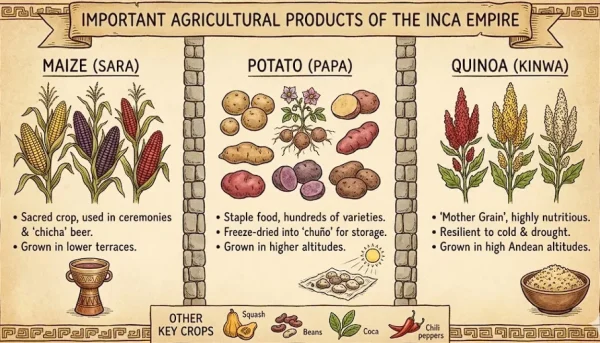
The biodiversity of the Andes is staggering, and the Incas harnessed it all, turning their empire into a genetic laboratory. Important agricultural/non agricultural products of the Inca Empire included cotton for textiles, medicinal herbs like quinine (cinchona), and massive quantities of food crops.

When discussing what were some important agricultural products of the Incas, the list is dominated by tubers and grains. They cultivated over 3,000 varieties of potatoes, hundreds of types of corn, quinoa, amaranth (kiwicha), oca, mashua, and ulluco. This immense variety was not accidental; it was a deliberate strategy to protect the food supply from blight and disease.

What Foods Did the Incas Eat and Grow

The biodiversity managed by the empire was staggering. If you need to list 3 crops grown by the Incas, the most crucial ones were potatoes, corn, and quinoa. However, the reality of the Inca environment allowed them to domesticate dozens of species through advanced Inca farming techniques like Andenes (terraces).

This wasn't just agriculture; it was a sophisticated nutritional system designed to build the physical endurance of an expanding army and millions of citizens.

The Foundation of the Andean Diet and Inca Tuber Farming

The most vital part of the Inca food supply came from underground. Tubers were the "energy batteries" of the empire, capable of being stored for years in Qullqas (storehouses) thanks to the natural freeze drying process of the high Andes.

Inca tuber farming was an absolute necessity because these crops grow perfectly in the extreme high altitude Puna regions where other plants would perish.

The Imperial Potato or Papa

Image
Inca potato tuber

The potato (Solanum tuberosum) was the daily caloric engine of the Tawantinsuyu. Rich in Vitamin C, B6, and potassium, it provided the complex carbohydrates needed for the exhausting labor of building stone citadels.

Inca farmers cultivated over 3,000 varieties, ensuring that even if a plague hit one type, the empire would never face famine. It was the ultimate insurance policy for a civilization living among the clouds.

Oca the Natural Energy Booster


This colorful, elongated tuber is a treasure trove of iron and calcium. When the Incas sun dried the Oca, its starches transformed into glucose, creating a sweet, high energy snack.

This was the ancient equivalent of an "energy bar" for workers moving massive stones across the mountains.

Mashua the Ancient Immune System Protector

Image
Mashua-tuber-from-Inca

Hardy and peppery, the Mashua was a medicinal marvel. It possesses high antibacterial and anti inflammatory properties. Inca chroniclers mention that it was frequently included in the diet of the soldiers to keep them healthy during long military campaigns in damp or freezing environments.

Maca the Secret of Inca Stamina

Image
Peruvian-maca-tuber

Grown at altitudes above 4,000 meters where the air is thin and freezing, Maca is a powerful adaptogen. Prized for boosting physical stamina, hormonal balance, and mental focus, it was the primary supplement for the Chaskis (imperial messengers) who ran hundreds of miles across the Qhapaq Ñan.

Sacred Grains and the Science of Inca Grain Farming

Beyond tubers, the Incas mastered the cultivation of high protein grains. Inca grain farming provided the "superfoods" that allowed their population to develop incredible lung capacity and muscle strength in oxygen thin environments.

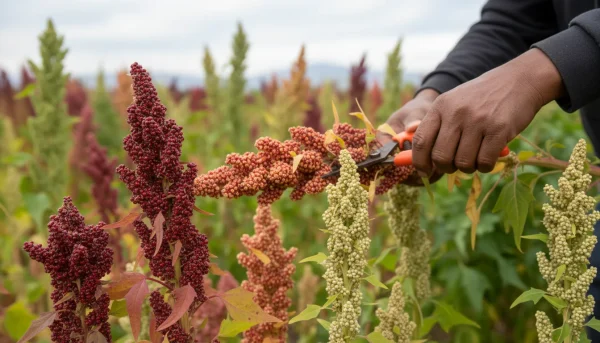
Quinoa the Sacred Mother Grain

Image
Peruvian-quinoa-plant

More than just a plant, Quinoa was considered sacred. It is a complete protein, containing all nine essential amino acids a rarity in the vegetable kingdom.

This was the backbone of the Inca military diet, allowing soldiers to recover muscle mass quickly after intense battles.

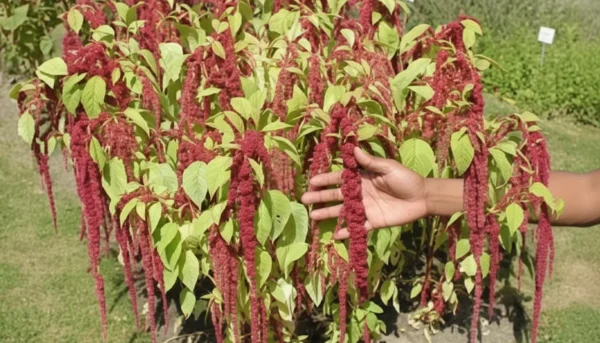
Kiwicha or Amaranth the Brain Power Food

Image
Kiwicha

These tiny seeds are packed with lysine, an amino acid essential for brain development and calcium absorption. The Incas used Kiwicha to ensure that their children and elders remained strong and mentally sharp, creating a society with high longevity and cognitive health.

Tarwi the High Protein Andean Legume

Image
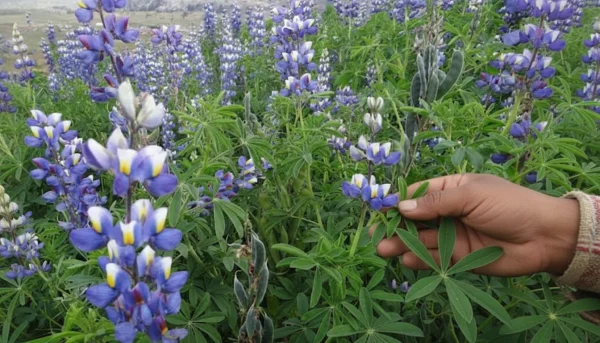
taro-plant-peru

Often called the "Soy of the Andes," Tarwi contains nearly 40% protein. It was essential for bone health due to its massive calcium content. In terms of Inca farming, Tarwi was genius; it naturally fixed nitrogen into the soil, acting as a living fertilizer for the next crop cycle.

Tropical Fruits and Superfoods from the High Jungle

While the highlands provided the calories, the warmer valleys contributed essential vitamins and antioxidants through specialized Inca fruit farming.

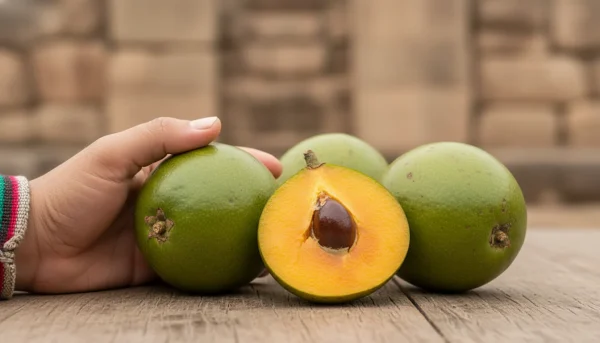
Lucuma the Gold of the Incas

Image
Lucuma-INCA

A fruit with a creamy texture and a maple like flavor, the Lucuma is packed with beta carotene, fiber, and zinc. It was a powerful skin healing agent and a natural sweetener, often represented in Moche and Inca pottery as a symbol of fertility and life.

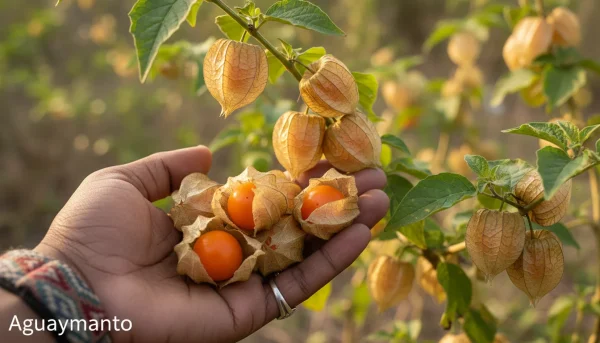
Aguaymanto or Golden Berry the Immune Shield

Image
Aguaymanto-PERU

This "lost crop" is a vitamin powerhouse. Extremely high in Vitamin A and C, it acted as a natural shield against respiratory illnesses. For an Inca citizen living in the cold Andean nights, the Aguaymanto was the best defense against the environment.

Sacha Inchi the Jungle Omega Seed

Image
Sacha-Inchi

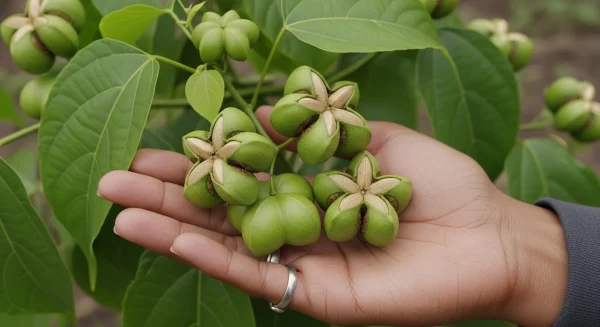
Harvested in the high jungle, these star shaped pods contain seeds rich in Omega 3, 6, and 9. These healthy fats were vital for heart health and brain function, proving that the Inca diet was balanced even at a neurological level.

Food Preservation and The Inca Economy

Image
Food-Preservation-and-The-Inca-Economy

The absolute brilliance of the Inca economy and agriculture was their ability to preserve food for decades. When asked how did the Incas protect against famine and poor harvests, the answer is their massive state sponsored storage system and the invention of freeze drying. The Inca freeze drying food process was a revolutionary survival tactic.

By utilizing the dramatic temperature swings of the Andes, they created Chuño. Farmers would spread potatoes on the ground during the freezing nights to freeze the water inside them. The next morning, under the blazing sun, the potatoes would thaw, and the farmers would trample them with their bare feet to squeeze out all the moisture.

After repeating this cycle for several days, the potato was completely dehydrated into a rock hard, lightweight chunk. This Chuño could be stored in stone warehouses called Qolqas for up to ten years without rotting. They applied a similar drying technique to llama and alpaca meat, creating Charqui (the origin of the modern word for jerky). This massive surplus of preserved food meant that if a drought hit a specific province, the government simply opened the storehouses and fed the population, securing total loyalty to the empire.

The Inca Government Maintained Storehouses of Agricultural Surplus (Qolqas)

To manage this distribution, the Inca government maintained storehouses of agricultural surplus for the military and the public. These silos, called Qolqas, were built on hillsides where the cool winds and ventilation kept the contents dry and fresh. Spanish chroniclers were astounded to find that some storehouses held enough supplies (clothing, tools, and freeze dried food) to last for ten years. These reserves were the "savings account" of the empire, ensuring stability even during the worst El Niño weather events.

Chuño and Charqui: The First Freeze Drying Method

The agricultural systems of the Incas included the invention of Chuño. By leaving potatoes out in the freezing Andean night and then exposing them to the intense sun the next day, they dehydrated the tubers. They would tread on them to squeeze out moisture, repeating the cycle until the potato became a lightweight, rock hard substance that could be stored for decades without spoiling. They applied a similar process to llama and alpaca meat to create Charqui (the origin of the English word "jerky"). This technology allowed the Incas to transport lightweight, high protein food across the thousands of miles of the Inca Road, fueling their expansion.

Comparing Ancient Agriculture: Maya, Aztec, and Inca

Image
Comparing-Ancient-Agriculture-inca

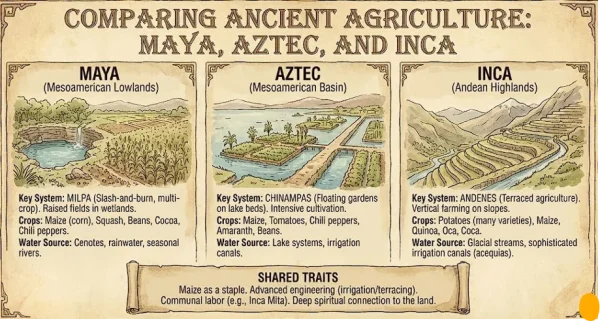
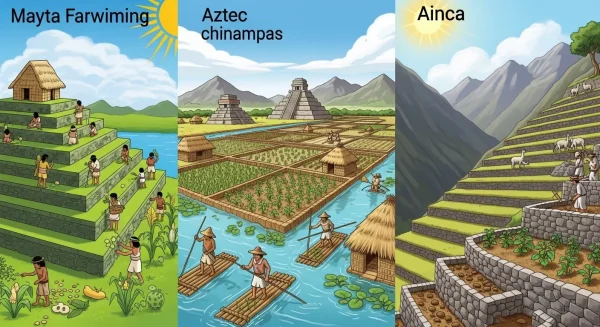
Although agriculture was the foundation of the economy Maya Aztec Inca civilizations shared, their methods were distinct responses to their specific geography. The Mayans utilized "slash and burn" agriculture in the dense rainforests; the Aztecs built artificial islands on shallow lakes; and the Incas carved the mountains. Analyzing how the agricultural systems of Aztecs Incas and Mayans unique approaches evolved shows that the Incas arguably faced the most challenging terrain, requiring the most extensive physical alteration of the landscape to survive.

Differences Between Agriculture of the Aztecs and the Incas

The differences between agriculture of the Aztecs and the Incas are stark and defined by water vs. stone. The Aztecs (Mexica) lived in the swampy environment of Lake Texcoco. Their primary challenge was excess water and a lack of solid land. The Incas lived in the sky, dealing with thin air, scarce water, and vertical slopes. When you compare the Mexica and Inca methods of agriculture, the Aztecs focused on hydrology to create land (Chinampas), while the Incas focused on terracing (Andenes) to stabilize land and prevent it from sliding into the jungle below.

Chinampas vs. Andenes: Adaptation to Environment

To compare the Mexica and Inca methods of agriculture is to compare two masterpieces of human adaptation. The Aztec Chinampas were "floating gardens" rafts of reed and mud anchored by willow trees that were incredibly fertile, allowing for up to seven harvests a year due to constant water access. The Inca Andenes were "hanging gardens" stone steps that generated heat. Both civilizations proved that geography is not destiny, using engineering to feed populations that rivaled the size of European cities of the same era, proving that American indigenous agriculture was among the most advanced in the ancient world.

Maya Aztec and Inca Farming Methods Compared

Image
Maya-Aztec-and-Inca-Farming-Methods-Compared

When studying ancient civilizations, a common question arises regarding how different empires manipulated their environment. The Aztec, Maya, and Inca relied on maize (corn) as a main agricultural staple for spiritual and elite consumption, but their daily farming methods were completely dictated by their local geography.

Many people wonder did the Inca use slash and burn techniques. The answer is no. Slash and burn agriculture was primarily used by the Maya civilization, who lived in dense Central American rainforests. They needed to cut down thick jungle and burn the vegetation to enrich the poor tropical soil with nutrient heavy ash. Another frequent question is did the Incas use chinampas. Again, the answer is no. Chinampas were the brilliant invention of the Aztec empire.

The Aztecs settled in the swampy Valley of Mexico and lacked solid ground. To survive, they built artificial floating islands made of woven reeds and lake mud, creating an incredibly fertile environment surrounded by water. In stark contrast, the Incas had too much solid rock and not enough flat land. While the Aztecs mastered water to create land, the Incas mastered stone to conquer the sky. The terrace farming Inca civilization remains one of the greatest examples of human agricultural engineering in world history.

Show in Travel Guide (Home)
No

Geographical Location of the Incas and the Vast Tahuantinsuyo Empire

Submitted by admin on

The geographical location of the Incas constitutes one of the most physically diverse and challenging territories ever managed by a pre industrial civilization. Historically, the geographic location of the Inca Empire was not defined by a single landscape, but by a mastery of the "vertical ecology" of the Andes Mountains. Extending along the western coast of South America, the geographical location of the Inca encompassed a land area of more than 2 million square kilometers (approx. 770,000 square miles) at its peak between 1438 and 1533 AD. This territory was larger than the Roman Empire at its zenith, stretching across a continent driven by tectonic activity and climatic extremes.

Image
The-Strategic-Importance-of-the-Geographic-Location-of-the-Incas

Explain the geographical location of the Inca Empire in South America.

Image
Explain-the-geographical-location-of-the-Inca-Empire-in-South-America

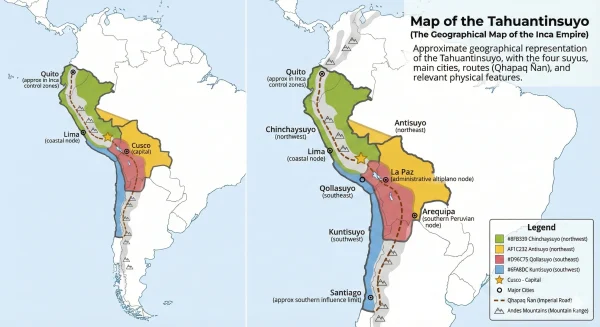
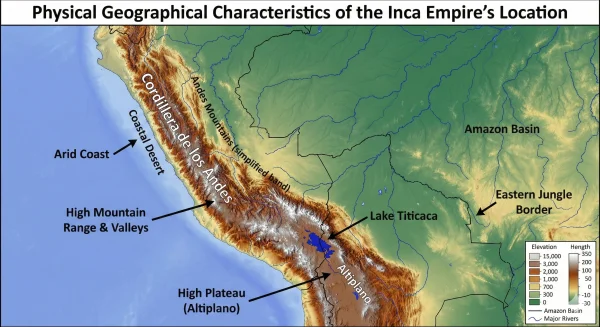
To accurately describe the geographic location of the Inca Empire, one must look to the longitudinal expansion along the Pacific Ring of Fire. The geographic location of the Incas stretched approximately 4,000 kilometers (2,500 miles) from north to south, making it the longest empire in the pre Columbian Americas.

The geographic location of the Inca Empire was bounded by the Pacific Ocean to the west and the dense Amazon Rainforest to the east. This positioning allowed the civilization to control a massive corridor of land that acted as the cultural and economic spine of the continent. The coordinates roughly spanned from the Ancasmayo River in southern Colombia (1° N latitude) down to the Maule River in central Chile (36° S latitude), creating a state that functioned across both the Northern and Southern Hemispheres.

The Six Modern Countries Included in the Geographical Location of the Inca

The sheer magnitude of the empire’s dominion is best understood by overlaying it onto a modern political map. The ancient geographical location of the Inca territory was so vast that today it encompasses the borders of six distinct South American nations. If you were to traverse the geographic location of the Inca Empire today, your journey would take you through:

  • Peru: The beating heart and cradle of the civilization. This region housed the imperial capital, Cusco ("The Navel of the World"), and the Sacred Valley, which served as the agricultural engine for the nobility. It was the administrative core from which all roads radiated.

  • Ecuador: Far more than just a province, the northern highlands became a rival seat of power. Under the Emperor Huayna Capac, the city of Quito (and nearby Tomebamba) grew into a second capital, eventually leading to the civil war that fractured the empire just before the Spanish arrival.

  • Bolivia: This region represented the spiritual and economic backbone of the south. It encompasses the high altitude Altiplano and Lake Titicaca, revered as the mythological birthplace where the first Incas, Manco Cápac and Mama Ocllo, emerged. It was also the empire's primary source of mineral wealth and llama herds.

  • Chile: The Inca presence here stretched across the unforgiving Atacama Desert the driest on Earth down into the fertile Mediterranean valleys of the central region. The expansion halted at the Maule River, where the fierce resistance of the Mapuche people established the empire's southern military frontier.

  • Argentina: The empire extended deep into the mountainous northwest (provinces of Jujuy, Salta, Tucumán, and Catamarca). This area was crucial for the Qhapaq Ñan road network and is famous today for its high altitude mountaintop shrines, where the Incas performed sacred Capacocha ceremonies on peaks like Llullaillaco.

  • Colombia: Marking the northernmost limit of the geographic location of the Inca Empire, this territory reached the Ancasmayo River (near modern day Pasto). This river served as a natural border, marking the point where the Andean production zones began to fade into the tropical northern Andes.

How the Four Suyos Defined the Geographic Location of the Inca Empire

The Incas didn't just rule a random collection of lands; they engineered a unified world known as Tahuantinsuyo Quechua for "The Four Regions Together." To understand the organization of the geographic location of the Inca Empire, you must look to Cusco. The city wasn't just a capital; it was the axis of the universe. From the central plaza of Haukaypata, four great roads radiated outward, physically dividing the geographical location of the Incas into four distinct administrative quarters (Suyos), each with its own climate, culture, and economic role:

  • Chinchaysuyo (The Northern Quarter): Stretching north through modern day Peru and Ecuador, this was the wealthiest and most populous sector of the empire. It served as the agricultural powerhouse and the source of the sacred Spondylus shell (mullu), a crimson shell valued more highly than gold for its role in rain rituals. In the empire's final years, this region became a rival power base to Cusco itself.

  • Collasuyo (The Southern Quarter): Exploring the geographical location of the Incas to the south reveals the largest of the four regions. Encompassing the vast Altiplano of Bolivia, Chile, and Argentina, this was the "Land of the Aymara." It was the empire’s industrial spine, supplying massive herds of llamas for transport, alpacas for fine textiles, and the rich mineral veins (silver and copper) of the southern Andes.

  • Antisuyo (The Eastern Quarter): To the east lay the mysterious, green frontier of the Amazon cloud forest. This was the wildest part of the geographic location of the Inca Empire. It was a challenging terrain that supplied the nobility with exotic luxuries unavailable in the mountains: vibrant macaw feathers for ceremonial headdresses, medicinal plants, abundant gold, and the sacred coca leaf, essential for Andean rituals.

  • Contisuyo (The Western Quarter): Though geographically the smallest, this region covering the arid Pacific coast was strategically vital. It connected the high Andes to the ocean. Here, the Incas managed the productive fisheries and harvested guano fertilizer that fueled the agricultural terraces of the highlands, proving how interconnected the diversified geographical location of the Incas truly was.

Physical Features Defining the Geographical Location of the Incas

Image
Physical-Features-Defining-the-Geographical-Location-of-the-Incas

To truly understand the geographic location of the Incas, you must discard the European notion of territory. Most great civilizations, like those in Egypt or Mesopotamia, grew horizontally along fertile river valleys. The geographical location of the Inca was radically different: it was a vertical empire. They were the masters of the "ecological staircase."

The empire didn't just span distance; it spanned altitudes. The geographical location of the Inca forced them to simultaneously manage three distinct parallel worlds that usually exist thousands of miles apart:

  • The Costa (Coast): A strip of hyper arid desert created by the cold Humboldt Current, yet rich in marine life.

  • The Sierra (Highlands): The jagged, frozen spine of the Andes where the air is thin and the sun is intense.

  • The Selva (Jungle): The hot, humid eastern slopes that plunge into the Amazon basin. This unique diversity meant that the geographic location of the Incas contained nearly every climate zone known to science, requiring a society that could navigate from glacial peaks to steaming rainforests in a matter of days.

The Andes Mountains as the Backbone of the Geographic Location of the Inca Empire

The Andes are not just a feature of the landscape; they are the skeletal structure that held the entire civilization together. Rising to dizzying heights of over 6,000 meters (20,000 feet), this range defines the geographic location of the Inca Empire.

To describe the geographic location of the Inca Empire is to describe a life lived in the clouds. While other cultures saw mountains as barriers to be avoided, the Incas saw them as the safest place to build. Major cities like Cusco (3,400 meters / 11,150 feet) and Machu Picchu (2,430 meters / 7,970 feet) were engineered directly onto ridges and fault lines. This high-altitude positioning provided natural fortification against invasion and granted control over the headwaters of the continent's rivers.

But for the Incas, the geographic location of the Inca Empire was also spiritual. These mountains were not inanimate rock; they were Apus powerful deities. The Incas believed that the physical landscape itself dictated their fate, controlling the weather, the water flow, and the fertility of the valleys below. They didn't just inhabit the geography; they revered it.

Coastal Deserts and Amazon Jungle in the Geographical Location of the Inca

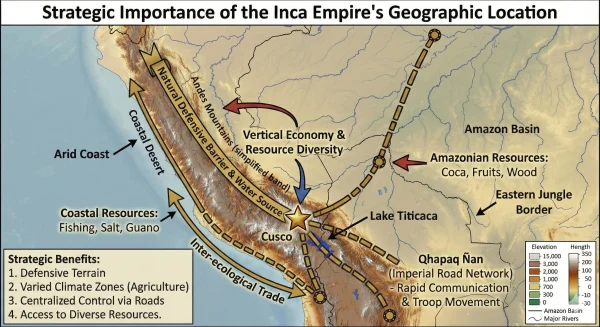
The geographical location of the Inca was defined by a dramatic climatic paradox. To the west, the empire dominated the coastal strip, including the Atacama Desert, one of the driest places on Earth. This aridity is caused by the cold Humboldt Current, which cools the ocean air, preventing rain clouds from forming. Yet, the Incas turned this barren land into a breadbasket by engineering massive irrigation canals that brought glacial meltwater down to the sand, cultivating cotton and corn in the middle of a desert.

Conversely, the eastern border of the geographic location of the Inca Empire plunges into the steaming "Eyebrow of the Jungle" (Ceja de Selva). Here, the massive wall of the Andes creates a "rain shadow" effect: the mountains block the moisture rising from the Amazon basin, drenching the eastern slopes while leaving the western coast dry. The Incas navigated these extremes by mastering a trade network that defied the terrain. They imported nutrient rich guano fertilizer from the coastal islands to the high mountains, and brought sacred coca leaves, exotic feathers, and gold up from the Amazon jungle, uniting two worlds that should never have met.

The Strategic Importance of the Geographic Location of the Incas

Image
The-Strategic-Importance-of-the-Geographic-Location-of-the-Incas

The geographic location of the Incas was not just a challenge to be overcome; it was their greatest strategic weapon. By occupying the high watershed of the Andes, they effectively sat at the "top of the tap," controlling the source of every major river flowing west to the Pacific and east to the Amazon. When historians describe the geographic location of the Inca Empire, they emphasize its resilience. While coastal civilizations were vulnerable to the devastating floods of El Niño or prolonged droughts, the Incas had an ecological insurance policy. Their vertical control allowed for a diversified economy. If a frost killed the potatoes at 4,000 meters, the corn at 2,000 meters would survive. If a drought hit the mountains, the irrigated valleys of the coast could still produce food. This geographic diversity created a safety net that made the Inca economy one of the most stable and famine resistant in the ancient world.

Adapting Agriculture to the Vertical Geographical Location of the Inca

Survival in the rugged geographical location of the Inca was a constant battle against gravity and climate. Since flat, arable land was virtually non existent in the Andes, the Incas geo engineered the mountains themselves. They carved the steep slopes into massive staircases known as Andenes (agricultural terraces).

This wasn't just farming; it was climate science. By using the "vertical archipelago" model, they adapted to the diverse geographic location of the Inca Empire. The stone walls of the terraces absorbed heat during the day and released it at night, preventing frost and allowing them to grow crops at altitudes where they naturally wouldn't survive. This allowed them to stack different production zones on top of each other:

  • The Quechua Zone (2,300–3,500m): The breadbasket for corn (maize).

  • The Suni Zone (3,500–4,000m): The domain of the potato and quinoa.

  • The Puna Zone (4,000m+): The high grasslands reserved for grazing llamas and alpacas. By maximizing every vertical meter, they turned the hostile geographical location of the Incas into one of the most productive agricultural systems in the ancient world.

The Qhapaq Ñan Road System Across the Geographic Location of the Inca Empire

An empire is only as strong as its ability to communicate. The immense scale of the geographic location of the Inca Empire necessitated a "nervous system" to connect the head (Cusco) to the rest of the body. The solution was the Qhapaq Ñan (The Royal Road).

Spanning over 30,000 kilometers (18,600 miles), this engineering marvel stitched together the fragmented geographical location of the Incas. It conquered terrain that would terrify modern engineers. Where the mountains were too steep, they carved stairs into the living rock. Where canyons were too deep, they wove suspension bridges out of sturdy Ichu grass.

This infrastructure ensured that the administrative reach of the Emperor extended to the farthest borders. It allowed the Chasquis highly trained relay runners to cover hundreds of kilometers a day. Thanks to this road network, a message (or a fresh fish from the sea) could travel across the challenging geographic location of the Inca Empire faster than a horseman could travel in colonial times, relying on a system of Tambos (rest houses) spaced perfectly one day's run apart.

Show in Travel Guide (Home)
No

The Meaning of Inca Colors

Submitted by admin on

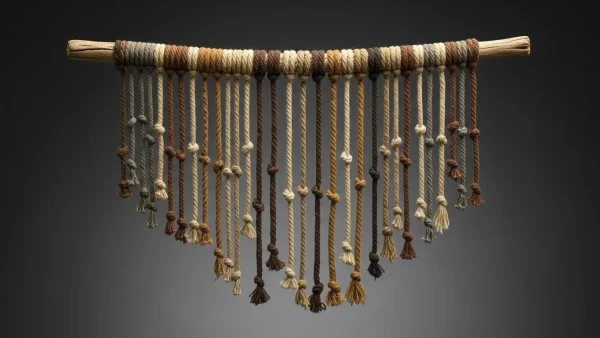
For the civilization of the Andes, color was not merely a decorative choice; it was a language, a hierarchy, and a direct link to the divine. In a society that did not possess a written alphabet in the traditional sense, the meaning of Inca colors became a primary method of communication. From the intricate tunics of the nobility to the coded strings of the quipus, every shade held a specific significance that governed social status, religious rituals, and political administration. To understand the Inca Empire colors is to understand the Andean worldview itself a realm where the physical and spiritual worlds were woven together in vibrant threads.

The study of Inca colors reveals a civilization deeply attuned to their environment. Unlike European heraldry which relied on arbitrary symbols, the Andean palette was drawn directly from the cosmos and the earth. Gold wasn't just wealth; it was the physical manifestation of the Sun God. Red wasn't just passion; it was the color of conquest and blood lineage. As referenced in resources like the Ancient History Encyclopedia Inca colors sections, the manipulation of color through textiles was considered a higher art form than metallurgy, demonstrating that for the Incas, the mastery of pigment was the ultimate expression of power.

Image
The-Sacred-Inca-Color-Palette

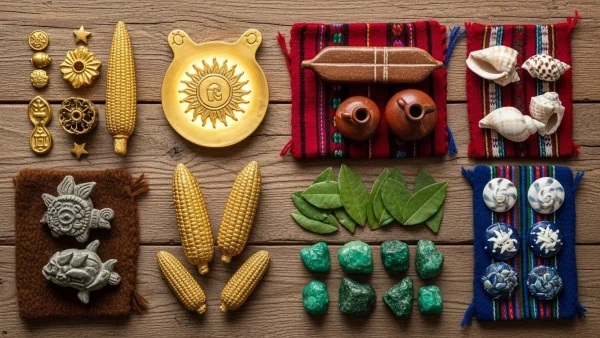
The Sacred Inca Color Code

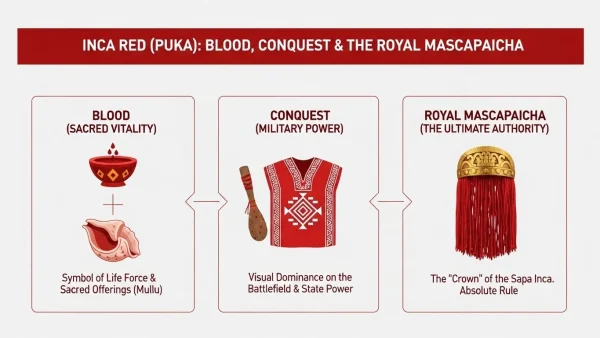
Puka (Red)

The color of political power, conquest, and the blood of the lineage. Used in the Mascapaicha (imperial crown).

Qori (Gold/Yellow)

Represented the "Sweat of the Sun" (Inti). It was a divine color, never used as money, but as a link to the gods.

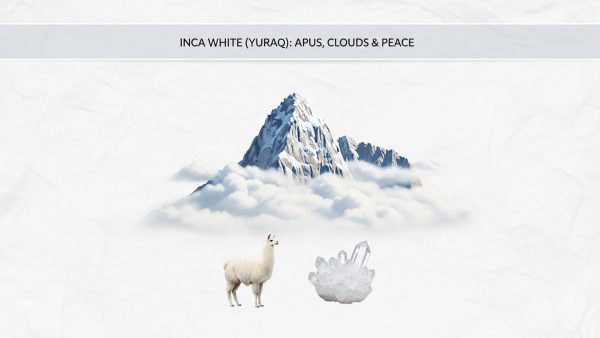
Yuraq (White)

Symbolized the Apus (mountain spirits), snow-capped peaks, and purity. Associated with white llamas and peace.

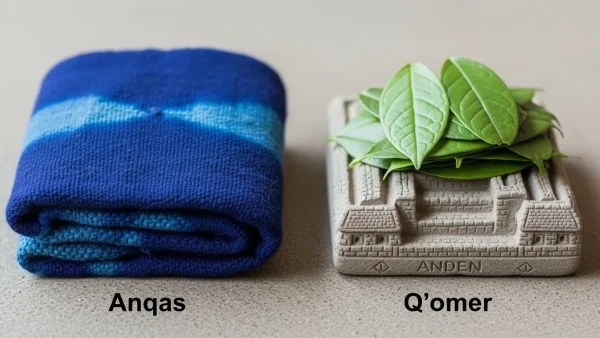
Anqas (Blue)

Represented the cosmic space and the life-giving waters of Mama Cocha (the sea and lakes).

Q'omer (Green)

The color of agriculture, the Antisuyu (jungle), and the sacred coca leaf.

The Sacred Inca Color Palette: What Each Color Represented

Image
The-Sacred-Inca-Color-Palette

The ancient inca color palette was distinctively bold favoring high contrast combinations that vibrated with visual energy. To truly understand these textiles is to uncover deep inca symbols and meanings. The ancient weavers used these vibrant hues to fill in the sacred symbols of the incas transforming ordinary wool into a visual language.

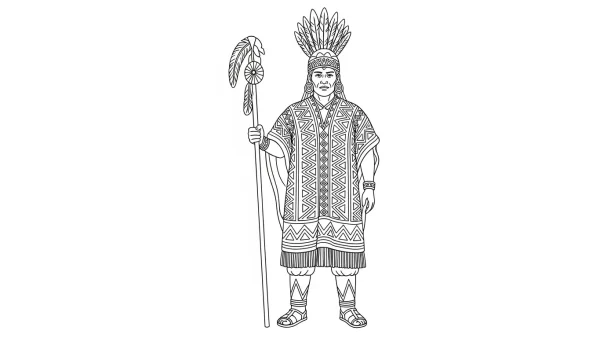
Exploring these peruvian symbols and meanings reveals how every garment communicated an individual's deep connection to the earth and the empire. The ancient inca cloth colors used in the tunics of the elites often featured geometric designs called Tocapus acting as a heraldic code for the wearer.

These squares of color were effectively a heraldic code, telling the viewer exactly where the wearer stood in the strict social hierarchy.When we analyze the color Inca textiles displayed in museums today, we see a dominance of reds, yellows, blacks, and whites. However, the sophistication lay in the meaning.

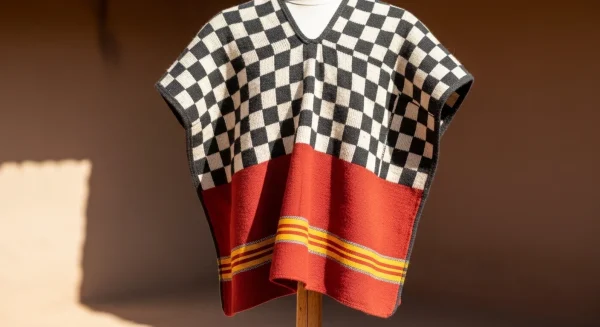
A specific checkerboard pattern of black and white might denote a military officer, while a vibrant vampire |red was reserved for the Sapa Inca (Emperor) himself. For Spanish chroniclers describing the colores que usaban los Incas (colors the Incas used), the visual impact of an Inca army or procession was overwhelming a sea of deliberate, standardized color designed to project the organized might of the empire.

What does the checkerboard pattern on an Inca textile indicate?

An Incan tunic divided into four parts with a checkerboard pattern of dark and vibrant red colors indicates that the wearer is a military officer or a royal escort. This design served as a standardized military uniform, projecting the power of the Tawantinsuyu (Inca Empire) and representing the land of the four quarters.

The Metallic Colors: Divinity and Astronomy

Image
The-Metallic-Colors-inca

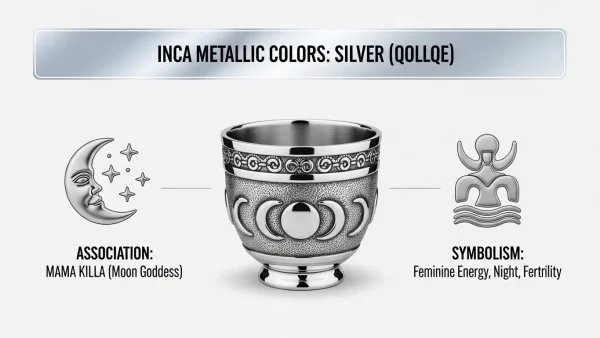
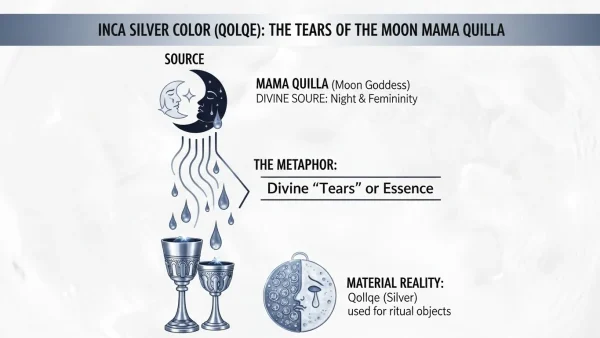
In the Andean worldview, metals were not economic commodities but sacred colors solidified into form. The colors of Inca metallurgy were strictly divided by their celestial associations. The duality of the universe male/female, sun/moon, day/night was reflected in the use of yellow and white metals. These were the most guarded Inca culture colors, restricted almost entirely to the religious and royal classes.

To wear these colors was to claim a direct lineage to the heavens. While commoners might wear dyed wool, the nobility adorned themselves in sheets of metal that reflected the light, literally turning their bodies into glowing beacons. This usage underscores that for the Incas, color was an active force, capable of channeling divine energy.

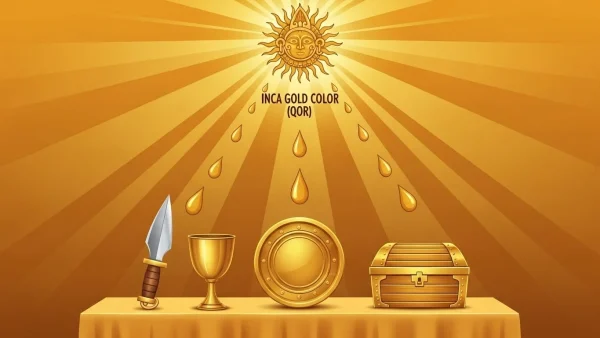
Inca Gold Color (Qori): The Sweat of the Sun God Inti

Image
Inca-Gold-Color-Qori

The Inca gold color (known as Qori in Quechua) was considered the most sacred hue in existence because it represented the "Sweat of the Sun." Gold was the earthly physical state of Inti, the Sun God and father of the Inca lineage. Therefore, the Inca sun color was not used as currency; you could not buy a llama with a piece of gold. Instead, it was used to cover the walls of the Coricancha (Temple of the Sun) in Cusco, creating a blinding radiant sanctuary that mirrored the heavens.

When modern designers look for an Inca gold paint color or Inca yellow, they are trying to replicate this spiritual intensity. The Sapa Inca often wore golden jewelry and breastplates, ensuring that he shone with the same brilliance as his celestial father. This deep, warm yellow signified life, regeneration, and the masculine power that fertilized the earth.

Inca Silver Color (Qolqe): The Tears of the Moon Mama Quilla

Image
Inca-Silver-Color-Qolqe

Balancing the sun was the moon, represented by the Inca silver color (Qolqe). Silver was believed to be the "Tears of the Moon," associated with Mama Quilla, the Moon Goddess and wife of the Sun. This Inca moon color represented the feminine aspect of the universe, the night, and the calendar cycles.

In terms of modern palettes, this shade is sometimes interpreted as a color greige Inca tone a natural, earthy metallic grey rather than a chrome polish. Silver objects were often used by the Coya (the Queen) and priestesses. The duality of Gold (Sun) and Silver (Moon) was central to Inca cosmology, representing the perfect balance required for agricultural fertility.

The Colors of Power and Nature

Beyond the metals, the ancient Inca Empire cloth colors carried heavy political weight. While there are similarities in Aztec and Inca art color usage both prizing red and turquoise the Inca usage was far more regimented regarding state administration. The dyes used for these colors were difficult to source, meaning that wearing a deeply saturated garment was a display of the empire's trade reach and command over nature.

Inca Red (Puka): Blood, Conquest, and the Royal Mascapaicha

Image
Inca-Red-Puka

The power of this vibrant red is best seen in the military and royal garments of the era. For example when examining ancient artifacts you might study an incan tunic. The tunic is divided into four parts and is in a checkerboard pattern with darker and vibrant red colors. Which of the following describes the symbolism of the tunic above.

The symbolism is incredibly rich and covers multiple aspects of Andean society. The four part motif may refer to the land of the four quarters known as Tawantinsuyu. Additionally the checkerboard patterns are thought to designate military officers and royal escorts. Finally the colors and patterns appear to have been standardized like uniforms. Therefore all of the above elements perfectly describe how the inca civilization colors were used to project the organized might of the state.

However, its most vital role was in the Mascapaicha, the royal fringe or tassel worn on the Sapa Inca's forehead. This red wool fringe was the Andean equivalent of a European crown. To "take the tassel" meant to assume the throne.

As the ultimate imperial Inca color, red dye (sourced from cochineal) was valued more highly than gold. Fine textiles dyed in deep crimson, known as cumbi, were given as gifts to loyal lords and conquered chieftains. Receiving a piece of red ancient Inca cloth colors was a diplomatic sign of favor, integrating the recipient into the Inca family while reminding them of the blood that would be spilled if they rebelled.

The Symbolism of the Checkerboard Tunic

Image
The-Symbolism-of-the-Checkerboard-Tunic

When studying the ancient garments of the nobility researchers often analyze specific and highly detailed artifacts. For example you might study an incan tunic. The tunic is divided into four parts and is in a checkerboard pattern with darker and vibrant red colors. When encountering such a striking piece of clothing many students and historians ask what does the checkerboard pattern on this inca textile indicate about the person wearing it.

The answer reveals the absolute genius of Andean political organization. Far from being a simple artistic preference this intricate design functioned as a strict visual hierarchy. The checkerboard patterns are thought to designate elite military officers and the most trusted royal escorts who protected the supreme leader.

Furthermore the specific four part motif may refer to the land of the four quarters known in the native language as the Tawantinsuyu. The colors and patterns appear to have been standardized like uniforms projecting the organized military might of the state. When someone wore this specific inca color combination everyone instantly recognized their high rank and their vital role in defending the empire.

Inca Black (Yana): The Concept of Time, Space, and the Milky Way

Image
Inca-colors-Black-Yana

In Western culture, black is often associated with death or evil, but the Inca black color (Yana) held a profound, distinct meaning. In Andean astronomy, observers looked at the "Dark Cloud Constellations" the black spaces between the stars in the Milky Way (such as the Black Llama or the Toad). Therefore, black represented the tangible spaces in the universe, dimensions, and time.

Furthermore, Yana symbolized symmetry and duality (as seen in the Yanantin concept). Black was often paired with white in checkerboard military tunics to symbolize order and dominance over chaos. It was a color of structure and existence, rather than a void or negation of life.

Inca Blue (Anqas) and Green (Q'omer): Water, Rain, and Agriculture

Image
Inca-Blue-Anqas-and-Green-Qomer

The Inca blue color (Anqas) and Inca green color (Q'omer) were deeply tied to the physical survival of the empire. Green represented the rainforests (the Antisuyu region), maize crops, and the coca leaf, which was sacred. It symbolized growth and the tangible results of the earth.

The authentic inca blue was exceptionally rare in textiles but held immense significance among the beautiful colores incas. Achieving this specific hue required complex knowledge of native plants making it a highly prized element of inca traditional clothing. Together with vibrant greens these colores incaicos represented the vast sky and the life giving waters of the high mountains. They were deeply tied to the physical survival of the empire invoking the favor of the rain gods.

It represented the sky, but more importantly, water and rain the lifeblood of the high Andes. In a landscape often threatened by drought, the color blue invoked the favor of the rain gods. It linked the celestial lakes (the Milky Way) with the earthly lakes (like Titicaca) and the irrigation canals that fed the terraces.

Inca White (Yuraq): Clouds, Snow Peaks (Apus), and Peace

Image
Inca-White-Yuraq

The Inca white color (Yuraq) was associated with the divine spirits of the mountains, the Apus. The snow capped peaks surrounding Cusco were considered powerful deities, and white symbolized their purity and power. White llamas were highly prized in the high Andes prompting many modern historians to ask what does a silver or white llama symbolize in the inca culture. The answer encompasses several sacred elements of the Andean worldview.

First and foremost these magnificent creatures represented absolute purity. Because of their rare unblemished coats they were considered the most perfect offering to the inca gods especially the Sun God Inti. Furthermore a silver or white llama was intrinsically linked to the inca ruler himself and was often paraded before military campaigns as a divine omen to ensure victory. By embodying purity the supreme leader the gods and military success these animals were the ultimate expression of the color white.

White also played a role in the legend of the Pururaucas the mythical stone soldiers that came to life to help the Inca Pachacuti defend Cusco. In various ceremonies, white signified peace, truce, and the clouds that brought the necessary rain, bridging the gap between the metallic gold sun and the green earth.

What does a silver or white llama symbolize in Inca culture?

In the Inca culture, a silver or white llama symbolizes purity, the Inca ruler, and victory. These rare animals were considered sacred omens and the most perfect offerings to the Sun God Inti, often paraded before military campaigns to ensure divine favor.

The Visual Language of Inca Civilization Colors

To truly comprehend the Andean past we must understand that inca civilization colors acted as a silent but immensely powerful language. The vibrant incan colors worn by the people dictated their exact place in society. A simple glance at the incas colors woven into a traditional mantle could immediately reveal a person's home province their social standing and their specific profession.

The rich inca colours were strictly regulated by sumptuary laws meaning that commoners were absolutely forbidden from wearing the highly prized dyes that were reserved for the nobility. Every single thread had a purpose turning the bustling stone markets and royal plazas into a living breathing tapestry of inca empire colors that projected divine order.

Whether it was the deep crimson of a warrior or the golden yellow of a priest the mastery of an inca color was the ultimate display of harmony between human society and the natural world.

How Did the Incas Create These Colors? Natural Dyes

Image
How-Did-the-Incas-Create-These-Colors

The brilliance of color Inca textiles is a testament to their advanced knowledge of chemistry and botany. Without synthetic chemicals, they managed to create dyes that have remained vibrant for over 500 years. The production of Inca dyes was a major industry, with tribute paid to the state in the form of raw dye materials. This required a deep botanical knowledge of the diverse ecosystems within the empire, from the coastal deserts to the Amazonian jungle.

To fix these colors to the wool (alpaca and vicuña) and cotton, they used mordants natural chemical binding agents like alum, copper sulfate, or even urine. This chemical process ensured that the dye bonded molecularly with the fiber, preventing fading. This technical mastery turned weaving into a technology as important as masonry.

The Cochineal Beetle: The Secret to the Inca Red

Image
The-Cochineal-Beetle

The secret behind the intense crimson found in ancient Inca cloth colors was a tiny parasitic insect: the cochineal (Dactylopius coccus). These insects live on the prickly pear cactus. To create cochineal dye, thousands of females had to be harvested by hand, dried in the sun, and crushed into a fine powder.

When mixed with water, the powder produces a deep, vibrant red. By altering the pH level of the dye bath (adding lime juice or wood ash), Inca dyers could shift the shade from a bright scarlet to a deep purple. This dye was so valuable that after the Spanish conquest, cochineal became the second most valuable export from the Americas to Europe, surpassed only by silver.

Plants and Minerals: Indigo, Molle, and Chilca

Image
Inca-colors-in-plants

While red came from insects, other colors came from the flora. The Inca blue color was derived from the Indigo plant (Indigofera), which grew in the warmer valleys. Extracting indigo is a complex fermentation process that requires precise timing to turn the green plant extract into a permanent blue dye upon exposure to oxygen.

For yellows and greens, natural pigments Peru provided an abundance of options. The Chilca bush was boiled to create vibrant yellows and olive greens. The Molle tree (Peruvian pepper tree) provided a yellow dye, and when combined with other minerals, could produce shades of green. These plant based dyes connected the textile directly to the geography of the Andes.

The "Inca Flag" Controversy: Wiphala vs. The Seven Colors of Cusco

Image
The-Inca-Flag-Controversy

It is a common mistake to believe the Incas had a rainbow flag. Historically, the Incas used rigid standards (Unancha). The 7-colored rainbow flag seen today in Cusco was actually created in 1973 by a local radio station. For an authentic Inca color experience, one must look at the Wiphala grid used by Andean indigenous people, which symbolizes the unity of the four regions.

A common sight in modern Cusco is a rainbow flag flying over the Plaza de Armas. Many tourists assume this represents the original inca flag colors or the authentic inca empire flag. However this is a modern historical misconception. The true colores de los incas were displayed on rigid military standards and painted on shields but the concept of a rectangular waving national flag is a European invention that did not exist in the pre Hispanic Andes.

However, this is a modern historical misconception. The Inca colores were displayed on standards and painted on shields, but the concept of a rectangular national flag is a European invention that did not exist in the pre Hispanic Andes.

The debate over Inca colores is complex. The current flag of Cusco (the rainbow flag) was introduced in the 1970s by a local radio station to celebrate the city's anniversary. It is often confused with the LGBTQ+ pride flag, though the color order is different. It serves as a symbol of modern Cusqueño identity, but it is not a historical artifact of the Inca Empire.

Did the Incas Have a Flag? Debunking the Myth

So, did the Incas have a flag? The answer is no, not in the vexillological sense of a waving cloth representing the nation state. The Inca Empire flag concept is anachronistic. Instead, the Incas used the Unancha, which were small, stiff, square standards usually carried on a staff.

These standards featured specific symbols or the royal rainbow (arcoiris) associated with the Inca lineage, but they were personal royal standards or military battalion markers, not a national flag. The idea that the empire had a unified "flag" is a projection of modern nationalism onto an ancient culture.

When discussing the true inca flag colors modern historians always emphasize that the ancient empire relied on rigid personal standards rather than fabric flags fluttering in the wind. Understanding how these ancient military emblems were crafted helps us separate modern cultural pride from the authentic historical use of sacred colors in the ancient Andes.

The Meaning of the Wiphala Grid Colors

Distinct from the striped Cusco flag is the Wiphala, a checkered square flag representing the indigenous peoples of the Andes (Aymara and Quechua). The Inca flag colors meaning in the context of the Wiphala is profound. It consists of a 7x7 grid where each color has a specific philosophy.

As a widely recognized indigenous flag Andes, the Wiphala's colors represent:

  • Red: The Earth and the Andean man.

  • Orange: Society and culture.

  • Yellow: Energy and strength.

  • White: Time and dialectics.

  • Green: Economy and agricultural production.

  • Blue: Cosmic space.

  • Violet: Andean policy and ideology. This flag represents unity and the integration of the four Suyus (regions) of the empire.

The Quipus: Using Color as Data and Code

Image
The-Quipus-Using-Color-as-Data-and-Code

One of the most fascinating uses of color was in the Quipu (Khipu), the knot record system used for accounting. Since the Incas had no written script, they used strings. If you look at a picture of knotted colored quipu strings in inca museums, you will notice they aren't just beige. The quipu colors meaning was the primary way to categorize the data being recorded.

The color of the string told the reader what was being counted, while the knots told them how many. This turned the quipu into a complex Excel spreadsheet made of cotton and wool, capable of recording census data, military inventory, and tax obligations across a massive empire.

Decoding the Quipu: What Did Each String Color Mean?

Although much of the knowledge was lost, chroniclers have helped us reconstruct parts of the quipu color code. The Inca accounting colors were logical based on the object's nature:

  • Yellow String: Represented gold inventory.

  • White String: Represented silver or peace/truce data.

  • Red String: Represented warriors, armies, or bloodshed.

  • Green String: Represented conquest or agricultural lands.

  • Brown/Crimson String: often represented the Inca government or potatoes (color of the earth). This system allowed an administrator to pick up a bundle of strings and instantly know which sector of the economy he was analyzing simply by looking at the dye.

Educational Resources: Inca Coloring Pages for History Students

Image
Educational-Resources-Inca-Coloring-Pages-for-History-Students

For teachers and parents, introducing children to Andean history is best done through visual arts. Inca coloring pages are excellent tools for visualizing the descriptions of the chroniclers. A single Inca coloring page can spark a conversation about why the sun is drawn with a face or why the llamas are wearing tassels.

There are many resources available online, including specific dibujos de los incas a color (drawings of Incas for coloring) that depict the intricate geometric patterns of the textiles. Additionally, for broader context, a mapa de los mayas incas y aztecas para colorear helps students locate the Inca Empire geographically in South America, distinguishing it from the Mesoamerican civilizations.

Coloring Pages of Inca Gods (Inti and Viracocha)

Using dioses incas para colorear (Inca gods to color) allows students to explore the mythology. A coloring sheet sun moon inca art usually features Inti (the Sun) with golden rays and a human face, and Mama Quilla (the Moon) often depicted in silver shades. These activities help solidify the connection between the colors (Gold/Yellow) and the deities they represented in the Inca cosmology.

Coloring Pages of Daily Life and Machu Picchu

To understand the lifestyle, a dibujo de los incas para colorear focusing on agriculture or architecture is vital. Specific sheets like dibujos para colorear de niño inca en machu picchu (coloring pages of an Inca boy in Machu Picchu) help humanize history. Coloring the agricultural terraces green and the stone walls grey helps students understand the integration of the Inca civilization with the natural environment of the Andes.

Show in Travel Guide (Home)
No

Inca Trail Price 2027 and Complete Cost Guide

Submitted by admin on

Planning a trek to Machu Picchu is an investment in both memories and finances, and understanding the Inca Trail price landscape is the first step for any serious traveler. As we look towards the next trekking season, adventurers are often confused by the wide range of costs they encounter online. The Inca Trail price is not a fixed number; it is a dynamic figure that fluctuates based on service levels, group sizes, and logistical inclusions. Whether you are looking for a budget friendly option or a high end luxury experience, knowing the current Inca Trail prices is essential to avoid scams and ensure you are booking with a legitimate operator. In this guide, we will analyze every factor that influences the price Inca Trail packages, helping you budget correctly for this once in a lifetime adventure.

For the upcoming season, the Inca Trail price 2027 reflects global economic changes, including inflation in Peru and updated government fees for entrance permits. A standard package is no longer just a hike; it is a complex operation involving porters, chefs, transportation, and specialized equipment. When you see a price Inca Trail quote, it is vital to dissect what is behind that number. Reputable agencies like inca trail agency machupicchu tours offer transparent pricing structures that guarantee safety and fair wages, ensuring that your investment results in a seamless and ethical journey to the Lost City of the Incas.

Detailed Breakdown of the Classic 4 Day Inca Trail Prices

Image
2-day-inca-trail-prices

The Classic 4 Day route is the most iconic, and the 4 day inca trail prices vary significantly between operators. Generally, you can expect to pay anywhere from $750 to $1,000 USD for a standard group service. The inca trail 4 day price 2027 has increased compared to previous years due to new regulations protecting porter welfare, which mandate higher wages and stricter weight limits. This means operators must hire more staff per tourist, directly impacting the final cost.

When evaluating an inca trail 4 day trek price 2027, it is crucial to understand that "cheaper" often means cutting corners on safety or food quality. A mid range price usually ensures a ratio of at least 2 porters per hiker, high quality four season tents, and nutritious meals. If you find a quote significantly lower than the market average for 4 day inca trail prices, be wary; it likely excludes essential items like the return train ticket or the bus down from Machu Picchu, or worse, it underpays the local staff who make the trek possible.

Average Cost of the Inca Trail 4 Day Trek Price in Group Service

For most travelers, the "Group Service" is the most accessible option. The inca trail 4 days price for a shared group (typically 8 to 14 hikers) averages between $780 and $950 USD per person. This inca trail average price strikes a balance between affordability and comfort. In this tier, you share the guide and the dining tent facilities with other international travelers, which significantly lowers the logistical costs compared to a private tour.

Finding the inca trail best price does not mean finding the lowest dollar amount; it means finding the best value. A quote of $850 USD that includes a personal porter (to carry your sleeping bag and clothes), Vistadome train upgrades, and a portable toilet tent is a far better value than a $700 quote that includes none of these. Below is a detailed table comparing service tiers.

Service TierPrice Range (USD)Group SizeWhat is Included
Budget Group$650 - $75012 - 16 PeopleFoam mats, standard Expedition train, basic meals, no personal porter.
Standard Group$790 - $9508 - 12 PeopleInflatable mats, personal porter (7kg), portable toilet tent, emergency oxygen.
Premium Group$980 - $1,2506 - 8 PeopleVistadome train, wine with dinner, sleeping bag included, small group.
Private Tour$1,500 - $1,9002 - 4 PeopleFully private crew, flexible pace, customized menu, 4 star hotel in town.

What Is Included in the Standard Inca Trail 4 Day Trek Price

Image
inca-trail-permit-cost

Transparency is key in the tourism industry. The standard inca trail 4 day permit price 2027 is just one component of the total package. A comprehensive machu picchu inca trail price should cover: pickup from your hotel, private transport to KM 82 (the trailhead), the actual permit fee (which is over $290 USD just for the government), all meals (breakfast, lunch, dinner), camping equipment, professional guides, porters, the train ticket back to Cusco, and the bus ticket from the ruins to Aguas Calientes.

When analyzing inca trail hike prices, check for "hidden" exclusions. Some operators might charge extra for sleeping bags, walking sticks, or even water. A reputable machu picchu inca trail price is all inclusive regarding the essentials. The heavy logistical burden transporting food and tents for four days into a remote cloud forest is what drives the permit fees and the overall tour cost upwards.

Luxury Camping Inca Trail Price and Private Tour Exclusivity

For those seeking privacy and opulence, the luxury inca trail price moves into a different bracket. Expect to pay between $1,800 and $3,500 USD per person depending on the level of luxury. The luxury camping inca trail price typically includes "glamping" amenities: walk in tents with real beds, hot showers, gourmet meals paired with wine, and a massage therapist who hikes with the group. This service is strictly private, meaning you trek at your own pace with a dedicated team of porters.

Travelers researching the view peru luxury inca trail in may price or similar high end competitors will notice that May is the peak season, often commanding premium rates. The luxury inca trail price in May is higher due to demand and the guarantee of perfect weather. These packages cater to hikers who want the physical challenge of the trail without sacrificing the comforts of a five star hotel, transforming the rugged Andes into a sophisticated outdoor experience.

Pricing for Extended Itineraries like the Luxury Classic Inca Trail 7 Days

Some adventurers combine the Classic Trail with other routes, such as the Salkantay trek. The luxury classic inca trail 7 days price reflects a week long expedition. These extended inca trail trek price packages can range from $2,500 to over $4,500 USD. They offer a deeper immersion into the Andean culture, often visiting remote villages and lesser known archaeological sites before joining the main trail.

The inca trail peru price for these 7 day itineraries covers a massive logistical operation involving mule teams for the first few days (where animals are allowed) and porters for the protected Inca Trail sector. Investing in the luxury classic inca trail 7 days price ensures a slow paced, acclimatization friendly journey that is physically less demanding per day but richer in cultural experience.

Short Inca Trail 2 Days Price 2027 and One Day Hike Options

Image
Short-Inca-Trail-2-Days-to-Machu-Picchu-Hike-Packages-and-Price

The short inca trail price is an attractive alternative for those with limited time. For the new season, the short inca trail 2 days price 2027 generally ranges between $550 and $800 USD. This variation depends heavily on the hotel category selected for the overnight stay in Aguas Calientes. Unlike the 4 day trek, this option does not involve camping, which changes the cost structure significantly.

The short inca trail 2 day price 2027 includes the permit for the KM 104 hike, the train to the trailhead, a boxed lunch, a professional guide, the hotel stay, dinner, and the Machu Picchu tour on the second day. Because it relies on hotels and restaurants rather than camping logistics, the short inca trail price can be customized more easily; you can choose a budget hostal to keep costs down or a 5 star hotel to increase the luxury factor.

Comparing the Inca Trail 2 Day Trek Price with the Full Hike

When comparing the inca trail 2 day price against the classic 4 day version, many assume the shorter hike is half the price. However, the inca trail 2 day trek price is often around 60-70% of the 4 day cost. This is because the most expensive components the train tickets and the government permits are nearly identical for both treks. The 2 day inca trail prices are high because the train ride to Kilometer 104 is priced per mile at a premium rate.

Furthermore, the inca trail 2 day price includes a hotel night and restaurant meals, which can sometimes be more expensive than the bulk bought food used for camping. Therefore, the inca trail 2 day trek price offers value in terms of time and comfort rather than raw savings. It allows you to see the best of the trail (Wiñay Wayna and the Sun Gate) without the need for sleeping bags or cold nights.

Image
luxury-classic-inca-trail-7-days-price

Typical Price for 2 Day Inca Trail Trek and Hotel Upgrades

The typical price for 2 day inca trail trek with a standard 3 star hotel is around $600 USD. However, the 2 day inca trail price is highly elastic. If you upgrade to a luxury hotel like the Inkaterra or Sumaq, the price can jump to over $1,200 USD. Below is a table illustrating how the hotel choice impacts the final cost.

Hotel CategoryPrice Estimate (USD)Service Description
Hostel / Basic$550 - $600Clean room, private bath, simple breakfast.
Standard 3-Star$650 - $750Comfortable, Wi-Fi, hot water, buffet breakfast, dinner included.
Premium 4-Star$800 - $1,000Superior amenities, bar, proximity to station (e.g., El Mapi).
Luxury 5-Star$1,300+Gourmet dining, spa, riverside suites (e.g., Inkaterra).

Travelers should check if the inca trail 2 days price quote includes the bus up and down from Machu Picchu on the first day. Many budget operators strip this out to make the typical price for 2 day inca trail trek look lower, forcing hikers to walk down an extra hour or pay $12 USD in cash. Reputable agencies like machupicchu-tours include all these transfers to ensure a smooth experience.

One Day Inca Trail Hike Price for Travelers with Limited Time

Technically, the "One Day" hike is just the first day of the 2 day itinerary. The one day inca trail price is rarely sold as a standalone product because you cannot enter Machu Picchu and return to Cusco easily in a single day without missing the main tour. However, the one day inca trail hike price effectively mirrors the 2  day cost minus the hotel and second day entry.

Sometimes confused with other activities, the inca jungle trail price (a biking and hiking mix) is a completely different, cheaper adventure (around $300-$400). Do not confuse the one day inca trail price (which is for the premium KM 104 historic trail) with the inca jungle trail price or alternative treks. The KM 104 permit is limited and exclusive, driving the one day inca trail hike price higher than other day trips in the region.

Official Inca Trail Permit Price 2027 and Government Fees

Image
inca-trail-4-day-permit-price

The base of all costs is the inca trail permit price. For the new season, the inca trail permit cost 2027 price set by the Peruvian government is approximately $295 USD for the 4 day trek (operator cost). This is a significant chunk of what you pay. The inca trail permit price is non negotiable, non refundable, and must be paid in full at the time of booking.

Understanding the inca trail permit price helps travelers realize why deposits are so high. When you book, the agency immediately takes that money to buy your specific spot. The inca trail permit cost price contributes to the conservation of the UNESCO World Heritage site, funding the park rangers, trail maintenance, and the cleaning of the bathrooms along the route.

Understanding the Inca Trail Permit Price Cost Breakdown

The inca trail permit price cost is not a single ticket. It is a bundle. For the inca trail permit price 4 day route, the fee covers entry to the national park for 4 days and one entry into the Machu Picchu citadel. It does not cover the bus or train. The inca trail permits price is strictly for access to the land.

It is important to note that the inca trail permit price 4 day applies to every human on the trail. The sheer volume of staff needed means the cumulative inca trail permits price for a group is massive. A group of 2 tourists needs about 4 staff; that means 6 permits total, all factoring into the final tour price.

Can You Buy an Inca Trail To Machu Picchu Permit Price Without Guide

A frequent question is whether one can pay the inca trail to machu picchu permit price without guide and hike independently. The answer is a strict no. You cannot simply pay the inca trail to machu picchu permit price and walk in. Regulations passed in 2002 mandate that all hikers must be accompanied by a licensed guide from an authorized tour agency.

This regulation ensures the preservation of the trail and the safety of hikers. Therefore, the inca trail to machu picchu permit price without guide does not exist as a purchasable product. You must book a package. This ensures that the inca trail to machu picchu permit price you pay includes professional oversight, emergency protocols, and adherence to "Leave No Trace" principles.

Inca Trail Price Comparison and Why Operators Charge Differently

Doing an inca trail price comparison reveals a market divided into budget, standard, and luxury. The inca trail peru prices vary due to the quality of infrastructure. A budget operator charging $600 might use old tents and feed you pasta every night. A standard operator charging $850 provides buffet meals, satellite phones for emergencies, and fair wages.

When looking at machu picchu inca trail prices, consider the "human factor." The inca trail price comparison often correlates with porter treatment. Ethical operators charge more because they provide their staff with proper uniforms, insurance, and back support belts. Low inca trail peru prices often come at the expense of the workers' wellbeing, which is a major ethical concern in the Cusco tourism industry.

Factors That Influence the Inca Trail Hike Price and Quality

Several factors dictate the price to hike the inca trail. Group size is the biggest: smaller groups cost more per person. Inca trail trek prices also depend on the equipment (foam mats vs. inflatable mattresses), the train service (Expedition vs. Vistadome), and the food quality.

The machu picchu inca trail tour prices also fluctuate by season. High season (May-August) sees peak demand, and while inca trail trek prices usually remain stable throughout the year due to annual contracts, flight and hotel costs in Cusco will rise, increasing the overall trip cost. The price to hike the inca trail is an investment in safety; navigating remote mountain passes requires experienced guides who are paid well to keep you safe.

Fair Wages for Porters and the Impact on Inca Trail Prices

Travelers comparing inca trail prices from uk or US agencies often forget the local economy. The "Porter Law" requires a minimum wage. Companies like united mice inca trail price structures or others must adhere to this. If a price seems too good to be true, the agency is likely violating this law.

The united mice inca trail price and similar mid range operators usually reflect a compliance with these labor laws. When you pay a fair price, you ensure that the person carrying your luggage is respected and paid fairly. This ethical component is a massive driver of modern inca trail prices.

Comparing Llama Path Inca Trail Price Against Competitor Rates
Image
2-day-inca-trail-prices

When travelers analyze the market, they often benchmark the llama path inca trail 4 days price 2027 against other top tier agencies. The llama path inca trail price is generally considered upper mid range, reflecting their reputation for porter welfare. Similarly, the sas travel inca trail price is often comparable, sitting in that $750-$850 sweet spot.

However, price isn't everything. While the llama path inca trail price or sas travel inca trail price might be competitive, travelers should also look at availability and personalized service. Agencies like machupicchu-tours.com often offer similar or better quality at a competitive rate, with a focus on small private groups that can sometimes offer a more intimate experience than the larger groups formed by the bigger brand names.

Analyzing Alpaca Expeditions Inca Trail 4 Days Price 2027 and Others

Another major market reference is the alpaca expeditions inca trail 4 days price . Known for their "Green Machine" porters, their prices are often on the higher end of the standard spectrum, nearing $800-$900. Travelers often compare this with the explorandes inca trail price, which tends to lean towards the luxury/private market.

When you see the alpaca expeditions inca trail 4 days price or the explorandes inca trail price, remember you are paying for brand recognition. Often, local specialized operators can provide the same equipment (North Face tents, pristine toilets) and the same route for a better price because they have lower marketing overheads. It is vital to compare the specific inclusions line by line rather than just the final brand name.

Hidden Costs and Extra Expenses Not Included in the Inca Trail Price

Image
Booking-the-Short-Inca-Trail-2-Days-Permit

Even after paying your tour invoice, there are inca trail cost extras to consider. Most people forget about the extra money for inca trail needed for the first breakfast (usually not included), the last lunch in Aguas Calientes, and snacks.

The inca trail cost also doesn't cover travel insurance, which is mandatory for most operators. Additionally, using the toilets along the trail costs 1 or 2 soles per use. Having a stash of extra money for inca trail (in local currency, Soles) is essential for buying water or Gatorade from locals on days 1 and 2 of the trek.

Budgeting for Tips and Equipment Rental on Top of the Inca Trail Price

The advertised inca trail hike price rarely includes tips. Tipping is customary in Peru. You should budget around $40-$60 USD per hiker for the crew (porters, chef, and guide). This is an "unwritten" addition to the inca trail average price. Below is a summary table of extra costs you should anticipate.

Extra ItemEstimated Cost (USD)Notes
Sleeping Bag Rental$20 - $30Essential if you don't bring your own.
Walking Sticks$15 - $20Highly recommended for knees.
Tips for Crew$50 - $70Customary for good service.
Huayna Picchu Hike$75 - $85Must be booked with original permit.
Travel Insurance$50 - $100Mandatory for medical emergencies.

Cost of Huayna Picchu Tickets Added to the Inca Trail To Machu Picchu Price

Finally, the inca trail to machu picchu price usually covers the citadel entry, but not the extra hikes. If you want to climb Huayna Picchu, you must pay an extra $75-$85 USD. This increases the total machu picchu inca trail prices.

Because Huayna Picchu permits sell out months in advance, this cost must be added at the moment of booking the trek. You cannot decide later. Therefore, your final inca trail to machu picchu price will be the base trek cost plus rentals, tips, and the Huayna Picchu upgrade, potentially pushing the total trip cost over the $1,000 mark for a comprehensive experience.

Show in Travel Guide (Home)
No

Inca trail Permits open 2027

Submitted by admin on

Inca Trails  ranks top hiking global rank, spots tight. Planning Inca path to Machu Picchu? Book trip early. Spots shift with year time, group size, Peru government caps.

Just 500 walk permits daily for Inca path 2027; permits cover your crew like carriers, cooks, leaders too; so book Inca path ahead vital.

Prime time for Inca path dry months, May to September. Busiest stretch, book far early as can.

Image
Inca trail Permits open
Image
Inca trail Permits open

2027 Inca path permits start release October 10.

Spot check Inca path permit & spots 2027.

First, pick start day for hike to Machu Picchu, once booked no switch or drop permits.

Inca Trail layout.

Planning Inca path hike? Solid map helps. Online stuff, shop maps out there, but best feel from Inca path walkers map.

Passport needs.

Heads up, booking with passport expiring inside 6 months of Peru entry? Renew before come. Peru folks won't let in else.

Booking trek with us? Can lock Inca path permits, Machu Picchu tickets. But renew passport, update details with us before Peru trip. Skip it, might lose reserved permits, tickets.

University card traits for student cut on Inca path.

University card needed to book Machu Picchu entry. Valid when you visit Machu Picchu.

  • Card must: PVC make.
  • Show university name.
  • Have student full names clear.
  • Student photo.
  • Expire date valid at Machu Picchu visit.
  • Traits of university card for student cut on Inca path.
  • Top Inca path walks to Machu Picchu.
Image
Short-Inca-Trail-2-days

Classic Inca path to Machu Picchu 4 days 3 nights.

Classic Inca path hot hike to old Machu Picchu city Peru. 4 days, through country views. Bit tough, but pays off. Walkers catch mountain sights, valleys, rivers, old Inca spot remains.

Short Inca path to Machu Picchu 2 days 1 night hotel.

Short Inca path fits time crunch for Machu Picchu feel. Cut version classic, just 2 days 1 night. Starts km 104 Cusco to Aguas Calientes. Up to Winay Wayna, sun door, end Machu Picchu.

Salkantay walk and Inca path 6 days 5 nights.

Salkantay walk, Inca path top hikes to Machu Picchu. Salkantay scenic most, long, hard. Inca path more past filled, mystery vibe, grand. Salkantay Inca path mixes both icon walks to Machu Picchu, hit Machu Picchu via sun door, that first peek famous.

Inca Trail  to Machu Picchu details.

  • Stretch: approximately 43 km or 27 miles.
  • Length: classic 4 days 3 nights, relaxed boosted 5 days 4 nights (Machu Picchu twice).
  • Starts: Any day minimum 2 folks, small groups up to 8, usual 3-4... Big by ask.
  • Book when: 5 plus months early, or year ahead.
  • Height: 2400m about 7872ft to 4215m 13825ft.
  • Adventure level: Medium to tough – your shape matters.
  • Alone feel: Famous tourist path, crowded somewhat (camps maybe quiet).
  • Open months hike: March to January.
  • Top time: May through August.
  • Ground: Dirt, rock, stone steps, high passes multiple.
  • Settle in: 2-3 days Cusco adjust.
  • Tailor: Yeah! Tell us, custom add ons ready.
  • Cost: From about USD 787 each.
  • How spend 4 days Cusco: Full plan.
  • Tip: acclimate proper, altitude hits hard.
  • Doubt on exact distances, maps vary a bit.
  • Intense push on passes! But views reward.
  • Chill with tea after days.
  • Heard permits stricter lately, double check.
  • Pack light, carriers help.

Inca trail OPTIONS

  • Inca Trail Hike (5 days)
    Duration: 5 daysFrom: $1030The Inca Trail 5 Days is a custom trip if you need spend more time in each Inca Sites  and gain BEST insight into the Inca civilization.
  • Classic Inca Trail Trek (4 days)
    Duration: 4 daysFrom: $825This 4-day Inca Trail to Machu Picchu, popularly known as the Classic Inca Trail Trek, is a true journey into one of the world’s most ancient civilizations.
  • Short Inca Trail (2 days)
    Duration: 2 daysFrom: $565The Short Inca Trail 2 Days offers an adventure through ancient Inca paths, reaching Machu Picchu via the Sun Gate. Perfect for those short on time.
Show in Travel Guide (Home)
No

Hotel Taypikala Boutique Machupicchu Review 2027 and Complete Hotel Guide

Submitted by admin on

Aguas Calientes is often chaotic and noisy due to the constant arrival of trains and buses but the right accommodation changes the entire experience of the trip. The Taypikala Boutique Machupicchu sits in a specific location that distances itself from the hustle of the main square while remaining accessible. Travelers planning a visit in 2026 need reliable data because hospitality standards in the cloud forest evolve rapidly.

This guide provides a straightforward analysis of the property without the typical marketing gloss found on booking sites. The Hotel Taypikala Boutique Machupicchu distinguishes itself by utilizing the natural slope of the mountain to offer views that other buildings in the crowded town center simply cannot match. Most tourists treat this town merely as a sleeping station before the main hike yet the choice of hotel impacts physical recovery significantly.

The Taypikala Boutique Machupicchu hotel focuses on rest by incorporating soundproof windows and heating systems that are essential during the chilly Andean nights. A common issue in Machu Picchu Pueblo is the humidity and the lack of ventilation in older buildings. This property avoids those pitfalls with a modern infrastructure designed to handle the unique weather conditions of the high jungle.

The design elements here use volcanic stone and heavy wood which grounds the structure in its environment rather than looking like a generic city hotel. Future guests need to know exactly what they are paying for when booking a premium room in this region. The rates at Hotel Taypikala Boutique Machupicchu reflect a service level that includes buffet breakfasts capable of fueling a strenuous trekking day and staff trained to assist with logistics.

Navigation around the property is intuitive and the common areas provide spaces to sit and watch the Urubamba River rush by. This review covers the practicalities of staying at Taypikala Boutique Machupicchu including the ease of access to the bus queue for the citadel and the reality of the room amenities.

Image
Common-Feedback-Regarding-Service-and-Cleanliness

Location and Proximity to the Train Station in Aguas Calientes

Image
Location-and-Proximity-to-the-Train-Station-in-Aguas-Calientes

Arriving in Aguas Calientes usually happens after a long journey involving flights and train rides so the last thing any traveler wants is a complicated trek to their hotel. The town is strictly pedestrian which means there are no taxis to save you if you book a hotel high up on the steepest hills. This is where the location of the taypikala boutique machupicchu aguas calientes property becomes a genuine advantage.

It sits on the flatter section of the town bordering the river which saves your legs from an unnecessary workout before you even see the ruins. Dragging heavy suitcases over the uneven cobblestones of this village can be exhausting but this hotel is positioned close enough to the arrival point to make the walk manageable. The area surrounding the hotel is significantly quieter than the main plaza where the bars play loud music until late at night.

Staying at the taypikala boutique machupicchu ma zone means you are removed from the intense commercial hustle yet you remain just a few minutes away from the convenience stores and pharmacies. Many visitors underestimate how disorienting the layout of Aguas Calientes can be with its winding paths and bridges. The hotel serves as an easy landmark because it dominates the riverbank.

You get the convenience of central access without the claustrophobia that often comes with staying in the middle of the artisan market maze. Another practical benefit of this specific location is the access to the hot springs if you decide to visit them. The property lies on the route towards the thermal baths allowing you to walk there in about ten minutes. This proximity is perfect for hikers returning from the citadel with sore muscles who want a quick soak before dinner.

The location strikes a smart balance between logistical efficiency for your transit and the peaceful isolation needed for rest. It allows you to navigate the town on your own terms without feeling trapped in the tourist crowds that flood the streets when the trains unload.

How to Get to Taypikala Boutique Machupicchu from the Station

Navigating from the train station to the hotel is the first real challenge you face in Machu Picchu Pueblo. When you step off the train you are immediately funneled into a crowded artisan market which can be overwhelming if you are not expecting it. To find the taypikala boutique machupicchu ma location you simply need to follow the flow of the river rather than getting lost in the souvenir stalls.

The walk takes approximately five to seven minutes depending on how heavy your luggage is and how many people are blocking the path. It is a relief to know that the route is relatively flat compared to the vertical climbs required for hostels located on the upper perimeter of the canyon. Most travelers exit the market and cross the first pedestrian bridge to the other side of the river but for this hotel you generally stay on the main path that hugs the riverbank.

You will pass several restaurants and local shops before seeing the distinct architecture of the taypikala boutique machupicchu machu picchu property rising on your left or right depending on the specific bridge you cross. The hotel staff are well aware that guests arrive tired and often confused so they are usually quick to assist once you reach the entrance. If you have excessive luggage it is highly recommended to hire one of the local porters at the station who know exactly where the hotel is and can wheel your bags down the street for a small fee.

The path to the hotel is paved but the stones can be rough on suitcase wheels. Knowing this ahead of time helps you pack appropriately or decide to use a backpack. The walk itself is quite scenic as you have the roaring Urubamba River beside you the entire time. Unlike other hotels hidden in dark alleyways the approach to this property is open and feels safe even if you arrive on the late evening train. The signage is clear and the building stands out due to its size and modern finish making it hard to miss even for first time visitors dealing with altitude fatigue.

Walking Distance to the Bus Station for Machu Picchu Citadel

Image
Walking-Distance-to-the-Bus-Station-for-Machu-Picchu-Citadel

The most stressful part of the Machu Picchu experience is undoubtedly the bus line in the early morning. Thousands of people try to get on the first buses starting at 5:30 AM and the line can snake around several city blocks. Guests at the taypikala boutique machupicchu hotel have a strategic advantage because the walk from the lobby to the bus boarding point is short and direct. You can leave your room and be in the queue within five minutes which is crucial when every minute of sleep counts before a long day of hiking.

There is no need to wake up an hour earlier just to commute to the bus station. Being close to the bus stop allows for a more relaxed morning routine. You can enjoy the breakfast at the hotel and then casually walk over to the buses rather than rushing in a panic. For those who choose to buy their bus tickets on the same morning the ticket office is also within easy walking distance from the taypikala boutique machupicchu machu picchu property.

This proximity reduces the anxiety that many travelers feel about missing their entry slot to the citadel. If you forget something in your room like your passport or sunscreen you are close enough to run back and get it without ruining your entire schedule. The return journey is equally important to consider. After spending six or seven hours walking up and down the stone steps of the Inca ruins you will take the bus back down to the town.

When you get off the bus with exhausted legs the last thing you want is a long uphill hike to your bed. The hotel location ensures that your walk home from the bus drop off point is quick and painless. You can be out of your hiking boots and into a hot shower minutes after arriving back in town. This convenience is often overlooked during booking but becomes the most appreciated feature of the hotel once the physical reality of the trip sets in.

Room Categories and Amenities Available for Guests

Image
Room-Categories-and-Amenities-Available-for-Guests

Checking into a hotel in the Sacred Valley is often the moment when the physical toll of the journey finally hits you. The taypikala boutique machupicchu property understands that the primary function of a room here is not just sleep but recovery. The room categories are structured to accommodate different budgets while maintaining a baseline of hygiene and comfort that can be hard to find in the cloud forest.

Travelers can choose between straightforward standard rooms designed for a quick overnight stay and expansive suites meant for lingering and relaxation. The interior decor across all categories avoids the sterile look of international business hotels and instead uses warm earth tones and heavy textiles that mimic the colors of the Peruvian mountains outside. Space is a luxury in Aguas Calientes because the town is built into a narrow gorge but the hotel taypikala boutique machupicchu manages to offer rooms that feel open and airy.

This is achieved through large window designs that let in natural light during the day. A critical aspect for guests is the cleanliness of the bedding and the bathroom facilities. Hiking boots bring in mud and the humid climate can cause mildew if not managed correctly.

The housekeeping team here maintains high standards to ensure that when you drop your bags the room smells fresh and clean. The transition from the rugged outdoors to the soft interior of the room is seamless and provides the psychological switch needed to relax before the next day of trekking.

Luxury Suites with Jacuzzi and River Views

Image
Luxury-Suites-with-Jacuzzi-and-River-Views

For travelers willing to spend more for an elevated experience the suites at the taypikala boutique machupicchu hotel offer a significant upgrade in terms of floor space and features. The standout feature in these units is undoubtedly the private jacuzzi tub. After walking for hours on the Inca Trail or climbing the thousands of steps at the citadel your muscles will likely be screaming for relief.

Having a hot soaking tub in your own room transforms the evening from a simple rest period into a therapeutic session. It is not just a romantic addition but a practical tool for physical recovery that allows you to wake up the next morning without stiffness. The view from these suites is the other major selling point.

They typically face the Urubamba River directly allowing guests to open the curtains and watch the whitewater rush past massive boulders. The sound isolation is good but many guests choose to crack the window open to let the natural roar of the river act as a sleep aid.

Staying in a suite at taypikala boutique machupicchu creates a private viewing deck where you can enjoy the dramatic scenery without fighting the crowds outside. The bathrooms in these suites are spacious and feature stone finishes that feel cool and solid underfoot adding to the sense of grounding that the hotel tries to promote. It is an indulgence that makes sense given the physical demands of a Machu Picchu trip.

Standard and Superior Rooms with Modern Comforts

Image
Standard-and-Superior-Rooms-with-Modern-Comforts

Not everyone needs a jacuzzi to have a good night of sleep and the standard rooms at the taypikala boutique machupicchu provide a solid value proposition for practical travelers. These rooms focus on the essentials that matter most like a high quality mattress and effective climate control. In the Andes the temperature drops significantly at night and older hotels often lack proper heating leaving guests shivering under piles of blankets.

This property ensures that the room temperature remains regulated so you can sleep comfortably without layers of heavy wool. The superior rooms offer slightly more square footage than the standard ones which is helpful if you are traveling with large suitcases or trekking gear that takes up floor space. The design in these rooms incorporates wood and bamboo elements that reflect the taypikala boutique machupicchu machu picchu peru aesthetic without being overwhelming.

The lighting is adjustable which is a small but important detail when you want to read a book or organize your backpack for the next morning without harsh bright lights. The bathrooms are equipped with reliable hot water showers which is arguably the most important amenity in the entire town. There is nothing worse than a lukewarm shower after a sweaty hike and this hotel generally delivers consistent water pressure and heat. These rooms prove that you do not need to book the most expensive suite to enjoy a restful and dignified stay in the heart of the sanctuary.

In Room Amenities Including Wi-Fi and Oxygen Availability

Image
In-Room-Amenities-Including-Wi-Fi-and-Oxygen-Availability

Modern travelers have two very specific anxieties when visiting high altitude destinations which are remaining connected and managing altitude sickness. The taypikala boutique machupicchu booking process often highlights these amenities because they are essential for peace of mind. Oxygen availability is a critical service in Cusco and Aguas Calientes.

The hotel provides oxygen assistance for guests who might feel dizzy or short of breath upon arrival. Knowing that you can call the front desk and receive medical oxygen in the privacy of your room reduces the fear of altitude sickness significantly. It acts as a safety net that allows you to push your physical limits during the day knowing help is available at night. Connectivity is the other pillar of the in room experience.

The taypikala boutique machupicchu hotel has invested in a Wi-Fi infrastructure that handles the heavy load of hundreds of guests trying to upload photos and video call their families simultaneously. While internet speeds in the cloud forest can sometimes fluctuate due to weather the connection here is generally stable enough for communication and basic browsing.

The rooms also feature secure safety deposit boxes large enough for laptops and passports which is vital for peace of mind while you are out exploring the ruins. Other thoughtful touches include hair dryers and complimentary toiletries that save you from packing extra weight. These small practical details show that the management understands the specific needs of international tourists in a remote location.

Guest Reviews and Reputation Management

Smart travelers know that official marketing photos can be misleading so they turn to guest reviews to find the truth. The reputation of the taypikala boutique machupicchu relies heavily on the feedback left by previous guests across various independent platforms. In the digital age a hotel cannot hide its flaws for long. If the hot water fails or the staff is rude the internet knows about it immediately.

Analyzing the reputation of the hotel taypikala boutique machupicchu reveals a consistent pattern of satisfaction that is rare in a town known for tourist traps. People who book here are usually looking for a guarantee of quality and the reviews suggest that the property delivers on that promise more often than not. The management of the taypikala boutique machupicchu hotel appears to take online feedback seriously.

You can often see responses from the hotel addressing specific concerns which is a good indicator of active management. Future guests use these interactions to gauge how the hotel handles problems. Mistakes happen in hospitality but the difference between a good hotel and a bad one is how they fix the issue. The general sentiment regarding the taypikala boutique machupicchu centers on its ability to provide a peaceful oasis.

While many hotels in Aguas Calientes suffer from thin walls and street noise this property consistently earns points for being a quiet place to rest. This reputation for silence is perhaps its most valuable asset in the eyes of exhausted hikers.

Image
Guest-Reviews-and-Reputation-Management

Analysis of Taypikala Boutique Machupicchu Tripadvisor Ratings

Image
Analysis-of-Taypikala-Boutique-Machupicchu-Tripadvisor-Ratings

When you dig into the taypikala boutique machupicchu tripadvisor page you notice that the ratings are heavily weighted towards the excellent and very good categories. This platform is arguably the most critical resource for planning a trip to Peru because it aggregates thousands of honest opinions. The data shows that the hotel taypikala boutique machupicchu performs exceptionally well in the location and cleanliness metrics.

Reviewers frequently mention that the reality of the river views matches or exceeds the expectations set by the photos. This validation is crucial for travelers who are wary of booking an expensive room only to stare at a brick wall. Another interesting trend on the taypikala boutique machupicchu tripadvisor listing is the comparison travelers make with other local properties.

Many guests mention they switched to the taypikala boutique machupicchu hotel after a bad experience at a cheaper hostel. These reviews highlight the tangible difference in mattress quality and water pressure. The negative reviews often stem from factors outside the control of the hotel such as the general humidity of the jungle or the train schedules.

However the vast majority of recent feedback confirms that the taypikala boutique machupicchu maintains its infrastructure better than most competitors in the area. Reading through the detailed comments on TripAdvisor gives you a clear picture of who this hotel is for which is primarily couples and families seeking comfort over bargain prices.

Common Feedback Regarding Service and Cleanliness

Image
Common-Feedback-Regarding-Service-and-Cleanliness

Service in the hospitality industry is subjective but the feedback for the taypikala boutique machupicchu tends to focus on specific logistical help. Guests frequently thank individual staff members by name for assisting with heavy luggage or arranging last minute transfers.

This level of personal attention is what separates the hotel taypikala boutique machupicchu from larger impersonal chains. In a town where you have to carry everything you own up and down stairs having a porter take your bags from the lobby to your room is a service that gets mentioned repeatedly in positive reviews. The front desk staff at the taypikala boutique machupicchu hotel are also praised for their knowledge of bus schedules and ticket validation which relieves a lot of stress for first time visitors.

Cleanliness is the other major pillar of the guest feedback. The cloud forest is a challenging environment because the moisture encourages mold and musty smells. The reviews for taypikala boutique machupicchu machu picchu peru confirm that the housekeeping team fights this battle effectively. Guests appreciate entering a room that smells neutral and fresh. The bathrooms are another frequent topic of discussion.

Travelers scrutinize the corners of the showers and the state of the towels. The consensus is that the taypikala boutique machupicchu maintains high sanitary standards. You will rarely find complaints about bed bugs or dirty linens which are unfortunately common issues in lower tier accommodations in Aguas Calientes. This reassurance allows guests to sleep soundly without worrying about hygiene.

Show in Travel Guide (Home)
No

the Best Hotels in Cusco 2026 and 2027 for Every Type of Traveler

Submitted by admin on

Navigating the best hotels in cusco requires a strategic understanding of geography, history, and physiology. Cusco acts as the high altitude gateway to Machu Picchu, sitting at a challenging 3,399 meters (11,152 feet). For the 2026 travel season, the top tier accommodations have evolved into logistical hubs that prioritize acclimatization.

The best hotels in cusco peru are no longer just places to sleep; they are medical sanctuaries equipped with oxygen enrichment systems, soundproofed colonial walls, and kitchens designed to aid digestion at high elevation. This guide provides a technical breakdown of the city's hospitality landscape, ranging from 16th century monasteries protected by the National Institute of Culture (INC) to modern adventure pods suspended 400 meters above the Sacred Valley.

Image
Aranwa-Cusco-Boutique-Hotel

How to Choose the Best Hotel in Cusco Based on Location and Altitude

Image
How-to-Choose-the-Best-Hotel-in-Cusco-Based-on-Location-and-Altitude

The selection of the best hotel in cusco is fundamentally a medical decision. The atmospheric pressure in Cusco is roughly 64% of that at sea level, leading to an effective oxygen level of about 13 - 14%. In contrast, the Sacred Valley (Urubamba, Ollantaytambo) sits significantly lower at 2,871 meters (9,420 feet). This 500 meter difference is medically significant for reducing the risk of Acute Mountain Sickness (AMS).

The smartest logistical strategy for 2026 is the "Step Up Approach": Land in Cusco airport (CUZ), immediately transfer to a best hotel cusco peru offers in the Sacred Valley for 48 hours to normalize heart rate and sleep quality, and then return to a high altitude hotel in Cusco city for the final cultural leg of the trip.

Benefits of Staying in the Historic Center Versus the Sacred Valley

Historic Center: Staying here places you within the UNESCO World Heritage zone. The best hotels in cusco in the center are vertical properties, often converted colonial mansions with small footprints (20-50 rooms). You are within 400 meters of the Plaza de Armas, the Cathedral, and top dining spots like Cicciolina or Chicha. The trade off is noise (festivals, traffic) and the physiological strain of 3,400 meters.

Sacred Valley: This area offers horizontal luxury. The best hotels in cusco peru here are resorts located on 10 to 20 acres of land. They feature large heated outdoor pools, organic farms, and warmer average temperatures (20°C/68°F vs 15°C/59°F in Cusco). Logistically, staying in the Valley cuts the travel time to the Machu Picchu train stations (Ollantaytambo) by 90 minutes compared to driving from the city.

Why San Blas District Is Home to the Best Hotel Cusco for Bohemians

San Blas, known historically as the "Toco Cachi" district during the Inca empire, is defined by its steep topography. The "Cuesta de San Blas" is a significant physical climb. This area hosts the best hotel cusco options for boutique experiences. Unlike the flat "Centro," San Blas hotels offer panoramic views of the terracotta rooflines.

Accommodations here are typically small scale (under 20 rooms) and family owned. The architecture features white washed adobe walls and blue colonial doors. While taxis can reach the Plazoleta San Blas, many of the best hotels cusco offers in this district require walking 50-100 meters up pedestrian only cobblestone alleys. It is quieter, cheaper, and closer to the artisan workshops, but requires a higher level of physical fitness.

Reviews of the Best Luxury Hotels in Cusco for Five Star Experiences

Image
the-Best-Luxury-Hotels-in-Cusco-for-Five-Star-Experiences

The best luxury hotels in cusco are distinguished by their "Monument" status. These properties pay a premium to maintain 16th and 17th century structures under strict government supervision. In 2026, the standard for "Luxury" in Cusco requires three specific elements: Oxygen enriched rooms (pumping oxygen to simulate 2,400 meters), 24/7 Butler Service, and Historical Pedigree (building age >300 years). Prices for this tier reliably sit between $450 and $1,100 per night.

Historic Elegance at Belmond Palacio Nazarenas and Monasterio

Image
Historic-Elegance-at-Belmond-Palacio-Nazarenas-and-Monasterio

Belmond Palacio Nazarenas: Often cited as the single best luxury hotels in cusco has to offer.

  • History: A 17th century convent and palace built on Incan walls.

  • Key Feature: The only hotel in Cusco with a fully heated outdoor pool (maintained at 27-30°C).

  • Room Tech: All 55 suites are oxygen enriched via the HVAC system.

  • Services: Each room includes a "Soap Butler" (cutting local organic soaps) and a full bar.

Belmond Hotel Monasterio: Located adjacent to Nazarenas.

  • History: Constructed in 1592 as the Seminary of San Antonio Abad.

  • Architecture: A National Monument centered around a courtyard with a 300 year old Cedar tree.

  • Amenities: It houses a private art collection and a Baroque chapel. It is larger (122 rooms) and darker, offering a more somber, atmospheric experience than Nazarenas. It is a top contender for best hotel in cusco for pure history.

The Colonial Grandeur of JW Marriott El Convento Cusco

Image
The-Colonial-Grandeur-of-JW-Marriott-El-Convento-Cusco

The JW Marriott is an engineering marvel and the best hotel cusco peru for archaeological immersion.

  • Location: Corner of Calle Ruinas, built atop the 16th century Colonial Convent of San Agustin.

  • Archaeology: During construction, extensive Incan walls were found; the hotel preserved them, and they are now visible in the lobby and lower level museum.

  • Stats: 153 rooms.

  • Dining: Qespi Restaurant and a massive breakfast buffet that is widely considered the most comprehensive in the city.

  • Tech: Oxygen systems are available in rooms (supplementary cost often applies).

  • Rating: Consistently voted one of the best hotels in cusco for reliability, high speed Wi-Fi, and soundproofing against street noise.

Luxury and Inca history at the Palacio del Inka, a Luxury Collection hotel.

Palacio del Inka offers the most significant location of any hotel, sitting directly across from the Qorikancha (Temple of the Sun).

  • History: Known as the "Casona de los Cuatro Bustos," this mansion has housed Pizarro's brother and centuries of nobility. The "Eight Foot" Stone Wall in the Rumi Bar is original Incan construction.

  • Capacity: 203 rooms, making it one of the largest best luxury hotels in cusco.

  • Wellness: Features the Andes Spirit Spa with a hydrotherapy thermal circuit (dry sauna, steam room, therapeutic showers, and heated whirlpool).

  • Experience: The hotel offers a guided "Art Tour" daily to explain the 195 pieces of colonial art from the Cusco School housed within the property. It is the best hotel cusco for those who want a museum experience included in their stay.

Top Rated Best Hotels in Cusco Peru Located Near the Plaza de Armas

The "proximity factor" is the main selling point here. The best hotels in cusco peru near the Plaza de Armas (Main Square) ensure you never have to walk more than 10 minutes or take a taxi to reach the city's center. This area is high energy, with the constant ringing of the Cathedral bells and the bustle of tourists. The best hotels in cusco in this zone mitigate the noise with double glazed windows and interior facing courtyards.

Convenience and Comfort at Aranwa Cusco Boutique Hotel

Image
Convenience-and-Comfort-at-Aranwa-Cusco-Boutique-Hotel

Location: Calle San Juan de Dios, 2 blocks from the Plaza.

  • Building: A 16th century mansion restored to pristine condition. It served as the home of the Dean of the Cathedral.

  • Art: The hotel holds a collection of over 300 colonial paintings, sculptures, and silver carvings.

  • Room Tech: Intelligent oxygen system (activates based on room occupancy) and radiant heat floors in bathrooms (essential for cold Andean mornings).

  • Stats: 43 rooms and suites.

  • Price Tier: $250 - $400/night. Aranwa is the best hotel cusco offers for a "smart luxury" experience modern tech wrapped in colonial history.

Cultural Immersion at Inkaterra La Casona in Plaza Nazarenas

Image
Cultural-Immersion-at-Inkaterra-La-Casona-in-Plaza-Nazarenas

Location: Plaza Nazarenas, next to the Museum of Pre Columbian Art.

  • Exclusivity: This is the first Relais & Châteaux property in Peru. It has only 11 Suites.

  • History: The manor housed Diego de Almagro (Conquistador) and Simón Bolívar (Liberator).

  • Style: There is no reception desk. It feels like a private home.

  • Amenities: Rooms feature stone fireplaces, heated floors, and heavy alpaca blankets. Dining is exclusive to guests.

  • Price Tier: $500 - $800/night. This is the best luxury hotels in cusco for introverts or high profile guests requiring absolute privacy. It is arguably the best hotel cusco peru for an authentic, non commercialized colonial experience.

Finding the Best Hotel Cusco Offers for Wellness and Relaxation

In 2026, "Wellness" in Cusco is defined by altitude recovery. The best hotel cusco for wellness must offer menus designed for hypoxia (low oxygen) featuring coca tea, muña (Andean mint), and light, digestible grains like quinoa along with spa treatments that improve circulation.

Spa Treatments and Oxygen Rooms at Casa Cartagena Boutique Hotel

Image
Spa-Treatments-and-Oxygen-Rooms-at-Casa-Cartagena-Boutique-Hotel

Location: Pumacurco Street (quiet side street).

  • Design: A UNESCO World Heritage site that breaks the mold. Instead of colonial dark wood, the interior is Italian Modernism (stark white, glass, red accents).

  • Wellness: The Qoya Spa is 350 square meters. It features an outdoor hydromassage path and an Andean steam bath.

  • Rooms: 16 large suites (starting at 40m²). All feature built in oxygen enrichment and private balconies (rare in Cusco).

  • Logistics: The hotel provides a complimentary shuttle to/from the airport and the Plaza. It is the best luxury hotels in cusco for travelers who prefer modern aesthetics over colonial heaviness. It is the best hotel in cusco for spa enthusiasts.

The Wellness Sanctuary of Aranwa Sacred Valley Hotel and Wellness

Location: Urubamba, on the banks of the Vilcanota River (1.5 hours from Cusco).

  • Concept: A dedicated wellness resort built on the 17th century Hacienda Yaravilca.

  • Spa: Unno Spa is one of the largest in South America (2,500m²). Facilities include hyperbaric chambers (for altitude sickness), hydrotherapy pools, and yoga studios.

  • Grounds: The property includes an orchid garden, a blue corn plantation, a colonial chapel, and a museum.

  • Rooms: 115 rooms (mix of Colonial and Modern styles).

  • Price: High value, often $180 - $300/night. This is the best hotels in cusco peru represents for medical and spiritual recovery. It is the definitive best hotel cusco choice for a 2 day acclimatization stop.

The Best Hotels in Cusco for Families and Large Groups

Family travel logistics in Cusco are complex due to the lack of elevators in historic buildings and the need for triple/quadruple rooms. The best hotels in cusco for families prioritize structural safety, kid friendly food (burgers/pasta availability), and medical support.

Spacious Family Suites and Kid Friendly Activities in Cusco Hotels

JW Marriott: Offers "Family Rooms" and the courtyard usually hosts an alpaca named "Panchita" for photos. The pool is small but heated. Hilton Garden Inn: Located in Santa Ana (hillside).

  • Pros: Modern construction means large rooms, reliable elevators, and standard American safety protocols.

  • Amenities: A large courtyard with panoramic city views where kids can run safely.

  • Food: The buffet is extensive and includes familiar Western options.

  • Price: $130 - $220/night. These are the best hotels in cusco peru for families who need a "safe harbor" with predictable standards and 24/7 medical assistance availability.

Boutique Options Like Antigua Casona San Blas for Group Stays

Location: San Blas District.

  • Vibe: Communal and warm. The central patio has a fire pit that is lit every night, perfect for groups to gather.

  • Rooms: 43 rooms. They offer specific "Family Rooms" (1 King + 2 Twins) to accommodate 4 people without splitting up.

  • Dining: Piedra & Sal restaurant is on site and highly rated, solving the "where do we eat?" problem for large groups.

  • Amenities: Coca tea station available 24/7. High speed Wi-Fi throughout.

  • Price: $150 - $250/night. Antigua Casona is the best hotel cusco choice for groups who want character and social space rather than a corporate hotel feel. It is consistently one of the highest rated best hotels in cusco on review platforms.

Unique and Adventure Accommodations Beyond the Standard Hotel

For the "Adventure Class" traveler, Cusco offers accommodations that are destinations in themselves. These best hotels cusco provides are not about thread counts; they are about adrenaline and geography.

Sleeping on a Cliff Side at Skylodge Adventure Suites in Urubamba

Type: Hanging Lodge / Glamping. Specs: Three transparent polycarbonate capsules (Aerospace aluminum) measuring 24 ft x 8 ft. Altitude: Suspended 400 meters (1,312 feet) above the Sacred Valley floor. Access: Requires a climb via Via Ferrata (iron rungs) or a hike + zipline access. Facilities: Each pod has 4 beds, a dining area, and a private bathroom (dry ecological toilet + sink, no shower). Experience: Dinner (with wine) and breakfast are served inside the capsule. You sleep with a 300 degree view of the Milky Way. Price: ~$450-$550 per person/night. This is the most unique hotels cusco has. It is the best hotels in cusco peru choice for thrill seekers.

Riverside Luxury at Tambo del Inka a Luxury Collection Resort

Location: Urubamba. Logistics: The only hotel with a private PeruRail train station on site for departures to Machu Picchu (Station Code: Tambo del Inka). Property: A massive resort with 128 rooms, all featuring balconies. Amenities: A heated indoor/outdoor emerald pool, Hawa restaurant (farm to table), and extensive gardens. Price: $450 - $700/night. It is the best luxury hotels in cusco for efficiency. You wake up, eat a luxury breakfast, and walk 50 meters to your train. It is the best hotel cusco peru offers for a zero stress logistical experience.

Price Comparison and Value for the Best Hotels Cusco Has to Offer

Understanding the "Cusco Premium" is vital. You pay for: 1. Location (Historic Center), 2. Oxygen, 3. Historic Preservation.

  • Luxury Tier ($450 - $1,200): Belmond, Inkaterra, Marriott. Includes oxygen, history, butler service.

  • Upper Mid Range ($200 - $400): Aranwa, Casa Cartagena, Palacio del Inka. Includes high amenities, maybe oxygen, great location.

  • Value/Mid Range ($80 - $180): Antigua Casona, Rumi Punku, Hilton Garden Inn. Clean, safe, historic, but fewer "white glove" services.

What to Expect from Premium Versus Mid Range Hotel Pricing

At the Premium level, the best hotel cusco offers will provide concierge logistics (printing train tickets, rebooking flights, arranging private transfers). The rooms will have climate control (AC and Heat) a rarity in Cusco where most buildings only have portable heaters. Mid range best hotels in cusco will be clean and comfortable but may rely on radiator heating and standard check-in counters. The primary price driver is Oxygen Enrichment: if a hotel has it built in, the price jumps by 30 40%.

Hidden Gems Like Rumi Punku That Offer Great Value

Location: Calle Choquechaca (San Blas/Center border).

  • Entrance: A massive, authentic Incan stone doorway (Rumi Punku means "Stone Gate").

  • Layout: 42 rooms spread over three colonial courtyards.

  • Amenities: Private bathrooms, cable TV, and a dry sauna and Jacuzzi included in the rate (very rare for this price).

  • Breakfast: Buffet included.

  • Price: $80 - $130/night. Rumi Punku is the best hotel in cusco for pure value. You get the Inca walls and the colonial charm without the $500 price tag. It is the best hotels cusco has for smart travelers on a budget.

10 Best hotels in Cusco for every type of traveler

Cusco, the historic heart of the Inca Empire, offers a diverse array of accommodations to suit every traveler's needs. Whether you're seeking luxury, cultural immersion, or budget-friendly options, Cusco has something special for you. For those planning to visit Machu Picchu with limited time, the Short Inca Trail 2 Days is a fantastic option, allowing you to experience the magic of the Andes while staying in some of the best hotels in Cusco. Here's a curated guide to the best places to stay in Cusco for every type of traveler.

Choosing the right place to stay can enhance your experience, whether you’re looking for luxury, a cultural retreat, or a budget-friendly option. At Machu Picchu Tours, we’ve curated a list of the 10 best hotels in Cusco to help you find the perfect accommodation for your adventure.

1. Belmond Palacio Nazarenas – Ultimate Luxury in a Historic Setting

Location: Plazoleta Nazarenas 223, Cusco

Originally a convent, Belmond Palacio Nazarenas has been meticulously restored into one of the most luxurious hotels in Cusco. This five-star boutique hotel features stunning colonial architecture blended with contemporary elegance. Each suite is equipped with oxygen-enriched air to help guests acclimate to Cusco’s high altitude, ensuring maximum comfort. Guests can enjoy a heated outdoor pool, a renowned spa offering Andean-inspired treatments, and a world-class restaurant serving gourmet Peruvian cuisine. For those who love gastronomy, it is also recommended to explore other restaurants in Cusco for a complete culinary experience.

Price Range: Premium luxury

Image
Belmond-Palacio-Nazarenas

2. JW Marriott El Convento Cusco – A Stay in a Restored Monastery

Location: Esquina De La Calle Ruinas 432 y San Agustin, Cusco

Housed in a beautifully preserved 16th-century monastery, JW Marriott El Convento Cusco seamlessly combines history with modern luxury. The hotel features rooms with original Incan walls and elegant colonial-style furnishings. Guests can explore its in-house museum, enjoy Peruvian and international cuisine at the Qespi restaurant, or unwind in the full-service spa. The central courtyard offers a tranquil escape from the city’s hustle and bustle.

Price Range: Premium.

Image
JW-Marriott-El-Convento-Cusco

3. Inkaterra La Casona – Boutique Colonial Elegance

Location: Plaza Las Nazarenas 113, Cusco

Nestled in a carefully restored 16th-century manor, Inkaterra La Casona is a luxurious boutique hotel that offers an intimate and personalized experience. The hotel preserves its colonial charm with antique furniture and handcrafted Andean textiles while providing modern amenities. Located just steps from Cusco’s main attractions, it offers an unparalleled experience in cultural immersion and refined comfort.

Price Range: Premium.

Image
Inkaterra-La-Casona

4. Palacio del Inka, a Luxury Collection Hotel – Where History Meets Comfort

Location: Plazoleta Santo Domingo 259, Cusco

Built adjacent to the Temple of the Sun (Qorikancha), one of the most sacred sites of the Inca Empire, Palacio del Inka offers a unique blend of history and five-star service. The hotel’s architecture preserves original colonial details while offering modern luxuries like a high-end spa, gourmet restaurant, and elegantly decorated rooms featuring Andean influences. Staying here is like stepping back in time while enjoying world-class hospitality.

Price Range: Premium.

Image
hotel Palacio-del-Inka

5. Antigua Casona San Blas – The Perfect Blend of Comfort and Culture

Location: Calle Carmen Bajo 243, San Blas, Cusco

Located in the heart of the bohemian district of San Blas, this boutique hotel offers a warm and inviting atmosphere. Antigua Casona San Blas preserves the charm of its colonial-era structure with wooden balconies, cozy fireplaces, and a beautiful central courtyard. Guests can enjoy locally sourced Peruvian cuisine at its restaurant and unwind with Andean-inspired wellness treatments.

Price Range: Moderate.

Image
Antigua-Casona-San-Blas

6. Aranwa Cusco Boutique Hotel – A Five-Star Colonial Gem

Location: San Juan de Dios 255, Cusco

Set in a meticulously restored 16th-century mansion, Aranwa Cusco Boutique Hotel offers a blend of colonial opulence and modern luxury. The hotel boasts antique décor, intricate artwork, and period furniture, providing guests with a true sense of Cusco’s rich history. With high-end amenities, personalized service, and a prime location near Plaza de Armas, this hotel is a favorite among travelers seeking elegance and comfort.

Price Range: Moderate to premiums.

Image
Aranwa-Cusco-Boutique-Hotel

7. Casa Cartagena Boutique Hotel & Spa – Exclusive Comfort and Wellness

Location: Pumacurco 336, Centro Historico, Cusco

A hidden gem in Cusco’s historic center, Casa Cartagena Boutique Hotel & Spa offers spacious suites with oxygen-enriched air, a tranquil courtyard, and a luxurious spa specializing in Andean-inspired therapies. The property’s rich history dates back to the Spanish colonial era, and today it is an elegant retreat with high-end services and a peaceful ambiance. Guests can also enjoy fine dining at its renowned restaurant, which serves traditional Peruvian flavors with a modern twist.

Price Range: Premium.

Image
Casa-Cartagena-Boutique-Hotel-Spa

8. Tambo del Inka, a Luxury Collection Resort & Spa – A Riverside Escape

Location: Av. Ferrocarril, Urubamba, Sacred Valley

Located in the picturesque Sacred Valley, Tambo del Inka is an eco-luxury resort offering breathtaking views of the Urubamba River and surrounding mountains. The hotel features its own private train station for direct access to Machu Picchu, a world-class spa, and a gourmet restaurant that highlights local ingredients. The beautifully designed rooms reflect a harmonious blend of contemporary design and indigenous influences, making it one of the most sought-after accommodations near Cusco.

Price Range: Premium.

Image
hotel Tambo-del-Inka

9. Rumi Punku – A Budget-Friendly Boutique Hotel with Inca Charm

Location: Calle Choquechaca 339, Cusco

For travelers looking for affordability without compromising on comfort, Rumi Punku offers an excellent choice. This charming boutique hotel features Inca stonework, colonial-style courtyards, and a cozy, welcoming atmosphere. Located in the San Blas district, it provides easy access to Cusco’s cultural attractions while offering a quiet and relaxing retreat after a day of exploration.

Price Range: Budget-friendly.

Image
Hotel Rumi-Punku

10. Skylodge Adventure Suites – A Night Among the Stars

Location: Sacred Valley, Urubamba

For an unforgettable and adventurous stay, Skylodge Adventure Suites offers transparent sleeping capsules attached to a cliffside, providing breathtaking panoramic views of the Sacred Valley. Guests must climb or zipline to access their suite, making this hotel a one-of-a-kind experience for thrill-seekers. Each capsule is equipped with comfortable bedding, eco-friendly facilities, and a unique perspective of the stars at night.

Price Range: Approximately $400 per person per night.

Image
Skylodge-Adventure-Suites

Best hotels in Cusco near Plaza de Armas

Staying near Plaza de Armas puts you at the center of Cusco’s vibrant culture. The best hotels in this area provide easy access to historic sites, fine dining, and lively nightlife, making it an ideal location for travelers who want to experience the city's energy.

Belmond Palacio Nazarenas – Luxury in a Former Convent

  • Location: Plazoleta Nazarenas 223, Cusco (3 minutes from Plaza de Armas)
    Price: From $500 per night

Belmond Palacio Nazarenas is a five-star boutique hotel housed in a restored 16th-century convent. This hotel seamlessly blends colonial and Incan influences, with carefully preserved historical details and modern luxuries. Each suite features handcrafted furniture, marble bathrooms, and some even include private oxygen enrichment to help guests adjust to Cusco’s altitude. The property boasts a serene outdoor pool, a world-class spa, and an elegant restaurant offering gourmet Peruvian cuisine. Its intimate setting and impeccable service make it one of the finest stays in Cusco.JW

Marriott El Convento Cusco – History and Sophistication

  • Location: Esquina De La Calle Ruinas 432 y San Agustín, Cusco (4 minutes from Plaza de Armas)
    Price: From $300 per night

Built on the remains of a former 16th-century monastery, JW Marriott El Convento Cusco offers a perfect balance between historic charm and modern sophistication. The hotel retains its original stone archways and Incan walls while providing contemporary luxury with plush bedding, spa services, and oxygen-enriched rooms for altitude adjustment. Guests can also explore the hotel’s in-house museum, which showcases artifacts discovered during the building’s restoration. Its prime location and excellent amenities make it a top choice for travelers looking for comfort and cultural immersion.

Palacio del Inka, a Luxury Collection Hotel – Where History Comes to Life

  • Location: Plazoleta Santo Domingo 259, Cusco (5 minutes from Plaza de Armas)
    Price: From $280 per night

Palacio del Inka is a historic hotel built directly on the foundations of the Qorikancha, the Incan Temple of the Sun. The property exudes grandeur with colonial-era furniture, hand-painted ceilings, and Incan stone walls that have been carefully preserved. Guests can indulge in spa treatments inspired by ancient Andean healing rituals and dine at Inti Raymi, a restaurant that serves a fusion of local flavors and international cuisine. Its blend of history, culture, and modern comfort makes it an excellent choice for discerning travelers.

Aranwa Cusco Boutique Hotel – A Colonial Gem

  • Location: Calle San Juan de Dios 255, Cusco (3 minutes from Plaza de Armas)
    Price: From $220 per night

Located in a beautifully restored 16th-century mansion, Aranwa Cusco Boutique Hotel offers a refined experience with a touch of history. The hotel is adorned with colonial artwork from the Cusco School and antique furniture that transports guests to a bygone era. Each room is designed for ultimate relaxation, featuring intelligent oxygen systems and high-end amenities. The hotel’s restaurant offers gourmet Peruvian cuisine, and its central location allows for easy exploration of Cusco’s most iconic landmarks.

Antigua Casona San Blas – Colonial Charm with Modern Comfort

  • Location: Calle Carmen Bajo 243, San Blas, Cusco (7 minutes from Plaza de Armas)
    Price: From $150 per night

Nestled in the artistic neighborhood of San Blas, Antigua Casona San Blas is a boutique hotel offering a charming and intimate atmosphere. While slightly removed from the main square, its picturesque setting, cobblestone streets, and artisan workshops create an authentic Cusco experience. The hotel features cozy rooms with wooden accents, a peaceful courtyard, and a restaurant that emphasizes local ingredients. Its warm hospitality and traditional yet modern ambiance make it a favorite among travelers looking for a unique and relaxing stay.

Luxury Hotels in Cusco Peru

Cusco, the ancient capital of the Incan Empire, is not only a gateway to Machu Picchu but also home to some of the most luxurious hotels in Peru. Nestled within centuries-old mansions, former convents, and grand colonial estates, these hotels provide an exceptional blend of history, comfort, and world-class service. Whether you seek a lavish spa retreat, a boutique hotel filled with historical charm, or a high-end stay with stunning views of the Andes, Cusco has an option for every luxury traveler.

Aranwa Sacred Valley Hotel and Wellness: A Luxury Escape

Nestled in the heart of the Sacred Valley of the Incas, Aranwa Sacred Valley Hotel & Wellness is one of the most luxurious accommodations near Cusco. This five-star hotel is a masterpiece of elegance, blending colonial charm with modern sophistication. Set in a beautifully restored 17th century hacienda, the property offers an unparalleled experience of relaxation, history, and natural beauty.

Located just a short drive from Ollantaytambo, where travelers board the train to Machu Picchu, Aranwa serves as the perfect base for exploring the wonders of the region while indulging in a high-end retreat.

Dreamy Rooms with Stunning Views of the Vilcanota River
Every detail at Aranwa Sacred Valley Hotel & Wellness has been carefully curated to provide an exceptional stay. The hotel offers a variety of elegantly designed rooms and suites, each with its own unique charm.
 

Image
Aranwa-Sacred-Valley-Hotel

Dreamy rooms with stunning views of the Vilcanota River

Every detail at Aranwa Sacred Valley Hotel & Wellness has been carefully curated to provide an exceptional stay. The hotel offers a variety of elegantly designed rooms and suites, each with its own unique charm.

Guests can choose from:

  • Colonial-style rooms, featuring antique furnishings and artwork from the Cusco School of Art.
  • Modern luxury suites, offering a more contemporary ambiance with high-end amenities.
  • Villas with private terraces, providing breathtaking views of the Vilcanota River and surrounding Andean landscapes.

Each room is equipped with oxygen-enrichment technology, which helps guests acclimate to the altitude and ensures a restful sleep. Whether you wake up to the sound of the river flowing or admire the stunning mountain scenery from your private balcony, every morning at Aranwa is pure magic. For adventure seekers looking to explore beyond the Sacred Valley, the Ausangate Treks 5 Days offers an unforgettable journey through breathtaking Andean landscapes, making your stay in Cusco even more enriching.

Outdoor Activities: Exploring the Sacred Valley from Aranwa

Beyond its luxurious accommodations, Aranwa Sacred Valley Hotel & Wellness is the ideal starting point for adventurers and culture seekers alike. The Sacred Valley is filled with ancient ruins, vibrant markets, and breathtaking natural landscapes, all easily accessible from the hotel.

Some of the best outdoor activities include:

  • Visiting Ollantaytambo – One of the most impressive Incan fortresses, with massive terraces and panoramic views.
  • Exploring Pisac – A charming Andean town known for its traditional market and archaeological site.
  • Hiking to Maras and Moray – The famous salt mines of Maras and the circular terraces of Moray offer a fascinating glimpse into Incan engineering.
  • Rafting on the Urubamba River – For thrill-seekers, rafting along the Sacred Valley’s waters provides an unforgettable experience.

For those looking for a more relaxing experience, the hotel offers guided nature walks, birdwatching, and even horseback riding through the valley’s stunning landscapes.

Strategic location for visiting Machu Picchu and other archaeological sites

When planning a trip to Machu Picchu and the Sacred Valley, choosing the right place to stay can make a significant difference in your experience. The region is home to several strategic locations, each offering unique advantages for travelers. Whether you prefer the historical richness of Cusco, the peaceful ambiance of the Sacred Valley, or the proximity of Aguas Calientes, your choice of accommodation will shape your journey to Peru’s most famous archaeological sites.

Image
Frequently-Asked-Questions

Frequently Asked Questions

What is Aranwa Sacred Valley Hotel & Wellness Urubamba Cusco like?
Aranwa Sacred Valley Hotel & Wellness Urubamba Cusco is a luxurious 5-star hotel in the Sacred Valley, offering a tranquil retreat for travelers seeking relaxation and cultural immersion. It boasts stunning views of the Andes Mountains, lush gardens, and a world-class spa.

The hotel features beautifully appointed rooms and suites, each with private balconies or patios, offering breathtaking vistas. Guests can indulge in delectable cuisine at the on-site restaurants, savor refreshing drinks at the bar, and enjoy the outdoor swimming pool.

Machupicchu-tours.com offers exclusive packages for this stunning hotel, ensuring an unforgettable experience in the heart of the Sacred Valley.

What are some of the things I can do at Aranwa Sacred Valley Hotel & Wellness Urubamba Cusco?

Aranwa Sacred Valley Hotel & Wellness Urubamba Cusco provides an array of activities and experiences for guests. Beyond its luxurious accommodations, the hotel offers a range of amenities and excursions, allowing guests to immerse themselves in the beauty and culture of the Sacred Valley Tour.

Guests can explore the nearby ancient ruins, visit traditional markets, and embark on scenic hikes. The hotel also provides opportunities for yoga and meditation, allowing guests to find inner peace and connect with the natural surroundings.

The on-site spa offers rejuvenating treatments, helping guests unwind and relax. Machupicchu-tours.com can help you plan your itinerary, ensuring you make the most of your time at the hotel.

What are the benefits of booking Aranwa Sacred Valley Hotel & Wellness Urubamba Cusco through Machupicchu-tours?

Booking your stay at Aranwa Sacred Valley Hotel & Wellness Urubamba Cusco through Machupicchu-tours.com offers several advantages. Our team of travel experts provides personalized recommendations, tailored to your preferences and interests.

We offer competitive pricing and exclusive deals on hotel bookings. Furthermore, our knowledgeable staff can assist you with planning your itinerary, including excursions, transportation, and other services.

We are dedicated to providing seamless and stress-free travel experiences, ensuring that your trip to the Sacred Valley is unforgettable.

What are the main features of the Aranwa Sacred Valley Hotel & Wellness Urubamba Cusco?

Aranwa Sacred Valley Hotel & Wellness Urubamba Cusco boasts a range of features that cater to discerning travelers. The hotel features luxurious rooms and suites, each with private balconies or patios, offering breathtaking views of the Andes Mountains and surrounding landscapes. For those planning a visit to Machu Picchu or other nearby archaeological sites, Cusco Tours can help craft a seamless itinerary that includes a stay at this exceptional hotel, ensuring a perfect blend of luxury and cultural exploration.

It also offers an on-site restaurant serving delectable cuisine, a bar for enjoying refreshing drinks, and an outdoor swimming pool for relaxation. The hotel’s spa is a haven for rejuvenation and relaxation, offering a variety of treatments designed to restore mind, body, and soul.

Machupicchu-tours can help you discover the many attractions and activities available in the Sacred Valley, ensuring your trip is both enjoyable and memorable.

Why Choose Machupicchu-tours for your travel planning?

Machupicchu-tours is the leading travel agency for planning your journey to Machu Picchu and the Sacred Valley. We offer a wide range of services and resources to help you plan your trip and ensure a seamless experience.

  • Comprehensive Trip Planning: Our team of travel experts can help you plan every aspect of your trip, from booking flights and accommodations to securing entrance tickets to Machu Picchu and arranging guided tours.
  • Expert Guidance: We provide valuable information and advice on everything from preparing for high altitude to understanding the local culture and customs. We can help you navigate the complexities of travel to Machu Picchu and the Sacred Valley with confidence.
  • Personalized Itineraries: We work closely with our clients to create custom itineraries that meet their individual needs and interests. This ensures that your trip is tailored to your specific preferences and budget.

Show in Travel Guide (Home)
No
Subscribe to Explore