Explore

The Mita System in the Inca Empire and Spanish Colonial Rule

Submitted by admin on

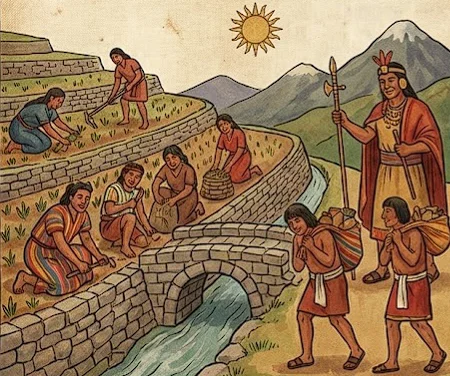
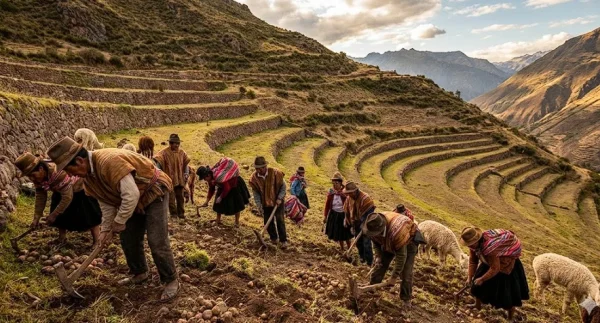
The Mita system stands as one of the most complex and historically significant labor structures in the pre Columbian Americas, later transforming into a controversial engine of the Spanish colonial economy. Originally developed by the Inca Empire (Tahuantinsuyo), the mit'a system was a form of mandatory public service that served as the backbone of their society. In a civilization that did not use currency, labor was the primary unit of value.

Every able bodied citizen was expected to contribute a portion of their time to the state, building the massive roads, terraces, and temples that still stand today. This collective effort was rooted in Andean reciprocity, ensuring that while the state extracted labor, it also provided security, famine relief, and festivals for the people.

However, the question of what was the mita system changes drastically depending on the era being discussed. Upon the arrival of the Spanish Conquistadors in the 16th century, this indigenous institution was co opted and radically altered. The Spanish administrators, particularly Viceroy Francisco de Toledo, twisted the original concept of communal reciprocity into a system of forced servitude to fuel the mining industry.

The Mita system under colonial rule became synonymous with exploitation, specifically in the deadly silver mines of Potosí, where the principle of "public good" was replaced by the extraction of wealth for a foreign crown, altering the demographic and social landscape of the Andes forever.
Image
The-Spanish-Mita-System-and-the-Transformation-into-Forced-Labor

What Was the Mita System Definition and Meaning in History
Image
What-Was-the-Mita-System-Definition-and-Meaning-in-History

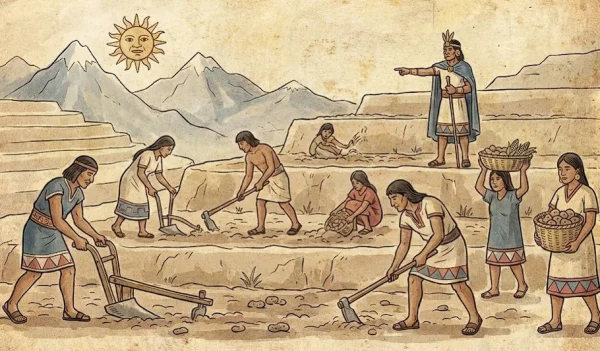
To provide a clear mita system definition, one must look at its etymology. The word comes from the Quechua word mit'a, which means "turn" or "season." In its simplest form, it defined a rotational labor draft. If you were to define mita system in the context of the Incas, it was a mandatory civic duty where citizens took "turns" performing labor for the government.

This was not slavery in the traditional sense, as the workers remained free men and women who were fed, clothed, and celebrated by the state during their service period. It was closer to a tax paid in sweat rather than coin, supporting the welfare of the entire empire.

However, asking what is the mita system in a post conquest context reveals a darker meaning. Under the Spanish, the mita system simple definition shifted from a civic duty to a state-mandated draft for hazardous industries. The "turn" became a sentence. Indigenous communities were legally required to send a quota of male workers to mines or textile mills (obrajes) for set periods, often under brutal conditions with high mortality rates. Thus, the definition bifurcates: it is a story of successful communal cooperation under the Incas, and a tragic mechanism of colonial extraction under the Spanish.

Understanding the Mit'a Labor System as a Form of Taxation

The mit'a labor system functioned as the primary tax mechanism of the Inca economy. The empire did not tax goods or harvest directly from the individual's personal land; instead, they taxed the individual's time. This mita labor system required that able bodied men (usually between 15 and 50) work for a specific number of days each year on state lands (lands of the Sun and the Inca). The crops produced on these state lands went into storehouses (qollqas) to feed the army, the priesthood, and the sick or elderly, acting as a social safety net.

The mit a system definition also extended to specialized skills. It wasn't just agricultural labor; artisans, runners (chasquis), and builders all paid their "tax" through their craft. This system allowed the Incas to mobilize massive workforces without a monetary economy.

The efficiency of the mit'a labor system was such that the state could guarantee that no one in the empire went hungry, as the surplus generated by this collective tax was redistributed during times of drought or natural disaster, reinforcing the loyalty of the subjects to the Sapa Inca.

The Mita System Definition AP World History and Significance

For students studying mita system AP World History, the concept is a crucial example of how labor systems evolved during the Age of Exploration. The mita system definition AP World History curriculums emphasize is its duality: first as an indigenous method of state building and later as a coerced labor system utilized by European mercantilism.

It serves as a case study for the "Continuity and Change Over Time" (CCOT) reasoning skill, illustrating how the Spanish maintained the structure of an existing institution but fundamentally changed its purpose and impact.

The mita system significance lies in its role in the global economy of the 16th and 17th centuries. The silver extracted from Potosí by mitayos (conscripted laborers) didn't just enrich Spain; it fueled global trade, causing inflation in Europe and paying for Spanish wars.

It even facilitated trade with Ming China, where silver was in high demand. Therefore, the mita system AP World History importance is not just regional to the Andes; it was a primary gear in the engine of the first true global economy, connecting the labor of indigenous Andeans to the markets of Europe and Asia.

The Inca Mita System Before Spanish Conquest and Reciprocity

Image
The-Inca-Mita-System-Before-Spanish-Conquest-and-Reciprocity
Image
The-Inca-Mita-System-Before-Spanish

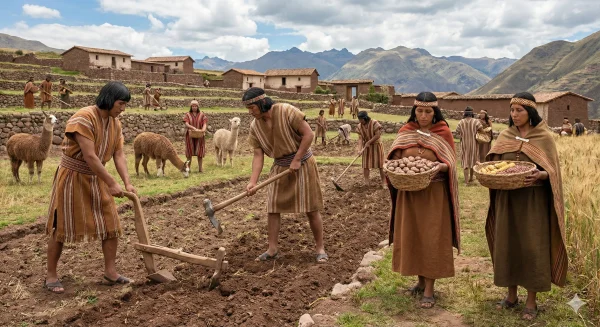
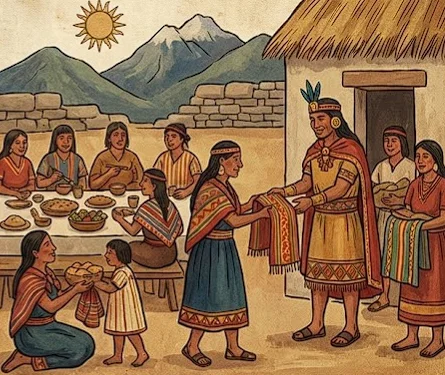
The Inca mita system before Spanish arrival was deeply rooted in the Andean philosophy of Ayni (reciprocity). It was not a one way extraction of value. When asking what was the Inca mita system, it is vital to understand the social contract: the subject provided labor, and in return, the Inca state provided festivals, chicha (corn beer), food, clothing, and security. The work parties were often festive occasions accompanied by music and ritual, turning the drudgery of construction or farming into a communal celebration of the state's power and benevolence.

The Incan mita system was also rotational and carefully managed to prevent exhaustion. A community would not be asked to send the same men year after year if it jeopardized their own agricultural cycles.

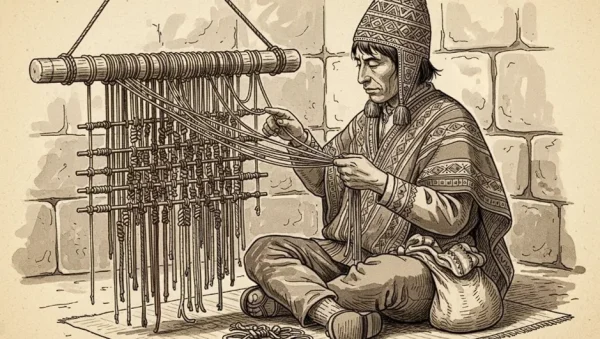
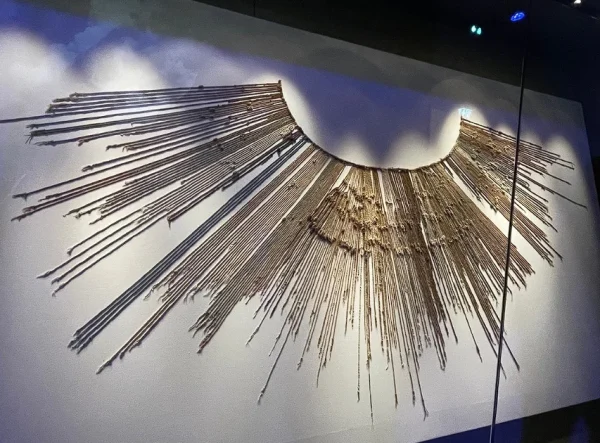
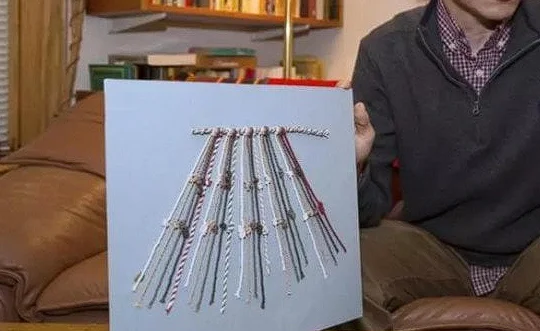
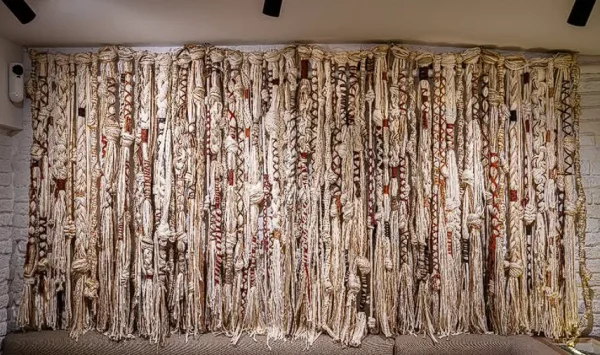
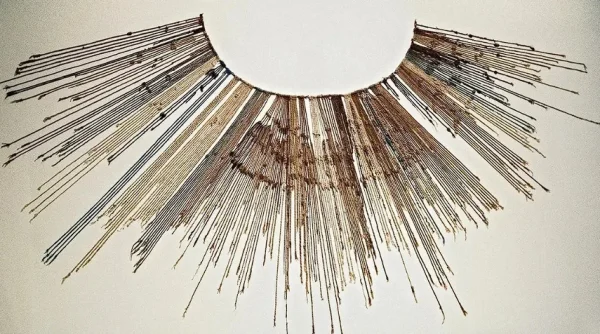
The state kept detailed census records using quipus (knotted strings) to ensure that the burden of the inca mita system before spanish conquest was distributed equitably across the ayllus (kinship groups). This careful management is why the Incas faced relatively few internal rebellions regarding labor; the people perceived the system as fair and beneficial to the collective survival.

Why Was the Mita System Important to the Incan Empire Economy

To understand why was the mita system important to the Incan empire, one must look at the geography of the Andes. To control a vertical terrain spanning rainforests, high deserts, and coastlines without money, the state needed a flexible workforce.

The mita system Inca administrators utilized allowed them to construct the immense agricultural terraces (andenes) that fed millions. Without this labor, the agricultural surplus necessary to support a standing army and a complex bureaucracy would have been impossible to generate in such a harsh environment.

Furthermore, the Inca mita system was the engine of expansion. As the empire conquered new territories, the conquered populations were integrated into the mita. This served a dual purpose: it integrated them economically into the empire and kept them busy, reducing the likelihood of uprising.

The infrastructure created by the mita system Inca workforce warehouses, roads, and forts was the physical glue that held Tahuantinsuyo together. Without the Mita, the Inca state would have remained a small regional chiefdom rather than the largest empire in the pre Columbian Americas.

Who Used the Mita System to Build the Qhapaq Nan Roads

When asking who used the mita system, the answer is the Sapa Inca and the imperial administration. The most visible legacy of this labor is the Qhapaq Ñan, the Great Inca Road system spanning over 30,000 kilometers (18,000 miles). What was the mita system in the Inca empire if not a massive engineering corps? Tens of thousands of laborers were drafted annually to carve paths into granite cliffs, build suspension bridges over raging rivers, and pave roads through swamps. This was achieved without iron tools or the wheel, relying entirely on the coordinated manpower of the Mita.

The Incan mit'a system ensured that these roads were maintained constantly. Local communities along the road were responsible for the upkeep of their specific section as part of their Mita service. This decentralized maintenance meant that the Emperor could move his armies from Cusco to Quito rapidly.

The efficiency of the Incan mit'a system was so profound that even after the Spanish conquest, the colonial authorities continued to rely on these roads for centuries, unable to replicate the engineering feats of the laborers who built them.

The Spanish Mita System and the Transformation into Forced Labor

Image
The-Spanish-Mita-System-and-the-Transformation-into-Forced-Labor

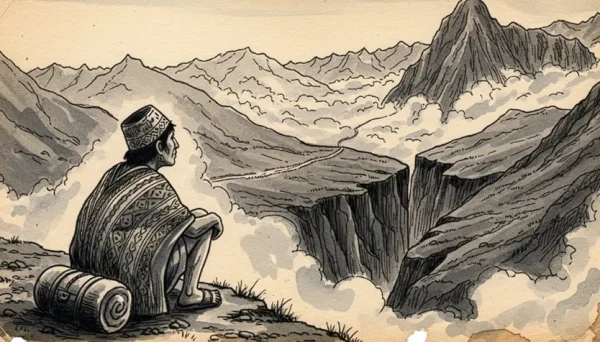
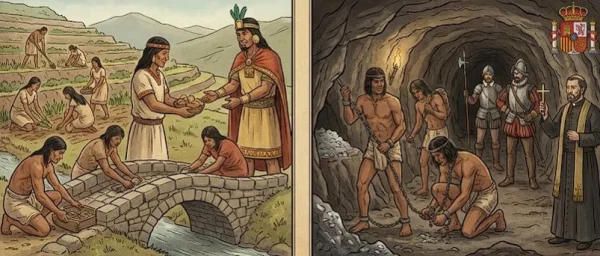
The transition to the Spanish mita system marked a catastrophic turning point for the indigenous population. After the fall of the Inca Empire, the Spanish Viceroy Francisco de Toledo formalized the colonial Mita in the 1570s. He retained the Inca mita system after Spanish conquest in name and structure using the quipu census data to demand quotas but stripped away the reciprocity.

The labor was no longer for the public good; it was for the private profit of the Crown and mining entrepreneurs. The festivals and food provision that characterized the Inca times disappeared, replaced by meager wages that barely covered the cost of food for the worker.

In the context of mita system AP World History, this transformation serves as a prime example of coercive labor. The Spanish justified this exploitation by claiming they were "civilizing" and Christianizing the natives, yet the reality was a demographic collapse.

The Spanish mita system required communities to send one seventh of their adult male population to the mines every year. The conditions were so horrific that communities would often hold funeral services for men leaving for the Mita, assuming they would never return due to accidents, mercury poisoning, or exhaustion.

Differences Between the Inca Mita System and Spanish Mita

Comparing the Inca mita system after Spanish arrival to its pre contact predecessor reveals the stark differences between the Inca mita system and Spanish mita. Under the Incas, the Mita was a seasonal service that respected the agricultural calendar; men were not taken during harvest times.

Under the Spanish, the quotas were rigid. If a community had lost population due to disease, the remaining men had to work double shifts to meet the quota, leading to a death spiral of depopulation. What was the mit'a system originally? A symbiotic relationship. What did it become? A parasitic one.

Another key difference lies in the destination of the wealth. The mita system significance AP World History analysis often points out that Inca wealth (food, cloth, infrastructure) stayed within the Andes to support the Andean people.

The wealth generated by the Spanish Mita (silver and gold) was exported across the ocean to Europe. This extraction impoverished the local region while capitalizing the European economy. The Inca mita system after Spanish rule ceased to be a mechanism of social security and became the primary instrument of indigenous oppression for nearly 300 years.

The Role of the Mita System in the Potosi Silver Mines

The Spanish mita system is most infamously associated with the Cerro Rico in Potosí (modern day Bolivia). This mountain of silver consumed the lives of countless indigenous laborers. The mita labor system drafted thousands of men, known as mitayos, who were forced to carry heavy sacks of ore up primitive ladders from deep underground shafts. They worked in week long shifts, sleeping inside the mines, breathing in toxic dust and silica. The use of mercury for refining silver further poisoned the workforce and the surrounding environment.

In mita system definition world history terms, Potosí was the industrial center of the colonial world, and the Mita was its fuel. Without the forced low cost labor provided by the Mita, the extraction of silver would not have been profitable enough to sustain the Spanish Empire.

The mitayos were paid a pittance, which they usually had to spend immediately on overpriced food sold by the mine owners, trapping them in debt. The Spanish mita system at Potosí remains a harrowing testament to the human cost of the global silver trade.

When Was the Inca Mita System Abolished and Its Legacy
Image
When-Was-the-Inca-Mita-System-Abolished-and-Its-Legacy

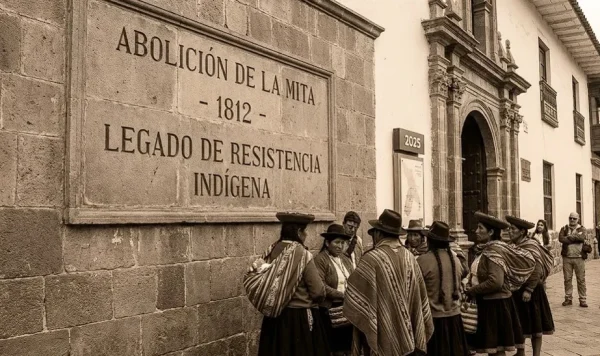
Students often ask when was the Inca mita system abolished. Technically, the indigenous reciprocity system collapsed with the fall of the Inca state in the 1530s, but the colonial version persisted much longer. The question of when was the mita system abolished legally refers to the Spanish institution.

It was not officially ended until the Cortes of Cádiz in 1812, and effectively ceased with the independence of Peru and Bolivia in the 1820s. However, forms of coerced labor continued in the Andes under different names well into the 20th century.

The mita system significance extends to the modern day. Economists and historians have traced a long term correlation between areas that were subject to the colonial Mita and current levels of poverty.

The mita system significance lies in its destruction of indigenous social capital and land ownership structures. By repeatedly draining communities of their young men for centuries, the Mita stunted the economic development of the Andean highlands, leaving a legacy of inequality and distrust of the state that persists in the region today.

The Long Term Impact of the Mita System on Indigenous Communities

When analyzing what is the mita system in Inca society versus its colonial aftermath, the long term impact is devastating. The Spanish Mita caused massive migration as indigenous families fled their ancestral villages to avoid the draft, becoming "forasteros" (strangers) in other towns where they had no land rights but were safe from the mines. This disrupted the traditional ayllu community structure and severed ancient connections to the land.

In mit a system AP World History studies, this migration is cited as a major factor in the cultural transformation of the Andes. It forced the mixing of different ethnic groups and hastened the loss of specific regional languages and traditions. The trauma of the Mita is remembered in Andean oral history. While the original what is the mita system in Inca society was a source of pride and construction, the colonial Mita is remembered as an era of sorrow ("Tragedy of the Mitayos"), shaping the political identity of indigenous movements in Peru and Bolivia to this day.
Show in Travel Guide (Home)
No

Ollantaytambo city of the Incas

Submitted by admin on

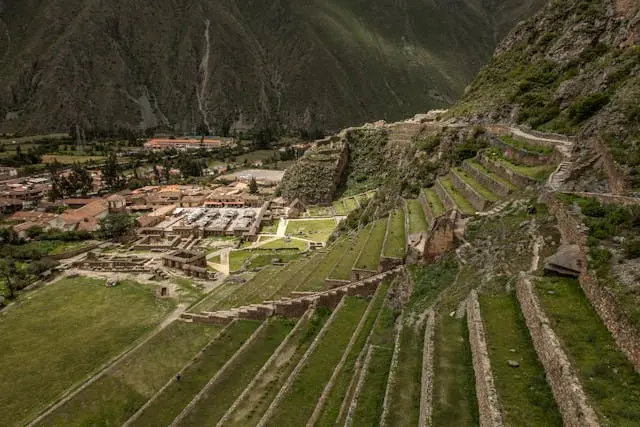
Ollantaytambo sits in its own district, Urubamba province. Got one of Cusco's big draws: that archaeological setup in Ollantaytambo.

OLLANTAYTAMBO BACKSTORY

This spot predates Incas by a bit. Some experts figure it started with Aymara folks. They spread into northwest Cusco parts. Then around early 1400s, during Cusco growth. Aymaras tried setting up guard posts to shield the place from Incas.

Pachacutec, this fierce Inca leader, took over Aymaras and Ollantaytambo. He beefed up the defenses with fresh structures and lookout points we see now. After Pachacutec died, place went to his panaka – that's the Inca ruler's kin, wives, siblings, kids galore. Come Spanish invasion, Manco Inca Yupanqui used it as a holdout. He got shoved out of Cusco step by step into jungle depths by Spaniards in 1537.

Once Cusco fell, he hunkered down in Ollantaytambo. Turned into a safe zone against Spanish raids. But damn, one massive clash between Incas and Spaniards sealed its fate as a stronghold.

Image
Ollantaytambo cusco

STUFF TO CHECK IN OLLANTAYTAMBO?

Ollantaytambo archaeological site: Gotta hit this before Machu Picchu. Still holds old Inca layout in town planning. Promises to blow you away, or maybe not if crowds bug you.

  • Main plaza: Trees and shops circle it. Makes hanging out lively before heading elsewhere.
  • Handicraft stalls: Right in the plaza. Chance to pick up local weaves or crafts as keepsakes.
  • Temple of Sun: Climb those 200-ish steps to top. Get views over Sacred Valley from up there. Made of 6 huge rectangular stones. Up top, looks half-done. Biggest one's over two meters across, four high maybe.
  • Pinkuylluna path: Short 0.8 km walk. Panoramic sights for tuning out while on foot or scrambling up.
  • Patacancha area: Quechua community, 45 minutes out. Famous for fine cloths and old-school living.

FROM OLLANTAYTAMBO TO MACHU PICCHU HOW?

This old Inca place kicks off three main paths to Aguas Calientes. That's the town nearest Machu Picchu, with closest rail stop to Inca City. Distance Ollantaytambo to Machu Picchu? About 26 km. Trip time varies: 2 hours to 4 days to Aguas Calientes, depending on ride.

Show in Travel Guide (Home)
No

Which tour is better between 1A and 1B in Machu Picchu?

Submitted by admin on

Circuit 1B is best if you want the classic postcard photo with minimal effort (1.5 hours, easy walk). Circuit 1A is better if you're fit and want a challenging 3-4 hour mountain hike with panoramic 360° views. Most first-timers should actually choose Circuit 2 instead—it includes the photo spot PLUS access to the ruins (Lower part ).

The new Machu Picchu circuit system is confusing. You're not alone if you're scratching your head trying to figure out which ticket to buy. Since June 2024, there are 10 different route options, and choosing wrong means missing out on experiences you traveled thousands of miles to see.

Here's the breakdown of Machu Picchu Circuit 1A vs 1B so you can make the right choice.

Image
machu-Picchu-circuit-1a-map-1

Circuit 1B is best if you want the classic postcard photo with minimal effort (1.5 hours, easy walk). Circuit 1A is better if you're fit and want a challenging 3-4 hour mountain hike with panoramic 360° views. Most first-timers should actually choose Circuit 2 instead—it includes the photo spot PLUS access to the ruins (Lower part ).

The new Machu Picchu circuit system is confusing. You're not alone if you're scratching your head trying to figure out which ticket to buy. Since June 2024, there are 10 different route options, and choosing wrong means missing out on experiences you traveled thousands of miles to see.

Here's the breakdown of Machu Picchu Circuit 1A vs 1B so you can make the right choice.

Quick Comparison: Circuit 1A vs Circuit 1B

FeatureCircuit 1A: Machu Picchu MountainCircuit 1B: Upper Terrace
Price200 PEN ($59 USD)152 PEN ($46 USD)
DifficultyVery Hard (steep climb to 3,082m/10,112ft)Easy (10-20 min walk)
Time3-4 hours round trip1.5-2 hours total
Main HighlightHighest 360° panoramic valley view + Challenging hikeClassic postcard photo spot
Access to RuinsNoNo
Age Requirement18+ onlyAll ages
Best ForFit hikers wanting adventureFamilies, photographers, quick visits

The Main Differences Between Machu Picchu Circuit 1A vs 1B

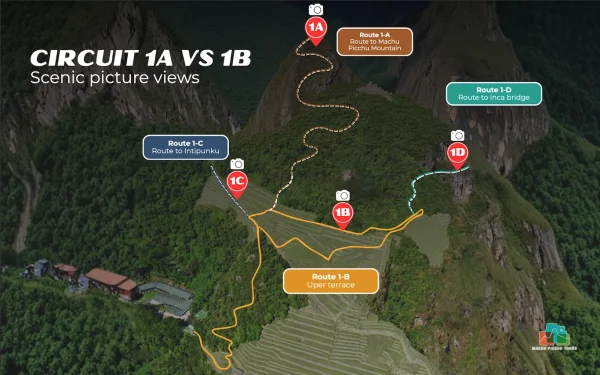
Both circuits belong to the "Panoramic Circuit"—meaning you get elevated viewpoints looking DOWN on Machu Picchu, but you don't walk through the actual ruins.

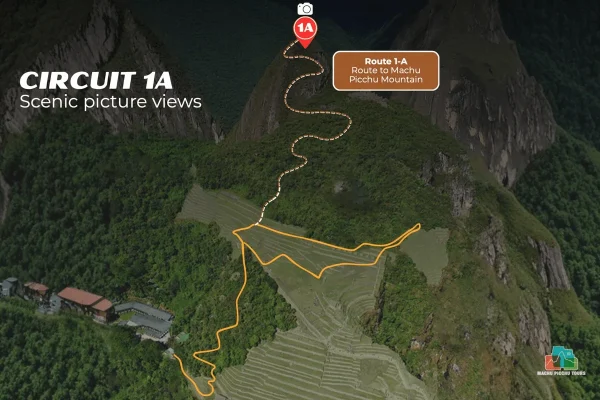
Circuit 1A = Classic photo spot + Challenging mountain climb (1,600+ stairs, 652m/2139ft elevation gain)

Circuit 1B = Classic photo spot only (minimal walking, single viewpoint)

Key similarity: Neither lets you explore the lower temples, sacred sites, or urban sector. You see everything from above but don't walk among the ancient stones.

Image
circuit-1a-vs-1b-map

Why Circuit 1B is the Ultimate Choice for the Classic Postcard Photo

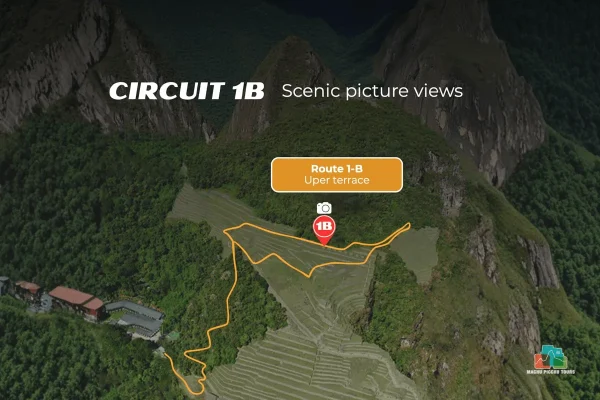
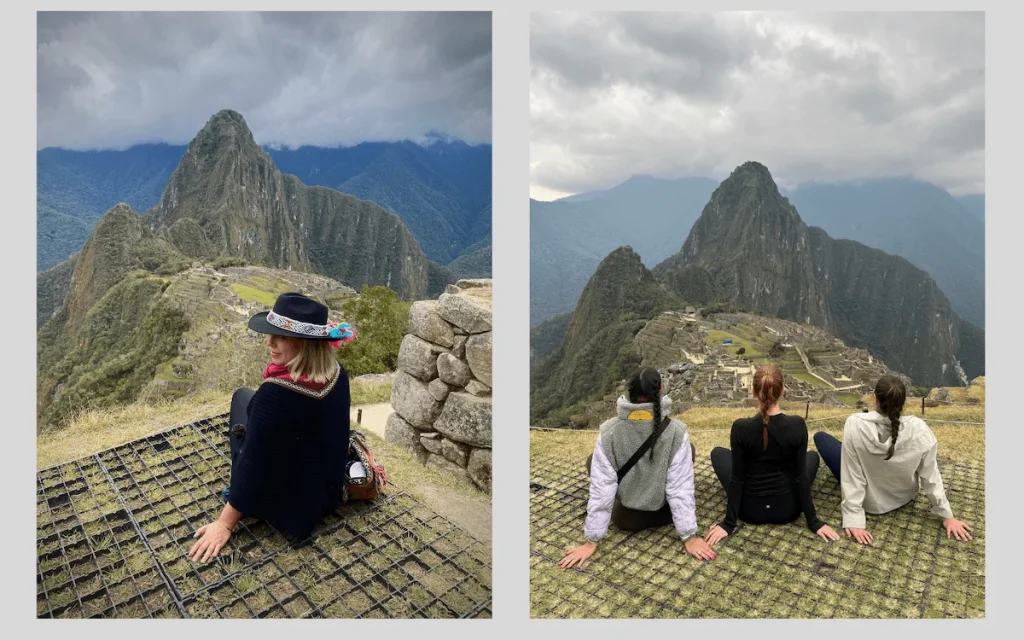
Circuit 1B gives you that Machu Picchu photo—the one with the citadel perfectly framed by mountains and Huayna Picchu rising dramatically behind.

What you get:

  • 10-15 minute walk uphill through terraces
  • Arrival at the viewpoint (Guardian's House area)
  • 10-20 minutes at the photo spot (guards manage flow)
  • Walk back down and exit

Total time: 45 minutes to 1.5 hours

2026 Reality Check: This ticket provides access to one exclusive viewpoint, perfect for taking stunning photos and enjoying a short walk with iconic views — ideal for social media lovers.

Perfect for:

  • Families with kids
  • Travelers 60+
  • Anyone short on time
  • Photography lovers wanting the iconic shot
  • Those with limited fitness

Photography tip: Arrive at your entry time early. Morning light (6-8 AM) is best. Have your camera ready before reaching the viewpoint—don't waste time fumbling with settings.

Image
machu-Picchu-circuit-1B-map

Why Circuit 1A is Better for Hikers Wanting a Panoramic Challenge

Circuit 1A takes you to the summit of Machu Picchu Mountain (3,082m/10,112ft)—the highest viewpoint in the entire park.

What you get:

  • Same classic photo spot as Circuit 1B (before starting the mountain hike)
  • Checkpoint and trail entry
  • 1.5 hours climbing 1,600+ stone stairs
  • Summit with 360° views of entire Sacred Valley and Machu Picchu Citadel
  • 1.5 hours descending

The view from the top: You see Machu Picchu far below, Huayna Picchu mountain, the Urubamba River, surrounding peaks, and the Veronica mountain range. It's panoramic perfection—but from a distance.

Physical reality: This is Somewhat challenging. Relentless uphill climbing at altitude. Your thighs will burn, your lungs will labor, and you'll question your choices around the midpoint. But reaching the summit feels incredible.

Perfect for:

  • Fit hikers (can climb 10+ flights of stairs comfortably)
  • Adventure seekers
  • Ages 18+ only
  • Those with 4+ hours available
  • People who want fewer crowds
  • Landscape photographers

Training tip: If you have 4-6 weeks before your trip, practice stair climbing 3x per week and build cardiovascular endurance. Spend 2+ days in Cusco to acclimatize before attempting this hike.

Image
machu-Picchu-circuit-1a-map-1

A Closer Look at Circuit 1A: Machu Picchu Mountain Hike

The Route: From the entrance, walk to the upper terrace viewpoint (get your classic photo), then continue to the mountain checkpoint. Guards verify your ticket and you begin climbing.

The Climb: Ancient Inca stone stairs, modern wooden steps in sections, and relentless uphill through cloud forest. Around 45 minutes in, you get brief rest points with benches and views. The final 20-30 minutes are the steepest.

The Summit: Flat viewing platforms with 360-degree panorama. Space to rest, photograph, and catch your breath. Unlike Huayna Picchu's cramped peak, there's room here.

The Descent: Going down is harder for many—sustained knee impact and psychological challenge of steep stairs. Take your time.

Physical Difficulty and the Steep Stone Steps to the Summit

Fitness Self-Check: Can you climb 10 flights of stairs without stopping? Hike uphill for 1.5+ hours? Have healthy knees for descents? Exercise comfortably at altitude?

If yes to all: you're ready. If no to 2+: Circuit 1A will be extremely challenging.

What to bring:

  • 2-3 liters of water
  • Energy snacks (4-6 items)
  • Trekking poles with rubber tips (reduces knee impact 25%)
  • Sun protection (hat, sunscreen, sunglasses)
  • Rain jacket
  • Camera with extra battery

Altitude tip: Spend minimum 2 days in Cusco (3,400m/11152ft) before this hike. Drink coca tea, hydrate heavily (3-4L daily), and consider Diamox if altitude-sensitive.

Pacing strategy: Use the "Inca pace"—small steps, steady rhythm, rest every 15-20 minutes, breathe deeply, drink water at every break.

Exploring Circuit 1B: Upper Terrace Route for an Easy Visit

2026 Update: Circuit 1B is a short but scenic circuit with multiple stops and diverse views from the highest point — perfect for capturing iconic shots and sharing them on social media.

What happens:

  1. Walk 10-15 minutes uphill from entrance
  2. Arrive at the viewpoint
  3. No time limit—capture photos and relax at every viewpoint
  4. Walk back down and exit

What you DON'T get:

  • Entry to any lower ruins

The controversy: You're paying 152 PEN ($46) for essentially a 50 minute photo stops. Circuit 2 costs similar but gives 2-3 hours of ruins exploration.

When it makes sense: If you're combining with Circuit 2/3 (on same day or different day) specifically for the upper terrace photo angle.

Image
Machu Picchu circuit 1B pictures

Time Required and Perfect Angles for Your Vacation Photos

Best time for photos:

  • 6:00-7:00 AM: Golden sunrise light, fewer crowds, mist creates atmosphere
  • 8:00-10:00 AM: Harsher light, more crowded, guards rush you
  • 11:00 AM-2:00 PM: Clouds rolling in, less dramatic lighting

Camera settings (for photographers):

  • Aperture: f/8-f/11 (sharp throughout)
  • ISO: 100-400
  • Shutter: 1/125+ (prevent blur)
  • HDR ON for smartphones

Smartphone tips:

  • Use grid lines (rule of thirds)
  • Portrait mode for people shots
  • Panorama for wide valley views
  • Clean lens before shooting
  • Burst mode for perfect expression

Pro tip: Arrive 15-20 minutes before your entry time. Be first in line at viewpoint = more relaxed photo session.

 The Big Catch: What You Miss With Both Panoramic Tickets

Here's the uncomfortable truth: Neither Circuit 1A nor 1B lets you walk through Machu Picchu's archaeological ruins.

Why Neither Circuit 1A Nor 1B Lets You Walk Inside the Lower Ruins

Circuit 1 = "Panoramic Circuit" = views FROM ABOVE only.

What you CANNOT see with Circuit 1A or 1B:

  • Temple of the Sun
  • Royal Palace
  • Sacred Plaza
  • Temple of Three Windows
  • Intihuatana (sacred stone)
  • Temple of the Condor
  • Water fountains and channels
  • Urban sector streets and pathways

You'll SEE these from above—like a museum exhibit through glass. But you won't walk among them, touch the stones, or experience the atmosphere inside the sacred city.

Why this matters: If you only buy one Machu Picchu ticket and choose Circuit 1A or 1B, you'll miss the actual ruins exploration that most travelers consider the main event.

The solution:

Circuit 2 includes:

  • Upper terrace viewpoint (almost same classic photo as Circuit 1B)
  • PLUS full access to lower ruins and temples
  • 2-2.5 hour comprehensive experience
  • Best overall value

Our honest recommendation: For first-time visitors with one ticket, choose Circuit 2. You get the photo spot PLUS ruins exploration—complete experience in one entry.

Use Circuit 1A/1B only if:

  • You're a returning visitor adding panoramic views
  • You're specifically focused on mountain hiking (1A) or just want the photo (1B)
  • You're buying multiple tickets (1A/1B + Circuit 2/3)

How to Secure Your Machu Picchu Tickets Before They Sell Out

When to book:

Circuit 1A:

  • High season (June-Aug): 2-3 months ahead
  • Shoulder season (Apr-May, Sep-Oct): 1-2 months ahead
  • Low season: 3-5 weeks ahead

Circuit 1B:

  • Generally available 1-2 Months out
  • Limited tickets available

Navigating the Official Government Site for the Best Availability

ONLY use: www.machupicchu.gob.pe (official Peruvian government site)

Booking steps:

  1. Visit website → Select "BUY TICKETS"
  2. Choose "Foreigner" category
  3. Select your circuit:
    • Circuit 1A: "Circuito Panorámico 1 + Ruta 1-A: Montaña Machupicchu"
    • Circuit 1B: "Circuito Panorámico 1 + Ruta 1-B: Terraza Superior"
  4. Pick date and time slot
  5. Enter details EXACTLY as passport:
    • Full legal name (no nicknames)
    • Passport number (verify twice)
    • Birth date, country
  6. Pay (Visa/Mastercard only)
  7. Download PDF and PRINT (required at entrance)

Critical: One typo in your name = denied entry. Triple-check everything.

Troubleshooting:

  • No availability? Try different time slot, adjacent dates, or Circuit 1B if 1A sold out
  • Card declined? Use card without foreign fees, notify bank of Peru purchase, try backup card
  • Sold out for weeks? Consider Circuit 2 instead—better experience anyway

Final Recommendation: Which Circuit Should You Choose?

Choose Circuit 1A if:

  • Very fit and love challenging hikes
  • Want 360° panoramic valley views
  • Age 18+ (mandatory)
  • Have 4+ hours available
  • Combining with Circuit 2/3 for ruins

Choose Circuit 1B if:

  • Want classic postcard photo with minimal effort
  • Traveling with family/kids
  • Age 60+ or moderate fitness
  • Combining with Circuit 2/3

BETTER OPTION for most travelers:

Choose Circuit 2 if:

  • First time at Machu Picchu
  • Only buying one ticket
  • Want comprehensive experience (photo spot + ruins)
  • Want best value for money

Circuit 2 gives you the upper terrace photo PLUS 2+ hours exploring temples and sacred sites—the complete Machu Picchu experience in one ticket.

Show in Travel Guide (Home)
No

Inca Emperors

Submitted by admin on

The Inca emperors were far more than just political rulers of the Andes; they were revered as the "Sapa Inca" (The Only Inca), living deities believed to be the direct sons of the Sun God, Inti. To understand the history of South America, one must understand the lineage of the Inca emperor, whose absolute power stretched over 2,500 miles, encompassing modern day Colombia, Ecuador, Peru, Bolivia, Chile, and Argentina.

Collectively, the Inca emperor and his dynasty orchestrated the Tahuantinsuyo (The Four Regions), one of the most sophisticated civilizations in human history, managing millions of subjects, a massive road network (Qhapaq Ñan), and monumental architecture without the use of a written alphabet or the wheel.

Image
The-Spanish-Conquest-and-the-Inca-Emperor-Captured-by-Pizarros-Forces

The Complete Chronological List of Inca Emperors and Their Dynasties

Image
The-Complete-Chronological-List-of-Inca-Emperors-and-Their-Dynasties

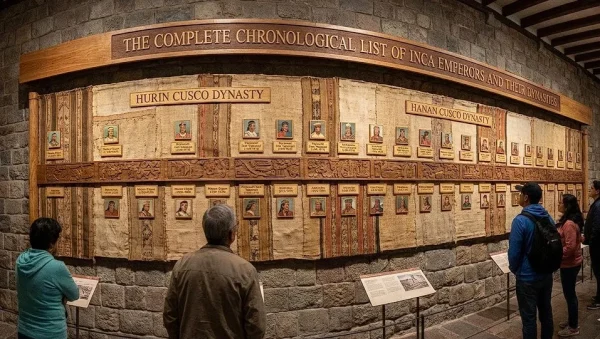
Scholars and historians generally recognize a list of inca emperors known technically as the Capaccuna. This official genealogy spans from the mythical founding of Cusco in the 12th century to the final tragic execution in the 16th century. This complete list of inca emperors is not merely a sequence of names, but a timeline of evolution from a small agrarian tribe in the Cusco valley to a continental empire.

The inca emperor list is traditionally divided into two distinct dynasties based on their residence and political function in Cusco: the Hurin Cusco (Lower Cusco, associated with religious priesthood) and Hanan Cusco (Upper Cusco, associated with military aristocracy).

Hurin Cusco Dynasty (The Lower House - Religious Rulers)

The first dynasty, ruling from the lower part of the city, focused primarily on religious consolidation and local alliances rather than military conquest.

  • Manco Cápac (c. 1200 - 1230) The semi mythical founder who led his people from Lake Titicaca to the Cusco Valley. He drained the swamps, built the first Inticancha (Sun Temple), and established the code of laws.
  • Sinchi Roca (c. 1230 - 1260) The first to wear the Mascapaicha (royal fringe). He famously expanded the kingdom not by war, but by consolidating alliances with neighboring tribes through strategic marriages.
  • Lloque Yupanqui (c. 1260 - 1290) A ruler known for administrative foundations. He established the first public markets (catus) and created the "Acllahuasi" (House of the Chosen Women) to serve the state religion.
  • Mayta Cápac (c. 1290 - 1320) Often called the "Hercules of the Andes." Legends describe him as a child prodigy born with a full set of teeth who grew into a warrior of immense physical strength, defeating early rivals.
  • Cápac Yupanqui (c. 1320 - 1350) The last of the Hurin rulers and a fierce general. He was the first Sapa Inca to march his army outside the Cusco Valley, demanding tribute from more distant tribes.

Hanan Cusco Dynasty (The Upper House - Warrior Expansionists)

Starting with a political coup, the rulers moved to the "Upper" part of Cusco and shifted the empire's focus toward aggressive military expansion.

  • Inca Roca (c. 1350 - 1380) The first to officially use the title "Inca." He moved the royal residence to the Hanan (Upper) sector, effectively separating the military powers from the religious priesthood.
  • Yahuar Huaca (c. 1380 - 1410) Known as "He Who Cries Blood." His reign was tragic; legends say he was kidnapped as a child and wept blood in terror. He was eventually assassinated during a festival, signaling a time of instability.
  • Viracocha Inca (c. 1410 - 1438) The first to rule over a significant territory, but his legacy is tainted. When the Chanka enemies invaded, he fled the capital, leaving the defense to his son, Pachacuti.
  • Pachacuti (1438 - 1471) "He Who Shakes the Earth." The Napoleon of the Andes. He defeated the Chankas, reorganized the state into the Tahuantinsuyo, and ordered the construction of Machu Picchu and Ollantaytambo.
  • Tupac Inca Yupanqui (1471 - 1493) The Alexander the Great of the Incas. A brilliant strategist who tripled the empire’s size, conquering the Chachapoyas in the jungle and marching south as far as the Maule River in Chile.
  • Huayna Cápac (1493 - 1527) He ruled the empire at its zenith, stretching from Colombia to Chile. However, he died suddenly of smallpox (brought by Europeans) without clearly naming an heir, sparking the succession crisis.
  • Huáscar (1527 - 1532) The traditional heir who ruled from Cusco. His claim was supported by the nobility, but his paranoia and poor military decisions led to his downfall in the civil war.
  • Atahualpa (1532 - 1533) The battle-hardened victor of the civil war who ruled from the north (Quito/Cajamarca). His reign was cut short when he was captured and executed by Francisco Pizarro, marking the end of the imperial era.

Who Was the First Emperor of the Inca Empire Known as Manco Capac

When asking who was the first inca emperor, history and mythology blend together seamlessly. The first inca emperor was Manco Cápac. According to the foundational legends, he emerged from the cold waters of Lake Titicaca accompanied by his sister wife Mama Ocllo, sent by their father, the Sun God (Inti), to find fertile land where his golden staff (Tapac Yauri) would sink easily into the earth. This miraculous event reportedly occurred at Huanacauri Hill.

He is the emperor who founded the inca empire by establishing the city of Cusco (Qosqo) around 1200 AD in the chaotic aftermath of the Tiahuanaco civilization's collapse. Manco Cápac created the initial code of laws, built the first temple (Inticancha, which later became the Coricancha), and taught his people agriculture and irrigation, laying the cultural and religious foundation for all subsequent Inca emperors.

The Division Between the Hurin and Hanan Cusco Dynasties of Inca Emperors

Image
The-Division-Between-the-Hurin-and-Hanan-Cusco-Dynasties-of-Inca-Emperors

The ancient inca emperors are categorized by the moiety (a dual social and spatial division known as Yanantin) of the city they ruled from. The first five inca empire emperors, starting with Manco Cápac and ending with Cápac Yupanqui, belonged to the "Hurin Cusco" (Lower Cusco) dynasty. These rulers were primarily local warlords and high priests, living in the lower valley and focusing on religious consolidation rather than distant expansion.

The transition to the "Hanan Cusco" (Upper Cusco) dynasty began with a political coup led by Inca Roca. The emperors of the inca empire from this second dynasty moved their residences to the upper slopes, stripped the Hurin faction of political power (leaving them only religious duties), and became aggressive expansionists, eventually transforming the small regional kingdom into the massive Tahuantinsuyo (The Four Regions).

How Did Inca Emperor Pachacuti Rise to Power and Build the Empire

The most pivotal moment in Andean history answers the question: how did inca emperor pachacuti rise to power? Before taking the throne, he was a young prince known as Cusi Yupanqui, who was not the first in line for the crown; his brother Urco was the designated heir. In 1438, the fierce Chanka nation a warrior culture from the Apurímac region attacked Cusco with overwhelming force, threatening to annihilate the Inca civilization.

While his father (Viracocha Inca) and his heir fled the city in fear to the Sacred Valley, Cusi Yupanqui stayed behind to organize a desperate defense. According to the famous legend, he prayed to the stones on the battlefield, which miraculously transformed into soldiers (known as the Pururaucas) to help him defeat the enemy. This miraculous victory led to his coronation as Inca Emperor Pachacuti (Quechua for "He Who Shakes the Earth" or "World Reverser").

1 how did inca emperor pachacuti rise to power is a story of military genius combined with administrative brilliance. He did not just conquer; he built. Pachacuti reorganized the kingdom into the Tahuantinsuyo (Four Regions), established Quechua as the official administrative language, and rebuilt Cusco in the shape of a puma. He also initiated the Mitimaes system forced resettlement of loyal subjects to conquered lands to ensure stability, effectively creating the imperial structure that defined the Andes.

The Greatest Rulers and Who Was the Inca Emperor Who Built Machu Picchu

Image
The-Greatest-Rulers-and-Who-Was-the-Inca-Emperor-Who-Built-Machu-Picchu

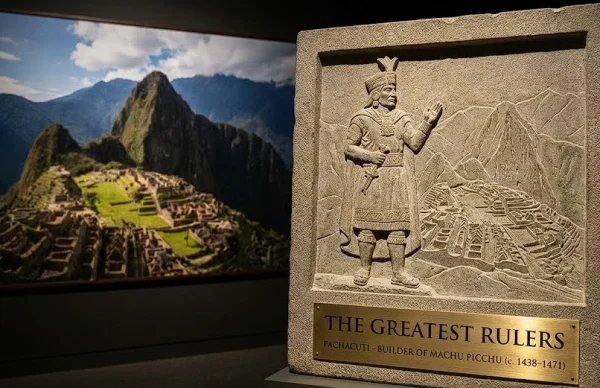
While the dynasty comprised thirteen rulers, the "Golden Century" of the Incas was defined by three successive leaders who expanded the borders and cemented the culture. Among them, one stands above the rest for his architectural and military genius. The most common question tourists ask standing amidst the granite ruins is: who was the inca emperor who built machu picchu? The answer invariably points back to the transformative reign of Pachacuti (1438 - 1471).

Historians agree that the greatest inca emperor was not just a warrior who saved Cusco, but a master urban planner who pioneered the "Imperial Style" of stonework precision cut stones without mortar. The famous inca emperors that followed him, specifically his son Tupac Inca Yupanqui and grandson Huayna Cápac, continued his legacy of conquest, but Pachacuti remains the intellectual architect of the Andean state, comparable to Alexander the Great or Napoleon in his influence.

Pachacuti Is Considered the Greatest Inca Emperor for His Expansion

Beyond mere military victories, Pachacuti is considered the greatest inca emperor for his expansion of the realm from a small Curacazgo (local chiefdom) into a vast, organized empire known as Tahuantinsuyo. He engineered the backbone of the economy: he designed the massive road system (Qhapaq Ñan) to connect the Andes and established a network of Qullqas (storehouses) that prevented famine during droughts, a logistical feat unmatched in the ancient world.

As a famous inca emperor, he is credited with ordering the construction of the citadel of Machu Picchu roughly around 1450 AD. It was not a military fortress, but a royal estate and religious retreat for his lineage (Panaca). While his son, the emperor of the inca empire tupac (Topa Inca Yupanqui), would later surpass him in terms of total square miles conquered pushing the borders into the Amazon and deep south it was Pachacuti who provided the administrative vision that allowed the empire to function.

Topa Inca Yupanqui Becomes the Second Emperor to Conquer New Lands

History remembers Pachacuti as the organizer, but his son was the unstoppable conqueror. In 1463 topa inca yupanqui becomes the second emperor of the expansionist phase, initially serving as the Auqui (Crown Prince) and chief general of the armies. Before officially taking the Mascapaicha (crown) in 1471, he had already annexed the powerful Chimú civilization on the northern coast the Incas' only true technological rivals.

Under the emperor of the inca tupac, the empire reached its absolute maximum geographical size, stretching deep into modern day Ecuador (where he founded the city of Quito as a second capital) and extending south to the Maule River in present day Chile. Tupac Amaru inca emperor (not to be confused with the later resistance leader of 1572 or the 18th century revolutionary) was a name that signified royalty, but Topa Inca Yupanqui was the true "Alexander the Great" of the Andes.

His ambition knew no bounds; historical chronicles and modern theories strongly suggest he led a massive maritime expedition of 20,000 men on balsa rafts into the Pacific Ocean. He reportedly returned months later with "black men, gold, and brass," fueling credible theories that the Inca navy reached the Galápagos Islands, Mangareva, or even Easter Island (Rapa Nui), showcasing a navigational capacity often underestimated by Western historians.

The Spanish Conquest and the Inca Emperor Captured by Pizarro's Forces

Image
The-Spanish-Conquest-and-the-Inca-Emperor-Captured-by-Pizarros-Forces

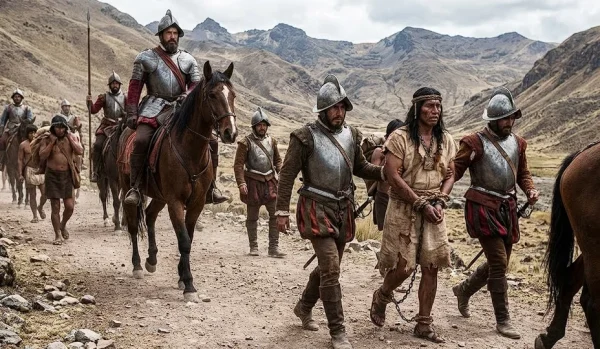
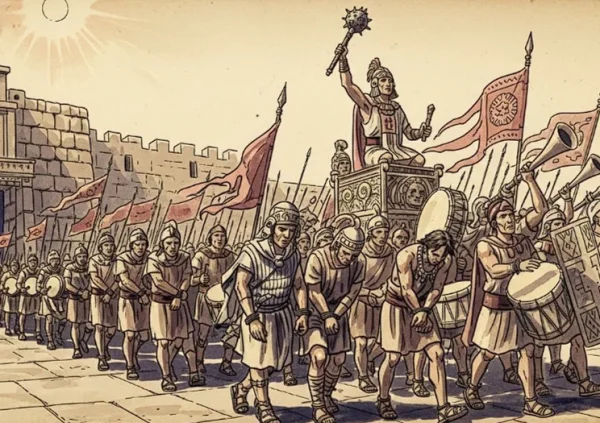
The fall of the Inca Empire was a pivotal moment in South American history, officially beginning with the Inca emperor captured by Pizarro's forces. The arrival of Francisco Pizarro in 1532 did not happen in a vacuum; it coincided with a fractured empire that had already been decimated by European diseases like smallpox and measles, which had arrived before the Spanish themselves.

The specific Inca emperor captured by Pizarro was Atahualpa, a ruler who had just emerged victorious from a bloody succession conflict. The dramatic interaction between the Inca Emperor, Pizarro, and the Spanish conquistadors at the Battle of Cajamarca marked the violent collision of two worlds.

This event signaled the end of indigenous sovereignty in the Andes and the beginning of Spanish colonial rule. Historians often note that the capture of Atahualpa was swift, as the Spanish used advanced weaponry and cavalry technology unknown to the Incas to ambush the royal retinue in the town's main square.

Who Was the Inca Emperor When the Spanish Arrived in the Andes

When students and historians ask who was the Inca emperor when the Spanish arrived, the answer is complex due to the political instability of the time. Technically, the Inca emperor in 1533 (the year of the empire's collapse) was Atahualpa, though his status was contested. He had not yet been officially crowned in Cusco with the Mascapaicha (the imperial fringe or crown), which was necessary to be considered the legitimate Sapa Inca.

Inca Emperor Atahualpa was resting at the thermal baths of Cajamarca (known today as the Baños del Inca) when Pizarro's small band of men arrived in the valley. Flushed with recent military victories, Atahualpa severely underestimated the foreign threat. He believed that a few ragged strangers could not topple the "Son of the Sun." This overconfidence led to the fatal decision to meet the Spaniards unarmed, a mistake that changed history when looking at who was the Inca emperor at the moment of the conquest.

The Civil War Between Brothers Huáscar and Atahualpa Inca Emperor

Before the Spanish set foot in the Andes, the empire was already crumbling due to the devastating Inca Civil War, also known as the "War of the Two Brothers." Atahualpa, the Inca Emperor, fought a bitter campaign against his half-brother Huáscar for the throne following the death of their father, Huayna Cápac, who died suddenly from the epidemic sweeping the land.

The political divide was geographical and deep: Atahualpa's loyalists were based in Quito (the northern capital), comprising the battle-hardened army generals. Meanwhile, Huáscar held Cusco (the traditional capital) and the loyalty of the priesthood.

To fully explain what happened to the Inca Emperor Atahualpa, one must understand that his pyrrhic victory over Huáscar left his army exhausted, divided, and resentful. This internal chaos made the empire vulnerable, allowing a small group of foreign invaders to exploit these divisions and recruit local tribes who were enemies of the Incas.

Details on How the Inca Emperor Captured by Pizarro's Forces Was Held for Ransom

The capture itself was swift, brutal, and historically significant. Accounts of the Inca emperor captured by Pizarro's forces describe the Battle of Cajamarca not as a traditional war, but as a massacre. Thousands of unarmed attendants were killed by Spanish cannons and cavalry in the main square, sparking panic among the indigenous troops.

Once the Inca Emperor was captured and imprisoned, he quickly realized that the primary motivation of the strangers was not political power, but wealth. In a desperate bid to buy his freedom, the Pizarro-Inca Emperor negotiations resulted in a legendary offer:

Atahualpa proposed to fill a room once with gold and twice with silver, up to the reach of his arm (approximately 22 feet long by 17 feet wide). This famous "Ransom Room" (El Cuarto del Rescate) is the only major Inca structure still standing in Cajamarca today, serving as a grim monument to the largest ransom in history.

The Execution of the Last Inca Emperor Atahualpa Despite the Gold Payment

Despite fulfilling his promise and delivering tons of precious metals from across the empire, the execution of the last Inca Emperor (of the unified empire) proceeded essentially as a political necessity for the Spanish. Fearful of a counter-attack by Atahualpa's generals, Francisco Pizarro staged a mock trial.

The Spanish accused the sovereign of idolatry, polygamy, and fratricide (specifically for ordering the death of his brother Huáscar during captivity). Ultimately, Pizarro executed the last Inca Emperor, Atahualpa, on July 26, 1533. Although initially sentenced to be burned at the stake a fate terrifying to the Incas as it destroyed the body needed for the afterlife Atahualpa agreed to be baptized as a Christian in exchange for a different death. He was executed by strangulation (garrote).

It is important to clarify historical timelines: while the Inca Emperor died from smallpox (referring to his father, Huayna Cápac, years prior around 1527), it was this initial plague that caused the power vacuum and civil war, paving the way for Atahualpa's capture and eventual execution. His death allowed the Spanish to march on Cusco and install puppet rulers, marking the definitive end of the Tawantinsuyu.

The Neo Inca State Resistance and Who Was the Last Inca Emperor

Many history books abruptly stop the narrative at Atahualpa, but the Inca resistance actually continued for another 40 years in the remote high jungle. So, who was the last Inca emperor truly? After the fall of Cusco in 1533, a remnant of the nobility, led initially by Manco Inca, retreated into the dense jungle of Vilcabamba to establish a Neo-Inca State.

This "lost city" served as the headquarters for a prolonged rebellion. While Atahualpa was the last emperor of the unified empire, the last Inca emperor of this specific resistance movement was not Atahualpa, but his nephew, Tupac Amaru I. Under his leadership, the Incas fought a fierce guerrilla war against the Spanish Crown until 1572, burning haciendas and cutting off Spanish supply lines between Lima and Cusco.

Tupac Amaru Was the Last Emperor of the Inca Empire Executed in Cusco

Historically and technically, the last emperor of the Inca Empire was Tupac Amaru I. In 1572, the Spanish Viceroy Francisco de Toledo declared "fire and blood" on Vilcabamba and finally captured the stronghold. The last emperor of Inca resistance was dragged in chains to Cusco the very city his ancestors had built. In a dramatic and somber event, Tupac Amaru I was beheaded in the Plaza de Armas of Cusco on September 24, 1572.

Historical chronicles describe a massive crowd of indigenous people weeping and wailing until the Inca raised his hand for silence. His execution was a public spectacle intended to crush indigenous morale and extinguish the royal lineage forever. However, the Tupac Amaru Inca emperor legacy backfired on the Spanish. His death birthed the myth of Inkarri, the belief that the Inca would return.

This memory inspired future rebellions, most notably that of Tupac Amaru II (José Gabriel Condorcanqui) in the 18th century, cementing the name as an eternal symbol of anti-colonial resistance in the Andes.

Clarifying the Confusion Between Atahualpa and the Last Inca Emperor

There is often significant confusion among students and travelers when asking who was the last emperor of the Inca Empire. The answer depends on how one defines the empire. While Atahualpa was the last to rule over a vast, unified, and independent territory (Tawantinsuyu) before the Spanish set foot in the Andes, the last emperor of the Incas in the dynastic line was actually Tupac Amaru I.

Casual trivia games and puzzle apps often look for the answer "Atahualpa" for last Inca emperor CodyCross clues or crossword puzzles, simplifying history for the sake of brevity. However, historically speaking, the royal lineage survived in the Vilcabamba jungle for decades. It is accurate to say Atahualpa was the last imperial ruler of the functional empire, while Tupac Amaru was the last Sapa Inca (The Only One) of the resistance state.

Daily Life and Royal Privileges of the Emperor of the Incas

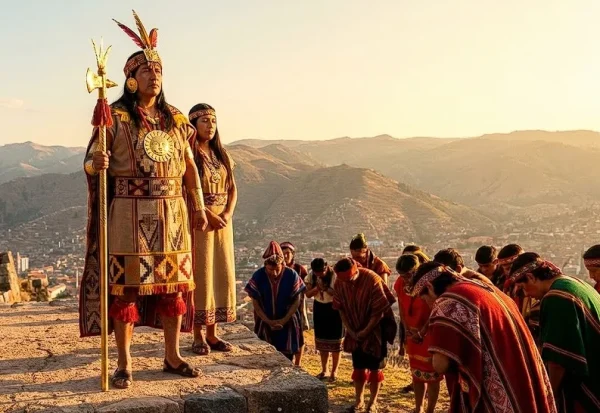
The daily life of the emperor of the Incas was defined by extreme opulence, strict ritual, and divine reverence. To describe the life of a Sapa Inca is to describe a living god on earth, known as the Intip Churin (Son of the Sun). The protocols surrounding him were rigid; even the highest nobles and subjects of the Inca emperor were not allowed to look him directly in the eye as a sign of absolute submission.

Movement was equally ritualized. The Emperor was carried in a magnificent golden litter (palanquin) lined with feathers and jewels. This was done so his feet would never touch the ground, as he was considered too sacred to walk on common soil. If a hair fell from his head or he spat, attendants would collect it to prevent it from falling into the hands of sorcerers who might use it for curses.

Description of Inca Emperor Clothing and Sacred Jewelry

Inca emperor clothing was not just fashion; it was a symbol of political and religious power. His tunic (uncu) was woven from the finest vicuña wool, known as cumbi. This fabric was softer than silk and considered more valuable than gold itself. Upon his head, he wore the ultimate symbol of kingship: a distinct headdress called the Mascapaicha. This royal fringe featured red wool and the rare black and white feathers of the Corequenque bird, serving as his crown.

Historical descriptions of Inca emperor jewelry mention massive gold ear spools so large that they stretched the earlobes, leading the Spanish to call the nobles orejones or "big ears." He also wore golden chest plates and heavy bracelets representing the sun.

Perhaps the most shocking display of wealth was that the Inca emperor never wore the same set of clothes twice. Once a garment was worn for a day, it was burned in a ceremonial fire to prevent impurities or sorcery, requiring a dedicated army of weavers just to clothe the king.

The Divine Role of the Emperor of Inca Sun God and Religious Advisors

As the Inca Emperor was the representative of the Sun God (Inti) on earth, the Sapa Inca served as the ultimate spiritual head of the state. His role went beyond politics; he presided over major religious festivals like Inti Raymi (Festival of the Sun), which is still reenacted in Cusco today. A common question is:
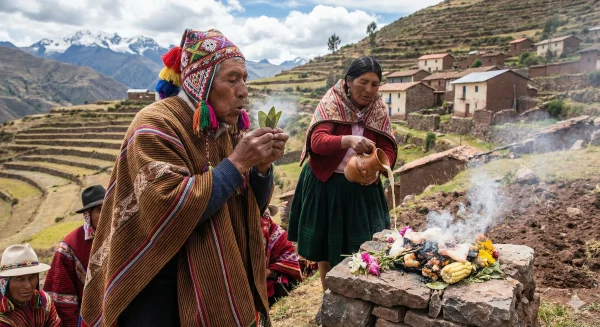
Did Inca emperors have advisors? Yes, absolutely. They relied heavily on the Willaq Umu (High Priest of the Sun), who was often a brother or close relative of the emperor. Additionally, the emperor governed with a council of nobles representing the four regions (suyus) of the empire.

The decisions of the Emperor of the Incas were rarely secular; they were often guided by divination, astronomy, and coca leaf readings performed by these religious elites. Before any military campaign or construction project, the priests would consult the huacas (sacred shrines) to ensure the cosmos remained in balance.

Pop Culture Myths and Is The Emperor's New Groove Inca Accurate

Modern audiences often get their first introduction to the Andes through Disney. But, is The Emperor's New Groove Inca accurate? While the movie is a beloved and entertaining classic, historians note that the Emperor's New Groove Inca setting is a loose pastiche of general "Latin American" tropes rather than a factual representation.

Visually, the Emperor's New Groove Inca culture references are heavily mixed with Mesoamerican elements. For example, the architecture in the film often resembles Mayan or Aztec pyramids with geometric reliefs, rather than the seamless, trapezoidal stonework characteristic of Inca architecture in Peru. Thus, the film creates a generic "ancient empire" aesthetic rather than a historically precise depiction of the Tawantinsuyu.

Comparisons Between the Inca Empire and The Emperor's New Groove Movie

When making comparisons between the Inca Empire and The Emperor's New Groove, there are indeed some correct elements: the heavy use of llamas as pack animals, the central importance of the sun imagery, and the steep, vertical geography of the Andean terrain. However, a deeper comparison between The Emperor's New Groove and the Inca Empire reveals linguistic nods that are accurate.

The protagonist's name, "Kuzco," is a direct phonetic reference to the city of Cusco (or Qosqo), which means "Navel of the World" in Quechua. Similarly, the peasant character "Pacha" derives his name from the Quechua word for "Earth," "World," or "Time" (as seen in Pachamama, Mother Earth). These "Easter eggs" show that the creators did some homework, even if the setting is stylized.

Historical Differences Between Real Emperors and the Cartoon Inca Emperor Kuzco

The Inca Emperor Kuzco in the movie is, naturally, a caricature designed for comedy. A real cartoon Inca emperor contrast becomes clear when looking at social hierarchy: a Sapa Inca would never dance casually or be disrespected by a peasant like Pacha without the latter facing severe, likely fatal, consequences. The Inca legal code was strict: Ama Sua, Ama Llulla, Ama Quella (Do not steal, do not lie, do not be lazy).

Is The Emperor's New Groove based on the Incas? Yes, visually and loosely in setting, but the personality of Kuzco does not reflect the stoic, god like nature of a real Sapa Inca. Real emperors like Pachacuti (the builder of Machu Picchu) were warrior kings who commanded absolute fear and reverence, far removed from the comedic, selfish antics of the film. Furthermore, there were no "poison labs" with levers in the Inca palaces; their power came from military might, road systems, and religious dogma, not mad science.

Show in Travel Guide (Home)
No

Inca Empire Religions and the Sacred Beliefs of the Andean Civilization

Submitted by admin on

Inca Empire religions formed a sophisticated theological system that integrated astronomy, agriculture, and statecraft into a unified worldview known as the Andean Cosmovision. The religion of Inca Empire was not merely a set of spiritual practices but the fundamental law of the land, dictating the social hierarchy where the Sapa Inca was worshipped as a living divinity.

Analyzing the Inca Empire religion reveals a structure deeply rooted in animism the belief that the natural world is alive combined with a state sponsored solar cult that unified the diverse cultures of the Andes under the worship of the Sun God, Inti.

Comprehensive Analysis on Whether Was the Inca Empire Polytheistic or Monotheistic

Image
Comprehensive-Analysis-on-Whether-Was-the-Inca-Empire-Polytheistic-or-Monotheistic

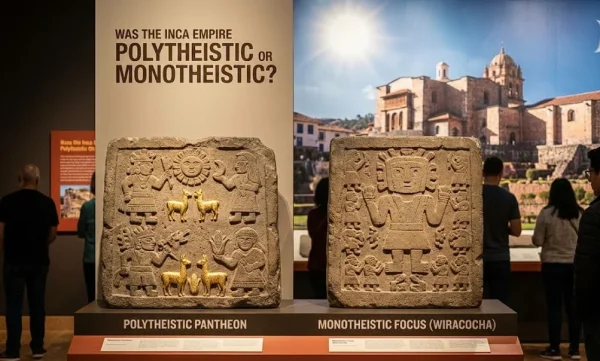
To answer the historical question was the Inca Empire polytheistic or monotheistic, scholars confirm that the civilization practiced a polytheistic system, worshipping a vast pantheon of nature deities. While some early chroniclers tried to draw parallels to Christianity, framing the Inca Empire monotheistic religion or polytheistic religion debate around the creator god Viracocha, the evidence clearly shows they honored multiple gods simultaneously.

Therefore, when defining what type of religion did the Inca Empire have, it is best classified as "Solar Polytheism" or Henotheism, where the Sun (Inti) was the supreme deity of the state, but he existed alongside the Moon, Stars, Thunder, and Earth, without denying their divine power.

Defining the Characteristics of Religion of the Inca Empire and Its Deities

The primary characteristics of religion of the Inca Empire were its intense connection to the landscape (sacred geography) and its rigid hierarchy which mirrored the empire’s political administration. When identifying what was the religion of the Inca Empire, we find a pantheon led by Viracocha (the abstract Creator), Inti (the Sun and father of the Inca), and Pachamama (Mother Earth), who governed agricultural fertility.

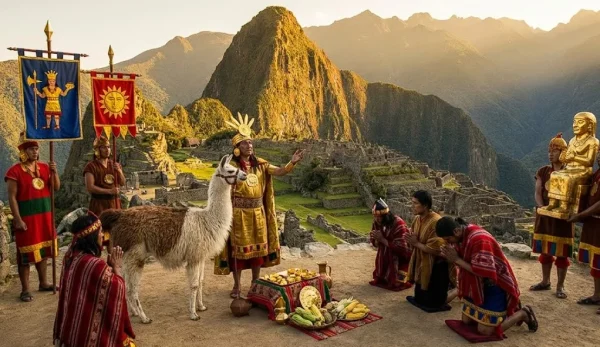
The ancient Inca Empire religion was transactional and reciprocal; humans provided offerings (Despachos) and sacrifices, and in return, the deities provided rain, sunshine, and protection, creating a cycle of mutual obligation known as Ayni.

The Concept of Duality and Inca Empire Religion Beliefs Regarding the Universe

Central to Inca Empire religion beliefs was the concept of Yanantin, or complementary duality, which viewed the universe as a balance of opposing forces (male/female, sun/moon, upper/lower).

Religion in the Inca Empire divided the cosmos into three distinct planes: Hanan Pacha (the World Above), Kay Pacha (This World), and Ukhu Pacha (the Underworld). Understanding what is the religion of the Inca Empire requires grasping this tripartite philosophy, where the Sapa Inca acted as the vital bridge connecting the celestial realm with the earth, ensuring cosmic order through his rituals.

Explain the Role of Religion in the Inca Empire Expansionism and Politics

Image
Explain-the-Role-of-Religion-in-the-Inca-Empire-Expansionism-and-Politics

To explain the role of religion in the Inca Empire, one must recognize that spiritual indoctrination was a strategic tool used to consolidate political power over newly acquired territories. In the context of religion and empire the dynamics of Aztec and Inca expansionism, the Incas differed by using religion to integrate rather than just terrorize; they presented the Inca Emperor as the benevolent son of the Sun, making submission to him a spiritual duty.

The Empire Inca religion functioned as an imperial ideology, where the construction of a Sun Temple in a conquered province symbolized the physical and spiritual presence of Cusco, legitimized by divine mandate.

How the Inca Empire Let Conquered People to Practice Their Own Religion

Strategically, the Inca Empire let conquered people to practice their own religion, permitting them to retain their local gods and shrines as long as they accepted the supremacy of Inti, the Sun God. This policy of religious tolerance helped the Inca Empire get conquered people to practice their own religion alongside the state cult, effectively reducing the likelihood of rebellion driven by spiritual suppression.

As a result, Inca Empire religion and culture became a blend of official state theology and local folk traditions, where regional idols were often brought to Cusco’s Coricancha temple, ostensibly as "guests" but effectively as hostages to ensure the loyalty of their devotees.

Historical Debate on Whether the Inca Empire Forced Religion on Conquered People

Despite their tolerance, the Inca Empire forced religion on its subjects in the sense that worship of the Sun and the Emperor was mandatory for all citizens, creating a layer of state obligation above local beliefs. Through a system of Inca Empire reeducation forced religion tactics, the children of provincial chieftains were taken to Cusco to be raised in the imperial court, learning the rites of the Sun to ensure they would govern as culturally Inca leaders.

Thus, the Inca Empire re education forced religion conquered people to align with the central administration’s worldview, ensuring that the "children of the sun" narrative replaced local creation myths over generations.

The Relationship Between Art and Religion in the Inca Empire

Image
The-Relationship-Between-Art-and-Religion-in-the-Inca-Empire

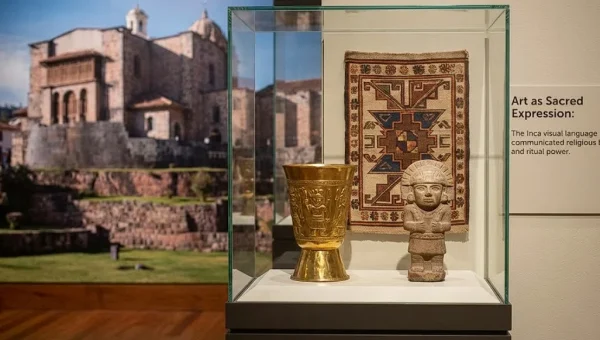
The relationship between art and religion in the Inca Empire was inseparable, as art served as the medium through which the sacred was made visible and tangible. Art and religion in Inca Empire society dictated that precious metals were not currency but divine substances; gold was the "sweat of the sun" and silver the "tears of the moon."

Consequently, art and religion in the Inca Empire resulted in the creation of magnificent temples like the Coricancha, which was literally sheathed in gold plates, transforming architecture into a direct act of worship and a reflection of divine brilliance.

Sacred Objects and Inca Empire Religion Artifacts Used in Ceremonies

Inca Empire religion artifacts were vital tools for mediation between humans and the divine, including the Kero (ceremonial wooden cup) used for ritual toasts of Chicha beer. These Inca Empire religion and gods were also honored through Huacas sacred objects that could be anything from a carved stone amulet (Conopa) to a mummified ancestor (Mallqui).

In the study of Inca Empire religion/ god worship, these artifacts were treated as living entities that had to be fed, clothed, and consulted, serving as the physical vessels for spiritual power during ceremonies.

How Were Animals Used in Religion of the Inca Empire for Sacrifices

To understand how were animals used in religion of the Inca Empire, historical records show that the Llama and the Alpaca were the primary sacrificial offerings used to appease the gods and predict the future.

Inca Empire religion and animals shared a deep bond; priests would sacrifice domesticated camelids daily in Cusco, examining their lungs and hearts to divine the outcome of wars or harvests. White llamas were often dedicated to the Sun, while black llamas were offered to thunder or earth deities, symbolizing the purification of the community through the animal's life force.

Educational Resources on Inca Empire Religion for Kids and Students

Image
Educational-Resources-on-Inca-Empire-Religion-for-Kid

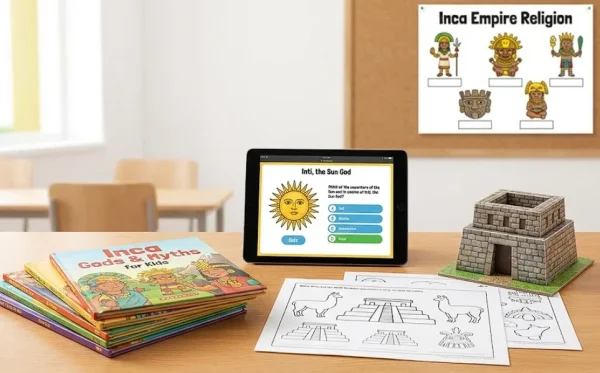
Teaching Inca Empire religion for kids involves simplifying complex cosmologies into engaging narratives about the "Children of the Sun" and their respect for nature. Resources that cover Inca Empire for kids mythology and religion ducksters style often focus on the founding legends of Manco Cápac rising from Lake Titicaca.

When explaining religion children of the sun the Inca Empire for kids, it is effective to highlight the Inti Raymi festival and how the Incas saw shapes in the Milky Way (like the Llama and the Toad), helping young students connect the ancient beliefs with the visible night sky.

Summary of What Religion Did the Inca Empire Practice for School Projects

For students asking what religion did the Inca Empire practice, the most accurate summary is a polytheistic solar religion that incorporated ancestor worship and animism. When researching what religion was the Inca Empire, it is crucial to understand it was a state imposed system designed to unify the Andes under the Sapa Inca.

Although there is no single native Inca Empire religion name, it is academically referred to as the Andean Cosmovision, a belief system where every mountain, river, and stone was imbued with spiritual significance and required respect.

The Connection Between Inca Empire Religion and Education of the Elite

The Inca Empire religion and education were deeply intertwined within the Yachaywasi ("House of Knowledge"), where the male nobility was trained by Amautas (philosopher-scholars). Looking at Inca Empire religion in 1500, the priesthood acted as the guardians of knowledge, teaching astronomy, history, and ritual law to the future administrators of the realm.

To understand what is the religion and culture of Inca Empire, one must see that the elite were educated to read the sky as a calendar, ensuring that religious festivals coincided perfectly with the agricultural seasons that sustained the empire.

Show in Travel Guide (Home)
No

Is It Inca or Inka The True History and Correct Spelling Explained

Submitted by admin on

When diving into the fascinating history of South America, you will quickly notice a common spelling inconsistency. If you are wondering exactly is it inca or inka, the short answer is that both are pronounced exactly the same ("EEN-kah"). However, "Inca" with a "C" is the traditional Spanish and English spelling, while "Inka" with a "K" is the authentic indigenous Quechua spelling, it is spelled and pronounced “Inca”.

While both versions refer to the exact same ancient empire that once ruled the Andes, they carry completely different historical and cultural meanings. Whether you read about the inca or inka civilization in textbooks or see it in museums, understanding the reason behind this simple letter change gives you a much deeper appreciation for native Andean culture.

Let's dive straight into history and settle the inka or inca debate right now so you know the true origins behind the word and why local communities highly prefer using the "K" today.
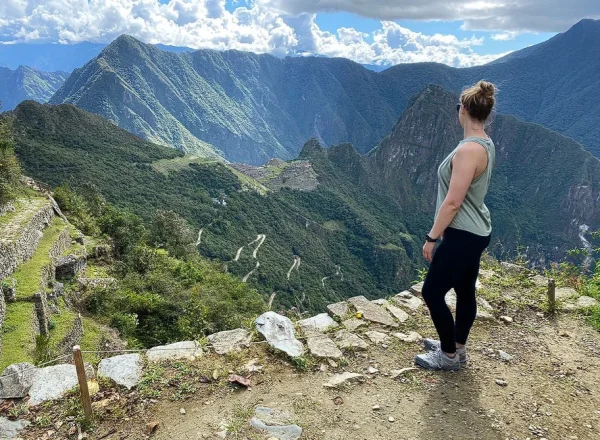
Is It Inka or Inca The Quick Answer to the Historic Spelling Debate

Both spellings are technically correct depending on the language you are using, but one is culturally preferred. When people ask is it inka or inca, the answer comes down to colonial history versus modern indigenous identity.

The spelling with a "C" is the traditional Spanish and English adaptation, while the spelling with a "K" is the authentic Quechua spelling. If you are still wondering is it inca or inka, knowing the background will help you understand why local Peruvian guides and native communities heavily prefer using the "K" today. Let's break down how this inca or inka split actually happened.

Why the Spanish Conquistadors Used the C in Early Chronicles

Image
Spaniards-showing-books-to-the-Incas

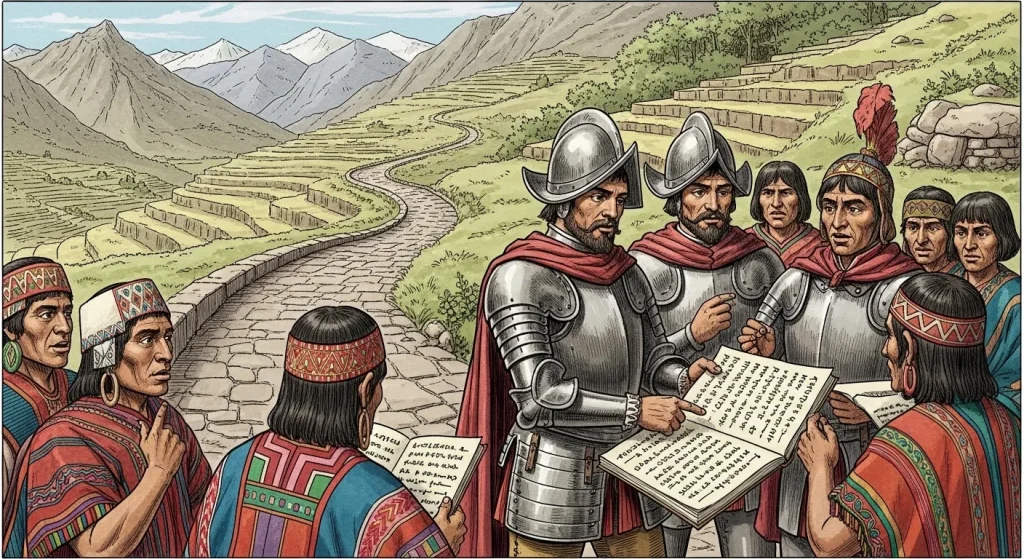
When the Spanish arrived in the Andes in the 1530s, the native Quechua language was entirely spoken. There was no written alphabet. The Spanish chroniclers had to write down the sounds they were hearing using their own linguistic rules. In Spanish, the hard "K" sound is often written with a "C" or "QU".

Because of this, they documented the empire as "Inca." This version stuck for centuries in history books, which is why most of the world still questions whether it is inca or inka. For hundreds of years, the inka or inca debate did not exist because the Spanish spelling was the only one officially printed and taught in schools.

The Modern Quechua Alphabet and the Cultural Return of the Letter K

Image
The-Quechua-alphabet-today

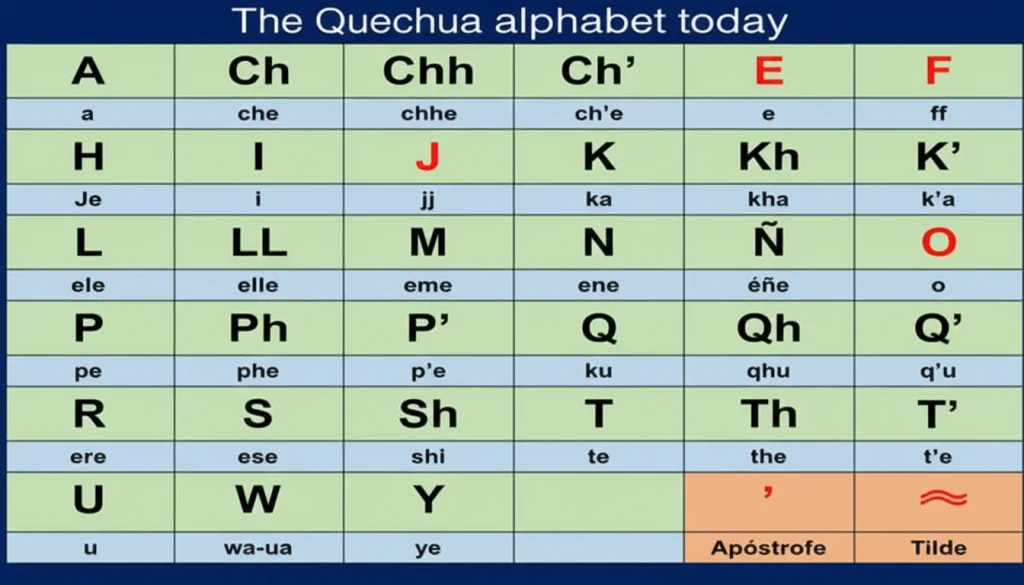
In the late 20th century, linguists and indigenous leaders worked to standardize the written Quechua alphabet. They determined that the letter "K" represents the authentic, hard phonetic sound of the native tongue much better than the Spanish "C".

So, is it inka or inca in the official Quechua dictionary? It is definitely with a "K". This shift was not just about grammar; it was a massive cultural movement to reclaim their indigenous identity. When travelers ask is it inca or inka today, locals proudly point to the "K" as a symbol of cultural resistance and historical accuracy.

Exploring the Inca or Inka Society Structure and Daily Andean Life

Image
society of the Inca Empire

Beyond the spelling, understanding the actual inca or inka society is what makes visiting places like Machu Picchu and the Sacred Valley so fascinating. This was the largest empire in pre Columbian America, built entirely without the wheel, iron tools, or a written language.

No matter if you read about the inca or inka, their incredibly organized social structure is what allowed them to conquer the harsh Andean mountains, engineer massive stone cities, and successfully feed millions of citizens.

The Supreme Role of the Sapa Inka Over the Vast South American Territory

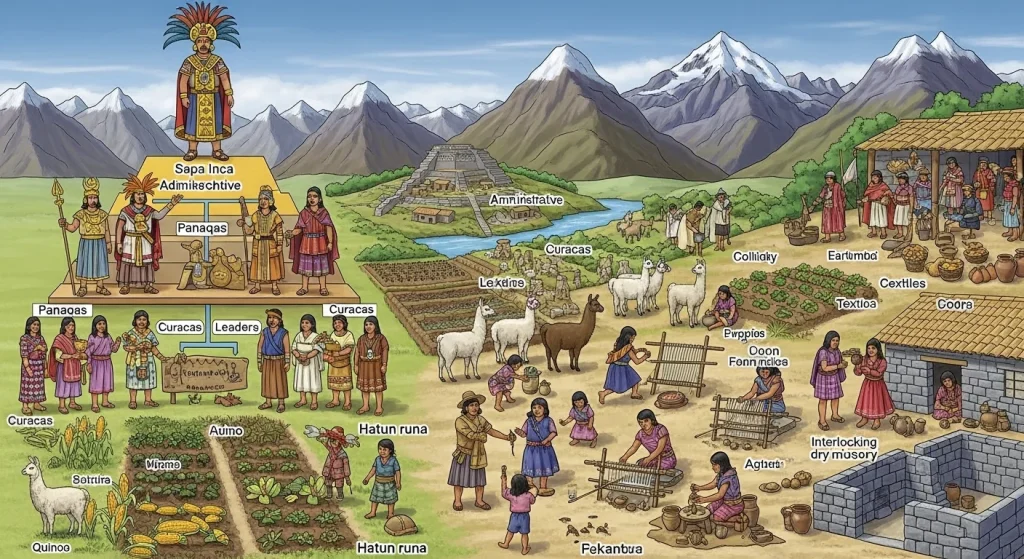
At the very top of the inca or inka society was the Sapa Inka, the supreme emperor. He was not just a political king; he was worshipped as the direct living descendant of the Sun God.

When you read through the inka or inca history, you learn that his word was absolute law. He controlled a massive territory called the Tawantinsuyu, stretching from modern day Colombia all the way down to Chile, keeping it all connected by a genius network of stone roads.

Social Classes Agriculture and Organization Within the Inca or Inka Society

The daily life of the inca or inka society was strictly organized into social classes. Below the royal family and the high priests were the commoners, who paid their taxes not with money, but with physical labor.

This community labor system, called "Ayni" and "Mita," built the massive agricultural terraces you will tour today. Whether you search for the history of the inca or inka, their ability to organize farming at high altitudes remains one of their greatest and most visible achievements.

Inka or Inca Which Word Should Travelers Use When Visiting Peru

Image
A tourist wondering how to say “Inca” or “Inka”

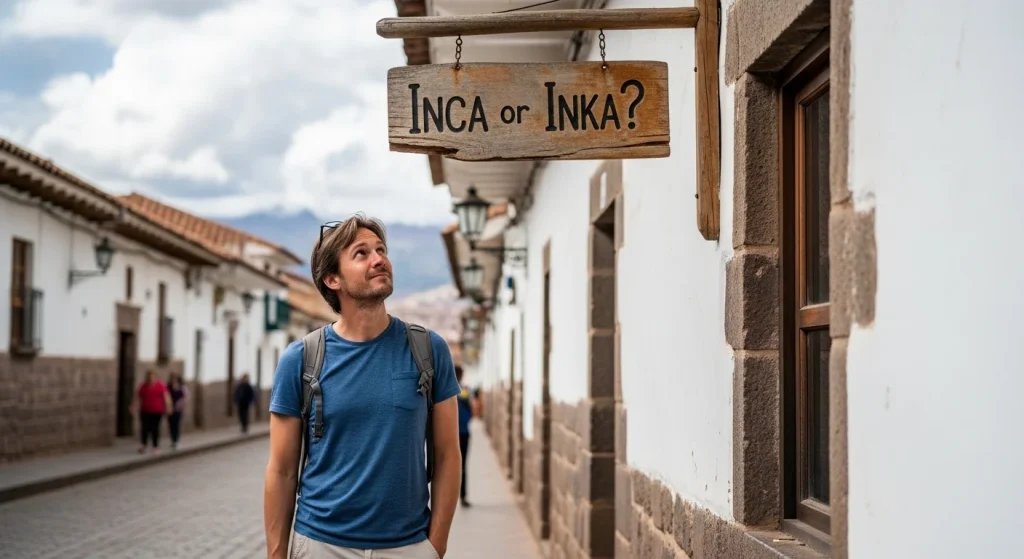
As you book your train tickets, hotels, and guided tours, you will see both words used constantly. You might buy an "Inca Rail" train ticket but then book a tour on the classic "Inka Trail."

So, inka or inca, which one should you actually use when speaking to locals? Both are universally understood, but choosing the right one shows that you have done your homework. Using inca or inka correctly is a simple but great way to show respect to your guides and the local communities you visit.

How Locals Pronounce and Write the Word in Historic Cusco Today

In terms of speaking, the pronunciation is exactly the same: "EEN-kah." But when writing, you will notice a massive shift as you walk around Cusco. If you ask a local guide, is it inka or inca, they will almost always write it out with a "K".

Many local businesses, native tour agencies, and official government signs in Cusco have officially switched to the Quechua spelling. You will see inca or inka used interchangeably on tourist restaurant menus, but the "K" is the undisputed local favorite.

Understanding the Cultural Identity and Respect Behind the Spelling Choice

Ultimately, knowing if is it inca or inka comes down to showing respect for the indigenous roots of the Andes. Using the "K" directly acknowledges the original Quechua language over the colonial Spanish adaptation.

While nobody will be offended if you use the "C" (as it is still standard in English dictionaries), choosing the inka or inca spelling with a "K" shows your tour guides that you respect their heritage and are making a real effort to connect with the authentic culture of Peru.

Show in Travel Guide (Home)
No

Inca Poems and the Literary Legacy of the Andean Empire

Submitted by admin on

The literary history of the Andes is often misunderstood because the civilization did not use a traditional alphabet like the Europeans. However inca poetry was a vibrant and essential part of their culture. It was transmitted orally from generation to generation through the Quechua language which is known for its emotional depth and expressive capability.

Scholars today study these inca poems to understand the worldview of a people who conquered a continent without writing a single word on paper. The legacy of this oral tradition survives today in the songs and folklore of the Peruvian highlands.

When we analyze inca poems we discover that they were not just artistic expressions but functional tools for preserving history and religious beliefs. The poets of the empire known as Haravicus had the responsibility of memorizing thousands of verses.

Inca poetry covered every aspect of life from the intimate sorrow of unrequited love to the thunderous chants of military victory. This guide explores the different genres of this ancient literature and explains how the Quechua verses provide a window into the soul of the Andean man and woman.

Image
Nature-Imagery-and-Agricultural-Vine-Poems-in-Quechua

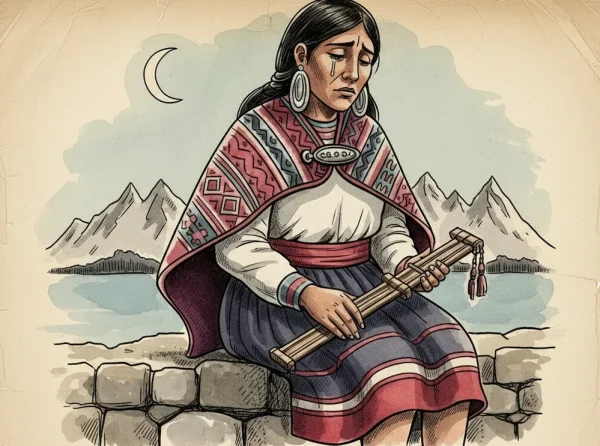
Romantic Inca Poems or Harawis About Love and Loss

Image
Romantic-Inca-Poems-or-Harawis-About-Love-and-Loss

The Harawi is the most famous genre of inca poetry. It focuses on themes of melancholy love distance and the pain of separation. Unlike the epic verses that celebrate kings the inca poems in the Harawi style are intimate and personal. They often use nature metaphors to describe the feelings of the lover.

The inca full form of emotional expression is found in these verses which later evolved into the mestizo musical genre known as the Yaraví. Critics of inca poetry note that the sadness in these verses is profound. The concept of love in the Andes was often linked to suffering or "khuyay" which implies a mix of passion and compassion.

The inca poems belonging to this category do not shy away from the reality of heartbreak. When studying the inca full form of the Harawi we see that it was usually sung in a high register accompanied by the mournful sound of the quena flute. It represents the private voice of the individual within a highly collective society.

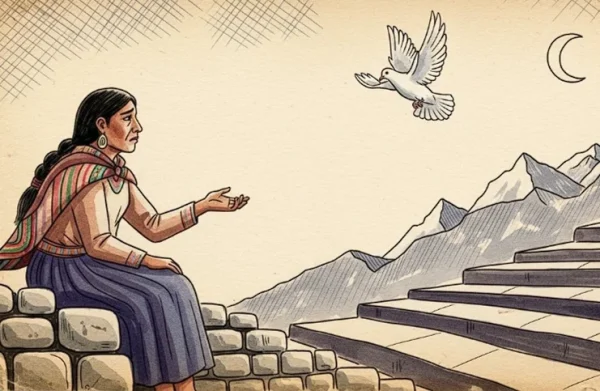
The Famous Quechua Poem Urpi Which Means The Dove

Image
The-Famous-Quechua-Poem-Urpi-Which-Means-The-Dove

One of the most recurring symbols in inca poetry is the "Urpi" or dove. In the Andean worldview the dove represents the wandering lover or the beloved woman who is elusive. The inca poems dedicated to the Urpi often describe the bird flying away leaving the poet in solitude.

This metaphor is powerful because it connects human emotion with the natural world. The inca poetry regarding the Urpi is tender and delicate. The poet asks the dove not to fly over the mountains or to return to the nest. These inca poems are still recited today in rural communities.

The image of the dove captures the essence of fleeting beauty and the fragility of romantic relationships. It is a testament to how the Incas used simple observation of nature to explain complex emotional states.

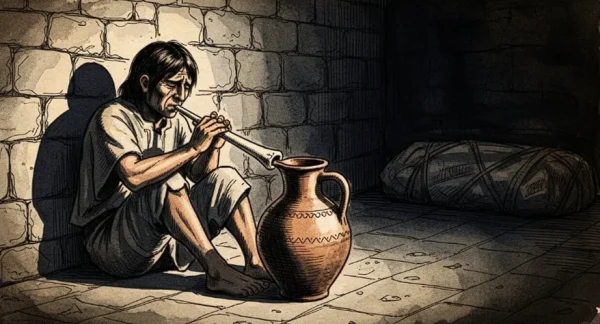
The Tragic Love Story in the Poem Manchay Puito

Image
The-Tragic-Love-Story-in-the-Poem-Manchay-Puito

The Manchay Puito is perhaps the darkest and most intense example of inca poems. The title translates roughly to "Terrifying Hell" or "Pot of Terror" and refers to a legend of a lover who could not accept the death of his beloved. In the realm of inca poetry this narrative stands out for its gothic elements.

The story tells of a priest or a noble who digs up the body of his lover and plays a flute made from her bone to stay connected to her soul. This piece of inca poetry illustrates the desperate side of Quechua literature. It is not just about sadness but about madness driven by grief.

The inca poems within this tradition serve as a warning about the dangers of excessive attachment. The melody associated with the Manchay Puito was forbidden in some areas because it was believed to be so sad that it could cause death or summon spirits.

The Verse of the Separated Lover in the Harawi Tradition

Image
The-Verse-of-the-Separated-Lover-in-the-Harawi-Tradition

The core theme of the Harawi inca poetry is the "Ayataqui" or the song of the dead but it is also the song of the distance. The separated lover is a stock character in inca poems. The verses describe the physical geography that separates the couple.

Mountains rivers and valleys become obstacles that the poet laments. In these inca poems the lover often asks the elements to carry a message. The wind or the river becomes a messenger. This demonstrates the animistic view of the world found in inca poetry.

Everything is alive and can help or hinder the lovers. The pain expressed is raw and honest making the Harawi a timeless genre that resonates even with modern readers who have experienced long distance relationships.

War Poems and Heroic Victory Songs Known as Hayllis

In contrast to the sad Harawi the Haylli represents the triumphant side of the culture. People often ask is it inca or incan when referring to these songs. Grammatically "Inca" is the noun and "Incan" is the adjective but scholars prefer using Inca for both. The inca full form of military celebration is encapsulated in the Haylli.

These were choral songs performed by the army and the community to celebrate a victory in battle or a successful harvest. The Haylli was a collective expression of joy. While the Harawi was for the individual the Haylli was for the state. When discussing is it inca or incan literature the Haylli is the genre that served the political interests of the empire.

The inca full form of the Sapa Inca was glorified in these verses. They were loud rhythmic and often accompanied by drums and dancing. This duality between the sad Harawi and the joyous Haylli shows the balance or "Yanantin" in Andean life.

The Haylli Dedicated to the Triumph Over the Enemies

Image
The-Haylli-Dedicated-to-the-Triumph-Over-the-Enemies

The military Haylli was designed to boost morale. These inca poems recounted the bravery of the soldiers and the strategic genius of the generals. When asking is it inca or incan history we must look at these oral records. They functioned as propaganda ensuring that the population knew about the expansion of the empire.

The lyrics of these inca poems often mocked the defeated enemy and praised the protection of the Sun God. They were performed in the main plaza of Cusco upon the return of the army. The structure of the poem often involved a call and response between the men and the women making it a participatory event.

Chants Celebrating the Power of the Sapa Inca Warrior

The ruler was the central figure in inca poetry related to war. The inca full form of his title was "Sapa Inca" or "The Only Inca" and the poems elevated him to a divine status. The chants described him not just as a king but as a force of nature. His anger was like thunder and his mercy like the rain.

These inca poems were carefully composed by the court poets. They ensured that the legacy of the ruler was preserved. In a society without writing the inca poetry acted as the history book. By memorizing these chants the people learned the genealogy and the deeds of their leaders ensuring that the inca full form of their authority was respected across the four regions of the Tawantinsuyu.

Sacred Verses Dedicated to the 3 Inca Gods Viracocha Inti and Pachamama

Religion was the foundation of the state and inca poetry was the language of prayer. The 3 inca gods that appear most frequently in the sacred verses are Viracocha the creator Inti the sun and Pachamama the earth. These poems are distinct from the Harawi and Haylli because they are solemn and reverent.

They were usually recited by the High Priest during major festivals like Inti Raymi. The inca poetry directed at the divine is complex. It uses high theology and philosophical concepts. The poets asked the 3 inca gods for order balance and sustenance. These verses reveal that the Incas were not just sun worshippers but had a sophisticated understanding of the cosmos and the invisible forces that govern the universe.

The Prayer to Viracocha Lord of the Universe or Apu Kon Titi Wiraqucha

Viracocha is the abstract creator figure in the Andean pantheon. The inca poems dedicated to him are among the most beautiful and philosophical. He is often addressed as "Apu Kon Titi Wiraqucha." In these verses the 3 inca gods hierarchy places Viracocha at the very top as the source of all power.

One famous prayer asks Viracocha to let the sun and moon remain young and to keep the world from falling into chaos. This inca poetry shows a fear of the universe ending. The language used is formal and archaic. It reflects a deep desire for stability and permanence. The inca poems to Viracocha are less about asking for favors and more about acknowledging his supreme authority over existence.

Salutation to the Sun God Inti for Protection and Strength

Inti was the visible patron of the empire. The inca poetry dedicated to the Sun is filled with gratitude. The verses thank Inti for the warmth that allows crops to grow. Among the 3 inca gods Inti was the most politically important because the Sapa Inca claimed to be his son. The inca poems for Inti were recited at dawn.

They ask for "heat and light" and for the protection of the royal family. The imagery in this inca poetry focuses on gold brilliance and energy. It is a celebration of life and vitality connecting the celestial body directly to the prosperity of the human realm.

Devotional Verses to Mother Earth or Pachamama for the Harvest

Pachamama is the deity closest to the common people. The vine poems and agricultural chants are often directed at her. While Viracocha is distant Pachamama is present in the soil. The 3 inca gods triad is completed by her feminine energy. The verses ask for permission to break the ground and plant the seeds.

These vine poems or nature verses describe the earth as a mother who nurses her children. The inca poetry for Pachamama is humble. It acknowledges that humans are dependent on her generosity. The rituals involving these poems often include offerings of coca leaves and chicha showing the reciprocal relationship between the Andean people and their environment.

Nature Imagery and Agricultural Vine Poems in Quechua

Image
Nature-Imagery-and-Agricultural-Vine-Poems-in-Quechua

The Quechua language is inherently connected to the landscape. Inca poetry is saturated with references to water stone plants and animals. The term vine poems refers to the verses that describe the growth of plants and the entanglement of nature. The Incas saw the world as a living organism and their literature reflects this biological connection.

In these vine poems the growth of corn or potatoes is treated with the same reverence as the birth of a child. Inca poetry does not separate man from nature. The metaphor of the vine climbing the wall represents the connection between the earth and the sky. These poems were utilitarian as well helping farmers remember the timing for planting and harvesting.

The Beautiful Legend of the Rain Princess in the Poem Sumaq Ñusta

One of the most preserved inca poems is "Sumaq Ñusta" or "Beautiful Princess." It tells the story of a princess in the sky whose brother breaks her water jug causing thunder and rain. This fits into the category of vine poems because it explains the irrigation from the heavens that allows the vines and crops to grow.

The inca poems like Sumaq Ñusta served as meteorological myths. They explained weather phenomena through narrative. The poetry is lyrical and soft mimicking the sound of falling rain. It is a prime example of how vine poems and nature myths were used to educate the population about the water cycle in the Andes.

Songs for the Corn Planting Season and Vine Poems

Corn or Sara was a sacred crop. The vine poems dedicated to the planting season are rhythmic to match the work of the hoe. Inca poetry was often functional. People sang while they worked to keep the rhythm and make the labor lighter. These vine poems celebrate the "Mama Sara" or Mother Corn.

They describe the green shoots rising from the earth. The imagery is vibrant and green. The inca poems for planting are optimistic full of hope for a bountiful future. They remind the workers that their labor is a sacred duty to sustain the community and honor the gods.

Famous Elegies and Historical Poems of the Incas

Image
Famous-Elegies-and-Historical-Poems-of-the-Incas

The Incas used poetry to remember the past. Since they had no writing people often ask what is quipus from the inca and how it related to literature. The Quipu was a system of knots used for accounting but the "Amautas" or wise men used them as mnemonic devices to recite historical inca poems.

These elegies recorded the lives and deaths of the kings. The historical inca poetry was serious and factual but often embellished with mythological elements. When a king died the poets composed elegies to mourn his passing and celebrate his achievements. Understanding what is quipus from the inca helps us appreciate the complexity of this oral library where a knot could represent a battle or a year of reign.

The Elegy Apu Inca Atawallpaman Mourning the Death of the Emperor

The most famous elegy is "Apu Inca Atawallpaman" which mourns the death of Atahualpa the last emperor executed by the Spanish. This piece of inca poetry is heartbreaking. It describes the sun turning black and the earth refusing to bear fruit. The inca poems written after the conquest are filled with apocalyptic imagery.

This elegy marks the end of an era. It uses the structure of the traditional Harawi but applies it to the death of the empire itself. The inca poems from this period capture the trauma of the collision between two worlds. They are essential for understanding the indigenous perspective of the conquest.

How These Stories Were Preserved via What Is Quipus from the Inca

To answer what is quipus from the inca we must look at the "Quipucamayoc" or the keeper of the knots. These specialists used the cords to trigger their memory. While the knots recorded numbers the texture and color could help them recall specific inca poems or historical events.

The inca full form of recording history was a combination of tactile data and oral performance. The what is quipus from the inca system was unique in the world. It allowed the administration to keep track of tribute and the poets to keep track of verses. Unfortunately many Quipus were destroyed by the Spanish who thought they were unholy. This loss makes the surviving oral inca full form of poetry even more valuable as a link to the past.

Educational Activities and 8 Inca Facts for Students

Image
Educational-Activities-and-8-Inca-Facts-for-Students

Teaching inca poetry in the classroom is a great way to connect history with literature. We have compiled 8 inca facts that highlight the ingenuity of this civilization and we explore them in detail below.

8 Inca Facts About How They Memorized Poetry Without Writing

These facts demonstrate how the inca full form of communication thrived without the written word.

Fact 1 The Role of the Amautas as Philosophers

The Amautas were the wise men and teachers of the empire. They were responsible for composing and preserving the inca poems. Unlike common citizens they were educated in the "Yachaywasi" or House of Knowledge. They ensured that the 8 inca facts about history were passed down accurately.

Fact 2 The Quipu as a Mnemonic Device

The question of what is quipus from the inca answers how they stored data. While mostly for numbers specific colors and knot positions helped the poets remember the structure of a narrative. This tactile memory aid was crucial for reciting long epic inca poems.

Fact 3 The Importance of Repetition and Rhythm

Oral societies rely on rhythm. The inca full form of poetry used repetitive stanzas to make memorization easier. By chanting the inca poems to a steady beat the brain could retain thousands of lines without effort.

Fact 4 Music as a Companion to Verse

Inca poetry was almost always sung. The melody acted as the glue for the words. Instruments like the tinyas (drums) and quenas (flutes) provided the background for the 8 inca facts of their history to be performed rather than just spoken.

Fact 5 Oral Tradition and State Control

The state controlled the narrative. The inca poems recited in public were approved by the Sapa Inca. This ensured that the inca full form of the official history was consistent across the empire preventing rebellion through propaganda.

Fact 6 Quechua Language Structure

Quechua is an agglutinative language meaning words are built by adding suffixes. This feature made it easy to create rhymes and meters in inca poetry. The structure of the language itself facilitated the creation of complex vine poems.

Fact 7 The Yanantin or Duality in Poetry

Inca thought is based on duality. Inca poems often pair opposites like male and female or sun and moon. This reflects the balance of the universe. The 8 inca facts about their philosophy show that poetry was a way to harmonize the world.

Fact 8 Punishment for Historical Inaccuracy

Reciting history was a serious duty. If an official poet made a mistake or changed the inca full form of a historical event they could face severe punishment. Accuracy in inca poetry was a matter of state security.

Step by Step Guide on How to Write an Inca Acrostic Poem

Writing an inca acrostic poem is a simple way to apply this knowledge.

Choosing Your Core Word

First select a word related to the Andean world. Common choices for an inca acrostic poem include INCA CUSCO or LLAMA. Write these letters vertically on a page.

Brainstorming Themes and Vocabulary

Next think of words associated with inca poems. Use terms like "Sun" "Gold" "Mountains" or "Empire". This step helps you connect the letters to the 8 inca facts you have learned.

Constructing the Verses

Finally create a sentence starting with each letter. For example I is for Inti. N is for Nature. C is for Civilization. A is for Andes. This inca acrostic poem exercise encourages creativity and helps retain the information about the inca poetry tradition.

Show in Travel Guide (Home)
No

Inca Quipus Definition in World History

Submitted by admin on

The Inca quipus represent one of the most sophisticated intellectual achievements in world history. While ancient civilizations in Mesopotamia and Egypt developed cuneiform and hieroglyphs, the Inca Empire (Tahuantinsuyo) engineered a portable, tactile, and three dimensional system for recording data. For travelers exploring the Andes with Machu Picchu Tours, understanding the Inca quipus definition is the key to unlocking how a civilization managed over 10 million people across rugged terrain without a single drop of ink.

The Inca quipus world history definition refers to a complex device made of cotton or camelid fiber strings used for collecting data and keeping records. However, describing them merely as "knots" is a vast oversimplification. They were the "hard drives" of the ancient Andes, capable of storing complex statistical data and, as recent studies suggest, narrative information that historians are just beginning to decode. Inca quipus were the technological backbone that allowed the empire to function with precision.

Image
Historical-Context-and-Where-to-Find-Quipus-in-Museums-Today

Understanding the Meaning of Quipus Inca and Its Role in the Empire

Image
Understanding-the-Meaning

To truly grasp the Inca quipus definition, one must look at the etymology. The word comes from the Quechua khipu, simply meaning "knot." But functionally, the quipus were the central nervous system of imperial administration.

The geography of the Andes is vertical and unforgiving. Stone tablets were too heavy to transport across thousands of kilometers of Inca roads (Qhapaq Ñan). Historical Inca quipus information confirms that these devices were designed for portability. A quipu consists of a primary cord (the spine) from which hang pendant cords (the data). These pendant cords could have subsidiary cords attached, creating a "tree" of information that allowed for detailed categorization of data.

What is an Inca quipu? Beyond a recording tool, it was an instrument of state power. It allowed the Sapa Inca in Cusco to know exactly how much corn was produced in the Sacred Valley or how many soldiers were available in Quito, ensuring the efficient distribution of resources across the empire.

Inca Quipus Simple Definition: World History for Elementary Students

Image
Inca-Quipus-Simple-Definition

For younger learners or those new to Andean history, the Inca quipus simple definition in world history can be best described as an ancient "soft computer." Imagine a system similar to a modern Excel spreadsheet, but instead of digital cells, it is constructed from wool and cotton.

Instead of typing numbers into columns on a screen, the Incas tied specific knots on hanging strings to "save" their data. When teachers and students search for Inca quipus videos for elementary students, they often see them described as "talking knots."

But what is quipus from the Inca exactly? It is a sophisticated device where the vertical position of a knot determines its value (ones, tens, hundreds), and the specific color of the string identifies the object being counted yellow for corn, white for silver, or red for soldiers.

It was a brilliant, lightweight engineering solution to a complex problem: how to manage a massive empire's data without a written alphabet.

Defining What Is a Quipus Inca and Its Origin in the Andes

When defining what an Inca quipu is, we must acknowledge its deep ancient roots. The meaning of Inca quipus transcends the short period of the Inca Empire itself. While the name quipus inca is derived from the Quechua word for "knot" and is specific to the empire that ruled from 1400 – 1532 AD, the technology is actually thousands of years older.

The scholarly definition of Inca quipus implies a system of mnemonics (memory aids) and statistical recording. However, archaeologists have discovered "proto quipus" in the civilization of Caral (dating back to 2600 BCE, contemporary with the Pyramids of Giza) and more complex, colorful versions in the Wari culture.

This historical context proves that the Inca quipus were not a sudden invention, but the perfection of a 4,000 year old Andean technological tradition that valued textile engineering over stone tablets.

What Kinds of Information Did the Inca Record on Quipus Strings?

Image
What-Kinds-of-Information-Did-the-Inca-Record

A frequent and fascinating question from our travelers at Machu Picchu Tours is: what kinds of information did the Inca record on quipus? The answer reveals the inner workings of a highly planned, moneyless economy that spanned almost the entire South American continent. The Inca kept records by using quipus to track two distinct categories of data: quantitative (statistical numbers) and qualitative (identifiers and categories).

According to Spanish chroniclers and modern Inca quipus information, these devices were the administrative backbone of the empire, recording:

  • Agricultural Inventory: They tracked exact measures of freeze dried potatoes (chuño), corn, and quinoa stored in the thousands of state warehouses (Qolqas) along the Inca Trail. This ensured the army and population could be fed anywhere, anytime.

  • Livestock Management: Detailed censuses of state owned llama and alpaca herds, categorized specifically by age, sex, and wool color to manage breeding and textile production.

  • Demographics and Census: The strings recorded births, deaths, and marriages within each Ayllu (local community), allowing the state to know the exact available workforce in every valley.

  • Labor Tax Obligations: The precise hours of work owed by each citizen to the state, and credit for work already completed.

  • Astronomy and History: Specialized quipus recorded calendars based on the movement of the sun and moon, and potentially historical narratives regarding the lineage of the Emperors.

The Incas Used Quipus To Track Census Data and Taxes

The Incas used quipus to manage the Mita, a mandatory public service system that functioned as the economic engine of the empire. Since the Andean civilization did not utilize currency or market trade, human labor was the currency. Why did the Incas use quipus for this purpose? To ensure absolute fairness and reciprocity.

The state needed a precise method to track which citizens had already fulfilled their labor duty whether building suspension bridges, farming state lands, or serving in the army and who still owed time to the Emperor. The quipu acted as an irrefutable ledger of these transactions. What was the purpose of the Inca quipus in this bureaucratic context? It was primarily for resource redistribution and disaster management.

If a province suffered a drought or crop failure, the local quipus would immediately show a statistical deficit in production. This data would travel to Cusco, prompting the state to unlock the storehouses (Qolqas) and send food aid from other regions. This precise accounting is the primary reason why famine was virtually unknown in the empire before the Spanish arrival.

The Quipucamayoc: Who Had a System of Accountability Called Quipus Incas?

The specific official who had a system of accountability called Inca quipus was known as the Quipucamayoc (Keeper of the Knots). These individuals were not simple scribes; they were a specialized class of accountants and historians, often nobles, who were rigorously educated in the Yachaywasi (House of Knowledge) in Cusco to master the complex code of knots and colors.

In the critical relationship between the Incas and the quipus, the Quipucamayoc held the "keys to the kingdom." What were quipus used for in the Inca civilization regarding accountability? They were the primary tool for state auditing. The Emperor sent high ranking inspectors known as Tukriq to verify regional data.

They would compare the physical inventory of a storehouse against the knots on the Quipucamayoc's cords. If the numbers did not match, the punishment for the local administrator could be severe, including death. This strict system ensured data integrity across the vast Andes.

The Debate on Ancient Writing Systems: The Quipus and The Quilca

Image
The-Debate-on-Ancient-Writing-Systems

There is a fascinating and ongoing academic debate regarding Inca writing, the quipus, and the quilca. For centuries, history books claimed the Incas were illiterate because they had no alphabet. However, modern anthropologists are re evaluating this claim, asking: Did the Incas really lack writing, or did history simply fail to recognize a non Western format? Current theories suggest a sophisticated dual system.

While the Inca writing on quipus (tactile knots) handled complex data, logistics, and possibly phonetic sounds, a parallel system existed. This Inca writing known as Quilca refers to graphic symbols and geometric codes painted on rocks, inscribed on wooden tablets (most of which were destroyed by the Spanish as "idolatry"), or woven into high status textiles known as Tocapu.

The interaction between the tactile Inca writing on quipus and the visual Quilca suggests the Incas utilized a "multimedia" approach to communication using texture for numbers and symbols for meaning.

Summary of Inca Writing: Quipus and Quilca for Students

For a clear summary of Inca writing: quipus and quilca, it is best to view them as two halves of a whole administrative system:

  • Quipu: The Database. This was used for math, statistics, census data, and linear information. It was the "hard drive" of the empire.

  • Quilca / Tocapu: The Symbology. These were visual ideograms used for religious concepts, linguistic cues, and rank based information, functioning like modern icons or badges.

A summary of Inca writing via quipus and quilca teaches us that the definition of "writing" is often culturally biased toward pen and paper. A paraphrase of the Inca writing systems would be: The Incas communicated complex administrative and narrative ideas through a combination of 3D knots and 2D geometric symbols, creating a resilient system that did not require ink to build the largest empire in the Americas.

Did Incas Do Quipus as a Form of Narrative or Phonetic Writing?

Did Incas do quipus to tell stories, record poems, or document history? This question represents the cutting edge of Andean archaeology. While traditionally viewed as statistical tools, leading researchers like Gary Urton at Harvard University argue that the answer is yes. The quipus of the Incas are not just collections of knots.

they are constructed with strings spun in specific directions either "S ply" (clockwise) or "Z ply" (counter clockwise). This binary construction functions remarkably like modern computer code (0s and 1s). By combining these spin directions with specific colors and knot types, the quipus of the Incas might have encoded non numerical data.

This could include the names of places (toponyms), the lineage of the Sapa Inca, or even phonetic sounds. If this theory is proven, it would reclassify the quipu as a true writing system, turning the knots into a "3D library" of history that modern science has yet to fully translate.

How to Make Inca Quipus and Interpret the Knot Structures

Image
How-to-Make-Inca-Quipus-and-Interpret-the-Knot-Structures
Image
Make-Inca-Quipus

Understanding how to make Inca quipus requires grasping the sophisticated "decimal system" (Base 10) utilized by the empire. To master quipus inca and how to read them, one must look beyond the main cord and identify the hierarchy of the pendant strings. The reading process begins from the bottom of the string and moves upward, utilizing three specific knot types, each with a distinct mathematical value:

  1. Figure Eight Knot: This knot represents the number 1. It is strictly used in the lowest position of the string (the "ones" place).

  2. Long Knot: This complex knot represents numbers 2 through 9. The specific value is determined by the number of turns or loops within the knot itself (e.g., a knot with 4 turns equals the number 4). Like the figure eight, it is only found in the "ones" position.

  3. Single Knot (Overhand Knot): These represent larger values: tens, hundreds, thousands, and ten thousands. They are always positioned higher up the string.

The Inca knot quipus utilized a positional system identical to modern mathematics: the higher up the string the knot is tied, the higher its value. Perhaps most impressively, an empty space on the string represented Zero an abstract mathematical concept the Incas understood and utilized for engineering long before many contemporary European cultures.

Reading the Inca Empire Quipu System by Color and Position

In the Inca Empire quipus, numerical data was useless without context. A knot representing "100" means nothing unless you know if it counts soldiers or llamas. The Peruvian Inca quipus (quipus peru incas) solved this problem through a sophisticated system of color coding and hierarchical positioning.

While Inca quipus (incas quipus) relied on knots for numbers, the color of the string acted as the label:

  • Yellow: Often represented gold or corn.

  • White: Could signify silver or peace.

  • Red: Typically denoted warriors, war, or the Emperor's own property.

  • Green: Indicated conquest, geography, or crops.

  • "Barber Pole" (Twisted Colors): Two colors twisted together often represented a relationship between two categories (e.g., "corn belonging to the state").

Furthermore, the Inca quipus utilized a branching structure. A primary cord held "pendant cords," which in turn could hold "subsidiary cords." This allowed for detailed sub categorization for example, a main string might represent a province, the pendant string a specific village, and the subsidiary string the number of men eligible for the army in that village. This allowed a Quipucamayoc to "read" the geopolitical state of the empire at a glance.

Visual Guides and Inca Quipu Drawings for Educational Projects

For students tasked with creating an Inca quipu drawing, accuracy is key. Start by drawing a thick, horizontal "primary cord" across the top of the page. From this spine, hang vertical "pendant strings" at uneven intervals. To make your Inca quipu drawing authentic, ensure the knots increase in size as they move higher up the string (representing larger numbers).

When searching for images of Inca writing to include in your project, it is vital to distinguish between the two systems. Use illustrations of knots to represent the Quipu (statistical data), and geometric squares to represent the Quilca or Tocapu (symbolic language found on textiles).

A strong conceptual map for a history project should place "Andean Communication" at the top center. From there, create two branches:

  • Quipu: Label as "Tactile/Statistical" (Keywords: Math, Census, Knots).

  • Quilca: Label as "Visual/Symbolic" (Keywords: Art, Rank, Geometric Symbols). This structure clearly demonstrates the "dual literacy" of the Inca Empire.

Historical Context and Where to Find Quipus in Museums Today

Image
Historical-Context-and-Where-to-Find-Quipus-in-Museums-Today

Tragically, the vast majority of these recording devices were lost to history. Following the Spanish Conquest, the Third Council of Lima (1583) ordered the systematic destruction of thousands of quipus, labeling them as "instruments of idolatry" and works of the devil. As a result, only about 800 to 1,000 authentic examples survive globally.

Today, you can view significant collections at the Inca quipus Brooklyn Museum exhibit or in specialized anthropological archives. For scholars and serious researchers, accessing Inca quipus PDF databases such as the open access Khipu Database Project managed by universities allows for the study of high resolution digital scans of these survivors. This digital preservation is vital for uncovering new information about Inca quipus that physical handling might damage.

Famous Collections at the Inca Quipus Brooklyn Museum and Lima

While the Inca quipus at the Brooklyn Museum form a small but historically significant collection in the United States, the true treasures reside in their homeland. In Lima, the Museo Larco and MALI (Museo de Arte de Lima) house incredible, well preserved quipus of the Incas (quipus de los incas), where you can see the vibrant dyes that have resisted fading for centuries.

However, context is everything. When you tour with Machupicchu Tours, we guide you to the Museo Inka in Cusco. Here, you don't just look at a glass case; you stand inches away from the quipus of the Incas (los quipus de los incas) while an expert guide explains the specific knot structures (S ply vs Z ply) used by the very administrators who walked the streets of Cusco 500 years ago.

Were the Inca the Only Ones to Use Quipus in Ancient Peru?

Were the Inca the only ones to use quipus? This is a common historical myth. While the Inca quipus (los quipus incas) are the most famous and standardized, they were not the first. The Wari culture (600–1000 AD), which dominated the highlands centuries before the Incas, used an earlier version of this technology.

The differences are technical but distinct: Wari quipus were often "wrapped" with colored threads rather than using the pendant knot system, and they frequently utilized a bright white cotton base. The Inca quipus (quipus incas) represented an evolution and standardization of this ancient Andean code, adapted to suit the massive scale, precision, and administrative power required to manage the largest empire in the pre Columbian Americas.

Show in Travel Guide (Home)
No

Inca Culture Today and the Living Legacy in the Modern Andes

Submitted by admin on

Inca culture today is defined not by the ruins of the past, but by the enduring social, linguistic, and spiritual practices of approximately 10 million people inhabiting the Andean range. While the imperial state structure collapsed in the 16th century, the legacy of the Inca civilization today remains the operating system for rural life in Peru, Bolivia, and Ecuador.

Anthropologists distinguish between the fallen political empire and the surviving Andean culture; the latter has demonstrated remarkable resilience, preserving the philosophy of Sumak Kawsay (Good Living) which emphasizes harmony between humans, the community, and nature. Modern day Inca culture is a thriving continuity where ancient agricultural calendars still dictate the rhythm of life, proving that the civilization did not disappear it evolved.

Image
Modern-Andean-Religion-and-Beliefs-Rooted-in-the-Past

Are There Any Incas Left Today and Who Are Their Descendants

Image
Are-There-Any-Incas-Left-Today-and-Who-Are-Their-Descendants

Technically, the "Inca" referred only to the ruling noble class, which was politically dismantled, but biologically and culturally, there are millions of descendants of the Incas today forming the demographic backbone of the Andes. To answer "are there any Incas left today," one must look at the indigenous Quechua populations who maintain the genetic markers and cultural heritage of the pre Columbian era.

Recent genetic studies by the National Geographic Genographic Project and Peruvian universities have traced specific chromosomal lineages in modern Cusco residents directly back to the Panacas (Royal Families) of the Inca period. Therefore, while no one holds the title of Emperor, the Quechua people and Inca ancestry remain physically present in the very lands their ancestors conquered.

The Connection Between Quechua People and Inca Ancestry

The Quechua people and Inca ancestry are inextricably linked through language (Runasimi) and shared historical memory, representing the largest indigenous linguistic group in the Americas. When analyzing are there any Incas left today, we find the answer in the Runakuna ("The People") who continue to inhabit the vertical ecology of the Andes.

These descendants of the Incas today have retained the physical adaptations for high altitude living such as larger lung capacity and distinct hemoglobin levels that allowed the Inca civilization to thrive at 11,000 feet. The connection is not just biological but deeply cultural; the social structures found in remote villages today are direct continuations of the Inca Ayllu system.

How Is Inca Culture Preserved Today Through Oral Tradition

Inca culture is preserved today through a rigorous system of oral storytelling, myth making, and intergenerational instruction that functions as a living library in the absence of written texts. How is Inca culture preserved today? It relies on the transmission of legends such as the myth of Inkarri, which prophesies that the severed head of the last Inca is growing a new body underground and will one day return to restore order.

Living Inca traditions in Peru are maintained by community elders who teach the younger generation to read the stars (Chaska) for agriculture and recount the history of the land, ensuring the legacy of the Inca civilization today survives in the collective mind of the people rather than in books.

Modern Day Inca Culture and the Traditional Andean Lifestyle

Image
Modern-Day-Inca-Culture-and-the-Traditional-Andean-Lifestyle

Modern day Inca culture is a syncretic adaptation that blends pre Hispanic survival strategies with elements introduced during the colonial era to create a unique traditional Andean lifestyle today. This lifestyle is characterized by a reliance on community cooperation over individual competition, a necessity in the harsh high altitude environment.

Living Inca traditions in Peru are functional, not decorative; they are seen in the continued use of llamas for transport in roadless areas and the consumption of chicha (corn beer) as a caloric staple and ritual beverage. The modern day Inca culture is resilient precisely because it is practical the ancient methods often work better in the Andes than modern Western solutions.

The Influence of Inca Culture in Modern Peru and Daily Life

The influence of Inca culture in modern Peru is woven into the very fabric of society, particularly through the concept of Ayni (sacred reciprocity), which dictates that today for you, tomorrow for me.

Modern day Inca culture manifests in the communal work parties known as Minka, where entire villages gather to harvest crops or build infrastructure without monetary payment. These Inca customs still practiced are vital for economic survival in rural areas.

Furthermore, the influence is dietary; the "superfoods" cultivated by the Incas quinoa, maca, and diverse potatoes remain the nutritional staples of the daily Andean diet, resisting the encroachment of processed industrial foods.

The Inca Language Spoken Today in the High Andes Communities

The Inca language spoken today is Quechua (specifically the Cusco Collao dialect), which serves as the mother tongue for millions and acts as the primary vehicle for transmitting the Andean worldview.

The link between Quechua people and Inca ancestry is linguistic; the language is agglutinative and highly expressive regarding the natural world, containing specific terms for the sound of falling water or the texture of stone that Spanish cannot replicate. How is Inca culture preserved today? It is preserved through Runasimi ("The Mouth of the People"), which encodes values of respect and connectivity. For example, the word Pacha simultaneously means "time" and "space," reflecting a non linear perception of reality inherited directly from the Inca sages.

Ancient Practices Surviving as Inca Customs Still Practiced

Image
ncient-Practices-Surviving-as-Inca-Customs-Still-Practiced

Inca customs still practiced are pervasive in the Andes, most notably in the spiritual relationship between the human and the non human world, known as animism. Living Inca traditions in Peru include the daily ritual of the K’intu, where three perfect coca leaves are blown upon and offered to the mountains before hiking or working.

The traditional Andean lifestyle today treats the environment not as a resource to be exploited, but as a living entity; miners still ask permission from the Tio (guardian spirit) before entering the earth, and farmers pour the first drops of their drink on the ground for the Pachamama.

Inca Agricultural Techniques Used Today in the Sacred Valley

Inca agricultural techniques used today remain the most efficient method for farming the steep slopes of the Andes, proving that 15th century engineering is still superior to modern machinery in this terrain. The influence of Inca culture in modern Peru is visible in the active maintenance of pre Columbian Andenes (terraces) which prevent soil erosion and optimize water usage.

Farmers in the Sacred Valley still utilize the Chaquitaclla, a foot plow designed by the Incas that aerates the soil without disturbing the delicate microbiome, unlike heavy tractors. Additionally, the technique of freeze drying potatoes to create Chuño utilizes the natural frost of the high Andes, a preservation method invented by the Incas that is still essential for food security today.

Inca Textiles and Weaving Traditions Today and Natural Dyeing

Inca textiles and weaving traditions today serve as a visual language, where specific patterns and pallays (designs) communicate the wearer's region, marital status, and social role. Modern day Inca culture reveres the weaver as a keeper of history.

Using backstrap looms identical to those found in archaeological tombs, artisans produce textiles using alpaca and sheep wool. Crucially, they maintain the ancient science of natural dyeing using the cochineal insect for crimson, Q’olle flowers for yellow, and mineral mordants to fix the colors.

These textiles are not merely clothing; they are "woven books" that preserve the iconography and cosmology of the culture.

Modern Andean Religion and Beliefs Rooted in the Past

Image
Modern-Andean-Religion-and-Beliefs-Rooted-in-the-Past

Modern Andean religion and beliefs are characterized by a profound syncretism, where Catholic saints are venerated alongside the ancient Apus (Mountain Spirits) and Pachamama (Mother Earth).

Inca customs still practiced have not been replaced by Christianity but have absorbed it; the cross is often viewed as a symbol of the Southern Cross constellation (Chakana) rather than just the crucifix. Living Inca traditions in Peru operate on the principle of Yanantin (complementary duality), meaning the Andean person sees no contradiction in attending Mass on Sunday morning and making a burnt offering (Despacho) to the mountains on Sunday afternoon.

The Celebration of Inti Raymi Today and Solar Worship

The celebration of Inti Raymi today is a monumental re enactment of the Inca Festival of the Sun, taking place every June 24th to mark the winter solstice and the Andean New Year. While the theatrical element attracts thousands, the legacy of the Inca civilization today is found in the authentic spiritual significance the date holds for locals.

Modern Andean religion and beliefs view the solstice as a critical cosmic reset. In remote communities, away from the cameras of Cusco, families still light fires and offer prayers to Tayta Inti (Father Sun) to ensure the return of the light and a successful harvest, proving that solar worship has evolved rather than vanished.

Syncretism and How Native Beliefs Blend with Catholicism

Syncretism describes the seamless blending of two belief systems, creating a distinct modern Andean religion and beliefs system where the divine figures of the Inca pantheon took on the names of Catholic saints. Inca customs still practiced are evident in festivals like Corpus Christi, which historians believe replaced the Inca procession of the Royal Mummies (Mallquis). Today, statues of saints are carried with the same reverence and along the same routes as the ancient mummies.

The Virgin Mary is widely worshipped as the Pachamama, and the image of Christ is often associated with the suffering and endurance of the earth itself, exemplified by the Lord of Earthquakes (Taytacha Temblores) in Cusco.

Show in Travel Guide (Home)
No

Inca Trail Tickets Schedule OPEN

Submitted by admin on

If you're planing  to do the Inca Trail on 2026 , the Ministry of Culture  of Peru has just released the official schedule for advance reservations. This is so information for hikers, as spots on the Inca Trail Network (known as the Red de Caminos Inka) fill up quickly due to daily limits for the sustainable tourism.

Tickets are important official channels to ensure compliance with the Reglamento de Uso Turístico Sostenible (Sustainable Tourist Use Regulations) for the Historic Sanctuary of Machu Picchu as approved by Ministerial Resolution No. 069-2017-MC.

Image
Differences-Between-the-Classic-4-Day-Trek-and-the-Short-Inca-Trail-2-Days

Reservation Opening Dates for 2026 Inca Trail Treks

Ticketsn for the Inca Trail in 2026 will open in phases starting October 1, 2025. Note that February 2026 is not listed in the schedule beacause the trail is typically closed for maintenance.

Month of Trek (2026)Reservation Opening Date (2025)Opening Time (PET)
January (Enero)October 1 (1/10/2025)9:00 a.m.
March (Marzo)October 2 (2/10/2025)9:00 a.m.
April (Abril)October 3 (3/10/2025)9:00 a.m.
May (Mayo)October 6 (6/10/2025)9:00 a.m.
June (Junio)October 7 (7/10/2025)9:00 a.m.
July (Julio)October 9 (9/10/2025)9:00 a.m.
August to December (Agosto a Diciembre)October 10 (10/10/2025)9:00 a.m.

These schedule are set by the Decentralized Directorate of Culture in Cusco to manage demand and promote sustainable access to this UNESCO World Heritage site.

How to Book Your Inca Trail Permit

  1. Official Booking Platform: All reservations must be made through the official Peruvian government website or authorized tour operators. Avoid third-party sites to prevent scams or overcharges. The primary platform is the Ministry of Culture's ticket system at tuboleto.cultura.gob.pe (or similar official portals—double-check for updates).
  2. What You'll Need:
     
    • A valid passport (details must match exactly for entry).
    • Group details if booking for multiple people (up to 8 per group typically).
    • Payment method (credit/debit card; fees apply).
    • Tour operator information if you're not going solo—most hikers book through licensed agencies that handle logistics like guides, porters, and camping.
  3. Steps to Reserve:
     
    • Log in or create an account on the official site ahead of time.
    • On the opening date and time for your desired month, select the Inca Trail option and choose your start date.
    • Pay the non-refundable fee (around $150–$200 USD per person for the classic 4-day trek, but confirm current rates).
    • Receive confirmation via email—print it and bring it with you.
  4. Important Notes:
     
    • Daily limits: Only 500 people (including guides and porters) are allowed on the trail per day, so about 200-250 spots for tourists.
    • Trek options: The classic 4-day Inca Trail is the most popular, but shorter 2-day versions are available.
    • No walk-ins: You can't show up without a permit.
    • Cancellations: Permits are non-transferable and non-refundable, but some agencies offer insurance.

Tips for a Smooth Booking Experience

  • Be Prepared for High Demand: Popular months like June, July, and August (dry season) sell out within hours. If you're flexible, aim for shoulder seasons like April-May or September-October for better weather and fewer crowds.
  • Time Zone Awareness: 9:00 a.m. PET might be early or late depending on your location (e.g., 7:00 a.m. PDT, 10:00 a.m. EDT, 3:00 p.m. BST). Use a world clock app to avoid missing the window.
  • Work with a Reputable Tour Operator: If booking directly feels overwhelming, partner with an licensed agency in Cusco. They can handle reservations and provide essential services like transportation from Cusco, meals, and equipment.
  • Health and Preparation: The Inca Trail involves high altitudes (up to 4,200m/13,780ft), steep terrain, and variable weather. Acclimatize in Cusco for a few days beforehand, and consider a doctor's check-up if you have health concerns.
  • Alternatives if Sold Out: If you miss out, explore other routes to Machu Picchu like the Salkantay Trek, Lares Trek, or train/bus options—no permit required, but less "adventurous."

Contact for More Information

For questions or assistance, reach out to the Ministry of Culture:

This schedule ensures fair access while protecting the ancient paths built by the Incas. Start planning now—your epic journey to Machu Picchu awaits! If regulations change, always verify with official sources. Safe travels!

Show in Travel Guide (Home)
No
Subscribe to Explore