Machu Picchu and Regional Altitude Comparison Table
To help you understand the elevation changes during your trip, here is a detailed breakdown of the different altitudes you will experience across the region.
| Location / Landmark | Elevation in Meters | Elevation in Feet |
|---|---|---|
| Cusco City (Arrival point) | 3,399 m | 11,152 ft |
| Sacred Valley (Urubamba) | 2,870 m | 9,416 ft |
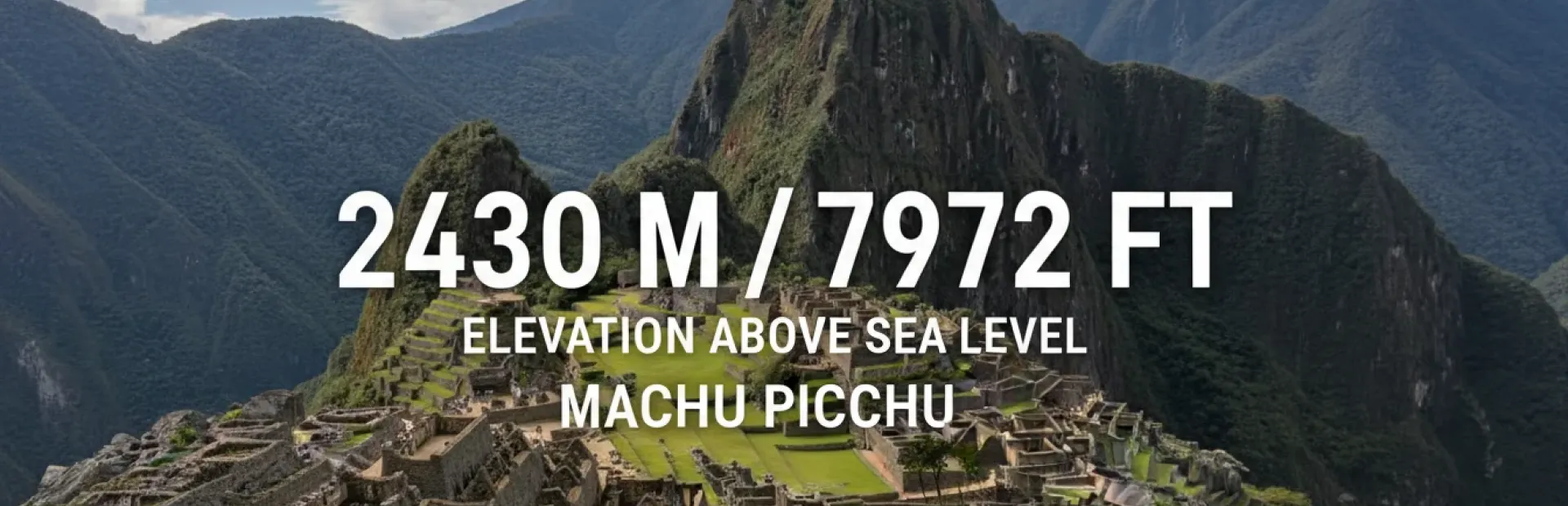
| Machu Picchu Citadel | 2,430 m | 7,972 ft |
| Huayna Picchu Peak | 2,693 m | 8,835 ft |
| Machu Picchu Mountain Peak | 3,082 m | 10,111 ft |
| Inca Trail (Highest Point) | 4,215 m | 13,828 ft |
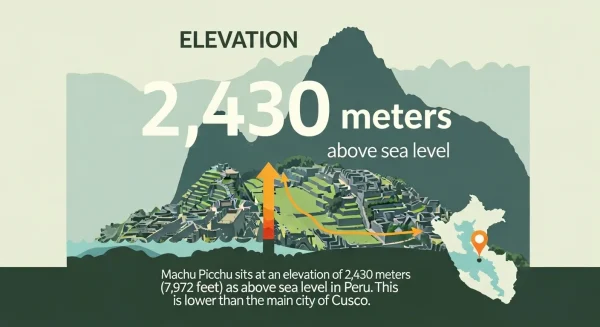
Understanding the Elevation at Machu Picchu vs Cusco
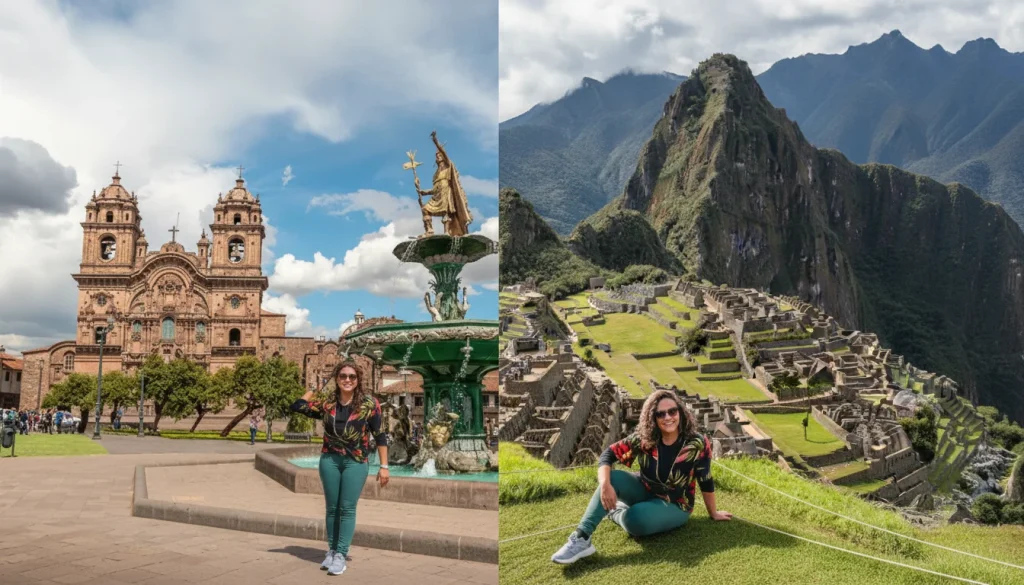
Many travelers get confused about the elevation cusco machu picchu comparison. When you fly into the Andes, you will land in Cusco, which sits at a staggering 3,399 meters (11,152 feet).
By contrast, the elevation at machu picchu is significantly lower. This means that as you travel from the main city down into the Sacred Valley and finally take the train to the ruins, you are actually descending into a warmer and more oxygen rich environment.
Machu Picchu Hike Elevation and Mountain Peaks
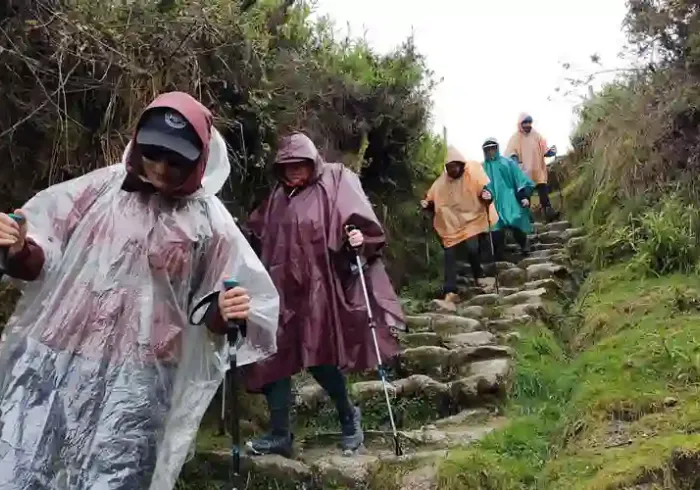
For adventure seekers, the machu picchu hike elevation varies greatly depending on the route you choose to take. If you decide to hike the classic four day Inca Trail, you will face the machu picchu highest elevation at Dead Woman's Pass, reaching over 4,200 meters (13,779 feet) before descending into the jungle.
Alternatively, once you are inside the citadel, you can choose to climb the surrounding peaks. The machu picchu mountain elevation reaches 3,082 meters (10,111 feet), offering a steep but incredibly rewarding panoramic view of the ancient ruins from high above.
How to Prevent Machu Picchu Elevation Sickness
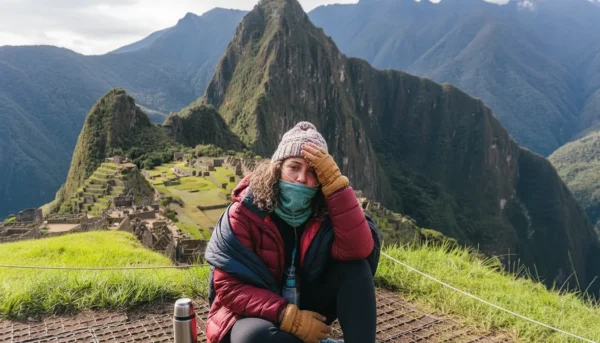
Because the machu picchu elevation in meters is 2,430 (7,972feet), the air is thinner than at sea level, which can occasionally lead to machu picchu elevation sickness. Known locally as soroche, this condition happens when your body struggles to adapt to the sudden drop in oxygen levels. Symptoms usually include mild headaches, shortness of breath, dizziness, a noticeable loss of appetite, and general fatigue upon arriving in the Andes.
The absolute best way to prevent this discomfort is to spend a minimum of two days acclimatizing in Cusco or the slightly lower Sacred Valley before heading to the ancient ruins. During your first 24 hours at altitude, it is crucial to take things incredibly slow. You should avoid strenuous physical activity, strictly skip alcoholic beverages, and eat very light, carbohydrate rich meals. Digestion naturally slows down at high altitudes, so avoiding heavy meats and fats on your first day is a proven local secret to feeling great.
Staying hyper hydrated with plain water is essential, but you should also take full advantage of the ancient Andean home remedies widely available across Cusco. As soon as you arrive at your hotel, ask for a hot cup of mate de coca (coca leaf tea). This traditional indigenous drink is a mild natural stimulant that opens your respiratory system, increases blood flow, and quickly cures altitude headaches. Another highly effective, caffeine free option is mate de muña. Muña is an aromatic Andean mint that works absolute wonders for altitude induced nausea, indigestion, and stomach cramps. Many locals actually mix both leaves together in one cup for a powerful, soothing mountain infusion.
Beyond drinking hot herbal teas, you can try chacchar, which is the ancient practice of gently chewing raw coca leaves just like the local Quechua porters do to boost energy and oxygen intake on the trails. Additionally, many experienced hikers and local guides swear by Agua de Florida, a traditional yellow floral water. Rubbing just a few drops of this cologne into your palms, rubbing them together, and taking a deep breath works instantly to clear your airways and relieve altitude induced dizziness. By combining plenty of rest and these trusted natural remedies, your body will easily adjust to the elevation machu peru environment smoothly and comfortably.
Quick Facts About the Machu Picchu Peru Elevation in Feet
To summarize what's the elevation of machu picchu, it is important to remember these key figures. The machu picchu elevation ft is exactly 7,972 feet. Whether you measure the elevation of machu picchu peru in feet or meters, it remains one of the most accessible high altitude wonders in the world.
Knowing the machu picchu peru elevation allows you to pack correctly, train properly, and fully enjoy the breathtaking views of the Andes without worrying about the altitude.