Machu Picchu

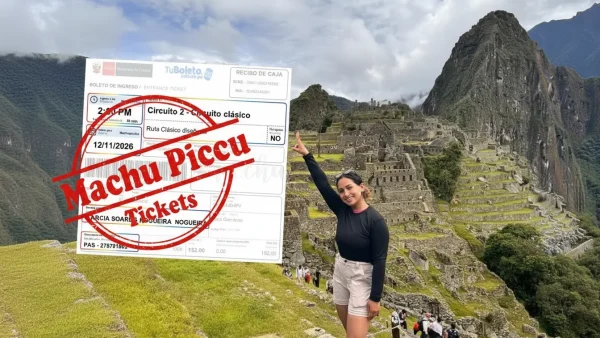
When to Book a Ticket to Machu Picchu

Submitted by admin on

Deciding exactly when to book Machu Picchu is the most critical step in planning your Peru vacation. As local experts, we see travelers miss out on the citadel every day because they waited too long.

With strict daily limits imposed by the Ministry of Culture, showing up without a reservation is no longer an option. Here is exactly how far in advance you need to secure your spot.

Image
How to organize a trip to Machu Picchu at the last minute?

General Entry Ticket Availability

General access to the ruins fluctuates heavily based on the season and the specific circuit you wish to explore.

  • Daily Capacity: The government issues a maximum of 4,500 tickets per day. During the peak dry season (May to October), these sell out months in advance.
  • Booking Strategy: Define your travel dates early. High-demand circuits, especially those including the Huayna Picchu mountain hike, must be booked 4 to 6 months before your trip.

Inca Trail Permit Limits

Hiking the legendary Inca Trail follows a completely different system. Permits are strictly capped, and the daily quota includes all essential support staff.

  • Classic 4 or 5 Day Trail: Limited to 500 total spots daily. Since guides, cooks, and porters take up about 60 percent of this quota, only 200 permits are actually available for trekkers. You must book this 6 months ahead.
  • Short 1 or 2 Day Trail: Capped at 250 daily spots. Because this route requires less support staff, roughly 200 to 230 permits remain available for hikers.

The Reality of Last Minute Tickets in Aguas Calientes

Traveling without a pre booked ticket leaves you with only one extremely risky option upon arrival.

  • The Daily Quota: The government releases exactly 1,000 tickets in Aguas Calientes (Machu Picchu town) for next-day entry. These are sold in person on a strictly first-come, first-served basis.
  • The Risk: We strongly advise against this method. You will likely wait in line for hours and risk being stranded in town for extra days—paying more for hotels and meals—with no guarantee of actually entering the ruins.
Image
How to organize a trip to Machu Picchu at the last minute?

Why You Must Book in Advance

To secure your preferred circuit and time slot, planning ahead is non-negotiable. Ticket availability is directly tied to the time of year you choose to travel.

The official government sales for the upcoming year typically open around late December, and peak season dates vanish almost immediately upon release.

Booking During the Andean Dry Season

The dry season runs from May through October. These are the most popular months to visit due to the clear skies, solid weather, and excellent photography conditions. However, this ideal weather brings massive crowds, fully booked hotels, and intense demand for entry tickets.

  • The Busiest Months: June, July, and August experience the absolute highest tourist volume of the year.
  • When to Book: You must purchase your tickets at least 4 to 6 months in advance. Securing a last-minute ticket during these months is virtually impossible.

Booking During the Andean Wet Season

The highland summer spans from November to April and brings the rainy season, with January, February, and March experiencing the heaviest downpours. If you do not mind occasional rain, this is an excellent time to visit to enjoy lush landscapes, fewer crowds, and better travel deals.

  • When to Book: While demand is significantly lower, you should still book your tickets at least 2 to 4 weeks in advance to guarantee access to the best circuits.
  • Inca Trail Closure: Please note that the entire Inca Trail network is strictly closed every February for government maintenance and conservation.

Advantages of Booking With a Tour Group

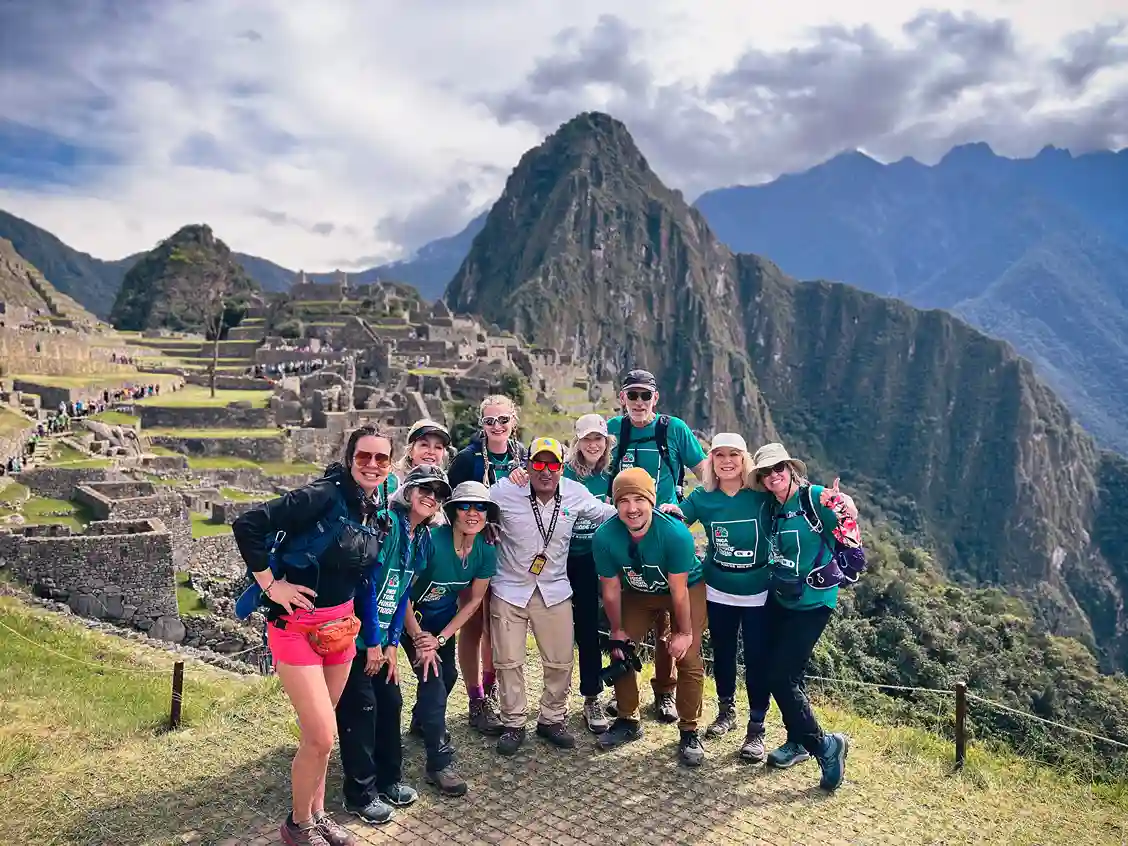
Traveling with a professional tour operator eliminates the stress of navigating Peru's complex ticketing system. Expert agencies monitor availability calendars daily and handle all the logistics from transport to guided tours.

Furthermore, if you plan to hike the Inca Trail, government regulations strictly dictate that you cannot do it independently; you must book through an officially licensed agency based in Cusco.

Image
machu-picchu-tours-reviews tour

Benefits of Traveling With a Tour Group

If you want a hassle free experience, booking with a licensed operator is the best decision. We handle the complex logistics so you can focus entirely on enjoying your trip.

  • Guaranteed Tickets: We manage the complex government reservation system and secure your exact entry circuits.
  • Seamless Logistics: All transportation, from your Cusco hotel to the gates of Machu Picchu, is fully coordinated.
  • Expert Local Guides: You will be led by certified professionals fluent in English, Spanish, and Quechua who provide deep historical context.
  • Complete Trekking Gear: For multi day routes like the Inca Trail, we supply high-quality tents, sleeping pads, and full dining equipment.

The Risks of Last Minute Ticket Purchases

Waiting until you arrive in Peru drastically reduces your chances of securing a decent ticket. During the peak dry season, tickets disappear instantly online.

If you see a few spots left and hesitate for half an hour, they will likely be gone. This is exactly why the Machu Picchu Tours team strongly pushes for early booking.

Purchasing Tickets in Aguas Calientes

If you arrive without an advance booking, your only option is the physical ticket office in Aguas Calientes. The government sells exactly 1,000 tickets daily for the following day, usually between 3:00 PM and 10:00 PM.

  • Unexpected Delays: The main disadvantage is that you may be forced to stay in town for up to three extra days just waiting for an available spot.
  • Increased Costs: These forced delays mean spending significantly more money on extra hotel nights, meals, and unplanned expenses.
  • Strict Entry Times: If you do manage to get a ticket, your entry time is strictly enforced. If you are late, you will be denied access.
  • Guide Availability: You are required to have a guide to enter the citadel. Finding a high quality, certified guide at the last minute is tough and often more expensive.
Show in Travel Guide (Home)
No

Tourism in Machu Picchu

Submitted by admin on

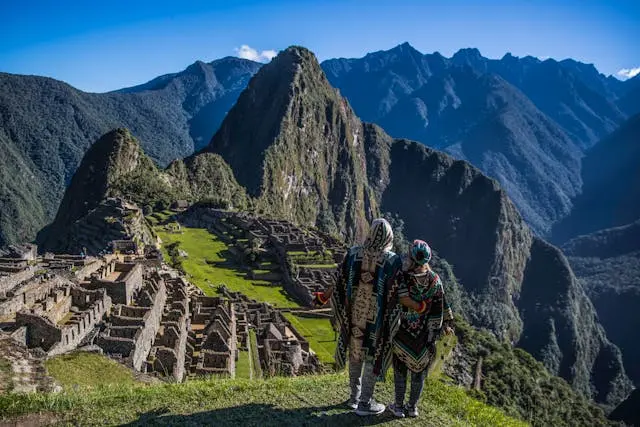
Machu Picchu is seriously one of those places that just hits different. Not many spots in the world mix mind-blowing nature with such cool history. When you see those stone buildings and endless farming steps (terraces) against the super green mountains, it's just wow. Doesn't matter if it's morning, afternoon, raining, or sunny, crowded or not – the view is always incredible. People often gasp "¡Qué chévere!" (How cool!) the first time they see it.

Image
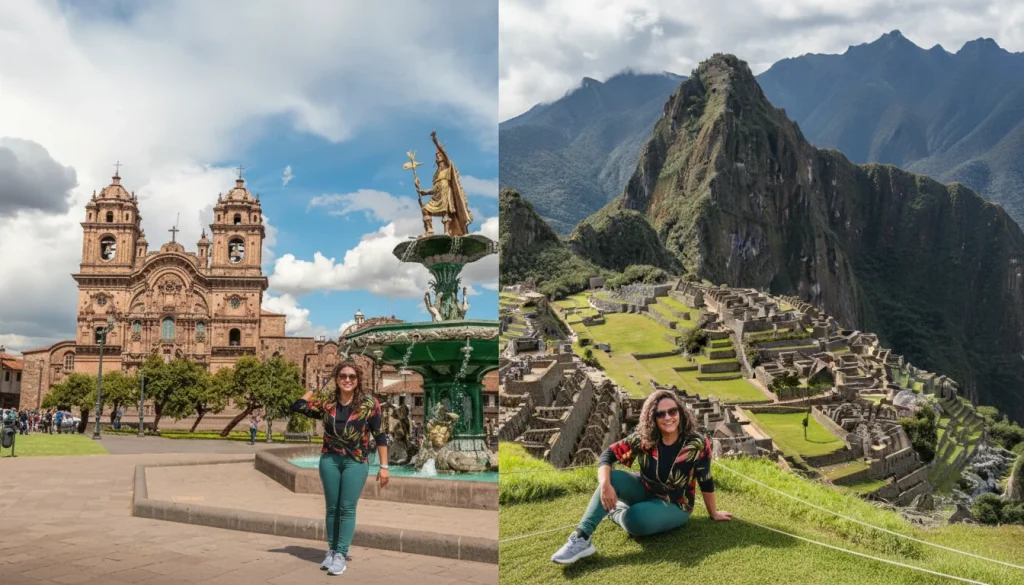
Tourist in Cusco’s main square and at Machu Picchu

Weather  onMachu Picchu

Machu Picchu has two seasons: rainy season and a dry season

  • Dry Season: April to October (Winter down here)
  • Rainy Season: November to March (Summer down here)

But honestly? It can rain anytime. Locals might tell you, "You gotta pack for everything, causa!" (Causa is like saying 'mate' or 'buddy'). So even in the "dry" season, maybe stick a light rain jacket in your bag.

Best Time to Go

Most folks swarm Machu Picchu in June, July, and August. This lines up with the dry season, so you have the best shot at sunny days. Because it's peak time, expect big crowds – locals would say "está full" (it's packed). If you come then, you absolutely have to book your entry tickets, train tickets, and hotels way, way ahead of time.

Story of Machu Picchu

Experts think the Inca started building Machu Picchu around 1450 AD, when their empire was at its peak. Most reckon it was a royal retreat for the big Inca king, Pachacutec. Others guess it might have been a super important religious or political center. Truth is, nobody's 100% sure why they built it way up here, which adds to the mystery.

How to get Machu Picchu

To Machu Picchu there are no roads connecting Cusco or the Sacred Valley directly to Aguas Calientes; have two options take a train or hike your way there.

By Train

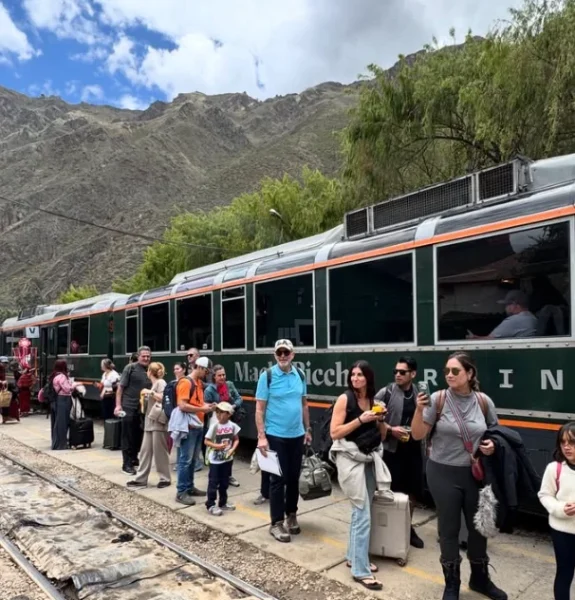
This is what most people do because it's faster and more comfortable. PeruRail is the main company, offering different service levels – like the Vistadome (popular), Expedition (bit more basic), and the super fancy Hiram Bingham train. They run several times a day.

You can board the train from:

  • Poroy Station (About a 20-min taxi ride from plaza)
  • Ollantaytambo Station in the Sacred Valley

The train ride itself is scenic.

  • From Cusco (Poroy) to Aguas Calientes tour last about 4 hours
  • From Ollantaytambo to Aguas Calientes tour last about 2 hours

Bus Up to the Ruins

From Aguas Calientes town is about a 20-minute bus ride up a steep winding road (lots of switchbacks!) to the main entrance of Machu Picchu.

You need a separate ticket for this bus. Sometimes it's included in tour packages, otherwise, you can buy them in Cusco beforehand or right in Aguas Calientes near the bus stop.

Buses start running at 5:30 am, getting the first people up there just before the gates open at 6:00 am. Be warned: the lines for the bus can get really long, especially between 5:30 am - 6:15 am (for sunrise seekers) and again between 9:00 am - 10:00 am when the trains from Cusco/Ollantaytambo arrive.

Popular Treks:

  • Classic Inca Trail (4 days): The most famous trek in South America. You hike on original Inca paths, see other cool ruins, and enter Machu Picchu through the Sun Gate. You MUST book permits months (sometimes 6+ months) in advance as they sell out fast.
  • Short Inca Trail (2 days): A quicker version if you're short on time or want something less intense. Still needs a permit, book ahead!
  • Salkantay Trek (usually 5 days): Great alternative if Inca Trail permits are gone. Focuses more on stunning mountain scenery, passing the massive Salkantay peak. Doesn't usually require the same type of permit, but book with a tour company well in advance.
  • Lares Trek (usually 4 days): Another good alternative, focusing more on cultural experiences. You walk through remote Andean villages, see beautiful landscapes, and then visit Machu Picchu on the last day. Also doesn't typically require a permit like the Inca Trail, book through a tour operator.

Machu Picchu Rules & Tickets

To visit Machu Picchu they limit the number of visitors per day and tickets often sell out, especially during the peak season (June to August mont).

There are different ticket types:

  • General Entry: Just gets you into the main citadel area.
  • Entry + Huayna Picchu hike: Includes general entry plus the permit to climb Huayna Picchu mountain (that iconic peak behind the ruins). Only 400 spots per day, sells out super fast.
  • Entry + Machu Picchu Mountain hike: Includes general entry plus the permit to climb the other mountain facing the ruins. Also limited spots (400/day), sells out quickly.

Book these tickets online through the official government website or a reputable tour agency months in advance if possible.

You cannot buy tickets at the main entrance gate of Machu Picchu. If you waited till the last minute, your only hope is the official ticket office (Ministry of Culture) on the main square in Aguas Calientes, but don't count on availability.

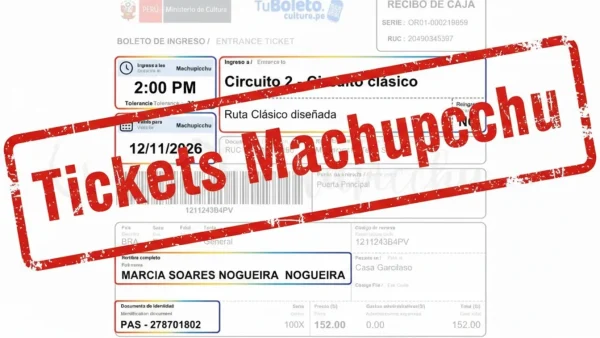
Your ticket will have a specific entry time (e.g., 8:00 am). You have a one-hour window starting from that time to enter (so, 8:00 am to 9:00 am for an 8:00 am ticket). Get to the bus stop in Aguas Calientes at least an hour before your entry time to be safe.

Once inside, your time is limited:

  • General ticket: Max 4 hours inside.
  • Ticket with Huayna Picchu: Max 6 hours total (for ruins + hike).
  • Ticket with Machu Picchu Mountain: Max 7 hours total (it's a longer hike).

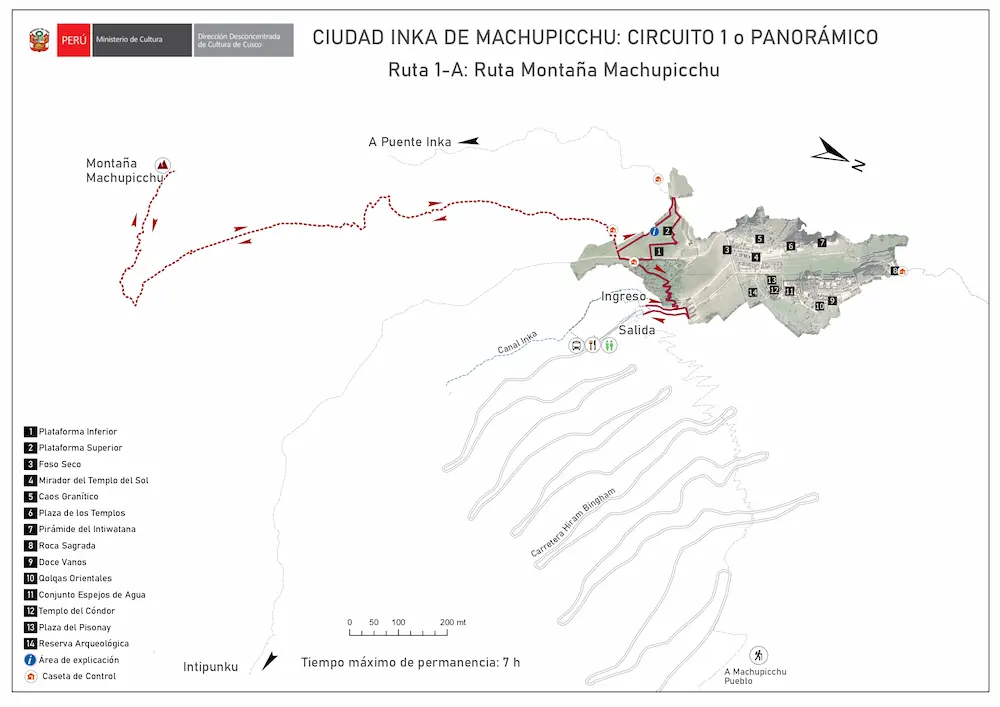
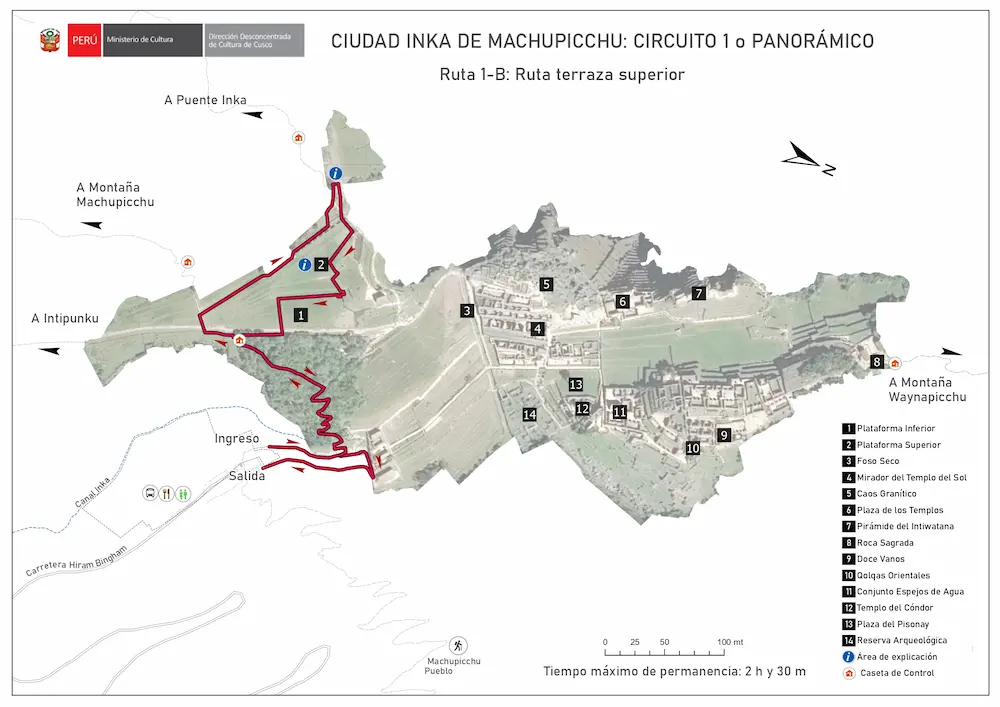
There are also set walking circuits (routes) you have to follow inside to help manage the flow of people and protect the site. Maps usually show these routes (often color-coded).

Ask at the entrance if they can stamp your passport with a cool Machu Picchu stamp.

Packing list for Machu Picchu

  • Passport & Ticket: Absolutely essential.
  • Small Backpack: Large bags/luggage aren't allowed into Machu Picchu.
  • Water: Bring a reusable bottle
  • Layers of Clothing:
  • Sun Protection: Bring sunglasses   with high SPF sunscreen and a hat.
  • Rain Gear: Especially Nov-March but good anytime.
  • Comfortable Shoes
  • Camera
  • Hiking Poles: Allowed ONLY if they have rubber tips on the bottom
  • Cash (Soles): For the bathroom

What to Leave Behind

Don't bring these things inside the ruins:

  • Camera tripods, selfie sticks, or drones (big no-no!).
  • Large backpacks or luggage (over 40x35x20 cm). There are storage lockers near the entrance if needed (for a fee).
  • Alcohol.
  • Food (snacks are generally okay, but not full meals/picnics).
  • Baby strollers (not practical with all the stairs; use a baby carrier backpack instead).
  • Hiking poles with sharp metal tips.

Staying Safe

Machu Picchu pueblo is generally safe and crime inside Machu Picchu itself is almost unheard of. However be aware of your surroundings. Pickpocketing can happen, especially in busy areas like the train station or bus lines.

Money Matters

The prices in Aguas Calientes to be higher than elsewhere in Peru (for food, water, souvenirs, etc.). It's a tourist town, and everything has to be shipped in by train. Budget accordingly.

There are NO ATMs up at the Machu Picchu ruins. Get cash in Aguas Calientes or before you arrive.

Language

In Aguas Calientes you'll find plenty of people who speak English, especially those working in tourism. Guides offer tours in many languages. However, knowing a few basic Spanish phrases is always appreciated!

  • Hola (Hello)
  • Gracias (Thank you)
  • Por favor (Please)
  • ¿Cuánto cuesta? (How much does it cost?)
  • Baño (Bathroom)

What to See Inside

Machu Picchu is huge! Over 170 buildings, 600+ terraces, thousands of steps... Here are some highlights:

  • Sun Gate (Inti Punku): The original main entrance for those arriving via the Inca Trail.
  • Huayna Picchu: That dramatic pointy peak you see in most photos behind the main ruins (summit approx. 8,920 ft / 2,720 m).
  • Machu Picchu Mountain: The other, larger mountain that rises opposite Huayna Picchu (summit approx. 10,100 ft / 3,080 m).
  • Temple of the Sun: The only round building in Machu Picchu.
  • Intihuatana Stone: A large, carved ritual stone perched high up. Its name means "hitching post of the sun" in Quechua.
  • Sacred Rock: A massive, flat stone carved to mimic the shape of the mountain behind it (Yanantin).

Where to Stay in Machu Picchu

There's only one hotel right next to the Machu Picchu entrance; the Belmond Sanctuary Lodge. It's super convenient but also very expensive.

Almost everyone else stays down in Aguas Calientes town, you'll find a wide range of accommodation, from budget hostels (hostel and lodges) and guesthouses to mid-range and more upscale hotels. Staying overnight in Aguas Calientes is highly recommended. It allows you to visit Machu Picchu early before the main crowds arrive from Cusco, or even visit on two consecutive days (if you buy tickets for both days), making the whole experience less rushed and more enjoyable.

Where to Eat

Options for eating right at the Machu Picchu entrance are limited and pricey:

  • Machu Picchu Snack Bar: Just outside the gate for drinks, sandwiches, etc.
  • Belmond Sanctuary Lodge Buffet: Offers a buffet lunch, also outside the main gate (expensive).
  • Bring Your Own: You can take a pre-made box lunch (often provided by hotels if arranged) or snacks.

Down in Aguas Calientes, you have way more restaurant choices, ranging from cheap local eats (menús) to pizzerias and nicer restaurants serving Peruvian and international food. It's a good place to try classics like Lomo Saltado

FAQs About Machu Picchu

Where is Machu Picchu?

Southern Peru, high in the Andes where they meet the Amazon jungle, northwest of Cusco.

Best time to go?

Depends! June-Aug = dry, sunny, but crowded (book way ahead). Dec-Feb = rainy, fewer crowds. Shoulder seasons (Apr-May, Sep-Oct) can be a good mix.

How is the altitude in Machu Picchu?

  • The main ruins Machu Picchuare at 7,970 ft (2,430 masl).
  • Huayna Picchu summit is 8,920 ft (2,720 masl)
  • Machu Picchu Mountain summit is 10,100 ft (3,080 masl).

Can I get altitude sickness?

Yes it's possible, take it easy your first day, drink lots of water, avoid heavy meals/alcohol. Many people feel fine or just have mild symptoms (headache, shortness of breath).

How much time do I need?

You can do it as a long day trip from Cusco/Ollantaytambo (maybe 4 hours inside). But staying overnight in Aguas Calientes is better. It lets you visit more relaxed, maybe do a hike, or go early/late to avoid peak crowds. Two days is great, especially in rainy season just in case one day has bad weather.

Do I need a guide?

Officially, rules sometimes say yes, but in practice, you can often enter and walk around on your own. However, having a guide makes the visit WAY better! They explain the history, point out details you'd miss, and bring the place to life. Highly recommended, even for just a couple of hours. You can hire official guides near the entrance.

When was it 'discovered'?

While locals always knew, American Hiram Bingham brought it to international attention in 1911.

How many tourists visit?

Before 2020, it was over 1.5 million per year. Now, daily entry is capped (around 4,000-5,000 depending on current rules, including hike permits) to protect the site. Book tickets early!

Where are the bathrooms?

ONLY outside the main entrance gate. Costs about 2 Soles to use (usually includes toilet paper). There are NO bathrooms inside the ruins, so go before you enter!

Can I stay overnight AT Machu Picchu?

Only at the very expensive Belmond Sanctuary Lodge right by the gate. Everyone else stays down in Aguas Calientes town.

What else is there to do in Aguas Calientes?

Besides being the base for Machu Picchu, you can: soak in the town's hot springs (aguas calientes means hot waters), visit the Manuel Chávez Ballón museum (about Machu Picchu history), shop at the artisan market near the train station, or just relax with a Pisco Sour and soak in the atmosphere. There are also some short walks nearby, like to the Mandor waterfalls.

Show in Travel Guide (Home)
No

The Water Mirrors of Machu Picchu The Authentic Sky Mirror Peru

Submitted by admin on

When travelers search for a massive reflective landscape in South America, they typically look toward the salt flats of Bolivia. However, the Peruvian Andes hide their own astonishing optical illusions, blending breathtaking natural geography with ancient Inca engineering.

Hidden deep inside the most famous archaeological citadel in the world lies a highly sophisticated astronomical tool designed to pull the heavens down to earth. Beyond these ancient ruins, the high-altitude geography of the country offers perfectly still, glassy lakes. Let's explore the history, exact locations, and science behind the most incredible reflective waters the Andean region has to offer.

Top Reflective "Sky Mirror" Locations in Peru
Location NameType of MirrorAltitudeBest Time to Visit
Machu Picchu MirrorsArchaeological / Astronomical2,430 metersYear-round (Dry Season for night skies)
Laguna 69Natural Glacier Lake4,600 metersMay to September (Early morning)
Maras Salt PondsFragmented Pools3,380 metersDecember to March (Rainy Season)
Salinas y Aguada BlancaShallow Salt Flat4,300 metersJanuary to April (Flooded Season)
Image
The-Inca-Solstice-at-the-Mirrors-of-Machu-Picchu

The Water Mirrors of Machu Picchu as an Ancient Astronomical Observatory

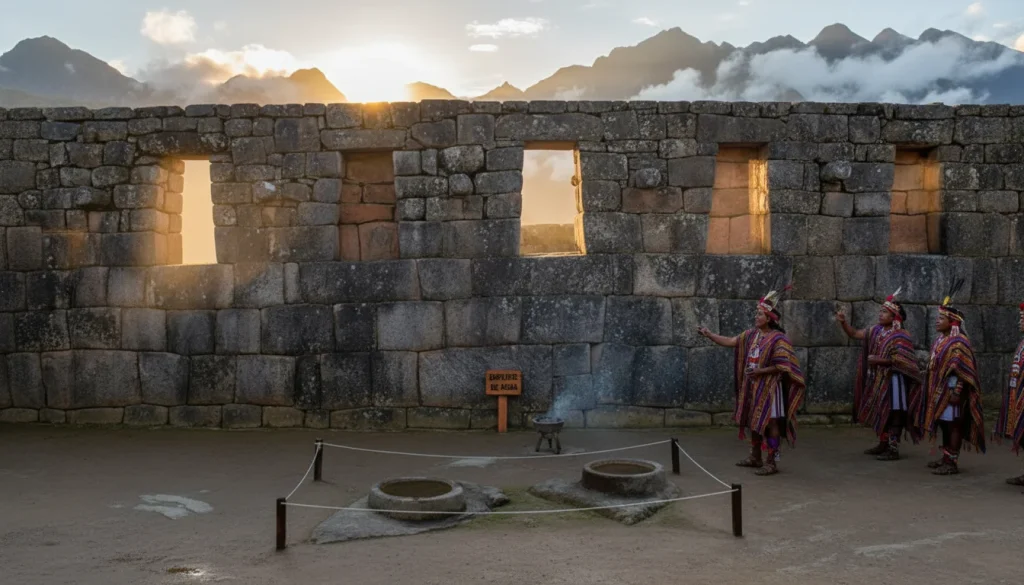
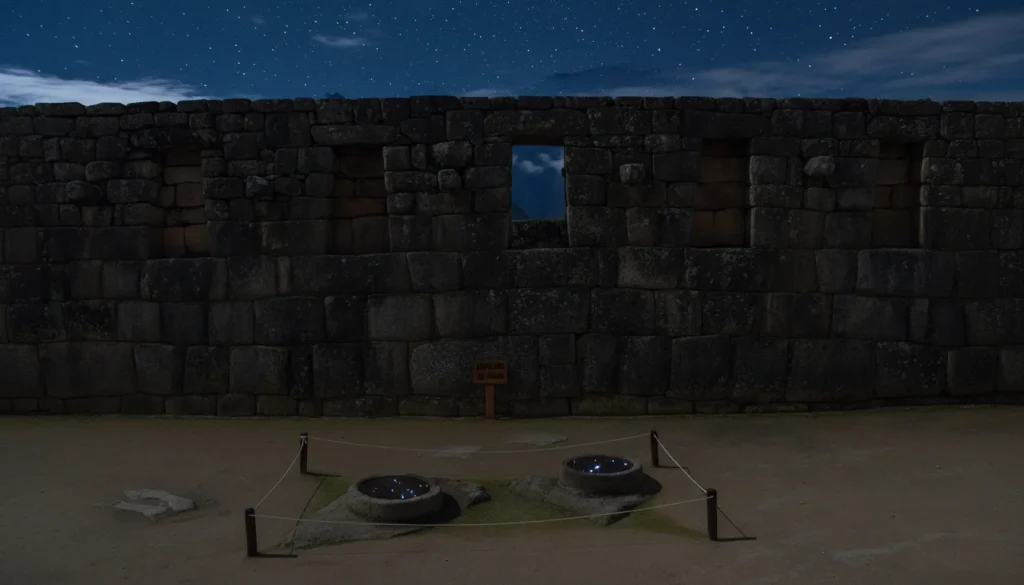
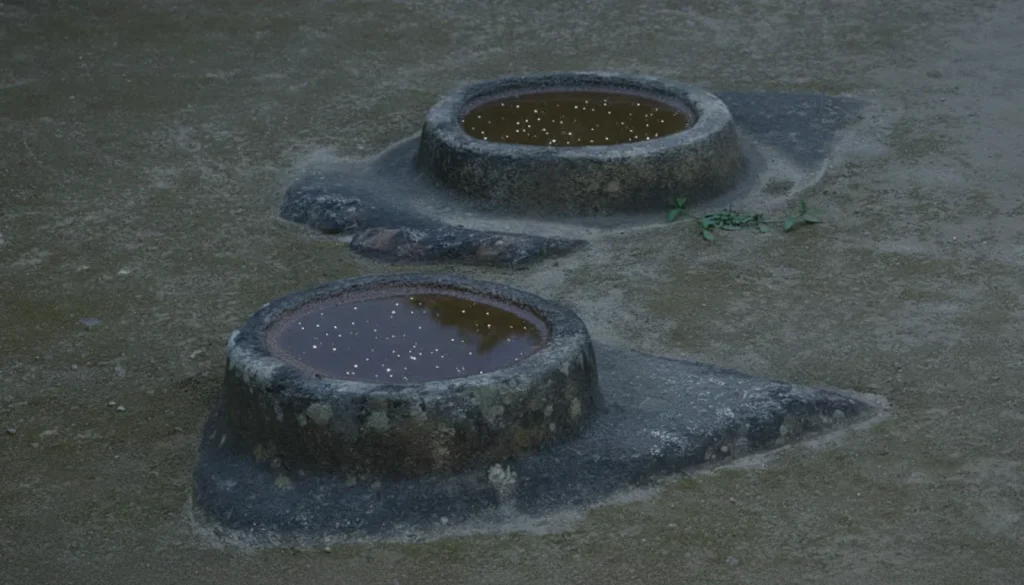
Deep within the urban sector of the Inca citadel, adjacent to the Temple of the Sun, lies a roofless room that puzzles many first-time visitors. The floor features two perfectly circular depressions carved directly into the solid granite bedrock. Far from being simple puddles, The Water Mirrors of Machu Picchu were highly advanced archaeoastronomical instruments.

Image
The Water Mirrors of Machu Picchu

The Incas were master astronomers whose entire agricultural survival depended on tracking the stars without modern lenses or telescopes. By filling these carved stones with fresh water, the high priests created a brilliant sky mirror peru enclosed within massive stone walls, allowing them to study the cosmos with absolute precision and no wind disturbance.

How the Water Mirrors Sky Reflected the Stars and the Milky Way

For the Inca civilization, the Milky Way (known as "Mayu" or the celestial river) was the focal point of their religious cosmology. Studying its dark constellations required long, grueling hours of observation. By utilizing the Water Mirrors sky reflection, astronomers could comfortably look down at the still water instead of straining their necks upward in the freezing Andean night.

This optical method allowed them to trace the exact trajectory of specific constellations (like the Southern Cross, or "Chakana") passing directly overhead, making this room the most historically significant sky mirror peru in the entire Tahuantinsuyu empire.

Image
How-the-water-reflected-the-sky-in-the-pools-of-Machu-Picchu

Understanding the Circular Mortars and the Night Sky Reflection

Because of their shape, early 20th-century explorers initially labeled this room the "Room of the Mortars," assuming the stones were used to grind corn or prepare natural dyes. However, modern archaeological evidence strongly disproves this theory for several reasons:

  • Lack of wear and tear: True grinding mortars show heavy friction marks. These circles are perfectly smooth and polished.
  • Strategic location: The room is completely closed off from crosswinds, ensuring the water surface remains flat as glass.
  • Open roof design: The Water Mirrors of Machu Picchu sit in a room that was intentionally left unroofed, allowing a clear 180-degree view of the zenith.

The Connection Between the Sacred Reflections and the Incan Solstice

Image
The-Inca-Solstice-at-the-Mirrors-of-Machu-Picchu

The Inca agricultural calendar depended entirely on predicting the changing seasons. The alignment of the room's walls and the exact placement of the mirrors were constructed to capture the light of specific celestial bodies during crucial times of the year.

During the winter solstice in June (Inti Raymi), the alignment allowed the Pleiades star cluster (known as "Qollqa") to reflect perfectly in the water. Observing this precise Water Mirrors sky phenomenon told the priests exactly when the dry season would end and when to begin preparing the terraced fields for the upcoming harvest.

Exploring Other Natural Sky Mirror Peru Locations Across the Andes

While Machu Picchu offers an incredible man-made reflective tool, the Peruvian landscape itself is full of breathtaking natural mirrors. If you are a landscape photographer or nature lover chasing the ultimate sky mirror peru experience, you must venture beyond the ruins and into the high-altitude glacier valleys and volcanic plateaus.

Laguna 69 A Crystalline Mirror Under the Peruvian Sky

Image
Laguan-69-in-Peru-reflecting-the-stars

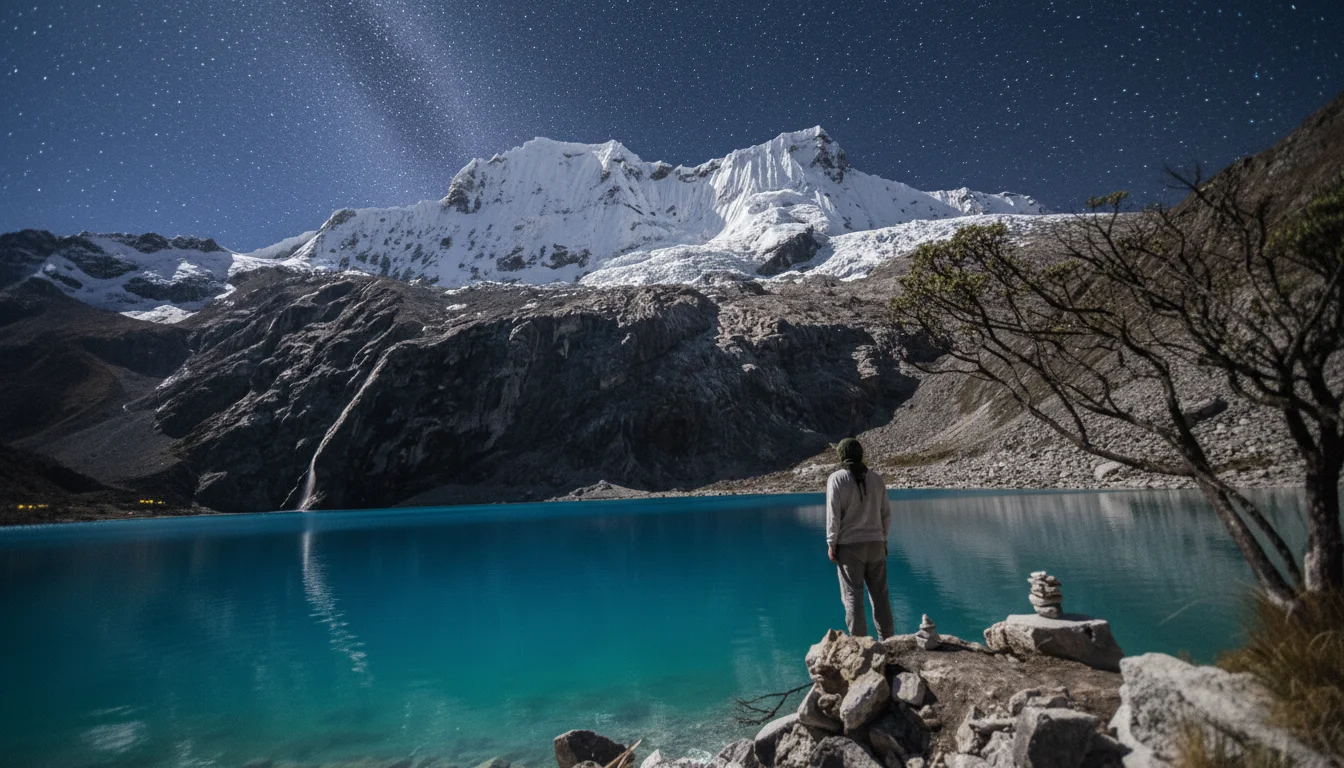
Located in the heart of the Huascaran National Park (Ancash region), Laguna 69 is widely considered one of the most beautiful bodies of water on the planet. When the fierce mountain winds settle during the early morning hours, the bright, mineral-rich turquoise water transforms into Laguna 69 a crystalline mirror under the Peruvian sky.

Because of the extreme clarity of the glacier meltwater and the lack of aquatic vegetation, the reflection is completely undistorted. Trekking to this remote location rewards hikers with what is arguably the most famous and photogenic natural sky mirror peru in the entire Cordillera Blanca.

The Glacial Waters That Reflect the Cordillera Blanca Mountain Peaks

Sitting at a breathless altitude of 4,600 meters (15,091 feet), the lake is surrounded by massive, vertical ice walls. The calm glacial waters flawlessly reflect the imposing, 6,112-meter snow-capped peak of Mount Chacraraju. This creates a mesmerizing, symmetrical sky mirror peru landscape where the dividing line between the real mountain and its icy reflection completely disappears.

Salinas and Aguada Blanca National Reserve Ponds in Arequipa

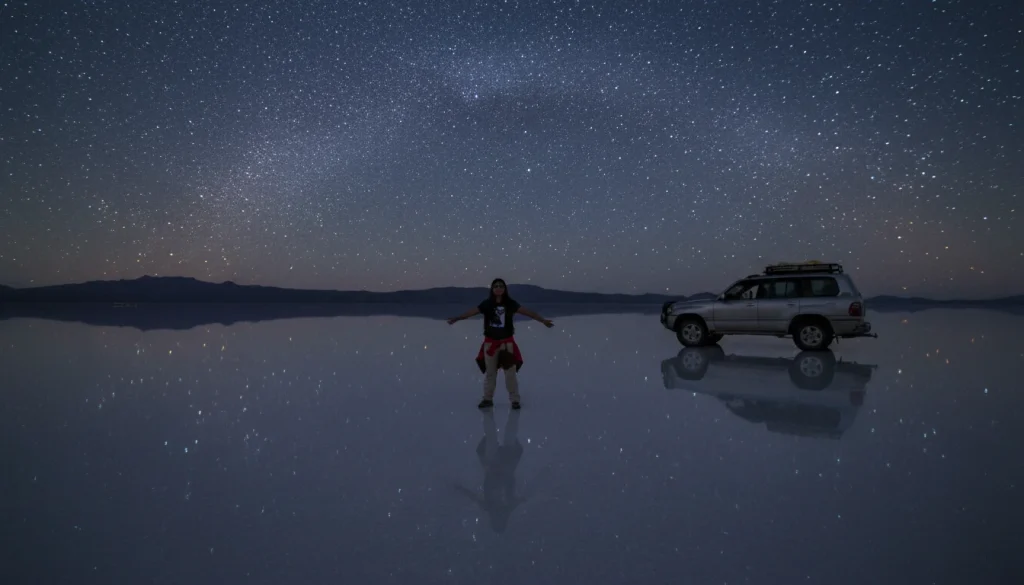
Located at 4,300 meters above sea level, situated right behind the towering Misti, Chachani, and Pichu Pichu volcanoes, this high-altitude protected reserve holds shallow salt lakes (Laguna de Salinas) that flood extensively during the wet season.

Image
The-Arequipa-Salt-Flat-at-night-reflecting-the-stars

Because the water here is incredibly shallow and sits on a flat, expansive high-Andean plateau (altiplano), it creates a vast, uninterrupted sky mirror peru. It is common to see herds of wild vicuñas and rare James's flamingos walking across the flooded plains, appearing in photographs as if they are literally walking on the clouds reflected perfectly beneath their feet.

Show in Travel Guide (Home)
No

How to Get Machu Picchu Tickets When They Are Sold Out for Your Dates

Submitted by admin on

So, you’ve booked your flights to Peru, planned your dream vacation, and logged onto the official website only to see the one thing you didn't want to see: gray zeros everywhere. Machu Picchu tickets sold out. It’s a heart sinking feeling, but don’t panic just yet. While it looks like there’s no way in, that “sold out” sign on the website isn't the final word. The reality is that the Peruvian system has several backdoors and alternative methods for getting people into the citadel, even during the absolute peak of the 2026 season.

This guide moves beyond generic advice and provides a strategic, step by step breakdown of how to get Machu Picchu tickets when they are sold out for your 2026 dates, ranging from queuing in person to utilizing trekking loopholes.

Image
Alternative-Circuit-3-or-Huchuy-Picchu-Hike-Tickets

Securing One of the 1000 Daily Tickets in Aguas Calientes by Queuing in Person

Image
Tickets-machupicchu

This is your best bet if you are traveling on a budget and didn't book months in advance. The government holds back about 1,000 tickets for Machu Picchu every single day to sell exclusively in person in Aguas Calientes (the town at the base of the mountain). The catch? You can’t buy them online or over the phone. You have to physically show up, stand in line, and secure your spot for the next day. It’s not the most relaxing way to spend a vacation day, but it works.

These tickets are designed to democratize access and prevent agencies from buying everything online. However, buying Machu Picchu tickets in Aguas Calientes is not as simple as walking up to a window. It is a competitive, two step process that requires you to be in the town the day before you want to visit.

The Strategy for Success:

  • Do not attempt this if you are on a tight day trip schedule from Cusco.
  • Do plan to spend at least one night in Aguas Calientes.
  • Do bring your physical passport; copies or photos on your phone will be rejected.

Location of the Ministry of Culture Office in Machu Picchu Pueblo for Last Minute Sales

Don't get confused by the hustle and bustle of the town. You are not going to the train station or the bus ticket office. The only place that sells these tickets is the Ministry of Culture Aguas Calientes location, which is inside the Machu Picchu Cultural Center. Finding it is easy if you know where to look, but plenty of tourists waste time standing in the wrong lines.

How to find it:

  • Go to the main square (Plaza Manco Capac).
  • With your back to the church, walk towards the street that leads up to the Hot Springs (Av. Pachacutec).
  • The Cultural Center is located just off the plaza. Look for the sign that says "Dirección Desconcentrada de Cultura Cusco."
  • You will likely see a line forming on the sidewalk—this is the right place.

Best Time to Queue and Registration Process for Next Day Entry

Getting these last minute Machu Picchu tickets has become a bit more organized recently. Instead of standing in the sun for 10 hours, there is now a registration system. You show up early to get a number, go have lunch, and come back to pay. However, in high season (July/August), the competition is fierce, and the wait time for Machu Picchu tickets starts before the sun comes up.

  • The Early Queue (5:30 AM - 6:00 AM): Arrive at the Cultural Center. You are not buying the ticket yet; you are queuing to register
  • Registration (7:00 AM - 1:00 PM): Authorities will take your passport details and give you a numbered ticket. This number guarantees your place in line for purchasing later.
  • The Gap: Once registered, you can leave for lunch or rest, but do not lose your number.
  • The Purchase (3:00 PM - 5:00 PM): Return to the office. They will call numbers in order. This is when you pay (credit card or cash) and select your circuit and time for the next day.
  • Note on Availability: The wait time for Machu Picchu tickets is long, and the availability varies.
  • The first people in line usually snag "Circuit 2" (The Classic View). Those who arrive later may be left with "Circuit 3" or "Circuit 4" (Lower parts).

Booking the Short Inca Trail 2 Days Permit as a Guaranteed Entry Loophole

Image
Booking-the-Short-Inca-Trail-2-Days-Permit

If the idea of wasting a day standing in line sounds terrible to you, there is a "pay to play" loophole: the 2 Day Inca Trail to Machu Picchu. When general Machu Picchu entrance tickets sold out online, permits for this specific trek are usually still sitting there waiting to be booked. This is because the Short Inca Trail has its own separate quota of 250 permits per day, totally independent of the general visitor cap.

Why the Short Inca Trail Permit Guarantees Machu Picchu Entry

  • When you are wondering machu picchu tickets sold out what to do, check the Short Inca Trail immediately. The permit is your entry ticket. Here is why this works:
  • Separate Inventory: The 250 daily permits for the trail are not connected to the 4,500+ general entry tickets.
  • Exclusive Entry: You enter through the Sun Gate (Inti Punku), a view that regular ticket holders cannot access.
  • Circuit 3 Guaranteed: The permit includes a guided tour of the citadel (usually Circuit 3) upon arrival or the next morning.
  • Inca Trail permit availability lasts longer because it requires physical effort (12km hike) and costs more, filtering out the mass market.

Cost Difference Between General Entry and the 2 Day Trek Package

Let’s be real about the price tag. A standard ticket is about $45 USD. The Short Inca Trail package will run you anywhere from $450 to $600 USD. It’s a steep jump, but you have to understand that this isn't just an entrance fee; it’s a full service experience that solves your problem instantly.

Here is what you are actually paying for:

  • Special Train Tickets: The trek starts at Kilometer 104, which requires a specific, more expensive train service than the standard tourist train.
  • A Private Guide: You are legally required to have a licensed guide with you on the trail.
  • All Logistics: The agency handles your hotel, your meals, the bus tickets up and down, and the complex permit paperwork.
  • Certainty: You are paying to remove the stress of "maybe" getting in.

Finding Availability for Alternative Circuit 3 or Huchuy Picchu Hike Tickets

Image
Alternative-Circuit-3-or-Huchuy-Picchu-Hike-Tickets

Most people log onto the website, click "Circuit 2" (the one with the classic photo), see it's sold out, and give up. That’s a mistake. If Machu Picchu tickets sold out for my dates on the main circuit, you need to dig deeper. There are other ticket types hidden in the menus, like Machu Picchu Circuit 3 tickets or tickets linked to smaller hikes, which often have availability because people don't know what they are.

Is Circuit 3 Royalty Route Worth It If Circuit 2 Is Sold Out

If Machu Picchu Circuit 2 sold out, do not despair. Machu Picchu Circuit 3 (often called the Royalty or Temple circuit) is an incredible experience.
What you get with Circuit 3:

  • The Stone Structures: You walk through the actual city where the Incas lived.
  • Key Sites: Includes the Temple of the Sun, the House of the Inka, and the Sacred Rock.
  • Accessibility: It involves fewer stairs and is less physically demanding.
    What you miss: You miss the high elevation platform for the classic "postcard" photo. However, being inside the ruins is far better than not going at all.

Look for Hidden Tickets like Huchuy Picchu and Inca Bridge Hikes

The Ministry of Culture bundles some entry tickets with hikes to spread people out. Sometimes the "General Entry" is zero, but a Huchuy Picchu ticket shows 50 spots left. Huchuy Picchu is a tiny peak next to the big Huayna Picchu. The hike is barely 20 minutes, but buying that ticket gets you through the front door and into the citadel.

Strategies for finding hidden inventory:

  • Check the "Routes" Menu: Don't just look at the first option. Scroll down to see the hike combinations.
  • Inca Bridge: This ticket lets you walk to an ancient drawbridge on a cliff. It usually allows entry to the upper circuits, making it a fantastic "backdoor" to the classic view.
  • Be Flexible: If you see Machu Picchu hike availability for any hike, grab it. The hike is optional; the entry to the ruins is the prize.

Joining a Multi Day Tour with Pre Purchased Allocations from Agencies

Image
group-tour-to-Machu-Picchu

If you are tired of refreshing the website, let a professional handle it. Searching for Machu Picchu tickets sold out tour packages is a smart move because tour agencies buy permits in bulk for their group departures months ahead of time. Even if you, as an individual, can't buy a ticket, an agency might have a spot left on a trek leaving next Monday.

How Travel Agencies Secure Blocked Tickets for Group Departures

  • Agencies do not illegally "hoard" general tickets, but they do secure permits for group departures.
  • Salkantay Trek (4 or 5 Days): Includes Machu Picchu entry on the last day.
  • Lares Trek (4 Days): Includes entry.
  • Jungle Trek (4 Days): Includes entry.
  • If an agency has a confirmed group of 8 people but a capacity of 12, they have 4 "open" spots that include Machu Picchu entry tickets. If you join that group, you get the ticket. This is the most reliable way to secure entry when Machu Picchu entry tickets sold out everywhere else.
Show in Travel Guide (Home)
No

Machu Picchu circuits

Submitted by admin on

Machu Picchu circuits are the official and organized way to explore this world wonder. It’s not just about wandering through ancient ruins depending on the circuit you choose, your views, access points, and entire experience can be completely different. And if this is your first time planning such a dream visit, we get it: with so many schedules, routes, seasons, and recommendations, it can feel overwhelming. That’s exactly why we’ve created this post.

Here, we’ll clearly and simply explain why these circuits exist, the difference between them, how to choose the best one for you, what clothes to bring depending on the season, how long it takes to get from Aguas Calientes to Machu Picchu, when to buy your ticket, and everything else you need to know for a complete, informed, and stress-free experience.

Whether you're traveling solo or through an agency, this guide will help you make better decisions. So that when you finally stand in front of Machu Picchu, you can simply take it all in logistics-free. Let’s dive into everything you need to know to choose your ideal circuit.

Image
Which-Machu-Picchu-Circuit-Is-Best
Image
Machu-Picchu-Circuits

Why Are There Different Machu Picchu Circuits?

Since 2019, Peru’s Ministry of Culture implemented a circuit system to help regulate access to Machu Picchu. The reason? To protect the archaeological site from the increasing number of visitors and, at the same time, offer a more organized and enjoyable experience.

Each circuit has specific routes, set schedules, and different levels of physical demand. Some are designed for in-depth explorers, while others are shorter yet impactful. Some even include adventure hikes or scenic mountain climbs.

As of June 1, 2026, the Ministry reorganized these paths into three main circuits, combining 10 routes in total, to maintain a safe and sustainable visitor experience.

Your Guide to Machu Picchu Circuits

Currently, there are three official Machu Picchu circuits, effective from June 2026 under the latest Ministry regulations. These circuits group 10 different routes, each offering a unique way to explore the Inca citadel. Some provide panoramic views from above, others focus on temples and iconic structures, while several include access to mountains like Huayna Picchu or exclusive hikes such as Inti Punku or the Great Cavern. The right circuit for you depends on your travel style, physical condition, and time of year.

Si quieres revisar el detalle completo y actualizado de todas las rutas, puedes consultar la página oficial del Ministerio de Cultura del Perú:
Consulta los circuitos oficiales de Machu Picchu aquí

Circuit 1 – Panoramic (4 routes)

Not everyone comes to Machu Picchu for the ruins alone. Some of us are here for the views the kind that stop you in your tracks and make you forget to check your phone. If you’re more into slow walks, wide landscapes, and breathing in the energy of the Andes without diving into every stone carving, this is your circuit.

Route 1-A: Machu Picchu Mountain
Let’s be honest this one’s a challenge. You’ll be climbing more than 1,600 stone steps, and they don’t go easy on you. It’s steep, it’s long, and your legs might complain halfway up. But the moment you reach the top, everything changes. The wind feels cooler. The silence is deeper. And there it is the entire valley laid out below you, with the Urubamba River twisting like a silver thread and the citadel resting quietly in the distance.

This isn’t just a hike; it’s a personal triumph. One of those memories that replay in your head long after the trip’s over. If you’re up for it, this path offers more than views. It offers perspective.

Image
Route-1-A-Machu-Picchu-Mountain

Route 1-B: Upper Terrace
If you're looking for a calmer way to experience the beauty of Machu Picchu without pushing your limits, the Upper Terrace is a lovely option. This short and gentle walk takes you across elevated terraces that offer some of the best open views of the site perfect for soaking in the landscape without rushing.

It’s a favorite among families, older travelers, or anyone who simply wants to pause, breathe, and admire. You won’t need hiking gear or a high fitness level just a good pair of shoes and curiosity. The perspective from here is wide and peaceful. You can see the full outline of the citadel, the surrounding mountains, and if you’re lucky, a few llamas grazing nearby.

This spot is also ideal for those who love photography or quiet moments. Whether you’re visiting with kids, with parents, or on your own, this route invites you to slow down and just enjoy being there which, in a place like Machu Picchu, is more than enough.

Image
Route-1-B-Upper-Terrace

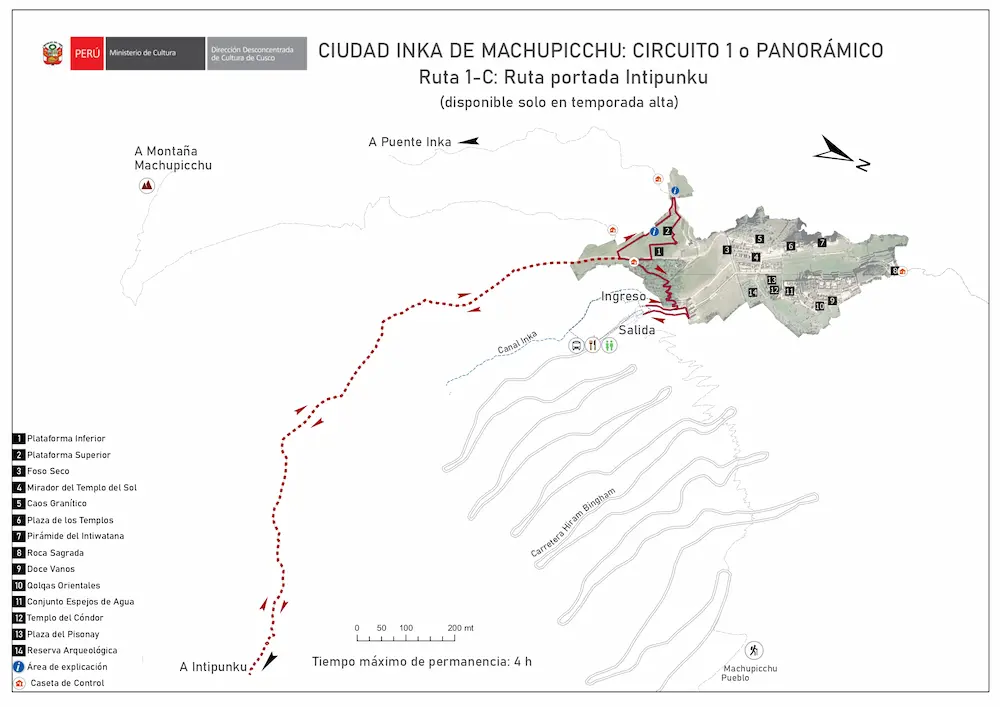
Route 1-C: Inti Punku (Sun Gate)
For many travelers, reaching Inti Punku the Sun Gate feels less like checking off a route and more like arriving at something sacred. This trail is only open during the high season, when the weather is kind enough to let the mountains show off a little.

The hike itself takes about two hours round trip and is considered moderate manageable, but you’ll feel it. What makes it worth every step is what awaits at the end: a wide stone gateway that once served as the main entrance to Machu Picchu for those coming via the Inca Trail. But what truly makes it unforgettable is the light. If you time it right and arrive early, you’ll see the first rays of sun pouring over the peaks, slowly revealing the citadel below. It’s quiet. It’s golden. It feels like something out of another time.

This route is perfect for those who want more than just a view they want a moment. And Inti Punku gives you that, in the most unforgettable way.

Image
Route-1-C-Inti-Punku-Sun-Gate

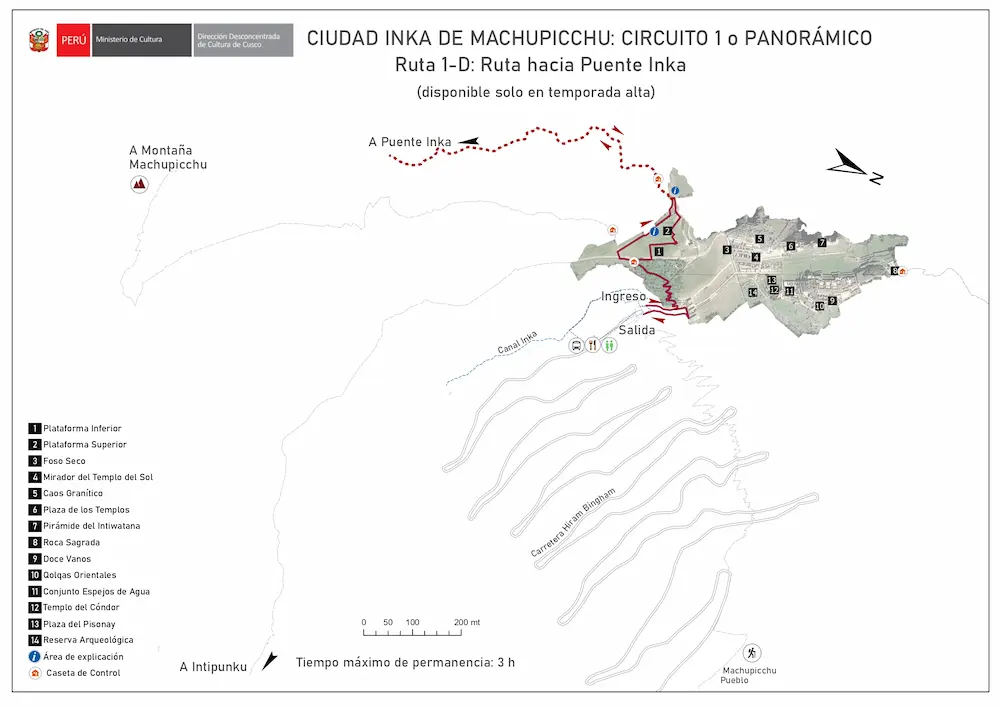
Route 1-D: Inca Bridge
This is one of those short walks that leaves a lasting impression. Open only during the high season, the route to the Inca Bridge doesn’t take long but the experience stays with you much longer than expected.

The trail hugs the edge of the mountain, winding gently through stone paths and lush vegetation. It’s not physically demanding, but it does give you that quiet sense of wonder as you realize you're walking the same path carved out by the Incas centuries ago. And then, almost suddenly, the bridge appears built directly into a sheer cliff face. It’s simple, yet stunning. A blend of engineering and courage that defies time.

Among all the Machu Picchu circuits, this one stands out for its intimacy. It’s not about big crowds or sweeping views, but about connecting with something quiet and powerful. If you're someone who enjoys small details, ancient secrets, and the feeling of being alone with history, the Inca Bridge route is something you shouldn’t skip.

Image
Route-1-D-Inca-Bridge

Circuit 2 – Classic Machu Picchu (2 routes)

This is the kind of route that feels like walking through a memory even if it’s your first time there. You’re not rushing, you’re not climbing mountains. Instead, you’re slowly making your way through the core of Machu Picchu, where the stone walls feel close, the terraces stretch out beside you, and the silence says more than any guide ever could.

Of all the Machu Picchu circuits, this one is perhaps the most iconic not because it’s difficult or remote, but because it brings you face to face with the essence of the citadel. Here, you feel part of it.

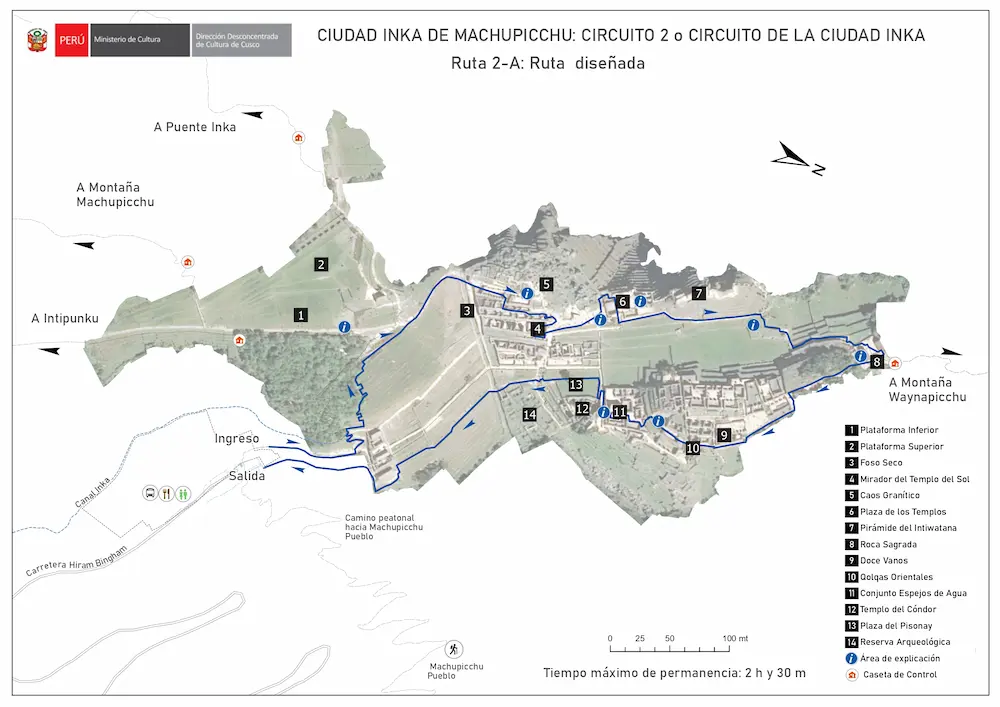
Route 2-A: Standard Route
It’s not just a walk it’s a path full of presence. You’ll pass through the Temple of the Sun, where the light seems to fall with purpose. Then come the Three Windows, framing the mountains like a painting. And just when you think you’ve seen enough, there’s the Sacred Rock still, massive, and strangely comforting.

It’s less about taking photos and more about letting the place speak. Slowly. Quietly. Until you realize: this isn’t just a ruin. It’s a story you’ve stepped into.

Image
Route-2-A-Standard-Route

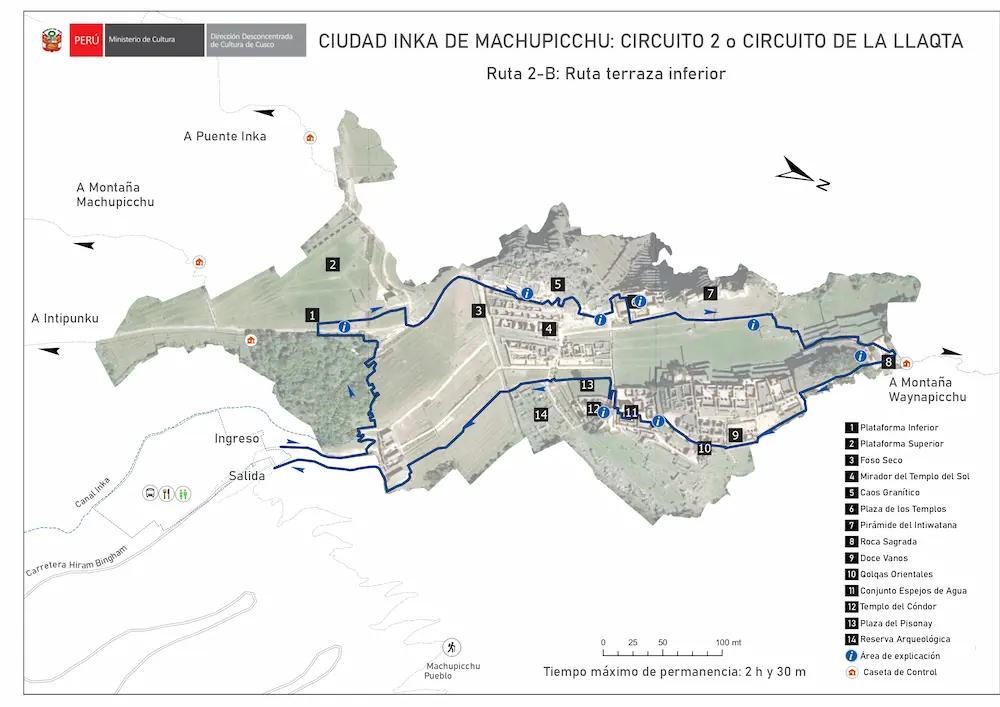
Route 2-B: Lower Terrace
Not every visit to Machu Picchu has to involve climbing or long hours on your feet. Sometimes, what stays with you the most are the quiet paths the ones that let you breathe, look around, and simply take it all in. That’s what the Lower Terrace route offers: a softer, gentler way to experience the magic.

This path gives you a broad, open view of the terraces below and around the citadel. You’re not surrounded by temples or tight alleys instead, you find yourself walking alongside the agricultural areas that once fed an entire city. The openness here makes it perfect for travelers who want to move slowly, take wide-angle photos, or just sit and admire the incredible engineering of the Incas.

If the Standard Route is a dive into the spiritual and ceremonial core, the Lower Terrace is a reminder of how grounded and practical life here really was. It’s a lighter route, yes, but no less meaningful.

Image
Route-2-B-Lower-Terrace

Circuit 3 – Royal Machu Picchu (4 routes)

This circuit is for those who want more not just more time on the trail, but a deeper look into the quieter corners of the citadel. It’s more demanding, yes, but it also opens doors to parts of Machu Picchu that few take the time to explore. If you’re curious about the noble sectors and hidden places beyond the usual photos, this path might be what you're looking for.

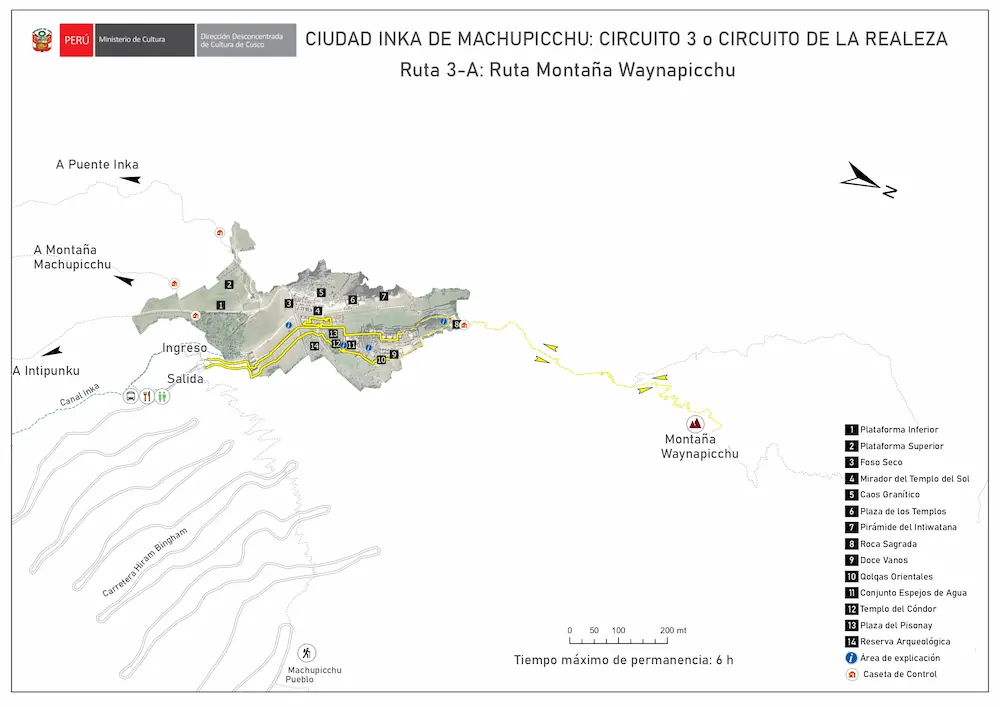
Route 3-A: Huayna Picchu Mountain
This is one of the most talked-about hikes in all the Machu Picchu circuits, and for good reason. Climbing Huayna Picchu isn’t easy the steps are steep, narrow, and constant. It takes about three hours round-trip, and you’ll feel every minute of the climb. But once you're up there, the view is something else entirely. The entire citadel spreads below you, like a model carved into the mountainside.

The route starts with access to Machu Picchu itself before heading up the mountain. And for those who want to go even further, there’s the option to extend the hike to the Great Cavern a lesser-known site that adds about another hour. It's a trail for those who want the adventure and are ready to earn every bit of it.


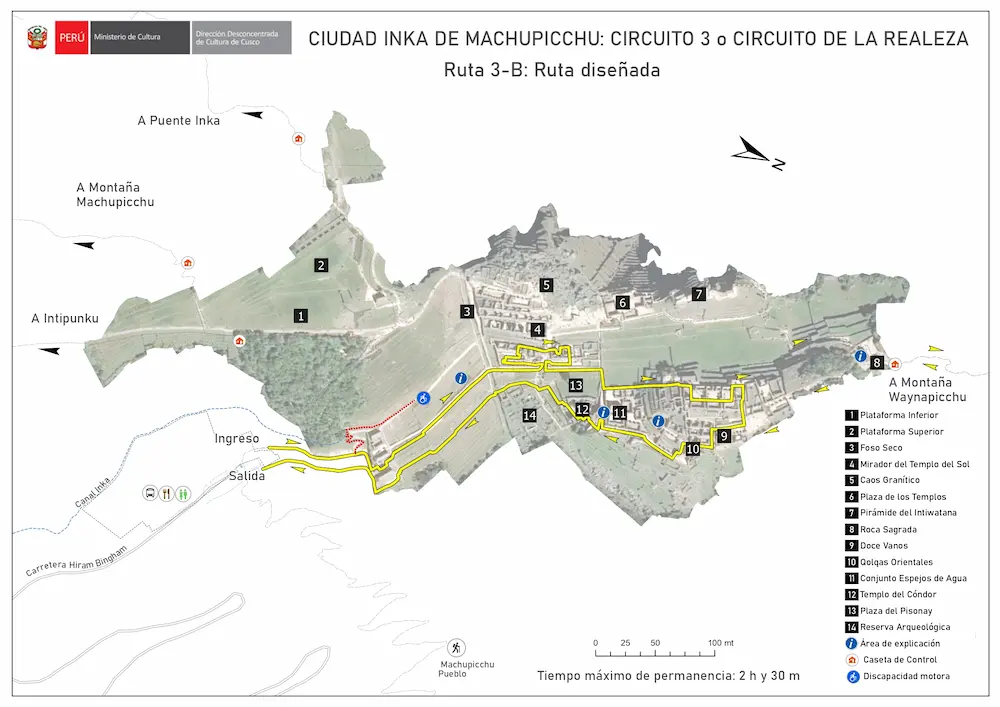
Route 3-B: Royal Design
This route doesn’t ask much from your legs, but it says a lot to anyone paying attention. You won’t be climbing steep paths or reaching high lookouts instead, you’ll find yourself walking through the kind of places that make you stop and wonder how the Inca lived their daily lives.

You’ll pass by the old qolqas, which were storage buildings and to be honest, they still look sturdy enough to be used today. The layout feels practical, thought-through. Then there's the Inca House, which honestly catches you off guard. It's not just another ruin the cuts in the stone are too precise, almost like they were carved yesterday. There’s something in the silence around it that feels respectful.

And then there’s a small surprise: the water mirrors. Two carved basins that, under the right light, reflect the sky so clearly you might mistake them for something modern. But they’re not. They’re ancient, quiet, and kind of beautiful.

This isn’t the flashy route. It’s the thoughtful one. The one where less happens and somehow, that makes it more memorable.

Image
Route-3-B-Royal-Design

Route 3-C: Great Cavern (high season only)
This isn’t a route you stumble across you have to really want to go there. The path to the Great Cavern is only open during the high season, and even then, it’s not the most visited. But maybe that’s part of the appeal.

It’s an extension of the Royal Circuit, and it takes you deeper into a less-explored corner of the site. The trail is quiet, a bit longer, and there’s a sense that not many people walk it which makes reaching the cavern feel oddly personal. When you arrive, you don’t find a grand chamber, but rather a carved space that clearly mattered. It’s subtle. Mysterious. You get the sense that this place had a purpose, even if no one tells you exactly what it was.

Among the different Machu Picchu circuits, this one feels like a hidden chapter. Not dramatic, but quietly powerful the kind of place that doesn’t shout, but stays with you for reasons you might not fully explain.

Image
Route-3-A-Huayna-Picchu-Mountain

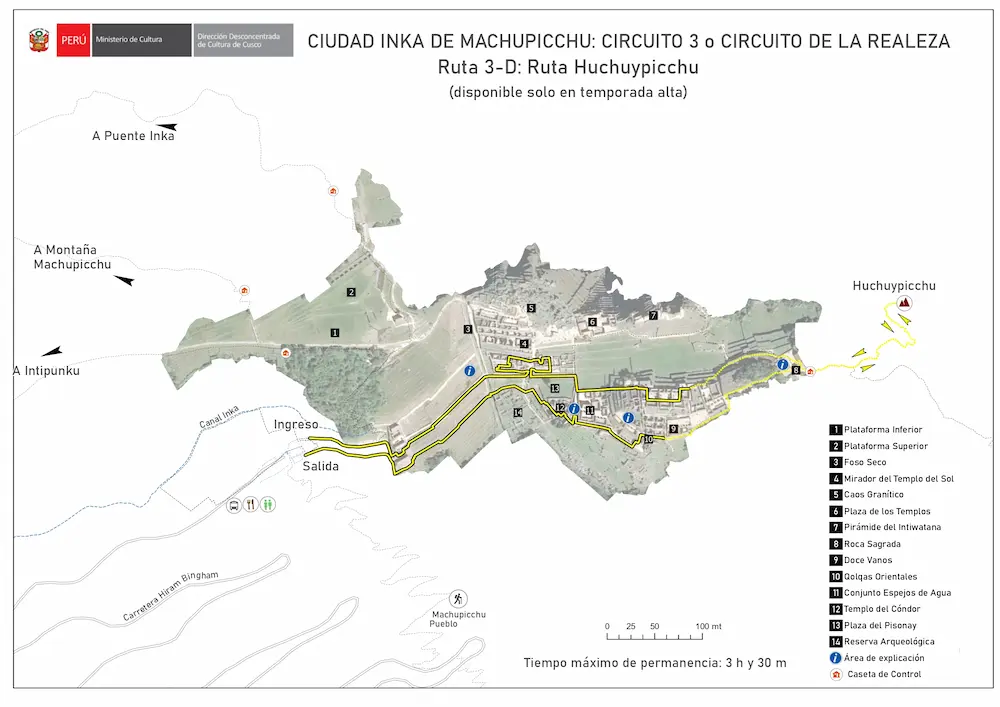
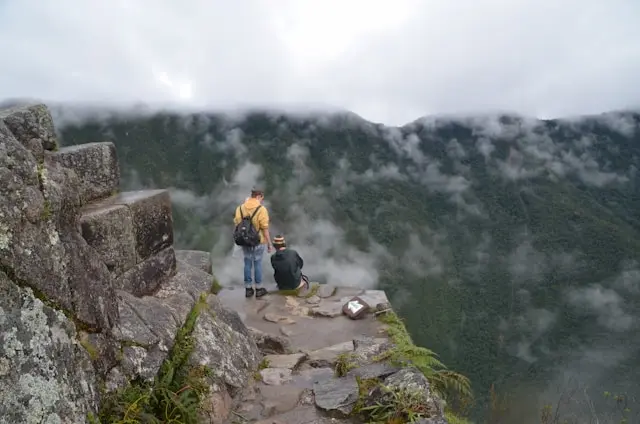
Route 3-D: Huchuy Picchu (high season only)
If you’re looking for a shorter, quieter hike that still gives you something special, Huchuy Picchu might be exactly what you need. It doesn’t take long to reach the top maybe 30 to 45 minutes but that’s not what makes it interesting.

The trail itself feels tucked away. Most people don’t even realize it’s there. It starts off gently, with narrow steps carved into the hillside, and pretty soon you find yourself rising above the edge of the site. When you reach the viewpoint, it’s not the wide, dramatic postcard angle. It’s something else something more personal.

You see Machu Picchu from a slightly different angle, closer than you'd expect, and somehow more alive. The crowds feel distant, the noise fades, and for a moment, it’s just you and the mountain. No filters. No rush.

It’s one of those places that doesn’t need a big explanation. You go, you see, and something about it stays with you. Sometimes, the smallest routes offer the clearest moments.

Image
Route-3-D-Huchuy-Picchu-high-season-only

Which Mountain to Choose at Machu Picchu?

Besides the citadel tour, you can climb one of three mountains, each offering a distinct experience. Your choice depends on fitness level, interests, and desired intensity. Choosing the right one also depends on which of the Machu Picchu circuits you book, as each circuit grants access to different trails.

Image
Huayna-Picchu turist

Huayna Picchu (Waynapicchu)


That famous peak behind Machu Picchu in the postcard view. Climbing it is intense and thrilling.

  • Highlights: Aerial views of the citadel, mysterious Inca structures at the summit.
  • Difficulty: High—steep stairs, narrow paths, rope sections.
  • Duration: 2–3 hours round trip.
  • Important: Limited to 200 visitors/day. Book months in advance through the appropriate Machu Picchu circuits.

Machu Picchu Mountain


Higher than Huayna Picchu and less crowded.

  • Highlights: Panoramic views of the sanctuary, Urubamba River, and surrounding jungle mountains.
  • Difficulty: Moderate to high.
  • Duration: 3–4 hours round trip.
  • Ideal for: Hikers, landscape photographers, and peace seekers.

Huchuy Picchu


A shorter, easier climb.

  • Highlights: Direct view of the citadel with minimal effort.
  • Difficulty: Low.
  • Duration: 45 minutes to 1 hour.
  • Perfect for: Families, seniors, or anyone short on time.

You may also like: Festivities in Peru, celebrations for the second half of 2026

Image
What-to-Wear-to-Machu-Picchu-by-Season

What to Wear to Machu Picchu by Season

Machu Picchu sits over 2,400 m.a.s.l., with weather that shifts by the hour. Packing wisely can make or break your experience especially depending on which of the Machu Picchu circuits you choose. Some circuits involve longer hikes and panoramic viewpoints, while others focus on archaeological areas with more shade or stone paths.

Dry Season (April to October)

Most popular time, with clear skies and cool mornings.

Bring:

  • Breathable long-sleeve shirts
  • Convertible hiking pants (avoid jeans)
  • Fleece or light jacket for mornings/evenings
  • Wide-brimmed hat and sunglasses
  • Sunscreen
  • Broken-in trekking shoes

Extra tip: Pack a light windbreaker just in case weather changes quickly at viewpoints, especially along Machu Picchu circuits that include high-altitude stops like Machu Picchu Mountain or Inti Punku.

Rainy Season (November to March)

Expect showers, mud, and fewer crowds. Everything’s greener!

Bring:

  • Waterproof jacket or poncho
  • Quick-dry clothes (avoid cotton)
  • Spare socks (in a plastic bag)
  • Backpack with rain cover
  • Water-resistant hiking pants
  • Rubber-tipped trekking poles (optional)

Extra tip: Use grippy shoes and ziplock bags for your phone, passport, or tickets. This is essential for wet-weather Machu Picchu circuits, especially those that involve steps or narrow trails.

All year:

  • Refillable water bottle
  • Light snacks
  • Wet wipes or TP
  • Small, comfy backpack (large bags not allowed)

How Far in Advance Should I Buy My Ticket?

  • Circuits 1, 2, 3: 2 weeks in advance (low season), 1–2 months ahead (high season).
  • With Mountain Access: Book 2–3 months ahead. Spots fill up fast.

How Long Is the Trip from Aguas Calientes to Machu Picchu?

  • Bus: 30 minutes. Departures every 10–15 mins from 5:30 a.m.
  • Hike: 1.5 to 2 hours via stone steps. Moderate to high effort.

Important Recommendations

  • Always carry your passport and entry ticket (printed or digital).
  • No re-entry once you leave the archaeological site.
  • Metal poles, snacks, or drones are not allowed.
  • Follow marked routes and listen to certified guides if you take one.

You may also like: Learn to distinguish the differences between llama and alpaca

Image
Which-Machu-Picchu-Circuit-Is-Best

Which Machu Picchu Circuit Is Best for You?

First time in Machu Picchu? Go with Circuit 2.
It’s the most balanced option not too long, not too steep, and it covers the key areas you’ve probably heard about: the temples, the main plaza, and that classic viewpoint. If you're not sure where to start, this one won’t let you down.

Looking for unforgettable views? Circuit 1 or Machu Picchu Mountain is your path.
Circuit 1 includes panoramic routes with wide, open landscapes perfect if you want to take in the site from a distance. And if you're up for a hike, Machu Picchu Mountain gives you some of the most incredible views over the whole valley. It's not easy, but the scenery at the top is something you'll remember for years.

In it for the challenge? Try Circuit 3 with Huayna Picchu.
This one’s for people who like to earn their view. The hike up Huayna Picchu is steep and narrow, but it rewards you with dramatic angles and a unique sense of perspective. Add the Great Cavern to the route if you want something even more off the radar.

Prefer something short and easy? Stick with Circuit 3 or Huchuy Picchu.
Not every visit has to be intense. Huchuy Picchu is a gentle climb to a quieter viewpoint a nice alternative if you want the experience without pushing too hard. And some parts of Circuit 3 give you a good sense of the site without the effort of the bigger climbs.

Frequently asked questions about Machu Picchu circuits

Choosing between the different Machu Picchu circuits can be a bit overwhelming, especially if it’s your first time visiting. To help you plan with more confidence, here are some of the most common questions travelers ask answered in a simple way so you know what to expect before you arrive.

Which of the Machu Picchu circuits is best for first-time visitors?

Honestly, Circuit 2 is a safe and balanced choice. You get temples, plazas, and great views kind of a bit of everything. If it’s your first time and you don’t want to overthink it, that one covers the essentials.

Can I do more than one circuit on the same day?

Nope that’s one of the strict rules. One ticket gives you access to just one circuit and at a specific time. If you're hoping to explore more than one of the Machu Picchu circuits, you’ll need to buy a separate ticket.

Where can I get the classic postcard view of Machu Picchu?

That iconic view you’ve probably seen online? You’ll catch it best on Circuit 2-A or 1-B. Those routes go through the upper terraces, which open up to the entire citadel. It's one of the highlights of the circuits for photographers.

Are all the Machu Picchu circuits difficult to hike?

Not at all. Some are more demanding, like the hike to Huayna Picchu in Circuit 3. But others, like Route 1-B or 2-B, are much gentler and better suited for travelers who want the experience without the workout.

Do I really need a guide to explore the circuits?

Technically, you can go without one. But a guide gives you way more context stories, history, even small details you’d probably miss otherwise. Especially if you're choosing one of the more in-depth Machu Picchu circuits, it’s worth it.

Final Thoughts

Machu Picchu isn’t just a place it’s an experience. It’s living history, Andean energy, and a tribute to our ancestors’ brilliance. Walking through its terraces, temples, and trails isn’t just tourism it’s a soulful journey.

Understanding the Machu Picchu circuits lets you enjoy the site your way whether you’re chasing landscapes, immersing yourself in sacred spaces, or soaking in the mystical vibe.

Plan ahead, study your routes, and consider the weather. Get ready to walk, to climb, and to pause often in awe. Bring the right clothes, water, sunscreen, and above all, a mindset of respect and wonder.

Because yes, even if you've seen a thousand photos, being there changes everything.

So... which circuit will you choose?

Your journey to Machu Picchu starts now.

Show in Travel Guide (Home)
No

Anniversary of Lima

Submitted by admin on

The anniversary of Lima Peru is one of the most vibrant, chaotic, and historically significant dates in the national calendar. Every year, as the 18th of January approaches, the "City of Kings" sheds its gray winter reputation and transforms into a sunny hub of cultural expression, gastronomy, and music. In 2026, the capital will celebrate its 491st year, marking nearly five centuries of history since its Spanish foundation. For travelers from the United States, this is arguably the best time to explore the Historic Center, which becomes a pedestrian friendly zone filled with joy, tradition, and living history.

Celebrating the anniversary of the foundation of Lima Peru is not just about remembering the colonial past; it is a celebration of the city's evolution into a modern, complex, and beautiful metropolis. From the intricate colonial balconies of the Plaza de Armas to the sleek, modern cliffs of Miraflores, the anniversary of Lima unites the diverse identities of its 10 million citizens. Visitors arriving in January 2026 can expect a week long schedule of festivities, including open air serenades, massive gastronomic fairs, and spectacular parades that showcase the rich cultural tapestry of South America's gastronomic capital.

Image
What to Visit in Lima

History of the Foundation of the "City of Kings" (Ciudad de los Reyes)

Image
Ciudad-de-los-Reyes-lima-peru

To understand the magnitude of the celebrations, one must delve into the history of Lima. The city was not always the sprawling metropolis we see today. It began as a strategic colonial outpost designed to connect the riches of the Inca Empire with the Spanish Crown. The anniversary of the foundation of Lima Peru commemorates the official act of establishing the capital, a decision that shifted the political and economic center of South America from the high Andes to the Pacific coast.

The title "Ciudad de los Reyes" (City of Kings) was bestowed upon the city because the decision to found it was made during the religious feast of the Epiphany (Three Kings' Day) in early January. Over the centuries, the history of Lima has seen it survive massive earthquakes, wars, and rapid urban expansion, yet it retains a colonial heart that is recognized as a UNESCO World Heritage site. This resilience and historical depth are exactly what is honored during the anniversary festivities.

Francisco Pizarro and the Foundation on January 18, 1535

Image
Francisco Pizarro Peru

The pivotal moment in the history of Lima Peru occurred on January 18, 1535. On this date, the Spanish conquistador Francisco Pizarro officially drafted the act of the foundation of Lima in the main square, which is now the Plaza de Armas. Pizarro, seeking a capital that offered better access to the sea than the Andean cities, laid out the city in a traditional grid pattern known as a "damero" (checkerboard), which still defines the streets of the Historic Center today.

Francisco Pizarro Lima history is complex and often debated, but his role in the city's inception is undeniable. He designated the locations for the Cathedral, the Government Palace (which was built upon the residence of the indigenous leader Taulichusco), and the Cabildo (City Hall). The foundation ceremony was a solemn affair, planting the "Picota" (a wooden trunk) in the center of the square to symbolize Spanish justice and authority, marking the birth of the political heart of the Viceroyalty of Peru.

Why Was Lima Chosen as the Capital Instead of Jauja or Cusco?

A common question among history enthusiasts is: why is Lima the capital? Originally, Pizarro had established the capital in Jauja, located in the central Andes. However, the Spanish quickly realized that the high altitude, cold climate, and rugged terrain made Jauja difficult for logistics and unsuitable for the European lifestyle. Furthermore, Jauja was too far from the sea, making it vulnerable to isolation if the connection to Spain was severed.

The capital of Peru history shifted towards the coast for strategic naval reasons:

  • Proximity to the Port: Lima was chosen because of its closeness to a natural deep water harbor (Callao), allowing for easy export of gold and silver to Spain.
  • Climate and Agriculture: The Rímac valley offered a moderate climate and fertile land that guaranteed food and water, unlike the harsh conditions of the high Andes.
  • Defense: Cusco, the imperial capital of the Incas, was too deep in the mountains and difficult to defend or supply by sea, whereas Lima provided a quick escape route to the ocean.

The Indigenous Legacy of Taulichusco Before the Spanish Arrival

It is a misconception that the city was built on an empty desert. The indigenous history Lima holds is rich and predates Pizarro by millennia. Before the Spanish arrived, the area was a flourishing agricultural valley ruled by the Curaca (chieftain) Taulichusco. The history of the valley of Lima is rooted in the Ichma culture and later the Inca administration. The land where the Government Palace sits today was originally the palace of Taulichusco, proving that the Spanish built their power directly on top of existing indigenous power structures.

During the anniversary, it is vital to acknowledge this indigenous history Lima preserves. The intricate irrigation canals (huaticas) that greened the desert were built by these pre Hispanic civilizations. Today, a commemorative stone dedicated to Taulichusco stands in a small passage next to the Government Palace, reminding visitors and locals that the "City of Kings" has deep indigenous roots that supported its foundation.

The "Serenata de Lima": The Main Celebration on January 17th

Image
Serenata in Lima

The highlight of the anniversary of Lima celebration is undoubtedly the "Serenata de Lima." This event takes place on the eve of the anniversary, on the night of January 17th. It is a massive, open air party where the city comes alive with energy, anticipation, and pride. Among the many events in Lima, the Serenata is the one that draws the largest crowds, filling the Historic Center with tens of thousands of people eager to sing "Happy Birthday" to their city at midnight.

Fireworks and Live Concerts at the Plaza de Armas

As midnight approaches on January 17th, the energy peaks. The Plaza de Armas celebration offers a sensory overload that defines nightlife in Lima anniversary style:

  • The Midnight Spectacle: The sky above the Government Palace and Cathedral erupts in a massive display of fireworks in Lima, bathing the colonial architecture in flashes of red and white (national colors) and yellow (the color of the city).
  • A List Concerts: The main stage hosts a mix of rock, cumbia, salsa, and folklore bands. Famous Peruvian artists often headline the event, turning the historic square into a massive concert venue with high quality sound systems.
  • Video Mapping: In recent years, the facade of the Cathedral has served as a canvas for 3D projection mapping, telling the visual history of the city before the pyrotechnics begin.

Traditional "Jarana Limeña" and Creole Music Performances

You cannot celebrate Lima without musica criolla Peru. This genre is the soundtrack of the city, a blend of Spanish, African, and Andean rhythms born in the working class neighborhoods.

  • The "Jarana" Atmosphere: The stage recreates a "Jarana Limeña" (a traditional party), featuring Cajón drums, guitars, and passionate vocals that invite everyone to dance.
  • Chabuca Granda Tribute: Performers always pay tribute to the city's most famous composer, singing Chabuca Granda songs like "La Flor de la Canela," which is considered the unofficial anthem of Lima.
  • Dance Duels: You will witness skilled Marinera dancers and singers engaging in musical duels, preserving traditional music Lima for the younger generation.

Best Things to Do: Fairs and Festivals During the Anniversary

Image
tourists in Lima's main square

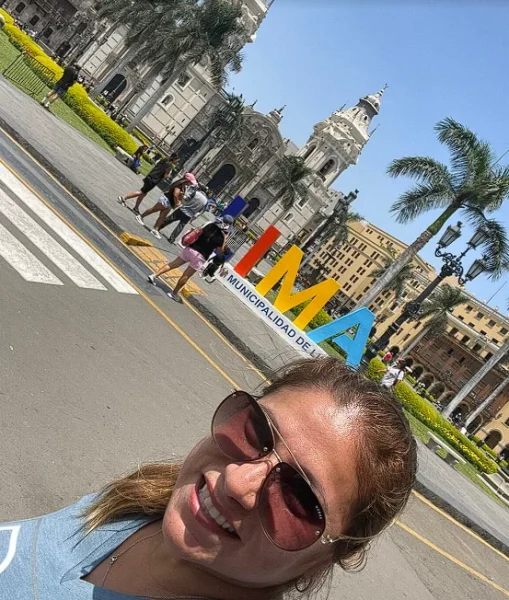
If you are looking for things to do in Lima anniversary week, you will be spoiled for choice. The city government sets up numerous fairs in Lima, specifically along the Jirón de la Unión and the Alameda Chabuca Granda. These spaces are transformed into bustling marketplaces where culture, commerce, and gastronomy meet. It is the best time to experience the city's vibrant street life in a safe and organized environment.

Gastronomic Fairs: Where to Eat the Best Street Food

Image
Peruvian food

Lima is the gastronomic capital of Latin America, so naturally, food festivals Lima are central to the celebration. Pop up stalls take over designated streets offering the very best of Peruvian street food:

  • Anticuchos (Beef Heart Skewers): These are the kings of street food. Marinated in vinegar, cumin, and aji panca, the skewers are grilled over open flames. Don't let the ingredients scare you; the meat is tender, flavorful, and a must try.
  • Picarones: The perfect dessert to end a street meal. These are donut like rings made from squash and sweet potato dough, deep fried until crispy, and drenched in a warm, spiced fig molasses syrup (chancaca).
  • Papa Rellena: A fried mashed potato dough stuffed with seasoned ground beef, onions, olives, and hard boiled eggs, usually served with a side of spicy "salsa criolla" (onion salad).

Tasting the "Suspiro a la Limeña" and "Mazamorra Morada" Desserts

For those with a sweet tooth, the anniversary is a paradise of traditional desserts Lima is famous for. You must try the "Suspiro a la Limeña," a silky caramel custard topped with port wine meringue that is intensely sweet and representative of the colonial era's culinary excess.

Another staple is "Mazamorra Morada," a purple corn pudding spiced with cinnamon and cloves, often served mixed with "Arroz con Leche" (rice pudding) in a combination known locally as "El Clásico" (like the football derby). These limeño desserts are more than just food; they are nostalgia in a bowl for locals.

The Festival of the Chilcano and Pisco Sour Tasting

Image
The-Festival-of-the-Chilcano-and-Pisco-Sour-Tasting

January coincides with the height of summer, making refreshing Peruvian drinks highly sought after. The anniversary often overlaps with Chilcano Week Lima, a festival celebrating the Chilcano, a cocktail made with Pisco, ginger ale, and lime.

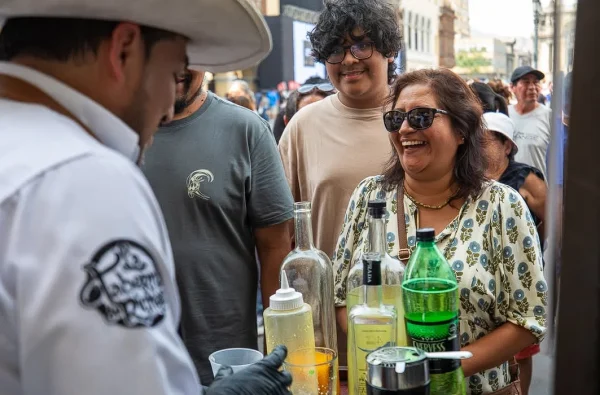
While the Pisco Sour festival officially happens in February, tastings are rampant during the Lima anniversary. You can find stands offering samples of Peru's national drink. Whether you prefer the frothy, citrusy punch of a Pisco Sour or the bubbly, refreshing kick of a Chilcano, the anniversary creates the perfect atmosphere to toast to the city's health.

Artisan Markets and Souvenirs in the Historic Center

The anniversary is the prime time to support local artists at the artisan markets Lima sets up in the city center. Artisans from all over Peru travel to the capital to sell their wares. You can find high quality textiles, silver jewelry, and wood carvings at prices often lower than in the tourist boutiques of Miraflores. If you are looking for unique souvenirs from Peru, look for handicrafts Lima style, such as the "Tapadas Limeñas" figurines (depicting the veiled women of colonial Lima) or intricate leatherwork.

What to Visit in Lima? Top Attractions During the Anniversary

Image
What to Visit in Lima

While the parties and parades are exciting, the anniversary of Lima is the perfect excuse to explore the permanent landmarks that define the city. Many of these locations offer extended hours or special exhibits during the celebration week.

Plaza Mayor (Plaza de Armas): The Heart of the City

This is the birthplace of the city and the epicenter of the anniversary. Surrounded by the Cathedral, the Government Palace, and the Archbishop's Palace, it is a masterclass in colonial architecture. During the anniversary, the central fountain is illuminated, and the buildings are decked out in flags. It is the best place to feel the pulse of the tourism in Lima.

Convent of San Francisco and the Catacombs

Just a few blocks from the main square lies one of the most fascinating places to visit in Lima Peru. The Convent of San Francisco is famous for its yellow baroque facade, its ancient library filled with thousands of texts, and, most notably, its catacombs. These underground ossuaries hold the remains of an estimated 25,000 people and offer a spooky yet fascinating look into the colonial past.

Huaca Pucllana: Pre Inca History in Miraflores

To understand the indigenous legacy of Lima, you must visit Huaca Pucllana. Located in the modern district of Miraflores, this adobe pyramid built by the Lima culture (200–700 AD) stands in stark contrast to the surrounding glass skyscrapers. Seeing this ancient temple illuminated at night is a reminder that Lima was a holy city long before the Spanish arrived.

Barranco: The Bohemian and Arts District

For a break from the crowds of the center, head to Barranco. This district is the artistic soul of the city, filled with colorful colonial mansions, street art murals, and the famous "Puente de los Suspiros" (Bridge of Sighs). During the anniversary week, the bars and peñas (traditional music venues) in Barranco host incredible live Creole music shows.

Larcomar and the Malecon of Miraflores

For the best views of the Pacific Ocean, walk along the Malecon in Miraflores. You can visit Larcomar, a shopping center built into the cliffside, which offers great dining and shopping options. It is the perfect place to watch the sunset over the ocean before heading downtown for the night's festivities.

Cultural Activities and Parades for the Anniversary of Lima

Image
Cultural Activities and Parades for the Anniversary of Lima

The official agenda for the anniversary always includes a robust program of cultural events Lima is proud to present. Beyond the parties, there is a strong focus on formal culture.

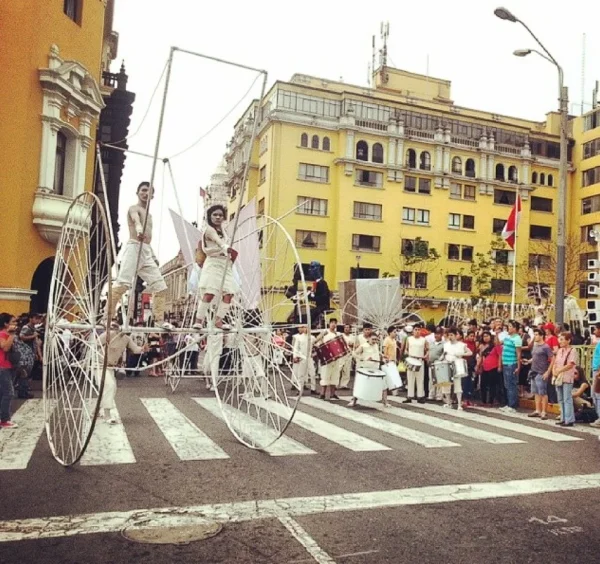
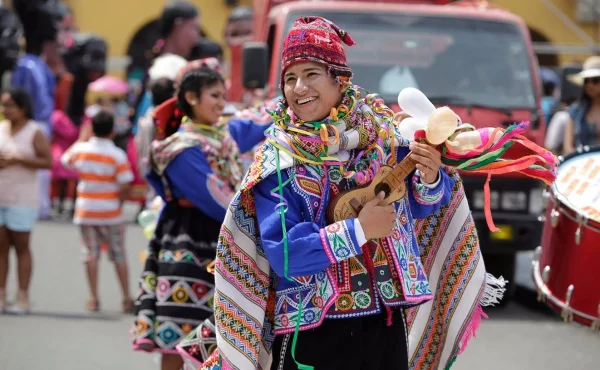
  • The Great Corso: This folklore parade Lima hosts features hundreds of dancers and musicians winding their way through the historic streets. It is a moving exhibition of the traditional dances of Peru, bringing the culture of the highlands and the jungle to the asphalt of the coast.
  • Free Museums: To encourage cultural education, many museums in Lima free entry policies are enacted on January 18th. Institutions like the Bodega & Quadra Museum and the Metropolitan Museum of Lima often open their doors at no cost.
  • Protocol Activities: The official ceremony Lima conducts includes the flag raising Plaza de Armas event and the traditional Te Deum Mass at the Cathedral, attended by the Mayor and government officials.

Practical Tips for Tourists Visiting Lima in January

Image
Practical Tips for Tourists Visiting Lima in January

Visiting during the anniversary is exciting, but it requires some planning. These travel tips Lima January guide will help you navigate the city during its busiest and hottest time. Summer in Lima is intense, and the city functions differently than in the misty winter months.

Weather in January: Preparing for the Summer Heat

The weather in Lima January is hot, humid, and sunny. Temperatures usually range from 24°C to 30°C (75°F - 86°F), but the humidity makes it feel hotter.

  • Sun Protection: The UV radiation in Peru is extremely high. Carry high SPF sunscreen, a wide brimmed hat, and sunglasses at all times.
  • Clothing: Your summer outfit Lima strategy should focus on light, breathable fabrics like cotton or linen. Comfortable walking shoes are essential.
  • Hydration: Carry a refillable water bottle, as staying hydrated during the parades and fairs is crucial to avoid heat exhaustion.

Safety Recommendations for Crowds in Plaza de Armas

While the anniversary is a joyous occasion, large crowds can attract pickpockets. Safety tips Plaza de Armas include wearing your backpack on your front, leaving expensive jewelry at the hotel, and keeping your phone secured. The authorities deploy a significant number of officers during the festivities. You will see the Tourist Police Lima (dressed in white shirts) stationed throughout the Historic Center; do not hesitate to approach them if you need assistance.

Best Spots and Rooftops to Watch the Anniversary Fireworks

For the best view of Lima fireworks without getting crushed in the crowd below, booking a spot on a rooftop is the pro move. The trend of rooftops Plaza de Armas Lima has exploded in recent years. Places like the rooftop bars around Plaza San Martín or the hotels directly facing the main square offer exclusive packages for the night of the Serenata. Reservations open weeks in advance and sell out quickly, so plan ahead to secure your spot.

Show in Travel Guide (Home)
No

10 Interesting facts about Machu Picchu every traveler should know

Submitted by admin on

There are many facts about Machu Picchu that continue to amaze both travelers and experts alike. If there's one thing fascinating and remarkable about Latin America, it's its history. Since I can remember, I've always heard about the marvel that is Machu Picchu. Before even knowing what Peru was, I already knew about the existence of Machu Picchu. I’m passionate about history, and I've always researched everything about these famous ruins: their architecture, how they were built, how that culture lived... basically, everything.

Recently, I set out to gather the most interesting facts about Machu Picchu as a summary. I wanted to make it more accessible and engaging (we know that nowadays, not many people enjoy reading long texts). So, here I share with you, in a condensed form, the most fascinating aspects of this world wonder. I hope these facts will inspire you to start planning your next trip and visit this place, which undoubtedly every human being should experience before leaving this world.

Image
 abra machupicchu
Image
facts-about-machu-picchu

10 Facts About Machu Picchu You Won't Believe

Ready for some mind blowing machu picchu peru facts? There are so many details about this place that seriously keep blowing my mind, and experts are still figuring things out! Machu Picchu is way more than just a bucket list destination; it’s a total testament to the sheer greatness of the Inca civilization. In this post, we’re sharing 10 interesting facts about machu picchu that will not only help you understand its history but also seriously inspire you to book your next adventure. Get ready to discover the surprising things that make this site one of the world's most impressive wonders.

An Inca Mystery That Resists Time

Machu Picchu is hands down one of the greatest mysteries in all of pre Columbian history. The facts about machu picchu continue to just blow the minds of archaeologists and travelers alike. Can you believe it was built in the 15th century during the height of the Inca Empire and then stayed completely hidden for centuries? The craziest part is that the Incas were totally aware it was there!

The abandonment of Machu Picchu in the 16th century, right after the Spanish showed up, meant the whole citadel got completely swallowed by the jungle. It was covered in vegetation until the American explorer Hiram Bingham 'rediscovered' it in 1911. The isolation of Machu Picchu is honestly what saved it from the destruction that other Inca cities suffered, making it an invaluable treasure today.

What’s truly wild? Even though the Incas abandoned it, they left absolutely zero written evidence explaining its true purpose. Fun fact: The site is widely considered a "royal retreat" for the Inca emperor Pachacuti kind of like his personal, super secret vacation spot for rest and meditation."

Image
 Peru National drink machupicchu

Inca architecture

One of the most surprising features of Machu Picchu is its architecture. Facts about Machu Picchu reveal that the Incas developed construction techniques that combined functionality with beauty. The structures of Machu Picchu are made with enormous stone blocks, carved with such precision that they require no mortar. This type of construction, known as sillar, allows the stones to fit perfectly together, giving them exceptional strength. The citadel has withstood several earthquakes and remains standing thanks to this technique.

The solidity of Inca architecture is not only a matter of technique but also of wisdom. The Incas built in such a way that the buildings could adapt to seismic movements, allowing them to withstand the effects of tremors, common in the Andean region. This demonstrates not only their skill as builders but also their profound knowledge of nature and its phenomena.

Image
Pisac ruins in cusco

A natural and cultural wonder

Let’s talk location! Machu Picchu is so much more than an archaeological site; it’s a total natural gem. It’s surrounded by the imposing Andes mountains and overlooks the Urubamba River, creating a genuinely breathtaking landscape. Travelers who arrive here find themselves completely wrapped up in a unique beauty, with an atmosphere that's just packed with history and a palpable energy. This is precisely why is machu picchu famous it’s the perfect blend of man-made genius and natural wonder.

The Sacred Valley of the Incas, where Machu Picchu sits, is an area super rich in biodiversity. Beyond the stunning mountain views, the natural surroundings include lush, vibrant vegetation and diverse species of fauna. This definitely makes Machu Picchu a unique place of fascination for both history lovers and dedicated nature enthusiasts. It truly is one of the most compelling machu picchu peru facts."

Image
Ollantaytambo cusco

The Meaning of Machu Picchu

The name Machu Picchu comes from Quechua, and it literally translates to 'Old Mountain.' That title totally reflects the massive prominence of the peak the citadel sits on. These fascinating facts about machu picchu show that the mountain, with its iconic pyramid like shape, doesn't just offer a spectacular view it has become the ultimate symbol of the whole region.

Studies suggest the location of Machu Picchu was absolutely not chosen randomly. Building it way up on this specific mountain served a massive ceremonial and religious purpose. The Incas considered mountains sacred, and Machu Picchu, sitting at about 2,430 meters (nearly 8,000 feet) above sea level, wasn't just about the scenery. It was also intentionally aligned with crucial astronomical phenomena, like the solstices. That level of precision is one of the coolest interesting facts about machu picchu.

Additional fact: The city was built at about 2,430 meters above sea level, which gives it a spectacular view of the Sacred Valley of the Incas.

A Religious Site or a Royal Residence?

Honestly, the exact purpose of Machu Picchu is still one of the biggest mysteries archaeologists argue over! The facts about machu picchu lean toward a few strong theories. Some experts believe it was a powerful religious center, totally dedicated to worshipping the sun and other key Andean deities. This theory makes sense because many of the main structures are precisely aligned with the solstices and specific astronomical events observed from the Citadel.

On the flip side, others argue that Machu Picchu was actually a royal residence built specifically for the Inca emperors especially Pachacuti, the ruler famous for expanding the whole Inca Empire.

According to this second theory, it was used as a secluded retreat, a place where the emperor could seriously rest and soak up the serene landscape, far away from the stress of the capital, Cusco, and the worries of government. It’s a debate we still can't definitively solve, and that's one of the coolest fun facts about machu picchu.

Image
Trekking inca trail

The Connection with the Inca Trail

Most people recognize the Inca Trail as a world famous trek, but it was originally the traditional 'main road' to Machu Picchu. This wasn't just a path, it connected key settlements and served vital roles, from religious pilgrimages to transporting essential goods. Hiking it today offers a different perspective you get a tangible sense of history and the Andean landscape that you just can't get from a train window.
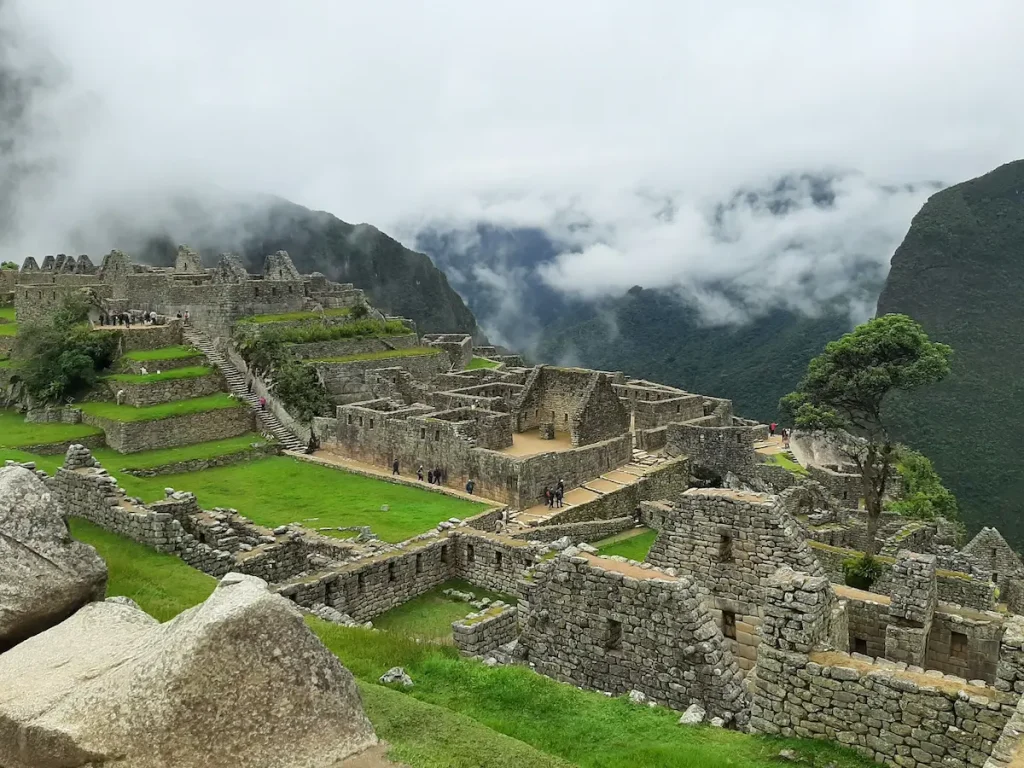
The journey usually takes four days. This allows hikers to see ruins situated along the route that other tourists completely miss. That’s the real draw: it’s a unique way to access Machu Picchu, following the exact footsteps used by the Incas centuries ago.
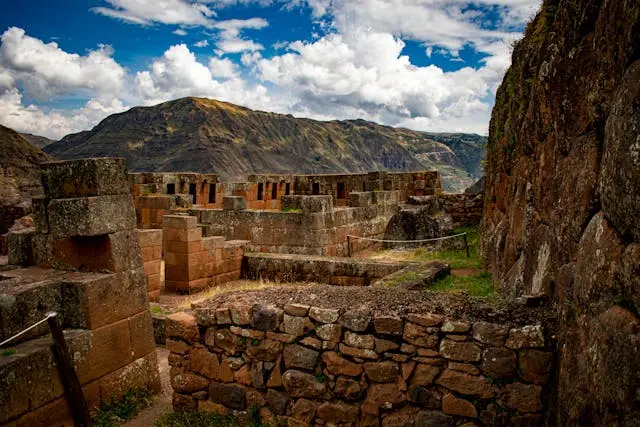
A Sustainable City in Its Time

The Incas were masters of sustainable farming long before modern engineering came along. At Machu Picchu, they carved out those iconic agricultural terraces the massive stone steps you see today to grow enough food for the local population. The design was brilliant: it allowed them to farm on steep slopes that would otherwise be useless.

Plus, they built a sophisticated irrigation system that channeled fresh mountain water directly to the fields. The whole system was ecological, requiring no chemical fertilizers. Their network of underground channels also brought drinking water to the homes, making Machu Picchu self sufficient. It is a remarkable engineering fact about machu picchu, considering the difficult mountain environment.


The Engineering of Light and Spirit

Image
The-Engineering-of-Light-and-Spirit

When you stand there, you realize the Winter Solstice wasn't just a date on a calendar for the Incas; it was a precisely calculated architectural event. It’s actually one of the most complex historical facts about machu picchu. During the solstice, the sun projects a shadow that aligns perfectly with the Intihuatana, a monolith carved straight out of the mountain's granite bedrock. This specific alignment proves something incredible: the Incas didn't just worship nature; they understood the complex mathematics and astronomy behind it.

They used this structure as a precise solar clock to predict the seasons, blending their spiritual ceremonies with the hard science needed to run a vast empire. This brings us to the Intihuatana itself, which is a huge part of why is machu picchu famous today. The name is fascinating it translates from Quechua as 'The Place Where the Sun is Tied.'

The ritual concept was poetic: during the solstice, the high priest would symbolically 'tie' the sun to the stone to prevent it from drifting away, ensuring the return of warm days. But beyond the ritual, this stone served a critical practical purpose as an agricultural almanac. In the harsh Andean climate, knowing exactly when to plant was a literal matter of life and death. One of the most interesting facts about machu picchu is that this is likely the only major Intihuatana left intact.

The Spanish conquerors destroyed almost all the others at different sites because they feared their religious power, so seeing this one still standing allows us to connect directly with how the Incas linked the cosmos to their daily survival.

A Masterpiece of Inca Ingenuity: The Intihuatana

You can't talk about Inca engineering without staring in awe at the Intihuatana. It is the ultimate symbol of their skill. The name itself is deeply poetic it translates from Quechua as The Place Where the Sun is Tied.

Picture the ritual: the idea was that during the solstice, the high priest would spiritually 'hitch' the sun to this stone pillar to prevent it from drifting away into the universe, guaranteeing that the warm days would return.

But it wasn't just spiritual, it was survival. Beyond the ritual, this stone acted as a high tech agricultural almanac. You have to remember that in the brutal Andean climate, knowing exactly when to plant and harvest was a literal matter of life and death.

Here is one of the most interesting facts about Machu Picchu: this Intihuatana is likely the only major one left in the world. The Spanish conquerors aggressively hunted down and destroyed these stones at every other site because they saw them as blasphemous idols. Since they never found this citadel, this stone survived, giving us a rare, direct link to how the Incas connected the cosmos to their daily survival.

Image
 abra machupicchu

Machu Picchu and Its Deep Importance to Peruvian Culture

Today, Machu Picchu isn't just a pretty postcard or a world renowned archaeological site; it is the beating heart of Peruvian identity. It stands as a massive source of national pride and a constant, visible reminder of the sheer ingenuity and greatness of the Inca civilization. While it’s true that thousands of tourists flock here every year bringing a vital economic boost to the Cusco region the real value goes much deeper than money. The historical facts about Machu Picchu reveal its significance not just as a bucket list destination, but as the spiritual and historical anchor for the entire country.

Moreover, this citadel plays a critical role in defining who we are today. It serves as a living bridge connecting our ancestral history with modern Peru. It is a place where the past isn't dead; it’s where Quechua traditions still breathe through festivals and ceremonies that keep the Inca spirit alive. This deep, enduring connection is exactly why is Machu Picchu famous it manages to adapt to the demands of the modern world while remaining a timeless symbol of our resilience and heritage.

4 Essential Tips for Visiting Machu Picchu: The Expert Guide

Visiting this New Wonder of the World is a unique experience, but let's be honest: without a solid strategy, it can quickly become a logistical headache. There are endless peru machu picchu facts that explain why this site is so globally famous, but knowing how to navigate it is just as important as knowing its history. If you want to fully enjoy the magic without the stress, you need to be prepared. Here is our detailed, expert advice on how to make your trip unforgettable.

1. Buy Tickets in Advance (The Golden Rule)

We really cannot stress this enough: Machu Picchu is absolutely not a destination where you can just "show up" and hope for the best. Because it is a UNESCO World Heritage site, daily visitor numbers are strictly capped to preserve the ruins. One of the hard facts about machu picchu is that tickets sell out incredibly fast, especially during the peak dry season from April to October. It is highly recommended and frankly, essenti alto buy your entrance tickets several months in advance.

This is even more critical if you want to access the additional hiking routes like Huayna Picchu or Machu Picchu Mountain, which have very limited slots and often sell out 3 to 4 months ahead of time. Remember, tickets are not sold at the entrance gate. These logistical machu picchu facts highlight why booking early is the only way to guarantee you don’t travel all the way to Peru just to miss out on the full experience.

2. Pack Smart for a Unique Microclimate

Packing for this trip requires some thought because the citadel sits in a unique transition zone between the high Andes and the lush Amazon jungle. This means the weather is unpredictable and can vary wildly throughout a single day. You might find yourself freezing in the early morning queue and then sweating under a tropical sun by noon. Therefore, bringing lightweight layers that you can easily peel off is a total game changer. Also, keep in mind that even in the dry season, rain is always a possibility in the cloud forest.

A good poncho or waterproof jacket is non negotiable. Furthermore, leave the fashion sneakers at the hotel; you really need broken in, sturdy trekking boots with good grip for the uneven, often slippery stone paths. One of the fun facts on machu picchu is that the Incas built incredible drainage systems to handle this heavy rainfall, but that won't help you if you didn't pack waterproof gear! Don't forget high SPF sunscreen and strong insect repellent, as the sandflies can be fierce.

3. Timing is Everything: Beat the Crowds

If you want to enjoy the experience without bumping elbows with hundreds of other tourists, you need to be strategic about your timing. The entrance usually opens at 6:00 AM, and for many, arriving early is the best option. If you manage to catch the first buses up from Aguas Calientes, you get the chance to watch the sunrise and see the mist slowly lifting off the mountains, which is a truly mystical moment.

However, if you are not an early riser, the afternoon shift is a fantastic secret; crowds tend to thin out significantly after 2:00 PM, offering a much more peaceful atmosphere. One of the most interesting facts about machu picchu is how the sunlight drastically transforms the texture and look of the granite stones from dawn to dusk, so choosing your time carefully will give you a completely different photographic perspective.

4. Hire a Knowledgeable Guide for Context

While you might be tempted to explore the ruins on your own to save money, this is a place that desperately needs context. The stones don't speak for themselves! A professional guide will bring the ruins to life, explaining the incredible historical facts about machu picchu, from the complex engineering of the water canals to the precise astronomical alignment of the temples.

Without a guide, you might walk right past the 10 facts about machu picchu that make the site so mind blowing, such as the "mortar less" construction technique or the sacred rocks. Plus, guides know exactly where to stand for those perfect photos away from the main groups. Understanding these machu picchu interesting facts through the eyes of a local expert changes your entire perspective, turning a simple sightseeing tour into a deep educational journey.

Respect conservation rules

It’s essential to be respectful of the heritage and nature of Machu Picchu. Touching the structures is not allowed, and drone usage is restricted. Additionally, do not leave trash or alter the natural surroundings.

Image
culture Andine cusco

The magic of Machu Picchu

Machu Picchu remains a fascinating mystery that captivates all those who are lucky enough to visit it. Facts about Machu Picchu allow us to learn a little more about its history, but they also invite us to admire its majesty and marvel at its architecture, its connection with nature, and the ingenuity of the Incas. If you're a traveler in search of a unique experience, Machu Picchu is a destination that should be on your list. It will not only transport you to another time, but it will also provide you with unforgettable memories of one of the most impressive wonders in the world.

Show in Travel Guide (Home)
No

Complete List of animals of machu picchu and Guide to Wildlife Species

Submitted by admin on

The biodiversity within the Historic Sanctuary is staggering and often surprises visitors who come only for the archaeology. This guide provides a scientifically accurate list of machu picchu animals covering the species that thrive in this unique transition zone between the high Andes and the Amazon cloud forest.

The sanctuary protects over 32000 hectares of land and this vast area supports a complex food web. When compiling a record of machu picchu animals biologists have identified over 420 bird species and dozens of mammals that call this rugged terrain home.

Understanding the animals of machu picchu requires patience because the dense vegetation provides excellent cover. The animals in machu picchu are wild and roam freely across microclimates that range from humid subtropical forests to cold mountain peaks. We have curated this guide to help you identify the creatures you might see.

From the famous camelids to the elusive predators this article explores the machu picchu animals and plants ecosystem. Whether you are looking for machu picchu animal facts for educational purposes or hoping to photograph rare species this comprehensive breakdown serves as your field manual.

Image
The-Spectacled-Bear-or-Andean-Bear-Tremarctos-Ornatus

The Famous Camelids and Pack Animals Seen Around Machu Picchu

Image
The-Famous-Camelids-and-Pack-Animals-Seen-Around-Machu-Picchu

The most visible residents are the camelids. The park management maintains a small herd of approximately 25 to 30 llamas within the citadel itself to keep the grass trimmed naturally. These are the classic pack animal seen around machu picchu that appear in countless tourist photos.

Historically the Incas used these animals to transport goods across the empire because they can carry roughly 25 to 30 percent of their body weight. Today the machu picchu pack animals are symbols of that past engineering marvel. They are tagged with colored ribbons in their ears to help rangers monitor their health and lineage.

It is important to note that while the llama is the primary pack animal around machu picchu ruins you might see others on the trek. Mules and horses are used on the lower trails but they are generally banned from the archaeological site to protect the original stone paths. The llamas you see grazing on the terraces are semi domesticated.

They are used to human presence but they are not tame pets. Watching a pack animal scene around machu picchu where a line of llamas walks along a terrace edge gives you a glimpse into the daily life of the 15th century inhabitants who relied on these creatures for wool meat and transport.

The Llama or Lama Glama Which Is the Symbol of the Andes

Image
The-Llama-or-Lama-Glama-Which-Is-the-Symbol-of-the-Andes

The Lama glama is the largest South American camelid and the quintessential machu picchu animal. An adult male can stand up to 1.8 meters tall and weigh between 130 and 200 kilograms. When visitors ask what animals are in machu picchu the llama is the guaranteed sighting.

Their thick double coat protects them from the variable weather and their blood has a high hemoglobin content to absorb oxygen efficiently at high altitude. The animals at machu picchu graze on the ichu grass and various shrubs found on the terraces. Travelers often search for the most iconic machu picchu animal and it is almost always the llama.

They are highly social animals that live in herds. If you observe them closely you will notice a hierarchy. The dominant male often stands guard while the others eat. The machu picchu animal population inside the ruins is managed to prevent overgrazing. Seeing their quirky behavior in person is entertaining. They communicate with ear positions and humming noises that warn the herd of danger or express annoyance.

Differences Between the Alpaca and the Vicuña in the Highlands

Distinguishing between the camelids is a key skill for any naturalist. The alpaca vs llama comparison is common. Alpacas (Vicugna pacos) are significantly smaller standing around 90 centimeters at the shoulder and weighing roughly 60 to 70 kilograms. They were bred by the Incas specifically for their fiber which is softer and warmer than sheep wool.

While less common inside the ruins than llamas you can see animals native to machu picchu like the alpaca grazing near the guardhouse. Their faces are woolier and their ears are straight unlike the banana shaped ears of the llama. The vicuna machu picchu presence is a different story. The vicuña (Vicugna vicugna) is the wild ancestor of the alpaca and is a protected species.

They are slender elegant and much lighter weighing only about 40 to 50 kilograms. They produce the finest wool in the world which was once reserved solely for the Inca royalty. These are animals native to machu picchu regions but they prefer the higher puna grasslands above 4000 meters. You are unlikely to see them inside the citadel but you might spot them on the high mountain passes during the Salkantay Trek.

Why You Should Respect the Llamas Roaming the Citadel

There is a growing concern regarding animal abuse in machu picchu. Tourists often try to hug the llamas or force them into selfies which causes stress. One of the most critical facts about machu picchu animals is that they have a defense mechanism where they spit a foul smelling mix of saliva and gastric juices.

Attempting machu picchu animal riding is strictly forbidden and dangerous for the animal. A llama spine is not designed to support the weight of a rider and trying to mount one is considered a serious offense by the park wardens. Respecting the machu picchu animals means letting them approach you on their terms.

If a llama walks towards you on a narrow path simply step aside against the wall and let it pass. This coexistence is part of the magic of the sanctuary. The rangers will intervene if they see harassment. Remember these are living creatures with boundaries and keeping a safe distance prevents accidents and ensures the welfare of the herd.

The Spectacled Bear or Andean Bear Tremarctos Ornatus

Image
The-Spectacled-Bear-or-Andean-Bear-Tremarctos-Ornatus

The Andean Bear or Tremarctos ornatus is the only bear species in South America. Visitors often fear machu picchu dangerous animals but the spectacled bear is a shy vegetarian that poses little threat to humans. The population density in the sanctuary is estimated to be healthy with researchers identifying several individuals using camera traps.

They are relatively small bears with males weighing up to 175 kilograms and females being much lighter. Finding wild animals in machu picchu like this bear is a highlight because they are vulnerable to extinction. When discussing what endangered animals live in machu picchu this bear is the primary focus of conservation efforts.

They are critical for the ecosystem because they disperse seeds from the fruits they eat. The machu picchu dangerous animals tag is misleading. They are elusive and prefer the dense cloud forest where they build platforms in trees to sleep. The "spectacles" are beige markings across the face and chest which are unique to each individual bear allowing researchers to track them.

Why the Spectacled Bear Is Known as the Real Life Paddington

The character of Paddington Bear originates from "Darkest Peru" which is a direct reference to the habitat of the spectacled bear. This connection has made the animal machu picchu famous worldwide. The real machu picchu animal facts are fascinating.

These bears are excellent climbers. The Andean bear is agile and can scale tall trees to reach bromeliads. They have powerful jaws designed to crack open tough fibrous plants. Seeing one is rare but not impossible. The link to Paddington helps raise awareness and funding for the protection of their habitat which is under threat from agricultural expansion outside the park boundaries.

Best Places to Spot the Andean Bear in the Cloud Forest

If you want to know where to see bears in machu picchu look towards the humid forests near the Inkaterra hotel grounds or the hike to Mandor waterfalls. Inside the park they are occasionally spotted on the path to the Sun Gate or climbing the steep slopes of Huayna Picchu. Animals in machu picchu are most active in the early morning.

Sightings of machu picchu wild animals like the bear have increased in recent years suggesting that the protection measures are working. To find animals in machu picchu you need to scan the tree line. The bears have black fur which stands out against the green canopy. The real bears blend into the shadows.

If you are lucky enough to see one maintain a safe distance and use a telephoto lens. They are the guardians of the forest and spotting one is a sign of a healthy environment.

The Northern Viscacha Lagidium Peruanum That Looks Like a Rabbit

Image
The-Northern-Viscacha-Lagidium-Peruanum

The Northern Viscacha is often described as an animal like a rabbit at machu picchu. Scientifically known as Lagidium peruanum it belongs to the Chinchillidae family. They have soft grey fur long ears and a long curled tail that distinguishes them from rabbits. The machu picchu animal shape of the viscacha is unmistakable once you know what to look for.

They are about the size of a large cat weighing up to 3 kilograms. Travelers often ask what animal is machu picchu shaped like regarding the mountains but the viscacha is the animal that physically mimics the rocks. Their camouflage is incredible. When they sit still they look exactly like the granite stones of the Inca walls.

You can find this animal like a rabbit at machu picchu basking in the sun on the rocky outcrops. They are diurnal and social living in family groups called colonies.

Behavior of the Viscacha and Where They Hide in the Rocks

To answer what animals live in machu picchu you must look into the cracks of the architecture. The viscacha uses the spaces between the stones as safe houses. If you search a machu picchu animals wiki you will find that they are herbivores feeding on the hard grasses and lichens that grow on the rocks.

They are incredibly agile jumpers. You might see them leaping from one terrace to another with ease. Knowing the machu picchu animals names like "Viscacha" impresses the guides. They are often found near the Guard House and the quarries. They are not bothered by the tourists and will often pose for photos if you move slowly.

They are a vital part of the machu picchu animals list representing the smaller mammals that have adapted perfectly to the rocky high altitude environment.

The Andean Condor Vultur Gryphus and Other Bird Species

Image
The-Andean-Condor

The Andean Condor (Vultur gryphus) is one of the largest flying birds in the world with a wingspan of up to 3.2 meters. When listing animals found in machu picchu the condor is the most spiritually significant. The birds of machu picchu include over 420 species but the condor is the king.

They are scavengers that clean up the environment. You might wonder what animals can you find in machu picchu looking at the sky. Condors use the thermal updrafts to glide for hours without flapping. While they are more common in the Colca Canyon they do patrol the skies above the Sacred Valley. Seeing one is a matter of luck. They are animals renown in machu picchu mythology representing the connection to the upper world or Hanan Pacha.

Spotting the Andean Condor Flying Over the Sacred Valley

The condor is a symbol of animals renown in machu picchu. They are currently classified as near threatened. The machu picchu peru animals experience is incomplete without scanning the horizon for their massive silhouette. These birds are strictly scavengers and are wary of humans.

The Andean Cock of the Rock Rupicola Peruvianus National Bird

The Andean Cock of the Rock is the national bird of Peru. These machu picchu native animals are famous for the male's intense orange plumage and disk like crest. Females are a dull brown to avoid predators while nesting. The animals of machu picchu list highlights this bird as a dweller of the lower cloud forest.

You can hear their distinct guttural calls near the river. Searching for peru machu picchu animals often leads birdwatchers to the area near the Mandor gardens where these birds gather in leks to perform mating dances. They are vibrant and noisy. Seeing a flash of neon orange in the deep green forest is a highlight for anyone interested in animals of machu picchu.

The Giant Hummingbird Patagona Gigas Among the Orchids

The Giant Hummingbird is the size of a swallow measuring about 23 centimeters long. It is a key player in the machu picchu plants and animals interaction. The sanctuary contains over 400 species of orchids and the hummingbirds are the primary pollinators.

Observing wildlife in machu picchu means watching the flowers. These birds beat their wings slower than smaller hummingbirds allowing you to see them clearly.

Other Native Mammals Like the Puma and Andean Fox

Image
Andean-Fox-in-machupicchu

The wild animals in machu picchu include elusive predators. The Puma (Puma concolor) is the top predator in the ecosystem. People worry about dangerous animals in machu picchu but pumas are nocturnal and avoid humans.

They are solitary hunters that regulate the populations of deer and viscachas. Asking what animals are on machu picchu must include the puma even if you never see one.

The Puma Concolor or Mountain Lion in Incan Mythology

The puma is central to the animal shape machu picchu mythology. The Incas respected the puma for its strength. While machu picchu dangerous animals stories exist attacks are incredibly rare. The puma moves silently through the forest. Researchers know they are there thanks to motion sensor cameras. They are the ghosts of the sanctuary.

The Andean Fox Lycalopex Culpaeus and the White Tailed Deer

The Andean Fox (Lycalopex culpaeus) is often seen at dusk. When discussing types of animals at machu picchu the fox is the scavenger that cleans up around the edges of the park. The White Tailed Deer (Odocoileus virginianus) is another resident.

Travelers asking what kind of animals live in machu picchu are often surprised to see deer grazing near the hotel grounds. They are shy but can be spotted in the quiet hours.

Insects and Reptiles Native to the Historic Sanctuary

The smaller animals that live in machu picchu are vital. The machu picchu animals and plants ecosystem depends on the thousands of insect species found here. From stick insects that look like bamboo to iridescent beetles the variety is endless.

Butterflies of Machu Picchu and the Jergon Snake

The butterfly diversity is world class. You will see animal life in machu picchu in the form of Blue Morphos and Glasswing butterflies. The Jergon snake (Bothrops andianus) is a pit viper and one of the few truly dangerous animals in machu picchu. It blends into the leaf litter. While rare on the tourist trail it is a reminder that this is a wild place. The animals in machu picchu deserve respect and distance to ensure a safe visit for everyone.

Show in Travel Guide (Home)
No

Best time to visit Machu Picchu

Submitted by admin on

Machu Picchu, one of the New Seven Wonders of the World, is a bucket-list destination for travelers worldwide. But when is the best time to visit Machu Picchu? The answer depends on weather conditions, tourist crowds, budget, and personal preferences. In this guide, we’ll break down the best seasons, month-by-month insights, and practical tips to help you plan your trip in 2026.

Image
Best-time-to-visit-Machu-Picchu

Why choosing the best time to visit Machu Picchu matters?

Machu Picchu, one of the New Seven Wonders of the World, is a dream destination for many travelers. However, choosing the right time to visit can significantly impact your experience. From weather conditions to crowd levels and budget considerations, various factors influence how enjoyable and seamless your journey will be. In this guide, we’ll explore why selecting the best time to visit Machu Picchu is crucial and provide insights to help you plan your trip effectively.

Image
Best-Time-to-Visit-Machu-Picchu

Best time to visit Machu Picchu Peru for good weather

Machu Picchu’s weather plays a crucial role in determining the best time to visit. The region has two main seasons: the dry season (April to October) and the rainy season (November to March). Each season offers a unique experience, but if you’re looking for the best weather conditions, the dry season is the top choice.

  • Dry Season (April – October): This is the most popular time to visit due to clear skies and low rainfall. Days are sunny, but nights can be chilly.
  • Rainy Season (November – March): Expect frequent rain showers, mist-covered ruins, and lush green landscapes. Despite the rain, this is a magical time with fewer crowds.

Recommended Months to visit Cusco

  • May & September: These months offer a great balance of good weather and smaller crowds.
  • June – August: Peak tourist season with the best weather but higher prices and crowds.
  • December – February: Rainiest months, but with a mystical atmosphere and fewer tourists.

Best time to visit Machu Picchu for different types of travelers

  1. Best Time for Good Weather: May – September: If you want sunny days, clear skies, and dry conditions, visit Machu Picchu between May and September. However, expect high tourist numbers, so booking tickets in advance is essential.
  2. Best Time to Avoid Crowds: March, April, October, and November: To enjoy Machu Picchu with fewer crowds but still have decent weather, visit in the shoulder seasons. These months offer a good balance between weather and visitor numbers.
  3. Best Time for Budget Travelers: January – March: Flights, accommodations, and tours are cheaper during the rainy season, making it ideal for travelers on a budget. However, be prepared for occasional rain showers.
  4. Best Time for Hiking the Inca Trail: May – September: The classic Inca Trail is best experienced during the dry season when the paths are less slippery. If you’re visiting in February, consider alternative treks like the Salkantay trek or Lares Trek.

How to get a ticket during the best time to visit Machu Picchu 2025

Planning your visit to Machu Picchu in 2025? Securing your entrance ticket in advance is crucial, especially during peak travel months. Here’s a step-by-step guide to help you get your ticket hassle-free.

  1. Choose Your Travel Date Wisely
    The best months to visit Machu Picchu are May to September (dry season). However, since these months attract the highest number of visitors, tickets sell out quickly. If you want fewer crowds but still good weather, consider visiting in April or October.
  2. Select the Type of Ticket
    Machu Picchu offers different types of tickets:
  • Machu Picchu General Ticket – Grants access to the citadel only.
  • Machu Picchu + Huayna Picchu – Includes the famous Huayna Picchu hike, which has limited spots per day.
  • Machu Picchu + Montaña Machu Picchu – Allows hiking up Machu Picchu Mountain for panoramic views.
  • Machu Picchu + Huchuy Picchu – A shorter, less crowded hike with great views.
  • Choose your ticket based on your preferred experience.
  1. Book your ticket in advance
    Online: The official website for Machu Picchu tickets is www.machupicchu.gob.pe. Book your ticket at least 3-6 months in advance if traveling in peak season.
    Through an Authorized Agency: Many tour operators in Cusco sell Machu Picchu tickets with guided tours.
    In Person in Cusco: You can buy last-minute tickets at the Dirección Desconcentrada de Cultura Cusco, but availability is limited during high season.
  2. Reserve your train and bus tickets
    To reach Machu Picchu, you’ll need:
  • A Train Ticket: Book a ticket from Cusco (Poroy) or Ollantaytambo to Aguas Calientes. PeruRail and IncaRail are the two main providers.
  • A Bus Ticket: From Aguas Calientes, take a shuttle bus to Machu Picchu (or hike for about 1.5 hours).
  • Both train and bus tickets should be booked in advance, especially between May and September.
  1. Consider Alternative Routes
    If tickets sell out for your preferred date, here are some options:
  • Take the Salkantay Trek or Lares Trek – Multi-day hikes that include Machu Picchu.
  • Visit in Shoulder Months (April & October) – Fewer crowds and better ticket availability.
  • Book a Second Choice Ticket – If Huayna Picchu is unavailable, opt for Montaña Machu Picchu.
Image
Best-time-to-visit-Machu-Picchu

Best time to visit Machu Picchu January

Visiting Machu Picchu in January can be an unforgettable experience, but it comes with both advantages and challenges. As part of the rainy season in Cusco, this month offers fewer crowds, lush green landscapes, and lower prices, but also wet conditions and potential travel disruptions.

Pros of visiting Machu Picchu in January

Despite the rain, there are several benefits to visiting during this month:

  • Fewer Tourists: January is low season, meaning fewer crowds at Machu Picchu and in Cusco.
  • Lush Green Scenery: The heavy rainfall transforms the landscape, making the ruins look stunningly green.
  • Cheaper Prices: Flights, hotels, and tours tend to be cheaper, making January a great option for budget travelers.
  • Easier to Get Tickets: Since demand is lower, you can book Machu Picchu and train tickets last minute.
  • Unique Experience: Walking through the misty ruins can feel mystical and adventurous.

Cons of Visiting Machu Picchu in January

There are some downsides to be aware of:

  • Heavy Rainfall: Expect frequent downpours, which can obscure views and make hiking more difficult.
  • Cloudy & Foggy Views: The famous postcard view of Machu Picchu might be partially covered by mist.
  • Muddy Trails: Trekking routes like the Salkantay Trek and alternative trails can be slippery and challenging.
  • Landslides & Delays: Occasionally, train and bus services may be delayed due to landslides.
  • Inca Trail Closure Soon: The Inca Trail closes in February, and January conditions can already be rough.

Essential Tips for visiting Machu Picchu in any season

Book Tickets in Advance
Machu Picchu has limited daily visitors. Reserve your entry tickets and train tickets at least 3-6 months in advance, especially during peak season.

Pack for All Weather Conditions
Cusco’s weather is unpredictable, so bring:

  • Lightweight rain jacket (for rainy season).
  • Sunscreen and hat (for dry season).
  • Warm layers for chilly mornings.

Consider Taking the Train Instead of Hiking
If you visit during the rainy season, taking the train from Cusco to Machu Picchu is a great option to avoid wet trails.

Arrive Early or Visit in the Afternoon
To avoid crowds, visit before 8 AM or after 2 PM.

Image
Essential-Tips-for-visiting-Machu-Picchu

Choosing the best time to visit Machu Picchu

The best time to visit Machu Picchu ultimately depends on your priorities whether it’s good weather, fewer crowds, or budget-friendly travel. The dry season (May to September) offers sunny days and clear views, making it the top choice for most travelers. However, the rainy season (November to March) provides a unique experience with lush landscapes, fewer tourists, and lower costs.

If you’re looking for the perfect balance, consider visiting in April, May, September, or October, when the weather is pleasant and crowds are more manageable. No matter when you go, Machu Picchu’s breathtaking beauty and rich history make it a must-visit destination. For expert-guided tours and traveler reviews on visiting Machu Picchu, check out Tripadvisor’s Machu Picchu Tours. Find the best experiences, read traveler insights, and plan your perfect adventure to this iconic destination.

Show in Travel Guide (Home)
No

Can i go to Machu Picchu without a tour?

Submitted by admin on

Can i go to Machu Picchu without a tour? Machu Picchu, the iconic Incan citadel perched high in the Andes Mountains, captivates travelers with its breathtaking beauty and historical significance. While many visitors opt for guided tours to navigate the ancient ruins, independent travelers may wonder if it’s possible to explore Machu Picchu without a tour.

This article delves into the ins and outs of visiting Machu Picchu independently, discussing the logistics, costs, and challenges involved in self-guiding this extraordinary destination.

Image
Can-you-visit-Machu-Picchu-alone

Can you explore Machu Picchu independently?

While you can technically visit Machu Picchu without a tour, Machu Picchu Tours offers a range of services that can enhance your experience and make your trip more enjoyable and stress-free.

Our expertise in planning and executing tours allows us to provide valuable insights and assistance, ensuring you get the most out of your time in this iconic destination.

Benefits of Booking a Tour

Booking a tour with Machu Picchu Tours comes with numerous benefits:

  • Expert Guidance: Our knowledgeable guides provide insightful information about Machu Picchu’s history, culture, and architecture, enriching your understanding of this ancient wonder.
  • Convenient Transportation: We arrange comfortable and reliable transportation to and from Machu Picchu, eliminating the hassle of navigating public transportation or finding taxis.
  • Hassle-Free Booking: We handle all the logistics, including train tickets, accommodation, and entrance fees, allowing you to focus on enjoying your trip.

Compare Tour Options

Below is a comparison of our tour options, highlighting the unique advantages each provides:

Tour OptionDescriptionAdvantages
Classic Machu Picchu TourA comprehensive tour that includes a guided tour of Machu Picchu, transportation, and accommodation.Includes everything you need for a comfortable and enriching experience.
Machu Picchu & Inca Trail TrekAn adventure-filled trek that follows the iconic Inca Trail to Machu Picchu, offering stunning views and cultural immersion.Immerse yourself in the breathtaking scenery and experience the Inca Trail’s historical significance.
Luxury Machu Picchu TourA luxurious experience with private transportation, high-end accommodation, and personalized service.Enjoy unparalleled comfort and personalized attention throughout your journey.

Experience the Best of Machu Picchu

Machu Picchu Tours ensures your journey to this ancient wonder is memorable and stress-free. Our tours offer a wide range of benefits, including expert guidance, convenient transportation, and hassle-free bookings. Choose the tour that best suits your interests and budget, and let us create an unforgettable Machu Picchu experience for you.

Can you visit Machu Picchu for free?

Image
machu-picchu-without-a-tour

Okay, here’s a detailed response to the question focusing on how machupicchu-tours can help travelers with this topic. Unfortunately, you cannot visit Machu Picchu for free. There’s an entrance fee for all visitors, and it’s essential to purchase tickets in advance. While you might find some free tours online, these are often scams or lack the necessary permits.

Machupicchu-tours offers a range of tours and packages that include the entrance fee to Machu Picchu. This means you can enjoy a hassle-free experience without worrying about navigating complex ticket systems or potentially encountering issues at the entrance.

Can you visit Machu Picchu without a tour?

Image
Can-you-visit-Machu-Picchu-alone

Absolutely! You can definitely visit Machu Picchu alone, and it’s an amazing experience. But, planning a trip to Machu Picchu can be a bit challenging, especially if you’re unfamiliar with the area.

That’s where Machu Picchu Tours comes in, offering a wide range of services to make your solo journey both enjoyable and stress-free.

Our Services Make Your Solo Journey a Breeze

Machu Picchu Tours is your one-stop shop for all things Machu Picchu. Whether you’re looking for transportation, accommodation, tours, or even just some expert advice, we have you covered.

  • Comprehensive Tour Packages: We offer a variety of tour packages to fit your budget and interests, including the classic Inca Trail trek, shorter alternatives like the Salkantay Trek, and day tours to Machu Picchu.
  • Flexible Booking Options: We understand that solo travelers need flexibility. That’s why we offer flexible booking options, allowing you to customize your itinerary and choose the dates that work best for you.
  • Expert Local Guides: Our team of knowledgeable and experienced local guides can provide insights into the history and culture of Machu Picchu, enriching your experience and ensuring you get the most out of your visit.

Personalized Experiences for the Solo Traveler

We recognize that solo travelers have unique needs and preferences. That’s why we go the extra mile to create personalized experiences, ensuring your solo journey is as rewarding as possible.

  • Tailor-Made Itineraries: We work closely with you to design a custom itinerary that aligns with your interests, pace, and budget. Whether you’re a history buff, an adventure seeker, or simply want to relax and enjoy the stunning scenery, we’ll craft an itinerary that’s perfect for you.
  • Solo-Friendly Accommodations: We offer a selection of solo-friendly accommodations, from cozy hostels to comfortable hotels, ensuring you have a safe and comfortable place to stay throughout your journey.
  • Dedicated Support: Our team is always available to answer your questions and provide support, ensuring you have a smooth and enjoyable experience from start to finish.

Can you buy tickets to Machu Picchu at the entrance?

Here’s the detailed answer focusing on how machupicchu-tours.com can help with buying Machu Picchu tickets:

No, you cannot buy tickets to Machu Picchu at the entrance. Tickets must be purchased in advance online, and the number of visitors allowed each day is limited.

Machupicchu-tours.com is the leading provider of Machu Picchu tours and tickets. They offer a seamless and hassle-free experience, allowing travelers to focus on enjoying their trip. Here’s how they can help:

Secure Your Entrance

Machupicchu-tours.com makes it easy to secure your entrance to Machu Picchu, even during peak season. Their website features an intuitive booking platform that allows you to choose from a variety of tour options, dates, and ticket types.

The website also has an extensive FAQ section that helps answer any questions you may have.

  • Secure your spot: Book your tickets in advance to avoid disappointment. Machu Picchu has limited daily visitor capacity.
  • Peace of mind: Buy your tickets from a trusted source and enjoy peace of mind knowing that you’re entering the site legally and securely.
  • Skip the lines: Save precious time by having your tickets pre-purchased and ready to go.
  •  

Experience the Inca Trail

Machupicchu-tours.com offers a wide range of guided tours for all levels of travelers, from the classic Inca Trail trek to shorter, less strenuous hikes. Their experienced guides provide valuable insights into the history and culture of the Inca Empire, enriching your travel experience.

  • Discover Hidden Gems: Explore the Inca Trail with the expertise of a local guide. They share hidden stories and knowledge about this ancient civilization.
  • Safety First: Travel with peace of mind with experienced guides who are well-versed in trail conditions and local regulations.
  • Tailor Your Journey: Choose from a variety of tours to match your interests and physical abilities.

Frequently Asked Questions

Can I go to Machu Picchu without a tour?

Yes, you can definitely visit Machu Picchu without joining a tour. However, we strongly recommend booking a tour to ensure a smooth and enjoyable experience. Machu Picchu-tours.com offers a wide variety of tours that cater to all interests and budgets, including guided tours, private tours, and multi-day treks.

Our tours provide expert guides who can provide valuable insights and historical context, as well as hassle-free transportation and accommodation arrangements. Booking with us will save you time and energy while maximizing your experience in this incredible destination.

What are the benefits of booking a tour to Machu Picchu?

Booking a tour with Machu Picchu-tours.com comes with numerous benefits. First, you’ll have access to expert guides who can provide in-depth knowledge about the history, culture, and significance of Machu Picchu.

This ensures you gain a deeper understanding of what you’re seeing. Second, our tours include comfortable transportation, eliminating the need to worry about navigating public transportation or finding your way around.

Third, we offer convenient accommodation options near the site, allowing you to fully immerse yourself in the experience. Finally, by booking with us, you’ll have the peace of mind knowing that everything is taken care of, leaving you free to focus on enjoying your journey.

How much does it cost to go to Machu Picchu?

The cost of visiting Machu Picchu depends on your chosen travel style and the type of tour you select. Machu Picchu-tours.com offers a range of tours to suit different budgets. We provide detailed pricing information for each tour on our website, including transportation, accommodation, and entrance fees.

You can choose from budget-friendly options to luxury packages, depending on your preferences. We ensure transparency in our pricing and offer competitive rates to make your dream trip to Machu Picchu a reality.

How do I get to Machu Picchu?

Getting to Machu Picchu involves a journey that starts in Cusco. Machu Picchu-tours.com handles all aspects of your transportation, making it a hassle-free experience. We offer various options, including train journeys, bus rides, and even helicopter tours.

Our tours are designed to optimize your travel time and provide comfort throughout your journey. We also provide detailed information on the different transportation options, including travel times, train schedules, and ticket prices.

With us, you can rest assured that your journey to Machu Picchu will be smooth and enjoyable.

Show in Travel Guide (Home)
No
Subscribe to Machu Picchu