GUIDE Parasailing and Paragliding in Cusco

Submitted by admin on

Flying with a paraglider over Cusco gives you sights of the Sacred Valley that nothing else matches. It's one of those rush-filled activities that pumps you up big time in this area.

Hold up though, before jumping in and reserving a spot on one of these flights, get the lowdown on what paragliding here really involves.

Bottom line? You want the whole thing to go smooth and stay fun without issues!

We've rounded up common questions in this piece about paragliding travels, so you figure out if it fits you. Plus, pick the right outfit to sign up with.

GUIDE-Parasailing-and-Paragliding-in-Cusco

Common Questions About Paragliding Trips in Cusco

How risky is paragliding around Cusco?

Depends what you call risky. Paragliding anywhere counts as more hazardous than loads of other outdoor stuff you might try.

But dangers drop a lot with a solid company, decent equipment, and especially a skilled flyer at the controls.

  • Before picking one, dig into basics like:
  • How many years they've run these outings.
  • Condition of their stuff, how fresh it is.
  • Background on the person flying with you.
  • At least, that flyer needs:
  • Official papers from groups like FAI or APVL, maybe a pro license.
  • Tons of air hours logged. Lots should come from double rides.

Sacred Valley's got mountains everywhere, so flights here demand more skill than, say, coastal spots like Lima. Stick with trustworthy operators and pros only. Man, I wonder sometimes if all companies check this stuff thoroughly.

Do I need skills or lessons for paragliding in Cusco?

No need for your own know-how or classes to fly paraglider in Cusco. Every trip here uses tandem setup with trained experts. They show quick tips on starting and touching down safe. Up in the air? Flyer's handling everything.

Where do these paragliding outings happen, and how long?

Most groups launch from a couple main areas for paragliding near Cusco. One big spot's by Pisac, around 45 minutes out from town.

Other common takeoff's close to Chinchero, roughly an hour north in Sacred Valley. Both give killer looks over the valley, with proper setup points. Rides last 10 to 20 minutes or so.

A few outfits do longer ones, soaring from Sacred Valley right to old Inca spots at Sacsayhuaman by Cusco. That takes about 45 minutes, covers more ground over valley and city. Wait, is Sacsayhuaman always open for landings? Not sure, better check.

What's the price for paragliding in Cusco?

Prices differ between groups for Cusco paragliding, but usually start with at least two people booking. Per head, it's US$120 to $150. Solo? Add $20-$30 extra. Team up with folks to cut costs, yeah?

To reserve a paragliding outing in Cusco, hand over:

  • Full name
  • Passport ID
  • Where you're from
  • Birth date
  • Weight, height
  • Put down 50-60% upfront.
  • What's covered most times: Private ride from Cusco to takeoff and back.
  • Gear rental.
  • Expert flyer.

Some add extras like video clips of your ride. Pack a GoPro yourself to record it all. I mean, who wouldn't want footage from up there?

What's not: Meals, drinks.

What to pack or put on?

For Cusco paragliding trip, grab:

Shoes that fit well, comfy for moving. Skip open toes.

  • Clothes in layers for sports. Pants that zip off, jacket for warmth – adjust as weather shifts.
  • Sunscreen, shades, cap.
  • Water, liter at least.
  • Food bits. Waiting for wind can drag hours. Fruits, sammies, chips, nuts, candy work.
  • Rain gear, poncho especially Oct-April wet times.
  • Bag small for stuff.
  • Cam, vid recorder, GoPro with holders.

Bit heavy, can I still fly paraglider?

Depends on how much "bit" means. Companies cap at under 100kg, that's 220 lbs or about 15.5 stone.

Heart issues, okay to paraglide?

Talk to doc first if aiming for paragliding in Cusco or Sacred Valley. Honestly though, most won't let you if heart stuff's there already. Skip it if problems – safety first! Damn, that could ruin plans quick.

Wrapping Up

Got questions or tips on Cusco paragliding? Drop comment, we'll hit back in a day. Come check.

Peru Guinea Pig (Cuy)

Submitted by admin on

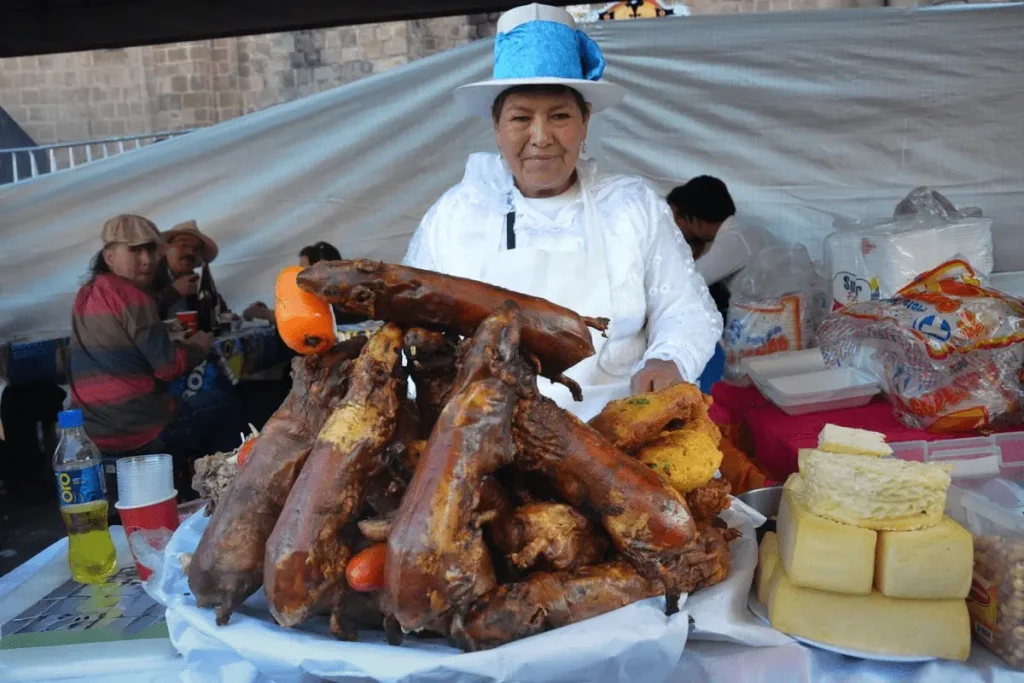
For many visitors from North America and Europe, the concept of the Peru guinea pig as a culinary staple can be a cultural shock. In the Western world, these gentle rodents are beloved childhood pets, but in the Andean highlands, they hold a completely different status. Known locally as "Cuy," the guinea pig in Peru is a source of vital protein, a ceremonial centerpiece, and a symbol of indigenous heritage that predates the Spanish conquest by thousands of years. As you travel through the Sacred Valley or the streets of Cusco, you will encounter this dish not as a novelty, but as a deeply respected component of Andean gastronomy.

Understanding the role of Peru guinea pigs requires looking past modern Western sensibilities and diving into the history of the Inca Empire. For millennia, before cattle or pigs were introduced to South America, this native livestock was the primary source of meat for the indigenous population. Today, the tradition continues, with the animal being raised in rural households and served at weddings, festivals, and holidays. This guide explores the history, preparation, and cultural significance of the guinea pig Peru experience, offering travelers the context needed to appreciate this unique aspect of local identity.

how-to-prepare-baked-guinea-pig

What Are Guinea Pigs Called in Peru and What Is Cuy

Peruvian-guinea-pig

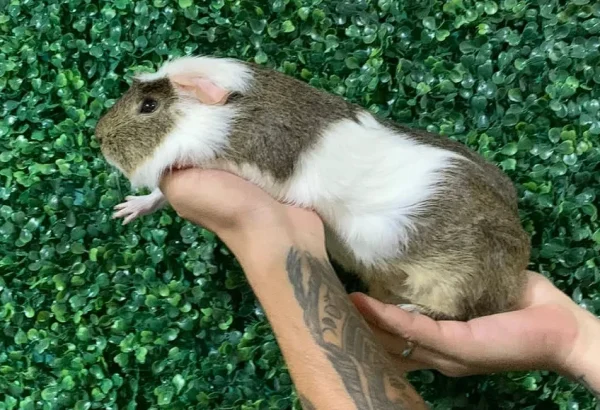
When traveling through the Andes, you will rarely hear the term "guinea pig" used by locals unless they are speaking English to tourists. So, what are guinea pigs called in Peru? The universal term is "Cuy" (plural: Cuyes). This name is onomatopoeic, derived from the indigenous Quechua language, mimicking the high pitched bird like sound (kwee kwee) the animal makes. If you are looking for guinea pig in Spanish Peru menus, simply look for the word "Cuy," often listed under "Platos de Fondo" (main courses) or distinct regional specialties.

The term Cuy guinea pig Peru represents more than just a biological classification; it represents the animal's function as livestock. In scientific terms, it is Cavia porcellus, but culturally, it is food and medicine. While "Cobaya" is another word for guinea pig en español Peru textbooks might use, in daily life, marketplaces, and restaurants, "Cuy" is the exclusive terminology. Understanding this distinction helps travelers navigate menus and respectful conversations with locals, acknowledging the animal's place in their agricultural history.

Why Do People in Peru Eat Guinea Pigs and Inca History

people-eating-Peruvian-baked-guinea-pig

A common question from visitors is: why do people in Peru eat guinea pigs? The answer lies in the harsh geography of the Andes. High altitude farming makes raising large livestock like cows difficult and resource intensive. The history of guinea pigs in Peru stretches back over 5,000 years. These animals are small, reproduce rapidly, and can thrive on vegetable scraps and alfalfa in small indoor spaces. For the ancestors of the Incas, the Cuy was a highly efficient protein converter, providing essential nutrition without requiring vast grazing lands.

When asking "do they eat guinea pigs in Peru today?" the answer is a resounding yes, though it is often reserved for special occasions rather than daily consumption. The relationship between Peru and guinea pigs is woven into the spiritual fabric of the culture; they were often sacrificed in religious ceremonies to read the future or diagnose illnesses. Contrary to some misconceptions asking did guinea pigs come to Peru from Europe, the trajectory was the opposite. Spanish explorers discovered the animal in the Andes and brought it back to Europe, where it eventually became a pet, while it remained a vital food source in its homeland.

Are Guinea Pigs Native to Peru and Do They Live in the Wild

guinea-pig-raised-in-Peru

Yes, are guinea pigs native to Peru? Absolutely. The domesticated Cuy we see today descends from wild species that still inhabit the South American continent. The native guinea pig Peru boasts is specifically linked to the Cavia tschudii, a wild montane guinea pig found in the wetlands and rocky areas of the Andes. These animals were domesticated as early as 5000 BC by tribes in the Altiplano region around Lake Titicaca.

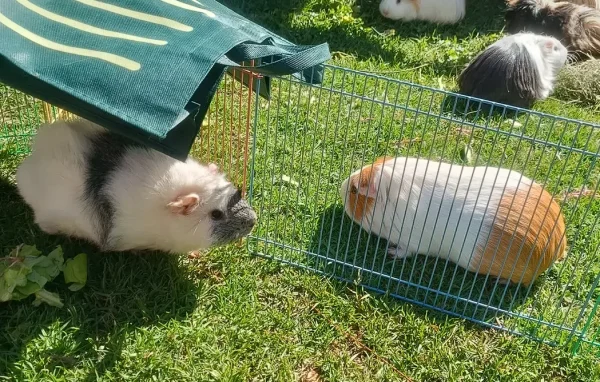
Regarding wild guinea pigs in Peru today, you are unlikely to see them scurrying across the Plaza de Armas, but they do exist in rural ecosystems. Wild guinea pigs Peru hosts are generally smaller, leaner, and more skittish than the plump domesticated varieties bred for consumption. Travelers hiking in remote areas or near agricultural fields in the highlands might occasionally spot these elusive ancestors, though the wild guinea pigs in Peru mostly stay hidden in tall grasses to avoid predators like eagles and foxes.

The Last Supper Peru Guinea Pig Painting in Cusco Cathedral

One of the most famous examples of religious syncretism (the blending of beliefs) is the Last Supper Peru guinea pig painting found in the Cathedral Basilica of Cusco. Painted by the indigenous artist Marcos Zapata in 1753, this masterpiece depicts Christ and his disciples dining not on bread and wine alone, but on a feast centered around a roasted Cuy. The Peru guinea pig Last Supper is a powerful symbol of how local artists adapted Catholic imagery to make it relatable to the indigenous population.

In the painting, the Last Supper with guinea pig Peru style shows the animal lying paws up on a platter in the center of the table. For the Andean people, a sacred feast without their most treasured meat would have been inconceivable. By replacing the traditional Passover lamb with a Cuy, Zapata elevated the status of the local food to something divine. This artwork is a must see for tourists in Cusco, perfectly illustrating the cultural fusion that defines the region, You can witness this masterpiece firsthand on our City Tour Cusco.

Traditional Peruvian Guinea Pig Dishes and How They Are Cooked

how-to-prepare-baked-guinea-pig

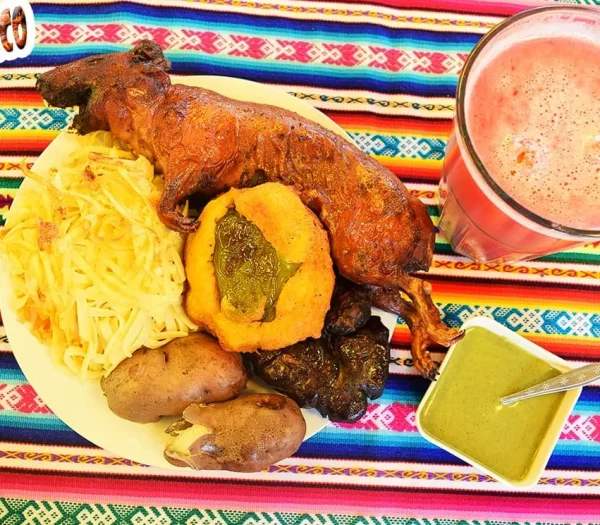
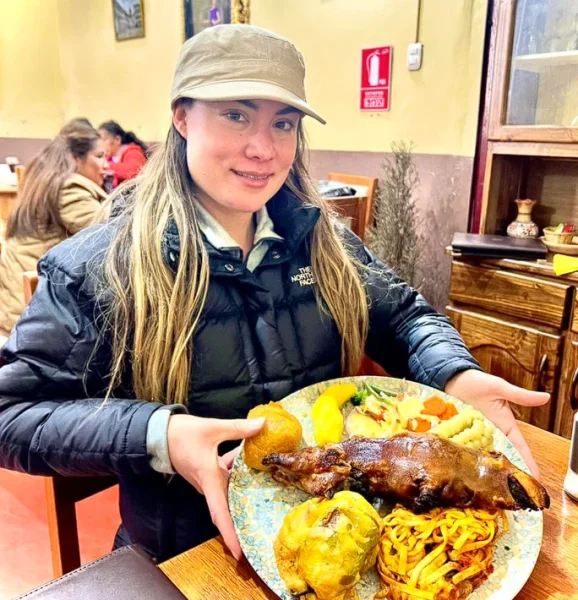
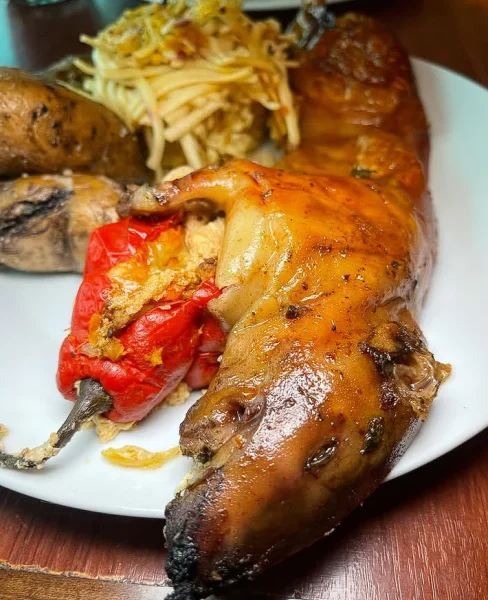
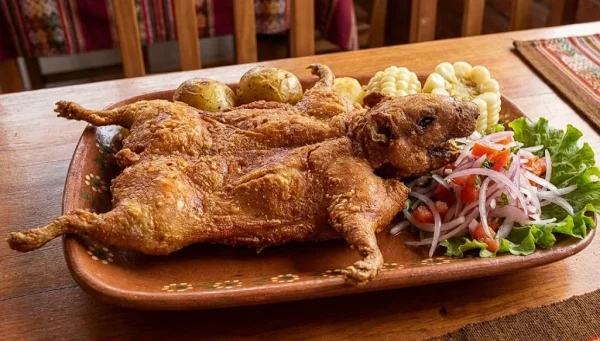
When ordering a guinea pig dish Peru style, be prepared for the presentation. In traditional guinea pig cuisine Peru restaurants, the animal is typically served whole head, teeth, paws, and all. For locals, seeing the head is a sign of freshness and authenticity. The meat is dark, rich, and closer to wild game than poultry. While modern fusion restaurants in Lima might debone the meat for a more "tourist - friendly" presentation, the authentic experience in the highlands involves navigating the bones yourself.

There are many guinea pig dishes in Peru, varying by region. In the north, it might be served in a stew with peanuts and chili peppers. However, the most iconic cooked guinea pig Peru offers is usually roasted or fried. A standard guinea pig recipe Peru chefs follow involves marinating the meat in garlic, salt, cumin, and ají panca (red pepper) for several hours to remove any gamey taste before cooking. Whether you choose the Peru guinea pig dish known as Chactado or Al Horno, expect it to be served with potatoes, corn, and spicy salsa.

Cuy Chactado: The Famous Deep Fried Guinea Pig Peru Style

Cuy-Chactado

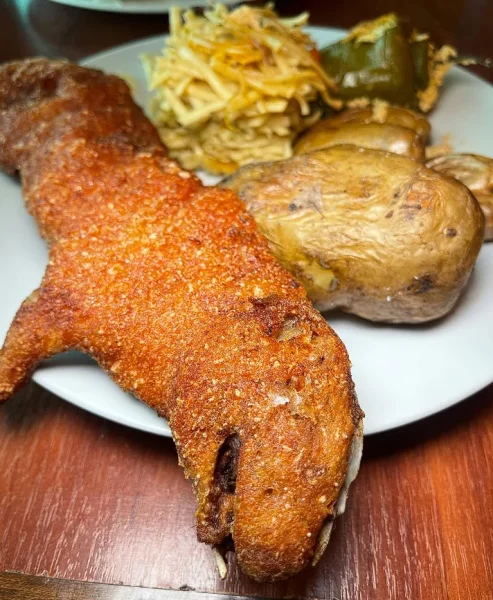
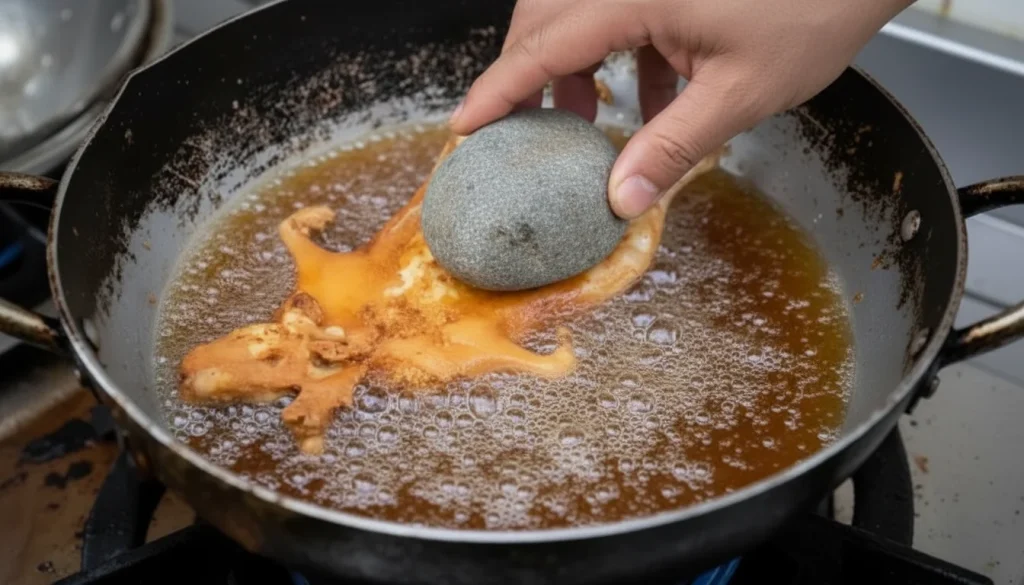
The most famous version in the Arequipa region is Cuy Chactado fried guinea pig Peru. The word "Chactado" refers to the method of cooking, where the animal is flattened. When cooking fried guinea pig Peru style, the chef places a heavy stone (chaquena) on top of the carcass while it fries in boiling oil. This weight ensures the skin cooks evenly and becomes incredibly crispy, similar to pork crackling (chicharrón).

Deep fried guinea pig Peru dishes are beloved for their texture. The meat inside remains moist, while the exterior is crunchy and golden. A proper Peru fried guinea pig is usually breaded with seasoned corn flour before hitting the oil. If you order this, you are meant to eat it with your hands, pulling the meat from the bones, making it a tactile and messy but delicious dining experience.

Cuy al Horno: Roasted Guinea Pig Peru and Oven Recipes

Roast-Guinea-Pig

In Cusco and the Sacred Valley, the preferred preparation is Cuy al Horno, or roasted guinea pig Peru. This method involves baking the marinated animal in a wood fired clay oven. The Peru roast guinea pig is celebrated for its smoky flavor and tender meat. Unlike the fried version, roasting allows the fat to render slowly, basting the meat as it cooks.

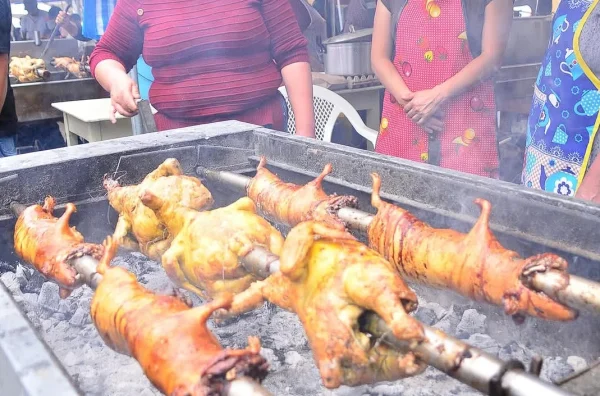
Sometimes, you may see guinea pig BBQ Peru style, where the animal is placed on a spit and rotated over open coals. This guinea pig roasted Peru technique is common in street markets and festivals. The result is a skin that is slightly chewy but flavorful, often stuffed with indigenous herbs like huacatay (black mint) to infuse the cavity with aromatic notes.

What Does Guinea Pig Taste Like and Is It Safe for Tourists

guinea-pig-being-eaten-by-a-person

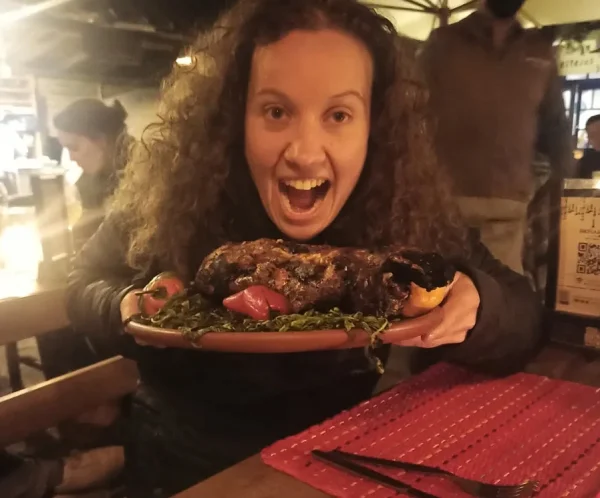
The million dollar question for adventurous eaters is: what does it taste like? Guinea pig meat Peru chefs prepare is often described as a cross between rabbit and the dark meat of a turkey or duck. It is not white meat like chicken; it has a richer, gamier profile. The texture is stringy but tender when cooked well. The skin is gelatinous and fatty, prized for its flavor. Indeed, is guinea pig a delicacy in Peru? Yes, it is considered a prestige food, served to honor guests or celebrate milestones.

Regarding health concerns, is it safe to eat guinea pig in Peru? generally, yes. It is a farmed animal, fed a vegetarian diet of alfalfa and grasses. As long as you eat at a reputable restaurant where the meat is fully cooked, there is little risk. The Peru delicacy guinea pig is high in protein and lower in fat than pork. However, diners should be careful with the tiny bones, which can be sharp. It requires patience to eat, but for those willing to try, it offers a true taste of the Andes.

Where to Eat the Best Guinea Pig in Peru and Cusco

Finding the best place to eat guinea pig in Peru depends on your comfort level. For a refined experience, a top tier restaurant Lima Peru guinea pig menu (like at Astrid y Gastón or Maido) might serve confit Cuy leg or Cuy tacos, removing the "shock value" of the face. This is often the best entry point for hesitant travelers.

However, for the most authentic guinea pig meal Peru has to offer, you must head to the highlands. The best guinea pig in Cusco Peru is often found in local "Picanterías" or specialized rustic restaurants. Here, the experience is traditional: whole roasted animals, large portions of potatoes, and chicha morada. If you want to eat guinea pig in Peru the way locals do, avoid the tourist traps on the main square and venture to the countryside or specialized towns.

Tipón: The World Capital of Guinea Pig Cuisine

Just 45 minutes south of Cusco lies Tipón, known unofficially as the guinea pig town Peru. This small municipality is the undisputed heartland of eating guinea pig in Peru. The main street is lined with dozens of massive, open air restaurants, each displaying roasted Cuys.

In this guinea pig village Peru, the competition is fierce, which ensures high quality and consistent turnover of fresh food. A trip to this Peru guinea pig village is a pilgrimage for foodies. The dishes here are larger than in the city, often accompanied by baked noodles (tallarín al horno) and stuffed rocoto peppers. It is the definitive place to experience the dish in its most celebrated form.

The Guinea Pig Festival Peru and Cultural Curiosities

The-Guinea-Pig-Festival-Peru

The cultural connection goes beyond food. The Guinea Pig Festival Peru (Festival del Cuy) takes place in various towns, most notably in Huacho and parts of the southern highlands. These events feature the surreal spectacle of dressing up guinea pigs Peru style. Owners create elaborate miniature costumes traditional Andean ponchos, tiny hats, and even superhero outfits for their animals.

This guinea pig fashion show Peru is judged on creativity and the calmness of the animal. It reflects the deep affection locals have for the Cuy, even though they are livestock. The Peru guinea pig festival usually culminates in a culinary competition, highlighting the duality of the relationship: the Peru guinea pig dress up winner may eventually become dinner, illustrating a cycle of life that is viewed pragmatically in Andean culture.

Traditional Peruvian Food

Submitted by admin on

Heard about Peruvian food? It's got some really unique stuff you won't find anywhere else. It’s a mix of hot and cold tangy and starchy strong and light tastes. Think big flavors spices and especially chiles. It's more than just old ruins and mountains like Machu Picchu Peru's food is awesome too.

People know Peru has tons of potatoes like over 3800 kinds crazy right But there's way more. Lots of corn grains and native chiles called 'aji' often mashed into sauces.

Where Peruvian Food Comes From

Peruvian food got super popular worldwide recently but locals always loved it. They stick to the old ways mixing local stuff with flavors from far away.

A lot of it started way back when the Spanish came in the 1500s. They brought stews sauces and baking. Later folks from China came bringing woks and stir-fry. Now you got 'chifa' which is like Chinese food but with Peruvian stuff mixed in or maybe Peruvian food with Chinese ways of cooking. It's super popular.

Today new chefs in places like Lima (Altitude: around 505 feet / 154 meters) are mixing things up finding cool jungle ingredients and making food that's both old and new.

But let's talk about the classic dishes the stuff you really need to try when you visit. Consider this your checklist.

Must-Eat Peruvian Dishes

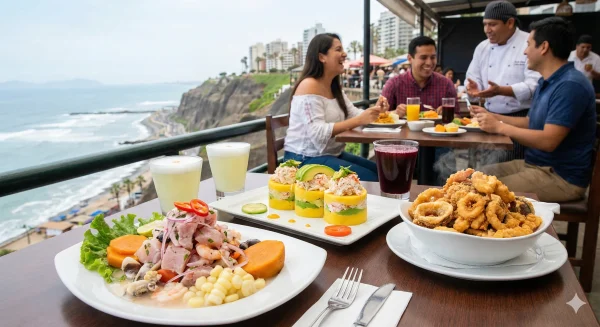
Ceviche

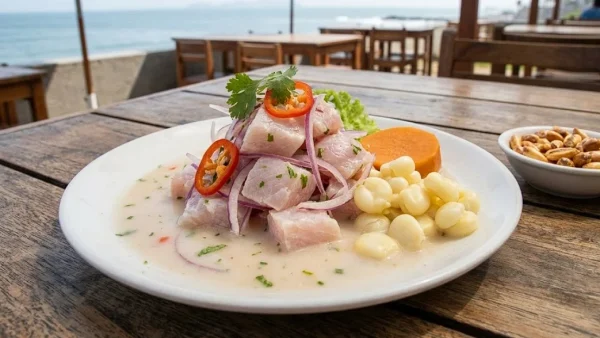
This is like Peru's national dish everyone loves it. It's super simple just really fresh fish (like sea bass) 'cooked' fast in lime juice with onion salt and hot chiles (aji). It tastes bright and tangy. You usually get boiled corn (choclo) and sweet potato (camote) on the side which balances it out. Sometimes crunchy toasted corn (cancha) too. So good you gotta try it.

The leftover juice is called 'leche de tigre' (tiger's milk) people drink it like a shot maybe even the next morning if they partied too hard. There's also 'tiradito' kinda like ceviche but the fish is sliced thin like sushi maybe with soy sauce.

Lomo Saltado (Stir-Fried Beef)

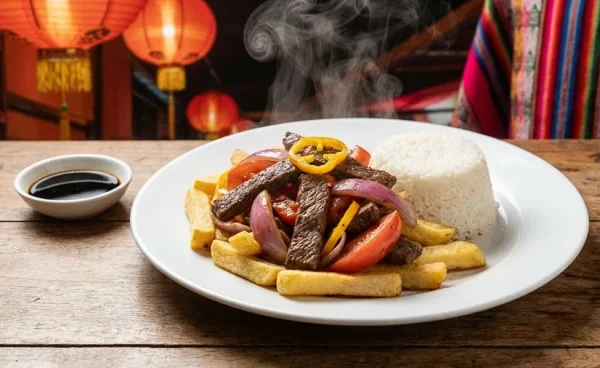
Almost as famous as ceviche. This is a 'chifa' dish Chinese stir-fry meets Peru. Strips of beef (sometimes alpaca meat) marinated in soy sauce stir-fried quick with onions tomatoes aji chiles and spices. It makes its own beefy gravy. You get it with rice AND french fries mixed right in sometimes. You'll find this everywhere it's real comfort food. Locals might say it's "buenazo!" (really good).

Aji de Gallina (Creamy Chicken)

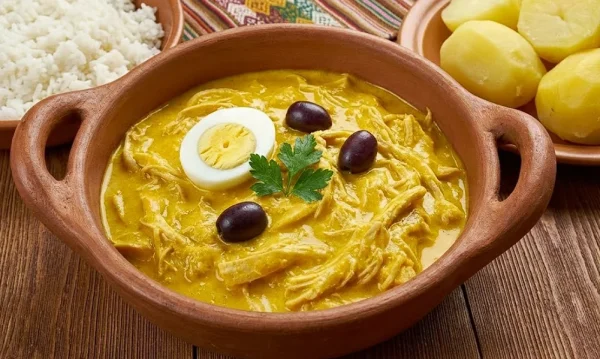
Think shredded chicken swimming in a thick yellow sauce. The sauce is made with cream walnuts cheese and aji amarillo (a yellow chile). It's creamy nutty a little spicy but not too hot just warm. Served over rice with potatoes and olives. Looks bright yellow and tastes rich a real staple in homes and restaurants.

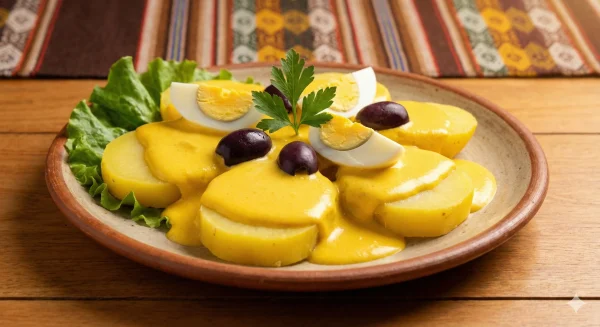
Papas a la Huancaina (Potatoes in Spicy Cheese Sauce)

Another one with potatoes in a creamy sauce. Sliced yellow potatoes covered in a sauce made from fresh cheese (queso fresco) aji amarillo garlic milk lime juice and weirdly saltine crackers. Looks kinda plain just yellow on yellow maybe with boiled eggs on top. But the sauce has a nice kick that builds slow. Comes from Huancayo (Altitude: about 10,692 feet / 3,259 meters) up in the mountains but you find it everywhere. Good starter or side dish.

Cuy (Guinea Pig)

Okay hear me out guinea pig. Yeah people eat it here especially in the Andes mountains (Altitude: High! Cusco for example is around 11,152 feet / 3,399 meters). Tourists sometimes find it weird cause they think pets but locals see it like chicken. It's dark meat kinda tender and smoky maybe like duck. The skin gets super crispy golden brown. Traditionally they stuff it with herbs roast it over a fire and serve with potatoes. Best eaten with your hands dipped in aji sauce. Fancier places might fry or braise it now. You'll see it from Cusco down to Lima. Don't knock it till you try it maybe?

Causa (Potato Casserole)

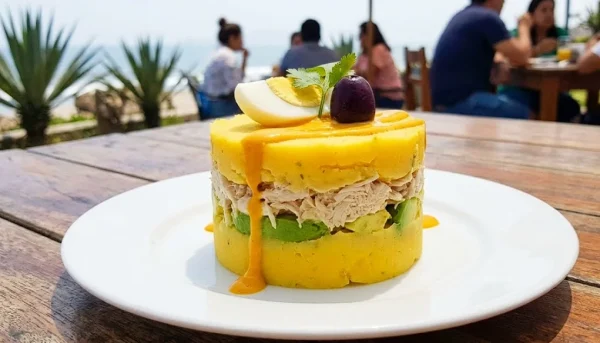
This dish uses Peru's yellow potatoes mashed with lime oil and spicy aji amarillo sauce. Then they layer it like a lasagna or make it into a roll or individual servings. Fillings are often tuna salmon or chicken mixed with mayo plus layers of avocado hard boiled eggs olives. Served cold like a salad or side. Looks cool with all the layers bright and just a little spicy.

Rocoto Relleno (Stuffed Spicy Peppers)

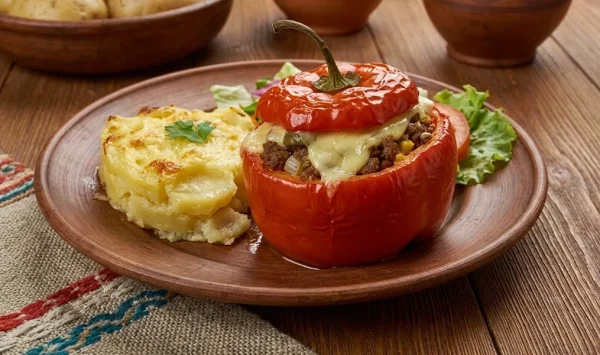
These are red peppers (rocoto) stuffed with ground beef onions garlic olives raisins herbs and spices. Topped with cheese (queso fresco) and baked in a milky egg sauce. Be warned these rocoto peppers look pretty but they are HOT much hotter than a jalapeño. Comes from Arequipa (Altitude: roughly 7,661 feet / 2,335 meters). That first bite wakes you up but the savory sweet filling and the creamy cheese sauce balance the heat. Hard to find outside Peru so definitely try it if you see it. Ask "cuánto cuesta?" (how much?) before you order maybe.

Anticuchos de Corazón (Grilled Heart)

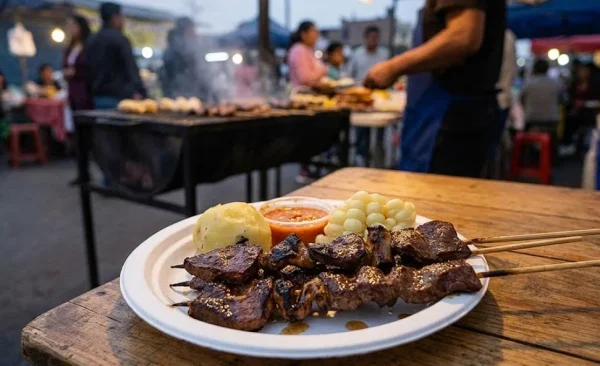
Don't let 'heart' scare you off. It's a muscle lean tastes beefier than steak. They cut beef or alpaca heart into cubes marinate it in vinegar cumin aji and garlic then grill it over charcoal till it's medium-rare and a bit charred. Served on skewers maybe with onion or potato drizzled with lime. Super popular street food you'll smell them grilling all over. Great appetizer. They make anticuchos with regular beef or chicken now too but the heart one is the classic.

Arroz con Pato (Rice With Duck)

Looks simple but it's a big deal dish. Rice cooked with cilantro paste herbs and dark beer which makes it taste earthy and green. You get a piece of roasted duck usually leg and thigh maybe crispy duck confit on top of the green rice. Super popular dish families make it fancy restaurants serve it. Lots of ways to make it but always yummy.

Pollo a la Brasa (Roasted Chicken)

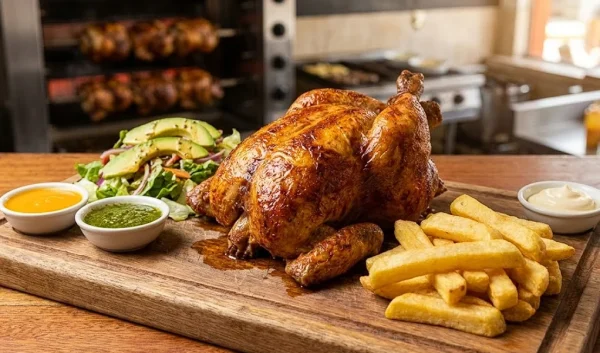
You might know this one lots of Peruvian chicken joints popping up outside Peru. It's a whole chicken marinated in garlic herbs and spices then roasted on a spit. The skin gets brown crispy and tastes amazing earthy kind of addictive. The best part for many is the green sauce served with it called huacatay sauce (made from Peruvian black mint). Every place has its own secret recipe often creamy with mint cilantro garlic chile maybe mayo. People go crazy for it. If you can't get to Peru find a recipe for this one.

Chicharron

If you eat meat you'll probably like chicharron. It's basically fried pork belly or sometimes crispy pork rind. Salty crunchy little chunks of pork. Often served as a side dish with corn yuca (like yam) and red onions. You find it everywhere simple fried goodness.

Arroz Chaufa

This means "Chinese fried rice" and that's pretty much what it is. Rice stir-fried in a wok with ginger garlic green onions veggies and soy sauce. Pretty standard Chinese style brought by immigrants. For a more Peruvian twist try the seafood version "arroz chaufa con mariscos".

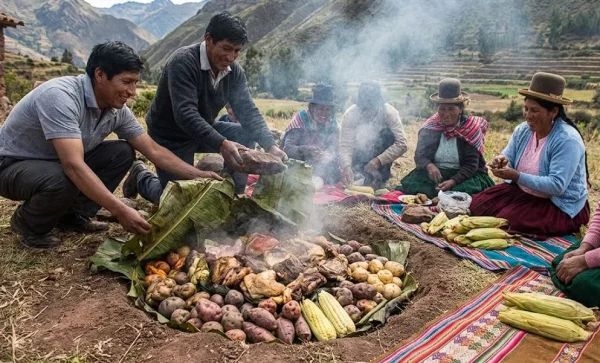
Pachamanca

This one's more about how it's cooked. It's an old way of cooking meat and veggies underground using hot stones. They put meat (like chicken or lamb) on the hot stones cover it with herbs (like local munya) and veggies then put a tarp over it and cover it all with dirt. Watching them make it is cool. The food comes out perfectly cooked like chicken with crispy skin juicy inside. Better than an oven some say. You might find this experience in the countryside.

Cancha (Toasted Corn)

Corn is huge in Peru so many types. In the Andes they have a big kernel corn called Chulpe. They toast it usually just with salt. It doesn't pop like popcorn cause it's different texture. Crunchy salty snack. Often put on the table to share before a meal or served alongside ceviche. Simple but good.

Trout

Since there are lots of rivers and lakes especially up high near the Andes and Lake Titicaca (Altitude: very high! Around 12,507 feet / 3,812 meters) you'll find trout on menus everywhere in those areas. Grilled fried in sauce even as a burger. If you're not a huge trout fan maybe try it fried with garlic sauce.

Quinoa Soup

Up on the islands in Lake Titicaca like Amantani or Taquile it's remote and high altitude. Hard to grow lots of stuff or bring food in. So quinoa soup is super common there. It's simple quinoa onions potatoes maybe carrots. All stuff they can get easily and it's good for dealing with the altitude. Warm filling not too heavy. Your stomach might thank you up there.

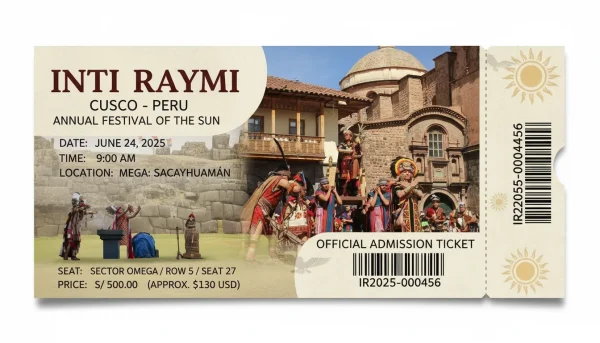
the Inti Raymi Festival Peru 2027

Submitted by admin on

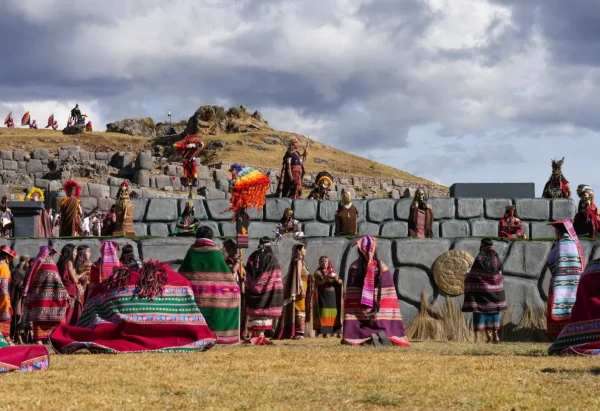
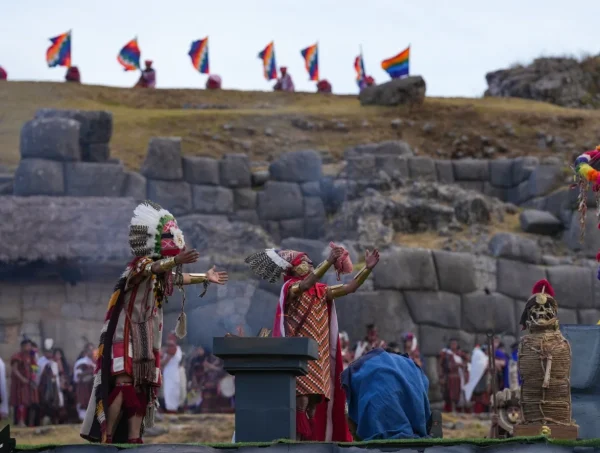
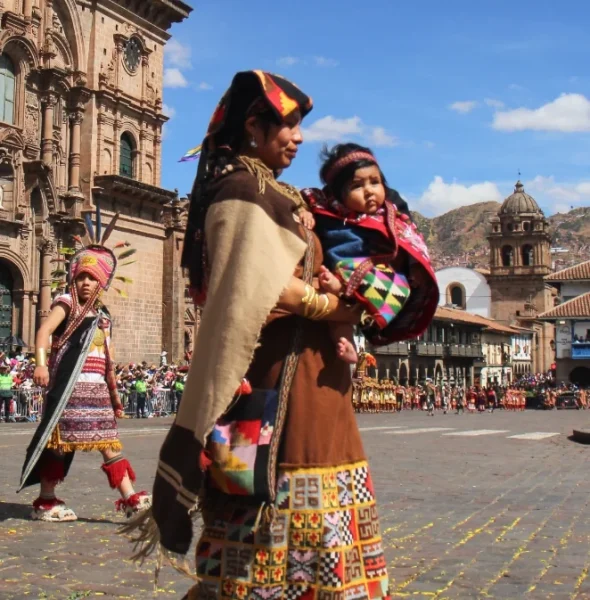
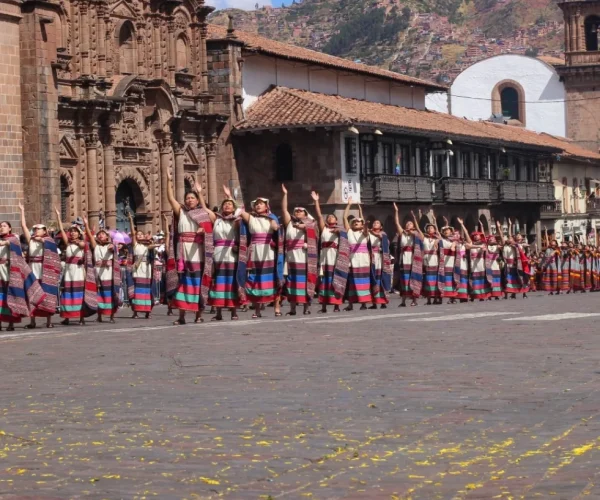
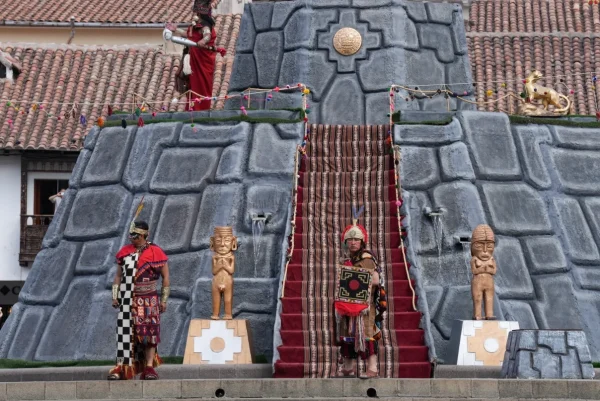
The inti raymi festival peru is the most spectacular and highly anticipated cultural event in South America. Every year, the ancient Inca capital of Cusco transforms into a massive theatrical stage with hundreds of actors bringing the glorious Festival of the Sun back to life. Because this event draws over 100,000 spectators from around the world, planning your trip requires securing your hotels and tickets months in advance.

If you are planning to attend this year, time is already running out. This comprehensive guide covers the exact schedules, official ticket prices, and seating zones you need to know for the 2027 celebration so you can secure your spot before they are gone.

Stage-at-Saksayhuaman-for-the-Inti-Raymi-Festival-in-Cusco

What is the Inti Raymi Festival in Peru

the Inti Raymi Festival Peru 2027

The peru inti raymi is a massive, city wide theatrical reenactment of the most important religious ceremony of the Inca Empire. Translated from the native Quechua language, Inti Raymi means "Festival of the Sun."

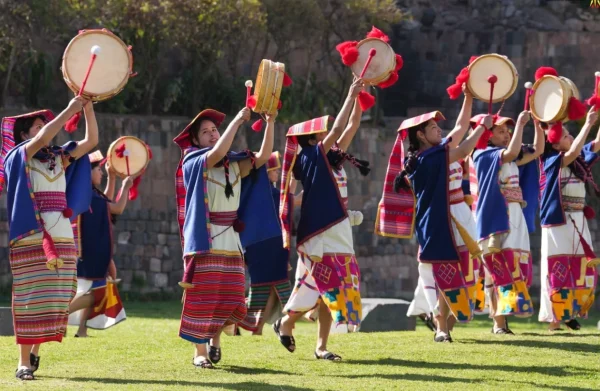
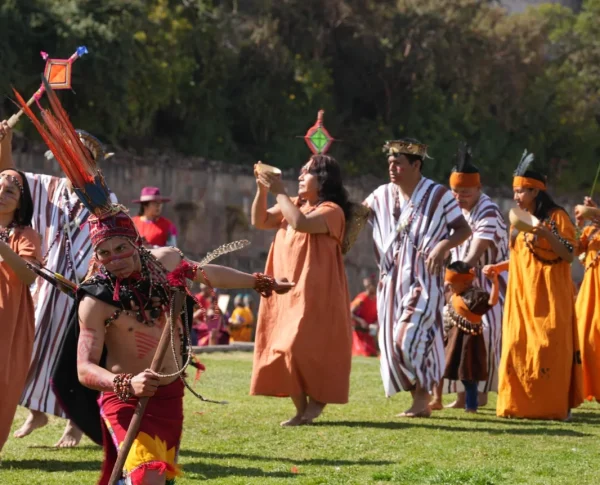
It is a profound cultural display designed to honor the Sun God, Inti, and plead for his return during the coldest time of the year. The modern celebration features over 700 local actors, dancers, and musicians dressed in incredibly detailed, historically accurate woven costumes, making it an absolute dream for travelers and photographers alike.

Understanding the Inti Raymi Date June 24 Peru

Inti-Raymi-Festival-in-Cuscos-Main-Square

Travelers must always plan their flights and itineraries around the exact inti raymi date june 24 peru. This date is completely non-negotiable and never changes from year to year.

It is the absolute most important holiday in the Andean region for three major reasons

  • It aligns with the Andean Winter Solstice, marking the shortest day and longest night of the year in the Southern Hemisphere.
  • It represents the ancient Inca New Year and the beginning of the crucial agricultural harvest cycle.
  • It serves as the grand finale for the official "Cusco Jubilee Month," meaning the city is filled with parades and parties for weeks leading up to the main event.

Official Schedule and Locations for the Peru Inti Raymi

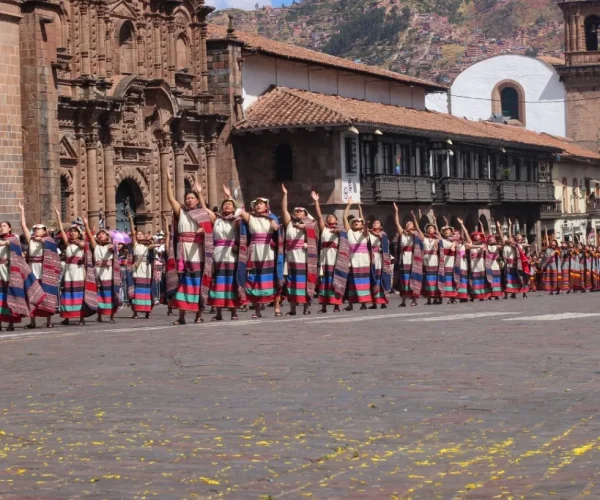
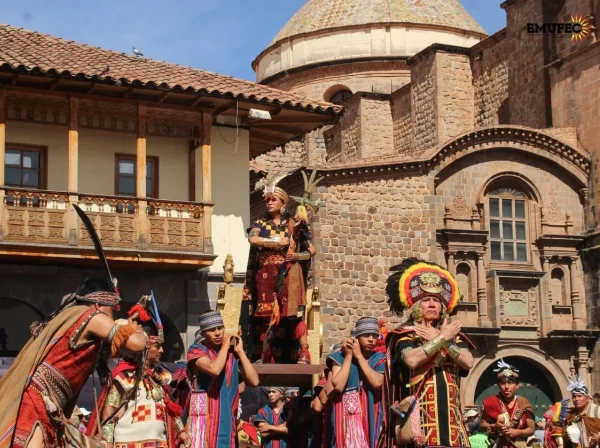
The fiesta del sol inti raymi peru is not confined to just one stage. It is a dynamic, moving festival that takes over three of the most important historical and archaeological sites in the city.

Subjects-carrying-the-Inca-during-the-Inti-Raymi-festival

To help you plan your day perfectly, here is the exact timeline and location breakdown for June 24th

TimeLocationEvent DetailsAccess & Cost
9:00 AMQoricancha TempleThe Sapa Inca greets the sun and initiates the festival with sacred hymns.Free (Arrive by 7:00 AM for a standing spot on the street)
11:00 AMPlaza de ArmasThe royal procession arrives for the "Meeting of Two Worlds" ceremony.Free (Extremely crowded; balcony reservations highly recommended)
1:30 PMSaqsayhuamanThe grand finale featuring traditional dances, speeches, and the mock llama sacrifice.Ticket Required (Strictly limited to official ticket holders)

Inti Raymi 2027 Tickets Seating Zones and Official Prices

Inti-Raymi-2027-Tickets

If you want to comfortably watch the main ceremony at Saqsayhuaman, you must purchase official tickets. The local government sets up temporary grandstands divided into three specific color-coded zones.

Here is a quick comparison of the seating areas to help you choose the best option for your budget and viewing preference

Seating ZoneView QualityEstimated 2027 PriceBest For
Orange Zone (VIP)Direct, frontal views of the main ceremonial altar.$160 - $180 USDPhotographers and those wanting the absolute best premium experience.
Blue Zone (VIP)Excellent lateral views of the stage and actors.$160 - $180 USDTravelers looking for great views with slightly less direct afternoon sun.
Green Zone (Standard)General overview located further back from the stage.$110 - $130 USDBudget conscious travelers who still want to experience the massive atmosphere.

How and When to Book Your Inti Raymi Tickets

Official tickets are released by the local government earlier in the year, and they sell out rapidly. Because the government booking platform can be confusing and frequently crashes for international users, the safest way to guarantee your seat is to book a full-day tour package with a licensed travel agency. We secure the tickets for you seamlessly so you don't have to stress about availability.

Traditional Inti Raymi Peru Food to Try During the Event

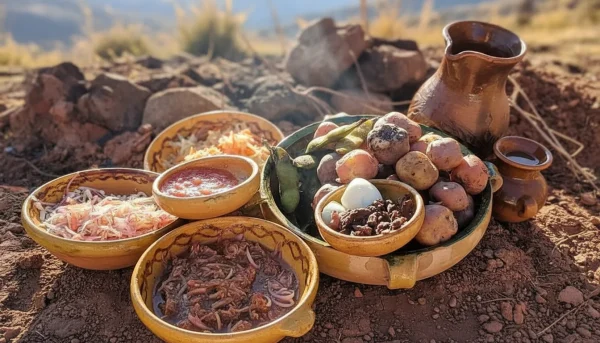
Huatia-at-Inti-Raymi-2027-in-Cusco-Peru

Trying authentic inti raymi peru food is a massive part of the cultural immersion. The absolute most famous dish consumed by locals on June 24th is called "Chiriuchu."

This traditional cold platter translates to "cold chili" in Quechua. It is sold at hundreds of lively food tents near the Plaza San Francisco and includes a mountain of ingredients representing different regions of the Inca empire

  • Roasted guinea pig (Cuy)
  • Boiled mountain chicken
  • Spicy homemade sausage
  • Toasted Andean corn (Cancha)
  • Fish roe and dried seaweed
  • A thick slice of local Andean cheese

Basic Tips for Enjoying Inti Raymi in Peru

Attending a massive, all day outdoor festival at 11,000 feet above sea level requires some basic preparation. Follow these quick rules to stay comfortable

  • Sun Protection The high altitude UV rays are brutal, and there is no shade in the grandstands. Bring heavy sunscreen, sunglasses, and a wide-brimmed hat.
  • Hydration and Snacks Bring your own bottled water and light snacks. The drink lines inside the Saqsayhuaman grandstands can be extremely long.
  • Security Keep your smartphone and wallet in a secure, front facing pouch when navigating the dense, chaotic crowds in the Plaza de Armas.

Inti Raymi Photo Gallery

Woman-at-the-Inti-Raymi-2027-in-Cusco Stage-at-Saksayhuaman-for-the-Inti-Raymi-Festival-in-Cusco Inti-Raymi-Festival-in-Cuscos-Main-Square
stage-in-Cuscos-Plaza-de-Armas-during-Inti-Raymi women-dancing-at-the-Inti-Raymi-festival-in-Qoricancha Peruvian-jungle-culture-at-Inti-Raymi

Authentic Cuy Chactado Peru Recipe and the Traditional Frying Technique

Submitted by admin on

The famous cuy chactado peru is a masterpiece of Andean cuisine, originating from the beautiful volcanic region of Arequipa. It consists of a whole guinea pig, deeply marinated in rich local spices, and fried to an absolute crisp under the weight of a heavy stone. If you are looking to experience a true plato cuy chactado peru, understanding the rich history and meticulous preparation behind this dish is absolutely essential for any culinary adventurer.

Unlike standard roasted meats, the cuy chactado perú stands out because of its remarkable and highly addictive texture. The outside skin becomes incredibly crunchy, similar to a high quality pork rind, while the dark meat underneath remains exceptionally juicy and tender. This unique contrast of textures has made it one of the most sought after gastronomic experiences in the country, proudly celebrated in traditional picanterias from the southern highlands all the way to the capital city.

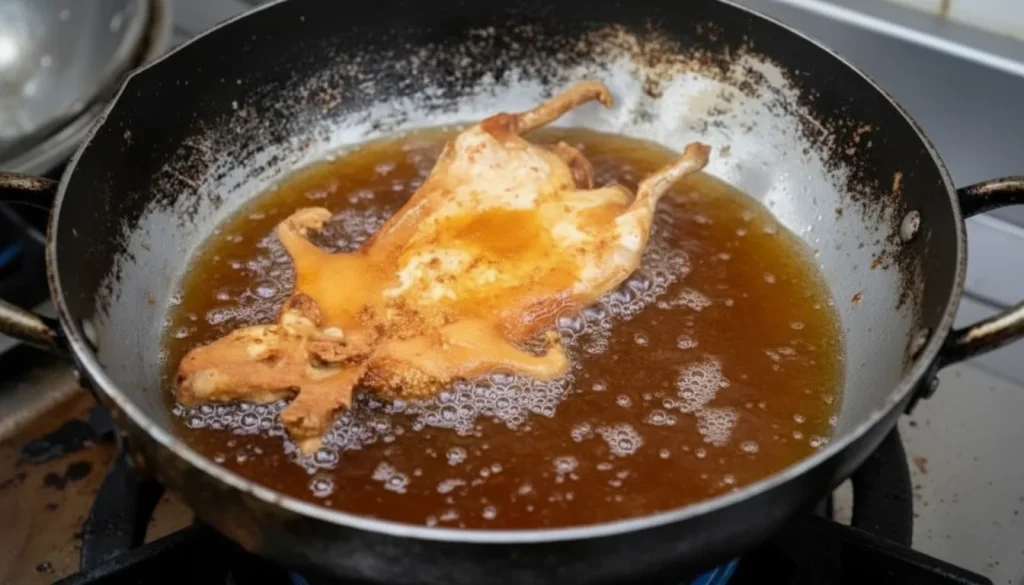
Preparing guinea pig with a stone

How to Cook Cuy Chactado at Home with the Authentic Peruvian Recipe

cooking shredded guinea fowl in hot oil

Recreating this iconic dish in your own kitchen is entirely possible if you follow the classic cuy chactado peru recipe. While it might seem a bit intimidating to international cooks preparing this meat for the first time, the process relies heavily on simple, fresh ingredients and culinary patience. The secret to mastering the cuy chactado fried guinea pig peru lies in respecting the traditional marination process and controlling your frying temperatures.

Before you begin, gathering the right tools is just as important as the ingredients. To properly cook this dish, you will need a few kitchen essentials:

  • A large, heavy bottomed cast iron skillet to retain high heat.
  • A smooth, clean river stone (or a heavy cast iron press) wrapped in aluminum foil.
  • Sturdy kitchen tongs for safely flipping the meat in hot oil.
  • A wire rack for draining the meat after frying to preserve the crunch.

The Traditional Ingredients Needed for a Crispy Peru Cuy Chactado

The foundation of an authentic peru cuy chactado relies on a very specific blend of indigenous spices and fresh aromatics. When sourcing your ingredients for a cuy chactado de peru, always prioritize fresh, high quality spices, particularly the mild, smoky red pepper known as ají panca, which gives the final dish its beautiful dark reddish hue.

Here is the exact ingredient list you need to create a flawless cuy chactado in peru at home:

  • 1 whole guinea pig, thoroughly cleaned and butterflied to lay flat.
  • 4 cloves of fresh garlic, finely crushed or minced.
  • 2 tablespoons of ají panca paste (Peruvian red pepper paste).
  • 1 tablespoon of ground toasted cumin.
  • 1/2 cup of chicha de jora (a traditional fermented corn beer, or substitute with mild lager).
  • 1 cup of seasoned corn flour for the final dredging.
  • Abundant vegetable oil for shallow frying.
  • Sea salt and freshly ground black pepper to taste.

Step by Step Preparation Before Frying and How to Marinate the Meat

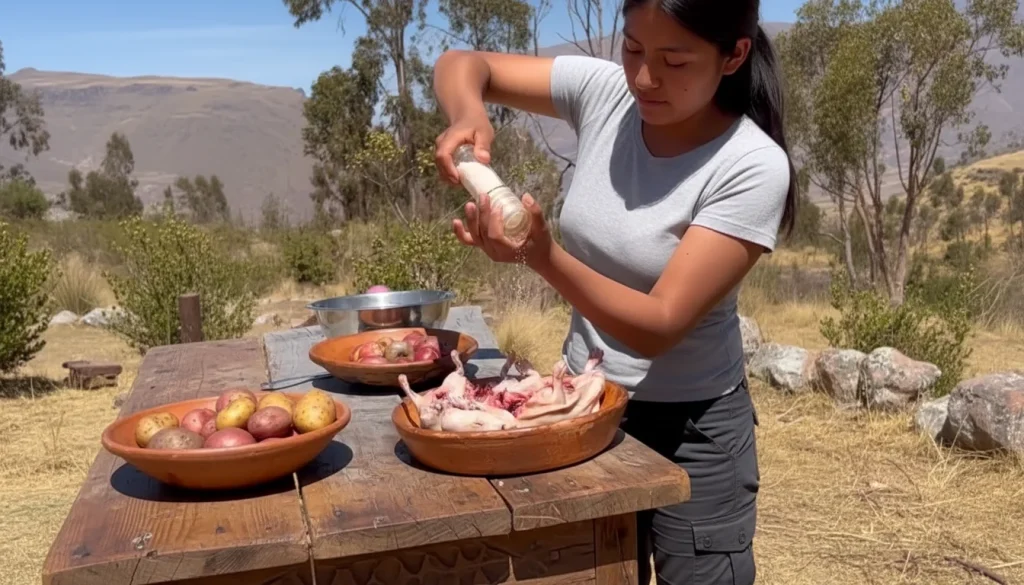
A-woman-preparing-cuy-chactado-with-its-ingredients

Following the traditional cuy chactado peru recipe begins with thoroughly cleaning and butterflying the animal so it lays completely flat on your cutting board. This crucial prep step ensures that the intense heat distributes evenly across the entire body during the cooking process.

To build the legendary flavor profile for el cuy del peru chactado, follow these exact preparation steps:

  • Dry the meat completely: Wash the meat thoroughly and pat it completely dry with paper towels. Any excess surface moisture will absolutely prevent the skin from achieving that iconic crackling crispness.
  • Prepare the wet rub: In a large mixing bowl, whisk together the crushed garlic, ají panca paste, cumin, salt, pepper, and the chicha de jora to create a thick, fragrant marinade.
  • Massage the spices: Aggressively rub this wet spice paste deeply into both sides of the butterflied meat, ensuring every tiny crevice is thoroughly coated.
  • Let it rest: Place the meat in a covered container and let it rest in the refrigerator for a minimum of four hours, though overnight is highly recommended for the best flavor absorption.
  • Dredge for crunch: Right before frying, pull the meat from the marinade and lightly dust the entire skin side with the seasoned corn flour.

The Exact Cooking Process to Achieve the Perfect Cuy Chactado Crunch

The cooking phase is where the culinary magic truly happens for the cuy chactado fried guinea pig peru. Dropping the meat into oil that is too cold will result in a greasy, soggy dish, while oil that is too hot will quickly burn the delicate spice rub before the inside is fully cooked. Balancing this intense temperature is an ancient art form that traditional cooks master over thousands of busy town festivals.

Preparing guinea pig with a stone

Why Peruvian Cooks Use a Heavy Stone to Flatten the Meat During Cooking

If you ever step into an Andean kitchen and watch a chef prepare a cuy chactado in peru, you will immediately notice the large river stone placed directly on top of the frying meat. The word "chactado" actually translates to "pressed flat" in ancient terminology. This heavy stone serves a highly critical culinary purpose.

Without this heavy weight pressing down, the intense heat would instantly cause the muscles to contract and curl upwards, resulting in an unevenly cooked plato cuy chactado peru filled with soft, rubbery spots. By keeping the animal pinned tightly against the skillet, the stone forces the entire surface area of the skin to make direct, continuous contact with the boiling oil, creating a thick, uniform crust.

Oil Temperature and Frying Times for the Classic Fried Guinea Pig Peru Dish

To perfect a traditional cuy chactado peru, you must manage your time and heat meticulously.

Here is the exact frying process to follow:

  • Heat the oil: Pour enough vegetable oil into your skillet to cover halfway up the sides of the flattened meat (a shallow fry). Heat it consistently to 350°F.
  • Place the meat and stone: Carefully lower the floured meat into the hot oil, skin side down first. Immediately place your clean, heavy stone directly on top of the animal.
  • Fry the first side: Leave the meat completely undisturbed for 12 to 15 minutes. This builds a solid, protective crust that prevents the meat from falling apart.
  • Flip and finish: Remove the stone carefully, use your tongs to flip the meat, and fry the underside for another 8 to 10 minutes until cooked through.
  • Drain and serve: Transfer the spectacular peru cuy chactado to a wire rack immediately to let the excess oil drip off, preventing the crust from getting soggy.

Nutritional Value Calories and Health Benefits of Eating Cuy Chactado

Peruvian-cuy

While it is undeniably a rich comfort food, analyzing the peru cuy chactado reveals a surprisingly impressive overall nutritional profile. The base ingredient itself is highly prized by modern dietitians and agricultural experts for being incredibly lean and exceptionally nutrient dense. Before it is even battered and fried, a raw cuy chactado del peru provides a massive daily dose of essential vitamins and minerals.

Because the animal is naturally so incredibly low in body fat, the meat does not absorb nearly as much grease as traditional pork or beef would during the exact same cooking process. This makes a cuy chactado de peru a fantastic, high energy meal for hungry travelers who have spent their entire morning burning calories hiking through the high altitude trails.

Caloric Breakdown of a Standard Cuy Chactado Peru Recipe Serving

When evaluating a standard plato cuy chactado peru, the primary caloric count comes from the vegetable oil used during the frying process and the side dishes, rather than the lean meat itself.

Here is a quick nutritional breakdown of what you are consuming in a standard portion:

  • Base Protein: 200 to 250 calories per standard serving of the lean meat.
  • Frying Oil and Batter: Adds roughly 150 to 200 calories depending on how thickly the corn flour was applied and how well the meat was drained.
  • Total Main Dish: Approximately 350 to 450 calories per serving of just the fried meat.
  • Keep in mind: Adding traditional heavy starches like potatoes and corn will quickly double the total caloric intake of the meal.

High Protein Content and Low Fat Benefits of El Cuy del Peru Chactado

The absolute most impressive health benefit of el cuy del peru chactado is its staggering and highly concentrated protein content. The meat consists of roughly 21% pure, high quality protein, which is significantly higher than standard commercial poultry, beef, or lamb. This extraordinary protein density helps quickly repair muscle tissue and provides long lasting stamina.

Furthermore, underneath the crispy, golden skin of a cuy chactado perú, the dark meat contains incredibly low levels of bad cholesterol and remarkably high amounts of beneficial Omega 3 and Omega 6 fatty acids. Even when it is prepared as a decadent, fried dish, the naturally lean nature of the muscle means you are consuming a highly nutritious protein source that leaves you feeling fully energized.

Traditional Side Dishes Served with Cuy Chactado in Peru

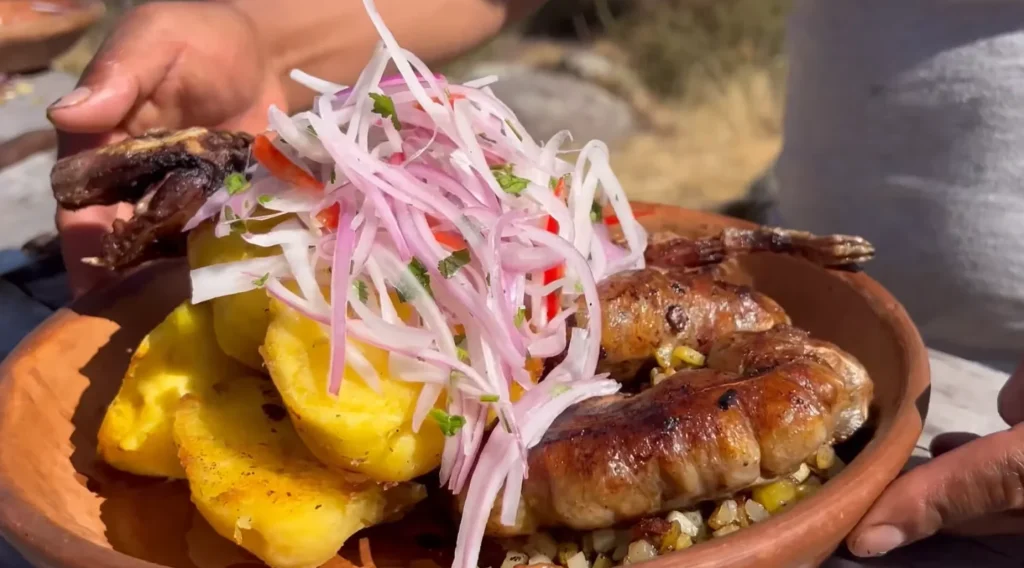
A-traditional-Peruvian-dish-cuy-chactado-with-side-dishes

A massive, beautifully fried guinea pig almost never arrives at the dining table completely alone. To perfectly balance the intense richness and heavy crunch of a cuy chactado de peru, local restaurants serve it alongside a very specific array of hearty, earthy side dishes. These traditional accompaniments are just as important as the main protein.

If you order a true cuy chactado del peru in a bustling picanteria, you will quickly notice that the side dishes directly reflect the native crops grown in the surrounding mountain valleys. The brilliant combination of dense carbohydrates, fresh aromatic herbs, and spicy local salsas cuts right through the savory fried skin.

Pairing Peru Cuy Chactado with Potatoes Corn and Local Hot Sauces

To build the ultimate plato cuy chactado peru, you need to surround the meat with the right flavors and textures.

These are the classic, non negotiable side dishes you must prepare to complete the authentic experience:

  • Native Boiled Potatoes: Dense, earthy potatoes (like the yellow Papa Amarilla) are essential for soaking up the flavorful oils and leftover marinades on your plate.
  • Andean Choclo: A massive, large kerneled white corn that is slightly sweet, delightfully chewy, and served warm right on the cob.
  • Salsa Criolla: A bright, highly acidic salad made of thinly sliced red onions, lime juice, and fresh cilantro to refresh your palate between bites.
  • Llajwa or Rocoto Cream: A thick, fiery hot sauce made from blended Andean rocoto peppers and local mountain cheese. The sharp spice perfectly cuts through the rich, fried exterior of the meat.

Most Popular Food in Peru

Submitted by admin on

The most popular food in Peru is a complex culinary mosaic that reflects the country's biodiversity, fusing ancient Andean ingredients like potatoes and corn with Spanish, African, Chinese, and Japanese cooking techniques. When asking what is the most popular food in Peru, one is exploring a gastronomy that has been recognized globally for its use of the "Holy Trinity" of condiments: garlic, red onion, and the essential Ají Amarillo (yellow chili pepper).

Most popular food in Peru varies by altitude and region, ranging from the fresh citrus cured seafood of the Pacific coast to the hearty, slow cooked stews of the high Andes, creating a diverse menu that is considered one of the most sophisticated in the world.

Detailed List of the Top 10 Most Popular Food in Peru You Must Try

The top 10 most popular food in Peru encompasses a wide array of flavors, but they all share a reliance on fresh, locally sourced ingredients and bold spices. To understand what are the most popular foods in Peru, it is necessary to look beyond simple sustenance and see dishes that serve as cultural symbols, such as the celebratory guinea pig or the Sunday family tradition of rotisserie chicken.

The most popular foods in Peru listed below represent the culinary backbone of the nation, dishes that have transcended their regional origins to become beloved staples in every Peruvian household.

Ceviche Is the Undisputed National Dish Made with Fresh Raw Fish and Lemon

Ceviche-peruvian-food

If you ask any local what's the most popular food in Peru, the answer is invariably Ceviche, a dish consisting of fresh raw fish chunks "cooked" purely through the chemical process of denaturation caused by high acid key lime juice. As the most popular food in Lima Peru, its preparation is a precise art form that requires only five essential ingredients: ultra fresh fish (like flounder or sea bass), salt, red onions, chili peppers (Limo or Rocoto), and lime.

The resulting marinade, known as Leche de Tigre (Tiger's Milk), is considered an energizing elixir, making this dish the pride of the coastal region and a UNESCO Intangible Cultural Heritage element.

Lomo Saltado Represents the Perfect Fusion Between Peruvian and Chinese Cuisine

Lomo-Saltado-meal

Among the most popular foods in Peru, Lomo Saltado serves as the definitive example of Chifa (Chinese - Peruvian) culinary fusion, featuring beef tenderloin stir fried in a wok with onions, tomatoes, soy sauce, and vinegar. When identifying what are the most popular foods in Peru, this dish stands out because it breaks traditional rules by serving native fried potatoes and Asian style white rice on the same plate.

The secret to its flavor lies in the wok hei (breath of the wok), a smoky essence achieved by cooking the meat at extremely high temperatures, symbolizing the seamless integration of immigrant techniques into the Andean pantry.

Ají de Gallina Is a Creamy Chicken Stew Cooked with Yellow Chili Peppers

Peruvian-chicken-chili-dish

The most popular foods in Peru often feature rich, creamy textures, and Ají de Gallina is a shredded chicken stew thickened with bread, milk, cheese, and ground walnuts, all colored by the vibrant Ají Amarillo.

Considered by many as the most popular food in Peru for comfort dining, its origins date back to colonial times, likely evolving from the Spanish Manjar Blanco but adapted with local chilies. It is traditionally served over boiled yellow potatoes with a side of white rice, garnished with black botija olives and hard boiled eggs, offering a mild heat that appeals to all palates.

Cuy Chactado or Fried Guinea Pig Is the Ancestral Delicacy of the Andes

Guinea-pig-Chactado-Peruvian-food

When discussing what are the most popular foods in Peru with deep historical roots, Cuy (guinea pig) is the most significant indigenous protein source, having been domesticated in the Andes over 5,000 years ago.

It secures its place in the top 10 most popular food in Peru not as a daily meal, but as a ceremonial feast served during festivals and weddings. "Chactado" refers to the Arequipa style preparation where the animal is flattened by a heavy stone during frying to ensure the skin becomes incredibly crispy like a cracker, while the meat remains tender and savory.

Pollo a la Brasa Is the Most Consumed Rotisserie Chicken by Peruvian Families

Peruvian-roasted-chicken

Pollo a la Brasa is undisputed as the most popular fast food in Peru, consisting of a whole chicken marinated in dark beer, soy sauce, vinegar, and herbs like Huacatay (black mint) before being roasted over charcoal.

If you ask a modern family what is the most popular food in Peru, they will point to this dish, which consumes the highest volume of potatoes in the country due to its mandatory side of thick cut fries. It is a social phenomenon accompanied by a variety of dipping creams, specifically a spicy mayonnaise known as Ají de Pollería, making it the go to meal for Friday nights and celebrations.

Causa Limeña Is a Cold Layered Potato Dish Filled with Chicken or Tuna

Peruvian-stuffed-causa

The most popular food in Lima Peru utilizing the native tuber is Causa Limeña, a cold appetizer made from mashed yellow potatoes seasoned with lime juice, oil, and yellow chili paste to create a smooth, malleable dough.

The most popular food in Peru is famously versatile, and Causa demonstrates this by acting as a layered cake filled with avocado, shredded chicken, tuna, or even crab meat mixed with mayonnaise. Historically associated with supporting troops ("for the cause") during independence or territorial wars, it remains a refreshing staple that showcases the texture and flavor of the Papa Amarilla.

Rocoto Relleno Is a Spicy Stuffed Pepper Dish Originally from Arequipa

Peruvian-stuffed-rocoto-pepper

Most popular foods in Peru can be intensely spicy, and Rocoto Relleno is the king of heat; it features a Rocoto pepper (which resembles a bell pepper but is hot like a habanero) stuffed with a savory beef, peanut, and raisin filling.

As a standout in the top 10 most popular food in Peru, the preparation is meticulous, requiring the peppers to be boiled multiple times in vinegar water to lower the spice level before baking. It is topped with a slice of melted Paria cheese and traditionally served alongside a potato gratin known as Pastel de Papa to balance the fiery capsaicin.

Anticuchos Are Beef Heart Skewers Served as a Traditional Street Food

Peruvian-anticuchos

Anticuchos represent the Afro Peruvian contribution to the most popular fast food in Peru, consisting of pieces of beef heart marinated in vinegar, cumin, garlic, and smoky Ají Panca grilled on skewers over open flames.

This dish is a strong contender for the most popular food in Peru after dark, as the aroma of the grilling meat fills street corners and plazas. Originally a way to utilize organ meats during the colonial era, it has been elevated to a national delicacy, prized for its unique texture and deep, smoky flavor, served with a piece of corn and boiled potato.

Pachamanca Is an Ancient Meal Cooked Underground with Hot Stones

Pachamanca

To answer what are the most popular foods in Peru in the rural highlands, one must identify the Pachamanca, a community feast where meats (pork, lamb, chicken, cuy) and tubers are buried underground with river stones heated by fire.

This traditional Peruvian food is a ritual to honor Pachamama (Mother Earth), acting as a natural pressure cooker that infuses the ingredients with earthy, herbal flavors from the Chincho and Huacatay used in the marinade. It is more than a recipe; it is a communal event that defines the social fabric of the Andean agrarian calendar.

Papa a la Huancaína Is a Potato Appetizer Covered in Spicy Cheese Sauce

Papa-a-la-Huancaina-Is-a-Potato-Appetizer-Covered-in-Spicy-Cheese-Sauce

Most popular foods in Peru often rely on simple ingredients transformed by sauces, and Papa a la Huancaína consists of sliced boiled potatoes smothered in a velvety sauce made from fresh cheese, evaporated milk, oil, and yellow chili peppers.

When considering what's the most popular food in Peru for a starter course, this dish is ubiquitous, found in everything from roadside stalls to five star restaurants. Originating from the city of Huancayo (or the railway workers traveling there), it is typically served on a bed of lettuce and garnished with black olives and a slice of hard boiled egg.

Discovering the Most Popular Food in Lima Peru and Coastal Flavors

Discovering-the-Most-Popular-Food-in-Lima-Peru-and-Coastal-Flavors

The most popular food in Lima Peru is characterized by its heavy reliance on the Pacific Ocean's bounty and a fusion of international influences, distinguishing it from the carbohydrate heavy diet of the mountains. The most popular foods in Peru found in the capital utilize acidity and quick cooking times to highlight freshness.

When analyzing what is the most popular food in Peru's coast, one finds a "Criollo" style that blends Spanish stews with African seasonings and Asian techniques, creating a dynamic culinary scene that has firmly placed Lima on the global gastronomic map.

Why Seafood Dishes Dominate the Culinary Scene in the Capital City Lima

Due to the nutrient rich Humboldt Current, the most popular food in Lima Peru revolves around marine biodiversity, making dishes like Jalea Mixta (fried seafood platter) and Chupe de Camarones (shrimp chowder) dietary staples.

The most popular food in Peru in this region is dictated by the catch of the day; for example, Arroz con Mariscos is a Peruvian adaptation of Spanish paella but infused with the local flavors of Ají Panca and cilantro. The coastal palate prefers lighter, zestier profiles where the natural salinity of the fish is enhanced rather than masked by heavy sauces.

The Influence of Japanese Culture on Nikkei Cuisine Found in Lima

Most popular foods in Peru include the globally famous Nikkei cuisine, which is the culinary synthesis of Japanese precision and Peruvian ingredients developed by the Japanese diaspora. What are the most popular foods in Peru within this category? Tiradito is the prime example raw fish sliced thinly like sashimi but dressed in a spicy, bright Peruvian sauce (Yellow Chili or Rocoto) instead of soy sauce and wasabi.

This genre highlights how Peruvian cuisine absorbs foreign influences, such as using Japanese techniques to handle raw seafood while maintaining the essential Peruvian flavor profile of acid and spice.

Understanding the Most Popular Fast Food in Peru and Street Snacks

Understanding-the-Most-Popular-Fast-Food-in-Peru-and-Street-Snacks

The most popular fast food in Peru ("comida al paso") provides an authentic glimpse into local life, offering affordable, high calorie meals that are often homemade rather than mass produced chains. What's the most popular food in Peru for the busy worker? It is often a hearty sandwich or a fried snack sold from a cart.

The street food culture is vital to the economy and social interaction, serving everything from sweet Picarones (squash and sweet potato donuts) to savory treats late into the night.

The Sangucheria Culture and Famous Peruvian Sandwiches Like Pan con Chicharron

Peruvians have a unique "Sangucheria" culture where the most popular fast food in Peru is the Pan con Chicharron, a sandwich featuring braised and fried pork belly, sweet potato slices, and onion relish (Salsa Criolla) on a crusty French roll. This is widely considered the most popular food in Lima Peru for a Sunday breakfast.

Another icon is the Butifarra, made with "Jamón del País" (a peppery, garlic infused country ham), proving that Peruvian sandwiches are substantial meals designed to sustain farmers and workers throughout the day.

Salchipapa Is a Favorite Late Night Dish Made of Sliced Sausages and Fries

If you want to know what is the most popular food in Peru among the youth and nightlife crowd, it is the Salchipapa, a portmanteau of Salchicha (sausage) and Papa (potato). This simple dish classifies as the most popular fast food in Peru due to its ubiquity and the vast array of sauces ("todas las cremas") that accompany it, such as olive cream, spicy chili, mustard, and ketchup. While basic in concept pan fried sausages mixed with french fries it is a beloved comfort food that represents the urban street food experience in every Peruvian city.

8 Things to do in the Sacred Valley

Submitted by admin on

There are countless things to do in the Sacred Valley, but they all share something in common: a deep connection to Peru’s history, living culture, and breathtaking landscapes. Nestled between Cusco and Machu Picchu, this valley was once one of the main centers of the Inca Empire and remains, to this day, the spiritual heart of the Andes.

If you’re planning your first trip and don’t know where to start, this guide to the best things to do in the Sacred Valley will help you plan your visit step by step. Get ready to explore lively villages, ancient temples, colorful markets, and mountains that seem to touch the clouds.

things-to-do-in-the-sacred-valley

What is the Sacred Valley?

When travelers start looking for things to do in the Sacred Valley, the first thing they discover is that this place is far more than just a tourist destination — it’s the living heart of the ancient Inca Empire. The Sacred Valley stretches along the Urubamba River, surrounded by green mountains and snow capped peaks that form one of the most stunning landscapes in Peru.

It was once the agricultural heart of the Inca civilization, thanks to its mild climate and fertile lands. Today, it still shelters communities that keep their ancestral traditions alive.

Traveling through the Sacred Valley is more than sightseeing; it's an experience that blends spirituality, history, and a deep connection with nature.
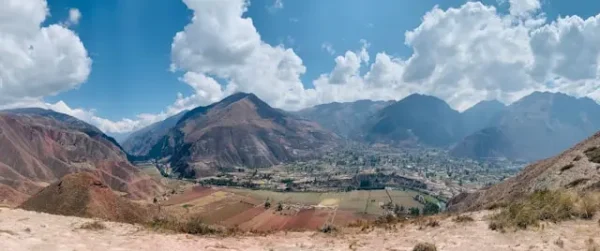
traveling-to-the-Sacred-Valley

Essential information before traveling to the Sacred Valley

Before deciding which places to visit or how many days to stay, there are a few details worth keeping in mind. If you’re planning all the things to do in the Sacred Valley, it’s important to understand its climate, altitude, and rhythm of life to make the most of your experience. The valley isn’t just beautiful, it carries a special energy that blends history, nature, and spirituality.

Climate in the Sacred Valley

The climate in the Sacred Valley is mild and pleasant for most of the year. Days are usually sunny, perfect for exploring ruins or strolling through villages  while nights can get quite cool, especially during the winter months.

  • Dry season (April to October): This is the best time for outdoor activities, as the skies are clear, there’s little rain, and the views of the Andes are spectacular. It’s ideal for trekking, biking tours, or visiting the Maras Salt Mines.
  • Rainy season (November to March): During this time, the valley turns a vibrant green and the landscapes become more photogenic. Although it may rain in the afternoons, it’s still a peaceful season with fewer tourists and lower prices.

Average temperatures:

  • Daytime: between 20°C and 24°C (68°F–75°F)
  • Nighttime: between 5°C and 10°C (41°F–50°F)


Traveler’s tip: Temperature variations between day and night are noticeable, so the best approach is to dress in layers. Wear light shirts under a sweater or jacket that you can easily remove once the sun comes out.

Altitude of the Sacred Valley

One of the biggest advantages of staying or spending a few days in the Sacred Valley is that it’s located at a lower altitude than Cusco, which greatly helps travelers acclimatize before visiting Machu Picchu.

The valley sits between 2,700 and 2,900 meters (8,850–9,500 feet) above sea level, meaning there’s a lower chance of experiencing soroche (altitude sickness) and greater comfort for those arriving directly from Lima or other lower-altitude cities.

Approximate altitudes by town:

  • Pisac: 2,972 m (9,750 ft)
  • Urubamba: 2,871 m (9,420 ft)
  • Ollantaytambo: 2,792 m (9,160 ft)


Local Tip: Even though the altitude here is lower than in Cusco, you might still feel a bit tired during your first days. Move slowly, drink plenty of water, and try the traditional mate de coca or muña tea  natural infusions that help your body oxygenate more efficiently.

If you’re planning to enjoy several things to do in the Sacred Valley, it’s best to stay at least two nights. That way, you can acclimatize comfortably while taking time to enjoy the scenery, local markets, and cultural experiences at a relaxed pace.

What to pack for the Sacred Valley

Packing for the Sacred Valley might seem simple, but the changing Andean weather will make you think twice. You can experience sunshine, wind, cold, and even rain  all in the same day. If you already have a list of things to do in the Sacred Valley, make sure to bring everything you need to enjoy each experience without any setbacks.

Recommended packing list:

  • Sunscreen, hat, and sunglasses: the sun can be strong, even on cloudy days.
  • Light clothing for the day and warm layers for the night: a good jacket or fleece will save you from the evening chill.
  • Comfortable, non-slip shoes: ideal for exploring ruins or going on hikes.
  • Rain jacket or poncho: essential if you’re traveling between November and March.
  • Reusable water bottle and healthy snacks: stay hydrated and support sustainability.
  • Camera or phone with an external battery: the views are worth every photo.
  • Cash: many small towns don’t have ATMs or accept cards.


Extra tip: always carry a small first aid kit with pain relievers, bandages, and altitude sickness tablets  especially if you plan to do more demanding things to do in the Sacred Valley like hiking or mountain excursions.
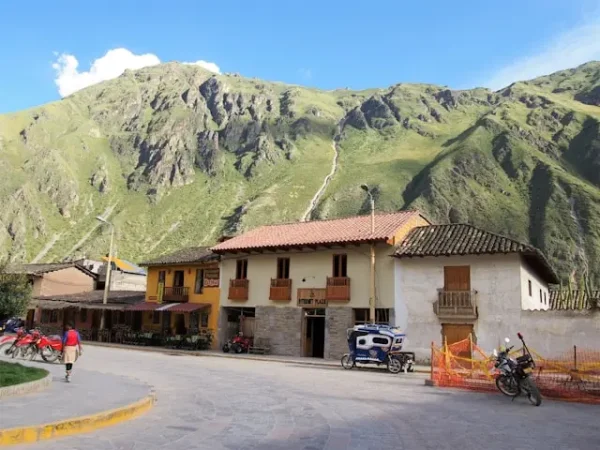
How-to-prevent-and-handle-altitude-sickness

How to prevent and handle altitude sickness

Although the Sacred Valley sits at a lower altitude than Cusco, some travelers may still feel the effects of soroche (altitude sickness). This can impact your energy and disrupt your plans  especially if you have a long list of things to do in the Sacred Valley and don’t want to miss a single experience. The most common symptoms include headaches, nausea, fatigue, and trouble sleeping.

Practical tips:

  • Take a day to acclimate before doing strenuous activities.
  • Drink coca or muña tea, natural herbal infusions that help your body absorb oxygen more efficiently.
  • Avoid heavy meals or alcohol during your first few hours in the valley.
  • Get plenty of rest and stay hydrated.


If symptoms become stronger, most hotels and pharmacies offer oxygen and specific medication, such as Sorojchi Pills, to help relieve discomfort and allow you to continue enjoying all the things to do in the Sacred Valley without worry.

How to get to the Sacred Valley from Cusco

The most common way to reach the Sacred Valley is from Cusco; it's only about an hour away by car. You can choose from several options depending on your travel style and budget:

  • Organized tour: ideal if it’s your first visit. It usually includes a guide, transportation, and stops at the main attractions.
  • Local bus or shared minivan (colectivo): a more affordable option, though slower and less comfortable.
  • Private taxi or car: the most flexible choice, perfect if you’re traveling as a couple or with a group.


The journey from Cusco to Pisac or Urubamba passes through breathtaking landscapes, valleys, mountains, and viewpoints that will make you want to stop for photos every ten minutes.

Traveler’s tip: if you plan to explore many things to do in the Sacred Valley, consider hiring a private driver or guided tour so you can move easily between towns and attractions at your own pace.

8 Things to do in the Sacred Valley

The Sacred Valley is much more than a stop between Cusco and Machu Picchu; it's a destination in its own right. Its towns, terraces, and mountains breathe living history, offer delicious food, and invite you to experience a unique blend of adventure, culture, and spirituality.

If you’re planning your visit, here are the 8 best things to do in the Sacred Valley, complete with practical information and tips to help you make the most of every moment.
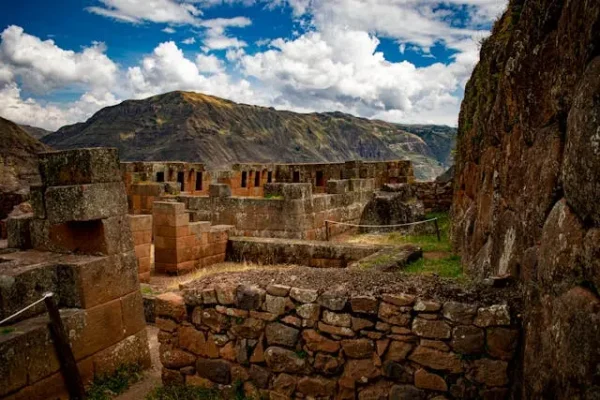
Pisac-Ruins

1. Explore the Pisac Ruins

Among the top things to do in the Sacred Valley, visiting Pisac is a perfect way to begin your journey. This archaeological complex stretches across the side of a mountain, with perfectly designed terraces that once served to grow corn, quinoa, and potatoes. From the top, the views of the Urubamba River are absolutely unforgettable.

In addition to the ruins, the town of Pisac is famous for its vibrant artisan market, one of the largest and most colorful in the valley. Here, you’ll find alpaca textiles, hand painted ceramics, and silver jewelry, all made by local artisans who keep their traditions alive.

Recommended days: Sundays, Tuesdays, and Thursdays (when the market is at its liveliest).
Tip: bring cash and practice bartering respectfully  many families depend on these sales for their livelihood.
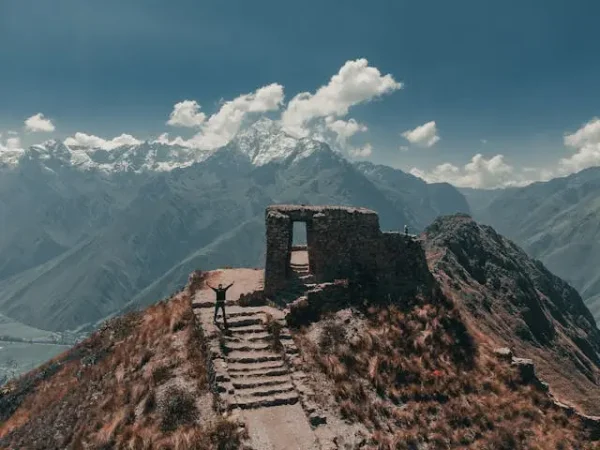
huchuy qosqo Ollantaytambo

2. Visit Ollantaytambo, the last living Inca town

If you’re planning your things to do in the Sacred Valley, visiting Ollantaytambo should be at the very top of your list. This is not just an archaeological site, it's a living town that still preserves the original Inca urban layout. Walking through its cobblestone streets, surrounded by water channels and ancient stone walls, feels like stepping back five centuries in time.

The Ollantaytambo Fortress is one of the most impressive complexes in Peru. It was the site of one of the final battles between the Incas and the Spanish conquistadors, and its massive carved stone blocks continue to astonish visitors.

  • Good to know: this is also the starting point for trains to Machu Picchu, which is why many travelers choose to spend the night in Ollantaytambo before continuing their journey.
  • What to try: restaurants like Chuncho Café or Apu Veronica serve delicious local food made with fresh ingredients from the valley  all accompanied by stunning mountain views.
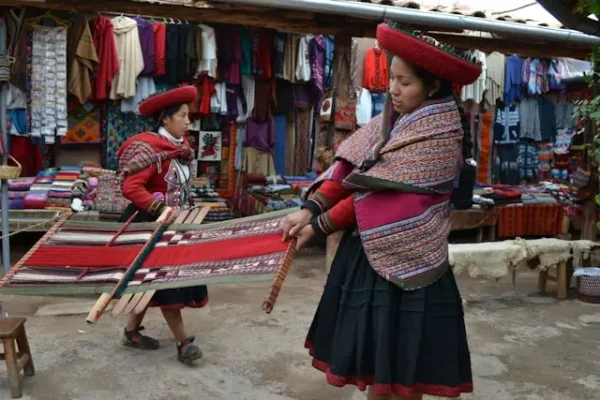
chinchero

3. Discover Chinchero and its textile tradition

Among the most authentic things to do in the Sacred Valley, visiting Chinchero is an experience that connects you directly with the cultural essence of the Andes. This small mountain town feels frozen in time and is known as “the birthplace of the rainbow” for its vibrant landscapes and the ancestral textile art proudly preserved by its people.

In the community workshops, local women demonstrate how they spin alpaca wool, prepare natural dyes using plants and flowers, and hand-weave traditional ponchos and blankets. Every color and pattern carries an ancestral meaning that tells part of their history.

In addition to its textile heritage, Chinchero is home to an archaeological site and a colonial church built atop Inca foundations. From its viewpoints, the panoramas of the Chicón and Salkantay snowcapped mountains are breathtaking.

  • Recommended time: half a day.
  • Tip: support certified community workshops they ensure fair wages and help preserve original weaving techniques.
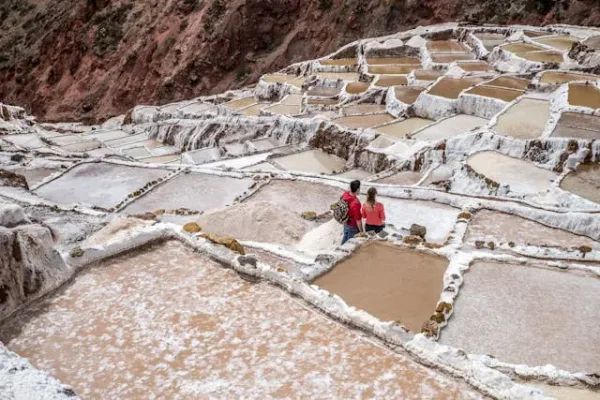
Maras-Salt-Mines

4. Be Amazed by the Maras Salt Mines

Among the most fascinating things to do in the Sacred Valley, visiting the Maras Salt Mines is an experience you’ll never forget. Located on the slope of a mountain, these salt ponds form a breathtaking natural and cultural wonder. Over 3,000 white pools shimmer under the sunlight like a giant mirror, creating a landscape that looks straight out of a dream.

The hydraulic system still works naturally: salty water springs from an underground source and flows through small channels, filling the ponds where it slowly evaporates under the sun.

Tips for visiting:

  • The best time for photos is between 8:00 and 10:00 a.m., or at sunset.
  • Bring a hat and water. The reflection of the sun on the salt can be quite strong.
  • Avoid stepping into the ponds, as this is a protected local working area.
  • At the entrance, you can buy Sacred Valley pink salt, a perfect souvenir or ingredient for your kitchen.
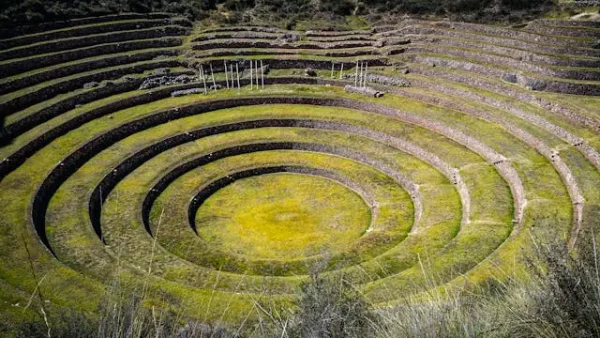
maras-moray

5. Discover the agricultural terraces of Moray

If you’re listing your things to do in the Sacred Valley, a visit to Moray is an absolute must. Located just 7 km from Maras, this is one of the most mysterious and fascinating sites in the region, a series of circular terraces forming natural amphitheaters. Each level has a different temperature, allowing the Incas to experiment with crops and microclimates centuries ago.

Walking among these terraces lets you feel the harmony the Incas maintained with the earth. It’s a site filled with energy, symbolism, and ancient wisdom.

  • How to get there: you can easily combine your visit to Moray with the Maras Salt Mines on a single tour by car, bike, or even quad bike.
  • Spiritual tip: many travelers take part in small Pachamama (Mother Earth) offering ceremonies here as a way of expressing gratitude to nature.
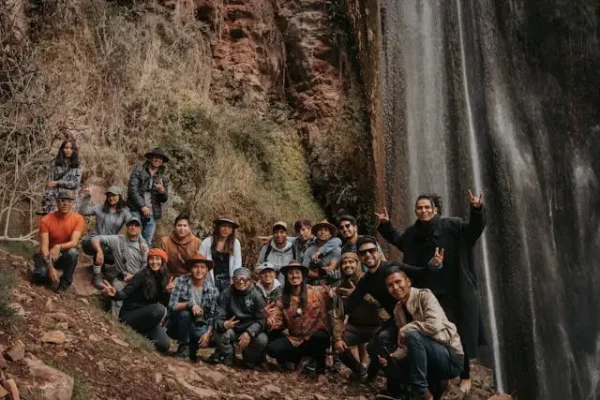
adventure-in-the-Sacred-Valley

6. Experience adventure in the Sacred Valley

Among the many things to do in the Sacred Valley, adventure activities hold a special place. The valley is not only about history, it's also a paradise for nature lovers, thrill seekers, and anyone who enjoys breathtaking landscapes. There are options for all levels and ages, from gentle outdoor experiences to adrenaline filled challenges.

  • Ziplining in Racchi or Maras: soar above the valley at over 100 meters high.
  • Mountain biking from Chinchero to Urubamba: a scenic route surrounded by lagoons and mountains.
  • Hiking through the Andes: follow trails with views of the Veronica Glacier and local communities.
  • Quad biking to Moray and the Salt Mines: one of the favorite experiences among younger travelers.
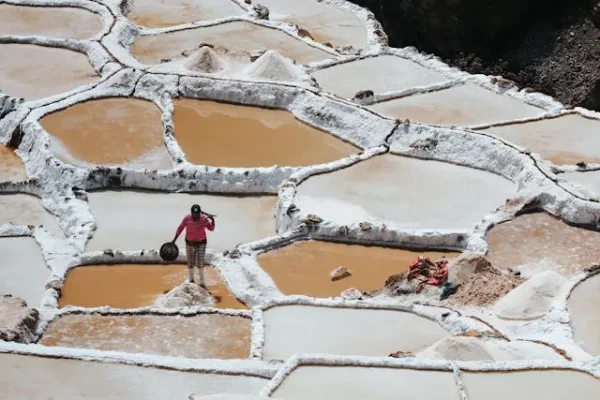
salt maras in cusco

7. Relax in Urubamba

Located at the heart of the valley, Urubamba is the perfect place to slow down and rest for a few days. Its peaceful atmosphere and variety of accommodations  from eco-lodges and luxury resorts to cozy family hostels  make it a favorite stop for travelers looking to recharge.

Here you can enjoy restaurants that highlight local ingredients such as giant corn, river trout, and freshly picked Andean fruits. Many hotels also offer wellness experiences like herbal spas, outdoor yoga sessions, and flower baths that help you reconnect with nature.

If you’re looking for a moment of calm between your things to do in the Sacred Valley, Urubamba is the ideal spot to pause, breathe, and simply watch the Andes glow under the evening sun.

8. Explore the local markets

One of the most authentic experiences among the things to do in the Sacred Valley is visiting its traditional markets. They are the soul of each town  full of color, aromas, laughter, and the essence of everyday Andean life.

  • Pisac Market: the most famous one, filled with handmade crafts and souvenirs.
  • Chinchero Market: smaller but more authentic, perfect for finding locally made textiles and artisan goods.
  • Urubamba Market: the most local experience, where residents shop for fruits, bread, flowers, and woven fabrics.

Where to stay in the Sacred Valley

After enjoying all the incredible things to do in the Sacred Valley, it’s time to rest and absorb the powerful energy of the Andes. Choosing the right place to stay can make the difference between a rushed trip and an unforgettable experience.

Although the distances between the towns are not very long, each area has its own atmosphere, landscape, and rhythm of life. The good news is that there are options for every traveler and budget  from cozy family hostels to eco lodges overlooking the Andes and boutique hotels that look straight out of a postcard.

Pisac

Among the many things to do in the Sacred Valley, spending a night or two in Pisac is a wonderful idea if you’re looking for a peaceful atmosphere surrounded by nature. This charming town is known for its mystical energy and for being a meeting point for travelers who want to disconnect from the noise and reconnect with themselves.

Many accommodations here are tucked away in the hills or along the river, featuring gardens, hammocks, and views of ancient Inca terraces. It’s also a great base if you plan to visit the archaeological site or explore the vibrant artisan market.

  • Perfect for: spiritual travelers, yoga lovers, and anyone seeking peace and meditation.
  • Tip: you’ll find retreat centers offering holistic therapies, cacao ceremonies, and guided meditation workshops  a beautiful way to experience the spiritual side of the Sacred Valley.

Urubamba

Among all the things to do in the Sacred Valley, staying in Urubamba is one of the smartest choices you can make. This town is the geographical heart of the valley and one of the most convenient places to set up your base. From here, you can easily reach Pisac, Ollantaytambo, Maras, or Moray without long drives.

The atmosphere is calm and welcoming, with a mild climate and landscapes that blend corn fields, snow capped mountains, and crystal clear rivers. In Urubamba, you’ll find some of the best hotels in the valley, many offering spas, organic gardens, and unique culinary experiences.

Popular options:

  • Tambo del Inka, a Luxury Collection Resort: a high end hotel with a spa, heated pool, and direct access to the train to Machu Picchu.
  • Sacred Valley Tribe: a sustainable lodge with outdoor activities and a community feel.
  • Family lodges: perfect for those who prefer a local, authentic atmosphere.


Don’t miss: enjoy a dinner made with organic valley ingredients or take part in a traditional Andean cooking class a delicious way to experience local culture.

Ollantaytambo

Among the many things to do in the Sacred Valley, staying in Ollantaytambo is an experience that beautifully blends history, relaxation, and a deep connection with the Andean spirit. This ancient town is full of energy and living culture. Its strategic location makes it the last stop before Machu Picchu, as the train to Aguas Calientes departs from here.

Spending the night in Ollantaytambo allows you to explore its impressive fortress at your own pace and wander its cobblestone streets in the quiet of the evening, after most visitors have left. It’s also the perfect place to end your journey before continuing with more things to do in the Sacred Valley, especially if you’re looking for an authentic setting with true Inca soul.

Advantages:

  • You can walk to the train station in just a few minutes.
  • Most accommodations offer stunning views of the mountains or the Patacancha River.
  • There are charming restaurants, cafés, and bars — perfect for a relaxed dinner after a day of exploration.

Unique accommodation experiences in the Sacred Valley

After enjoying all the wonderful things to do in the Sacred Valley, there’s nothing better than relaxing in a place that connects you with Andean culture and nature. Beyond just a comfortable stay, many lodges and hotels offer authentic experiences that make your journey even more meaningful.

  • Night bonfires under the stars: perfect for sharing stories and connecting with other travelers.
  • Yoga or meditation sessions with views of the Apus, the sacred mountain spirits.
  • Andean rituals with local shamans, where you can take part in a ceremony of gratitude to Pachamama (Mother Earth).
  • Organic gardens and traditional cooking workshops, where you’ll learn about local ingredients and ancestral techniques.

if you plan to stay for several days, combine two areas  one night in Pisac or Urubamba to rest and acclimate, and another in Ollantaytambo to catch the early train to Machu Picchu. It’s the perfect way to end your journey and experience the last things to do in the Sacred Valley from different perspectives.
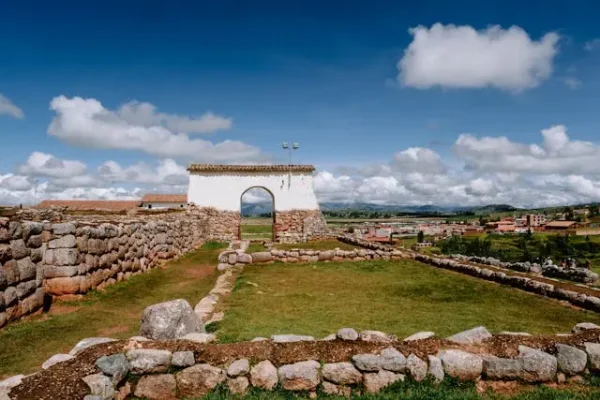
visit-the-Sacred-Valley

Weather and the best time to visit the Sacred Valley

Before planning all the things to do in the Sacred Valley, it’s important to understand how the weather changes throughout the year. The Sacred Valley has one of the most pleasant climates in the Andes: warm days, cool nights, and a sky so clear it feels closer than anywhere else in Peru. However, the experience can vary depending on when you travel. Choosing the right season will help you enjoy hiking, landscapes, and local festivities to the fullest.

Dry season (April to October)

During these months, the days are sunny, and rainfall is almost nonexistent. It’s the most popular time to visit the valley, especially between June and August. The clear blue skies and crisp mountain air create perfect conditions for many of the things to do in the Sacred Valley, such as hiking, photography tours, and archaeological excursions.

Advantages:

  • Safe trails with little to no mud.
  • The best views of snow-capped peaks and agricultural terraces.
  • A wider selection of outdoor tours and activities.

Disadvantages:

  • More tourists, especially in July and August.
  • Higher prices for accommodation and transportation.

Average temperature:

  • Day: between 20°C and 25°C
  • Night: between 5°C and 8°C

Rainy season (November to March)

Known as the green season, this time of year reveals a completely different face of the valley. Hills turn lush and vibrant, waterfalls grow stronger, and the landscape becomes even more photogenic. Traveling during this season means fewer tourists and lower prices, giving you the chance to enjoy all the things to do in the Sacred Valley at a slower, more peaceful pace.

Advantages:

  • Fewer tourists and more affordable prices.
  • Stunning photography opportunities with vivid landscapes and dramatic skies.
  • A chance to witness harvests and traditional agricultural rituals.

Disadvantages:

  • Some trekking routes can become slippery.
  • Occasional rain may affect transportation schedules.

Average temperature:

  • Day: between 19°C and 23°C
  • Night: between 8°C and 12°C

Recommended months: May and September

If you’re wondering when’s the best time to enjoy the things to do in the Sacred Valley, May and September are ideal. Both months offer great weather, clear skies, and fewer crowds, allowing you to explore ruins and villages in peace.

May: the valley is lush and green after the rains, marking the start of the dry season  perfect for hiking and photography.
September: the fields begin to bloom, the air is warm, and prices are generally lower, a lovely time to visit.
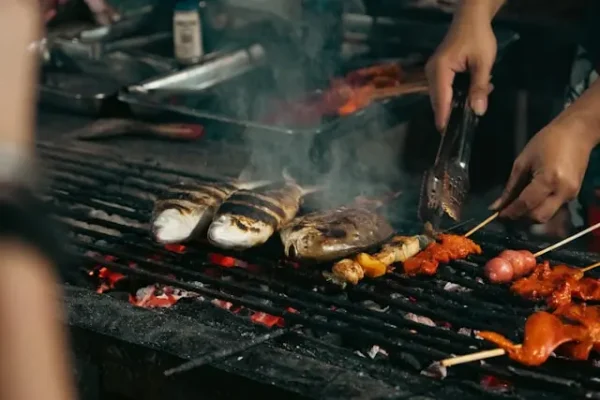
Gastronomy-of-the-Sacred-Valley

Gastronomy of the Sacred Valley

Among the many things to do in the Sacred Valley, tasting its food is one of the most authentic and memorable experiences you can have. The local cuisine reflects the deep connection between the land, tradition, and Andean community. Every dish tells a story, made with fresh ingredients grown in the fertile fields of the valley.

Must try local dishes:

  • Grilled trout from the Urubamba River: fresh, flavorful, and often served with native potatoes.
  • Oven-roasted cuy (guinea pig): a true Andean classic, traditionally prepared for special celebrations.
  • Choclo with cheese: giant kernels of local corn paired with creamy white cheese  the perfect snack.
  • Pachamanca: a feast of meats, potatoes, and herbs slow-cooked underground over hot stones, honoring Mother Earth.
  • Chicha morada or chicha de jora: traditional drinks made from purple corn or fermented maize, enjoyed by locals for centuries.

Useful tips for your trip to the Sacred Valley

Before diving into all the things to do in the Sacred Valley, it’s important to take a moment to plan ahead. Traveling through this corner of the Andes is a magical experience that blends nature, culture, and spirituality. Preparing in advance will help you enjoy every moment smoothly and truly embrace the essence of this unique destination.

Always carry cash

While larger towns like Urubamba and Ollantaytambo have a few ATMs, most rural communities and local markets do not accept cards. If your list of things to do in the Sacred Valley includes visiting artisan fairs or eating at small family run restaurants, make sure to carry Peruvian soles in small bills. Many vendors won't change.
Tip: avoid exchanging money at the airport or in tourist areas of Cusco; you’ll get better rates at exchange houses in the city center before heading to the valley.

Buy your tickets in advance

If your things to do in the Sacred Valley list includes exploring archaeological sites, make sure to purchase the Cusco Tourist Ticket, which gives you access to Pisac, Ollantaytambo, Chinchero, and Moray. You can buy it at the Cusco Culture Office or at the entrance of the sites themselves.
If your trip continues to Machu Picchu, book your train tickets and entrance passes several weeks in advance, especially during the high season (June to August).
Tip: keep all your tickets in a waterproof pouch or folder  rain can appear suddenly, and checkpoints are frequent.

Respect local customs

The Sacred Valley isn’t just a tourist destination, it's a living place. Its people preserve traditions that are part of Peru’s cultural heritage. As you enjoy the many things to do in the Sacred Valley, always show respect: ask permission before taking photos of people, and be kind and patient when interacting with locals.
Recommendation: learn a few basic Quechua words like “rimaykullayki” (hello) or “sulpayki” (thank you). Small gestures go a long way.

Care for the environment and support local businesses

A big part of the things to do in the Sacred Valley involves enjoying its nature  but also protecting it. Don’t leave trash, use reusable bottles, and stick to marked trails. Support small family owned businesses by buying handmade products or joining community based cultural experiences.
Sustainable suggestions:

  • Stay at eco lodges or family guesthouses that promote responsible tourism.
  • Eat at restaurants that use local ingredients or practice organic farming.
  • Participate in cultural workshops or experiences run by local communities.

Transportation and safety

Distances between towns in the valley are short, but roads can be narrow and winding. If your plan includes moving between different things to do in the Sacred Valley, such as tours or archaeological visits, book with certified agencies that use safe, well maintained vehicles.
Tip: always check that your tour operator is licensed and that the vehicle includes insurance and a first-aid kit.

Traveler mindset: Patience, respect, and curiosity

In the Sacred Valley, time moves differently. Not everything runs with the punctuality of a big city  and that’s part of its charm.
Keep an open mind and flexible attitude, talk with locals, try new foods, and let yourself be surprised by the small moments along the way.

Final advice: don’t rush. Beyond all the things to do in the Sacred Valley, what truly matters is how you experience them. Every step, every smile, and every mountain view will leave a mark that stays with you long after you’ve returned home.

The Sacred Valley, a journey that connects you with what truly matters

After experiencing all the things to do in the Sacred Valley, you’ll realize this place is far more than just another stop on your trip through Peru; it's an experience that awakens both your senses and your soul. Every village, every stone, and every smile remind you of the deep connection between people and nature.

Take your time to explore, to breathe in its energy, and to let yourself be amazed. Because beyond the ruins, the landscapes, and all the things to do in the Sacred Valley, what truly stays with you is the feeling of having been in a sacred place, one where history and everyday life intertwine in perfect harmony.
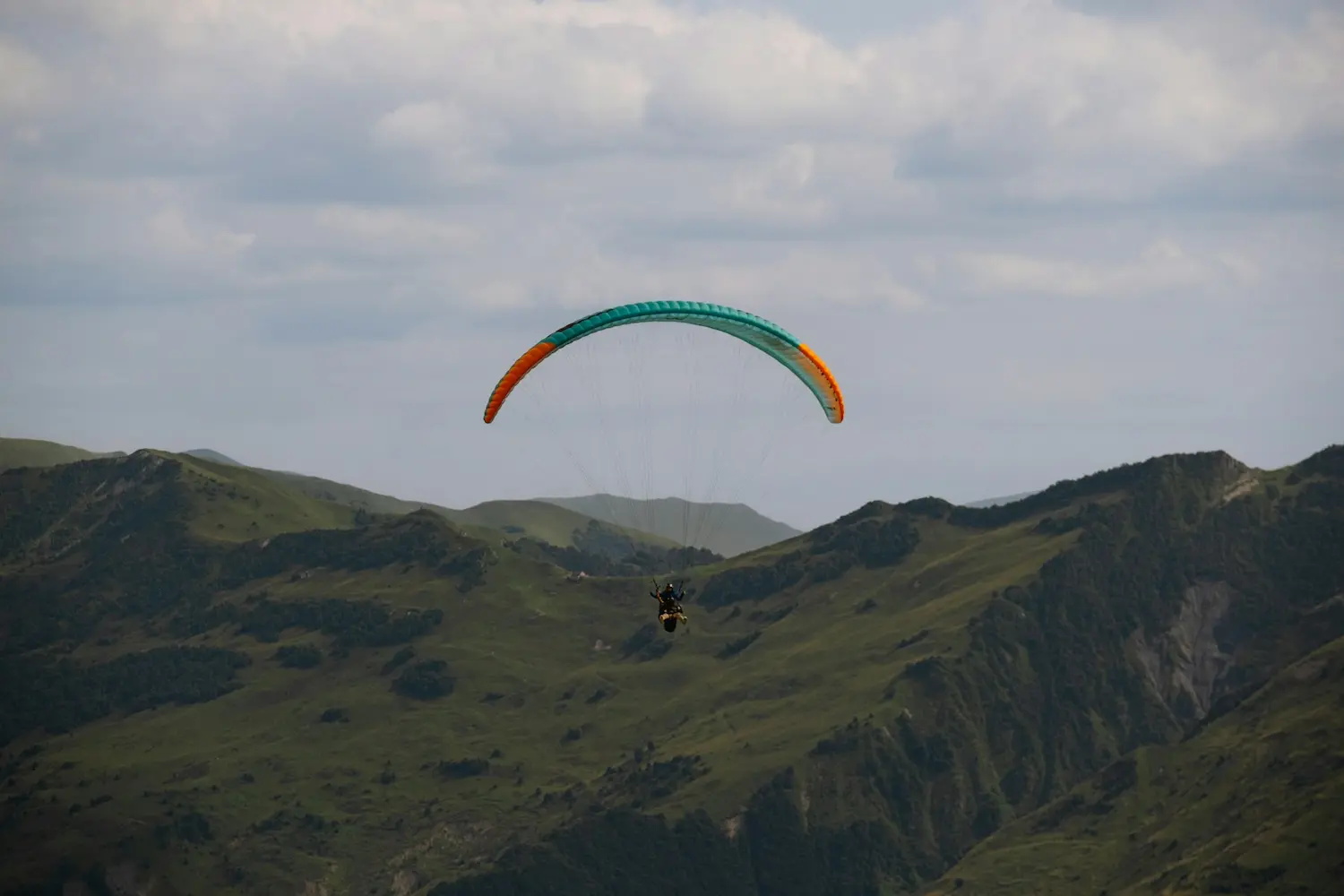
Festivities in Peru, celebrations for the second half of 2027

Submitted by admin on

Festivities in Peru, especially those held from July to December, fill the country with color, music, and tradition. If you're planning to travel during the second half of 2025, these celebrations offer you a unique window into the heart of the country. Whether you're drawn to ancestral rituals in the Andes, coastal processions, or jungle carnivals, each month holds a celebration worth experiencing.
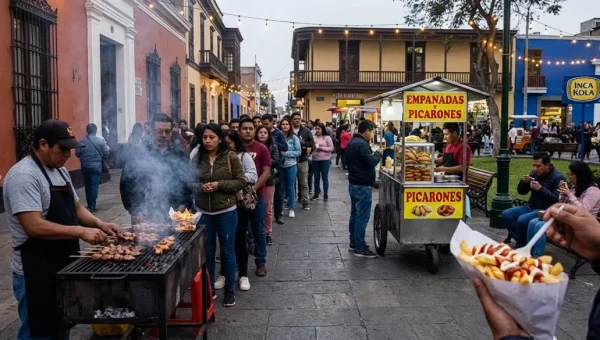
In this post, we’ll show you the most captivating festivities in Peru between July and December 2025, along with cultural context, travel tips, and everything that makes each event special. Get ready to plan a journey that goes far beyond tourism.

Dia-de-Santa-Rosa-de-Lima
Festivities-in-Peru

Festivities in Peru 2025: month by month calendar from July to December

Planning a trip during the second half of the year? This month-by-month guide to the festivities in Peru from July to December 2025 will help you experience the country’s rich cultural heritage up close. From traditional Andean rituals to vibrant Amazonian celebrations, the festivities in Peru are a perfect window into the heart and soul of its people. Get ready to align your travels with the most meaningful and colorful moments of the year.

July: Fiestas Patrias (July 28–29)

Peru’s Independence Day is the most important national holiday. Across the country, streets are adorned with red-and-white flags, and the atmosphere is filled with patriotic pride. Lima hosts official parades and military demonstrations, while cities like Arequipa, Cusco, and Trujillo celebrate with folkloric dances, live music, and fireworks.

Travel tip: Book accommodations early this is a peak travel period for locals and tourists alike.

  • Where: Nationwide, especially in Lima, Cusco, and Ayacucho.
  • What to expect: Military parades, concerts, traditional dances, food fairs, and plenty of Peruvian flags waving everywhere.

Where to stay:

  • Lima: Hotel Antigua Miraflores (Av Grau 350, Miraflores) or Selina Lima (Alcanfores 465, Miraflores, Lima)
  • Cusco: Tariq Boutique Hotel (C. Tandapata 172, Cusco) or Casa Andina Standard (Av. Alfredo Benavides 271 Miraflores)
  • Ayacucho: Altipacha Ayacucho Hotel (JR, 28 de Julio 527, Ayacucho) or DM Hoteles Ayacucho (Jr, 9 de Diciembre 184, Ayacucho)
Dia-de-Santa-Rosa-de-Lima

August: Día de Santa Rosa de Lima (August 30)

Celebrated in Lima and throughout Peru, this day honors the country’s first saint and the patroness of the Americas. Pilgrims visit her sanctuary and the famous wishing well at her family’s home in downtown Lima. The celebration blends Catholic devotion with traditional Peruvian customs.

Where to go: Visit Lima for the official events or explore smaller towns for a more intimate experience.

  • Where: Chachapoyas (Amazonas), Huánuco, and rural areas of Cusco.
  • What to expect: Religious processions, traditional dances like "diablos danzantes", and locals in colorful attire.

Where to stay:

  • Chachapoyas: Gocta Andes Lodge (Jirón 1 de Abril #361 - La Banda de Shilcayo, San Martín, Perú) or La Casa de Seizo (Al Lado de los Baños Termales de San MAteo, Moyobamba Perú)
  • Huánuco: Grand Hotel Huánuco (Jirón Dámaso Beraún 775, Huánuco) or Hotel Venecia (Palacio Benjamin N° 429 (Prolongación Abtao) Huánuco)
  • Sacred Valley (Cusco): Explora Valle Sagrado or Skylodge Adventure Suites (Pista 224 km, Ollantaytambo)
Senor-de-Huanca

September: Señor de Huanca (September 14)

This deeply spiritual pilgrimage takes place in the Andes near Cusco. Thousands of faithful walk to the Sanctuary of the Señor de Huanca, located in the Sacred Valley. It’s a time of prayer, devotion, and reflection.

Why it matters: It reveals the strong syncretism between Andean beliefs and Catholicism that defines much of Peruvian spirituality.

  • Where: Sapallanga, near Huancayo (Junín region).
  • What to expect: A massive pilgrimage, Andean music, traditional dances, and open-air fairs.

Where to stay:

  • Huancayo: Hotel Presidente Huancayo (Ca. Real 1138, Huancayo) or Blub Hotel Spa (Pje. Verand 187, Huancayo)
  • Sapallanga: Local guesthouses or rural stays nearby.
El-Senor-de-los-Milagros

October: El Señor de los Milagros (All month, especially Oct. 18, 19, 28)

Known as the “Purple Month”, October is dominated by processions honoring the Señor de los Milagros, one of the largest religious events in Latin America. In Lima, thousands of devotees dressed in purple walk alongside the image through the city’s streets in a stunning display of faith.

What to experience: Sweets like turrón de Doña Pepa, purple candles, and traditional hymns fill the atmosphere with warmth and unity.

  • Where: Lima.
  • What to expect: The largest religious procession in Peru, with thousands dressed in purple, floral carpets, and devotional chants.

Where to stay:

  • Historic Center: Hotel Bolívar or Gran Hotel Bolívar (Jirón de la Unión 958, Lima)
  • Miraflores (more comfortable): Casa Andina Premium (Av. la Paz 463, Miraflores) or Selina Lima Miraflores.
ayacucho-Peru

November: Día de Todos los Santos y Día de los Difuntos (November 1–2)

Peruvians remember their ancestors with food offerings, flowers, and visits to cemeteries. In Andean regions, families prepare meals their loved ones enjoyed in life, sharing them at the gravesites. In the jungle, the celebration includes music and communal rituals.

Cultural tip: Join local families (if invited) or observe respectfully—it’s a day of both mourning and joy.

  • Where: Nationwide, with strong traditions in Ayacucho, Cusco, and Puno.
  • What to expect: Colorful cemetery altars, "pan wawa" (decorated bread), local music, and meals shared in memory of loved ones.

Where to stay:

  • Ayacucho: ViaVia Hotel (28 de Julio 540, Ayacucho) or Altipacha Ayacucho (JR, 28 de Julio 527, Ayacucho)
  • Puno: Casa Andina Premium Puno (Sesquicentenario 1970, Puno) or Tierra Viva Puno Plaza.
Santuranticuy

December: Santuranticuy (December 24)

This artisan fair in Cusco’s Plaza de Armas is a vibrant pre-Christmas event where you can find hand carved nativity figures, Andean textiles, and traditional gifts. It’s one of the oldest and most beautiful markets in Peru.

Why visit: It’s a magical mix of Indigenous and Catholic traditions, where local artists showcase their work and travelers can feel the Christmas spirit with an Andean touch.

  • Where: Cusco (Plaza de Armas).
  • What to expect: A traditional Christmas fair where artisans from all over Peru sell nativity scenes, religious art, and handmade gifts.

Where to stay:

  • Cusco Historic Center: JW Marriott El Convento Cusco (Esquina de la, Ruinas 432, Cusco), Hotel Rumi Punku (Choqechaka 339, Cusco), or Niños Hotel.

New Year’s Eve in Peru (December 31)

From yellow underwear for good luck to burning old-year effigies, Peruvians have their own special way of welcoming the new year. Cities like Cusco, Lima, and Arequipa host street parties, concerts, and fireworks displays.

Tip: Join the crowd in Cusco’s Plaza de Armas for a spiritual, energetic way to begin 2026. It’s one of the many festivities in Peru where ancient beliefs and modern joy blend perfectly.

Why the Second Half of the Year Is Perfect for Cultural Travel

If you're passionate about meaningful travel, the festivities in Peru during the second half of 2025 offer unforgettable experiences. These celebrations are not just events they are living expressions of history, identity, and community.

Whether you're dancing in the streets of Lima, sharing food with a family in the Andes, or watching artisans craft wonders in Cusco, you’ll leave with more than photos you’ll carry stories, emotions, and deep memories.

To truly connect with the spirit of these festivities in Peru, it helps to explore them alongside local experts who can explain their meaning and cultural background. You'll gain not just access, but understanding.

So if you're planning your next trip, consider timing it with one of these festivities in Peru. The country doesn’t just welcome you it embraces you with tradition, color, and soul.

Ready to live it for yourself?

Check out our curated itineraries with top rated Peru tour operators and let the rhythm of Peruvian culture guide your journey.

Top 10 Traditional Festivals in Cusco You Can’t Miss

Submitted by admin on

In Peru, no other city combines ancient tradition with an active living culture quite as deploy as Cusco. The historic capital of the Inca Empire, Cusco is a city that throbs to the heartbeat of festivity. Throughout the year, visitors to Cusco will experience the parades, dancing, and ritual activity that has perpetuated these traditions for centuries. Festivals in Cusco are not just a form of entertainment for tourists; these celebrations are deeply cherished moments of faith, identity, and community and are a living embodiment of the Andes.

From religious parades to street festivities, these festivals in Cusco are a great opportunity for travelers to immerse themselves in the local experience. Each month brings new opportunities to celebrate: honoring the Sun, remembering family, and dancing for the Virgin. If you are planning your trip, this guide introduces you to ten incredible festivals in Cusco that showcase the richness of Peruvian culture.

Senor-de-los-Temblores-The-Lord-of-the-Earthquakes

1. Señor de los Temblores – The Lord of the Earthquakes

The Most Revered Image in Cusco

Every Holy Monday, usually in March or April, the streets of Cusco fill with devotion as thousands gather for the procession of Señor de los Temblores, the patron saint of the city. This is one of the oldest religious festivals in Cusco, tracing its origins back to 1650 when locals believed the image of Christ saved them from an earthquake. Covered in a dark robe and adorned with red ñucchu flowers, the statue represents both Catholic faith and Andean gratitude.

How to Experience It as a Visitor

Travelers who witness this solemn event can truly feel the emotional connection Cusqueños have with their faith. Arrive early to find a good viewing spot near the Plaza de Armas and respect the quiet, sacred atmosphere. This is one of the most meaningful festivals in Cusco to understand the fusion between Andean spirituality and Christianity.

2. Cruz Velacuy – Festival of the Crosses

Blending Andean and Christian Beliefs

Celebrated in early May, Cruz Velacuy is among the most symbolic festivals in Cusco. Communities decorate wooden crosses with flowers, silver ornaments, and bright fabrics. Each cross is carried through the streets to the sound of music, representing a union between the Catholic Holy Cross and ancient mountain worship. For locals, this is a way to honor both their faith and the protective spirits known as Apus.

Where to Join the Celebration

Villages surrounding Cusco, like Oropesa or Chinchero, host some of the most authentic celebrations. Travelers are often invited to dance, share food, and enjoy chicha, a traditional corn drink. This event shows that the most intimate festivals in Cusco often take place far from the tourist crowds, where the community spirit truly shines.

Qoyllur-Riti

3. Qoyllur Rit’i – The Snow Star Festival

A Pilgrimage Under the Stars

Qoyllur Rit’i, or the Snow Star Festival, takes place high in the Sinakara Valley, about 4,600 meters above sea level. It’s one of the most spiritual festivals in Cusco, combining Inca traditions with Catholic devotion. Thousands of pilgrims walk through the mountains at night, guided by the light of the moon and the sound of drums, to worship an image of Christ painted on a rock.

A Spiritual Experience in the Andes

The most striking figures here are the Ukukus, half-man, half-bear dancers who protect the mountain and perform rituals of strength and purification. This festival marks the beginning of the Andean New Year and offers a once-in-a-lifetime experience for travelers who wish to explore the spiritual depth of the Andes. Among all festivals in Cusco, this one best captures the union of heaven, earth, and faith.

4. Corpus Christi Cusco – Faith and Tradition in the Main Square

Fifteen Saints in One Grand Procession

Corpus Christi is one of the most iconic festivals in Cusco, celebrated around 60 days after Easter. The historic Plaza de Armas becomes the stage for a grand procession in which fifteen saints and virgins are carried from their churches to the Cathedral. Accompanied by music, fireworks, and thousands of believers, the event reflects the city’s deep religious devotion and Andean identity.

A Feast for All the Senses

The night before the main day, locals enjoy a traditional dish called chiriuchu, made with roasted guinea pig, sausage, seaweed, and cheese. Visitors can walk through the crowded streets filled with the sound of brass bands and the smell of incense. If you want to witness one of the most impressive festivals in Cusco, Corpus Christi is an unmissable experience of faith, flavor, and community.

5. Inti Raymi Festival – The Inca Celebration of the Sun

Reliving the Glory of the Inca Empire

Among all festivals in Cusco, Inti Raymi stands as the most famous and spectacular. Celebrated on June 24, this Inca Festival of the Sun marks the winter solstice and honors the Sun God, Inti. The celebration takes place at three key sites: Qorikancha, the Plaza de Armas, and the fortress of Sacsayhuamán. Hundreds of dancers and actors recreate the ancient ceremony, bringing the Inca Empire’s grandeur back to life.

What to Expect During Inti Raymi

For travelers, this is a perfect opportunity to experience authentic Inca heritage. The festival starts early with the Inca greeting the sun, followed by music, dances, and symbolic rituals. Seats at Sacsayhuamán sell out quickly, so book in advance. Inti Raymi is more than just a show—it’s the living heart of all festivals in Cusco, and one of the most extraordinary cultural experiences in South America.

Virgen-del-Carmen-Festival-in-Paucartambo

6. Virgen del Carmen Festival in Paucartambo

A Town Transformed by Dance and Devotion

From July 15 to 18, the quiet town of Paucartambo bursts into color for the Virgen del Carmen festival. Declared by UNESCO as Intangible Cultural Heritage, it’s one of the most energetic festivals in Cusco. Masked dancers perform humorous and symbolic routines that portray historical and spiritual figures such as the Spanish conquerors, angels, and demons.

A Celebration of Identity

Each dance tells a story about colonial life, faith, and cultural resistance. Visitors can watch the parades, enjoy fireworks, and taste local food while being welcomed by friendly locals. For those seeking to explore the diversity of traditional festivals in Peru, this vibrant event is a highlight of any journey through Cusco.

7. Peruvian Independence Day Festivities

National Pride in the Heart of the Andes

On July 28 and 29, Cusco celebrates Peru’s Independence with great enthusiasm. Streets fill with red and white flags, military parades, and concerts. Although it’s a national event, the city adds its own Andean flavor, making it one of the most joyful festivals in Cusco.

Food, Music, and Local Spirit

Cusco’s main square becomes a space for families and travelers to enjoy local food, folk dances, and cultural fairs. You can taste dishes like adobo and chicharrón while listening to live Andean music. These celebrations are a perfect reminder that festivals in Cusco are not just religious—they also honor national pride and community life.

8. Señor de Huanca Pilgrimage – Faith and Healing

A Sacred Journey Through the Mountains

Every September 14, thousands of pilgrims make their way to the Sanctuary of Señor de Huanca, located about 30 kilometers south of Cusco. According to legend, Christ appeared to an Indigenous man and saved him from injustice, making the site a symbol of forgiveness and healing.

Tips for Joining the Pilgrimage

The walk takes several hours, passing through valleys and villages filled with temporary stalls selling food and candles. Travelers can join parts of the route, respecting local traditions and silence. It’s one of the most heartfelt festivals in Cusco, reflecting faith, resilience, and hope.

All-Saints-Day-and-Day-of-the-Dead

9. All Saints’ Day and Day of the Dead

Remembering Life and Death with Joy

On November 1 and 2, Cusqueños celebrate life and death with warmth and laughter. Families visit cemeteries, bringing flowers, food, and bread dolls called tanta wawas, shaped like babies or horses. Unlike in other parts of the world, the Day of the Dead in Cusco is a lively gathering rather than a somber one.

Cultural Meaning Behind the Celebration

This event represents the harmony between Catholic beliefs and ancient Andean views of the afterlife. Travelers can visit local bakeries and markets to try the special breads and witness how families honor their ancestors. It’s one of the most touching festivals in Cusco, showing how memory, love, and food come together.

10. Santuranticuy – The Christmas Market of Cusco

Artisans and Christmas Traditions

Every December 24, the Plaza de Armas transforms into a massive open-air market for the Santuranticuy fair, which means “sale of saints” in Quechua. Artisans from across the region come to sell hand-carved nativity figures, wooden toys, and colorful Andean crafts.

A Magical Christmas Eve in the Andes

The festive spirit fills the air with music, lights, and traditional pastries. It’s the perfect occasion to experience how locals prepare for Christmas and support artisan families. Among all the December festivals in Cusco, Santuranticuy offers the most authentic and heartwarming ending to the year.

Top-10-Traditional-Festivals-in-Cusco-You-Cant-Miss

Best Time to Visit Cusco for Its Festivals

When Traditions Come Alive

If you’re wondering about the best time to visit Cusco, the period from May to July is ideal. During these months, the city hosts some of its most spectacular events, including Qoyllur Rit’i, Corpus Christi, and Inti Raymi. The dry season means clear skies and great opportunities for photography and outdoor exploration.

Practical Travel Tips

Book accommodation early, as the city gets crowded during major festivals in Cusco. Dress in layers, bring sun protection, and respect local customs. For a more intimate cultural experience, consider attending smaller community events around the Sacred Valley.

The Spirit of Celebration That Defines Cusco

Festivals in Cusco are more than cultural phenomena, they are living representations of history and identity. Each festival (like the solemn Señor de los Temblores or the festive Inti Raymi) tells a story of devotion, resilience, and joy. For the traveler, participating in these festivals means experiencing how traditions influence even day-to-day life.

When you dance with locals, share food, or listen to music from the Andes sky while listening to music from the Andes, all create the realization profits as a traveler's reward that Cusco is endowed not with ruins, but by people and festivals. Festivals in Cusco illustrate that the heart of the city beats loudest during festivals, and communicates to every visitor that in the Andes, life is a festival of the sacred.

Corpus Christi in Cusco 2027

Submitted by admin on

Experiencing the magnificent corpus christi cusco celebration is arguably one of the most profound cultural immersions a traveler can witness in the Andes Mountains. Unlike standard religious holidays observed around the world, this specific event is a breathtaking display of living history where deeply rooted indigenous traditions blend seamlessly with Catholic devotion.

If you are specifically planning to attend corpus christi in cusco 2027, you must prepare for a city completely transformed by sheer joy and massive crowds. As one of the most important cusco festivals of the entire year, it draws tens of thousands of faithful locals and international tourists eager to witness the magic.

To truly appreciate the magnitude of this event, here is exactly what you can expect to see:

  • Massive silver litters weighing several tons.
  • Vibrant brass bands battling for acoustic supremacy on every corner.
  • Traditional dance troupes wearing intricate, hand embroidered costumes.
  • A historic culinary scene popping up in every major plaza.
virgin-of-the-nativity-cusco

Official Schedule and Key Dates for the Corpus Christi Celebration in 2027

corpus-christi-at-the-cusco-main-square

Because the festival is tied to the movable liturgical calendar, the exact corpus christi dates shift every single year, always falling exactly sixty days after Easter Sunday. For travelers trying to figure out when is corpus christi cusco this upcoming year, the main festivities are officially set for the first week of June 2027.

When looking at your cusco events calendar, keep in mind that this is not a single day affair. The city practically shuts down its normal operations for over a week. Here is the detailed breakdown of the most important days you need to mark on your travel itinerary.

Wednesday June 3 The Colorful Entrance of the Saints to the Cathedral

the-entrance-of-the-saints-to-main-square

The entire celebration kicks off with the highly anticipated entrance of saints cusco, a spectacular preliminary event occurring the day before the main procession.

Throughout the morning and early afternoon of this wednesday corpus christi, fifteen massive statues are carried out of their respective neighborhood parishes and transported toward the central Plaza de Armas.

The entrada de santos corpus christi is famous for a friendly but fierce traditional rivalry.

  • The Great Race: The bearers from the districts of San Jeronimo and San Sebastian literally race each other down the main avenues to see who can reach the historical center first.
  • The Gathering: By nightfall, all fifteen saints finally arrive and are safely housed inside the grand Cathedral, waiting in silent communion.

Thursday June 4 Main Procession Day and the Exact Hourly Itinerary

corpus-christi-in-cusco

This is the absolute pinnacle of the festival and the most crowded main day corpus christi cusco experiences all year. According to the strict corpus christi procession schedule, you need to plan your day around these specific corpus christi hours:

  • 10:00 AM – The Main Mass: The morning begins with a solemn and highly attended outdoor mass in the Plaza de Armas. The Archbishop addresses the massive crowd directly from the Cathedral steps.
  • 11:30 AM – The Procession Begins: The actual movement of the saints starts. One by one, the towering statues are carried out of the Cathedral to slowly parade around the perimeter of the main square.
  • Late Afternoon – The Finale: Because the litters are so incredibly heavy and the bearers must frequently pause to dance to the music, the monumental procession moves at a crawl, finally ending past the late afternoon before the saints are returned inside.

The Octave Day on June 11 and the Traditional Blessing of the City

the-traditional-blessing-of-the-cusco-city-on-the-octave-day-of-corpus-christi

Exactly one week after the main Thursday procession, the city celebrates the octave corpus christi cusco, marking the eighth day of the liturgical festival. On this specific day, the fifteen saints are brought out of the Cathedral for a second, slightly less crowded parade.

For photographers, the octava corpus christi offers a much better, clearer view of the magnificent silver platforms. It also holds immense spiritual importance for cusco traditions, as the local clergy conduct a highly emotional final blessing of the city and its agricultural lands.

La Bajada on June 12 When the Images Return to Their Home Parishes

The very next day marks the official end of corpus christi cusco. This bittersweet event is known as la bajada corpus christi, representing the exact moment when the massive statues finally leave the Cathedral to begin the exhausting trek back to their respective neighborhood churches.

Watching the saints returning home is an incredibly intimate cultural experience:

  • The grand scale of the plaza procession breaks down into smaller, highly localized neighborhood parades.
  • Families follow their specific patron saint up steep, winding cobblestone hills.
  • Locals share food and drinks along the route to keep the weary litter-bearers energized.

The Exact Procession Order of the Fifteen Saints and Their Parishes

If you stand in the Plaza de Armas during the main event, you will quickly notice that the corpus christi procession order is never random. The sequence in which the saints of corpus christi cusco exit the Cathedral was strictly established by colonial authorities centuries ago and remains completely unchanged to this day.

Each image represents different cusco churches and is accompanied by its own unique musical troupe and devoted neighborhood followers. Here is the exact, historical order you will witness:

Saint Anthony the Abbot Arriving First from the San Cristobal Neighborhood

saint-anthony-cusco

Leading the entire procession is saint anthony corpus christi cusco. He is immediately recognizable by the small wild boar standing faithfully at his feet. Carried down from the elevated san antonio abad cusco parish, his bearers set the physical pacing for the rest of the spectacular parade.

Saint Jeronimo Making the Long Trek from the San Jeronimo District

saint-jerome-cusco-peru-

Following closely behind is the scholarly saint jerome corpus christi, identified by his bright red cardinal robes and the fierce lion by his side. The bearers of the patron san jeronimo run a grueling ten kilometers from the san jeronimo cusco district to reach the Cathedral on time.

Saint Christopher the Giant Coming Down from the Carmenca

saint-christopher-cusco-festival

Hill The third to emerge is the towering saint christopher cusco, by far the tallest and most imposing statue in the lineup. Originating from the san cristobal parish cusco, the dedicated men must carefully navigate this incredibly top heavy statue down steep hills, constantly dodging low hanging balconies.

Saint Sebastian Traveling from the Southern District of San Sebastian

saint-sebastian

Next is the beautifully carved saint sebastian corpus christi, depicted tied to a tree and pierced with silver arrows. Hailing from san sebastian cusco, this brotherhood maintains a legendary rivalry with San Jeronimo, competing to see who can carry their saint with the most flair.

Saint Barbara Brought All the Way from the Distant Poroy District

saint-barbara-cusco-peru

The fifth position belongs to saint barbara cusco, holding a silver fortress tower in her hands. She holds a unique distinction in the poroy corpus christi tradition, as she is the only patroness brought into the city from a completely rural, outside village to protect farmers against lightning and storms.

Saint Anne the Patroness from the Traditional Santa Ana Neighborhood 

saint-ana-cusco

Marching sixth is the beautiful saint anne cusco, accompanied by a small statue of the Virgin Mary as a child. Proudly carried from the santa ana parish cusco, her procession is always followed by local women carrying fragrant incense and native highland flowers.

Saint James the Apostle Known as Santiago from the Santiago District

saint-james-cusco-peru-festival

The highly kinetic saint james apostle cusco is depicted riding a rearing white horse with a silver sword. Originating from the commercial santiago parish cusco, his procession is known for being one of the loudest, featuring the most spectacular brass bands of the day.

Saint Blaise the Patron of Artisans from the San Blas Neighborhood

saint-santiago-cusco-peru-festival

Following the horseman is saint blaise cusco, characterized by his bishop's mitre and carved altar boys. Because the san blas parish is home to master craftsmen, Saint Blaise's wooden litter is widely considered the most intricately detailed platform in the entire festival.

Saint Peter the Apostle Arriving from the San Pedro Market Area

saint-blas-cusco

Saint peter cusco is instantly recognizable by the large silver keys clutched in his hands. He is the fiercely loved protector of the san pedro parish cusco, and thousands of hard-working market vendors close their stalls for the day to proudly march behind their patron.

Saint Joseph the Patriarch Coming from the Belen Parish

saint-joseph-cusco

Marching tenth is the dignified saint joseph cusco, holding the infant Jesus. Carried from the san jose corpus christi tradition in the Belen district, his devoted followers are known for their beautiful, melancholic hymns that bring a calming energy to the chaotic plaza.

Virgin of the Nativity Brought from the Almudena Church

virgin-of-the-nativity-cusco

The virgin of the nativity cusco marks the beginning of the highly venerated Marian images. Transported from the historic almudena parish cusco near the city cemetery, she is heavily adorned with jewels and followed by thousands of praying devotees seeking miracles.

Virgin of Remedies Coming from the Santa Catalina Convent

virgin-of-remedies-cusco-peru

The virgin of remedies cusco is uniquely tied to the city's cloistered religious life. Brought out from the ancient santa catalina convent, her beautiful litter is decorated with intricate silverwork and delicate, handmade lace reflecting the quiet devotion of the nuns.

Purified Virgin Originating from the San Pedro Neighborhood

purified-virgin-cusco

Also known as the virgen purificada, the purified virgin cusco is depicted carrying a small basket with two silver turtledoves. Her dedicated brotherhood takes immense pride in her pristine appearance, spending weeks polishing the antique silver canopy that protects her from the sun.

Virgin of Bethlehem or Mamacha Belen from the Belen District

virgin-of-bethlehem-cusco

The overwhelmingly magnificent virgin of bethlehem cusco is widely considered the most physically exhausting litter to carry. Affectionately known as mamacha belen, her massive solid silver platform requires a huge team of men, cementing her status as the absolute spiritual heart of the community.

The Immaculate Conception or La Linda Presiding at the Cathedral

immaculate-conception-cusco

Closing the parade is the stunning immaculate conception cusco, the official host of the gathering. Known locally as la linda cathedral (The Beautiful One), she permanently resides inside the main Cathedral and simply steps out to gracefully bless the visiting saints.

Understanding the Inca Origins and History Behind Corpus Christi

inca-parade-on-corpus-christi

To truly appreciate what you are watching, you must delve into the history of corpus christi in cusco and its pre Columbian roots. Long before the Spanish arrived, the Incas held a massive procession around the exact same square during the winter solstice.

  • The Ancient Ritual: Instead of Catholic saints, the indigenous people carried the sacred, mummified remains of their past emperors to honor the Sun God.
  • The Spanish Shift: When the conquistadors witnessed this inca mummies procession, they realized they could not easily erase the cultural practice. They strategically replaced the mummies with heavy Catholic statues.
  • Living History: This brilliant shift birthed the ultimate example of syncretism in peru, where modern locals are technically praying to Catholic saints, but are culturally continuing a thousand year old mountain ritual.

Chiriuchu The Traditional Cold Dish You Must Eat During the Festival

traditional-chiriuchu-dish-sold-by-locals-in-cusco-peru

You absolutely cannot experience this massive celebration without diving into the intense local gastronomy, specifically the legendary chiriuchu cusco. Translating to "cold dish" in Quechua, this traditional dish corpus christi is essentially an edible map of the ancient Inca empire.

Trying this unique cusco food is a mandatory rite of passage for authentically eating in cusco. A proper serving features a wild combination of ingredients from the coast, highlands, and jungle all on one plate:

  • Roasted guinea pig (Cuy)
  • Boiled mountain chicken
  • Spicy homemade sausage
  • Fish roe (Cau Cau)
  • Dried seaweed (Cochayuyo)
  • Toasted corn (Cancha)
  • A thick slice of fresh Andean cheese

Practical Advice and Safety Tips for Navigating the Crowds in the Plaza

Many travelers frequently ask is corpus christi worth it considering the disrupted travel schedules? The answer is a resounding yes! However, you must approach the festival with strategic planning and high situational awareness.

Here is some vital cusco travel advice and tips for corpus christi cusco to ensure you have a safe and enjoyable time:

  • Arrive Early: The main square will be packed shoulder-to-shoulder. Secure a viewing spot on a balcony or a second-floor restaurant several hours before the 11:30 AM procession begins.
  • Beware of Pickpockets: Massive, distracted crowds are prime hunting grounds. Leave your passport in the hotel safe and carry your phone and cash in a secure, front-facing anti-theft pouch.
  • Protect Your Skin: Standing for hours under the intense, high-altitude UV radiation is dangerous. Wear heavy sunscreen, sunglasses, and a wide-brimmed hat to prevent severe sunburns.
Subscribe to Explore