Peru National drink

Submitted by admin on

The Peru national drink it’s not just a phrase you read in travel brochures or see on signs outside bars. No, for us, it’s something closer. Something that lives in family memories, in laughter around long tables, in the quiet pride behind every bottle uncorked on a special night. We don’t just drink pisco we carry it, we share it. It’s the way we taste our past and toast to what’s next.

It’s not just a drink, either. It’s time, captured. It’s stories told in silence between generations. You can almost hear them when it touches your lips. The clay jars, the sun over the vines, the rhythm of harvests all of it, distilled into something strong, fragrant, and deeply ours.

That’s why, when we call pisco the Peru national drink, it’s not out of habit or for show. It’s because it means something. It speaks for the hands that made it, the soil that fed it, and the people who still raise their glass to it. You don’t need to be from here to feel it. Just take a sip, close your eyes and you’ll understand.

Pisco-quebranta

Why Is Pisco the Peru National Drink?

Because it runs through our blood, our history, and every celebration that marks our lives. Pisco isn’t a trend or imitation: it’s a 100% Peruvian spirit, authentic in both essence and taste, proudly crafted in the southern coastal regions for over four centuries.

Its recognition as the Peru national drink isn’t random. It’s the result of a living heritage that combines geography, history, and passion. Pisco is made in Peru without additives, dilution, or shortcuts. Unlike other spirits worldwide, Peruvian pisco undergoes a single distillation process  no water, no additional ingredients. What’s bottled is the purest expression of fermented grape juice, concentrated in soul and character.

It also has a denomination of origin, meaning it can only be produced in specific regions: Lima, Ica, Arequipa, Moquegua, and some valleys of Tacna. Each area gives pisco a unique profile  floral, dry, citrusy, or intensely fruity all authentic, all with their own identity.

Beyond regulations and recognition, pisco is ours because it represents us. Each bottle holds the story of farmers, master distillers, and family run bodegas that have turned their craft into a form of art passed down with pride. Every sip connects us to our land, our people, and what it means to be Peruvian. That deep connection is what has rightfully made pisco the Peru national drink.

National-Pisco-Day-in-Peru

National Pisco Day in Peru

Every fourth Sunday of July, Peru celebrates National Pisco Day  a date created to honor our flagship drink and promote its responsible consumption.

It’s more than a date on the calendar: it’s a cultural fest involving bodegas, local governments, restaurants, and travelers eager to experience something authentic. Expect fairs, tastings, cocktail competitions, vineyard tours, concerts, and pisco route adventures across Ica, Lima, Arequipa, Moquegua, and Tacna.

Where to Celebrate National Pisco Day

This day is one of the best excuses to raise a glass to the Peru national drink with pride in your heart and a pisco in hand.

  • Ica: The heart of pisco. Wineries like Tacama, Caravedo, and El Catador host guided tours, tastings, food pairings, and music filled events.
  • Lima: Head to Alameda Chabuca Granda, Miraflores, or Barranco for cocktail specials, live music, mixology classes, and an atmosphere brimming with flavor and culture.
  • Arequipa and Moquegua: If you’re looking for a more intimate experience, these regions offer artisan tastings, visits to small family run bodegas, and the magic of celebrating the Peru national drink surrounded by tradition and breathtaking views.
Pisco-quebranta

Types of Pisco and How to Enjoy the Peru National Drink

There’s something special about pisco that makes it more than just a drink it’s how it fits into every mood, every story, every gathering. It doesn’t have a single “right” way to be enjoyed. Some people love it straight, no fuss. Others swear by the way it transforms a cocktail. And that’s the beauty of it: every type of pisco brings out something different, depending on how it’s made and the grapes it comes from.

You’ve got pisco puro, for instance crafted from just one grape, like quebranta or italia. The quebranta version? Strong and no-nonsense, perfect for slow evenings. If you’re into something more aromatic, the italia and torontel grapes add a sweet, floral touch that lingers on the nose.

Then there’s acholado, which is a mix. It blends grapes and in a way, it blends identities too. It’s the bottle you open when you want something complex and comforting at the same time. And finally, mosto verde smooth, luxurious, almost silky made from partially fermented must, for those moments that feel worth savoring.

Peru-National-drink

How to Enjoy the Peru National Drink

While pisco puro is excellent on its own, this iconic Peru national drink truly shines in cocktails. Try some classics and bold reinterpretations:

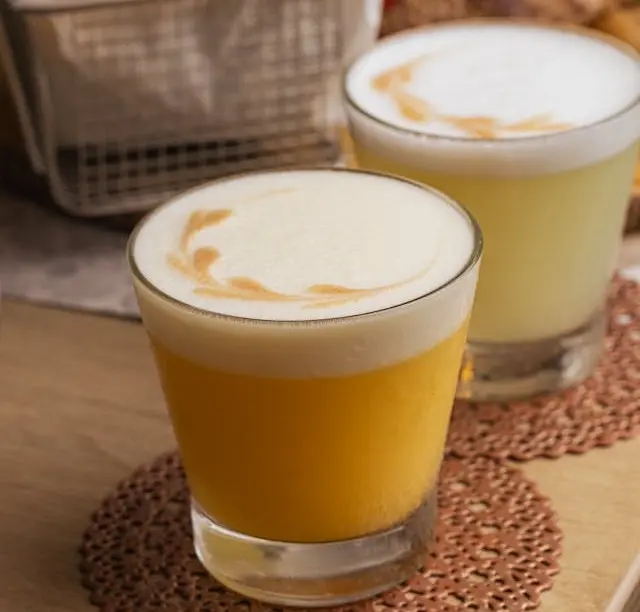
  • Pisco Sour: Our signature cocktail. Creamy, citrusy, balanced — simply unforgettable.
  • Chilcano: Light, refreshing, and ideal for summer afternoons or gatherings with friends.
  • Capitán: The Peruvian Manhattan. Elegant and nostalgic, made with pisco and red vermouth.
  • Machu Picchu Cocktail: Visually stunning, with layers of color inspired by the Peruvian flag and landscapes.
  • Tropical or regional twists: With passion fruit, camu camu, coca, goldenberry, or purple corn. Pisco reinvents itself without losing its soul.

Whether in a tulip glass, a shot, or a shaker, the key is to drink it with pride — because behind every sip lies a story of Peru.

Why We Must Defend the Peru National Drink

Because pisco is not just a spirit it’s culture, history, and land. Defending the Peru national drink means honoring the producers, farmers, distillers, and families who have turned pisco into a living legacy.

Every bottle tells a story. It’s not just about saying pisco is Peruvian  it’s about feeling it and sharing it. It lives in our tourist routes, cocktail menus around the world, family celebrations, and our collective memory as a nation.

Pisco is more than a drink: it’s identity, it’s roots, it’s pride. It is the Peru national drink, and every sip is a tribute to who we are.

So next time you raise a glass, do it with joy, awareness, and a heart full of Peru.

How-to-Enjoy-the-Peru-National-Drink

What Are The Ingredients Of Inca Kola And What Is It Made Of

Submitted by admin on

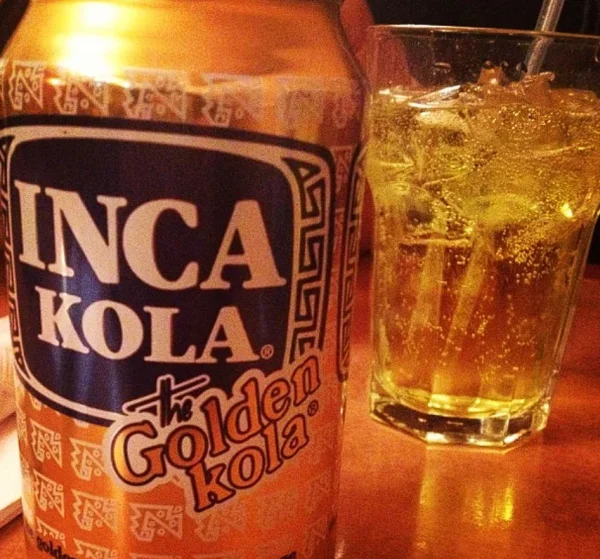
If you are wondering what is inca kola made of the exact answer includes carbonated water high fructose corn syrup citric acid sodium benzoate caffeine and artificial yellow coloring.

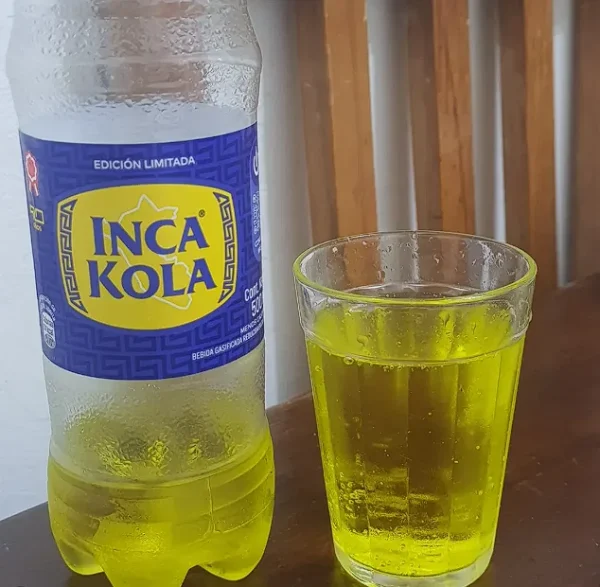
Beyond this chemical list the true soul of the beverage comes from Lemon Verbena extract which provides its signature bubblegum and cream soda flavor. This bright golden Peruvian soda delivers a unique sweet taste designed specifically to balance the bold spices found in traditional Andean dishes making it an indispensable part of the local culinary culture.

Detailed-Analysis-of-Inca-Kola-Main-Ingredients-and-Recipe

Inca Kola Ingredients Details And The Homemade Recipe

To understand the exact inca kola ingredients details you need to examine both the botanical extracts and the precise syrup boiling process used to recreate this golden soda at home.

While the commercial formula remains a closely guarded corporate secret locked away by the Lindley family food scientists and local chefs have identified the exact base components used in every single bottle. By analyzing these elements you can successfully recreate the syrup in your own kitchen using accessible household items and fresh herbs.

Required Ingredients And Equipment

Gathering the correct components requires visiting a local market for fresh herbs and ensuring your carbonated water is extremely cold before mixing. You will also need specific glassware to serve the final product correctly.

Item CategoryExact Quantity NeededFunction In The Recipe
Fresh Lemon VerbenaOne large bunch of leavesProvides the essential aroma and bubblegum flavor
White Granulated SugarTwo full cupsCreates the dense syrup base and intense sweetness
Fresh Lemon JuiceOne tablespoonAdds necessary acidity to cut through the heavy sugar
Yellow Food ColoringFive to eight dropsEssential to achieve the trademark golden appearance
Carbonated WaterOne chilled literProvides the aggressive fizz for the final beverage
Serving EquipmentTall highball glass and ice cubesKeeps the soda refreshing and perfectly diluted

Step By Step Preparation Guide And Timing

Making exactly what is inca kola made of at home requires strict temperature control and precise timing to extract the essential herbal oils without burning the delicate sugars.

  1. Step 1 The Herbal Infusion Twelve Minutes Begin by bringing exactly two cups of filtered water to a rolling boil over medium heat. Add your fresh Lemon Verbena leaves and immediately reduce the heat to a gentle simmer. Cover the pot tightly to trap the essential aromatic oils and let it brew for exactly twelve minutes to create a highly fragrant green infusion.


  1. Step 2 Syrup Creation Five Minutes Turn off the heat and strain the liquid through a fine mesh sieve to remove all organic plant matter. Return the clear herbal water to the stove on the lowest possible heat setting. Slowly pour in the white granulated sugar while stirring continuously with a wooden spoon for five minutes until completely dissolved. Never let this mixture boil vigorously or the sugar will caramelize and ruin the authentic flavor.


  1. Step 3 Color And Acidity Two Minutes Remove the pot entirely from the heat source. Stir in the fresh lemon juice to brighten the taste profile and cut the heavy sugar density. Add your yellow food coloring one drop at a time stirring constantly until you achieve that trademark electric golden hue.


  1. Step 4 Cooling Process Two Hours Transfer the hot syrup into a sterilized glass jar and allow it to sit at room temperature for thirty minutes. Move the jar into your refrigerator for a minimum of two hours. The syrup must be completely cold and slightly thickened before mixing to ensure it binds correctly with the carbonation.


  1. Step 5 Mixing And Serving Fill a tall chilled highball glass to the top with solid ice cubes. Pour one part of your homemade cold syrup directly over the ice followed immediately by four parts of highly carbonated water. Stir the liquid gently with a long spoon exactly once from the bottom to mix the heavy syrup without killing the carbonation bubbles.

The Lemon Verbena Herb That Creates The Flavor

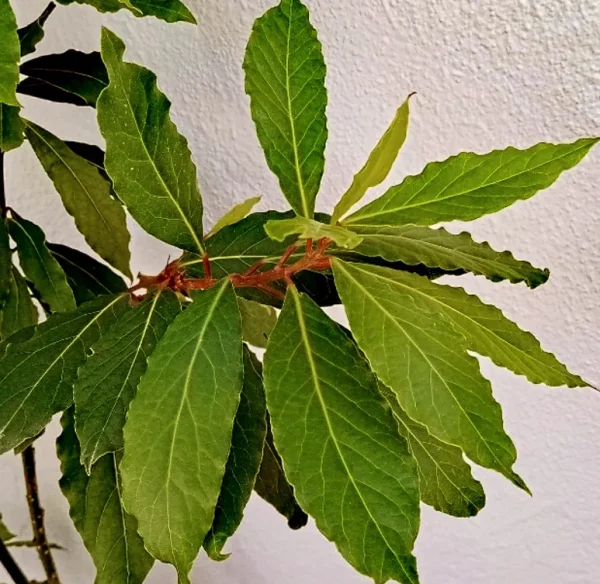
The distinct flavor profile relies heavily on an indigenous South American plant called Aloysia citrodora known locally as Hierba Luisa. This unique botanical compound delivers a powerful sweet aroma without the sour acidity of actual citrus fruits which often confuses the palate of first time drinkers.

Many international consumers mistake this herbal sweetness for bubblegum or champagne cola leading to the persistent myth that the beverage contains pineapple flavoring. The official company records confirm that no tropical fruit extracts are involved in the process making the herb the absolute critical aromatic backbone of the soda.

Hierba-Luisa

Tartrazine Yellow 5 And The Source Of The Golden Color

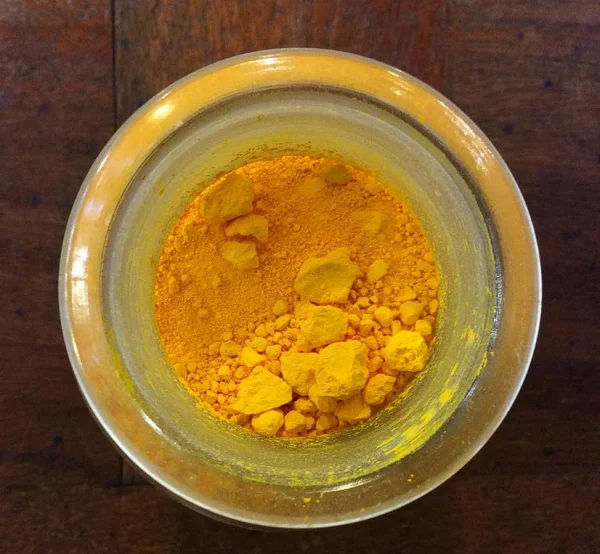
The visual impact of the soda is scientifically engineered using Tartrazine commonly known in the food industry as Yellow 5. Investigating the visual components proves that the golden hue is entirely synthetic because a natural Hierba Luisa infusion produces a dull brownish green liquid that looks highly unappealing inside a clear glass bottle.

This specific artificial additive is the most controversial yet essential item on the recipe list because the bright color primes the human brain to expect a specific sweetness intensity. Without this precise artificial tint the consumer experience feels incomplete and the beverage fails to register visually as the authentic golden cola.

Tartrazine-Yellow

Carbonated Water Sweeteners And Preservatives

The physical body and mouthfeel of the beverage rely on a high volume of dissolved carbon dioxide to create an acidic bite that cuts through the extreme sugar density. The official production standards require a high level of effervescence to balance the heavy syrup preventing the drink from feeling cloying or flat on the tongue.

There is a distinct chemical difference between international markets as the authentic domestic production uses sucrose from real cane sugar which provides a very crisp and clean finish. In contrast the United States bottling plants often substitute this natural sugar with High Fructose Corn Syrup creating a thicker and slightly more viscous texture that coats the mouth differently.

Carbonated-Water

Inca Kola Nutrition Facts And Health Impact Information

A standard twelve ounce can of regular Inca Kola contains exactly 140 calories and roughly 39 grams of added sugar making it a high energy recreational treat rather than a functional hydration beverage. Reviewing the detailed nutrition facts is essential for health conscious eaters who need to track their daily glycemic intake meticulously.

The beverage acts as a source of rapid carbohydrate energy derived almost exclusively from processed sugars which are absorbed immediately by the digestive system. This massive sugar load explains why local workers prefer drinking it during heavy afternoon meals as the glucose spike prevents the typical afternoon fatigue.

Inca-Kola-Nutrition

Does Inca Kola Have Caffeine And Is It A Stimulant

Yes the golden soda contains exactly 38 milligrams of caffeine per standard twelve ounce can making it a fully functional caffeinated stimulant. This precise measurement places its energy boosting power on the exact same level as a standard Pepsi or Coca Cola. While this is significantly less caffeine than a strong cup of coffee the combination of this stimulant with the massive glucose load creates a highly potent and rapid energy spike.

This functional chemistry explains why the soda remains the absolute preferred pairing for heavy carbohydrate meals like fried rice or roasted chicken as it actively helps combat the physiological food coma that follows a large feast.

Diet Inca Kola Ingredients And Zero Sugar Options

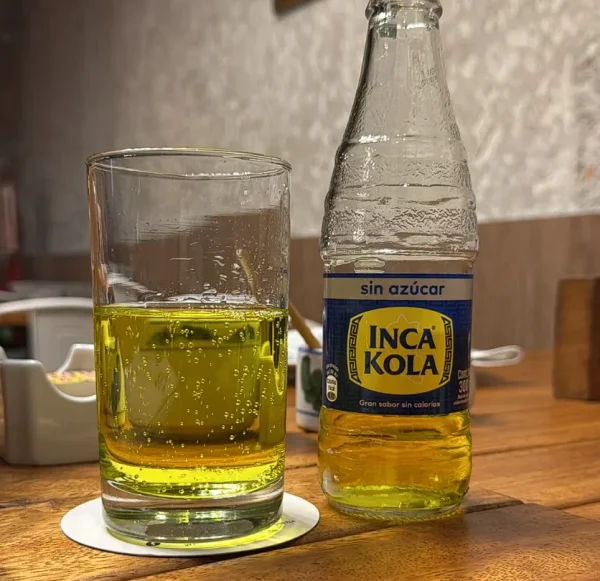
The diet inca kola ingredients completely remove the high fructose corn syrup and replace it with a highly engineered synthetic blend of Aspartame and Acesulfame Potassium. These high intensity artificial sweeteners allow the beverage manufacturer to maintain the classic bubblegum flavor profile while dropping the total caloric impact to absolutely zero.

Because these synthetic sweeteners require only microscopic amounts to equal the sweetness of real sugar the physical volume of dissolved solids in the liquid drops dramatically. This significantly alters the viscosity causing the zero sugar version to feel much lighter crisper and slightly more watery on the palate compared to the heavy syrupy texture of the original.

inca-kola-zero-and-golden-kola-zero
FeatureOriginal Golden SodaZero Sugar Diet Version
Total Calories140 calories per can0 calories per can
Sugar Content39 grams of added sugar0 grams of sugar
Sweetener SourceHigh Fructose Corn Syrup or Cane SugarAspartame and Acesulfame Potassium
Mouthfeel TextureThick syrupy and heavyLight watery and crisp

Origin And Production History Of The Brand

The fascinating history of this beverage begins with Joseph Robinson Lindley a British immigrant who established a small bottling plant in the Rimac district of Lima in 1910. The golden soda itself was not officially born until 1935 when the family created the unique herbal formula to celebrate the four hundredth anniversary of the founding of the city.

They marketed it aggressively with slogans highlighting its national flavor securing its place as an absolute staple of the local culture. Decades later the brand achieved the impossible by continuously outselling Coca Cola in the domestic market which eventually forced the global beverage giant to purchase a fifty percent stake in the corporation just to share in the profits.

Origin-and-Production-History-of-the-Inca-Kola-Brand

Where To Buy Inca Kola In The USA And Worldwide

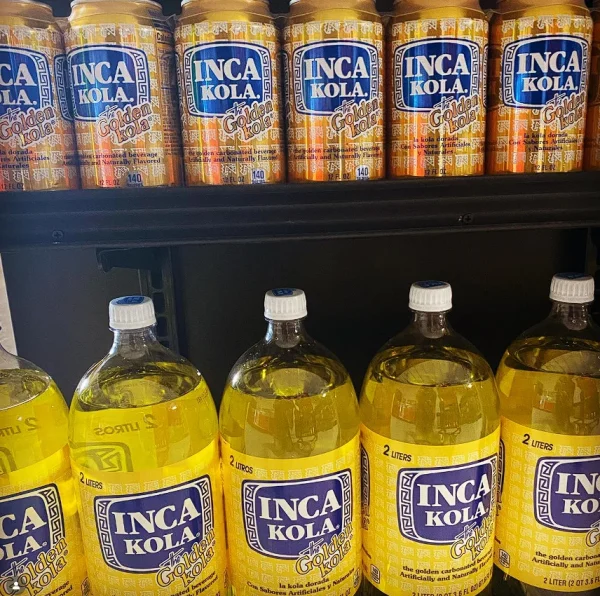
You can reliably buy the authentic golden soda across the United States at major retail grocery chains like Walmart HEB and Publix typically located within their dedicated international or Hispanic food aisles. The strategic partnership with The Coca Cola Company granted the brand access to a massive global distribution network ensuring a steady and reliable supply to North American supermarkets.

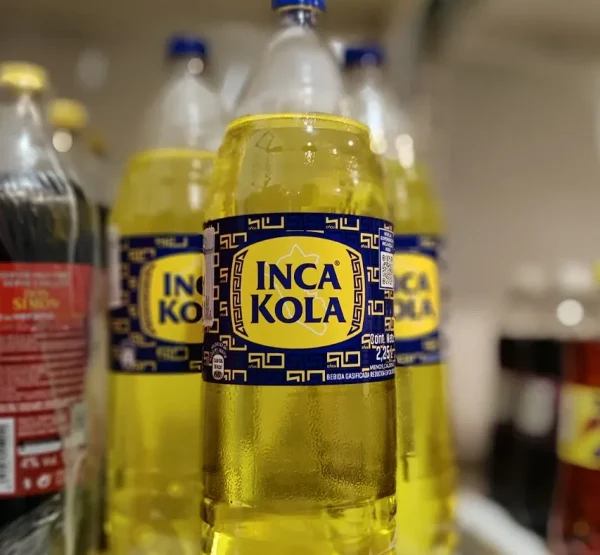
For economy and large family events you can easily find bulk packs and large two liter plastic bottles at warehouse clubs which significantly reduces the price per ounce. It is also important to clarify for new international consumers that this is strictly a non alcoholic soft drink safe for children although local bartenders frequently use it as a sweet mixer for traditional cocktails.

Where-to-Buy-Inca-Kola-in-the-USA

Coca Leaf Tea in Peru Mate de Coca Properties and Uses

Submitted by admin on

Mate de coca is an ancient Andean infusion used primarily to cure altitude sickness instantly, boost natural physical energy, and drastically improve heavy digestion.

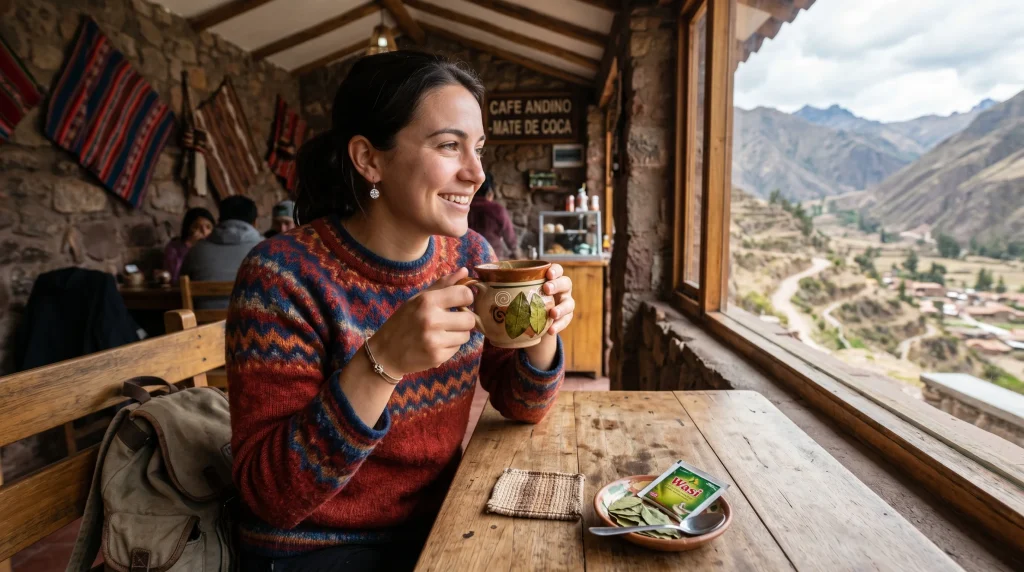
Imagine stepping off the plane in the majestic city of Cusco, where the air is incredibly thin. Before exhaustion can even hit you, a friendly local will offer you a steaming cup of coca leaf tea in peru as an official welcome to the mountains. This bright green infusion is not just a novelty drink for curious tourists; it is a millennia-old medicine that has kept South American civilizations alive for thousands of years. In this deep, straightforward guide, we will uncover its real botanical properties, the legal process to bring it back to your country, and its powerful cultural legacy.

Coca Leaf Tea in Peru Altitude Sickness Benefits

The most important and proven medical benefit of coca leaf tea in peru is its instant ability to cure altitude sickness (soroche) by gently expanding blood vessels and pumping more oxygen straight to your brain.

When you travel to areas exceeding 10,000 feet (3,000 meters) above sea level, your body struggles with oxygen deprivation, triggering pounding headaches, nausea, and extreme fatigue. By drinking this hot infusion, your respiratory system stabilizes. Unlike coffee or commercial energy drinks, this plant gives you a clean, sustained vitality boost without causing anxiety, jitters, or a rapid heart rate.

Altitude-sickness-and-coca-tea-in-Peru

Coca Leaf Active Alkaloids for High Altitude Environments

The rapid healing magic happens because brewing a cup of coca leaf tea in peru releases over fourteen natural alkaloids that act as a biological pharmacy inside your body to stabilize you under environmental stress.

To understand exactly how this green leaf works inside your body, we have broken down its most important components in the informative table below:

Natural Leaf AlkaloidPrimary Health BenefitDirect Effect on the Human Body
GlobulinHeart and Blood RegulationImproves oxygen circulation, preventing extreme mountain exhaustion.
PapainGastrointestinal HealthSpeeds up human digestion, which usually slows down drastically at high altitudes.
InulinEnergy and Blood SugarBalances glucose levels and provides physical endurance for long hikes.
EcgonineMetabolic BoosterHelps metabolize heavy carbohydrates to produce quick, sustainable energy.

Coco Leaf Tea in Peru Traditional Brewing Methods

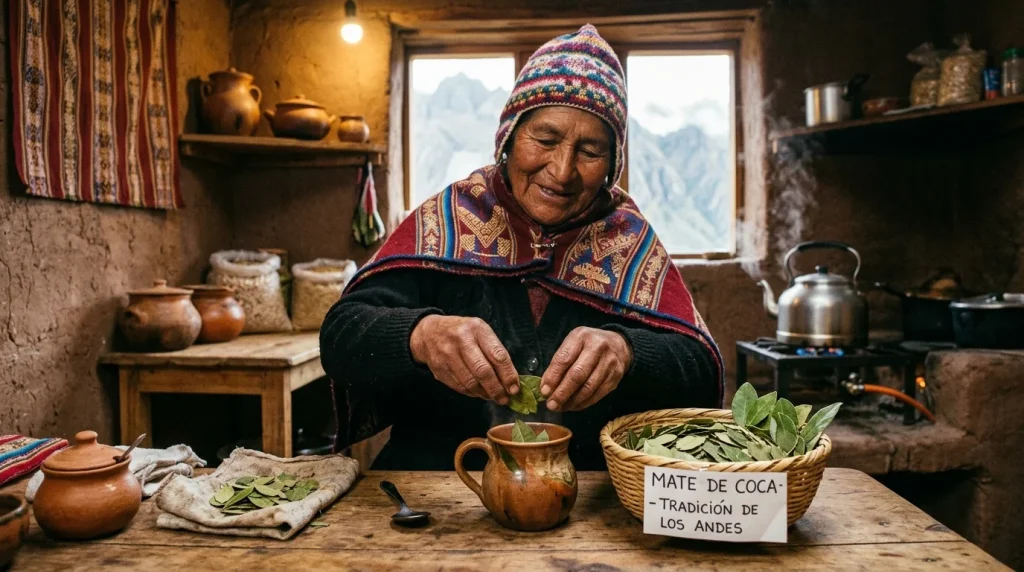
To prepare an authentic cup of coco leaf tea in peru, Andean locals simply submerge a handful of whole, dried leaves directly into boiling water, letting them steep until the liquid takes on a golden-green hue.

If you want to drink it like a true local in the Andes, follow these traditional steps that guarantee maximum nutrient extraction:

  • Select between seven and ten whole, dried coca leaves without dark spots.
  • Place them in a clay or ceramic mug to retain the earth's heat.
  • Pour boiling water directly over the leaves and cover the cup immediately.
  • Wait exactly five to eight minutes for a complete extraction of the alkaloids.
  • Add a spoonful of raw honey or a few drops of fresh lemon to soften the strong, herbaceous flavor.

Coca Leaf 350 Tea Bags Made in Peru Decocainized Export

Coca-tea-bags-for-sale-in-Peru

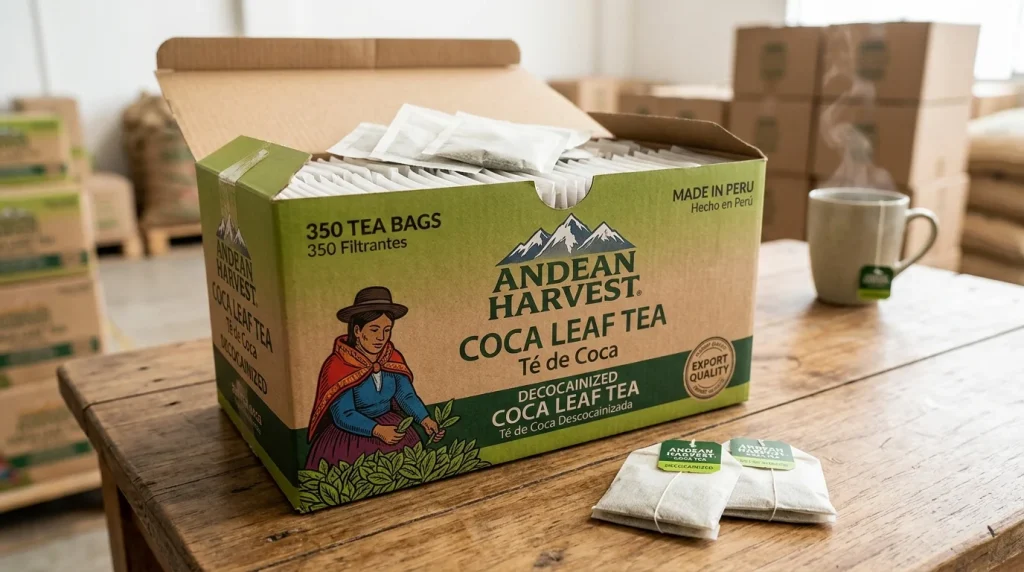
To bring this miraculous plant back to your country 100% legally, the best option is to purchase a box of coca leaf 350 tea bags made in peru decocainized, as it is a commercial product that contains no restricted narcotic elements.

Many tourists fall in love with the digestive properties of this drink and want to continue consuming it at home. This massive presentation is ideal for holistic health clinics, specialty coffee shops, or simply for prepared travelers who want to enjoy a cup of the Andes every morning without facing issues at their local customs border.

Coca Leaf 350 Tea Bags Made in Peru Decocainized Manufacturing Process

The creation process of coca leaf 350 tea bags made in peru decocainized is strictly controlled by the Peruvian government through an organic solvent wash that removes the illegal substance but keeps all vitamins and minerals perfectly intact.

The National Coca Company (ENACO) is the only authorized entity to perform this procedure. They ensure the leaf goes through the following purification stages:

  • Harvesting the finest organic leaves in the sacred valleys of the Cusco region.
  • A meticulous scientific wash that isolates and extracts only the penalized alkaloid.
  • Oven drying to preserve the plant's digestive properties and natural calcium.
  • Fine crushing and packaging into filter tea bags ready for international consumption.

Mate de Coca International Customs and Travel Regulations

Yes, it is possible to travel internationally with coca leaf tea in peru as long as the product is commercially processed, factory-sealed, clearly labeled as decocainized, and honestly declared at customs.

Type of Coca ProductLegal Status for International Travel (US and Europe)
Whole Raw LeavesStrictly prohibited. They will be confiscated and can result in severe fines.
Coca Candies and ChocolatesGenerally permitted if they have a sanitary registry and closed commercial packaging.
Decocainized Tea BagsFully permitted. They must keep their original seal and have the word "Decocainized" visible.
Artisan Coca Powder/FlourHighly risky. Usually confiscated due to the lack of clear industrial certification.

Coco Leaf Tea in Peru History and Andean Culture

Coco-Leaf-Tea-in-Peru-History-and-Andean-Culture

The history of coco leaf tea in peru dates back over three thousand years, when great Andean civilizations worshipped this green plant as the ultimate gift from the Sun God to survive the harshness of the mountains.

Drinking this infusion is literally tasting the living history of South America. Long before Spanish conquistadors arrived, local tribes depended on this sacred leaf. It gave them the physical and mental endurance needed to build architectural marvels like Machu Picchu on the steepest cliffs on the planet, defying hunger and extreme freezing weather.

Mate de Coca Incan Origins and Religious Ceremonies

During the height of the Inca Empire, consuming coca leaf tea in peru was a sacred privilege strictly reserved for royalty, high priests, and the swift "chasqui" messengers who ran across the territory.

Andean shamans used the leaf as a bridge of direct communication with the "Apus," the protective spirits inhabiting the snowy peaks. To this day, the "Kintu" ritual exists a ceremony where three perfect leaves are grouped together, and breath is blown over them, delivering profound gratitude to Pachamama (Mother Earth) for the harvests received.

Coca Leaf Consumption in Modern Peruvian Communities

Today, sharing a cup of coca leaf tea in peru remains the backbone of social and agricultural life in the Andes, representing the greatest gesture of friendship, respect, and unity among farmers.

If you walk through the small towns of the Sacred Valley right now, you will see that the tradition never died. Farmers start their workdays at dawn with a piping hot mate to chase away the morning frost. During breaks in the fields, offering a handful of these leaves to a passing neighbor is an unbreakable sign of brotherhood, proving that this magical plant remains the beating heart of the Andean world.

Weather in Cusco, Peru in January 2027

Submitted by admin on

If you’re thinking about a trip, you should know that January in Peru puts the city of Cusco right in the thick of the rainy season. This is when the city gets that mix of mist, light showers, and, honestly, some fantastic, sudden moments of sunshine.

This type of cusco weather January actually gives the city a seriously cool charm those old cobblestone streets are glistening, and the mountains wrapped around the city turn this unbelievably vibrant green. The unpredictable weather in Cusco in January really dictates your plans.

You often wake up to thick fog or a little drizzle, but the sky might clear up fast, letting the sun shine for a few quality hours. For travelers, you just have to be prepared for it to constantly change you might be sipping hot coffee one minute, then you’re walking through the clouds up at Sacsayhuamán the next. It’s all part of the unique experience of visiting Peru in January.

Weather-in-Cusco-Peru-in-January-2027
Customize-your-adventure-Weather-in-Cusco

Weather in Cusco, Peru in January: Your Gateway to an Unforgettable Machu Picchu Experience

It’s hands down a destination everyone has to visit when they explore the country. But seriously, if you’re trying to plan your trip to Peru in January, you’re probably asking yourself, 'What's the deal with the weather in Cusco, Peru in January?' and 'Is it even the right time to go?' Stop worrying! We’ve put together this straight up honest guide. We'll cover everything you need to know about visiting Cusco in January from the real climate stats to the best activities, the brutal pros and cons, and all the essential travel tips.

So, what does the cusco january weather actually look like? Picture this: frequent rain showers, way more humidity than usual, and moderate temperatures. Here’s the deal, you just need to know how to pack smart!

  • Cusco Temperature January: We're talking averages from a chilly 7°C (45°F) at night to a comfortable 19°C (66°F) during the day.
  • Rainfall: Heavy rains are totally common, but usually they hit in the late afternoons and evenings. Don’t freak out!
  • Sunshine Hours: Sunshine is intermittent it peeks out between the rain clouds, so always be ready to grab that light when you see it!
  • Altitude Check: Heads up, Cusco sits high at 3,400 meters (11,152 feet). You need to respect the altitude, especially when you first arrive."

Discover the beauty of cusco

wheather-in-cusco

Now that you know the climate facts, what’s next? There are many agencies and Machu Picchu tours from Lima that offer services specifically tailored for the conditions of Cusco in January. A knowledgeable team can guide you through the stunning landscapes of the Sacred Valley, helping you manage the comfortable temperatures and intermittent sunshine that still make this month ideal for exploring the region.

Whether your interest is tackling the Inca Trail, visiting the impressive ruins of Machu Picchu, or simply immersing yourself in the vibrant culture of Cusco, options are available. The key is to select an itinerary that accounts for the potential rain and offers flexibility.

Customize your adventure: Weather in Cusco

Customize-your-adventure-Weather-in-Cusco

Let's talk about the comfort level. Even though it's the wet season, Cusco in January actually offers pleasantly warm days. This makes it perfect for exploring the city and its surrounding areas without needing those super heavy layers.

You can really focus on experiencing the magic of the Inca Trail, the breathtaking views from Machu Picchu, and the charming streets of Cusco, all while wearing comfortable clothing that suits the mild temperatures. The ease of traveling light is definitely one of the hidden perks of the peru january weather.

Expert Guidance and Support for a Smooth Journey

When you’re tackling the Cusco January weather, having expert support makes all the difference. Booking with an experienced local operator is essential for guaranteed smooth logistics throughout your trip.

That means pre arranged transportation, reliable accommodation, and professional local guides ready to ensure your journey is enjoyable and completely stress free.

Look for a team that is truly well versed in the local weather in Cusco January conditions. They should be able to provide valuable insights and critical safety recommendations, helping you adapt quickly and make the absolute most of your visit, regardless of the afternoon rain.

Weather in Cusco: What to Expect in January

Don’t let the forecast stop you! Despite the rain, there are tons of amazing things to see and do in Cusco during January in Peru. The intermittent showers just give you the perfect excuse to slow down. This is how you pivot and still have an incredible time:

Explore Cusco’s Historic Center

Explore-Cuscos-Historic-Center

The UNESCO listed historic center is absolutely packed with stunning colonial architecture, ancient Inca ruins, and charming plazas. Rain or shine, these are must dos and they are all easy to reach:

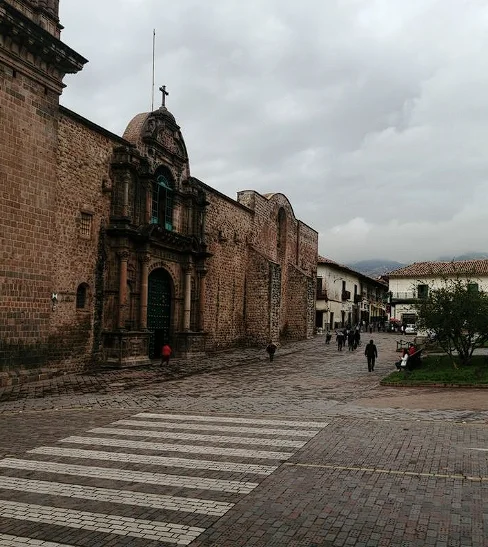
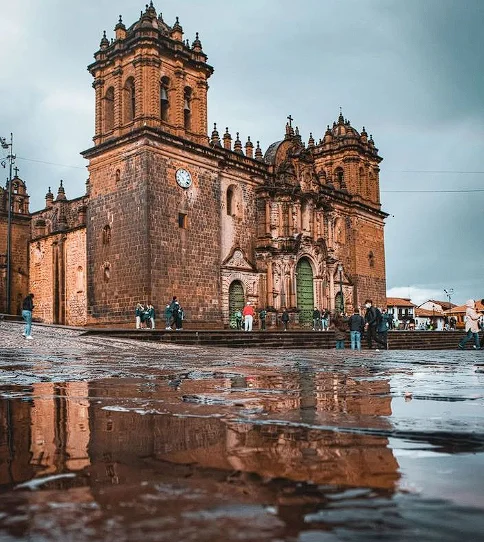
Visit the Plaza de Armas: This is the heart of the city, where you’ll find those stunning cathedrals. Grab a coffee at a second story balcony and people watch. The energy here is always buzzing.

Explore Sacsayhuamán: This ancient Inca fortress sits right above the city, offering massive, panoramic views of Cusco. It’s easily accessible by taxi or a short bus ride. (Just bring a sturdy umbrella and good gripping shoes for this one!)

Walk through San Blas: This picturesque neighborhood is famous for its artisan shops, quiet courtyards, and cozy cafes. It’s perfect for a misty afternoon stroll or browsing for genuine Peruvian art.

Visiting Machu Picchu

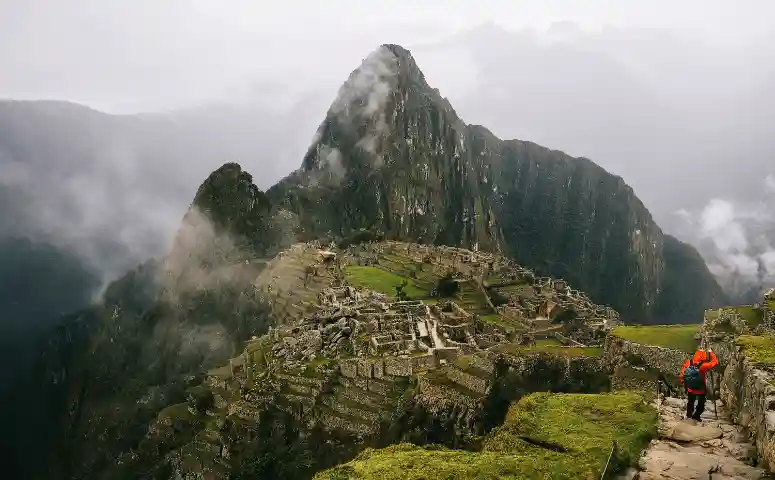
Yes, visiting Peru in January means the iconic site is open, but you need to manage your expectations regarding the weather. Machu Picchu weather in January is part of the rainy season, so be prepared for mist, which creates incredible photo opportunities, but also means slippery paths. Also, keep an eye out for potential though rare train schedule disruptions on your tour from lima to machu picchu.

Pro Tips: Seriously, pack a rain jacket, waterproof hiking shoes, and always book your tickets well in advance. Remember, seeing the Citadel emerge from the clouds is a magical experience the dry season tourists totally miss out on!

Experience Cusco’s Museums

Rainy days are actually a gift here, giving you the perfect excuse to explore Cusco’s amazing indoor history and culture. These are perfect stops when the weather in Cusco in January is less cooperative:

  • Museo Inka: This is your best deep dive into the history, artifacts, and mummies of the Inca civilization. You could easily spend half a day here.
  • ChocoMuseo: This is a fun, interactive stop where you can learn all about Peru’s famous cacao and even make your own chocolate from scratch. Great for kids or a rainy afternoon.
  • Museo de Arte Precolombino (MAP): Showcasing exquisite pre Columbian art and artifacts in a beautifully restored colonial house. A quieter, high quality experience.

Enjoy Peruvian Cuisine

The weather in Cusco in January is perfect for enjoying the local food scene, which is rich with local flavors and warm dishes. Some must try dishes that hit the spot when it’s chilly:

  • Lomo Saltado: This classic dish of stir fried beef with onions, tomatoes, and fries is hearty, savory, and the ultimate comfort food.
  • Cuy (Guinea Pig): This is a traditional Andean delicacy and a major cultural experience. If you’re feeling adventurous, Cusco is the place to try it!
  • Quinoa Soup: A warm, nutritious option that’s exactly what you need for the chilly, damp Cusco January weather. It’s the perfect starter for any meal.

Is January a good time to weather in Cusco?

Look, January in Peru is a fantastic time to visit Cusco if you want to skip the massive crowds that hit during the peak season. The daytime temperature in Peru in January is actually mild and pleasant it averages around 15°C (59°F), offering sunny spells and cool nights.

This is also a huge win for your wallet: if you’re looking for a more affordable trip, January is a solid option because prices for flights and accommodations tend to be lower than in the busy dry months. However, let’s be totally clear: weather in Cusco in January is the middle of the rainy season.

The rainfall is typically heavy, although often short lived and intermittent. Because of this, it’s absolutely critical to be prepared for potential weather challenges and to pack accordingly. Just be smart about your gear, and you’ll be fine.

What should you bring to cusco in January?

Packing for Cusco in January requires specific preparation for both heavy rain and intense sunshine. To navigate the cusco weather in january successfully, you need versatile gear. This careful planning ensures your trip to Machu Picchu from Lima is comfortable, regardless of the forecast.

Here is the essential gear you absolutely need for the weather in Cusco in January:

  • Waterproof Outerwear is Critical: This is non negotiable for the cusco weather january rainy season. You must bring a high quality, lightweight rain jacket, a waterproof cover for your daypack, and a compact poncho. You will encounter rain showers, so staying dry is the key to enjoying your sightseeing.

  • Layered Clothing System: The cusco temperature January is totally changeable you might start the day freezing and be warm by noon. Pack lightweight, moisture wicking shirts, versatile sweaters or fleeces, and one warm, insulating jacket. This layering approach is essential for adapting to the fluctuating temperature in Peru in January.

  • Sturdy, Waterproof Hiking Boots: Roads and trails around Cusco and Machu Picchu will be muddy and slippery during this wet season. Waterproof hiking boots with excellent grip are a safety must have. Do not rely on sneakers for trails or ruins.

  • Sunscreen and Headwear: Don't let the clouds fool you! The sun at this altitude is extremely intense, even through the rain. Protect your skin with high SPF sunscreen and bring a wide  brimmed hat to guard against those strong Andean rays.

  • Hydration Essentials: A reusable water bottle is necessary for staying hydrated, especially given the high altitude. Maintaining hydration is the single best defense against altitude sickness on your visit to Machu Picchu from Lima.

  • Quick Drying Gear: Since you are traveling during the rainy season, pack synthetic, quick drying fabrics instead of heavy cotton, which holds moisture and stays cold.

Is Cusco colder than Machu Picchu?

Cusco, being at a higher altitude than Machu Picchu, is generally colder than Machu Picchu. However, the temperature difference isn’t always significant, and both cities experience distinct seasons.

Cusco experiences a wider temperature range, with colder winters and warmer summers compared to Machu Picchu. Machu Picchu, with its lower elevation, tends to have more moderate temperatures throughout the year, but can still get quite chilly, especially at night.

Hiking Around Cusco in January

It’s true January’s rain definitely makes trekking conditions more difficult, but plenty of great trails remain open. If you’re planning any serious hiking during the cusco weather january rainy season, proper planning and gear are absolutely crucial. Think of it this way: you get amazing green views, but you earn them! Here’s the real scoop on each major route:

The Inca Trail in January

The Inca Trail is generally open in January in Peru, but you absolutely must remember that it closes completely in February for maintenance (so don't risk booking for then!). Because of the moisture, expect muddy sections, especially near the camp zones. You must book your permit far in advance, as tickets are tight even in the wet season. Safety Tip: Use trekking poles they are lifesavers on the slippery stones.

Salkantay Trek in January

This is a fantastic alternative to the classic Inca Trail, and the Salkantay Trek is open year round. However, since it hits very high elevations, those passes can be quite foggy and wet. Waterproof gear is non negotiable here. Be prepared for a real challenge: the trail will demand more physical effort in the mud, but the trade off is often incredible views of snow capped mountains with fewer people on the route.

Inca Jungle Trek in January

This is a totally unique adventure that combines biking, rafting, and hiking. The rain actually adds an extra element of challenge and fun to the rafting (higher water levels!) and trails, but many travelers find the whole experience getting muddy and active unforgettable. It’s a great choice if you prefer variety over constant, high altitude hiking.

Choquequirao Trek in January

A remote and fantastic alternative to Machu Picchu, Choquequirao is rarely crowded. A serious warning here: the hike is highly strenuous (it’s deep into the canyon) and takes several days. Due to the intense weather in Cusco in January, heavy rain and potential landslides on this trail are a real possibility. We strongly recommend checking local conditions immediately before committing to this route.

Ausangate Trek in January

This trek is known for its stunning mountain views and rainbow lagoons. Unfortunately, the high altitude temperature in Peru in January makes this route extremely cold and very wet at these elevations (often snow and sleet). For most hikers, January makes the already challenging Ausangate circuit less than ideal. Only highly experienced, self sufficient trekkers should attempt this route.

Lares Trek in January

The Lares Trek is another great alternative to the Inca Trail. It’s naturally less crowded and focuses more on cultural interaction with local communities. Be aware that the rain can make river crossings difficult and trails slippery. The focus on local villages makes it a rewarding cultural choice, despite the occasional downpour typical of the january peru weather.

Huchuy Qosqo Trek in January

A shorter and much easier trek, Huchuy Qosqo is a good option for those looking for a manageable day hike near Cusco during the january peru weather. It’s perfect for getting a taste of the Inca trails without committing to a multi day journey in the rain.

Hiking-Around-Cusco-in-January

Is January a good time to go to Peru?

January is a great time to visit Peru. It’s the heart of the Peruvian summer, with warm, sunny weather and vibrant festivities. While it’s considered peak season, the beauty of the weather makes it an ideal time to explore the country’s stunning landscapes and historical sites.

Is It Worth Visiting Cusco in January?

Absolutely! While the rainy season presents challenges, it also brings opportunities for unique experiences. If you don’t mind occasional rain and want to enjoy Cusco without the usual tourist crowds, January can be a great time to visit. Just make sure to prepare accordingly!

Frequently Asked Questions

What is the weather like in Cusco in January?

Let’s be honest about the cusco january weather it’s the peak of the rainy season! But that doesn’t mean it rains all day. You should expect frequent, heavy showers, primarily in the late afternoons and evenings. The average daytime temperature in Cusco is quite comfortable, sitting around 17°C (63°F), though it can get noticeably cooler at night. The main thing to know is that the cusco weather january rainy season makes the streets and trails slick and muddy. So, your packing list is critical: a quality raincoat, warm layers, and sturdy, waterproof walking shoes are non negotiable.

Is it a good time to visit Machu Picchu in January?

Absolutely, yes is january a good time to visit peru? We say it is, especially for Machu Picchu! The huge upside is that the crowds are noticeably smaller than during the busy dry season, giving you a much more tranquil experience at the Citadel. The landscape is also incredibly lush and green! You must be prepared for rain and mist, though, as that's part of the weather in machu picchu in january. While potential disruptions to bus and train services are rare, they can happen. The great news is that our company specializes in these conditions, offering flexible itineraries and expert guides to help you navigate the climate and make the absolute most of your visit.

What are some things to do in Cusco in January?

Despite the rain, Cusco is buzzing! The cusco january weather actually opens up some great opportunities. Rainy days are perfect for diving into Cusco’s incredible history by exploring its museums, historical sites, and vibrant markets. You could also join a local cooking class or take a dance lesson! If you’re looking for the ultimate adventure, we highly recommend joining one of our guided treks to Machu Picchu, such as the Inca Trail or the Salkantay trek. We offer a variety of tour options, including our popular 3 day machu picchu tour from lima, and expert advice to help you plan the perfect tour from lima to machu picchu.

How can I book a trip to Cusco with Machupicchu tours?

Booking your adventure with us is simple and stress free! As experts in tours from Lima to Machu Picchu, we offer comprehensive tour packages that cover all the logistics: flights, reliable hotels, comfortable transportation, and guided tours all customized to fit your specific budget and interests. Simply visit our website or contact our team directly to discuss your travel plans. We’re here to make sure your peru weather in january trip is unforgettable.

Discover the Sacsayhuaman Fortress and Its ancestral legacy

Submitted by admin on

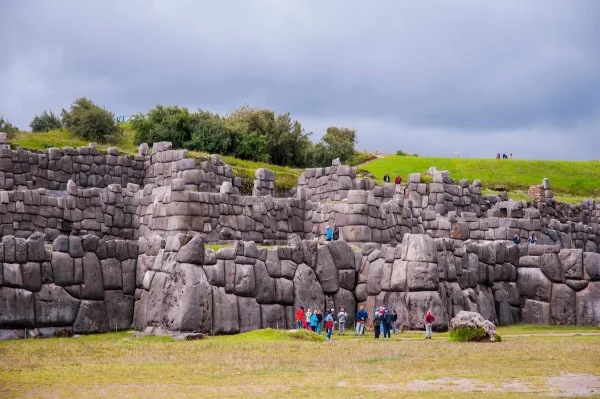
The Sacsayhuaman Fortress is one of those places in Peru that you simply must visit. Located on the hills of Cusco, this stunning Incan structure continues to amaze with its size and the way it was built. Visiting it is not just a journey through time, but also a chance to see up close the ingenuity of a civilization that left a lasting legacy. In this post, I’ll tell you everything you need to know about this incredible site, and I promise you won’t be bored!

sacsayhuaman-fortress

What is the Sacsayhuaman Fortress?

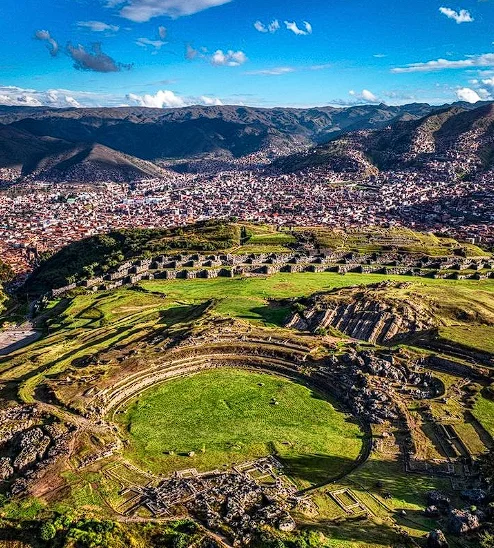
The Sacsayhuaman Fortress is an ancient Incan structure located just a few minutes from Cusco's Plaza de Armas. It was built between the 15th and 16th centuries, during the peak of the Inca Empire, under the rule of Inca Pachacuti. While many consider it a fortress due to its imposing walls, its true purpose is still a subject of debate among historians. Some believe its main purpose was ceremonial, while others suggest it also had defensive and administrative functions.
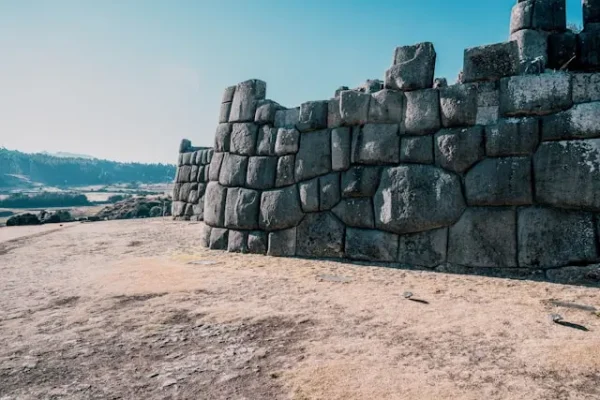
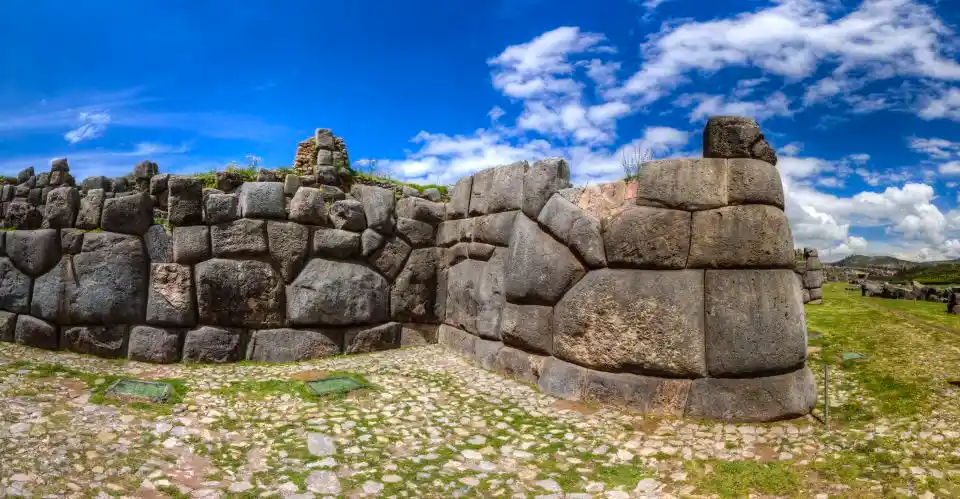
What is indisputable, however, is the magnitude of the construction, which features massive stone blocks, some weighing up to 120 tons, perfectly assembled without the use of mortar. This astonishing precision is one of the most fascinating characteristics of the Sacsayhuaman Fortress, which continues to amaze both experts and visitors alike.

importance-of-Sacsayhuaman-for-the-Incas

The strategic importance of Sacsayhuaman for the Incas

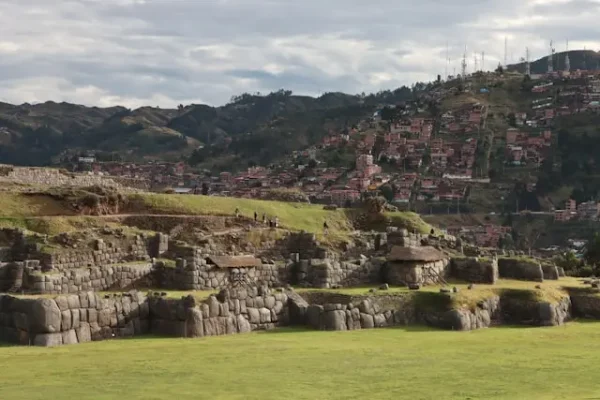
The Sacsayhuaman Fortress was situated on an elevated hill, giving it a crucial strategic advantage: it controlled the access routes to the city of Cusco and offered a stunning panoramic view of the city and its surroundings. Additionally, the Incas designed the site for ceremonial purposes, using it for religious rituals and social cohesion.
Another key aspect of its location is its proximity to the center of Cusco, which at the time was considered the "navel of the world." This highlights the symbolic and strategic importance the Incas placed on the fortress. During times of war, Sacsayhuaman likely also served as a refuge and defense center for the population.

visiting-the-Sacsayhuaman-Fortress

What you should know before visiting the Sacsayhuaman Fortress

If you're planning to visit the Sacsayhuaman Fortress, there are some key details that can make your experience even more incredible. Below, I'll tell you everything you need to know to enjoy this spectacular place like an expert without any hassle!

How to get to the Sacsayhuaman Fortress from Cusco

Getting to the Sacsayhuaman Fortress is quite easy and convenient. If you're in the Plaza de Armas in Cusco, it's only about a 20-minute walk to this impressive site. The walk is peaceful and will allow you to enjoy the beautiful urban landscape of Cusco. If you prefer something faster, you can take a taxi or public transportation, which will drop you very close to the entrance.
If you're looking for a more enriching experience, hiring a guided tour is a great option. Guides will take you through the history of the Sacsayhuaman Fortress and share interesting details about every corner, making sure you don’t miss anything important from local legends to the fascinating facts about the stones that make up the fortress.

What you will see in Sacsayhuaman: Tour and key details

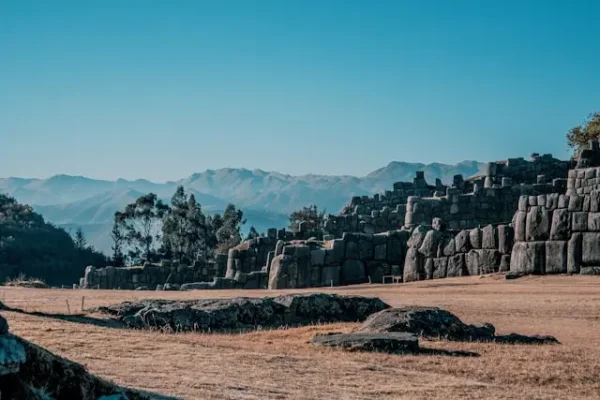
From the moment you step foot in the Sacsayhuaman Fortress, you’ll be amazed by the magnitude of the stones that make up its walls. These enormous stones, some weighing up to 120 tons, are perfectly fitted together without a single piece of mortar! It’s astonishing to see how the Incas managed to build with such precision over 500 years ago.

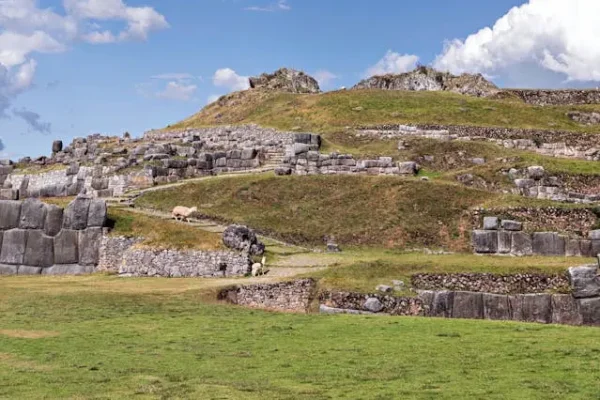
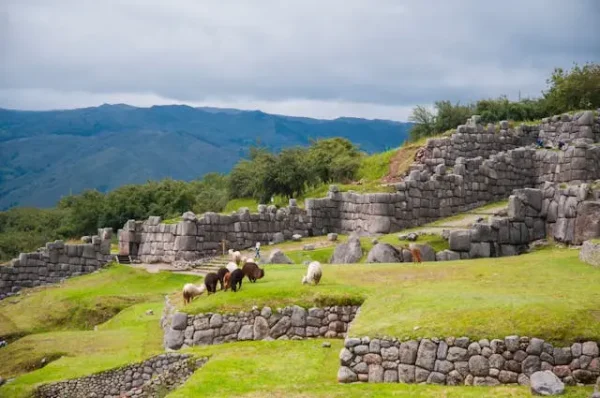
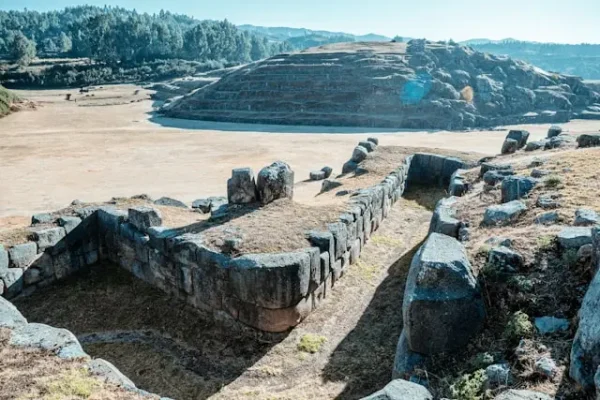
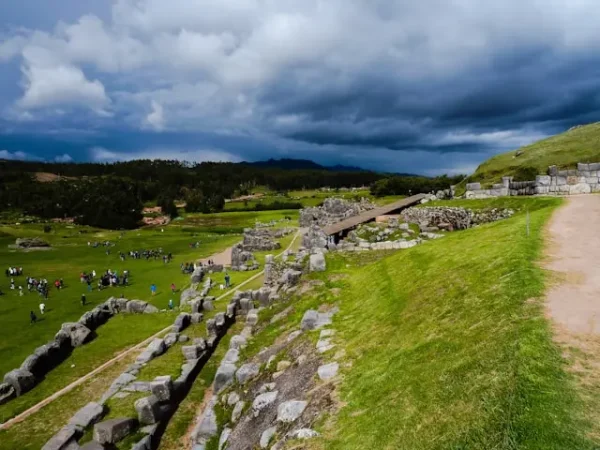
The site is divided into three massive terraces arranged in a zig-zag pattern. This layout isn’t just for aesthetics; it also serves a strategic purpose, related to defense and religion. As you walk through the terraces, you’ll notice that the place has a mystical vibe, as if it is still charged with the energy of ancient ceremonies.

In addition to the terraces, you’ll find remnants of what were once temples and ceremonial plazas. These details will transport you to the Inca era and give you a sense of what life was like in this impressive complex.
Don’t forget to visit the viewpoint a great spot to take spectacular photos of Cusco and its surrounding valleys. The view is breathtaking and one of the most photographed points throughout the tour. Here, you’ll have the opportunity to capture those unique moments that will make your visit even more memorable.

legends-around-the-Sacsayhuaman-Fortress

Myths and legends around the Sacsayhuaman Fortress

The Sacsayhuaman Fortress is not only famous for its impressive architecture and Inca history, but also for the fascinating legends surrounding it. Over the centuries, many myths have arisen about this place, and they still remain part of the popular imagination today. These stories, full of mystery and mysticism, give the site a special aura, and some travelers even feel a particular energy when walking among its stones.

Why is it believed that the Sacsayhuaman Fortress has supernatural powers?

One of the most well-known legends of the Sacsayhuaman Fortress speaks of the supernatural power of its gigantic stones. According to locals, these perfectly fitted stones are not only witnesses to history but also possess such powerful energy that it’s said they move on their own during the night. The more superstitious people believe that these stones have a mystical connection to the spiritual world.

Some even claim that the Sacsayhuaman Fortress has healing properties. The legend says that sick people can approach the stones to receive a kind of “healing” or, at least, feel a healing energy that brings them peace and well-being. While this has not been scientifically proven, the belief remains alive in many people who visit the site in search of comfort or a spiritual encounter.

A Sacred place for the locals

Many local residents still consider the Sacsayhuaman Fortress to be a sacred place, a site that holds a unique energy connected to ancient Inca traditions. Even during ceremonies and festivals, it is said that the place comes to life, vibrating with the energy of the ancestral rituals once performed there.

What to expect when you visit

So, if you ever visit the Sacsayhuaman Fortress, don’t be surprised if you feel something unusual in the air. It might be the echo of history, or perhaps one of the many legends that continue to add to the magic surrounding this Inca monument.

experience-at-the-Sacsayhuaman-Fortress

Tips for a unique experience at the Sacsayhuaman Fortress

Visiting the Sacsayhuaman Fortress is an unforgettable experience, but to make the most of it, it’s important to be prepared. Here are some practical tips that will help you take full advantage of your visit, ensuring you don’t miss anything and remain comfortable throughout.

Best time to visit the Sacsayhuaman Fortress

The best time to visit Sacsayhuaman is during the dry season, which runs from May to October. During these months, the weather is more pleasant for exploring the site, as rain is less frequent, and the temperatures, though cool, are perfect for walking. Additionally, visibility is much better, allowing you to enjoy the stunning views of Cusco and its surroundings.

However, keep in mind that during festivals like Inti Raymi (in June), the Sacsayhuaman Fortress tends to be very crowded. While the place may be filled with tourists, the energy of the events and celebrations, along with traditional dances and rituals, offers a unique cultural experience. If you want to experience this special event, it’s definitely worth visiting in that month—just be prepared for the crowds.

If you prefer to avoid the crowds, the ideal time to visit is during the middle months of the dry season, such as May or September. These months offer similar weather but with fewer tourists, allowing you to enjoy the fortress more peacefully.

What to bring and how to prepare for exploring Sacsayhuaman

Sacsayhuaman is located at a high altitude, so the weather can be unpredictable and somewhat cool, even during the warmest days. Here are some tips to make sure you’re fully prepared:

  • Comfortable and warm clothing: Although the sun in Cusco can be strong during the day, temperatures drop significantly at night and early in the morning. Bring a light jacket or sweater, and if you’re sensitive to the cold, something warmer. Also, wear comfortable and light clothing to walk easily over the irregular surfaces of the site.
  • Sunscreen: Due to the high altitude of Sacsayhuaman, the sun can be much stronger. Don’t forget to apply sunscreen to your face, neck, and any exposed parts of your body. This will help you avoid sunburns and enjoy your tour without discomfort.
  • Comfortable shoes: Sacsayhuaman has uneven terrain, so it’s recommended to wear comfortable and suitable shoes for walking, preferably with good soles and support. Sandals are not ideal, as you could trip on the stones or slip.
  • Water and snacks: Although the visit to Sacsayhuaman is not very long, it’s always a good idea to bring a water bottle, especially if you plan to walk for a while. You can also bring snacks like fruits, nuts, or energy bars to stay hydrated and energized during your tour.
  • Camera or smartphone: Don’t forget your camera or smartphone to capture the breathtaking views from the Sacsayhuaman Fortress viewpoint. This is one of the most photographed spots in Cusco, so you’ll have plenty of opportunities to take impressive photos.

A Guided tour can make a difference

If you’re a history enthusiast or interested in learning more about Incan architecture, hiring a guided tour can be a great option. Local guides will provide detailed information about the different terraces, the legends surrounding the Sacsayhuaman Fortress, and the functions it served during the Inca period. Additionally, you’ll be able to ask questions and get personalized answers, enriching your experience even more.

While you can explore the site on your own, a guide will make the visit much more complete, allowing you to understand the historical, cultural, and spiritual context that makes the Sacsayhuaman Fortress so special.

Important-facts-about-the-Sacsayhuaman-Fortress

Important facts about the Sacsayhuaman Fortress

Here are some fascinating facts about the Sacsayhuaman Fortress that will surprise you:

  • The Precision of Its Stones: The stones of Sacsayhuaman were cut and fitted with such precision that not even a piece of paper can be inserted between them. This Incan construction technique, known as "dry stone," remains a mystery to experts.
  • Impressive Size: The largest wall of Sacsayhuaman is over 500 meters long and 6 meters high. The stone blocks are estimated to weigh between 50 and 120 tons each.
  • Inca Pachacuti: It was the great Inca Pachacuti who ordered the construction of Sacsayhuaman to consolidate the Inca's power in the Cusco region and to serve as a ceremonial center.
  • The Inti Raymi: Every year, in June, Sacsayhuaman becomes the main stage for Inti Raymi, the famous Sun Festival, which attracts thousands of tourists and locals to pay tribute to the Sun, the Inca god.
  • The Fortress Was Partially Destroyed: During the Spanish invasion in the 16th century, the stones of Sacsayhuaman were dismantled and used to build colonial buildings in Cusco, including the Cusco Cathedral.
The-Sacsayhuaman-Fortress-and-Its-cultural-legacy

The Sacsayhuaman Fortress and Its cultural legacy in modern Peru

Today, the Sacsayhuaman Fortress is not just an archaeological site, but it continues to be a symbol of the grandeur of the Inca Empire. In the heart of Cusco, this architectural marvel holds strong cultural significance for Peruvians, who see it as a testament to their history, identity, and connection with the past. Beyond its role as a tourist attraction, Sacsayhuaman is alive, actively participating in modern Peruvian culture through festivals and traditions that bring people together in celebration and respect for their heritage.

The Festival of the Virgin of Candelaria

One of the most important festivals that takes place at Sacsayhuaman is the Festival of the Virgin of Candelaria, a celebration that merges Catholic spirituality with ancient Andean traditions. Every year, thousands of Peruvians and tourists gather at Sacsayhuaman to honor the Virgin, but also to celebrate the ancient customs of the Andean people.

The festival, which is held in February, is a vibrant display of Peruvian culture, where traditional costumes, folkloric dances, and live music create a unique festive atmosphere. Dance troupes, often representing mythical figures and historical characters from the region, fill the streets of Cusco and the terraces of Sacsayhuaman. Dances such as the Diablada and Morenada are performed in honor of the Virgin but also celebrate indigenous roots, ancient gods, and cultural resistance against the changes brought by the arrival of the conquerors.

This event is more than just a religious celebration. It’s an experience that allows you to immerse yourself in the rich heritage of Cusco and Peru, understanding how Catholic faith intertwines with pre-Incan beliefs and traditions, creating a unique celebration full of fervor and joy.

Sacsayhuaman as a cultural hub

Beyond the festivals, Sacsayhuaman continues to be a meeting point for the local community. Every year, not only religious festivities are held, but also cultural events, concerts, and exhibitions that keep Incan traditions alive. The fortress remains a space where rituals are celebrated, where Peruvians honor Pachamama (Mother Earth) and pay tribute to their ancestors.

In addition to its role in festivals, Sacsayhuaman is an important educational space, with guided tours and workshops that allow tourists and locals to learn more about Inca history, construction techniques, and the Andean worldview. Thus, the fortress not only preserves history, but also adapts to the present needs, serving as a link between the past and the future of the country’s cultural heritage.

The impact of Sacsayhuaman on Peruvian identity

The legacy of Sacsayhuaman is not limited to festivals or its historical value. It continues to be a key piece in shaping modern Peruvian identity. The fortress represents the resilience and pride of indigenous people, and its influence can be seen in the country’s music, art, and cuisine. Every time Peruvians celebrate their traditions, Sacsayhuaman is present, as a symbol of unity and national pride.

What to do in Sacsayhuaman outside of festivals

If you plan to visit Sacsayhuaman outside of the festival season, there’s still plenty to enjoy. You can walk along the terraces and stone walls, explore the different sections of the archaeological site, and enjoy panoramic views of Cusco. Additionally, the surrounding area offers beautiful trails for walking and exploring the local nature. If you’re a photography enthusiast, you can’t miss the sunsets from the Sacsayhuaman viewpoint, where the colors of the sky over Cusco mix with the ancient ruins, creating a magical atmosphere.

In summary

Sacsayhuaman remains a central place in the cultural and spiritual life of Cusco. Whether you’re visiting during one of its most vibrant festivals or exploring the site in its usual tranquility, its cultural legacy and unique energy will invite you to connect with Peru’s history and traditions in a deep and meaningful way.

Why-the-Sacsayhuaman-Fortress-is-a-must-see-for-every-traveler

Why the Sacsayhuaman Fortress is a must-see for every traveler

The Sacsayhuaman Fortress is a place that, without a doubt, every traveler should visit. Here are some reasons why you shouldn't miss this incredible historical wonder:

  • Connection with Inca History: Sacsayhuaman is a testament to the impressive Inca engineering, with massive stone blocks perfectly fitted together, transporting you back in time and allowing you to better understand the greatness of the Inca Empire.
  • Spectacular Views of Cusco: From its terraces and viewpoints, you'll have one of the best panoramic views of Cusco and its surroundings. It’s the perfect spot to take photos and admire the landscape.
  • Mystery and Legends: The site is surrounded by myths and legends that add a mystical and fascinating touch. It is believed that the stones of Sacsayhuaman have supernatural powers, and their energy can still be felt in the air.
  • Cultural Hub of Cusco: Sacsayhuaman is more than just an archaeological site. Throughout the year, important festivals and ceremonies are held, such as Inti Raymi and the Festival of the Virgin of Candelaria, where you can experience the fusion of Inca tradition with Catholicism.
  • A Connection with Nature: The fortress’s location on the hills of Cusco offers a unique connection with nature. It’s a peaceful place to walk, reflect, and enjoy the surroundings.
  • Accessibility and Proximity: Just a few minutes from the center of Cusco, Sacsayhuaman is easily accessible for travelers, making it an ideal stop on your tour of the city.

The Inca Fortress of Puka Pukara in Cusco

Submitted by admin on

Today, we’re set to uncover the secrets of the Red Fortress, which is also called Puka Pukara. This amazing archaeological site, located just a stone's throw from Cusco, is rich with history and intrigue. Did you know that a lot of folks believe it was the first military fortress the Incas built to safeguard the entrance to their sacred city?

Strategically perched on the edge of Cusco, Puca Pucara is a key stop in the archaeological circuit that reveals the splendor and intricacies of the Inca civilization. Unlike the more famous attractions like Machu Picchu or Sacsayhuamán, this fortres offers a calm and authentic experience, set against a backdrop of breathtaking nature and rich history. What makes it special is not only its unique architecture but also the serene environment that invites you to wander and appreciate its features without the pressure of large crowds.


What is Puka Pukara? Exploring the red fortress of Cusco

Puka Pukara, often referred to as the “Red Fortress,” is an ancient Inca site located just a short drive from the city of Cusco. The name itself comes from the Quechua words “puka” meaning red and “pukara” meaning fortress or defensive structure. This name perfectly fits the site, as its stones take on a reddish hue during sunset, giving the entire area a striking and memorable appearance.

But is more than just a pretty view. Historically, it played a crucial role as a military checkpoint and administrative center during the height of the Inca Empire. Its strategic position on a hill overlooking the surrounding valleys allowed the Incas to monitor and control those who entered or left Cusco, especially travelers and messengers heading towards the Sacred Valley or other important sites. It was part of a network of defensive structures designed to protect the capital of the empire.

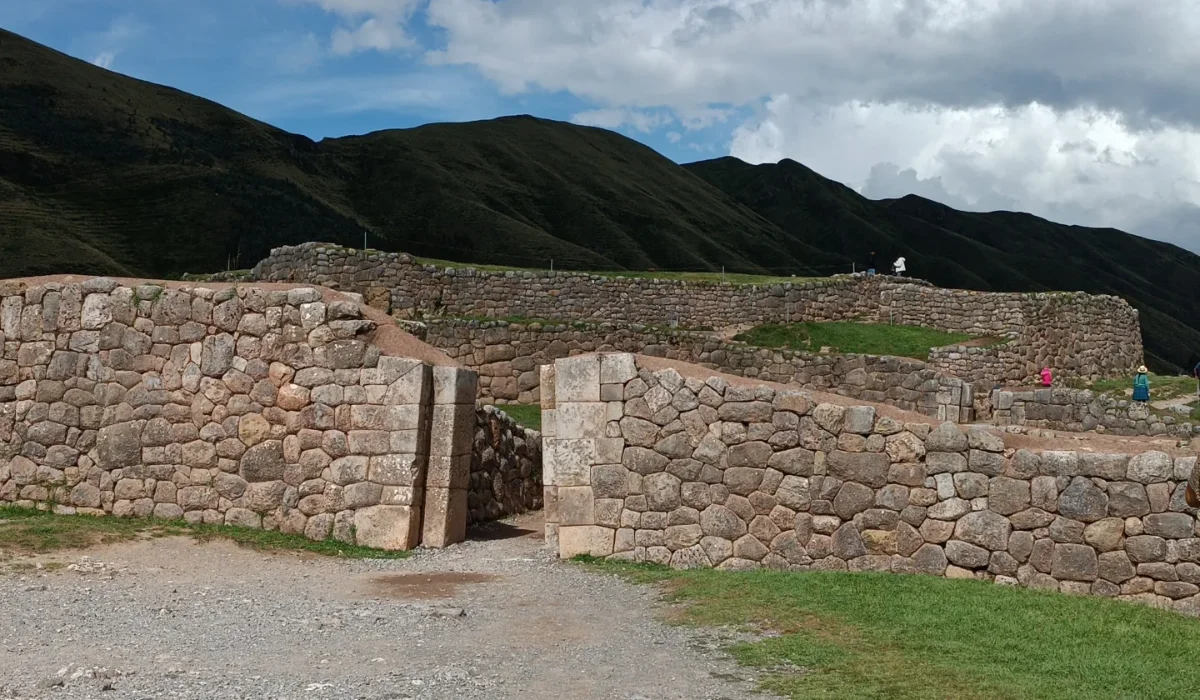
The complex itself is made up of various terraces, plazas, staircases, and walls, all built with the skillful stonework that the Incas were famous for. Unlike the perfectly polished stones of sites like Machu Picchu or Sacsayhuamán, the construction at Puka Pukara is somewhat rougher. This suggests that while it was important, it likely served a more functional purpose rather than a ceremonial one. It’s believed that "The red fortres" also acted as a resting place for important travelers or officials making their way to Cusco.

Puka Pukara ruins: all the mityc history

Puka Pukara, which means "Red Fortress" in Quechua, is an Inca archaeological site located approximately 7 kilometers (about 4.3 miles) from Cusco, at an altitude of 3,580 meters above sea level. It is believed to have been built in the 15th century, during the reign of Inca Pachacútec (1438–1471) or his immediate successors, a time when the Inca Empire was expanding rapidly across the Andes. Strategically positioned along the Qhapaq Ñan, the vast Inca road network, functioned as a military checkpoint, a watchtower, and a rest stop for officials, messengers, and nobility traveling between Cusco and the Sacred Valley. It also likely served as protection for Tambomachay, a nearby ceremonial site dedicated to water and possibly reserved for the elite.

Architecturally, the site differs from ceremonial centers like Sacsayhuamán; it features irregularly shaped stones, suggesting a more utilitarian and hastily built structure, likely constructed in response to a specific need for defense. The site includes terraces, walls, staircases, plazas, and lookout points, all designed for surveillance and temporary accommodation. After the Spanish conquest in the 16th century, the fortress was abandoned, like many other Inca sites. It remained largely forgotten until the 20th century, when efforts to study and preserve Peru’s cultural heritage brought attention back to Puka Pukara. Today, it forms part of the Cusco Tourist Ticket (Boleto Turístico del Cusco) and offers visitors a peaceful, historically rich alternative to the more crowded ruins nearby.

Puka-Pukara-location

Puka Pukara location

Puka Pukara is located in the district of San Sebastián, in the department of Cusco, Peru. It is approximately 7 kilometers northeast of Cusco's historic center, along the ancient Inca trail that led to the Sacred Valley of the Incas and the Amazon rainforest.

This archaeological complex sits at an altitude of 3,580 meters above sea level, making it an excellent vantage point over the Andean landscape. From its terraces and natural viewpoints, it is possible to enjoy panoramic views of the surrounding valleys, the trails that connect to other Inca sites, and the surrounding natural landscape.

How to get to Puka Pukara from Lima

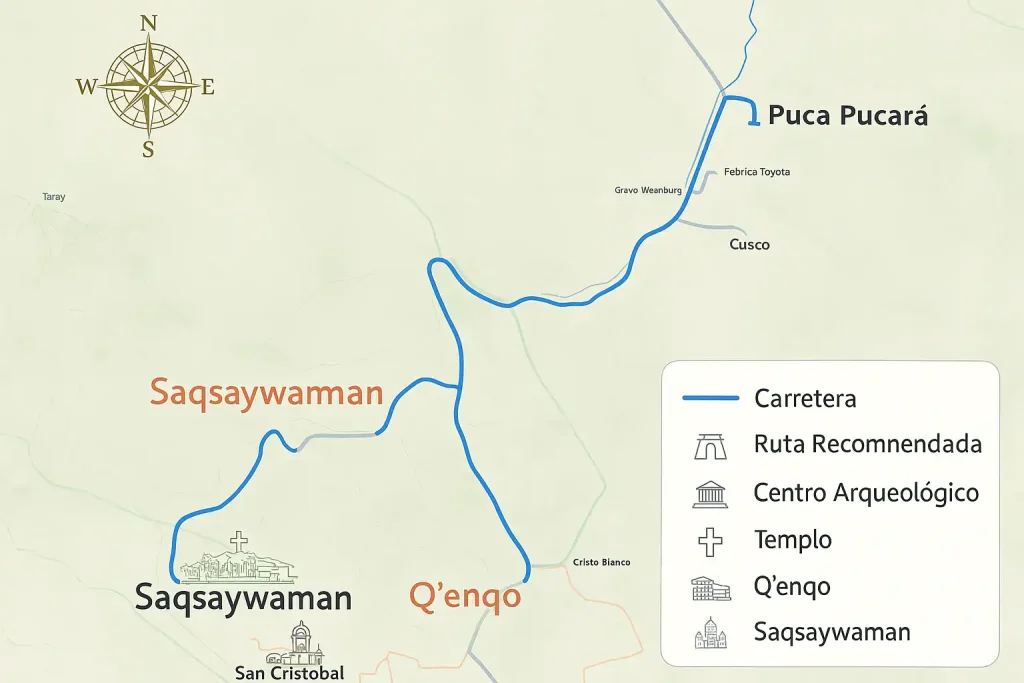
Getting there from Lima is easier than it seems, and it can be an excellent prelude to your journey through the Inca world. The most direct way is to take a flight from Lima to Cusco, which takes approximately 1 hour and 20 minutes. Once in Cusco, you can reach Puka Pukara in less than 30 minutes by road. The complex is located on the route to the Sacred Valley, very close to other archaeological sites such as Tambomachay and Sacsayhuamán, which is why it is often included in traditional half-day tourist tours.

An ideal option for those looking for a more organized and enriching experience is to opt for a 3 Day Machu Picchu Tour from Lima. This type of tour generally includes flights, transfers, accommodations, and guided visits to the most important sites in Cusco and its surroundings—such as Puka Pukara—in addition to full access to Machu Picchu. This way, you not only visit the famous citadel, but also discover lesser-known but equally impressive archaeological gems, such as this ancient red fortress that guarded the routes to the heart of the Inca empire.

How to get to Puka Pukara

Located just 7 kilometers from Cusco, Puka Pukara is one of the most accessible archaeological sites in the region. Its strategic position along the ancient Qhapaq Ñan (Inca Trail) makes it a fre quent stop for travelers heading to the Sacred Valley. Whether you're an independent traveler or prefer organized tours, there are multiple ways to visit this historic Inca fortress. So if you are planning to take a Peru guided tour Machu Picchu, you cannot miss the tour of the mythical Red Fortress.

Getting there through a guided tour

The most convenient and informative way to visit Puka Pukara is by booking a City Tour Cusco, a half-day excursion that typically includes:

  • Sacsayhuamán
  • Q'enqo
  • Tambomachay
  • Tour Information:
  • Duration: 4 to 5 hours
  • Departure Times: Usually daily at 9:00 a.m. and 1:30 p.m.
  • Language: Bilingual guides (English and Spanish)
  • Group size: 10 to 20 people
  • Cost: Between USD $20 to $30 (group tour), not including entrance fees

These tours can be booked online or through agencies in Cusco. Private tours are also available and cost between USD $60 and $120, depending on the number of travelers and inclusions.

Reaching Puka Pukara by taxi

If you prefer to explore independently, taking a taxi from the historic center of Cusco is a direct and flexible option.

  • Travel Time: Approximately 15 to 20 minutes
  • Estimated Fare: Between S/ 30 and S/ 40 soles (USD $8 to $11), one way
  • Departure Point: Plaza de Armas or Avenida El Sol

Taxis do not have meters, so it’s important to agree on the fare before departure. If you plan to visit other nearby sites, consider arranging for the driver to wait or negotiating a return trip.

Public transportation

For budget-conscious travelers or those seeking a more local experience, public transport is a viable option.

  • Type: Shared minivan (combi)
  • Route: Cusco to Pisac
  • Departure Points: Calle Puputi or Avenida Tullumayo
  • Ask to Stop At: "Puka Pukara"
  • Travel Time: 25 to 30 minutes
  • Fare: S/ 2.50 to S/ 3.00 soles (USD $0.70 to $0.90)

Note that this method may require a short walk from the main road to the archaeological site entrance.

cite puka pukara in cusco peru

Accessibility and Travel considerations

  • Altitude: 3,580 meters above sea level
  • Terrain: Uneven and includes steps; not fully wheelchair accessible
  • Best Time to Visit: Dry season (April to October) offers clear skies and better walking conditions
  • Clothing: Light layers, sun protection, and sturdy walking shoes are recommended

Puka Pukara is located very close to Tambomachay (less than 100 meters), so most visitors explore both sites on the same visit. It’s possible to walk from there back to Cusco, stopping at Q’enqo and Sacsayhuamán along the way (a scenic downhill walk of about 2 hours).

Opening hours for visiting Puca Pucara

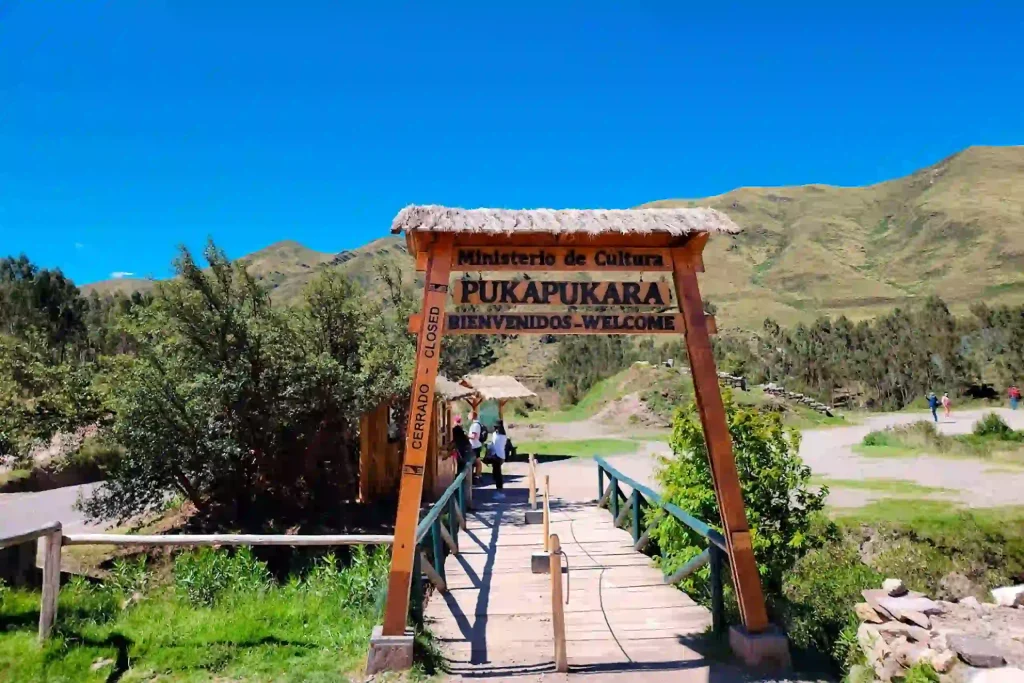
Puka Pukara is open to visitors seven days a week, including weekends and holidays. As part of the official archaeological circuit around Cusco, the site is managed by Peru's Ministry of Culture and follows standard visiting hours for public heritage sites.

  • Opening time: 7:00 a.m.
  • Closing time: 5:30 p.m.

It's recommended to visit earlier in the day, especially during the high season (May to September), to avoid crowds and enjoy better lighting conditions for photography. Morning visits also tend to offer cooler temperatures and clearer skies, ideal for walking and exploring the site in comfort.

Tip: If you plan to visit multiple sites on the same day (like Sacsayhuamán, Tambomachay, and Q’enqo), starting early allows you to comfortably enjoy each one without rushing.

Tickets for Puka Pukara enter

You need to know that Puka Pukara is not ticketed individually. To enter this site, visitors must purchase the official Cusco Tourist Ticket (Boleto Turístico del Cusco), which grants access to a group of archaeological sites and cultural centers around Cusco and the Sacred Valley.

  1. Partial Tourist Ticket – Circuit I
    This option is ideal for those planning to visit only the main archaeological sites near Cusco.

Includes access to:

  • Puka Pukara
  • Tambomachay
  • Q’enqo
  • Sacsayhuamán
  • Validity: 1 day
  • Price: S/ 70 soles (approx. USD $18)
  1. General Tourist Ticket (Boleto General)
    Recommended for travelers who plan to explore several destinations over multiple days.

Includes access to 16 sites, including:

  • The 4 sites above
  • Museums and cultural centers in Cusco
  • Pisac, Ollantaytambo, Chinchero, Tipón, and more
  • Validity: 10 consecutive days
  • Price: S/ 130 soles (approx. USD $35)
  • Where to buy tickets:
    At the entrance of any of the included sites
  • COSITUC Office (Avenida El Sol 103, Cusco)
  • Some tour operators and travel agencies

Weather conditions at Puca Pucara

Puca Pukara, located at over 3,500 meters above sea level, experiences the same highland climate as Cusco—cool, dry winters and rainy, mild summers.

From May to September, the dry season offers clear skies and sunshine, making it the best time to visit. Temperatures during the day range between 15°C to 20°C (59°F to 68°F), though early mornings and evenings can be quite cold, dropping to 5°C (41°F) or lower.

The rainy season, from November to March, brings regular showers, mostly in the afternoons. While the landscape is greener and the site less crowded, the paths can get muddy and slippery. If visiting during this period, it’s best to go early in the day and bring a rain jacket.

Because of the elevation, the sun can feel strong even on cooler days, so sun protection is always a good idea—regardless of the season.

puka pukara

Why Puka Pukara is a must-visit place in Cusco

Puka Pukara might not be on every traveler's must-see list, but that's part of its charm. Nestled just outside the bustling city of Cusco, this ancient fortress provides a serene escape into Inca history, far from the throngs of more popular attractions. What truly sets it apart is its stunning location—surrounded by gentle hills and expansive skies, it encourages you to pause, soak in the scenery, and envision what life was like centuries ago.

But is more than just a collection of stones and walls; it narrates a tale of strategy, movement, and intent. This was a site for defense, rest, and vigilance. Perched high above, it overlooked the routes to the Sacred Valley. Standing there today, it’s easy to understand why the Incas chose this location. The energy lingers, quiet yet potent. For those looking to forge a deeper bond with the land and its past, this place offers a moment of tranquility, insight, and exploration.

Puca Pucara meaning and importance in Inca culture

The name Puca Pucara has its roots in the Quechua language, where "puka" translates to "red" and "pukara" means "fortress" or "defensive structure." It might seem like a straightforward name, but it carries a lot of meaning. The reddish hue of its stones, particularly striking at sunset, gives the site an almost magical glow—something the Incas surely noticed. But Puca Pucara was more than just a pretty name and color; it served a significant role within the empire's broader framework.

Unlike other nearby sites that had ceremonial or religious significance, Puca Pucara was all about practicality and strategy. Perched on a hill with a sweeping view of the roads leading into Cusco, it functioned as a control point, safeguarding access to the capital and keeping an eye on travelers passing through the area. Whether it was a group of messengers, traders, or even Inca nobility making their way to Tambomachay, this fortress welcomed them all. In the highly organized Inca society, which was intricately linked by its road systems, having places like Puca Pucara was essential for maintaining order, security, and smooth movement across the empire.

What makes Puca Pucara so intriguing today is how this unassuming stone complex, modest when compared to the grandeur of Machu Picchu or Sacsayhuamán, still showcases the ingenuity and foresight of Inca engineering. It wasn’t designed to dazzle; it was built to serve a purpose. And that, in itself, highlights the Incas’ remarkable ability to harmonize functionality, location, and a deep respect for the land in all their creations.

Puka Pukara Archaeological Complex

First Level: The Strategic Base

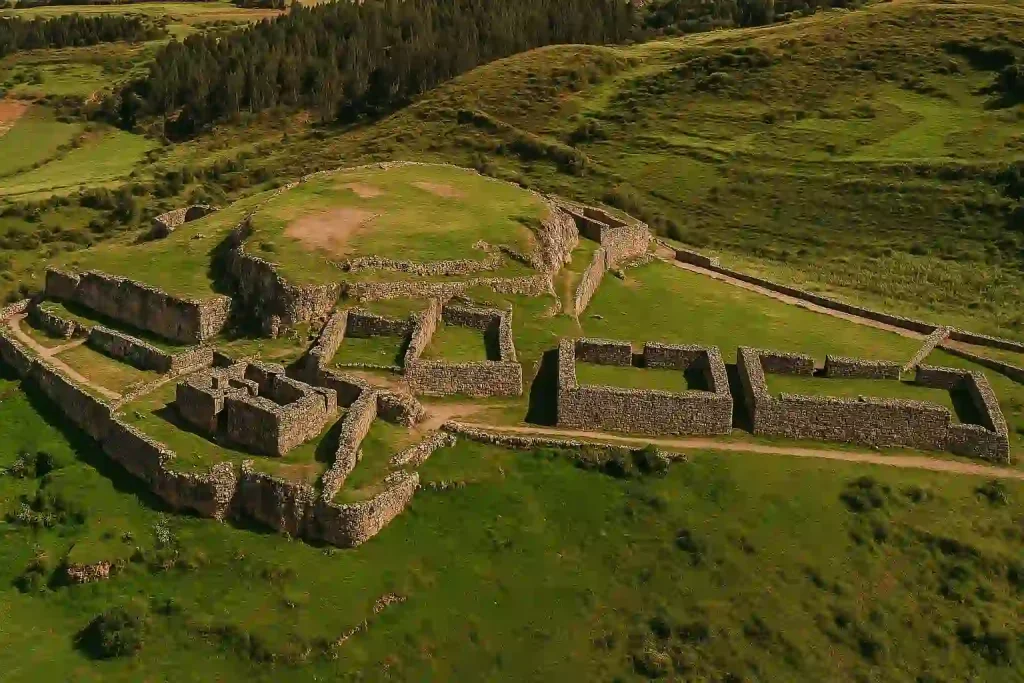
Upon arrival, you'll find the first level, located at the bottom of the complex. Here, a sinuous wall adapts to the terrain, avoiding cutting into the natural rock formations. Behind this wall, to the north, are six rooms of different sizes, built irregularly to respect the existing rocks. To the west, a trapezoidal plaza stands out, accessible via an exterior staircase, which in its original design was surrounded by buildings.

Second Level: Terraces and Rooms

Ascending stone steps, you'll reach the second level, which surrounds the central elevation of the site. This level features wide platforms and gardens facing south. To the east are three rooms: two trapezoidal and one rectangular. The buildings here display a slight anti-seismic inclination, characteristic of Inca architecture, and are made of medium and small limestone stones joined together with great precision.

Third Level: The Panoramic Summit

At the top of Puka Pukara is the third level. Although no visible structures remain due to the passage of time, from this point you get a breathtaking view of the entire area. It's the perfect place to appreciate the magnitude of the complex and its integration with the surrounding landscape.

Puka-Pukara-Archaeological-Complex-map

The best Inca fortress?

Although Puka Pukara does not hold the title of the largest or most visually impressive, it has something that makes it special: its mixed function and its scenic and symbolic value.

  • A name with character: Puka Pukara means "red fortress," due to the hue its stones take on at sunset. This alone has earned it extra points in the hearts of travelers.
  • Strategic location: It's right at the entrance to the Sacred Valley and very close to Tambomachay. This suggests that it wasn't just a military fortress, but also a kind of checkpoint and lodging for nobles and travelers.
  • Multifunctionality: Some archaeologists argue that it wasn't a fortress in the classical sense, but rather a fortified tambo, a place of rest, surveillance, rituals, and access control to Cusco.
  • Privileged view: Its elevated position offers a beautiful panorama of the surrounding valleys and roads. It was the perfect place to monitor movement without needing to be a megastructure.

The best curiosities of Puca Pucara

1. Color Change at Sunset

The name "Puca Pucara" means "red fortress," and it's not just a decorative name. The stones of the complex acquire a reddish hue when the light hits them at sunset due to the minerals present in the local limestone. This visual phenomenon is one of the reasons why it was so named by the Incas themselves.

2. Direct Relationship with Tambomachay

Puca Pucara is strategically located opposite Tambomachay, a water sanctuary. Many researchers maintain that both complexes were part of a ritual system. It is believed that before passing through Puca Pucara, important travelers underwent a purification process in Tambomachay, indicating that this passage had a spiritual dimension.

3. Three levels with distinct functions

The site is organized into three natural levels. The lower level was possibly used for storage and services. The middle level contained rooms and rectangular courtyards that would have been used by nobility and travelers. The upper level functioned as a lookout and surveillance post, from which the roads to the Sacred Valley were visually controlled.

4. Key point in the Qhapaq Ñan road network

Puca Pucara is not isolated: it was part of the road network known as the Qhapaq Ñan. Its location allowed it to control the flow of people and goods between Cusco and the towns of the Sacred Valley. It is possible that caravan movements were recorded here or taxes in kind were collected.

5. Less elaborate architectural style

Puca Pucara displays a rougher style compared to other nearby sites such as Qenqo or Sacsayhuamán. This suggests that it was built more quickly or for secondary purposes, perhaps as a complementary structure to Tambomachay. Even so, it retains all the principles of functionality and resilience typical of Inca architecture.

6. Hydraulic system present but little known

Although not famous for its hydraulic engineering, there are remains of water channels and aqueducts carved in stone at Puca Pucara. This indicates that the site had a system for distributing water, possibly connected to the ritual fountains at Tambomachay.

7. Partially restored in the 20th century

Puca Pucara was renovated several times during the 20th century to halt the deterioration caused by erosion and urban growth. Some of its steps and walls were rebuilt following archaeological studies, although some sections remain unexcavated.

sacsayhuman in cusco ruins

Discover other ruins near Cusco

When we think of Cusco, it's almost impossible not to imagine Machu Picchu. But the truth is, this region is full of often overlooked archaeological sites that have as much to offer as the famous Inca citadel. Imagine being on a Machu Picchu Luxury Tour and not knowing you're so close to the red city—so close that you can visit it in a day hike.

If you're planning your trip to Cusco and want to discover authentic places, with fewer tourists and more connected, here are some of the best ruins you can explore near the city.

Sacsayhuamán: Much more than big stones

You can't talk about nearby ruins without starting with Sacsayhuamán. Just 15 minutes from downtown Cusco, this Inca fortress impresses with its gigantic, perfectly fitted stone walls. But what few people tell you is that it wasn't just a military bastion. It was also a ceremonial site and a key point during Inti Raymi, the festival of the sun still celebrated every June.

Sacsayhuamán is ideal for a leisurely stroll, sitting back and observing the landscape, and feeling how history and nature blend together. From here, the view of Cusco is simply unforgettable.

Qenqo: The ritual stone Labyrinth

Just a few minutes from Sacsayhuamán is Qenqo, a much smaller site but with a very special aura. It's a mysterious place: it's believed that funeral rituals and offerings to Pachamama were performed here. Its name means "labyrinth" in Quechua, and as you walk through its rocky passages, you'll understand why.

The most interesting feature is the underground altar carved from a single rock, where mummifications or ceremonies related to death and spiritual transition were likely performed. Qenqo is not just a ruin; it's a sensory experience.

Tambomachay: The Temple of Water

Also known as the Inca Baths, Tambomachay is surrounded by canals and fountains that still function perfectly, centuries after they were built. Water, one of the most sacred elements for the Incas, was worshipped here. What's striking is the precision with which the water flows, as if it had been designed with modern technology.

The atmosphere is peaceful, almost meditative. Ideal if you're looking for a place to breathe fresh air and recharge. It's only 8 kilometers from Cusco, so you can visit it even without a guide, although understanding its spiritual symbolism adds value.

Tipón: Water engineering made art

A little further from the center (about a 40-minute drive) is Tipón, a gem that continues to amaze even modern engineers. This site shows how the Incas mastered the art of agricultural irrigation: perfectly leveled water channels, functioning terraces, and a layout so precise it still impresses.

What's fascinating about Tipón is its serenity. It's not part of the traditional tourist circuit, so you'll find a peaceful setting, ideal for walking, learning, and simply contemplating.

Pikillaqta: The Other empire before the incas

If you want to go even further back in time, Pikillaqta is the place. You won't see the classic Inca buildings here, because this site belongs to the Wari culture, which predates the Tahuantinsuyu. It's a vast urban complex, with streets, plazas, and adobe buildings that show us how other Andean cultures lived before the Incas dominated everything. It's about 30 kilometers from Cusco and is an ideal place if you enjoy archaeology and want to learn about the evolution of civilizations in this region.

We recommend purchasing a package tour for your visit to Cusco, especially if you want to make the most of your time and enjoy a complete, hassle-free experience. These packages typically include all the essentials: transportation, accommodations, admission to major archaeological sites, expert guides, and, in many cases, even dining options and cultural activities.

Guide to Cusco Airport Peru and Transportation to the City Center

Submitted by admin on

For the vast majority of international travelers dreaming of walking the Inca Trail or seeing Machu Picchu, the adventure officially begins at Cusco Airport. As the primary aerial gateway to the Sacred Valley and the ancient Inca capital, this hub processes millions of passengers annually, serving as the critical link between the modern world and the Andean highlands. While it is technically designated as a Cusco international airport, it currently functions primarily as a domestic hub receiving flights from Lima, Arequipa, Juliaca, and Puerto Maldonado. However, its importance cannot be overstated; almost every itinerary to the Seven Wonders of the World passes through these gates.

Navigating the Cusco Airport can be an overwhelming experience for first-time visitors due to the high altitude, the sheer volume of tourists, and the unique logistics of Peruvian transportation. Upon landing, travelers are immediately thrust into a bustling environment where taxi drivers shout for business and oxygen tanks are a common sight. This comprehensive guide covers everything you need to know about Cusco Airport, from handling the thin air upon arrival to selecting the safest transfer options to the city center, ensuring your trip starts on the right foot.

Passengers-walking-through-the-arrivals-hall-at-Cusco-Peru-Airport

Essential Information About Alejandro Velasco Astete Cusco International Airport
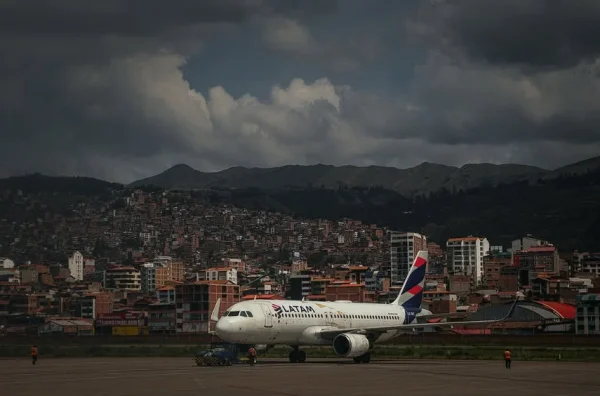
Main-entrance-of-Cusco-Airport-Peru-with-passengers-arriving

The official Cusco airport name is the Alejandro Velasco Astete Cusco International Airport. It was named in honor of Alejandro Velasco Astete, a pioneering Peruvian pilot who was the first person to fly across the Andes from Lima to Cusco in 1925, a feat that was considered impossible at the time due to the treacherous mountain winds. His legacy lives on in this facility, which is currently the second busiest airport in Peru after Lima's Jorge Chávez International Airport. Despite its single runway, it manages a high frequency of flights, requiring precise piloting skills to navigate the surrounding mountainous terrain.

Located surprisingly close to the urban sprawl, the Cusco Airport sits within the city limits rather than on the outskirts. The Cusco airport address is technically listed as Avenida Velasco Astete, situated between the Wanchaq and San Sebastian districts. This location is only about 5.5 kilometers (3.4 miles) southeast of the historic Plaza de Armas. Because the airport is practically in the city, the landing is one of the most spectacular in the world; passengers look out the window to see red-tiled roofs and colonial churches passing just below the wings as the plane banks sharply into the valley to align with the runway.

What Is the Cusco Peru Airport Code and Exact Location

When booking your flights online, it is crucial to use the correct airport code for Cusco to avoid any confusion with other regional airports in South America. The International Air Transport Association (IATA) Cusco airport code is CUZ. You will see this printed on your baggage tags and boarding passes. In aviation terms, the International Civil Aviation Organization (ICAO) code used by pilots and air traffic control is SPZO. Ensuring your ticket reads "CUZ" confirms you are heading to the Imperial City of the Incas.

The Cusco Peru airport code represents a facility with a very specific geographic reality. The exact location places the terminal at coordinates 13°32′08″S 71°56′37″W. Because the city has grown around the airport over the last few decades, there is no room for a second runway or significant expansion. This geographical constraint is why flights are strictly scheduled during daylight hours and why the airport code Cusco is often associated with strict departure slots. Travelers should be aware that this central location, while convenient for short taxi rides, contributes to significant noise pollution in the city.

Cusco Airport Elevation and Handling Altitude Sickness upon Arrival
Signage-of-Alejandro-Velasco-Astete-International-Airport-outside

One of the most critical factors every traveler must consider is the Cusco airport elevation. The runway sits at approximately 3,400 meters (11,152 feet) above sea level. To put this in perspective, this is significantly higher than Machu Picchu itself, which sits at around 2,430 meters. This makes the airport in Cusco Peru one of the highest commercial airports in the world. Stepping off the plane is often the first time visitors feel the "thin air," and it is common to feel slightly breathless just by walking from the gate to the baggage claim area.

Is Cusco airport dangerous? In terms of flight safety, absolutely not; pilots receive specialized high-altitude training to land here, and modern aircraft are equipped for these conditions. However, for passengers, the danger lies in Soroche, or altitude sickness. The Cusco airport altitude can trigger symptoms like dizziness, headache, and nausea within minutes of arrival. To mitigate this, move slowly through the terminal, avoid heavy lifting, and look for the medical stations offering oxygen if you feel faint. Many hotels also offer "oxygen shots" upon check-in, but the best advice is to hydrate immediately and avoid alcohol during your flight.

Operating Hours for Cusco Airport Arrivals and Departures

Unlike major international hubs that operate 24/7, Cusco airport departures and arrivals are limited by specific weather patterns and geography. Strong tailwinds usually pick up in the Cusco valley in the late afternoon, making landings difficult and potentially unsafe. Therefore, the vast majority of airport Cusco arrivals are scheduled for the morning and early afternoon. The airport generally opens its doors at 5:00 AM and ceases flight operations around 4:00 PM or 5:00 PM, although some departures may leave slightly later during peak summer months if weather permits.

It is extremely important to check your Cusco airport flight status frequently, especially during the rainy season (January to March), as delays due to morning fog or afternoon storms are common. If you are returning from the citadel on the last train from Machu Picchu to Cusco, which often arrives in Poroy or Ollantaytambo late at night, bear in mind that you cannot fly out that same evening. You will inevitably need to book a hotel in Cusco for the night and schedule your flight for the following morning, as the Cusco Airport will be firmly closed by the time your train pulls into the station.

Options for Cusco Airport Transportation to City Center and Hotels
Airline-check-in-counters-inside-Cusco-Airport-main-hall

Figuring out how to get from Cusco airport to hotel accommodation is the first logistical hurdle you will face upon retrieving your luggage. The Cusco airport transportation ecosystem is a chaotic mix of official services, aggressive street taxis, and ride-sharing apps. The drive from Cusco airport to city center is relatively short, usually taking 20 to 30 minutes depending on the heavy traffic that clogs the narrow streets of the historic district.

The best way to get from Cusco airport to hotel depends entirely on your budget, your patience for negotiation, and your comfort level. To help you decide, we have compiled a table comparing the most common options based on price, safety, and convenience for 2025/2026.

Comparison of Transportation Options

Transport OptionAvg. Price (USD)Safety LevelConvenienceIdeal Traveler
Official "Llama" Taxi$15 - $20Very HighHighFamilies & Safety-Conscious
Street Taxi$5 - $8ModerateMediumBudget Backpackers
Uber / DiDi$7 - $12HighLow (Connectivity)Tech-savvy Solo Travelers
Private Transfer$25 - $35Very HighVery High (Meet & Greet)Groups & First-timers
Shared Shuttle$5 - $8ModerateLow (Waiting time)Solo Budget Travelers

Analyzing the data above, the Cusco airport transportation choice becomes clearer. While street taxis are the cheapest on-demand option, the safety trade-off and the need to speak Spanish to haggle make them less attractive for first-time visitors. The Official Taxi (Llama) represents the best balance of speed and safety for small groups. However, for those who value peace of mind above all else, the Private Transfer—where a driver waits with a sign—is the undisputed winner, eliminating the chaos of the arrivals hall entirely.

Official Taxi from Cusco Airport to City Center Price and Safety
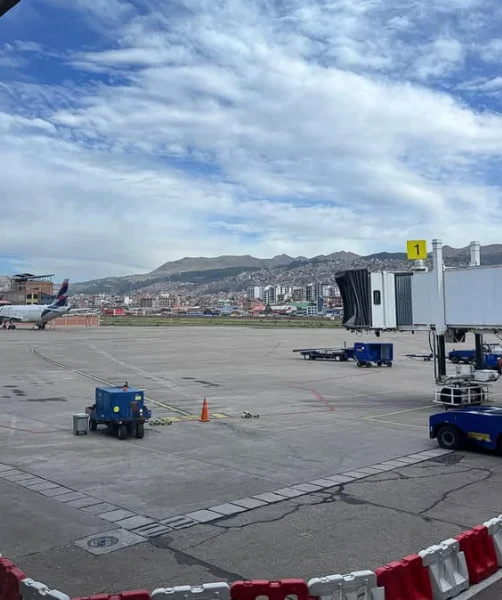
Travelers-waiting-at-Cusco-Airport-departures-gate

The safest on-demand option is to use an official Cusco airport taxi. You will see their counters located inside the baggage claim area and just before you exit the restricted zone to the street. These companies are authorized by the airport administration. The official taxi from Cusco airport to city center price is higher than street rates, typically costing around 50 to 60 Soles ($15-$18 USD). While this is more expensive than the street rate, the premium covers a modern vehicle, a vetted driver, and the security of having a record of your ride.

When you ask for a taxi from Cusco airport via these desks, you will pay a fixed rate at the counter and receive a ticket to give to the driver. This eliminates the stress of haggling and the fear of being overcharged or taken on a "scenic route" to increase the fare. The Cusco airport taxi price for these official cars is non-negotiable, but for many travelers, the peace of mind of getting into a registered, safe vehicle immediately after a long flight is well worth the extra few dollars.

Difference Between Llama Taxi Inside and Street Taxis

If you browse any Cusco airport taxi Reddit thread or travel forum, you will see frequent debates about "Llama Taxis" versus street taxis. "Llama Taxi" is the colloquial name for one of the main official companies operating inside (often branded as Shuttle or Airport Taxi). These vehicles are usually black sedans or SUVs with ample trunk space for luggage. They are permitted to park right outside the arrivals sliding doors, meaning you don't have to drag your bags far.

In contrast, to catch a regular taxi from Cusco airport, you must walk with your luggage outside the terminal building and through the parking lot gate to the main avenue. Here, you will be swarmed by dozens of drivers shouting "Taxi! Taxi!". You can negotiate a ride here for 15-25 Soles ($4-$7 USD). However, these cars are often old, small (sometimes the tiny Daewoo Ticos), and may lack seatbelts in the back. While usually safe, there is a higher risk of petty theft or scams with unofficial drivers.

Using Uber at Cusco Airport and Wi-Fi Connection Availability

Many travelers ask: Can you use a Cusco airport Uber? Yes, ride-sharing apps like Uber and Cabify do operate in Cusco. However, the relationship between these apps and local drivers is complicated. Local drivers often prefer cash and may cancel the ride if they realize you intend to pay by credit card through the app, or they may arrive and ask you to cancel the booking to pay them cash directly. Furthermore, Uber drivers are banned from the official pickup curb, so you will likely have to meet them in the parking lot or outside the gate.

To successfully use ride hailing apps Cusco, you need a reliable internet connection. The Cusco airport wifi is notoriously unreliable and slow. It is technically free for a limited time (often 15-30 minutes), but the signal is weak and often disconnects due to the high volume of users. It is highly recommended to have international data roaming active or to buy a physical SIM card immediately if you plan to rely on an app to call your ride. Do not bank on the Cusco airport Wi-Fi being strong enough to track your driver's location.

Private Cusco Airport Transfer Services vs Shared Shuttle Vans

Security-checkpoint-entrance-at-Cusco-International-Airport

For a completely stress-free arrival, booking a private Cusco airport transfer in advance is the superior choice. With a pre-booked airport transfer Cusco, a driver will be waiting for you at the arrivals gate holding a sign with your name. They assist with your luggage and already know the exact location of your hotel, which can be tricky to find in the labyrinthine streets of Cusco. This service typically costs between $20 and $35 USD, offering the highest level of convenience.

Alternatively, there are airport shuttle Cusco services, which are shared minivans. These are cheaper, often costing around $5-$8 per person. However, they are significantly slower. You must wait for the van to fill up with other passengers before departing, and the driver will make multiple stops to drop people off at different hotels. This can prolong the Cusco airport to hotel journey by an hour or more. If you are prone to motion sickness or altitude sickness, the stop-and-start nature of a shared shuttle might be uncomfortable.

Car Rental Cusco Airport Peru Companies and Requirements

There are global Cusco airport car rental desks located inside the terminal, including Hertz, Budget, and Alamo, as well as some local Peruvian agencies. You can rent SUVs and pickup trucks here, which might seem appealing for exploring the Sacred Valley independently. To rent, you will generally need a valid driver's license from your home country (an International Driving Permit is recommended but not always strictly mandatory), a credit card for the deposit, and a passport.

However, renting a car rental Cusco airport Peru vehicle is generally discouraged for the average tourist. Driving in Cusco is chaotic; traffic rules are often ignored, signage is poor, and finding parking near the Plaza de Armas is nearly impossible and expensive. Unless you are planning a specific road trip to very remote areas where tours don't go, a car rental Cusco airport vehicle is often more of a burden than a convenience. If you do rent, ensure you buy full insurance coverage, as minor scrapes are very common in Peruvian traffic.

Routes from Cusco Airport to Ollantaytambo and Machu Picchu

Baggage-claim-belt-area-at-Cusco-Airport-arrivals

Many knowledgeable travelers choose to bypass the city of Cusco entirely upon arrival, heading immediately to lower elevations to acclimatize better. Looking at a Cusco airport map, you will see that the airport serves as the central hub for various Cusco airport destinations like Urubamba, Pisac, and Ollantaytambo. These towns are located in the Sacred Valley, which sits at a lower altitude than Cusco city, making it easier on the body.

The route from Cusco airport to Sacred Valley is visually stunning, winding past Chinchero and offering views of snow-capped peaks. However, it requires logistical planning because there is no direct public transport bus from the airport terminal to these valley towns. You effectively have to choose between a private taxi/transfer or navigating to a secondary bus terminal in Cusco city to catch public transport.

Travel from Cusco Airport to Ollantaytambo Train Station

To go directly from Cusco airport to Ollantaytambo, which is the main train station for Machu Picchu, you have two main choices. First, be aware that there is no direct public bus from Cusco airport to Ollantaytambo that leaves from the terminal curb. To catch a cheap local bus (colectivo), you would first have to take a taxi to Pavitos Street in Cusco city and catch a shared van there. This is cheap (about 10-15 Soles) but inconvenient with heavy luggage.

The most efficient method is to hire a private Cusco airport to Ollantaytambo taxi. You can arrange this at the official taxi counters inside the airport or pre-book a transfer. This trip typically costs between $30 and $50 USD. The driver takes you directly from the arrivals hall to the train station door or your hotel in the valley. This is highly recommended if you have a train to catch the same day, as it removes the uncertainty of public transport schedules.

Travel Time and Distance for the Airport to Ollantaytambo Route

The distance from the airport to the valley is about 60 km (37 miles), but due to winding mountain roads and traffic leaving the city, the travel time is longer than the distance suggests. A private Cusco airport transfer to Ollantaytambo takes approximately 1 hour and 30 minutes to 1 hour and 45 minutes. The road is fully paved and scenic, passing through the high plains of Chinchero before dropping down into the Urubamba Valley.

If you are trying to catch a train immediately after landing, you must leave a buffer. We recommend allowing at least 3 to 4 hours from your landing time to your train departure. This accounts for potential flight delays, luggage retrieval, and traffic jams. The Cusco airport to Ollantaytambo train station route is the most critical link in the Machu Picchu logistics chain, so it is better to arrive early and have a coffee in Ollantaytambo than to miss your train.

Getting from Cusco Airport to Poroy Station for the Train
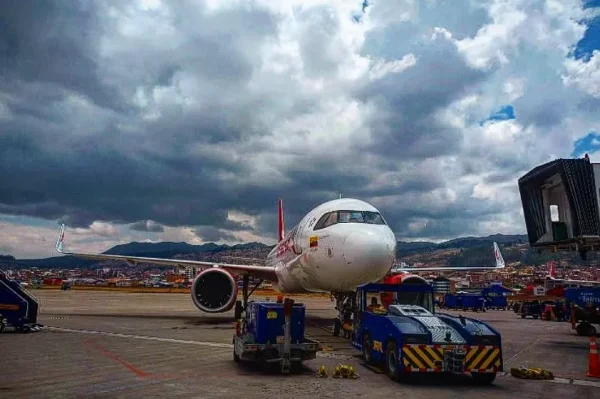
Passengers-walking-through-the-arrivals-hall-at-Cusco-Peru-Airport

The Cusco airport to Poroy station route is much shorter and is an alternative for those who don't want to drive all the way to the Sacred Valley. Poroy is the secondary train station located on the plateau just above Cusco city, about 20-30 minutes from the airport by taxi. A taxi from Cusco airport to Poroy costs about $10-$15 USD.

However, travelers must be careful with schedules. Poroy offers fewer train departures than Ollantaytambo, and most of them are luxury or premium services (like the Hiram Bingham or Vistadome). Crucially, during the rainy season (January through April), the Cusco airport to Poroy train station route is often closed for safety reasons, and all trains depart exclusively from Ollantaytambo (the Bimodal service). Always check your ticket to confirm the departure station before heading to Cusco airport to Poroy station.

Is There Direct Transport from Cusco Airport to Machu Picchu

A very common misconception among first-time visitors involves the Cusco airport to Machu Picchu route. It is vital to understand that there is no road connecting Cusco to Machu Picchu; therefore, you cannot take a taxi, bus, or Uber directly from the airport to the ruins. The Cusco airport to Machu Picchu distance is about 75 km in a straight line, but the geography requires a multi-leg journey: Taxi to Train Station -> Train to Aguas Calientes -> Bus to Ruins.

The only way to get "direct" transport is to book a helicopter (which is extremely expensive and rare) or to book a package that includes all the transfers. If you are returning from Aguas Calientes to Cusco airport, you must take the train back to Ollantaytambo or Poroy, and then organize a transfer from the station to the airport. Allow at least 4 to 5 hours for this return journey to ensure you do not miss your flight home.

Services and Facilities Inside the Airport in Cusco Peru
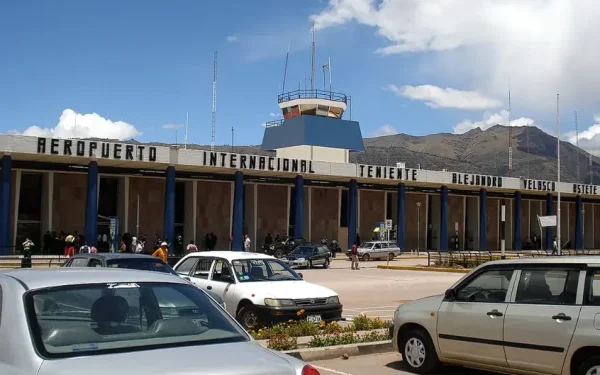
Welcome-sign-inside-Cusco-Airport-terminal

As a key regional hub, the airport near Cusco Peru is small but functional, designed to handle high tourist traffic efficiently. The terminal is split into two floors. The ground floor handles all arrivals, baggage claim, and airline check-in counters. The second floor houses the security checkpoint, Cusco airport shops, and the departure gates. Do not expect the amenities of a massive international hub; there are no showers or sleeping pods, but the facilities are sufficient for a short wait.

The airport is equipped with basic necessities including restrooms, a small chapel, and medical services. Cusco airport shops on the second floor sell high-end alpaca clothing (brands like Kuna and Sol Alpaca), silver jewelry, and typical souvenirs. While convenient, the prices here are significantly higher than in the artisan markets of Pisac or Cusco city. If you forgot to buy a gift, the airport is a good last resort, but budget-conscious travelers should buy in town.

Luggage Storage and Lockers at Cusco Airport for Travelers

Is there Cusco airport luggage storage? Yes, this is a lifesaver for travelers heading to Machu Picchu for a quick trip who don't want to drag large suitcases on the train (which has strict luggage limits). There is a "Left Luggage" (Guardarropa) service located on the ground floor near the main entrance/check-in area. Left luggage Cusco services charge a daily fee per bag, usually reasonable, and the facility is secure.

If you lose an item, the Cusco airport lost and found office is managed by the airport authority (CORPAC). It is located in the administrative offices. However, retrieving lost items can be a bureaucratic process. It is best to keep a close eye on your belongings at all times. If you lose something on the plane, you must contact the airline directly at their check-in counter, not the airport administration.

Where to Buy a Cusco Airport Sim Card and Money Exchange
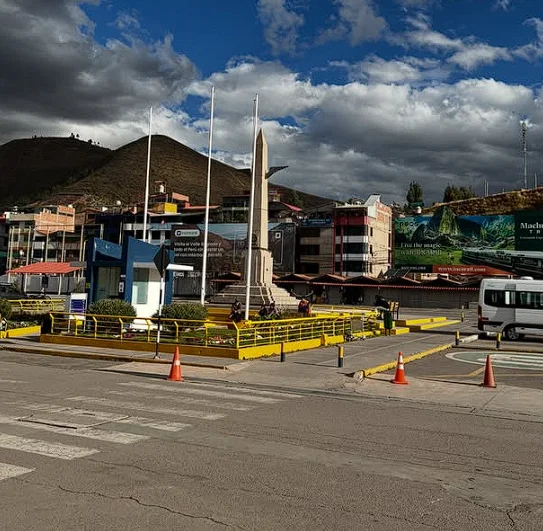
Cusco-Airport-flight-status-display-screens

Accessing money is easy upon arrival. You can find Cusco airport ATM machines (GlobalNet, BCP, Scotiabank) in both the arrivals and departures halls. They dispense Peruvian Soles and often US Dollars. There are also currency exchange booths (Money Gram / Interbank), but be warned that the exchange rates at the airport are generally poor compared to the "casas de cambio" on Avenida El Sol in the city center. Exchange only a small amount for taxis and tips here.

Regarding connectivity, finding a Cusco airport SIM card can be tricky. There are sometimes kiosks for providers like Claro or Movistar in the arrivals hall, but they are not always staffed, and they often sell "tourist packages" that mark up the prices significantly. If the kiosk is closed or too expensive, it is usually better and cheaper to buy a SIM card at a shop in the city center where you can get a standard local rate.

Restaurants and Shops Available in Cusco Airport Departures

Once you pass through security to the gate area, options for Cusco airport food are limited but decent. There is no full-service restaurant, but there are several snack bars and cafes selling empanadas, sandwiches, coffee, and cakes. Prices are higher than in the city. For a more comfortable wait, there is a small Cusco airport lounge (often the VIP Club) available for Priority Pass holders or for a fee. It offers better Wi-Fi, comfortable seating, and complimentary snacks and drinks.

The Cusco airport shops in the departure area are perfect for last-minute purchases. You can find bookstores, chocolatiers selling Peruvian cacao, and duty-free style perfumes. Note that while it is an "international" airport, the duty-free selection is very limited compared to Lima, as most flights are domestic connections.

Best Hotels Near Cusco Airport and Accommodation Options
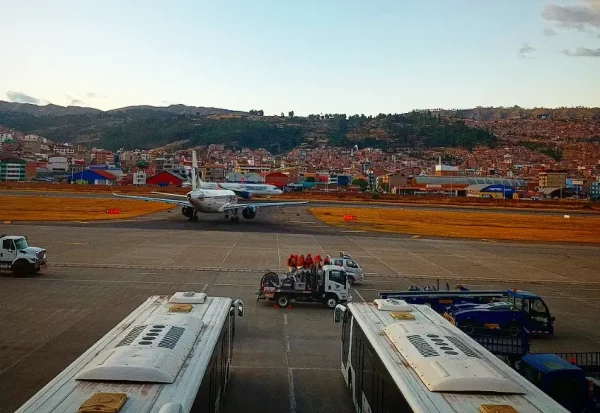
Duty-free-shops-and-waiting-area-inside-Cusco-Airport

Staying at a Cusco airport hotel is a strategic move if you have a very early flight departing Cusco or if you land late at night and want to avoid the trek to the city center immediately. While there is no hotel physically attached to the terminal building, there are several hotels near Cusco airport reachable by a 5-minute walk or a very short taxi ride.

Cusco hotels near airport tend to be more modern and significantly quieter than those in the busy historic center, which can be noisy due to nightlife and traffic. Staying in this area (Wanchaq/San Sebastian) gives you a local feel and easy access to the terminal, removing the stress of morning rush hour traffic when you are trying to catch a flight. We have compiled a list of top-rated options below.

Top Rated Hotels Near the Airport

Hotel NameApprox. DistanceRatingIdeal Guest
Wayqey Hotel500m (Walking)4.5/5Comfort Seekers (Rooftop Bar)
Sonesta Hotel1.2km (Taxi)4.5/5Luxury Travelers
Hospedaje El Chaski300m (Walking)3/5Budget Layovers
Mustapha's House1km (Taxi)3.5/5Backpackers

Based on the table above, the Wayqey Hotel stands out as the premier choice for convenience and quality, offering a blend of modern amenities within walking distance. The Sonesta Hotel provides a more upscale experience but requires a short taxi ride. For budget travelers, simple guesthouses like El Chaski offer a clean bed for a fraction of the price, proving that you don't need to sacrifice your budget for proximity to the terminal.

Top Rated Hotels Within Walking Distance of Cusco Airport
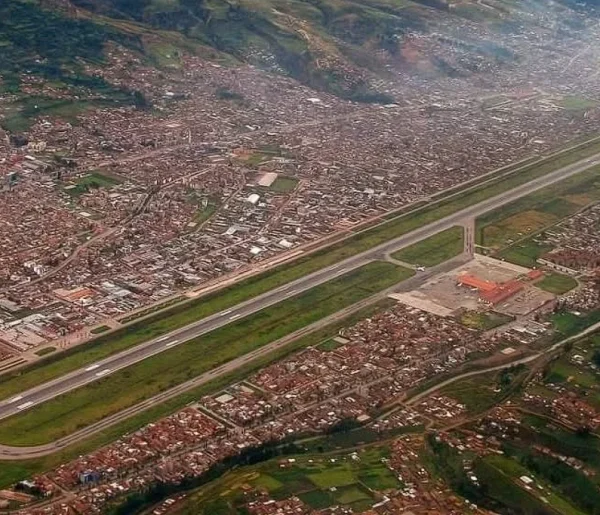
Scenic-landing-approach-at-the-airport-in-Cusco-Peru

If you want the absolute closest airport to Cusco accommodation, consider the Wayqey Hotel. It is arguably the best-rated among hotels near Cusco airport and includes a rooftop bar with views of the city. Another solid option is the Sonesta Hotel Cusco, which is a short 5-minute drive away. These hotels offer reliable shuttle services and are accustomed to international travelers' needs.

Walking from Cusco airport to hotel accommodation like Wayqey is possible and generally safe during the day, as it is just across the main avenue. However, at night, a taxi is highly recommended even for short distances due to dimly lit streets and the general rule of safety in a new city. The cost for this short ride should be minimal (5-10 Soles).

Travel from Cusco Airport to Plaza de Armas and Historic Center Hotels

Most visitors ultimately head to the historic center. The route from Cusco airport to Plaza de Armas takes about 20 to 30 minutes, depending on traffic. This is where the majority of tourist hotels, restaurants, and agencies are located. The taxi ride is the standard way to bridge this gap.

If you are staying at a luxury property like the Cusco airport to JW Marriott (which is located in the historic center, not at the airport), the hotel will usually arrange a private luxury pick-up for you. The drive from Cusco airport to Cusco city center takes you through the modern districts of Wanchaq before entering the cobbled, narrow streets of the colonial core. Be prepared for traffic jams during rush hour (7-9 AM and 5-7 PM), which can double the travel time.

Future Developments and the New Chinchero Cusco International Airport

The current Velasco Astete airport is operating well over its intended capacity. To address this and to drive economic growth, the Peruvian government is currently building the Chinchero Cusco International Airport. This Cusco new airport is located in the Sacred Valley town of Chinchero, approximately 30km northwest of Cusco city. The project is ambitious, designed to be a larger, modern facility capable of handling direct international flights from major cities like Miami, Madrid, or Sao Paulo, bypassing the current bottleneck in Lima.

This airport near Cusco is controversial but proceeding. Proponents argue it will boost tourism and export capabilities for the region. Opponents worry about the environmental impact, noise pollution in the Sacred Valley, and the threat to the archaeological integrity of the Chinchero area. Regardless of the debate, it represents the future of travel to Machu Picchu.

Status of the New Airport Construction and Expected Opening

The Chinchero airport project has faced numerous delays over the years due to contract disputes, archaeological findings, and political instability. However, as of 2025, construction is actively ongoing with earthworks largely completed and terminal structures beginning to rise. The new airport is tentatively scheduled to begin operations around late 2026 or 2027, though dates in Peruvian public works are often subject to change.

Until the Chinchero facility officially opens its doors, the Alejandro Velasco Astete airport remains the closest international airport to Cusco Peru. Travelers planning trips for 2025 and 2026 should continue to plan their logistics around the current city-center airport, but keep an eye on news for future trips.

How the New Airport Will Change International Flights to Cusco

Currently, almost all flights to Cusco airport must connect through Lima's Jorge Chávez International Airport. This adds travel time and logistical complexity (collecting bags, re-checking). The new Chinchero airport will change this dynamic entirely. Cusco airport international flights will be able to land directly in the Sacred Valley.

This shift will significantly reduce travel time for tourists, allowing for "breakfast in Miami, dinner in the Sacred Valley." It will likely increase the volume of flights to Cusco airport and change the flow of tourism, with more people potentially staying in the Sacred Valley first rather than Cusco city. This evolution will reshape the tourism landscape of the Andes in the coming decade.

Exploring the Peru Salt Flats A Travel Guide to Maras

Submitted by admin on

Many travelers associate the Andes only with ancient stone ruins, but the landscape holds incredible geological wonders as well. If you are researching the famous peru salt flats, you are about to discover one of the most unique and photogenic sites in South America.

Unlike the vast, mirror like white deserts found in neighboring Bolivia, the salt flats in peru are entirely different. The salt flats peru consist of over 4,500 geometric, terraced pools carved directly into the steep slope of a mountain canyon. Let's explore the deep history, engineering, and geography of this stunning salt flat peru destination so you know exactly what you are looking at when you arrive.

people-working-in-the-Maras-salt-flats

Where Are the Salt Flats in Peru and How Were They Formed

Maras-Salt-Mines-in-Cusco

When looking at a map of the Andes, a common question is exactly where are the salt flats in peru. People often see viral photos of these white terraces and ask, are there salt flats in peru that rival the massive ones in other countries? The answer is yes, but their origin is completely distinct.

If someone asks you does peru have salt flats, you can explain that these were actually formed millions of years ago by an ancient, trapped underground ocean. Here is exactly how this geological anomaly works:

  • Tectonic shifts: Millions of years ago, the crashing of tectonic plates pushed the Andes mountains up, trapping a massive saltwater ocean deep underground.
  • The Qoripujio spring: A natural subterranean spring constantly pushes this trapped saltwater out through a small crack in the mountain.
  • Continuous flow: This hyper saline water flows 365 days a year, providing an endless supply of salt to the valley.

The Geographic Location of the Salt Flats Cusco Peru

Map-of-the-Maras-salt-flats-in-Cusco-Peru

The exact location of the salt flats cusco peru is right in the heart of the Urubamba mountain range. They sit peacefully tucked away in a ravine, overlooking the surrounding green river valleys.

Considered one of the most visually striking salt flats of peru, they are positioned roughly 40 kilometers north of the old Inca capital. Reaching these salt flats by cusco peru takes about an hour and a half by car, making it a very accessible trip to add to your Andean itinerary.

Discovering the Altitude and Climate of the Maras Salt Flats Peru

Before visiting the maras salt flats peru, you need to understand the local mountain climate. The site sits at an elevation of roughly 3,380 meters (11,080 feet) above sea level.

Because the salt flats maras peru are located so high up, the weather can change rapidly, and the sun is incredibly intense. Exploring the maras salt flats in peru requires specific preparation to handle the altitude and the blinding light reflecting off the white pools. You should always bring:

  • Polarized sunglasses to protect your eyes from the harsh white glare.
  • High SPF sunscreen, as UV rays are much stronger at 3,380 meters.
  • A windbreaker jacket, as the canyon funnels cold winds in the afternoon.

The Ancient Engineering Behind the Salinas Salt Flats Peru

people-working-in-the-Maras-salt-flats

The salinas salt flats peru are a living masterpiece of pre Inca engineering. Long before the famous Inca Empire dominated the region, local indigenous civilizations (like the Chanapata culture) built these incredible terraces to survive.

The peru maras salt flats rely on a brilliant gravity fed canal system. A network of tiny channels directs the water from the main spring into thousands of individual cascading pools. This intricate design makes the maras salt flats sacred valley peru one of the most sustainable and efficient ancient harvesting sites still operating in the world today.

How Local Andean Families Harvest the Peru Flat Salt Today

The local Maras community strictly controls the production of the peru flat salt. The pools are not owned by a corporation; instead, they are owned exclusively by local families who have passed down the harvesting rights for hundreds of years.

To extract the peru salt flat crystals, the workers follow a natural, centuries old process at this salt flat peru:

  • Filling: The pool owner opens a small notch to let the spring water fill their specific terrace to about 5 centimeters deep.
  • Evaporation: The notch is closed, and the intense mountain sun naturally evaporates the liquid over a few weeks.
  • Harvesting: Once completely dry, workers carefully scrape the surface with wooden tools to collect the minerals entirely by hand.

Minerals and Natural Properties of the Pink Salt Flat of Peru

The unique geological composition of this salt flat of peru gives the crystals a distinct, beautiful pink hue. Unlike heavily processed commercial table salt, the salt flats in peru produce unrefined crystals that retain their natural elements.

The peru salt flats are highly prized by international chefs and health enthusiasts because the harvest is packed with essential trace minerals, including magnesium, calcium, iron, and zinc. Bringing home a small bag of these crystals is one of the most authentic culinary souvenirs you can find in the region.

The Connection Between Moray and Salt Flat Cusco Peru

The-Maras-and-Moray-Salt-Mines-in-Cusco-Peru

Almost every historical guidebook combines two major archaeological sites: the circular Inca terraces of Moray and the nearby salt pools. Studying the moray and salt flat cusco peru together makes perfect logistical and historical sense.

While they serve completely different purposes, the maray and salt flat cusco peru sites are located just a few miles apart on the exact same high altitude plateau. Exploring the moray salt flats peru connection offers a complete look at how ancient Andean people completely mastered agriculture and food preservation.

Why Agricultural Terraces and Salt Flats Sacred Valley Peru Coexist

Salt-harvesting-at-the-Maras-Moray-salt-flats-in-Cusco

The salt flats sacred valley peru and the Moray farming terraces coexist so closely because of the unique microclimates found in this specific corner of the Andes.

While Moray was used as an advanced agricultural laboratory to test crop temperatures at different elevations, the nearby salt flats peru provided the essential minerals needed to cure and preserve that exact food (especially dried meats like *ch'arki*). Together, the farming terraces and the peru salt flats ensured the survival of the local communities during long, freezing winters.

Navigating the Topography of the Salt Flats Near Ollantaytambo Peru

If you are charting a route through the Andes, you will likely pass right by this geographical area. Finding the salt flats near ollantaytambo peru is straightforward because they sit perched just above the main Urubamba river valley.

For travelers plotting their coordinates and wondering exactly where are the salt flats in peru in relation to major transit hubs, the site is just a short 45 minute drive from the Ollantaytambo fortress and train station.

The Natural Distance and Route of Peru Salt Flats Near Machu Picchu

Many tourists studying the map want to know if they can visit the peru salt flats near machu picchu on the exact same day. While they are technically in the same river valley, the salt terraces are located much higher up in the mountains, long before you reach the tropical jungle.

If a fellow traveler asks you does peru have salt flats right next to the famous ruins, you can tell them no. The salt pools should be visited on a separate day as you travel through the high valley, not on the exact same day you plan to hike the historical citadel.

the Cajamarca Carnival 2027 and Traditions

Submitted by admin on

The Cajamarca Carnival is widely recognized as the "Capital of the Peruvian Carnival" for a reason: it is the only festival in Peru where the boundary between spectator and participant completely dissolves. Unlike the folkloric parades in Puno or Cusco, where you watch from a distance, the Carnival in Cajamarca requires you to enter the "game." It is a month long immersive experience of joy, music, water, and paint that takes over the northern Andes.

For travelers planning to attend the Cajamarca Carnival Peru in 2027, it is crucial to understand that this is a massive, city wide event involving over 60 neighborhoods. It blends Spanish masquerade traditions with Andean agricultural rituals. The atmosphere is euphoric, sometimes chaotic, and incredibly welcoming. Whether you are dancing with a "patrulla" or drinking chicha de jora with locals, the Carnival Cajamarca offers a level of social integration that is rare in modern tourism.

playing-carnivals-in-Cajamarca

History and Meaning Behind the Celebration of the Cajamarca Carnival

the-city-of-Cajamarca-in-Cusco

To understand what is the Cajamarca Carnival, we must look at the Andean agricultural calendar. February coincides with the peak of the rainy season in the Andes, a time of maturation for the crops. Historically, Cajamarca Carnival history is deeply tied to the Pawkar Raymi (Festival of Flowering). The abundance of water and rain was celebrated as a blessing from the earth, and the carnival became a ritual of gratitude expressed through excess eating, drinking, and dancing before the austerity of the harvest and the Catholic Lent.

Why is the Cajamarca Carnival celebrated with such intensity? It serves as a "social valve." During the carnival days, the rigid social hierarchies of colonial and republican Peru were suspended. The rich and the poor, the landowner and the farmer, would hide behind masks and paint, becoming equals in the chaos. This tradition of "social inversion" remains the heartbeat of the festival today, allowing the community to release the tensions of the year through satire and collective partying

Understanding the Spanish and Andean Origins of the Carnival in Cajamarca

The origins of the festival are a textbook example of cultural syncretism. The Carnival Cajamarca history began when Spanish colonizers brought the European tradition of "Carnestolendas" (festivities of meat) to the Andes. They introduced the concept of the masquerade, the courtly costumes, and the satirical verses. However, these European elements were absorbed by the indigenous population, who infused them with their own pentatonic musical scales and agricultural symbolism.

Today, the Peruvian Carnival Cajamarca is distinct from other carnivals in Latin America because of the "Coplas." These are rhyming, often improvised verses sung by the neighborhoods. While the costumes may look European (with capes and crowns), the music and the "Coplas" are deeply Andean, often featuring mischievous or biting lyrics about love, politics, and daily life. This fusion created a unique identity where the Spanish court jester became the Andean "Clon."

The Legend of Ño Carnavalón as the Main Cajamarca Carnival Symbol

The absolute center of the Carnival de Cajamarca is "Ño Carnavalón," also affectionately known as "King Momo." He is the main Cajamarca Carnival symbol, represented as a large headed, jovial doll dressed in colorful silk. According to local legend, he is not just a character but a deity of joy who descends from the hills to rule the city for five days. His presence grants the citizens permission to break social norms, drink excessively, and play with water.

While there is a King and Queen of Carnival Cajamarca (real people elected to preside over the corso), they are secondary to the figure of Ño Carnavalón. His narrative arc drives the entire schedule: his arrival brings life, his partying brings chaos, and his death on Ash Wednesday restores order. He is treated as a living entity; people sing to him, offer him drinks, and genuinely mourn him when the festival ends.

Who Are Doña Carnavalona and El Cilulo in Local Folklore

Among the essential Cajamarca Carnival facts is the identity of "Doña Carnavalona." She is the wife of King Momo and is typically portrayed by a man in drag during the funeral procession. She represents the "grieving widow," a satirical character who wails loudly about her husband's death while making flirtatious jokes with the crowd. She embodies the comedy of the festival, turning a funeral into a farce.

Another crucial term is "El Cilulo." Many tourists mistake this for a character, but it is actually the most famous song of the region ("The Cilulo"). However, in local folklore, the characters of the carnival also include the "Virreyes" (Viceroys), who wear heavy, embroidered capes and crowns, mocking the Spanish nobility of the colonial era. Understanding these characters adds depth to what might otherwise look like just a colorful parade.
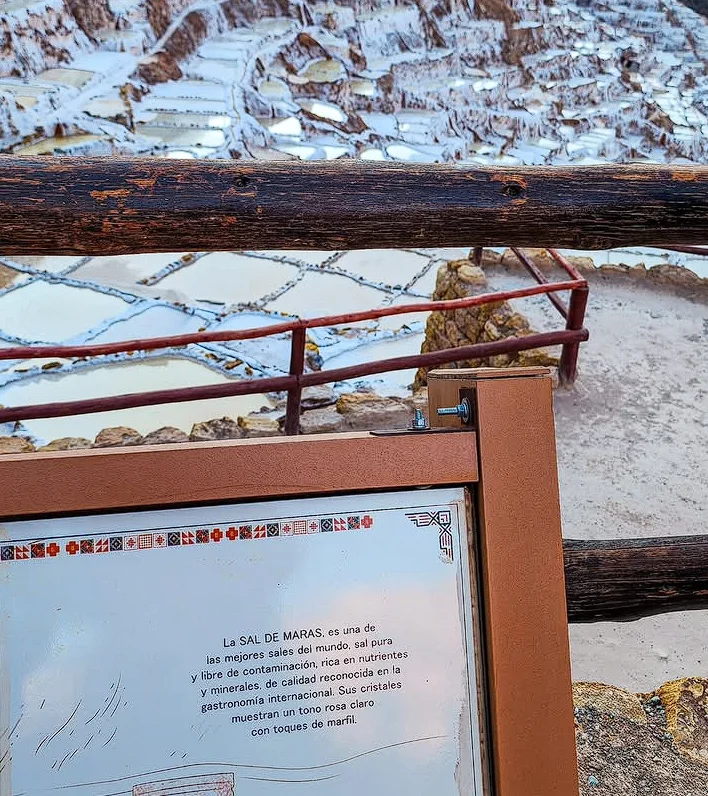
Official Schedule and Cajamarca Carnival Date Start 2027

playing-carnivals-in-Cajamarca

If you are wondering when is Cajamarca Carnival in 2027, you must calculate it based on Easter. Since Ash Wednesday falls on February 18, 2027, the main "Central Days" of the carnival will occur from February 14 to February 18. While pre carnival activities like the "Globeadas" (water balloon fights) begin in mid January, the tourist centric events are concentrated in these specific dates.

The Cajamarca Carnival date start for visitors is effectively Saturday, February 14, 2027. However, to get the full experience of the Cajamarca Carnival 2027, it is highly recommended to arrive by Friday, February 13, to acclimatize and witness the spontaneous street parties that erupt in the Plaza de Armas before the official calendar begins.

  • Feb 14 (Sat): Entrance of Ño Carnavalón.
  • Feb 15 (Sun): Patrols and Comparsas Contest.
  • Feb 16 (Mon): Great Carnival Corso.
  • Feb 18 (Wed): Burial of Ño Carnavalón.

Grand Entrance of Ño Carnavalón and the Start of Festivities on February 14

The start of festivities explodes on Saturday, February 14, 2027. This is the entrance of King Momo (Ño Carnavalón). Unlike the organized parades of later days, this event is pure, unadulterated chaos. The King is brought down from the heights of Santa Apolonia or the surrounding hills, followed by a massive tide of people singing and dancing towards the Qhapaq Ñan complex.

This marks the Cajamarca Carnival date start for the "paint war." On this day, it is culturally acceptable for anyone to paint anyone. Locals mix water, flour, and aniline paint to create a paste that is smeared on faces. If you attend the Entrance, do not wear nice clothes. You will become a canvas. It is the most euphoric day of the year in Cajamarca, where thousands of strangers bond through the shared experience of getting messy.
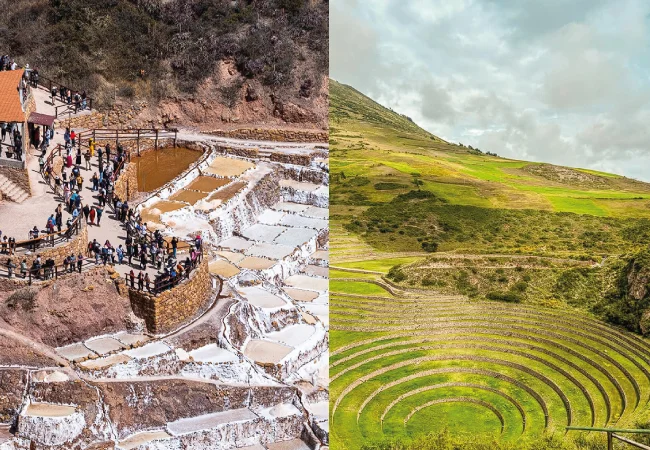
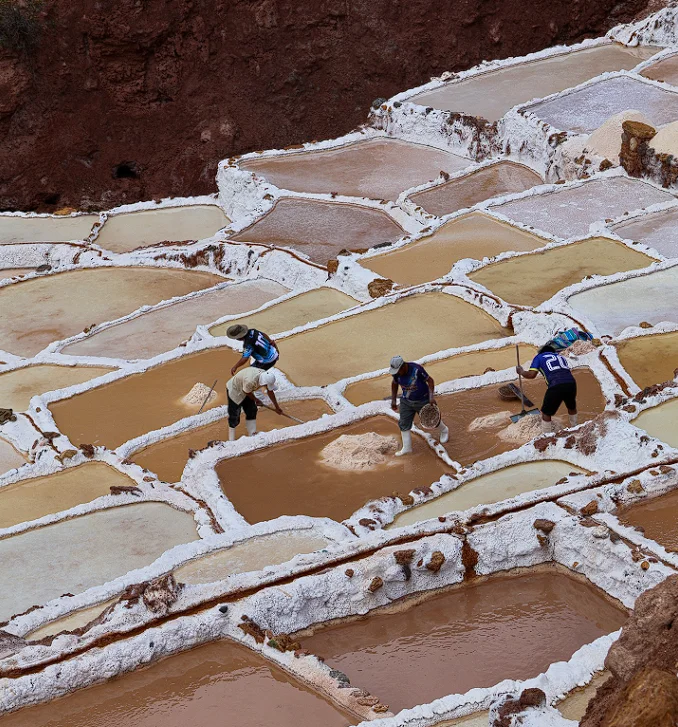
The Contest of Patrols and Comparsas at the Stadium on Sunday

On Sunday, February 15, the atmosphere shifts from chaotic to artistic. The carnival of Cajamarca hosts the Patrols contest at the Héroes de San Ramón Stadium. This stadium event is a formal competition where the neighborhoods (barrios) like Cumbemayo and San Sebastián present their best costumes to a panel of judges.

This is the best day for photography. The "Patrullas" (Patrols) showcase costumes that can cost thousands of dollars, featuring heavy velvet capes embroidered with gold thread and giant headdresses. Unlike the street parades where the dancers are moving fast, here they perform specific choreographies. Tickets for the stadium sell out days in advance, so buying them early is essential if you want a seated view of the craftsmanship.

Experiencing the Great Carnival Corso Parade 2027 on the Main Day

Monday, February 16, is the main day of carnival. The Great Corso Cajamarca is a massive parade that stretches for kilometers, usually moving along the wide Avenida Atahualpa. This parade features everything: the winning Patrols from Sunday, the neighborhood Comparsas, the Carnival Queens, and the "Carros Alegóricos" (massive floats).

The carnival parade can last up to 6 hours. It is more family friendly than Saturday's entrance. While spectators still play with water and foam, they usually respect the dancers in the expensive costumes. The highlight is the interaction; dancers will often pull spectators out of the crowd to dance a few steps of the "Cashua" before releasing them. It is a marathon of energy that showcases the sheer scale of the festival.

Burial of Ño Carnavalón and the End of the Party on Ash Wednesday

The end of carnival arrives on Ash Wednesday, February 18, 2027. The Burial of Ño Carnavalón takes place in the district of Baños del Inca. This event is a piece of satirical theater. The doll of the King is placed in a coffin and carried through the streets, followed by the "widows."

The widowers of the carnival are local men dressed in black veils and skirts, holding fake babies, wailing and screaming comically about the loss of their "husband." They read the "Testamento" (Will), a document filled with biting political satire and jokes about local authorities. Finally, the doll is burned, symbolizing the death of excess and the purification of the community as they enter the holy period of Lent.

Traditional Dances and Cajamarca Carnival Colors You Will See

dances-in-Cajamarca

The Cajamarca Carnival colors are neon and high contrast. The costumes do not follow a subtle palette; they use bright pinks, electric blues, and deep yellows to stand out against the green Andean landscape. This visual intensity is matched by the auditory experience. The music is not varied; it is a relentless, hypnotic loop of the "Carnaval de Cajamarca" melody played on trumpets, tubas, and percussion.

Cajamarca Carnival traditions dictate that the dance is communal. Groups do not just perform for a stage; they circle around themselves and the crowd. You will see specific traditional characters that date back to the colonial era, each with a specific role in maintaining the order and disorder of the party.

  • The Virrey: Represents Spanish authority but dances to Andean rhythms.
  • The Abuelo (Grandfather): Represents wisdom and the ancestors.
  • The Clon: The chaotic spirit of the party.

Meaning of the Clones and Their Wire Mesh Masks in the Parade

The "Clon" is the most distinct figure of the festival. The Clones of Cajamarca wear large, cones haped hats (cucuruchos) adorned with flowers and ribbons, and baggy clothes that make them look larger than life. The most critical element of the costumes of Cajamarca for the Clon is the mask: it is made of finely woven wire mesh, painted pink with blue eyes and a small mustache.

In carnival traditions, the wire mesh allows the dancer to see, breathe, and drink without removing the mask, maintaining their anonymity for days. The Clone carries a "binza" (a leather whip). Historically, this was used to clear the streets for the patrol, but today it is used to keep the rhythm, cracking it against the asphalt to create a percussion sound that accompanies the music. The Clone represents the playful, bird like spirit of the festival, often mimicking the movements of a rooster.

Difference Between Patrols and Comparsas Groups in the Festival

Travelers often confuse the two types of groups. Here are the key Carnival Cajamarca facts to distinguish them:

  • Patrols (Patrullas): These are smaller, exclusive groups (usually 10-20 members). They wear the "Trajes de Lujo" (Luxury Costumes). A Patrol is structured hierarchically: it is led by a Virrey, followed by the Clones and other characters. Their focus is on the splendor of the costume.
  • Comparsas: These are larger groups representing an entire neighborhood. Patrols vs Comparsas differ in that Comparsas wear "Trajes de Disfraz" (themed costumes) that are identical for all members (e.g., a group of 50 people all dressed as sunflowers or miners). Their focus is on uniformity, singing coplas, and choreography.

Dancing Around the Unsha or Yunza Tree Tradition with Locals

The Unsha tradition (known as Cortamonte or Yunza in other parts of Peru) is the heart of the neighborhood celebration. A large tree usually a capulí or willow is replanted in a plaza or intersection. It is adorned with gifts: buckets, blankets, fruits, and balloons.

Among the Cajamarca Carnival traditions, the ritual involves couples dancing around the tree to the sound of a live band. As they circle, they take turns swinging a machete or axe at the trunk. The tree does not fall quickly; it takes hours. The couple that lands the final blow that brings the tree down becomes the "Padrinos" (Godparents) for the next year. They are culturally obligated to provide a new tree and better gifts for the next carnival, ensuring the festival's economic survival through reciprocity.

Surviving the Cajamarca Water Carnival and Paint Wars

The Cajamarca water carnival is aggressive and joyful. It is not just about water balloons; locals use high pressure water guns and buckets. In recent years, the "Globeadas" have become organized events in the Plaza de Armas where thousands of people gather solely to throw water at each other.

The painting tradition is distinct to Cajamarca. It is not just face painting; it is a mixture of water, flour, and aniline dyes. Be aware that this paint can stain clothes permanently. Regarding water fights safety, tourists are welcomed targets. To survive, do not wear contacts (paint can irritate eyes), buy plastic safety goggles (sold on every street corner), and cover your hair if you have blonde or dyed hair, as the aniline can stain it for weeks.

Best Food in Cajamarca and What to Eat During Carnival

traditional-food-of-Cajamarca

Cajamarca is the dairy capital of Peru, but during Carnival, the diet shifts to high energy protein. The food in Cajamarca during February is designed to coat the stomach for heavy drinking and provide warmth against the rain. The typical dishes are heavy, savory, and communal. You will see locals eating at all hours, as the party requires constant refueling.

Tasting the Famous Frito Cajamarquino for Breakfast

The most iconic dish is Frito Cajamarquino, and uniquely, it is a carnival breakfast. You do not eat this for dinner; you eat it at 7:00 AM after a night of partying or before the parade starts.

The dish consists of pork entrails and ribs fried in their own fat. The key flavor profile comes from fried pork with saffron (or turmeric/palillo), which gives the meat a distinctive yellow color and earthy flavor. It is served with "ceviche de papa" (boiled potatoes mixed with lemon and chili) and tamales. This heavy, greasy meal is considered the secret to surviving the days of drinking chicha de jora without getting sick.

Recover Energy with the Traditional Sancochado or Puchero Stew

For lunch, the standard is Sancochado Cajamarquino, locally known simply as "Puchero." This is not a light soup; it is a feast. The puchero soup is prepared in massive pots to feed entire families or neighborhoods.

The carnival lunch version of Sancochado includes three meats: beef, pork, and lamb, along with cabbage, carrots, potatoes, sweet potatoes, and yucca. It is traditionally served in two parts: first, the broth is drunk to warm the body, and second, the meats and vegetables are served on a plate, topped with a spicy rocoto cream. It is the ultimate comfort food for the wet Andean weather.

alitas-acevichadas-in-cajamarca

Drinking Chicha de Jora and Frutillada During the Celebrations

You cannot experience carnival without chicha. Chicha de Jora is a fermented corn beer that has been the staple of the Andes for millennia. In Cajamarca, it is served in "potos" (giant gourds). It is sour, earthy, and refreshing.

However, the specific drink of the carnival is Frutillada Cajamarca. This is Chicha de Jora that has been blended with "frutilla" (a type of wild strawberry) or beets, giving it a bright purple color and a sweeter taste. These Peruvian drinks are low in alcohol but are consumed in massive quantities over long periods. Be careful: the sweetness masks the fermentation, and it can catch you off guard.

chicha-de-jora-in-cajamarca

Travel Guide and Logistics for Visiting Cajamarca in February

Tourism in Cajamarca explodes in February. The city's population swells, and infrastructure is tested. Planning is not just recommended; it is mandatory. If you show up without a plan, you might find yourself sleeping in a park (which happens to many unprepared backpackers). Knowing how to get to Cajamarca and navigate the city during road closures is vital.

Travel tips Cajamarca essentials:

  • Cash is King: ATMs often run out of money during the carnival weekend. Bring cash from Lima.
  • Rain Gear: It rains almost every afternoon in February. A high quality poncho is better than an umbrella, which can't be used in crowds.
  • Connectivity: Cell networks often crash during the Corso due to the density of people. Agree on meeting points with your group.

How to Get to Cajamarca by Flight or Bus from Lima

Flights: The most efficient way is via flights to Cajamarca (Major General FAP Armando Revoredo Iglesias Airport). Airlines like LATAM and Star Peru fly daily. The flight takes 1 hour and 15 minutes. Warning: Flight prices for carnival dates can triple if not booked 3-4 months in advance.

Bus: Taking a bus to Cajamarca is cheaper but grueling. It takes 15 hours from Lima. The route goes up the coast to Pacasmayo and then turns inland up the mountains. This transport guide warns that the road (Carretera a Cajamarca) is winding and prone to landslides during the rainy season. Only choose top tier companies like Cruz del Sur or Civa for safety.

Where to Stay and Hotel Recommendations for the Carnival Week

Hotel availability reaches 100% capacity by January.

  • City Center: Staying near the Plaza de Armas means you never need a taxi, but you will not sleep before 3 AM due to the noise.
  • Baños del Inca: Located 6km from the center, this district offers thermal resorts. It is the best accommodation tips choice for families or those who want to escape the chaos at night.
  • Booking in Advance: You must book hotels in Cajamarca by November or December for the 2027 carnival. Many locals rent out rooms in their houses (hospedajes) once hotels fill up, but these are hard to find online and usually require being there in person.

Safety Tips for Tourists During the Water and Paint Fights

Safety in Cajamarca carnival is less about crime (which is relatively low compared to big cities) and more about protecting your body and gear.

  • Eye Protection: The mix of flour and paint can cause eye infections. Wear sunglasses or buy industrial goggles.
  • Water Proof Gear: Do not bring a professional camera unless you have a rain sleeve. Your phone should be in a waterproof pouch around your neck.
  • Clothing: Do not wear jeans (they get heavy when wet). Wear quick dry synthetic fabrics. Most tourists buy a cheap white t shirt in the market to let it get painted as a souvenir.
  • Respect: If you are painted, laugh. Getting angry makes you a bigger target. The carnival is about letting go of ego. Follow these travel tips and you will be embraced by the locals as one of their own.

What Is The Difference Between A Llama And An Alpaca

Submitted by admin on

The primary difference between an alpaca and a llama comes down to their physical size their fleece texture and their historical working purpose. Llamas act as large sturdy pack animals built for carrying heavy cargo across high mountain passes. Alpacas remain much smaller and farmers breed them exclusively for their ultra soft luxury wool. Both belong to the camelid family but they play entirely different roles for Andean communities.

Alpaca-in-Machu-Picchu
llama and alpaca

Are Llamas And Alpacas The Same Animal

They are absolutely not the same animal. Even though they look similar from a distance they evolved into two distinct species over thousands of years of domestication.

Andean communities selectively bred them to enhance specific physical traits ensuring each animal served a unique agricultural need.

Are Llamas And Alpacas Related

Yes they are closely related cousins. Both animals belong to the South American camelid family which also includes wild vicunas and guanacos.

They share a common genetic ancestor that adapted perfectly to the harsh high altitude environments of the Andes mountains.

FeatureLlamaAlpaca
Average WeightUp to 400 poundsAround 150 pounds
Ear ShapeLong and curved like a bananaShort straight and pointy
Face ProfileLong snout with very little hairShort blunt snout covered in thick fluff
Main PurposeCarrying heavy cargo on treksProducing high quality fine fleece
TemperamentIndependent brave and protectiveShy gentle and herd oriented

How To Tell The Difference Between Llamas And Alpacas

You can easily tell the difference between llamas and alpacas by looking at their ears and snouts. A llama has long curved ears shaped exactly like bananas and a longer face with very little hair.

An alpaca features short straight ears and a blunt face covered completely in thick fluffy wool. Size is another immediate indicator since a fully grown llama stands almost six feet tall easily towering over any alpaca.

how to identify a llama

Do Llamas And Alpacas Spit

Yes both animals will spit when they feel threatened annoyed or when fighting over food. Llamas are highly protective by nature and are much more likely to spit at humans if you invade their personal space.

Alpacas possess a shy gentle temperament and usually only spit at other herd members to establish dominance. Approaching them calmly ensures neither animal will bother you.

how-to-identify-an-alpaca

Can A Llama And Alpaca Breed

Because they share a close genetic background an alpaca and llama mix is entirely possible. Locals call this specific hybrid a huarizo.

A huarizo typically inherits the smaller body of an alpaca but keeps the long bare face of a llama. Farmers rarely breed them intentionally because their fleece quality drops significantly compared to a purebred alpaca.

Alpaca-suri-and-alpaca-huacaya

What Is The Difference Between Alpaca And Llama Wool

The main difference in alpaca and llama wool lies entirely in softness and commercial value. Alpaca fleece is incredibly fine warm and lightweight making it a highly prized luxury material in the global fashion industry.

Llama wool feels much coarser and lacks that premium soft texture. Andean weavers use llama fiber strictly for heavy durable rugs or strong ropes while relying exclusively on alpacas for high end clothing.

What Do Llamas And Alpacas Eat

Both species are strict herbivores grazing on natural mountain grasses across the high altitude plains. Because llamas are larger they possess a robust digestive system capable of processing tough dry brush and thorny plants.

Alpacas have much more sensitive stomachs and strongly prefer eating soft tender pasture. Caretakers separate their feeding grounds based on these specific dietary requirements to keep the herds healthy.

What-do-the-llamas-and-alpaca-eat-in-peru

Where To Find Pictures Of Llamas And Alpacas In Real Life

Viewing images of llamas and alpacas side by side online is helpful but interacting with them in person is a truly unforgettable experience. Throughout Peru you will easily spot both species roaming the Sacred Valley grazing near Rainbow Mountain or resting in the historic streets of Cusco.

Visiting a traditional community weaving center provides the absolute best opportunity to feed them safely and feel the exact texture difference in their fleeces.

Alpaca-in-Machu-Picchu

Are You Ready To Meet Them

During your upcoming trip through the Andes take time to appreciate these magnificent creatures. Knowing how to tell the difference between llamas and alpacas is a fantastic way to understand the rich agricultural history of Peru and connect with local rural communities.

Subscribe to Explore